How Many PC Bangs Are in Korea? Count, Prices, and Rules
There were 7,243 PC bangs in Korea as of 2024, and an hour in one costs about ₩1,459 if you are not a member — roughly a dollar. Those two numbers answer what most people actually came here to find out, and the official source for them is further down.
The rest is worth knowing too, because Korean PC bang culture is one of those things foreigners understand too narrowly. They hear "internet cafe" and imagine old computers, slow browsing, and a place you use only when your laptop dies. That is not what a PC bang means in Korea. For the singing-room version of the same pay-as-you-go leisure logic, use EpicKor's coin noraebang guide.
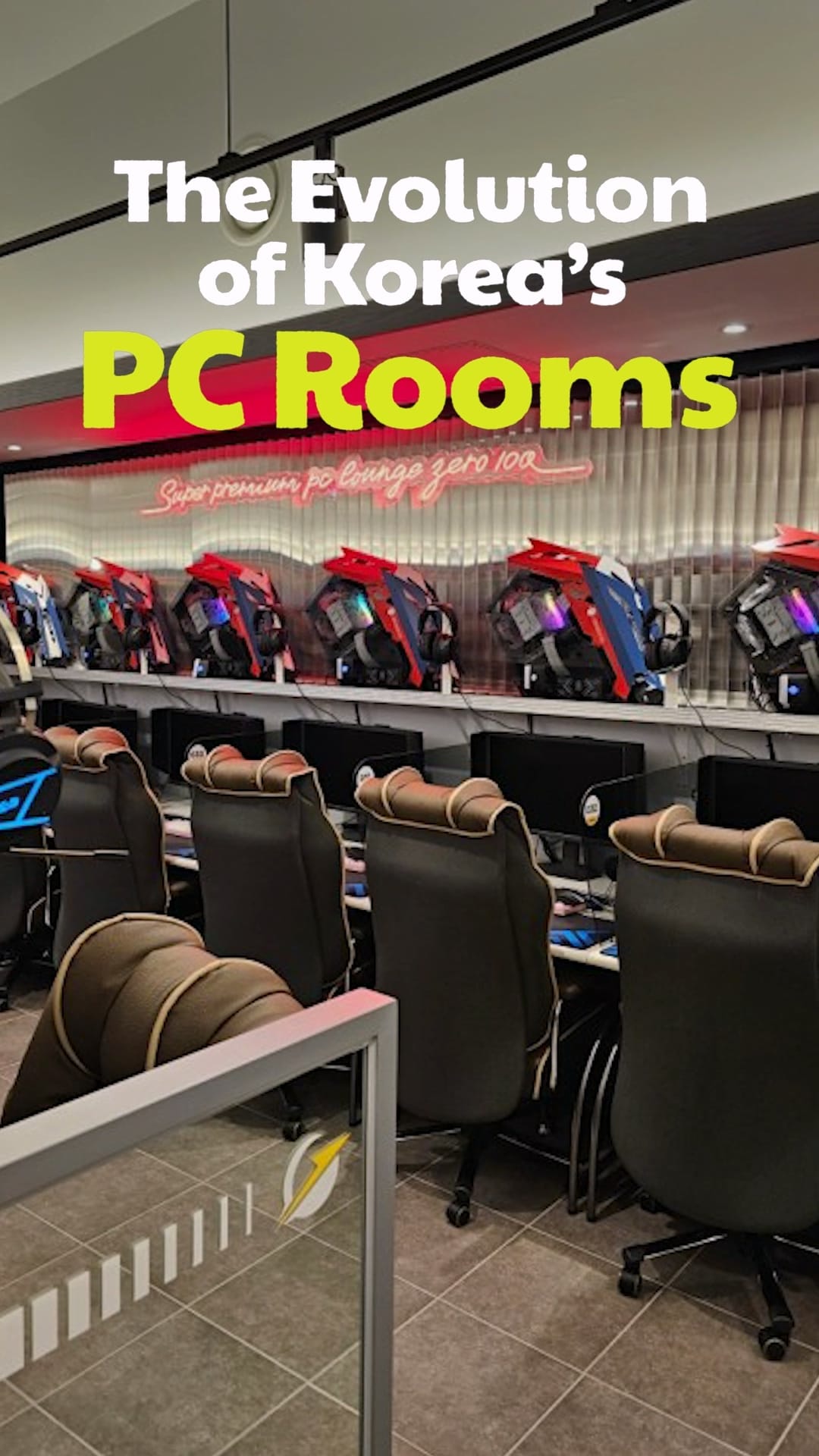
A PC bang literally means "PC room" in Korean. But culturally, it is closer to a gaming lounge, snack bar, esports training ground, cheap social hangout, and late-night shelter all folded into one. Rows of powerful computers, fast internet, big monitors, gaming chairs, headset chatter, instant food, and hourly pricing create a space that feels very Korean: efficient, social, competitive, and strangely comfortable.
If you want to understand why Korea became so important to online gaming and esports, you have to understand the room where so many people played.
Korea's PC Bang Numbers: The Official Count
Most English pages about PC bangs describe the vibe and skip the figures. Here are the actual ones, from the Korea Creative Content Agency's 2025 Game White Paper (2025 대한민국 게임백서), the annual government-affiliated industry survey. Its most recent full-year dataset covers 2024 — so if you searched for a 2026 figure, this is the newest official count that exists, not an estimate.
| Metric | Figure (2024) | Note |
|---|---|---|
| PC bangs nationwide | 7,243 | Down 530 from the previous year |
| Trend | 5th straight annual decline | Rate of decline has eased since 2020 |
| Hourly rate, members | ₩1,246 average (median ₩1,200) | Roughly US$0.90 |
| Hourly rate, non-members | ₩1,459 average (median ₩1,400) | Roughly US$1.05 |
| Monthly revenue per store | ₩26 million average (median ₩22M) | About US$19,000 |
| Average floor area | 278.6㎡ (84.3 pyeong) | Median 264㎡ |
Korean ramen cooking pot — compare on AmazonAffiliate link. As an Amazon Associate, EpicKor earns from qualifying purchases at no extra cost to you.
Two things worth pulling out of that table if you are visiting rather than researching.
It is genuinely cheap. Around ₩1,200–1,500 an hour means a two-hour session costs less than a single coffee at most Seoul cafes. The member/non-member gap is small in absolute terms — roughly ₩200 an hour — so as a traveler you are not being penalised much for not having a Korean membership.
The count is falling, and that shapes what you will walk into. Five consecutive years of decline means the surviving stores skew toward the ones that invested. The white paper also found that roughly 73% of operators did no PC upgrades at all in 2024, with only 6.3% upgrading their entire fleet — so the gap between a good PC bang and a tired one is real, and worth a glance through the window before you commit.
One honest limitation: the white paper publishes store counts, revenue, pricing and floor area, but I could not find an official national figure for total seats or average PCs per store in this dataset. If you see one quoted elsewhere without a source, treat it as an estimate.
What a Korean PC Bang Actually Is
A Korean PC bang is not just a room with computers. It is a purpose-built gaming space where customers pay by time, log into a computer, play online games, order food from the seat, and stay as briefly or as long as they want. Some people go for one match. Some go for a whole evening. Some students go after school. Some adults go after work. Some travelers go because it is one of the most local modern experiences they can try without speaking much Korean.
The basic system is simple. You walk in, choose or receive a seat, pay for time, and use a high-performance PC with installed games and fast connection. In many places, you can add more time through a machine or counter. The exact system varies by store, but the core feeling is consistent: sit down, log in, play.
The environment is usually darker than a regular cafe. Screens glow. Keyboards click. Chairs are built for long sessions. The air can feel intense because everyone is focused. Even when nobody is shouting, the room has energy. A PC bang is quiet in the way a sports arena is quiet before a play: attention is concentrated.
For international visitors, the surprising part is how ordinary it feels to Koreans. A PC bang is not automatically a niche gamer cave. It can be a casual hangout, a place to wait between plans, a cheap way to play with friends, or a late-night activity when cafes are closing and bars are not the mood. It is one of Korea's many "third places," like cafes, karaoke rooms, jjimjilbangs, and study cafes. The difference is that the screen is the shared table. If you want the more practical first-visit version, use EpicKor's PC bang food, kiosk, and etiquette guide alongside this culture overview.
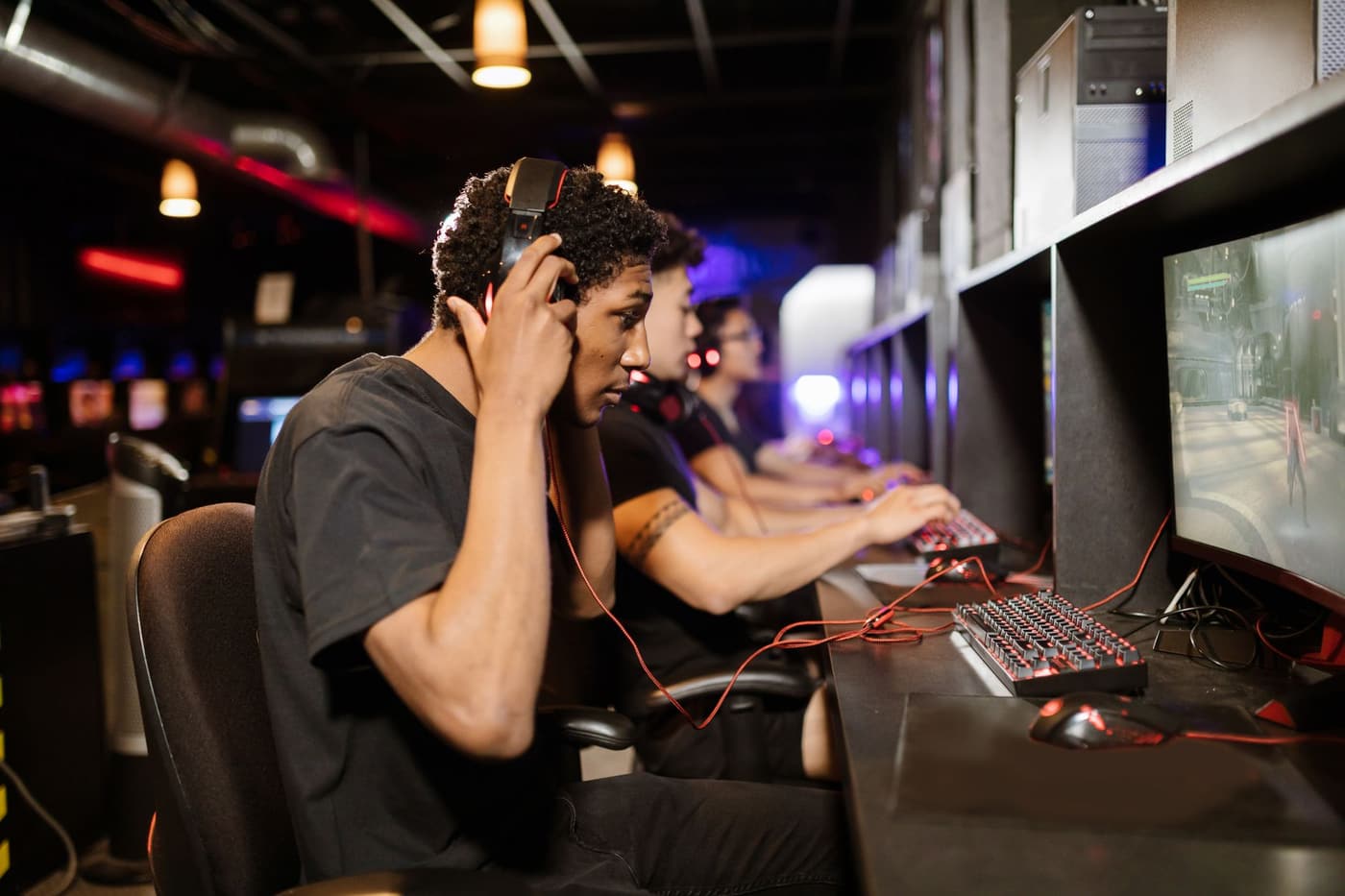
What makes a PC bang different from gaming at home is convenience. You do not need your own expensive setup. You do not need to host friends. You do not need to worry about hardware, desk space, or internet speed. The store provides the battlefield, and your friends provide the reason to stay.
Nongshim Shin Ramyun, 20-pack — what the machine behind the PC-bang counter is actually cooking. PC-bang menus are best in Korea, but the noodle itself ships: a case of Shin Ramyun gets a home session closer to the real room than any snack mix does. As an Amazon Associate, EpicKor earns from qualifying purchases at no extra cost to you.
See Shin Ramyun on AmazonWhy PC Bangs Became So Important in Korea
PC bangs became important because they arrived at the right time for Korea's internet, youth culture, and competitive gaming. In the late 1990s and early 2000s, broadband spread quickly in Korea, online games became social, and PC bangs gave people access to fast machines before every household had a strong gaming setup.
That timing mattered. A home computer is private. A PC bang is public, but not in a stiff way. Friends could sit in a row, play the same game, shout across the aisle, watch each other's screens, and turn online competition into face-to-face social life. The game was digital, but the hangout was physical.
This is one reason StarCraft became so closely linked with Korea. StarCraft did not become famous only because people played it at home alone. It grew inside a networked culture where PC bangs made multiplayer gaming visible and social. You could watch better players, copy build orders, talk strategy, and feel the thrill of competition while sitting beside your friends. That atmosphere helped esports feel normal before much of the world knew what esports was.
Academic work on PC bang culture often connects these spaces with broadband internet, online games, and Korea's early esports growth. The exact history is complicated, but the everyday logic is easy to feel: if thousands of young people have cheap access to good computers, fast networks, and competitive games, a gaming culture can grow very quickly.
PC bangs also fit Korea's dense urban life. Many people live in apartments where loud late-night gaming may bother family or neighbors. Students often share space with parents or siblings. A PC bang gives you a separate room without needing your own room. It is private enough to focus, public enough to meet friends, and cheap enough to repeat. The same room-service logic appears without screens in EpicKor's Korean board game cafe guide, where the library, table, rules help, snacks, and timer are packaged into one social space.
That social role is the key. Korean PC bang culture is not only about better hardware. It is about access. Access to games, access to friends, access to competition, and access to a space where gaming feels like a normal plan.
Food, Speed, and the PC Bang Routine
The food is where many visitors finally understand that PC bangs are not ordinary internet cafes. In many Korean PC bangs, you can order food from your seat. The menu may include ramyeon, fried rice, dumplings, hot dogs, tteokbokki-style snacks, drinks, coffee, chips, and quick meals designed for gaming sessions. Some places take food seriously enough that people joke about going for the menu as much as the game.
This matters because Korea is very good at turning activities into complete systems. A study cafe is not just a desk; it has lighting, silence rules, drinks, and payment plans. A karaoke room is not just a microphone; it has screens, tambourines, scoring, snacks, and private-room energy. A PC bang is not just a computer; it has accounts, time charging, hardware, food, drinks, and a layout designed for long focus.
Here is the basic PC bang experience for a first-timer.
| Step | What Happens | Visitor Tip |
|---|---|---|
| Enter | Choose a seat or use the payment machine. | Some locations may require a local-style account or staff help. |
| Pay for time | Buy a block of computer time. | Start small if you only want to try the atmosphere. |
| Log in | Use the PC, launch games, and adjust settings. | Bring your own game account information if needed. |
| Order food | Use the seat menu or ask staff, depending on the store. | Ramyeon and drinks are the classic low-risk choices. |
| Play or watch | Game with friends, solo queue, or simply observe the culture. | Keep your voice reasonable and respect focused players. |
The food also makes the PC bang more flexible as a social space. You can meet friends after dinner and still snack. You can play late without leaving to find a convenience store. You can stretch one hour into three because the chair is comfortable and the ramyeon arrives faster than your willpower.
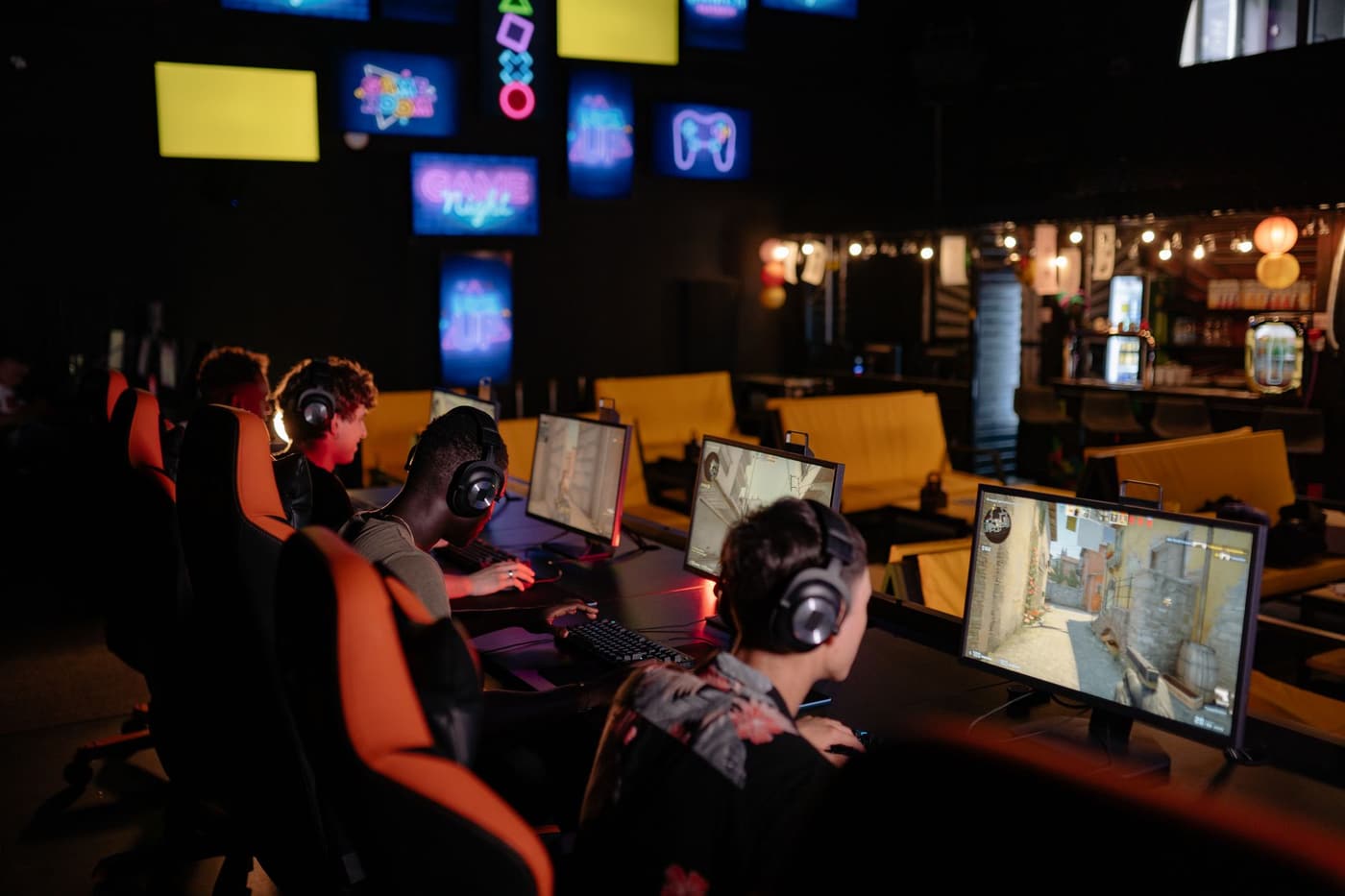
For travelers, the best attitude is curiosity without making a spectacle of yourself. A PC bang is not a tourist performance. It is a normal place where people are doing their thing. Go with a friend if you can, choose a non-busy time if you are nervous, order something simple, and experience how casual it feels once you sit down.
PC Bangs and Korean Esports Culture
Korean esports did not come from PC bangs alone, but PC bangs helped create the conditions where esports could feel natural. Competitive games need more than good players. They need places where players can practice, rivals can meet, spectators can gather, and skill can become visible.
PC bangs did that at street level. Before esports arenas and global streaming platforms became normal, the PC bang gave ordinary players a place to measure themselves. You could sit beside someone better than you. You could hear reactions from nearby matches. You could join your friends after school and turn a game into a group identity.
StarCraft is the classic example because it became deeply tied to Korea's early esports image. But the broader pattern matters more than one title. Korean PC bang culture made online gaming feel social, competitive, and worth improving at. Later, games changed. League of Legends, Overwatch, PUBG, Valorant, and other titles shaped different eras. The room stayed familiar.
That is why PC bangs still matter even though many people now have strong home computers and fast home internet. The old reason was access to hardware. The newer reason is atmosphere. A PC bang turns gaming into an outing. It gives you a place where everyone understands why you are there.
If you want to see the professional side of that same gaming culture, EpicKor's Seoul LoL Park and LCK match guide turns the PC bang foundation into a practical match-night itinerary.
There is also a cultural bridge here. Korea is often described through school pressure, work pressure, and fast city life. Gaming spaces do not erase those pressures, but they create a release valve. A student can be a teammate for a few hours. An office worker can become a ranked player after work. A group of friends can turn a regular weeknight into a tiny tournament. For another Korean screen culture built around rooms and repeatable formats, read EpicKor's Korean YouTube podcast boom guide.
Of course, gaming culture has tensions too. Korea has had public debates about overuse, youth gaming, and regulation. It would be too simple to describe PC bangs only as harmless fun or only as a problem. Like many cultural spaces, they are both ordinary and complicated. What makes them important is that they show how technology, business, leisure, and social life met in one room.
How to Visit a PC Bang Without Feeling Awkward
If you are visiting Korea and want to try a PC bang, choose the right expectation. You are not going to a themed attraction. You are entering a local business where most people came to play, not explain the culture to visitors.
Look for signs that say PC bang, Korean PC cafe, or sometimes "PC cafe" in English. They are often upstairs, downstairs, or near subway stations, universities, nightlife areas, and busy commercial streets. Hongdae, Sinchon, Gangnam, university districts, and local neighborhood centers often have options. If you are already exploring Seoul neighborhoods, EpicKor's Hongdae vs Itaewon vs Gangnam guide can help you choose the area around your night plan.
Bring your passport or ID just in case a location asks for age verification, especially late at night. Bring your game account login details if you plan to play a specific game. Some games may require Korean accounts, phone verification, or region-specific access, so do not build your whole evening around one title unless you know it will work.
If you do not speak Korean, staff may still help with basic payment or seating, but keep it simple. Use translation apps when needed. Start with one hour. Choose a seat. Order a drink or ramyeon if the menu is clear. You do not need to perform expertise. Quietly figuring it out is part of the first-time experience.
The etiquette is simple: do not film strangers closely, keep your voice controlled, clean up your area, and do not treat the place like a loud tourist stop. If you are with friends, sit together if possible. If you are alone, it is still fine. Many people go solo.
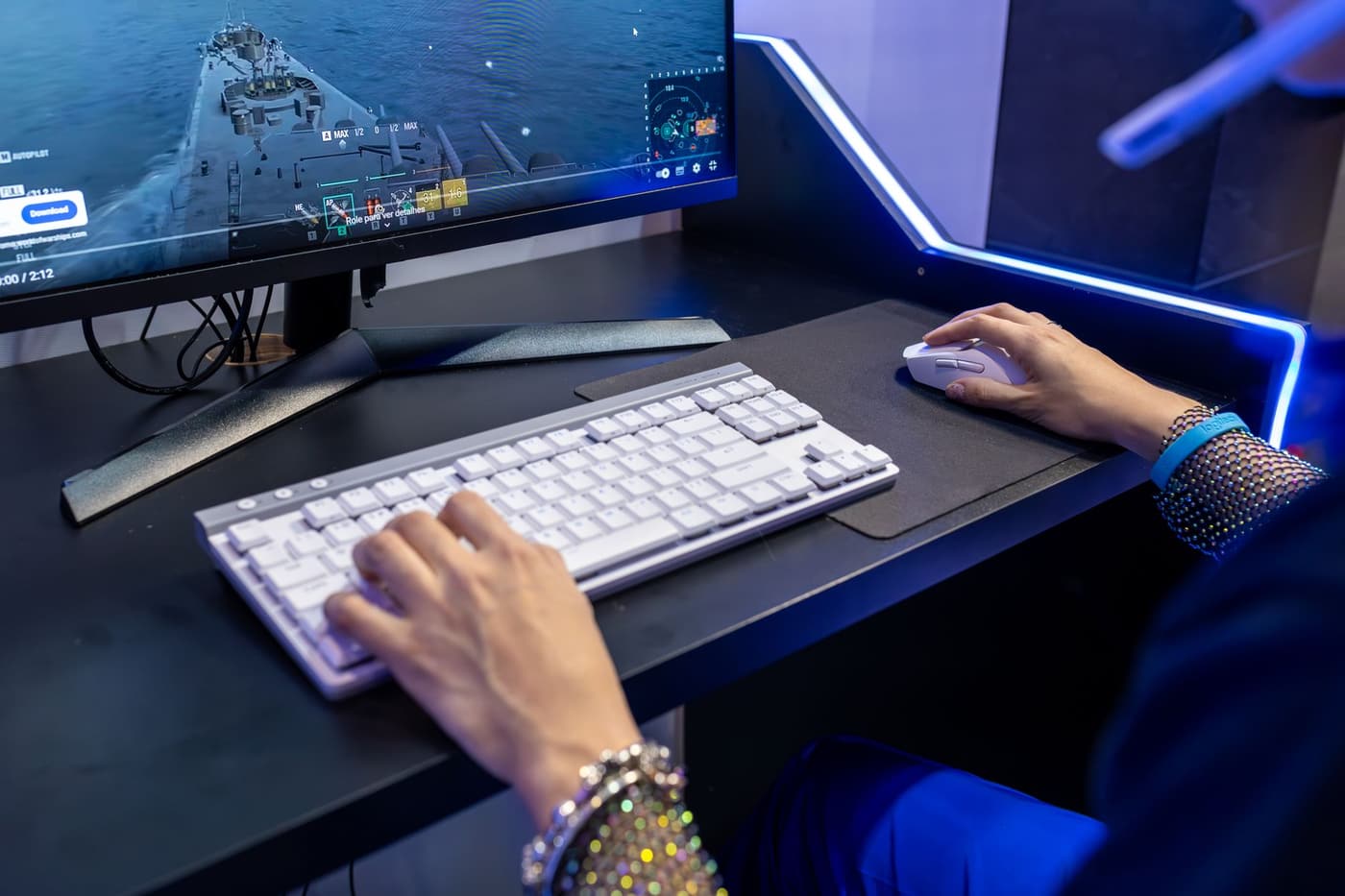
The most Korean thing about the PC bang is not the computer. It is the way the whole system removes friction. Need a machine? It is ready. Need food? Order from the seat. Need friends? Sit in a row. Need competition? Log in. Need a late-night plan that is not drinking? This works.
Korean ramen pot, 20cm — the yellow pot behind every PC-bang counter. The single most-ordered item at the counter is ramyeon cooked in exactly this pot; it heats fast on a gas ring and you eat from it with the lid as a plate. As an Amazon Associate, EpicKor earns from qualifying purchases at no extra cost to you.
See the ramen pot on AmazonFAQ About Korean PC Bang Culture
Q: How many PC bangs are there in Korea? There were 7,243 as of 2024, according to the Korea Creative Content Agency's 2025 Game White Paper — down 530 from the year before, and the fifth consecutive annual decline. That is the most recent official national count published; figures circulating for 2025 or 2026 are estimates unless they cite a newer white paper.
Q: How much does a PC bang cost per hour in Korea? About ₩1,246 an hour for members and ₩1,459 for non-members on average in 2024 (roughly US$0.90–1.05). As a visitor you will normally pay the non-member rate, which is only around ₩200 more per hour.
Q: What is a Korean PC bang? Simply put, a Korean PC bang is a gaming-focused computer cafe where people pay by time to use high-performance PCs, play online games, order food, and hang out alone or with friends.
Q: Can foreigners visit a PC bang in Korea? Simply put, yes, foreigners can usually visit PC bangs, but the exact setup varies. Some places are easier than others for non-Korean speakers, and some games may require specific accounts or verification.
Q: Are PC bangs only for hardcore gamers? Simply put, no. Serious gamers use them, but PC bangs can also be casual hangout spots, late-night places to meet friends, or affordable spaces to try Korean gaming culture for an hour.
Q: What should I order at a PC bang? Simply put, ramyeon, drinks, and simple snacks are the safest starting choices. Many PC bangs have broader menus, but the classic experience is gaming while food comes directly to your seat.
Q: Is a PC bang different from a regular internet cafe? Simply put, yes. A regular internet cafe is mainly for access, while a Korean PC bang is built around gaming performance, hourly play, food ordering, and a social atmosphere.
Q: Which EpicKor PC bang guide should I read first? Simply put, read this page first if you want the cultural background, then read EpicKor's PC bang food, kiosk, and etiquette guide when you want practical first-visit steps.
Why the PC Bang Still Matters
The Korean PC bang matters because it shows how Korea turned gaming into a shared urban routine. It was never only about screens. It was about access, speed, friendship, food, competition, and a place where digital life became physical.
Even if you are not a serious gamer, visiting one can teach you something about Korea. The same country that built dense subway systems, delivery apps, study cafes, karaoke rooms, and 24-hour convenience stores also built a gaming space that makes everything efficient: play, pay, eat, compete, repeat.
That is why PC bangs changed more than gaming. They helped make online play social before the rest of the world had the language for it. They gave esports a neighborhood-level foundation. And they still offer a small, glowing window into how Koreans turn hobbies into complete environments.
Next time you see a PC bang sign above a Seoul street, do not think "internet cafe." Think "one of the rooms where modern Korean gaming culture learned to breathe."
Sources and further reading:
- 『2025 게임백서』로 살펴본 PC방의 실태 (아이러브PC방, 2026-04-12) — the trade-press breakdown of the Korea Creative Content Agency white paper cited in the numbers table
- 『2024 게임백서』로 분석한 PC방 산업 (지매니저) — prior-year comparison
- EpicKor PC bang food, kiosk, and etiquette guide
You Might Also Like
Korean University Life: Study Hard, Play Harder Culture Explained
A practical guide to Korean university life: study pressure, campus festivals, MT trips, clubs, exams, drinking culture, and exchange-student reality.
Korean Hiking Culture: Why Weekends Mean Mountains
Korean hiking culture explained for travelers: why weekends mean mountains, what locals do on trails, and how to join respectfully.
Korean Age System Explained: Why Koreans Seem Older
Korean age system explained in plain English: traditional age, international age, the 2023 law, and what to say when someone asks.