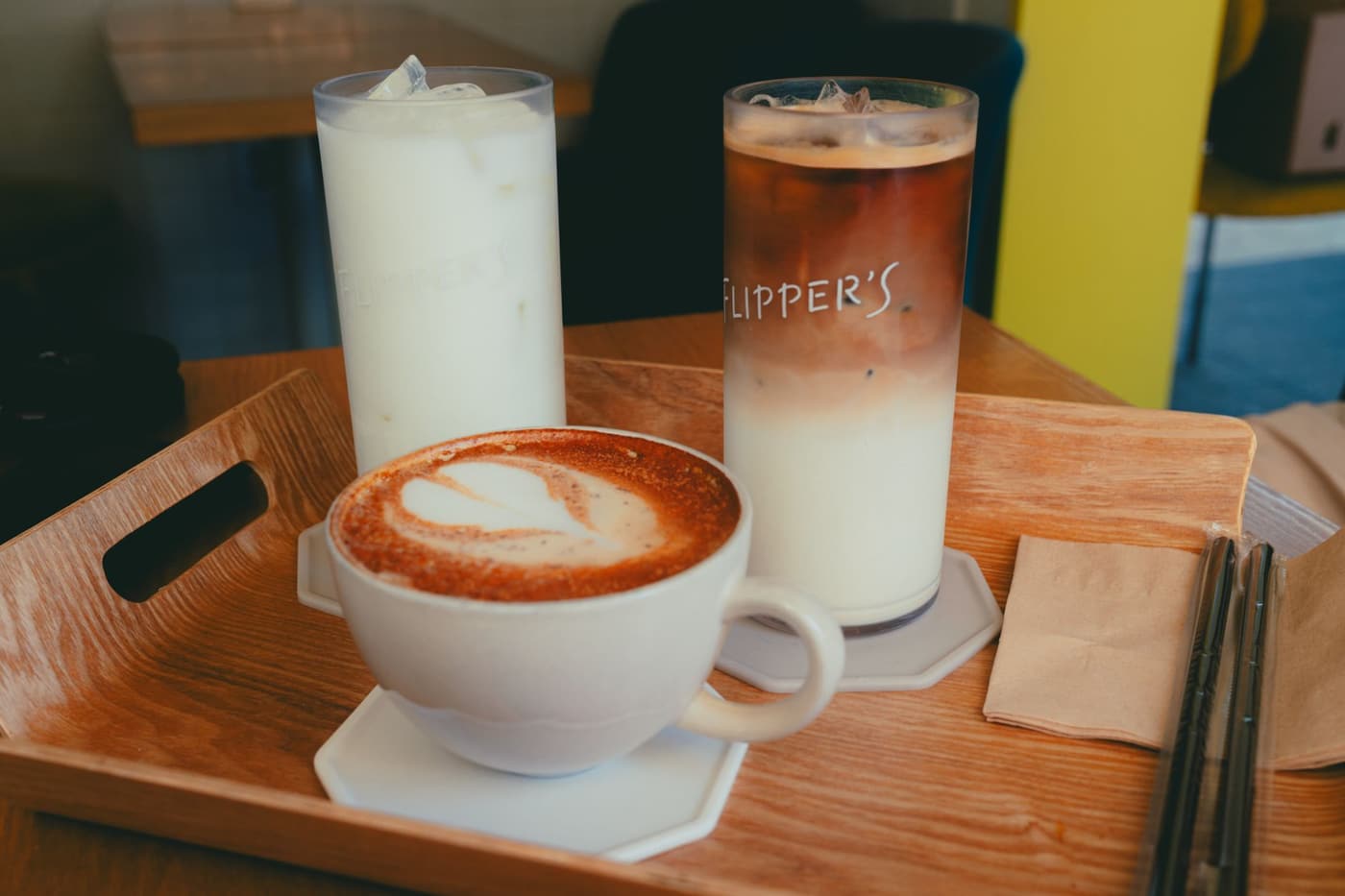
Korean Cafe Culture: Why Coffee Shops Became Seoul's Third Place
Korean cafe culture is not really about needing more caffeine.
It is about needing a place.
That sounds too simple until you spend one full day in Seoul. You walk more than expected. Your hotel room is too small to relax in. The subway is efficient but intense. Restaurants want you to eat, not linger forever. Shopping streets pull you from one store to the next. Then a cafe appears with air conditioning, clean bathrooms, soft lighting, Wi-Fi, dessert, iced Americano, and one empty table near an outlet.
Suddenly, the cafe is not a beverage stop. It is the pause button.
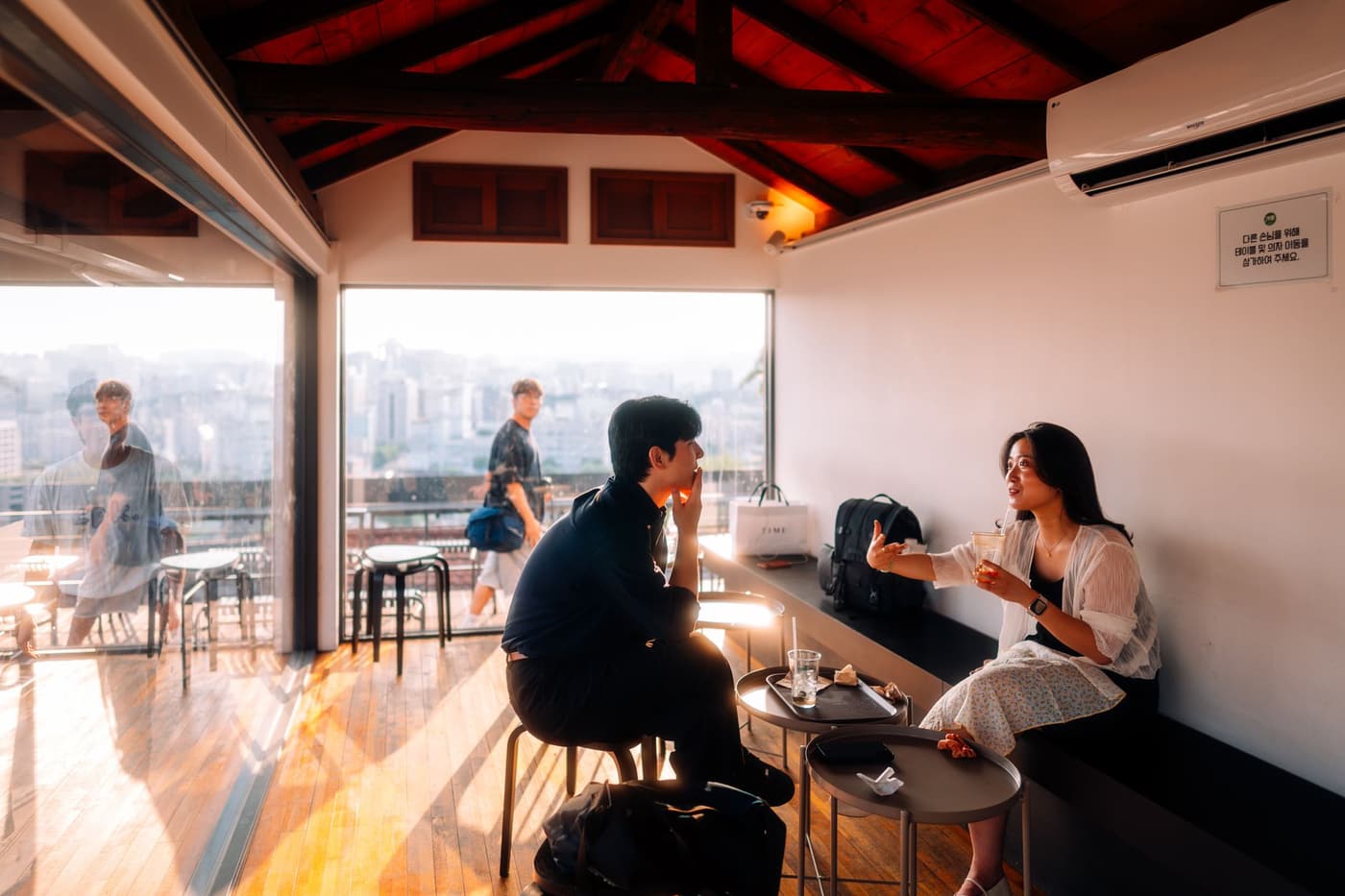
That is why Korean cafes can feel unusually important to travelers. They are where friends meet before dinner, couples talk without committing to a full meal, students study, remote workers open laptops, shoppers rest their feet, and tourists recover from a day that moved faster than their body did.
Korea did not invent cafes. But Korea turned them into a daily-life system.
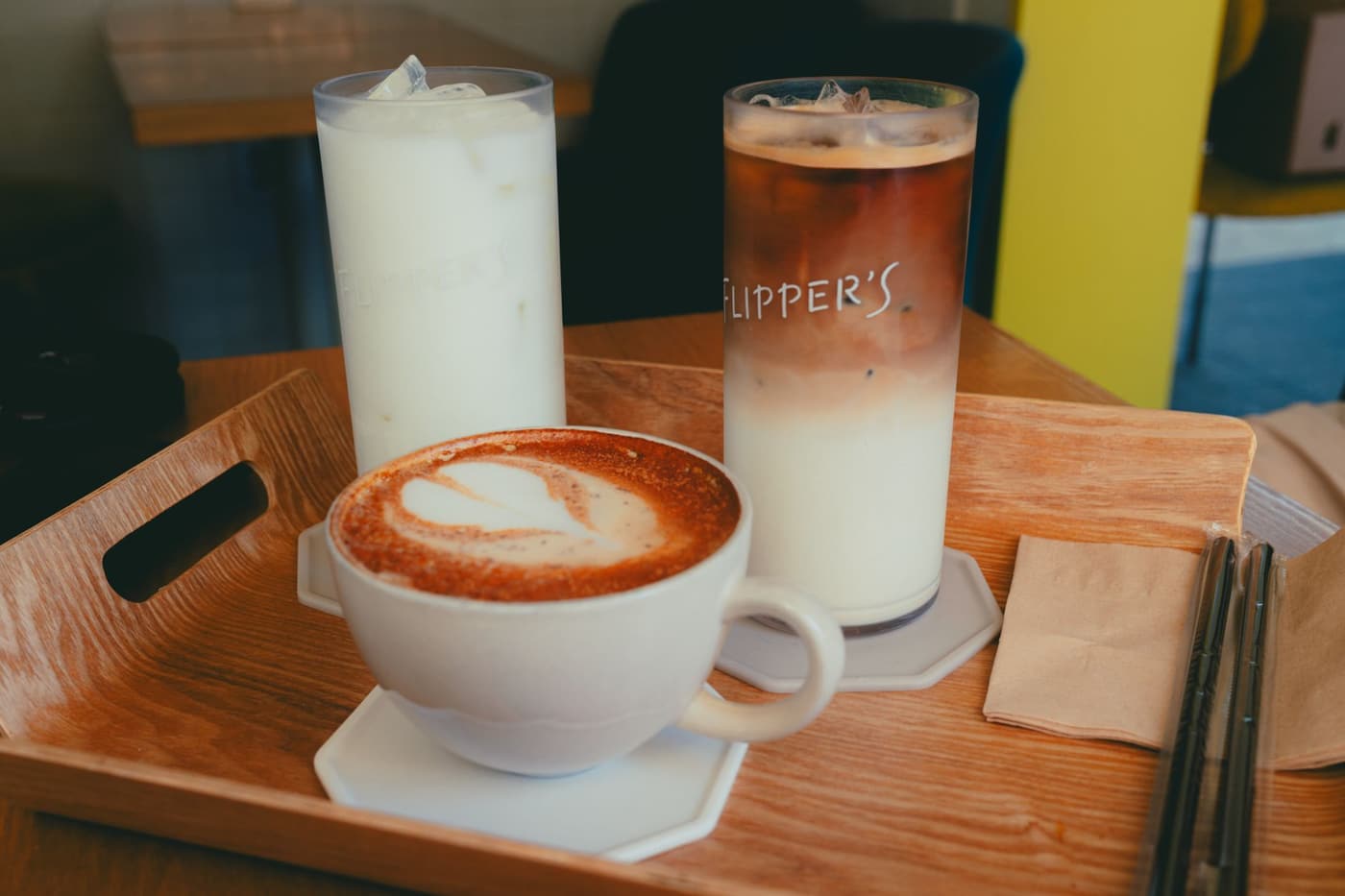
Maxim Mocha Gold Mild Coffee Mix — on AmazonAffiliate link. As an Amazon Associate, EpicKor earns from qualifying purchases at no extra cost to you.
Korean Cafes Are Not Just Coffee Shops
If you come from a place where a cafe means "grab coffee and leave," Korean cafes may confuse you at first.
Some people do use them that way. Korea has plenty of low-cost coffee chains where the point is speed: order an iced Americano, grab it, and keep moving. But many Korean cafes sell something wider than coffee. They sell a small pocket of usable time. That same "room as media" logic now appears in Korea's video-podcast boom, where creators turn a table, microphones, and long conversation into a repeatable content space.
Watch the 7-minute episode: Why Korea Has 93,600 Cafés — and Most Are Losing Money — how Korea ended up with nearly two cafés for every convenience store, and what a cup actually costs to make.
That matters because urban Korea is dense. A normal Seoul day can involve subway transfers, stairs, shopping bags, appointment windows, weather changes, and sudden gaps between plans. A cafe fills those gaps better than almost anywhere else. You can wait for a friend, charge your phone, send a few messages, cool down, warm up, or decide whether you still have enough energy for Hongdae after dinner.
The numbers help explain why this feels so visible. Korea JoongAng Daily, citing Statistics Korea, reported that Korea had 100,729 coffee shops nationwide as of late 2022, the first time that dataset passed 100,000. The same report said the number was roughly twice the 2016 count. A separate 2025 USDA Foreign Agricultural Service brief described coffee consumption in Korea as widespread and growing, estimating annual per-person consumption at 416 cups in 2024.
Those figures do not mean every cafe is good. They mean cafes are everywhere enough to become part of the country's daily infrastructure.
The deeper point is cultural. In Korea, a cafe can be a pre-date filter, a study room, a dessert destination, a design showroom, a quiet meeting space, a social media background, a neighborhood identity marker, and a practical rest stop. It can be cheap and fast, or expensive and theatrical. It can feel like a library, a bakery, a gallery, a living room, or a small stage.
That is why asking "where is the best coffee in Seoul?" is only half the question.
The better question is: what kind of space do you need right now?
Home-cafe note: As an Amazon Associate, EpicKor may earn from qualifying purchases. If Korean cafe culture made you miss that sweet office-drawer coffee taste, compare Maxim Mocha Gold Mild Coffee Mix as a simple Korea-at-home starting point.
See Maxim Mocha Gold Mild Coffee Mix on AmazonWhy Seoul Cafes Feel So Different
Seoul cafes feel different because they sit at the intersection of four habits: coffee, design, time, and small-space living.
First, coffee became normal. Iced Americano is not a niche drink in Korea. It is an everyday object: office fuel, study fuel, walking fuel, shopping fuel, "I need something in my hand" fuel. You see it in elevators, subway station exits, office districts, university streets, beauty-shopping routes, and neighborhood sidewalks.
Second, the design expectations are high. Many Korean cafes compete visually, not just by menu. Some use warehouse interiors, hanok details, rooftop views, flower displays, records, books, ceramics, dessert counters, or deliberately minimal seating. That visual layer is not shallow by itself. It tells customers what kind of mood the place is offering.
VisitKorea's description of Seongsu-dong Cafe Street shows this well. It describes Yeonmujang-gil in Seongsu as an old factory and shoe-workshop area that has been reborn with trendy cafes, restaurants, select shops, and cultural spaces. The famous warehouse-style cafe format there is not just decoration. It is a way of turning industrial history into a place where people want to spend an afternoon.
Third, Korea is very good at turning ordinary routines into complete systems. A convenience store is not just snacks; it is breakfast, coffee, lunch, charging, delivery pickup, and emergency supplies. A jjimjilbang is not just a sauna; it is bathing, resting, eating, sleeping, and family time. A cafe is not just coffee; it is a place to sit inside modern Korea for a while.
That is why a Seoul cafe can feel more useful than a tourist attraction. You may remember the palace photo, but the cafe is where you finally understood how tired your feet were.
The Main Korean Cafe Types Visitors Will Meet
Not every Korean cafe wants the same behavior from you. This is where many visitors get tripped up.
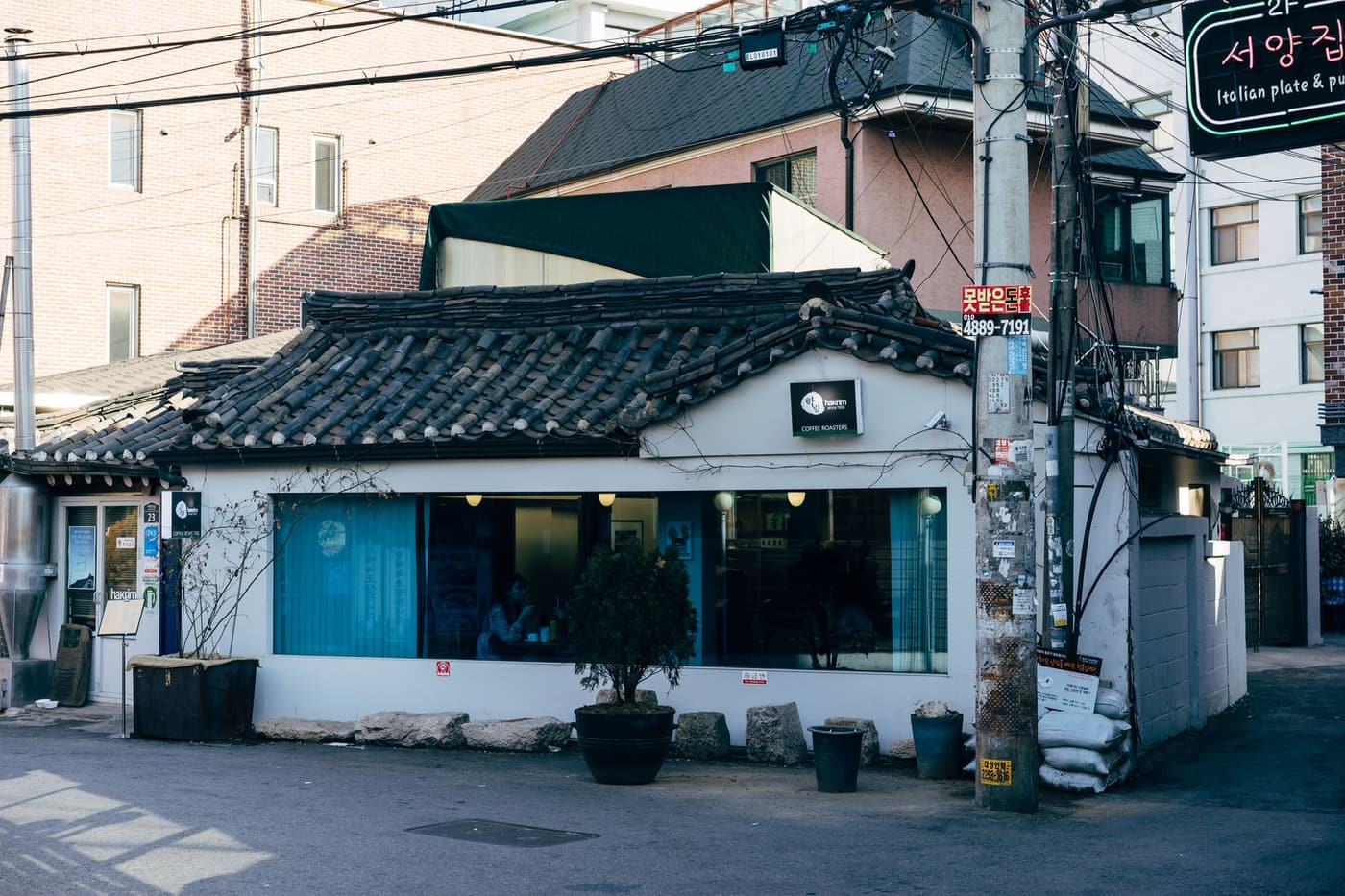
A tiny specialty coffee bar may expect quick, focused appreciation. A big chain near a university may be full of laptops. A dessert cafe may be more about sharing one beautiful plate. A hanok-style cafe may be more relaxed, but also more photo-heavy. A low-cost chain may be perfect for takeout and terrible for lingering if the seating is cramped.
Use this table as a quick decoder.
| Cafe Type | What It Is Best For | How Long To Stay | What To Order |
|---|---|---|---|
| Low-cost chain | Fast iced coffee, walking days, budget caffeine | Short to moderate, depending on seating | Iced Americano, latte, ade, simple bakery item |
| Specialty roaster | Better beans, pour-over, quieter coffee focus | Moderate, especially if seats are limited | Filter coffee, espresso, seasonal single-origin drinks |
| Dessert cafe | Dates, friends, beautiful cakes, bingsu, cream drinks | Moderate, usually with one item per person or shared dessert | Cake set, bingsu, Einspanner-style cream coffee, tea |
| Work or study-friendly cafe | Laptops, reading, long gaps between plans | Longer, but buy again if you stay for hours | Large coffee, sandwich, refill drink, second order |
| Concept or pop-up cafe | Photos, brand events, limited menus, Seoul trend spotting | Short to moderate, often crowd-dependent | Signature drink, themed dessert, limited menu item |
| Hanok or traditional-style cafe | Slow afternoons, tea, architecture, quieter travel mood | Moderate, but respect photo rules and other guests | Korean tea, dessert plate, coffee if offered |
The table is useful because "best cafe" depends on the mission.
If you want the most efficient first Seoul day, read EpicKor's Hongdae vs Itaewon vs Gangnam guide first, choose your neighborhood mood, then choose the cafe type that supports it.
If your day is shopping-heavy, cafes become even more important. EpicKor's guide to Korea's new tourist shopping route explains how Olive Young, Daiso, Musinsa, pharmacies, skin clinics, cafes, photo booths, and street food can all end up in one itinerary. The cafe break is not laziness. It is how you stop yourself from making tired purchases with a dead phone and sore feet.
How To Use a Korean Cafe Like a Local
The easiest rule is this: match the room.
If the cafe is crowded and tiny, do not treat it like a private office. If the cafe has outlets, big tables, quiet seating, and other laptop users, it is probably more comfortable for work or study. If everyone is taking photos of dessert, do not be surprised if the mood is more social than silent.
Korea even has a word around this behavior: cagong. It blends "cafe" and "gongbu," meaning study. Korea JoongAng Daily explained the term while reporting on Starbucks Korea restrictions in 2025 around customers using desktops, printers, partitions, multi-tap power strips, or occupying large tables alone for long periods. In other words, cafe work culture is real, but so is the tension it creates.
For travelers, the etiquette is simple.
Order before sitting unless the store clearly tells you otherwise. If you stay for a long time, buy a second drink or snack. Do not spread your luggage across multiple chairs. Use headphones for video calls or clips. Avoid filming strangers. If a cafe is full, do not occupy a four-person table alone unless staff seat you there. If a store has a time limit or one-drink-per-person rule, accept it without drama.
Peak hours matter too. Weekend afternoons in famous cafe districts can be crowded. Seongsu, Yeonnam, Ikseon-dong, Hongdae, Gangnam, and popular bakery cafes may have lines. A cafe that feels relaxing on Tuesday at 2 p.m. can feel like a polite crowd-management exercise on Saturday at 3 p.m.
My practical advice: use famous cafes for the experience, and use neighborhood cafes for actual rest.
That is how many locals move through Seoul anyway. You may visit one photogenic place because it is part of the day's story, then later sit somewhere simpler because your body needs a chair more than your camera needs another angle.
What To Order and What To Bring Home
For a first cafe day in Korea, do not overthink the order.
Start with iced Americano if you want the local default. It is often cheaper than sweeter drinks, easy to find, and extremely common. If you want something softer, order a latte. If the cafe is known for dessert, share cake, bingsu, pudding, salt bread, financier, or whatever the counter clearly seems proud of. If bingsu is the main reason for the stop, use EpicKor's Korean bingsu guide before choosing a flavor. If you are curious how Korean creators turned small rooms into long-form media, pair this with EpicKor's Korean YouTube podcast guide. If you are in a traditional-style cafe, try tea or a Korean dessert set when available.
Cream coffee is also common in trendier cafes. You may see Einspanner-style drinks, salt cream coffee, black sesame cream drinks, or seasonal cream menus. These are less about "authentic old Korea" and more about modern Korean cafe playfulness: texture, sweetness, visual contrast, and a drink that feels like dessert.
If you are sensitive to caffeine, remember that Korea's coffee day can run late. Cafes are common after dinner, and it is easy to say yes to coffee at 9 p.m. because everyone else is doing it. Decaf exists, but it is not equally available everywhere, so check before assuming.
For EpicKor's bigger monetization goal, this topic also has a natural home-cafe angle. A reader who enjoyed Korean cafes may want to recreate a small part of that feeling at home.
The safest product angles are:
- Korean instant coffee sticks or coffee mix for the office-drawer version of cafe culture
- Korean drip bag coffee for a small home-cafe ritual
- a travel tumbler for long Seoul walking days
- coffee filters, compact pour-over tools, or a simple milk frother
- Korean snacks that pair well with coffee, such as biscuits, yakgwa-style sweets, or individually wrapped bakery snacks
The key is not to pretend a product can recreate Seoul. It cannot. What it can recreate is the tiny routine: drink, snack, pause, reset.
Build the small ritual: Pair a Korean coffee mix like Dongsuh Maxim Mocha White Gold Coffee Mix with Korean honey yakgwa if you want the coffee-plus-sweet-pause feeling at home.
See Dongsuh Maxim Mocha White Gold Coffee Mix on AmazonThat is the part people actually miss after a trip.
FAQ
Q: What is Korean cafe culture?
Simply put, Korean cafe culture is the way coffee shops function as everyday third places in Korea. They are used for coffee, dessert, dates, studying, work, rest, shopping breaks, and social time, not just quick caffeine.
Q: Why are there so many cafes in Korea?
Simply put, cafes fit Korean urban life very well. Dense cities, small living spaces, heavy study and work culture, strong coffee consumption, social dating habits, and design-focused neighborhoods all make cafes useful. Korea JoongAng Daily reported more than 100,000 coffee shops nationwide in the 2022 Statistics Korea dataset.
Q: Can I study or work in a Korean cafe?
Yes, but read the room. Some cafes welcome laptops and long stays, while others have time limits, one-drink-per-person rules, or limited seating. If you stay for hours, buy another drink or snack, keep noise low, and do not take over large tables or outlets.
Q: What should I order at a Korean cafe first?
Simply put, start with iced Americano if you want the local default. If you want something sweeter or more social, try a cream coffee, latte, seasonal ade, cake set, bingsu, or the cafe's signature dessert.
Q: Which Seoul neighborhood is best for cafes?
There is no single best area. Seongsu is famous for warehouse-style and concept cafes, Yeonnam and Hongdae are strong for casual cafe hopping, Ikseon-dong and Bukchon have more traditional visual moods, and Gangnam or Hannam can feel polished and brand-driven.
The Cafe Is the Day Between the Plans
The reason Korean cafes matter is not only that there are many of them.
It is that they make the city easier to live in.
For travelers, that is the lesson. Do not treat the cafe as filler between "real" attractions. In Seoul, the cafe often is where the day becomes readable. You notice how friends talk, how students study, how couples share dessert, how shoppers recover, how design trends move, and how coffee becomes an excuse to borrow a little space from the city.
Next time you are in Korea, plan one cafe you are excited about. Then leave room for the unplanned one you actually need.
You Might Also Like
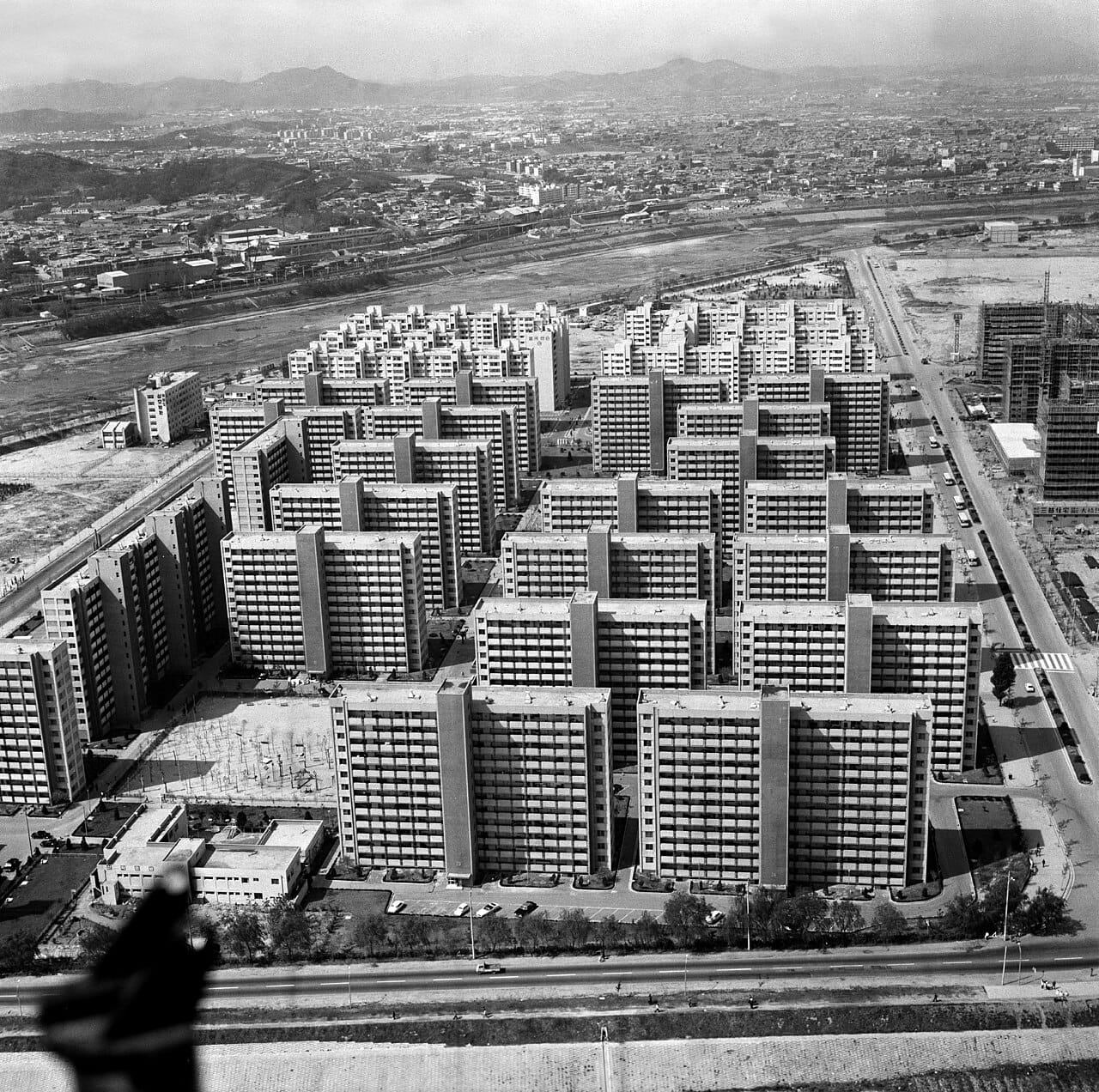
Why Koreans Live in Apartments: Korea's One-Generation Shift
In 1978 only 5.2% of Korean homes were apartments. By 2015 it was 59.9%. That change was not caused by crowding — it was built by a financing system where buyers pay for a building before it exists. Here is how Korea became an apartment country.
Why Korea Is Watching the 2026 World Cup Over Brunch
A guide to Korea's 2026 World Cup brunch watch culture: why morning kickoffs changed street cheering, what to expect, and how visitors can join.

Iced Americano in Korea: Why Koreans Drink It Year-Round
A practical guide to Korea's iced Americano culture, explaining eoljuk-a, cafe ordering, price tiers, office routines, winter habits, and traveler tips.