Kyunggi High School and Korea's Other 100-Year High Schools: Alumni and History
Korea's 100-year high schools are not just old buildings. They are pressure maps.
They show how modern Korean education was built through empire, colonial rule, liberation, war, reconstruction, entrance exams, Gangnam relocation, elite networks, sports teams, writers, business leaders, politicians, actors, and families who still talk about school names with unusual seriousness.
For foreign readers, Korean high school can look like one thing: long study hours, private academies, and university entrance pressure. That picture is not wrong, but it is incomplete. Some Korean high schools carry more than academic reputation. They carry institutional memory.
Kyunggi High School, Whimoon High School, Joongdong High School, and Sookmyung Girls' High School are good examples. They are all more than 100 years old. They are also different from one another. Kyunggi is a public old elite school. Whimoon and Joongdong are private boys' schools with deep Seoul histories. Sookmyung is a girls' school tied to early modern women's education.
This guide does not rank them. It maps why they matter.
Quick Answer: Which Korean High Schools Are Over 100 Years Old?
Several Korean high schools trace their roots back more than a century. Four useful examples for understanding Seoul's education history are:
- Kyunggi High School, established in 1899 and opened in 1900.
- Whimoon High School, opened from early 1900s roots and usually tied to 1904/1906 institutional milestones.
- Joongdong High School, founded in 1906.
- Sookmyung Girls' High School, founded in 1906 as Myeongsin Girls' School.
Their histories are not just school trivia. They connect to Korean modernization, the Korean Empire, colonial education, postwar school reform, the 1974 high-school equalization policy, Gangnam's rise, and alumni networks that still appear in business, politics, sports, literature, media, and entertainment.
Korean education context: As an Amazon Associate, EpicKor may earn from qualifying purchases. If these school histories make you curious about the wider system, compare Korean history books and South Korea education books before reducing the story to exam pressure alone.
Why Old High Schools Matter In Korea
Korean school names can function like social shorthand. They do not explain a person completely, but they can signal generation, region, gender, class, networks, and the era in which someone studied.
That matters because Korea's education ladder has been one of the country's most important social engines. High school was not only a place to study. For much of the 20th century, it was a filter for university, public service, business networks, professional careers, and family pride.
The oldest schools carry extra weight because they survived several historical breaks:
- the Korean Empire's modernization efforts
- Japanese colonial rule
- liberation in 1945
- the Korean War
- postwar school reorganization
- rapid urbanization
- the Gangnam shift
- the abolition of selective high-school entrance exams in Seoul
When a school survives all that, its name becomes a small archive.
This does not mean old schools are automatically better. It means they have accumulated stories.
The Four-School Snapshot
Use this table as a map before going into the individual histories.
| School | Founded / Roots | Type | Why It Matters |
|---|---|---|---|
| Kyunggi High School | Established 1899, opened 1900 | Public boys' high school | Often described as Korea's oldest modern high school. |
| Whimoon High School | 1904/1906 roots | Private boys' high school | Known for long Seoul history, sports, literature, and alumni visibility. |
| Joongdong High School | 1906 | Private boys' high school | Historic private school later linked with Samsung founder Lee Byung-chul. |
| Sookmyung Girls' High School | 1906 | Private girls' high school | Important in early modern women's education and cultural heritage. |
The pattern is visible. These schools are not only "prestigious." They are old enough to show how Korean education moved from royal-era reform to modern Seoul competition.
Kyunggi High School: The Old Public Elite
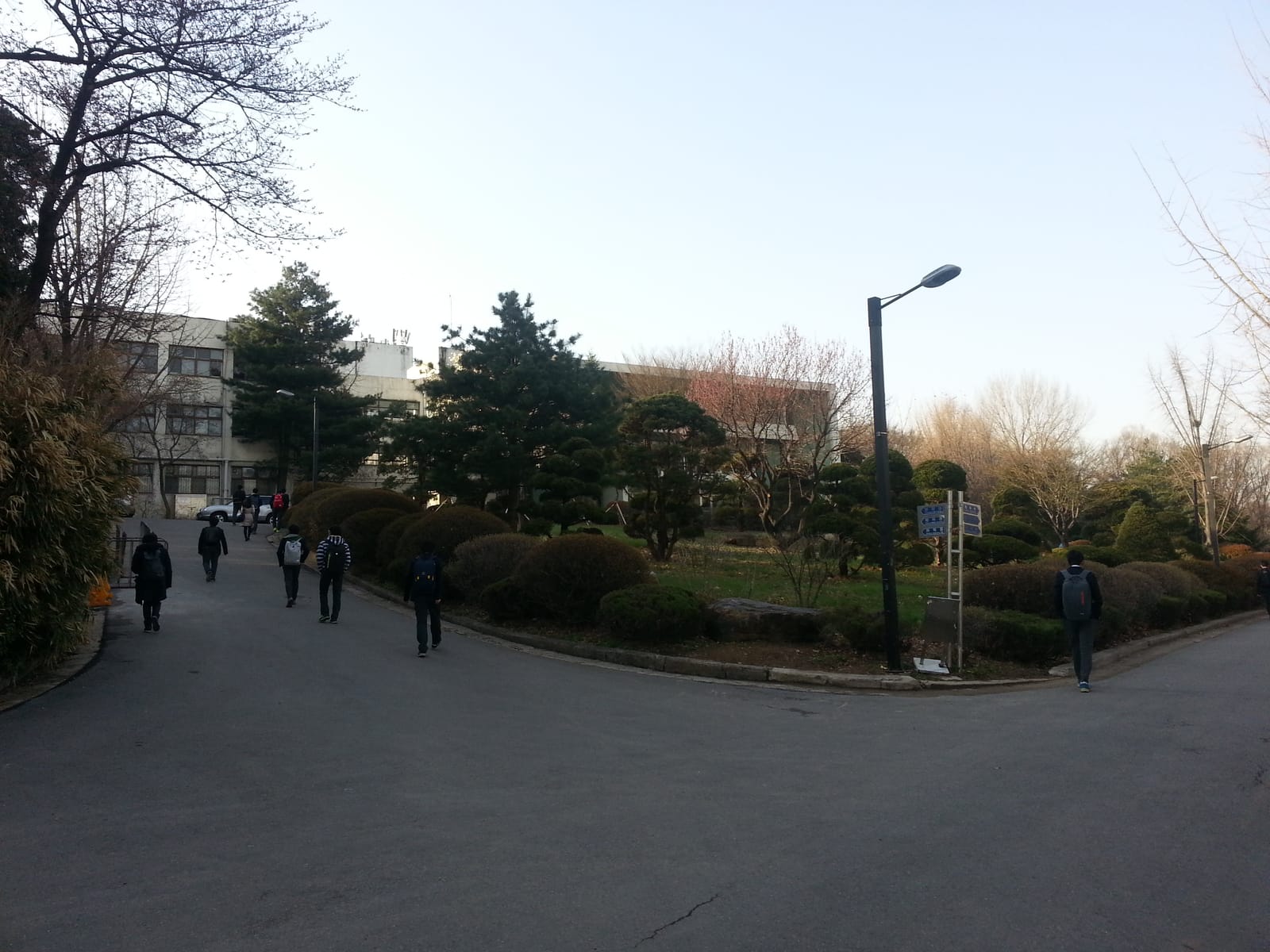
Kyunggi High School is often described as the oldest modern high school in Korea. Its roots go back to 1899, when it was established by edict during Emperor Gojong's modernization period, and it opened in 1900.
That timing matters. Korea was trying to modernize state institutions before Japanese annexation in 1910. A modern school was not only a place for teenagers. It was part of a national project: creating administrators, professionals, teachers, and modern citizens.
Kyunggi's reputation grew during a period when elite education had a more direct link to public life. Before the 1974 high-school equalization policy changed the admissions environment in Seoul, top high schools were closely associated with entrance competition and elite placement.
The school's alumni lists include figures in politics, business, academia, science, and culture. One major example is Choi Kyu-hah, who became president of South Korea during the turbulent transition after Park Chung-hee's assassination.
The key thing to understand is not that every graduate became famous. It is that Kyunggi's name became a symbol of the old Seoul elite school ladder.
That ladder has changed. The school is now located in Gangnam, and the education system no longer works exactly as it did before equalization. But the historical label remains.
Whimoon High School: Old Seoul, Literature, Sports, And Gangnam
Whimoon High School is one of the most recognizable old private boys' schools in Seoul. Its early roots are tied to 1904 and 1906, with the Whimoon name connected to the Korean Empire period.
The school is especially interesting because it connects several different types of memory.
First, there is old Seoul memory. Whimoon began in the older central Seoul world before later moving to Gangnam. That relocation matters because many famous Seoul schools followed the city's shift south of the Han River. A school could carry old prestige into a new urban geography.
Second, there is literary and cultural memory. Alumni associated with Whimoon include writers and cultural figures such as Kim Yoo-jung, Kim Hoon, Jeong Ji-yong, and others often discussed in Korean literary history. That gives the school a different texture from a purely exam-focused reputation.
Third, there is sports memory. Whimoon is known for baseball and basketball history. Korean high school sports can be a world of its own, producing professional athletes, rivalries, and school identity that survives long after graduation.
Fourth, there is entertainment memory. Names linked to Whimoon alumni lists include figures in music, acting, broadcasting, and sports. Foreign readers may notice names such as Suho of EXO, actor Yoo Ji-tae, and basketball figure Seo Jang-hoon in public alumni references.
Joongdong High School: Private School, Samsung Link, Public Visibility
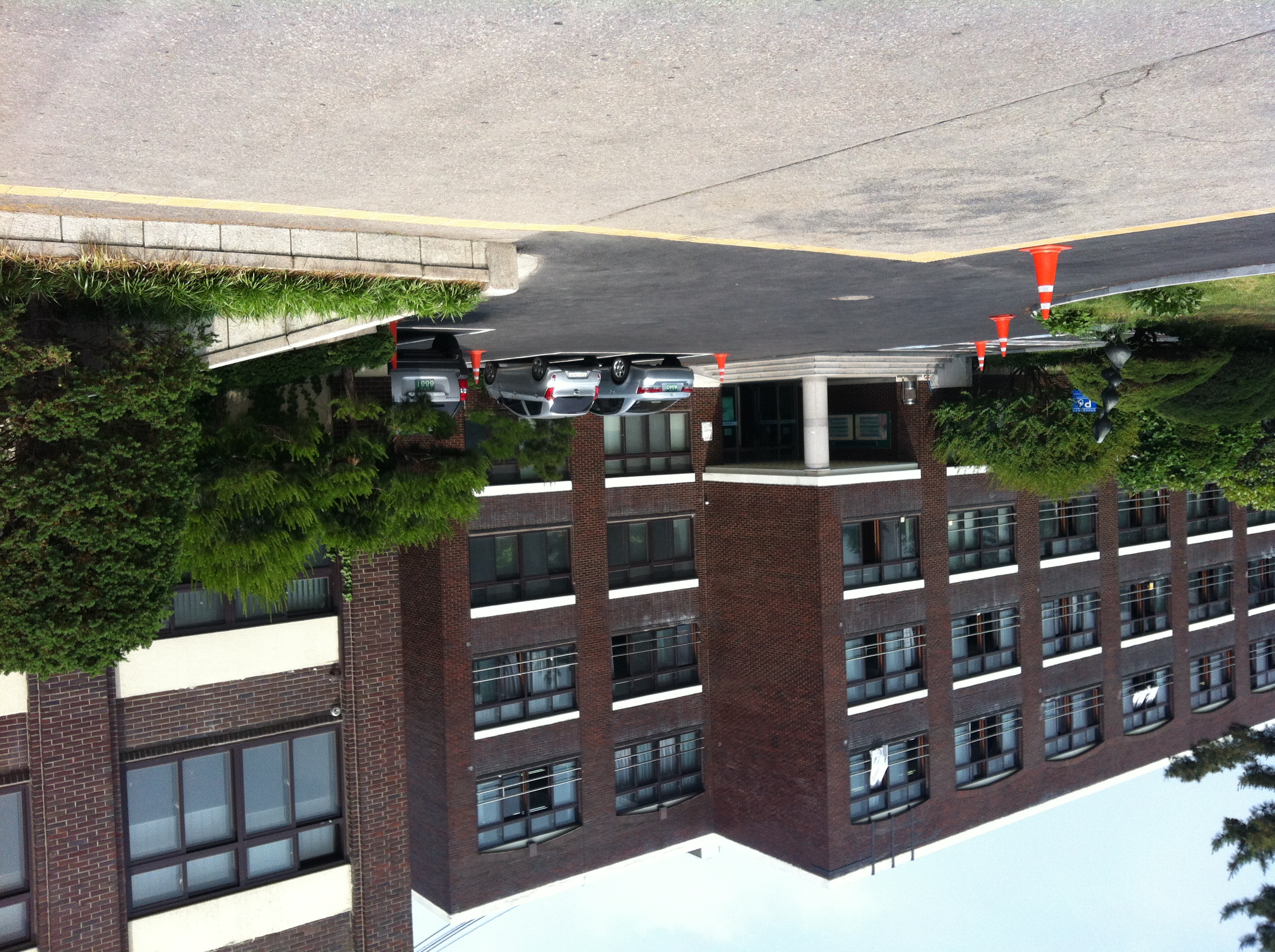
Joongdong High School was founded in 1906 and is located in Gangnam's Irwon-dong area today. It is another old private boys' school with a name that appears in conversations about elite Seoul education.
One of the reasons Joongdong stands out is its later connection with Samsung. Public school profiles note that the school and foundation came under Samsung-related stewardship in the 1990s through the will of Samsung founder Lee Byung-chul, himself connected to the school.
That kind of link is important in Korea because schools, companies, foundations, and alumni networks often overlap in public memory. A school name can carry educational reputation and corporate-historical association at the same time.
Joongdong's notable alumni lists include Samsung founder Lee Byung-chul, actor Lee Byung-hun, actor Kim Soo-hyun, poet Kim Chi-ha, politician Kim Moo-sung, and Mingyu of Seventeen. That range is a reminder that old schools do not only produce one kind of public figure.
The school's story also shows how old private schools adapt. A century-old institution can be historically rooted, but still operate in a very modern Seoul environment of university admissions, neighborhood pressure, and brand perception.
Sookmyung Girls' High School: Women's Education And Cultural Memory
Sookmyung Girls' High School traces its roots to 1906, when Myeongsin Girls' School was founded. That alone makes it important. Women's education in early modern Korea was not simply a parallel version of boys' education. It carried different social expectations, different constraints, and different symbolic power.
The school adopted the Sookmyung name in 1909 and later developed through the Sookmyung Foundation. Its story is tied to early modern education, the Korean Empire, and the expanding idea that girls' education could belong inside a modern national project.
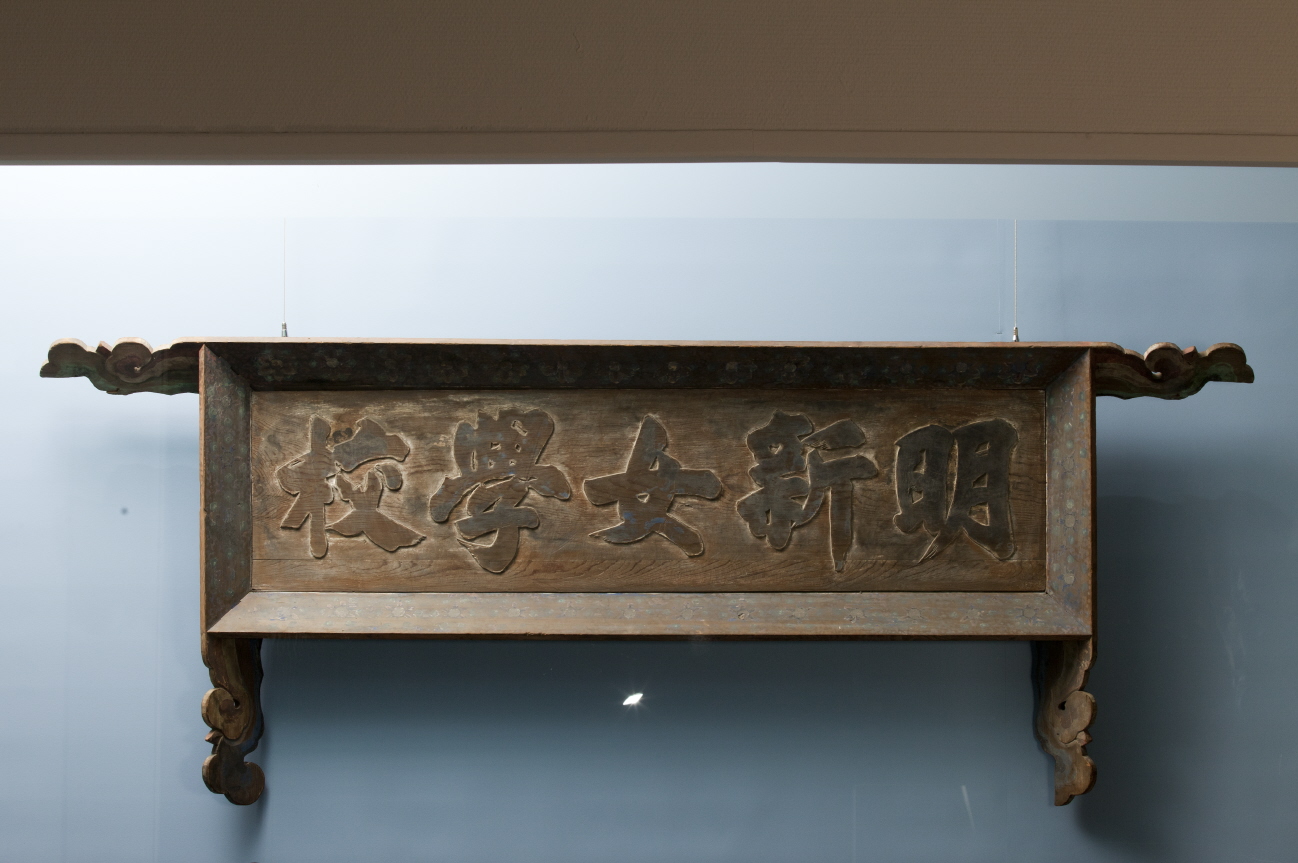
Sookmyung also preserves early artifacts related to Myeongsin Girls' School, including a Taegeukgi, a wooden signboard, and an imperial document known as a wanmun. These items matter because they move the school beyond alumni reputation. They give it material historical memory.
Notable alumni lists include novelist Park Wan-suh, dancer Choi Seung-hee, theologian and politician Chang Sang, designer and politician Sohn Hye-won, and Kim Jung-sook, who became First Lady during the presidency of Moon Jae-in.
The school therefore sits at the intersection of education, gender, literature, politics, and cultural heritage.
Why So Many Are In Gangnam Now
A foreign reader may notice a pattern: Kyunggi, Whimoon, Joongdong, and Sookmyung are all tied to Gangnam today.
That does not mean they began as Gangnam schools in the modern sense. Seoul changed dramatically in the second half of the 20th century. Gangnam developed from agricultural and less urbanized land into one of the city's most powerful residential, commercial, educational, and symbolic districts.
School relocation was part of that transformation. Some institutions moved from older central Seoul areas to the south side of the Han River. Their names helped carry prestige into a new urban map.
This is why school history and city history should be read together. A school can tell you where Seoul's elite culture used to be, where it moved, and how educational status became attached to neighborhoods.
For more on the broader education ladder, EpicKor's Korean university life guide, SKY universities guide, and cagongjok study culture guide explain how school pressure continues after high school into campus, study cafes, exams, and career preparation.
Alumni Lists Are Useful, But Dangerous
Alumni lists make old schools interesting, but they can also distort the story.
It is tempting to say: this school produced a president, this school produced a chaebol founder, this school produced an actor. That is true in specific cases, but it can make schools sound like celebrity factories.
A more accurate reading is this:
- old schools had access to elite networks earlier than many newer schools
- they educated students during periods when high school access itself was more selective
- their alumni accumulated influence across generations
- famous graduates reinforce the school's public memory
- the school's reputation then becomes part of later student and parent expectations
In other words, alumni fame is not only a list. It is a feedback loop.
What These Schools Reveal About Korea
Together, these schools reveal five things about Korea.
First, modern education was one of Korea's central modernization tools. The dates around 1899 and 1906 are not random. They belong to a period when Korea was trying to build modern institutions under enormous internal and external pressure.
Second, schools survived political rupture. The Korean Empire ended. Colonial rule began. Liberation came. War divided the peninsula. Seoul rebuilt. The schools remained and changed names, systems, campuses, and curricula.
Third, education became social identity. In Korea, school names can carry more social meaning than outsiders expect. They can signal generation, exam history, region, and networks.
Fourth, women's education has its own historical lane. Sookmyung's early story is not simply "a girls' version" of boys' school prestige. It belongs to the development of modern female education in Korea.
Fifth, old schools show how Seoul moved. The Gangnam address of these schools today is part of the postwar urban story, not only school administration.
You might like: Suneung Day in Korea, 19 November 2026 — the one Thursday when schools like these become exam halls and the country, airports included, works around them.
Study-culture shelf: If you are reading Korean education history from outside Korea, compare Korean Alphabet with Writing Workbook with a broader Korean culture book. School names become easier to follow when language, history, and status terms are not all new at once.
See Korean Alphabet with Writing Workbook on AmazonImage Fit Review
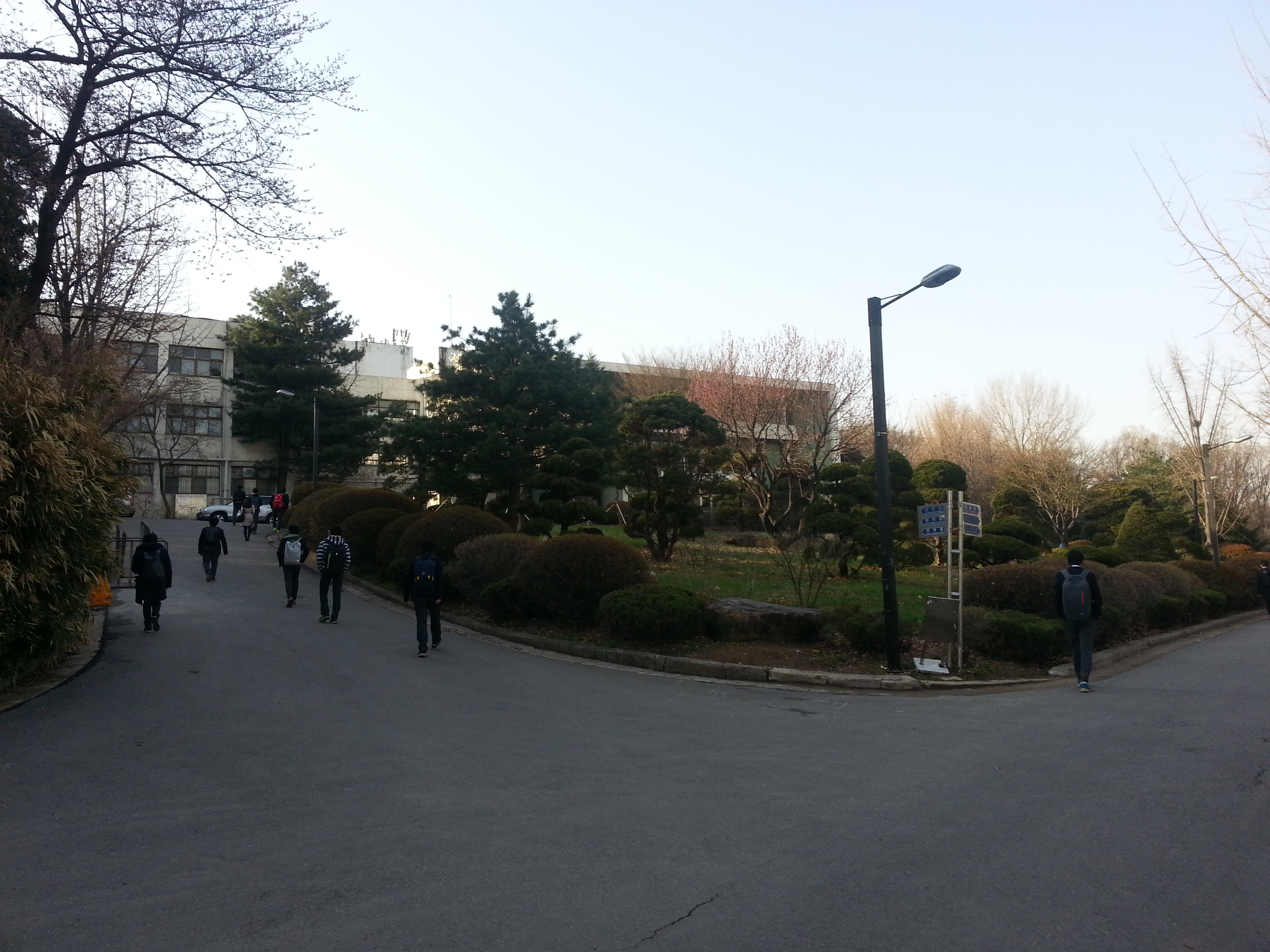
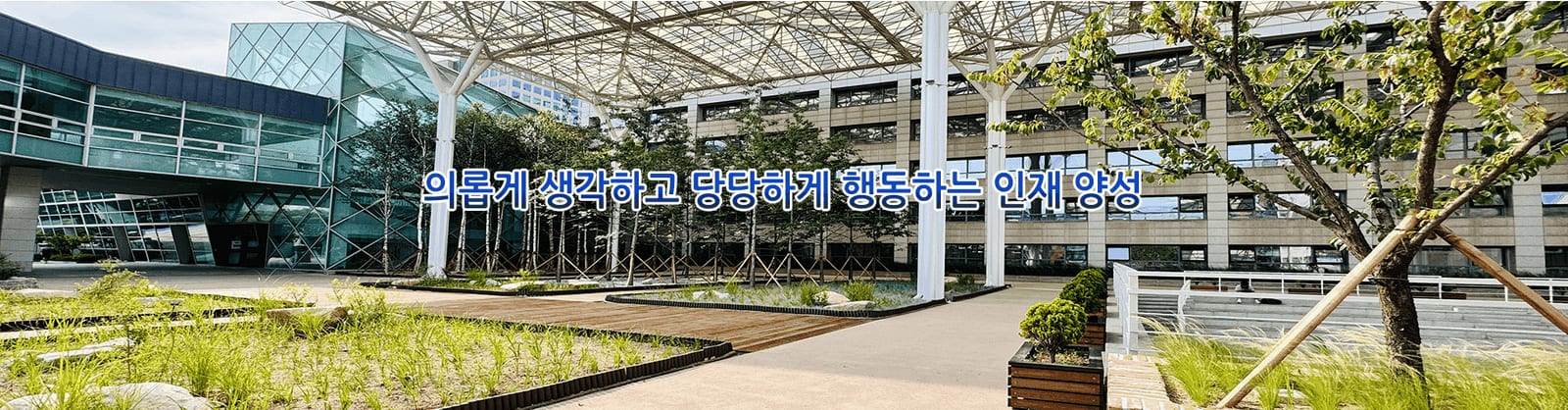
The images used in this guide were checked for direct relevance. Kyunggi's front image, Whimoon's campus and historical building images, Joongdong's official website image, and Sookmyung's Myeongsin signboard all directly match the schools discussed. Each image scored at least 96/100 for topic fit, historical/context fit, and non-misleading use.
Sources Checked
This guide was checked against school profiles for Kyunggi High School, Whimoon High School, Joongdong High School, and Sookmyung Girls' High School, plus public school homepages including Kyunggi High School, Whimoon High School, Joongdong High School, and Sookmyung Girls' High School. Alumni references were kept to names appearing in public profiles or widely documented school lists.
FAQ
Q: What is the oldest high school in Korea?
Kyunggi High School is often described as Korea's oldest modern high school, with establishment in 1899 and opening in 1900.
Q: Is Whimoon High School over 100 years old?
Yes. Whimoon's roots go back to the early 1900s, with 1904 and 1906 appearing as key early milestones in public school histories.
Q: Why is Sookmyung Girls' High School important?
It traces its origins to Myeongsin Girls' School in 1906 and is connected to early modern women's education in Korea, as well as preserved historical artifacts.
Q: Why are these old schools often connected to Gangnam?
Some old Seoul schools relocated or developed current campuses in Gangnam as Seoul expanded south of the Han River. Their older prestige became part of Gangnam's later education image.
Q: Are alumni lists enough to judge a school?
No. Alumni lists show public memory and networks, but they do not fully describe student life, teaching quality, admissions conditions, or changes across generations.
Q: Do Korean people still care about high school names?
Often yes, especially in older elite-school contexts. But the meaning depends on generation, region, and social setting. It should not be treated as a full measure of a person.
You Might Also Like

K-Drama Foods Explained: Chimaek, the Ramyeon Line, and That Sandwich
Every K-drama serves the same meals: chicken and beer on a bad day, ramyeon as an invitation, a Subway sandwich nobody ordered. What each food actually is, the scenes that made them famous, and which ones you can buy tonight.
Korea's Exam Day: Why Planes Stop for Suneung and How to Plan Around It
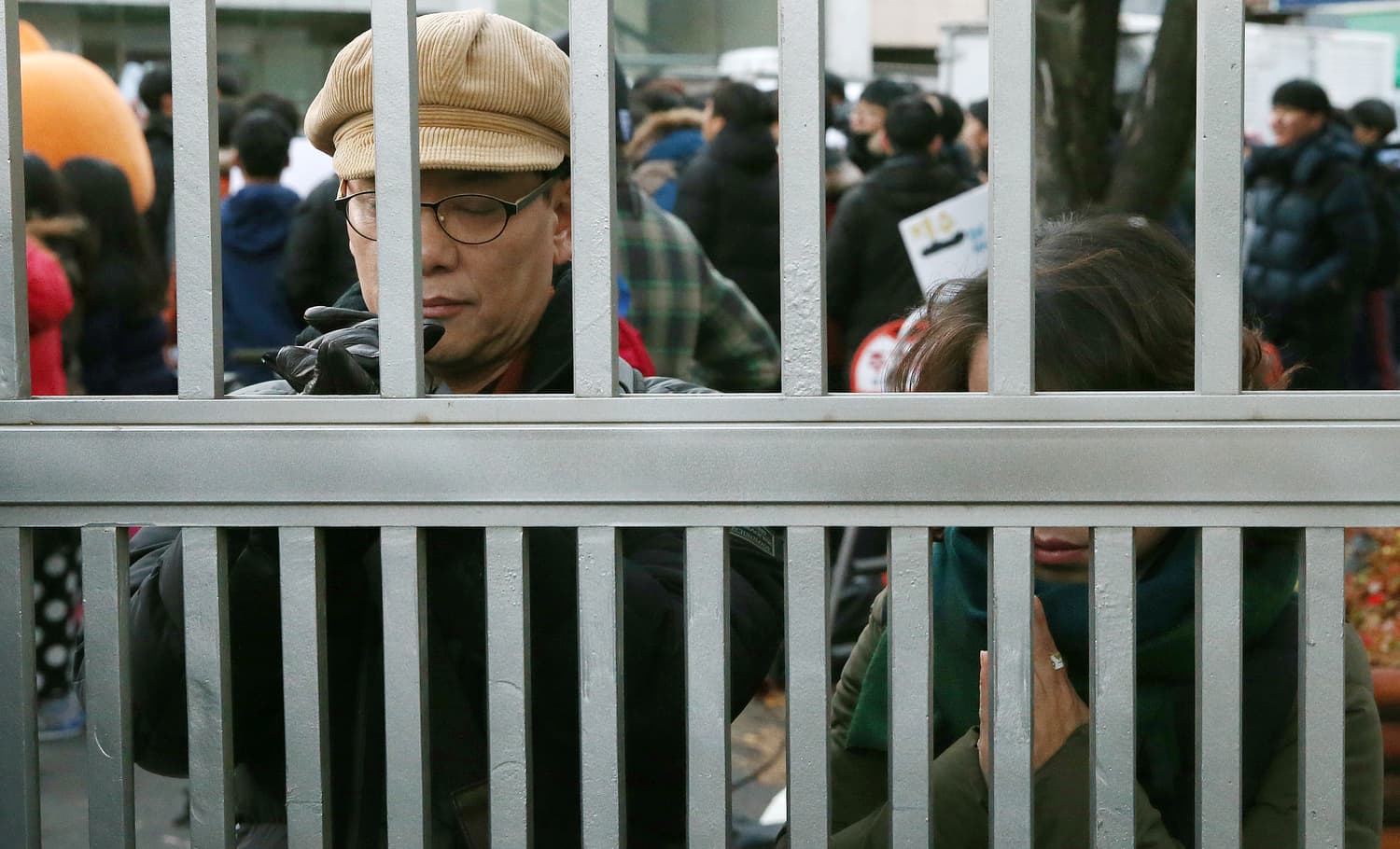
For about 35 minutes on Korea's exam day, aircraft stop taking off nationwide, artillery drills halt, and the stock market opens an hour late — all for one English listening test. What happens on Suneung day, and how to plan a trip around it.
SKY vs KAIST: Choosing a Korean University by Major, Not Rank
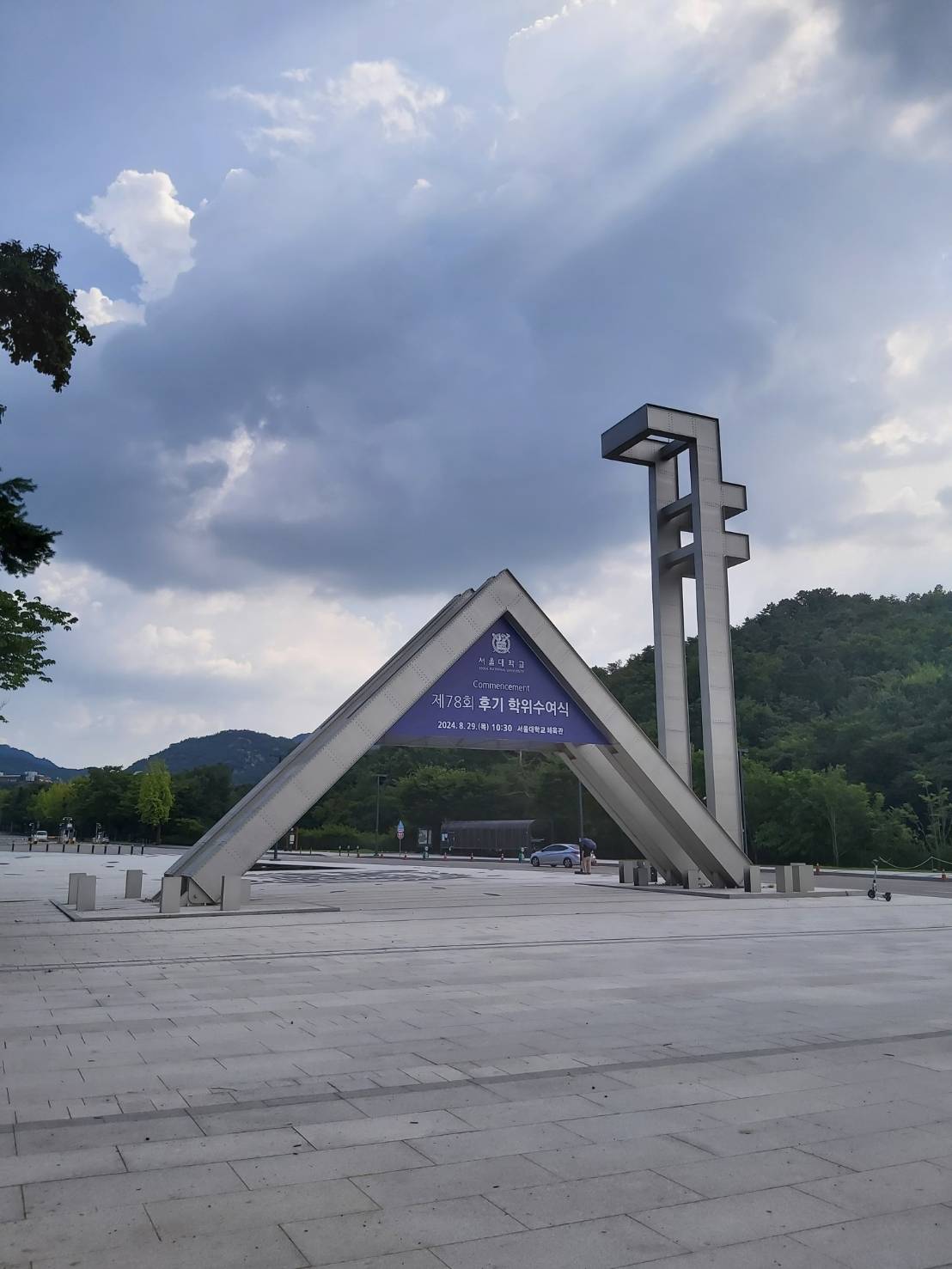
SKY means Seoul National, Korea and Yonsei — but KAIST sits above all three in engineering and computer science. Korean prestige runs on field ladders, not one list. A major-by-major map, real 2026 tuition figures, and the GKS scholarship tracks.