Korean Ramyun Guide: Shin, Buldak, Chapaghetti, and More

Korean ramyun is not just "instant ramen with more spice." It is a convenience meal, a pantry staple, a travel snack, a late-night comfort food, a camping shortcut, a Hangang machine ritual, and one of Korea's easiest food exports to understand.
The World Instant Noodles Association's 2024 demand table lists the Republic of Korea at about 4.1 billion servings of instant noodles. That total demand is smaller than huge-population markets such as China, Indonesia, India, Japan, and the United States, but Korea's ramyun culture feels unusually visible because the product is woven into convenience stores, TV scenes, dorm meals, office nights, home pantries, and global K-food shopping.
This guide explains the Korean ramyun map: Shin Ramyun, Buldak, Chapaghetti, kimchi ramyun, cup noodles, toppings, spice control, and what to buy first if you are new.
| Ramyun type | Best known example | Flavor logic | Beginner note |
|---|---|---|---|
| Spicy soup ramyun | Shin Ramyun | Red broth, beefy umami, chili heat | Classic benchmark for Korean spicy noodles |
| Stir-fried spicy noodles | Buldak | Drain, sauce, heat, chew | Start mild or creamy before trying 2X-style heat |
| Jjajang-style noodles | Chapaghetti | Black-bean sauce mood, less broth | Comforting and not focused on chili burn |
| Kimchi or stew-style ramyun | Kimchi ramyun | Sour, spicy, broth-heavy | Good if you like jjigae or fermented tang |
Ramyun or ramen?
In English, people often say "Korean ramen," but ramyun is the more useful Korean-food term for the instant noodle category. Japanese ramen usually points to restaurant noodles with fresh broth and toppings. Korean ramyun usually means packaged instant noodles, cup noodles, or quick-cook products.
That difference matters because Korean ramyun is designed for speed and repeat use. Nongshim's ramyun encyclopedia describes ramyun as easy to cook in about three to five minutes with boiling water. The product is portable, shelf-stable, and economical. That is exactly why it spread so deeply: it solves hunger quickly without needing a full kitchen.
For the machine-and-convenience side of this culture, pair this with EpicKor's Korea automated convenience guide, which covers Hangang ramyeon machines, unmanned stores, and robot-service expectations.
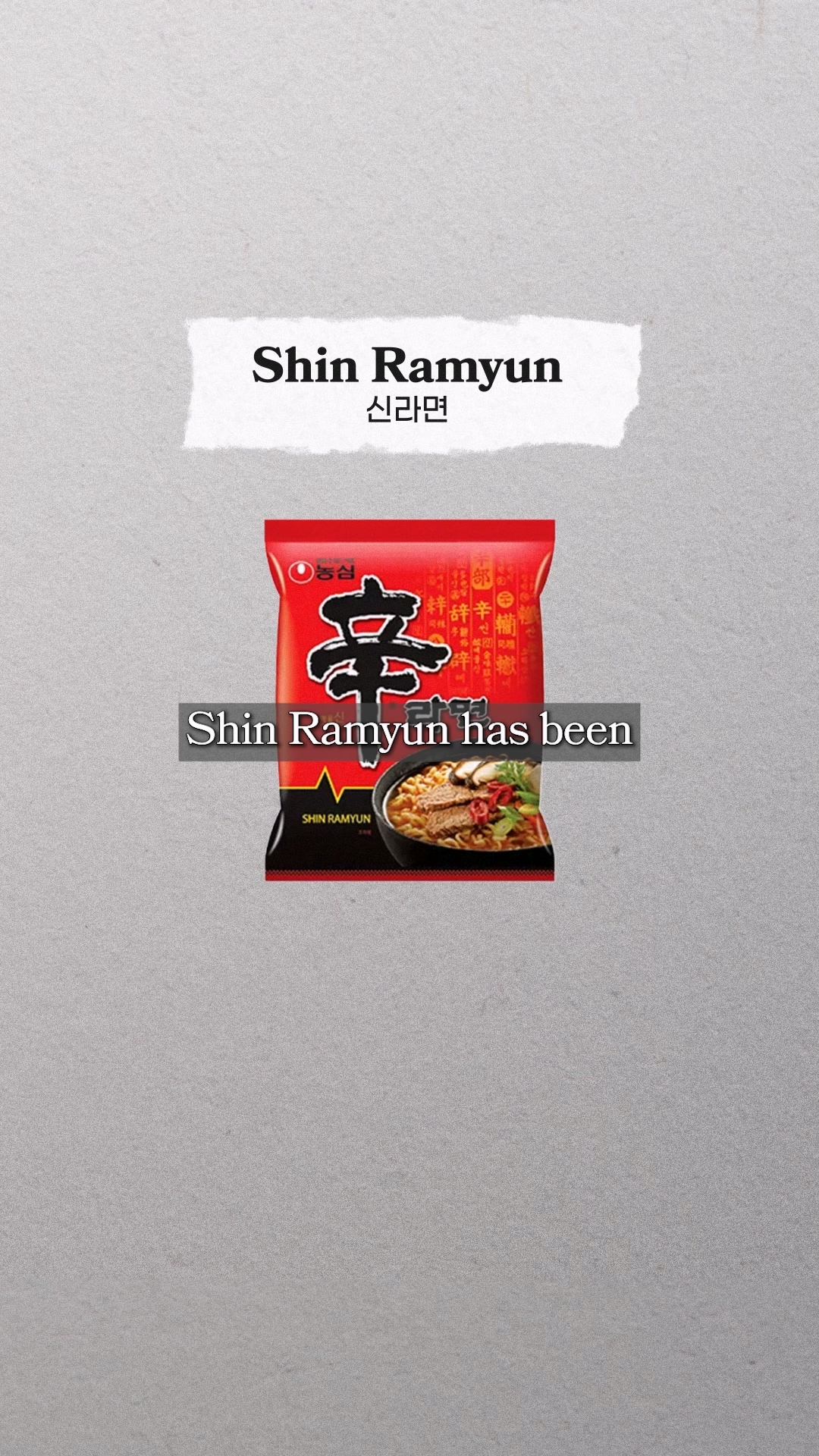
Shin Ramyun: the benchmark bowl
Shin Ramyun is the classic spicy Korean ramyun reference point. Nongshim lists Shin Ramyun among its best products and describes the brand as bold and spicy. Nongshim's global pages also emphasize export reach to more than 100 countries, which helps explain why Shin often becomes a first Korean noodle for international shoppers.
What makes Shin useful is balance. It is spicy, but the identity is not only pain. It has broth, dried vegetables, noodle chew, and a flavor profile that supports toppings such as egg, green onion, dumplings, cheese, mushrooms, or leftover meat.
If you are new, try Shin plain once before hacking it. Then add an egg or green onion. After that, compare Shin Black, seafood-style noodles, or milder Korean soup noodles. The point is to learn the baseline before chasing the hottest product.
Buldak: the fire-noodle lane
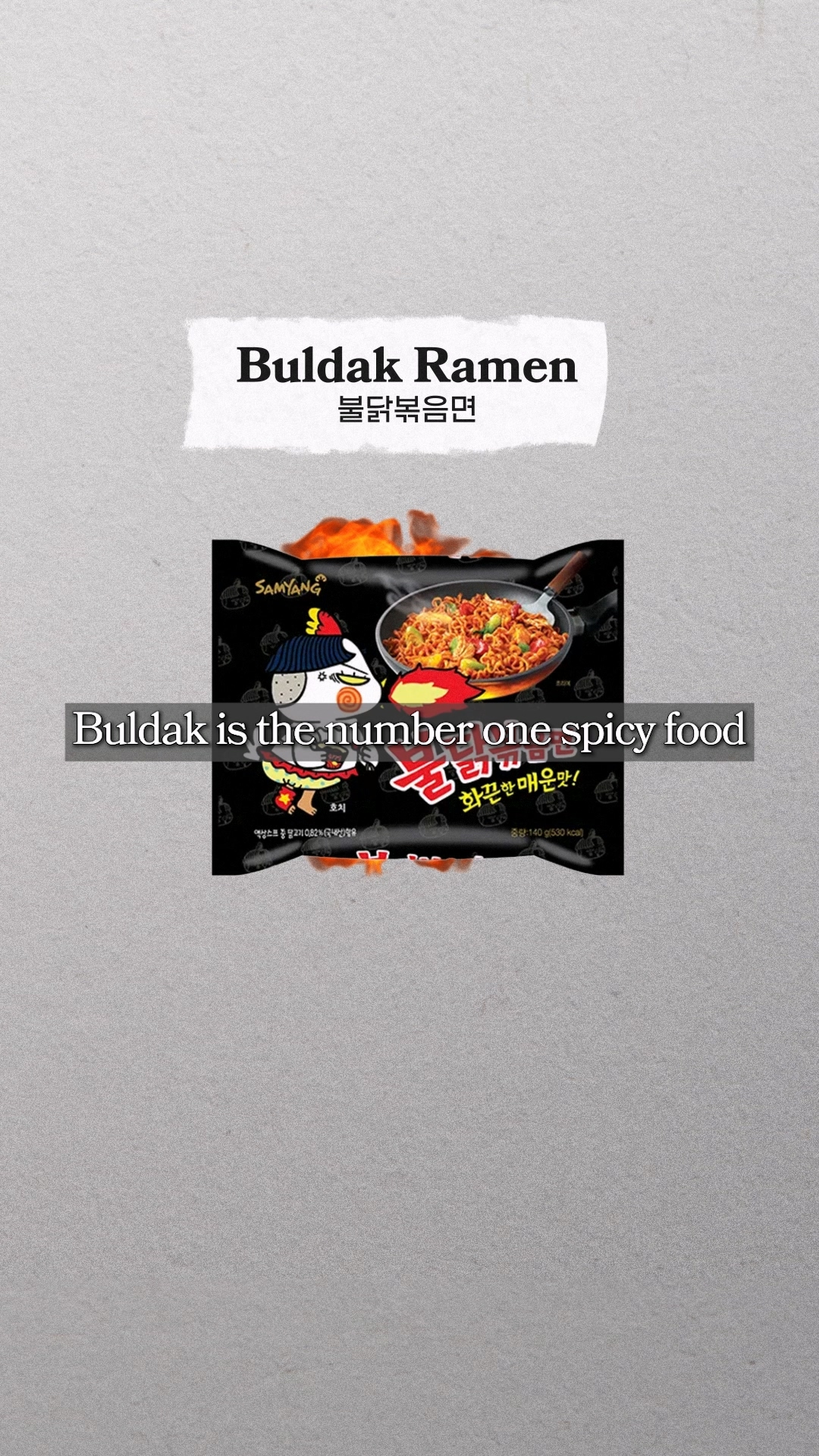
Buldak is different because many versions are stir-fried noodles, not soup ramyun. You boil the noodles, drain most of the water, add sauce, and mix. Samyang America describes Carbonara Buldak as a creamy-spicy fusion with chewy noodles, and its product page lists wheat, soy, and milk as allergens. That last detail matters: viral packaging does not replace label reading.
Buldak's global growth is real. Yonhap reported in June 2026 that Samyang Foods said cumulative Buldak ramyeon sales had passed 10 billion units since the brand's 2012 debut. That does not mean every Buldak is equally hot or equally beginner-friendly. Carbonara, cream carbonara, cheese, original, 2X, and other variants sit in different lanes.
The best beginner move is to start with a creamy or cheese-adjacent version, use part of the sauce packet if needed, and add milk, cheese, egg, corn, or dumplings only after you understand the base flavor.
Spice-ladder starter: As an Amazon Associate, EpicKor may earn from qualifying purchases. If you want the viral but gentler lane first, compare Samyang Buldak Spicy Ramen Carbonara before jumping straight to hotter versions.
Chapaghetti and Chapaguri
Chapaghetti matters because it shows that Korean ramyun is not only red soup. Nongshim's product listing says Chapaghetti was released in 1984 as ramyun-style chajang noodles. The flavor is based on a black-bean-sauce mood rather than chili broth.
Internationally, many people learned the Chapaghetti and Neoguri combination through Parasite, where the English subtitle "ram-don" introduced a luxury-home version with beef. In Korean grocery logic, the more useful term is Chapaguri, a mashup of Chapaghetti and Neoguri.
If you do not like spicy soup, Chapaghetti is a good entry point. Add cucumber, fried egg, onion, or small beef pieces if you want a fuller meal. Just do not expect Chinese restaurant jajangmyeon. It is an instant-noodle interpretation with its own comfort-food identity.
Kimchi, seafood, and stew-style ramyun
Kimchi ramyun, jjigae-style ramyun, seafood ramyun, and budae-jjigae-inspired noodles show another Korean habit: turning familiar soup moods into instant form. These products are useful when you want broth, acidity, or a stew-like feeling without cooking a full pot.
For travelers, this is where convenience stores become fun. You may see cup noodles with boiling-water machines, cheese sticks, triangle kimbap, eggs, sausage, tuna, kimchi, or ice cups nearby. The ramyun is the base, but the mini meal comes from the add-ons.
For broader convenience-store food planning, read EpicKor's Korean convenience-store food guide and Korean pantry starter kit. If you want the product story behind Buldak's export rise, use the Samyang Foods business deep dive.
How to control spice without ruining the bowl
The most common mistake is treating spice as a dare. Korean ramyun is more enjoyable when you can taste broth, noodles, oil, vegetable flakes, and toppings. If a packet is too hot, reduce the sauce or powder first. Then add dairy, egg, rice, tofu, dumplings, or vegetables depending on the style.
For soup ramyun, use a little less powder if sodium or heat is a concern, but understand that powder carries salt and umami too. For Buldak-style noodles, start with half the sauce, mix, taste, then add more. Do not dump the full packet and then try to rescue it after the noodles are already coated.
| Problem | Better fix | Why it works | What not to do |
|---|---|---|---|
| Too spicy | Use less sauce, add egg or cheese | Controls heat before it dominates | Adding only sugar after the fact |
| Too salty | Use more water or less powder | Dilutes seasoning concentration | Eating the broth like a challenge |
| Not filling | Add dumplings, tofu, egg, or rice | Adds protein or bulk | Adding three salty processed toppings |
| Too one-note | Add green onion, kimchi, mushroom, or seaweed | Adds freshness, sourness, or aroma | Covering everything with cheese every time |
What ramyun costs in Korea right now
Ramyun is the cheapest hot meal in Korea, and its price is watched more closely than almost any other grocery item. Here is where it stands.
| Format | Korean | Price (July 2026) |
|---|---|---|
| Bagged Shin Ramyun, single | 신라면 봉지 | about ₩1,000 at a convenience store |
| Bagged multipack, 5 units | 봉지 5개입 | notably cheaper per serving at a mart |
| Cup ramyun, small | 컵라면 | roughly ₩1,200–1,800 |
| Buldak cup | 불닭볶음면 컵 | about ₩1,800 |
Buy single packs at a convenience store only to sample. For anything more, go to an E-Mart, Homeplus, or Lotte Mart — the same noodles in a five-pack cost meaningfully less per serving, and this is the one place travelers routinely overspend on Korean groceries.
Why ramyun prices are political in Korea
This is the part that surprises visitors, and it explains why the ₩1,000 bag has barely moved.
In June 2023, Deputy Prime Minister Choo Kyung-ho publicly said ramyun prices ought to come down because international wheat prices had fallen. Manufacturers complied within weeks. Nongshim cut Shin Ramyun's shipping price by 4.5% and Saewookkang by 6.9% effective July 1, 2023 — its first ramyun price cut in 13 years. Samyang followed with an average 4.7% cut across 12 products. Nongshim put its flour savings at ₩8 billion against roughly ₩20 billion in consumer benefit.
The same logic is visible this week. Nongshim announced on July 24, 2026 that from August 1, 2026 it would raise shipping prices on cup ramyun by an average 6.0%, snacks by 5.5%, and beverages by 7.7% — Yukgaejang Sabalmyeon goes from ₩1,100 to ₩1,200, and 90g Saewookkang from ₩1,500 to ₩1,600. Bagged ramyun, including Shin Ramyun, was excluded entirely, and bagged products are about 63% of ramen sales.
That exclusion is not an accident. The bagged ₩1,000 noodle functions as a public price benchmark in Korea, and raising it invites a political reaction that raising a cup noodle does not. If you are comparing prices on your trip, this is why the bag and the cup move differently.
What should a beginner buy first?
Buy one classic soup ramyun, one stir-fried spicy noodle, and one non-red option. That might mean Shin Ramyun, Buldak Carbonara, and Chapaghetti. If you already know your spice tolerance is low, swap Shin for a milder Korean noodle or use less powder.
If you are shopping online, start smaller than you think. A giant box of one flavor is only a good deal if you already know you like it. A mixed pack teaches more and wastes less.
How to read a Korean ramyun package
Most shopping mistakes happen before cooking. Check whether the product is a bag, cup, bowl, big bowl, or multi-pack. A cup noodle is convenient for travel, but a bag noodle gives you more control over water, toppings, and texture. Check whether it is soup-based or stir-fried. Buldak-style products often require draining water, while classic ramyun needs enough broth to dissolve the seasoning.
Then check allergens and storage. Samyang America's Carbonara Buldak page, for example, lists wheat, soy, and milk. Other noodles may contain seafood, egg, sesame, or manufacturing cross-contact warnings. If you are vegetarian, halal, gluten-free, dairy-free, or sensitive to spice, do not rely on the front package color. Read the actual label for the version sold in your country.
Finally, compare serving size. Some big bowls are built as one snack-sized meal. Multi-packs may look cheaper but lock you into one flavor. Variety packs are better for learning. Bulk boxes are better only after you already know your repeat favorites.
How Koreans turn ramyun into a meal
The most Korean thing about ramyun is not eating it plain. It is knowing when plain is enough and when to build a bowl. Students may add egg because it is cheap protein. Office workers may pair cup noodles with triangle kimbap. Campers may add sausages, scallions, and kimchi. At home, people may add leftover rice to the broth after the noodles are gone.
This is why ramyun can feel both low-effort and emotionally specific. It can be a convenience-store snack, a rainy-day bowl, a late-night recovery meal, or a small shared pot. You do not need to romanticize it. Just notice how often it solves the meal problem when nobody wants to cook properly.
Build a flexible noodle shelf: Compare Korean food starter packs or small mixed ramyun bundles before committing to one giant box of a flavor you have not tested.
Related EpicKor guides
For nearby food culture, read EpicKor's Carbo Buldak guide, Korean ramen trends guide, Korean pantry starter kit, and convenience-store food guide. For home equipment, the Korean ramen pot and cookware guide explains what actually helps in the kitchen.
Sources and further reading
- World Instant Noodles Association: Global demand rankings, updated May 7, 2025.
- Nongshim: Ramyun encyclopedia.
- Nongshim: Instant noodle product listing.
- Nongshim: Global network and export context.
- Samyang America: Buldak Carbonara product page.
- Yonhap: Buldak cumulative sales milestone.
FAQ
Q: Is Korean ramyun the same as Japanese ramen? A: No. In English, people mix the words, but Korean ramyun usually means instant packaged noodles, while Japanese ramen often means restaurant noodles with fresh broth.
Q: What Korean ramyun should I try first? A: Start with Shin Ramyun for classic soup, Buldak Carbonara for creamy-spicy stir-fried noodles, and Chapaghetti for a non-red black-bean-style option.
Q: Is Buldak too spicy for beginners? A: Some versions are. Start with a creamy or cheese version, use less sauce, and add egg or dairy if you are sensitive to heat.
Q: Why do Koreans add eggs or cheese to ramyun? A: Egg, cheese, green onion, dumplings, tofu, and rice make a quick noodle bowl more filling and help adjust heat, salt, texture, and aroma.
Q: Are cup noodles worth trying in Korea? A: Yes. Cup noodles are part of convenience-store culture, especially with hot-water machines, triangle kimbap, ice cups, and late-night snacks.
Q: Should I buy a Korean ramen pot? A: Only if you cook ramyun often and want a light, fast pot. A normal saucepan works fine for most people.
Video insight: Top Korean ramyun
You Might Also Like
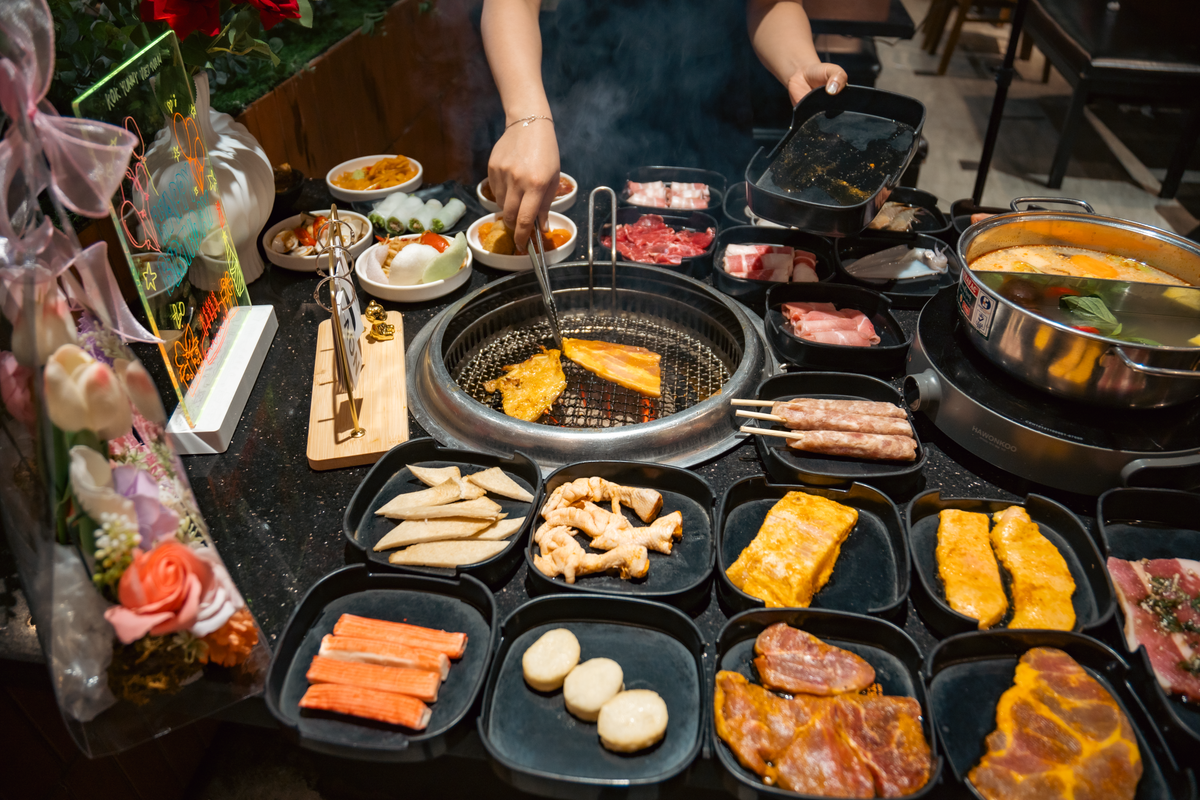
How to Eat Korean BBQ Like a Local: Unwritten Rules
A practical Korean BBQ guide to ordering, grilling, wraps, banchan, sauces, and table etiquette so you can eat like a local.
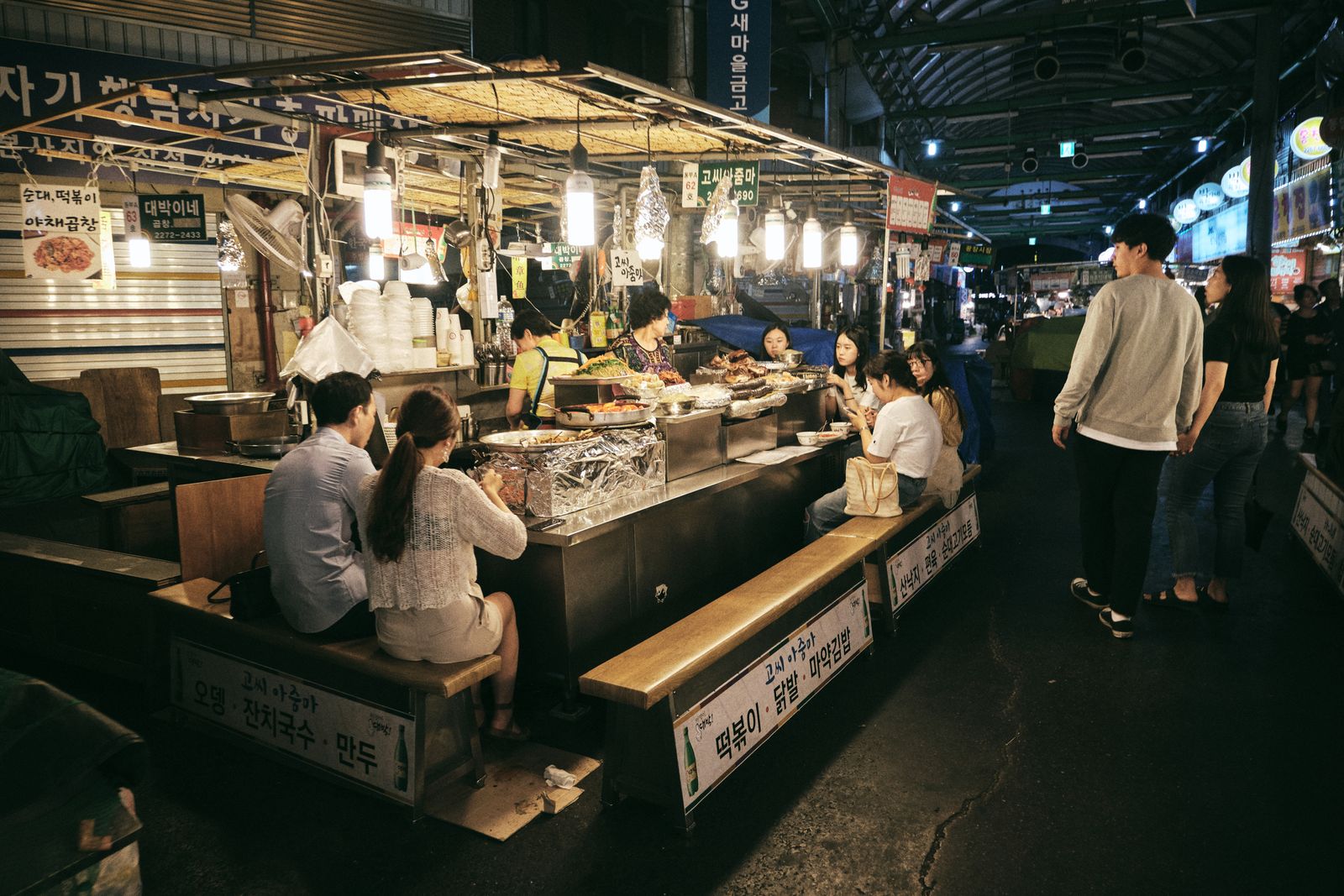
What Koreans Eat Beyond Tourist Classics: 7 Everyday Favorites
Seven everyday Korean food favorites beyond the usual tourist checklist, with ordering tips for gimbap, jjajangmyeon, bossam, jeon, and market snacks.
MU:DS Korea Museum Goods Guide: Best Buys and Smart Tips
A practical MU:DS shopping guide at Korea's National Museum: best items, prices, where to buy, and Amazon-friendly alternatives for global travelers.