Korean Beauty Devices 2026: LED, EMS, Medicube Guide
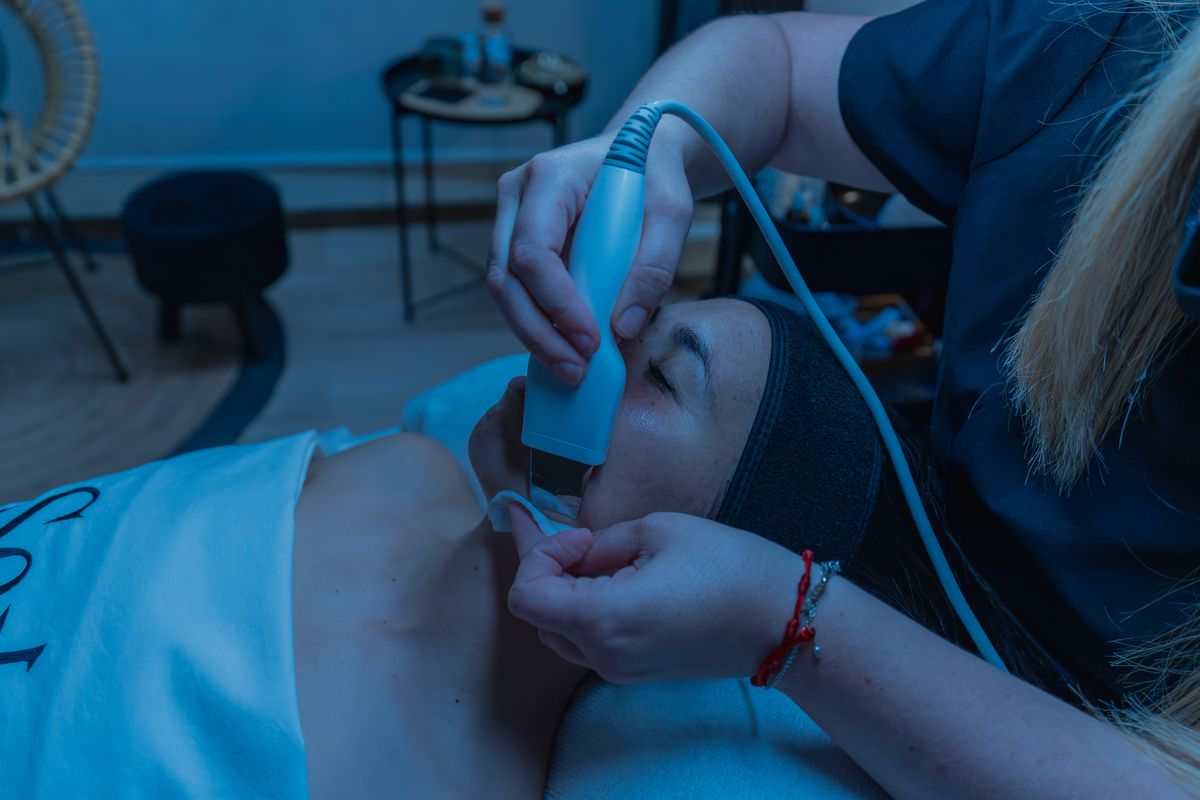
Korean beauty devices used to feel like a strange side shelf next to sheet masks and ampoules. In 2026, they feel like the main event. Walk through Seoul beauty retail and the promise is everywhere: glow booster, pore care, lifting mode, LED mask, microcurrent, EMS, electroporation, clinic-inspired home care. The language is confident. The displays are shiny. The price tags are not always small.
This is where K-beauty gets exciting and dangerous at the same time. Exciting, because Korean brands are very good at turning clinic culture into consumer-friendly routines. Dangerous, because a device is not a serum. You cannot judge it by packaging alone, and you should not buy it just because a creator used it for 12 seconds in a mirror video.
The smarter question is not "Which device is viral?" It is "What job do I need this tool to do, how often will I actually use it, and what safety checks should I make before I put electricity, light, vibration, or heat near my face?"
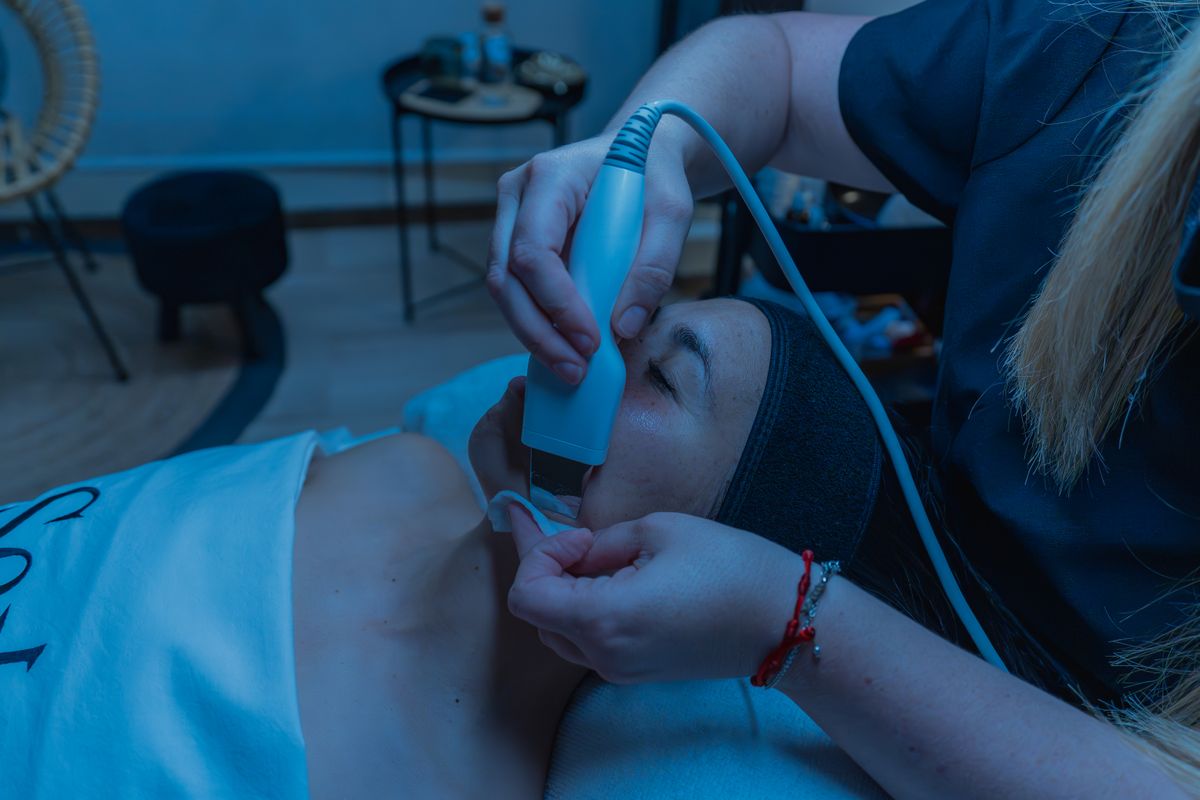
Medicube Booster H — the Age-R device line behind this trendAffiliate link. As an Amazon Associate, EpicKor earns from qualifying purchases at no extra cost to you.
Quick Answer: Should Tourists Buy Korean Beauty Devices?
Buy a Korean beauty device only if it fits three conditions: you understand what the technology is supposed to do, you will use it consistently after the trip, and the product has clear instructions, safety warnings, return terms, plug compatibility, and warranty support in a language you can use.
For most travelers, the best first device is not the most expensive one. It is the one that solves a boring routine problem. If you already use serums every night and want better application discipline, a booster-style device may make sense. If you are interested in red or blue light, an LED mask can be useful, but only if it is from a reputable maker and you will follow eye-safety and timing instructions. If you want a dramatic face-lift effect from a small gadget, adjust expectations before buying.
For nearby EpicKor reading, start with the Korean skincare routine-order guide, Olive Young shopping guide, Seoul beauty shopping map, and Korea summer sunscreen guide. Devices work best when the regular skincare routine underneath them is already sane.
Why Medicube-Style Devices Became The Symbol Of This Trend
Medicube is the obvious reference point because its Age-R device line helped make at-home K-beauty gadgets feel mainstream outside Korea. Vogue has covered Medicube's global breakout and described Age-R devices as combining technologies such as microcurrent, electroporation, and LED in consumer tools. The same coverage reported that the brand's device business moved millions of units globally, which explains why tourists now see device content everywhere from TikTok to airport shopping lists.
The important part is not to treat Medicube as the only answer. The important part is what Medicube represents: Korean beauty brands trying to translate professional treatment language into repeatable home routines. That translation can be useful. It can also blur expectations.
Business readers can follow that model beyond the product shelf in EpicKor's APR and Medicube company deep dive, which separates the D2C, cosmetics, device-manufacturing, global-channel, and after-sales layers.
A home device is not a dermatologist's office. It is usually lower-powered, more convenient, and more dependent on consistency. It may help you stick to a routine, apply product with more intention, or target cosmetic concerns over time. It should not be treated as a cure for acne, pigmentation, rosacea, melasma, scarring, or medical skin conditions.
| Device Type | Common Promise | Best For | Buying Warning |
|---|---|---|---|
| Booster or electroporation-style wand | Helps serum routines feel more targeted and consistent | People who already use gentle serums and want a ritualized step | Do not assume every active ingredient is safe to push harder into skin |
| LED mask or panel | Red light for cosmetic aging concerns, blue light for acne-prone routines | Consistent users who will follow timing and eye-safety instructions | Check device credibility, eye protection, and photosensitivity warnings |
| Microcurrent or EMS tool | Temporary firming, facial muscle stimulation, lifted look | Users who like a pre-event routine and accept subtle results | Avoid if you have contraindications listed by the maker or your doctor |
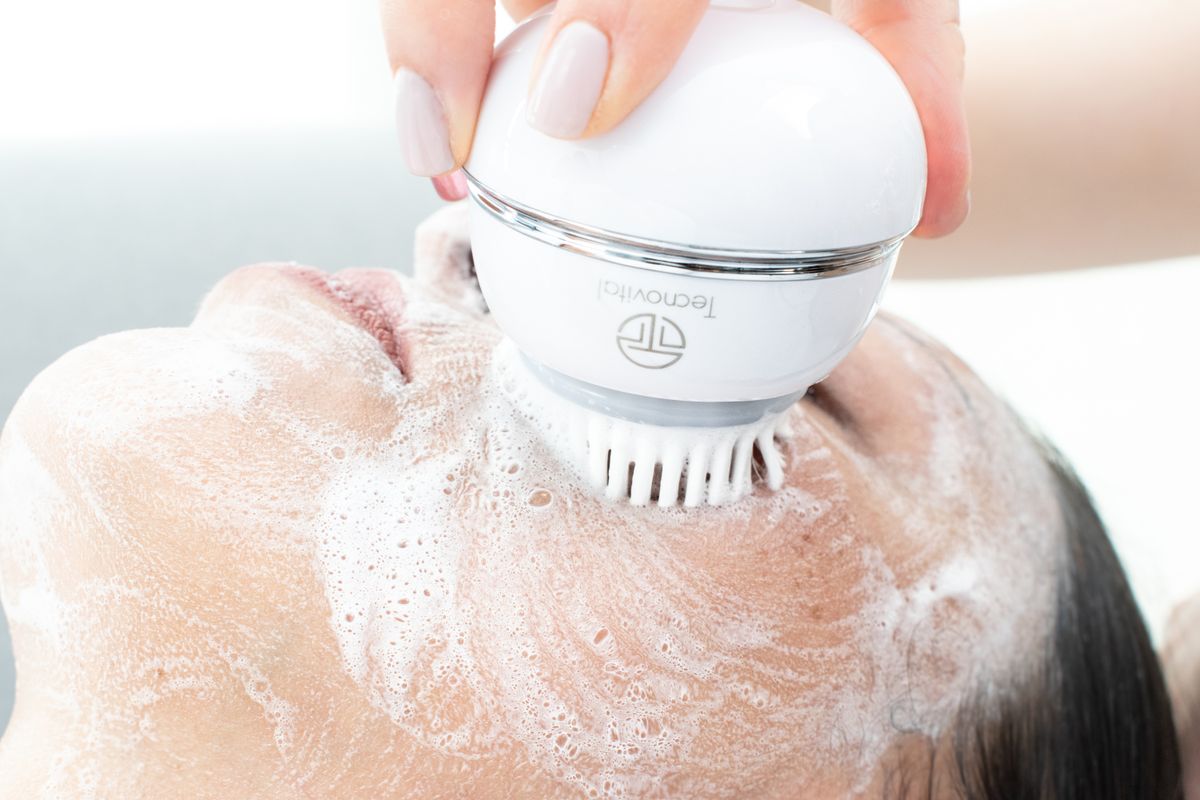
| Cleansing brush | Deeper-feeling cleanse and massage | Makeup users who need help removing sunscreen and base product | Overuse can irritate the barrier, especially with exfoliating cleansers |
The Three Questions To Ask Before Buying
The first question is: what is the job? Not the brand promise, not the influencer angle, but the actual job. "I want my serum step to feel more consistent" is a job. "I want a gentle cleansing tool because I wear waterproof sunscreen" is a job. "I want my face to look like a clinic video overnight" is not a useful job.
The second question is: what will I use with it? Many devices work with gels, water-based serums, or specific compatible products. Some warn against using oils, exfoliating acids, retinoids, strong vitamin C, or irritating actives during device sessions. If the product requires a special gel that you cannot repurchase easily after leaving Korea, that matters.
The third question is: what happens if something goes wrong? Beauty tourists often forget warranty and voltage details because the store experience is fun. Check plug type, charging cable, warranty coverage, app language, replacement parts, return policy, and whether the manual gives clear contraindications. A device is not a sheet mask. If it sits in a drawer because the app is annoying or the cable is proprietary, the discount was fake.
LED Masks: Useful, But Not Magic Theater
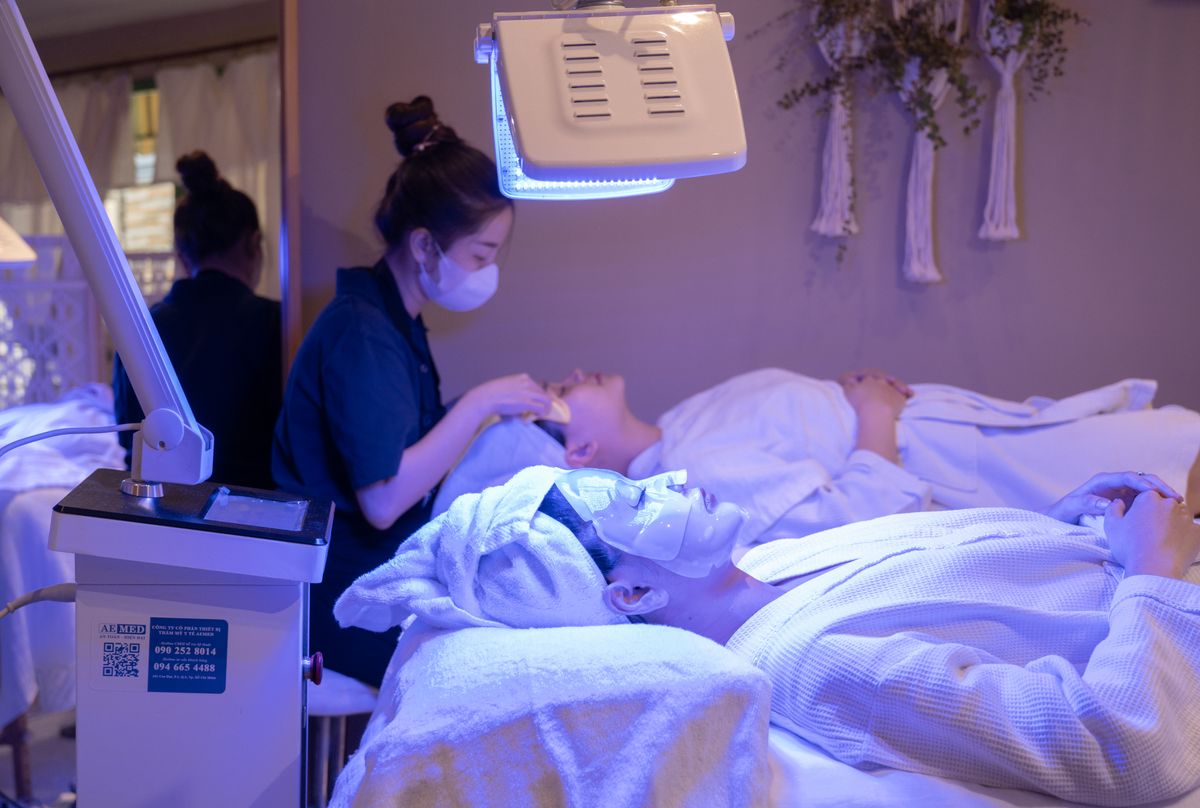
LED masks are easy to market because they look futuristic. Red light, blue light, near-infrared, mode names, glowing selfies: the format sells itself before results enter the room. The calmer version is this: LED can be a legitimate cosmetic tool, but at-home devices require consistency, correct wavelength claims, eye protection, and realistic expectations.
Allure's dermatologist-backed LED explainer notes that at-home treatments can be convenient when proper precautions are followed, including device instructions and eye protection. Other expert roundups also stress that in-office treatments are more controlled and that home devices should supplement, not replace, a normal skincare routine.
That means an LED mask is a better buy for a person who enjoys routines than for a person who wants one dramatic before-and-after. If you will use it three times and forget it, buy better sunscreen instead. If you already have a stable routine and like slow, visible maintenance, it can be worth comparing reputable models.
Use caution if you have photosensitivity, eye conditions, active irritation, melasma concerns, recent procedures, or medications that increase light sensitivity. When in doubt, ask a dermatologist before starting. A device that touches your face should never outrank common sense.
EMS, Microcurrent, and The "Lifted Face" Promise
EMS and microcurrent devices sell a more dramatic fantasy: sharper jaw, lifted cheeks, tighter look before dinner. Some users enjoy them for a temporary sculpted feeling, especially when paired with massage gel and a consistent routine. The problem is expectation inflation. A mild home device cannot replace anatomy, sleep, skincare basics, or professional treatment.
If you buy one, think of it like a grooming tool. It may help you feel more put together before photos or a night out. It may make you more consistent with facial massage. It may not deliver the same result on every face. It may irritate skin if you rush, use too much pressure, or ignore the manual.
People with implanted electronic devices, pregnancy, seizure history, active skin disease, recent cosmetic procedures, or other listed contraindications should follow professional guidance and manufacturer warnings. This is the unglamorous part of beauty shopping, but it is the part that keeps a fun purchase from becoming a problem.
What To Buy In Seoul, What To Skip, What To Order Later
Buy in Seoul if the device is cheaper there, the model is Korea-only, the store can explain it clearly, and you can confirm warranty or after-sales support. Buying locally also helps if you want to feel the device, test the weight, and compare modes in person.
Skip the purchase if the salesperson cannot explain safety basics, the box has no English or usable manual, the discount requires a rushed decision, or the device needs consumables you cannot repurchase. Also skip it if your skin is currently angry. A damaged barrier is not the right testing ground for a new gadget.
Order later if you need time to check reviews, compare global versions, or confirm whether the same model exists with better plug compatibility at home. The best Korean beauty shoppers know when not to buy in the moment.
A Practical Seoul Beauty Device Checklist
Before checkout, confirm:
- Does the device match one clear routine goal?
- Are the instructions and warnings readable?
- Does it need gel, serum, pads, or refills?
- Are those consumables available after you leave Korea?
- Is the charging cable standard?
- Does the voltage or adapter setup work for your country?
- Is there a global warranty or only local support?
- Does the return policy still apply after opening?
- Are there contraindications that apply to you?
- Will you use it at least weekly for months?
If the honest answer to the last question is no, that is not failure. It is money saved.
Sources Checked
- Vogue on Medicube's global breakout
- Vogue on the Medicube Booster Pro X2 launch context
- Allure's dermatologist-backed LED light therapy explainer
- Verywell Health on LED light therapy basics and risks
FAQ
Q: Are Korean beauty devices safe?
Reputable devices can be safe when used as directed, but safety depends on the device, your skin, your health history, and whether you follow warnings. Do not use a device over irritated skin or ignore listed contraindications.
Q: Is Medicube the best Korean beauty device brand?
Medicube is one of the most visible global names in this category, but "best" depends on your goal, budget, and skin. Use it as a reference point, then compare technology, warranty, instructions, and real-use reviews.
Q: Should I buy an LED mask in Korea?
Only if the price, model, warranty, and instructions make sense for your home country. LED masks require consistency, so the device you will use safely for months is better than the trendiest one in a store display.
Q: Can beauty devices replace skincare products?
No. They work best as add-ons to a stable routine: cleanser, moisturizer, sunscreen, and gentle treatment products. If your basic routine is chaotic, fix that before buying a gadget.
Q: What is the easiest device category for beginners?
A simple cleansing or booster-style device can be easier than a complex multi-mode tool, but only if you use it gently and understand compatible products. Beginners should prioritize clear instructions over maximum features.
You Might Also Like
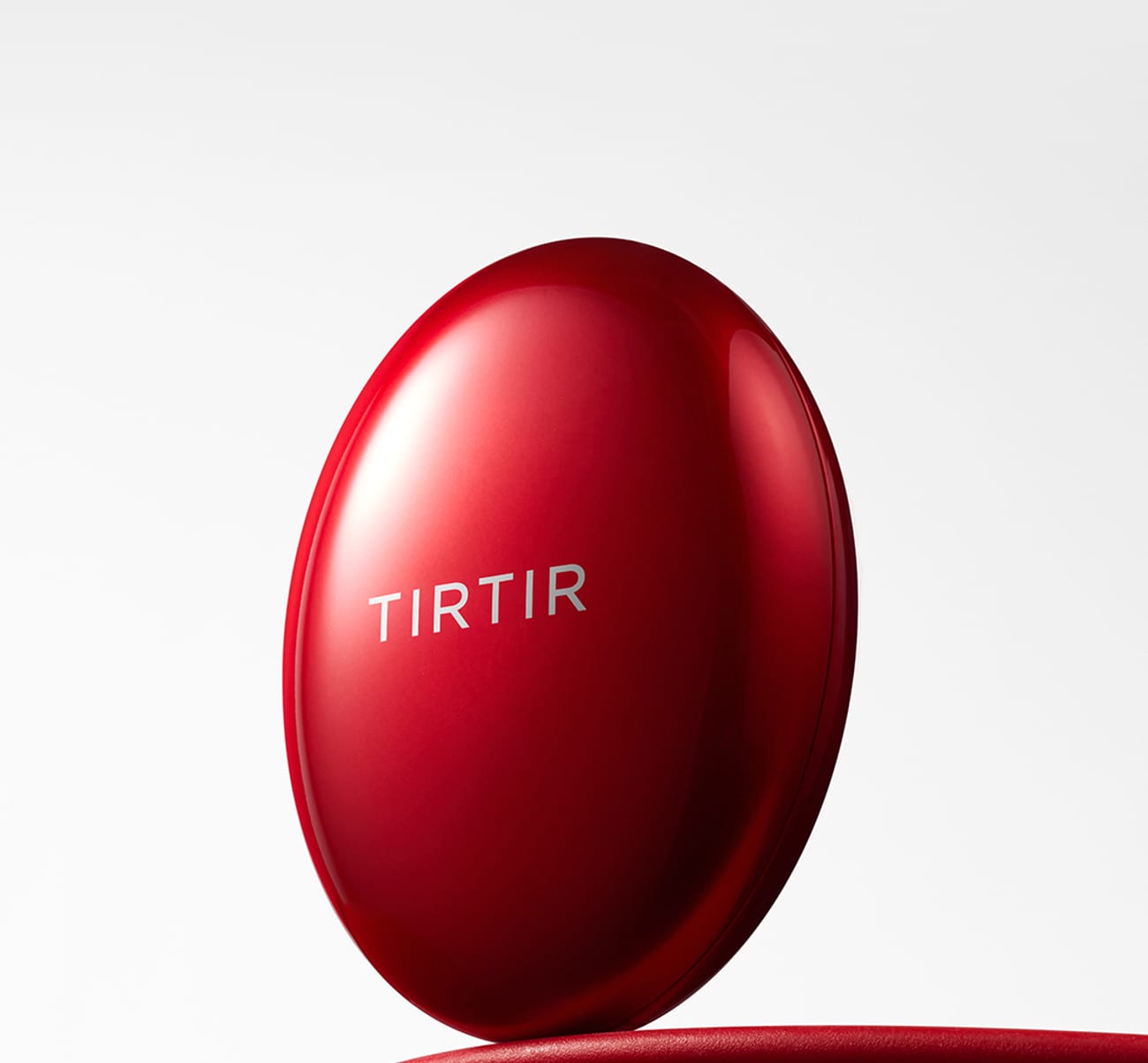
Korean Cushion Shades: 17, 21, 23, and the 45-Shade Change
TIRTIR now sells 45 cushion shades in Korea, from 10C to 55N — the old 17/21/23 ladder is no longer the whole story. What the numbers mean, what cushions cost in won, why the refill is half price, and how to test before you buy.
Seoul Glowcation Guide 2026: Beauty, Shopping, and Recovery
A Seoul glowcation guide for 2026: how to plan beauty shopping, clinic research, recovery time, SPF, packing, and safe tourist expectations.
Korean Body Care Guide 2026: The New K-Beauty Routine
A Korean body care guide for 2026 covering body sunscreen, exfoliating towels, lotion, back acne care, scalp tools, and what to buy.