What You Cannot Bring Into Korea: Beef Jerky, Sausage, Mango, Adderall and CBD Are Banned, Sleeping Pills Need a Permit, the Fine Is ₩1 Million to ₩10 Million, and the Souvenirs Korea's Customs Take Most (2026)
Last updated: September 2026. Rules and fine amounts are from the Animal and Plant Quarantine Agency (농림축산검역본부), the Korea Customs Service (관세청) and the Ministry of Food and Drug Safety (식약처), with the agencies' own seizure figures; product examples come from Korean press reports of what actually gets taken at Incheon. Laws change, so treat the agency pages linked in the sources as the final word.
Korea seizes more illegal food imports every year than the year before, and for travellers the reason is usually not smuggling: it is that the list of what is banned is longer than almost any visitor expects, the fines are far higher than at home, and the things that get taken are ordinary souvenirs. The quarantine agency's own count of illegal farm and livestock imports, by post, courier and hand luggage combined, went from 79,000 cases in 2021 to 213,000 in 2024. A packet of pork jerky or sausage from a swine-fever country carries a first-offence fine of ₩5 million and a third offence ₩10 million; beef jerky is ₩1 million rising to ₩5 million. A mango is destroyed in front of you. A bottle of Adderall, legally prescribed in the United States, is an amphetamine that Korea has never approved and does not normally admit even on application. And a jar of Trader Joe's bagel seasoning is seized because it contains poppy seeds, which Korea classifies as a narcotic.
None of that is in the airline's arrival card, and the English customs guides that rank for the search repeat "no meat, no fruit" without the amounts, the permit system or the list of things people actually lose. This is that list, in the order a traveller meets it: food, then medicine, then the duty-free limits, then what to do at the red channel.
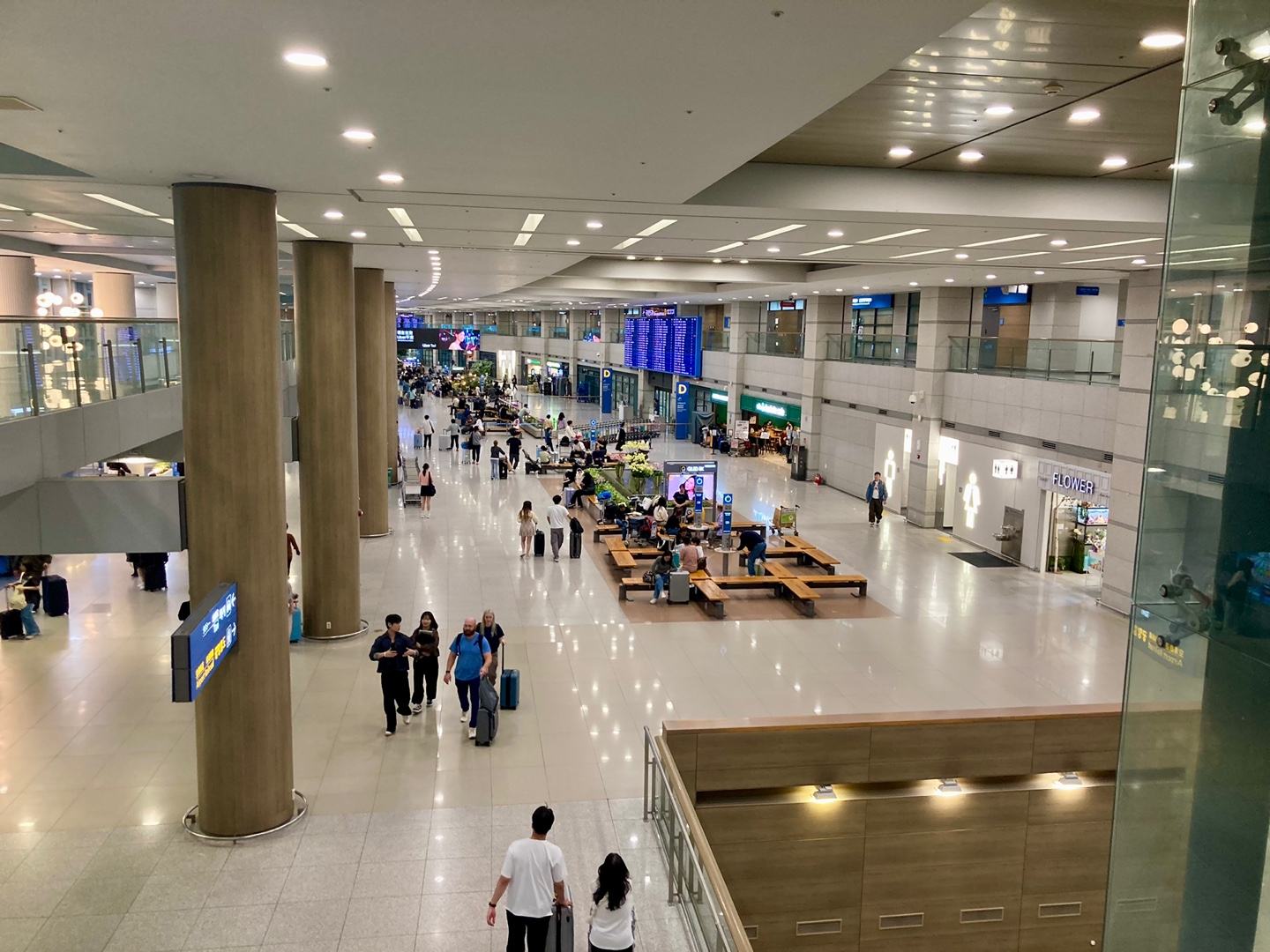
Incheon Airport Terminal 1 arrivals hall. The quarantine desks, disposal bins and customs channels are all before this point, between baggage claim and the exit. Photo: Narubaru7, Wikimedia Commons, CC BY 4.0 (2024).
The one thing that gets a permitted medicine through fast: the printed MFDS permit, the prescription and the doctor's letter, together in one place with the passport. Koreans who travel with prescriptions keep them in a BAGSMART RFID passport and document wallet, because the customs officer asks for all three at once and the medicine has to be in your carry-on beside them. As an Amazon Associate, EpicKor earns from qualifying purchases.
Quick Guide: what happens to it at Incheon
| You are carrying | Rule | What happens |
|---|---|---|
| Beef jerky, sausage, ham, bacon, salami, canned meat, meat dumplings or buns, instant food with meat | Banned, all countries, any quantity, sealed or not | Confiscated. Undeclared: ₩1 million to ₩5 million fine; ₩5 million to ₩10 million if it contains pork from an African-swine-fever country (China, Vietnam, Thailand, the Philippines, most of Southeast Asia and parts of Europe) |
| Fresh fruit and fruit-vegetables: mango, mangosteen, apples, oranges, chillies, tomatoes | Banned | Destroyed on the spot; undeclared plants carry fines under the Plant Protection Act up to ₩5 million |
| Factory-sealed pasteurised cheese, butter, milk powder, under 5 kg | Allowed after inspection | Declare it, take it to the quarantine desk, walk on. Homemade, farm-shop or market cheese, and anything not commercially pasteurised: confiscated |
| Dried fruit, nuts, coffee, tea, chocolate, biscuits, roasted seaweed, instant noodles without meat pieces | Allowed | Nothing, within the US$800 allowance |
| Adderall, Vyvanse, Dexedrine (amphetamines) | Not approved in Korea; the ministry does not normally grant a self-treatment permit for them, so assume they cannot come | Seized; possession is a drug offence |
| Zolpidem (Ambien), diazepam, alprazolam (Xanax), lorazepam, clonazepam, methylphenidate (Concerta, Ritalin), opioid painkillers | Allowed with an MFDS self-treatment permit applied for online at least 10 business days before you fly, up to 90 days' supply | Without the permit: seized, and clearance can be refused |
| Anything with CBD, THC or hemp: oil, gummies, vape cartridges, cosmetics | Banned; cannabis in every form | Criminal offence: possession up to 5 years or ₩50 million; carrying it across the border is importation, a minimum of 5 years |
| Poppy-seed products (Trader Joe's Everything but the Bagel, poppy-seed bagels and cakes) | Banned; poppy seeds are a narcotic in Korea | Seized at customs |
| Cup-shaped konjac jelly (the Japanese mini cups) | Barred since 2017 as a choking hazard | Seized; since August 2023 the pouch versions are on the customs watch list too, so neither is a safe souvenir |
| Alcohol | 2 bottles, 2 litres and US$400 in total | Over that: duty, 30 percent off the duty if you declare it, 40 percent on top if you do not |
| Cigarettes, e-liquid, perfume | 200 cigarettes; 20 ml of nicotine liquid (under 1 percent nicotine; stronger liquid is classed as a toxic substance and refused); 100 ml of perfume | Over that: duty |
| Cash and cheques over US$10,000 | Must be declared | Undeclared: seizure and a fine |
The food rule: everything with meat, every fresh fruit
Korea's quarantine law is written for a country that has had foot-and-mouth disease and African swine fever inside its borders and does not want them back, so it does not work on the "personal quantity" logic most travellers know. All meat and all products containing meat are banned from hand luggage from every country, regardless of packaging, cooking or quantity: jerky, sausage, ham, bacon, salami, canned corned beef and Spam, pork floss, meat-filled dumplings and buns, and the instant meals and cup noodles that carry real meat pieces in the sachet. The Incheon quarantine office lists "meat, processed meat, animal products, egg products and dairy" as the categories it inspects, and of those only the dairy category has an everyday exception.
That exception is narrow and worth knowing because cheese is the souvenir Europeans lose most. Factory-sealed, pasteurised, labelled dairy in an unopened commercial pack, under 5 kg in total, can come in if you declare it on the customs form and take it to the quarantine desk before customs. Homemade cheese, farm-shop and street-market dairy, and anything the inspector cannot confirm was commercially pasteurised or fermented are refused; a supermarket pack is generally treated as pasteurised. The declare-and-inspect route is the difference between keeping a sealed supermarket cheese and watching it go in the bin.
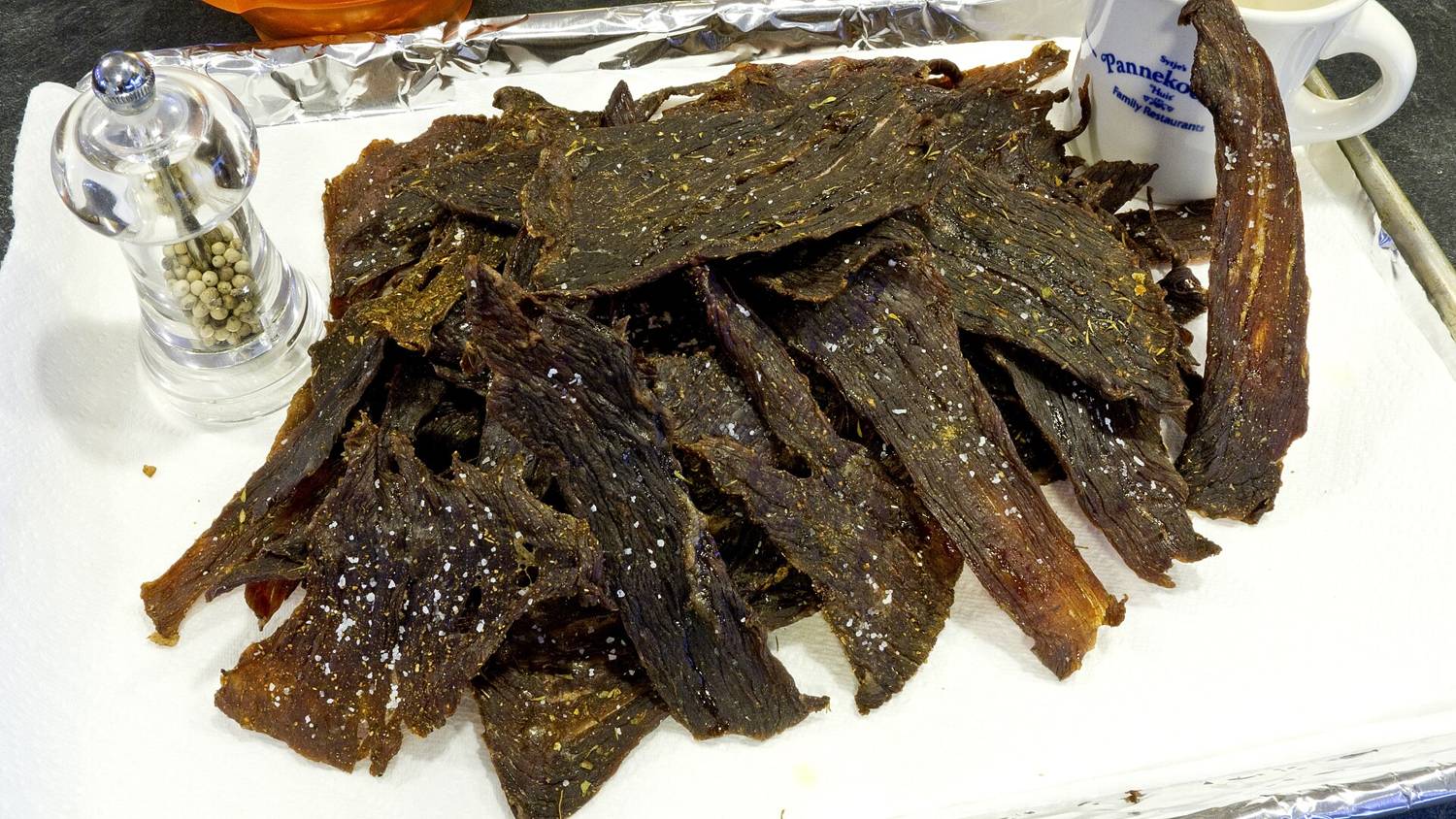
Sausage and jerky are the two livestock products the quarantine agency names in its seasonal crackdown notices. Photo: Larry Jacobsen from Cheyenne Wyoming, Wikimedia Commons, CC BY 2.0.
Fresh fruit and fruit-vegetables are the plant side of the same rule: all fresh fruit and all vegetables that are botanically fruits (tomatoes, chillies, peppers, cucumbers) are prohibited from every country. The agency's own top-seized list is led by mango and mangosteen, because they are the souvenir of a Southeast Asian holiday and because Vietnam and Thailand are on the "risk route" list that gets priority X-ray and detector-dog checks. Dried fruit, nuts, roasted coffee, tea, spices in commercial packs, and processed snacks are fine. Seeds, bulbs, potted plants and cut flowers need a phytosanitary certificate from the country of origin, which the average tourist does not have, so they are confiscated too.
The fines: ₩5 million for a first jerky, ₩10 million for a third
The livestock fines were set in June 2019, after African swine fever spread across Asia, and they are the numbers that make Korea different from Japan or Australia. For pork or pork-containing products from a country with African swine fever, the administrative fine is ₩5 million for a first offence, ₩7.5 million for a second and ₩10 million for a third. For other livestock products, including beef jerky from a country without swine fever, it is ₩1 million, ₩3 million and ₩5 million. Before 2019 the first-offence fine was ₩100,000, which is roughly what the English forums still quote.
Two things soften this, and both are official. First, the fine is for not declaring, not for possessing. The agency's own notice says that a traveller who ticks the box on the customs form, or who drops the item in the quarantine disposal bin before the desk, pays nothing; the item is destroyed and that is the end of it. Second, the fine is an administrative penalty, not a criminal one, for a first-time tourist. That changed at the edges in 2025, when the agency began sending organised cases to prosecutors, including a ring that recruited travellers on Vietnam flights as "porters" for guava, longan, rambutan and chillies: 4.3 tonnes between December 2024 and May 2025, and two organisers referred for prosecution. From 17 December 2026 an amended Plant Protection Act also makes it an offence to hand over or distribute banned imports. A tourist with one packet of jerky is not that case. A tourist who hides it after being asked is closer to it.
Medicines: the permit, the 90 days, and the drug Korea does not allow at all
This is the section that matters most and is least written about in English. Korea's Narcotics Control Act sorts prescription drugs into three practical groups for a traveller.
Group one: needs a permit. Any medicine containing a controlled substance, which in Korea means most sleeping pills, tranquillisers, ADHD stimulants of the methylphenidate type, and opioid painkillers, requires a self-treatment narcotics import permit from the Ministry of Food and Drug Safety before you arrive. The ministry names zolpidem, diazepam, alprazolam and lorazepam as the everyday examples. Since 27 December 2024 the application is online, on the ministry's Nedrug portal, and takes 10 business days, so it has to be filed before you fly, not at the airport. You upload a passport copy, the e-ticket with your name and dates, a doctor's letter naming the diagnosis, the drug, the dose and the total quantity, the prescription, and an export approval from your own country's regulator where one exists, all in English or Korean. The permit covers up to 90 days' supply for the length of the stay. The medicine travels in hand luggage, not the hold, and you show the printed permit at customs. Without the permit the medicine is seized and clearance can be refused, which for someone on a daily benzodiazepine is a medical problem as well as a legal one.
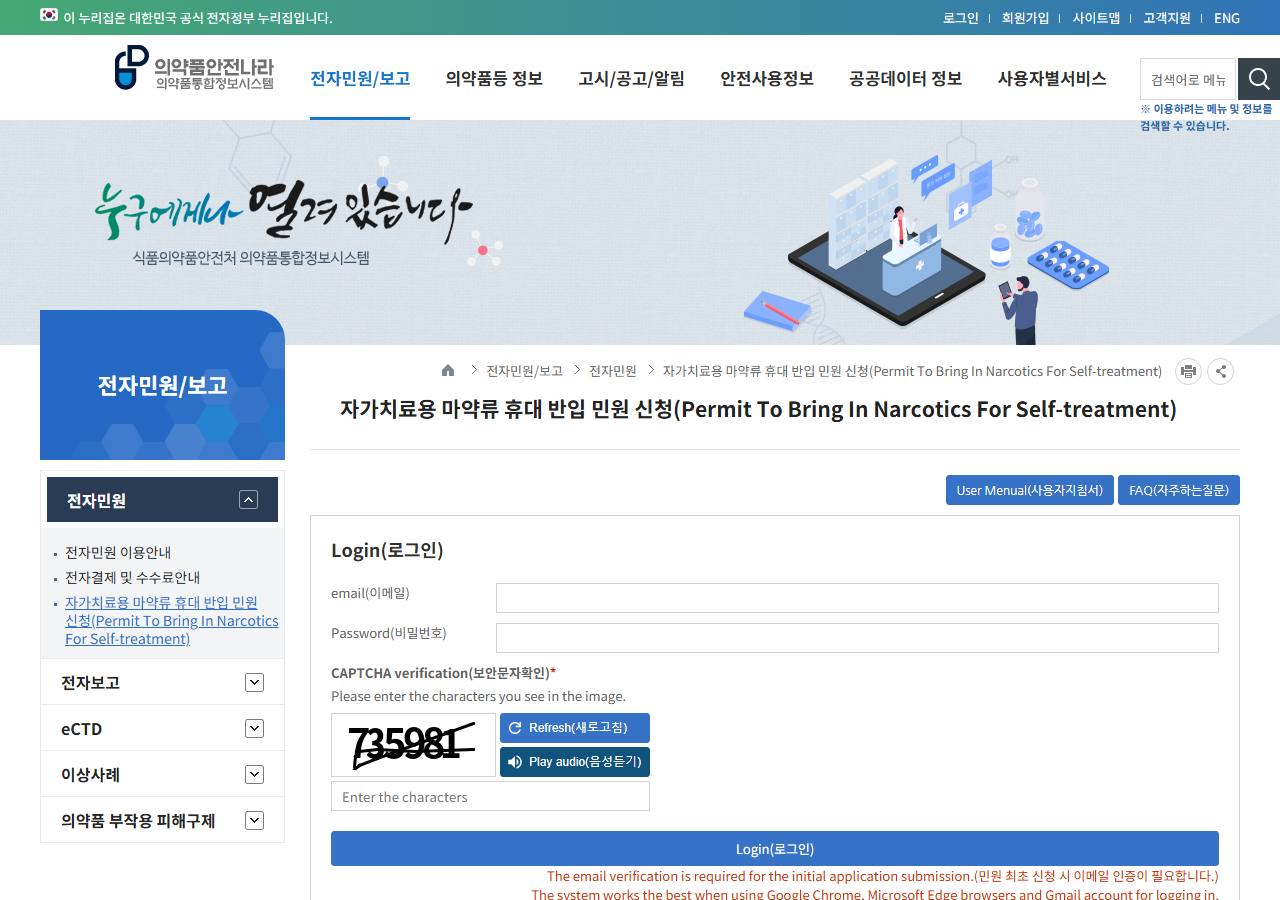
The Nedrug portal (nedrug.mfds.go.kr), where the permit is filed. The menu item reads 자가치료용 마약류 휴대 반입 민원 신청, "Permit To Bring In Narcotics For Self-treatment." Screenshot for reference, September 2026.
Group two: cannot come in at all. Amphetamine and its salts, which is what Adderall is, along with dextroamphetamine (Dexedrine) and lisdexamfetamine (Vyvanse), are not approved for medical use in Korea, the ministry does not normally grant a self-treatment permit for them, and a foreign prescription does not change that; if you must ask, call the ministry's narcotics policy division (+82-43-719-2810) before you fly. The singer Park Bom had 82 Adderall pills sent to Korea by international mail in October 2010; prosecutors deferred charges, and when the Korean press revealed it in 2014 it became a national scandal. The law has not moved since. The practical route is to switch, with your doctor, to a methylphenidate product (Concerta, Ritalin, Medikinet), which is legal in Korea and covered by the permit, or to atomoxetine (Strattera) or guanfacine, which are not controlled substances and need no permit at all, only the prescription and a doctor's letter for customs. Cannabis in every form sits in this group too: CBD oil, CBD gummies, hemp cosmetics, THC vape cartridges. Korea defines cannabidiol itself as cannabis, so "THC-free" is not a defence, and the penalty is criminal: possession or use up to five years or ₩50 million, and carrying it across the border is importation under Article 58 of the Narcotics Control Act, a minimum of five years.
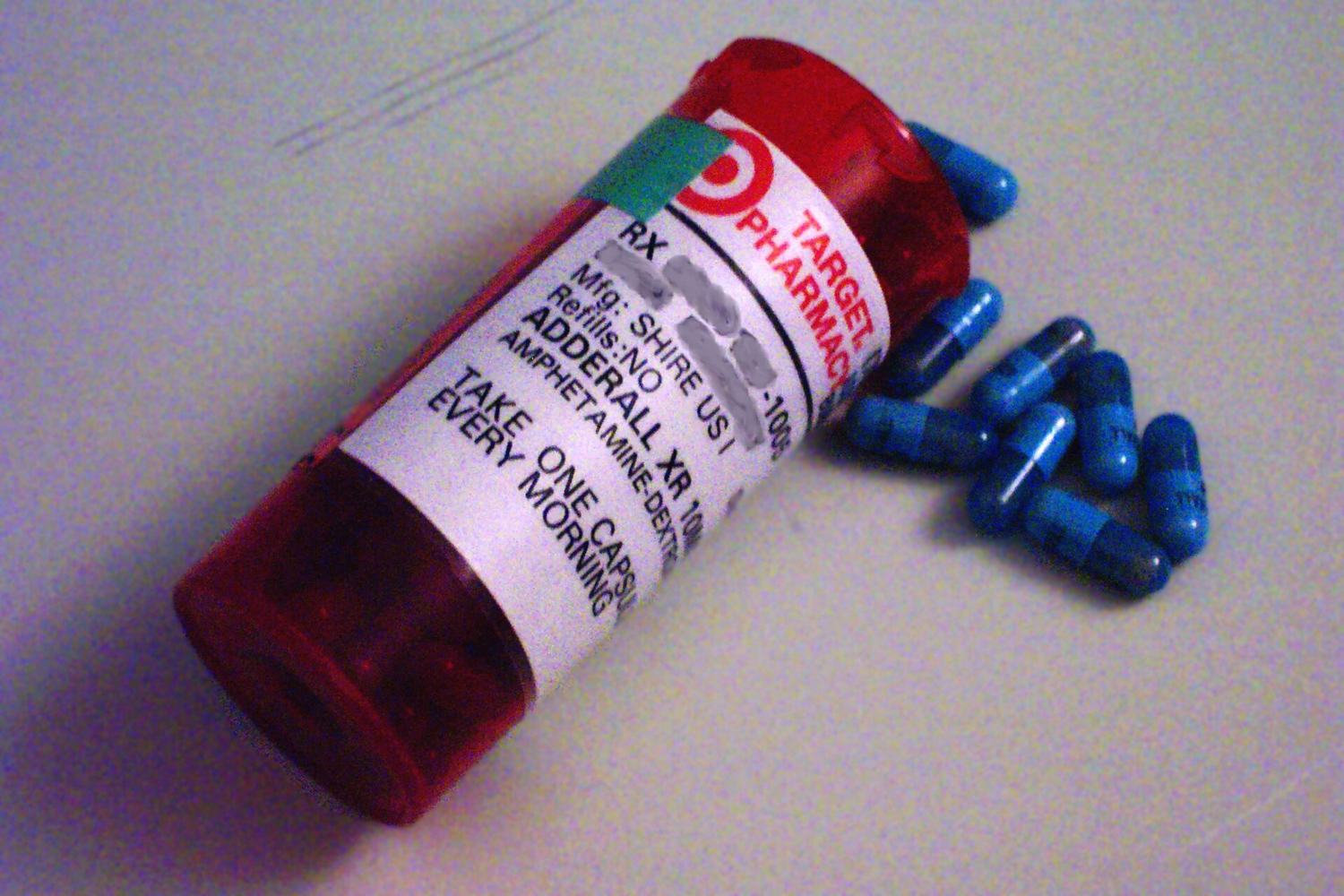
Adderall. Legal on prescription in the United States, an amphetamine Korea has never approved, for which the self-treatment permit is not normally granted. Photo: Ryanaxp, Wikimedia Commons, public domain.
Group three: ordinary prescriptions. Blood-pressure, cholesterol, thyroid, contraceptive, antibiotic and other non-controlled medicines need no permit. Customs' personal-use standard for medicines is up to six bottles or a three-month supply, whichever is less, and a prescription or doctor's letter in English settles any question at the desk. Melatonin is the one that trips people: it is a prescription-only drug in Korea rather than a supplement, but customs may admit a small personal quantity under the six-bottle rule; melatonin also sits on the ministry's import-blocked ingredient list, so admission is at the officer's discretion, not a right. Nicotine pouches (Zyn and the like) have no specific allowance, so a carton is at the officer's discretion; e-liquid has one, 20 ml, and from 24 April 2026 synthetic nicotine falls under the tobacco law like everything else.
The souvenirs Korea takes by mistake, and one it takes on purpose
The quarantine agency's seizure lists and the customs press briefings are full of things people did not know were a problem. These are the ones that recur.
| Item | Why it goes | The workaround |
|---|---|---|
| Trader Joe's "Everything but the Bagel" and any poppy-seed seasoning, bagel or cake | Poppy seeds are a controlled substance in Korea; customs has held shipments and hand luggage since the product went viral in 2024 | Sesame-only blends are fine |
| Cup konjac jelly from Japan (Mannan Life and the convenience-store copies) | Barred under the Food Code since 2017 after choking deaths; customs says cup-shaped konjac jelly "cannot be cleared" | None reliable: the pouch versions were added to the customs watch list in August 2023 |
| Instant noodles and ready meals from Japan, Taiwan and Southeast Asia | The ones with real meat pieces or a meat-based sauce sachet count as meat products | Check the ingredients for 豚, 牛, 鶏, pork, beef, chicken; Korean brands are the safe souvenir anyway |
| Jerky of any animal, including turkey and kangaroo | Meat is meat under the Livestock Epidemics Prevention Act | None |
| Salami and cured sausage from Europe | Pork product; several EU countries now carry African swine fever, which puts the sausage in the ₩5 million band | None; eat it on the plane |
| Cheese from a market or farm shop | Not labelled pasteurised, or soft, or unwrapped | Buy the supermarket-sealed version, declare it, take it to the quarantine desk |
| Fresh mango, mangosteen, durian, longan | All fresh fruit is banned; these are the most-seized items every summer | Dried versions are fine |
| CBD gummies, "hemp" skincare, THC vapes from Thailand or North America | Cannabis under Korean law regardless of THC content | None |
| Kratom, khat, poppy tea | Controlled or prohibited | None |
| Japanese EVE painkillers, DayQuil and NyQuil | Named as restricted in a June 2026 government fact-check: EVE contains allylisopropylacetylurea, the cold medicines dextromethorphan | Buy a Korean equivalent at a pharmacy after you land |
| Counterfeit bags, watches and clothes in more than one or two pieces | Commercial quantities of counterfeits are seized at customs | A single personal item is usually not pursued; a suitcase of them is |
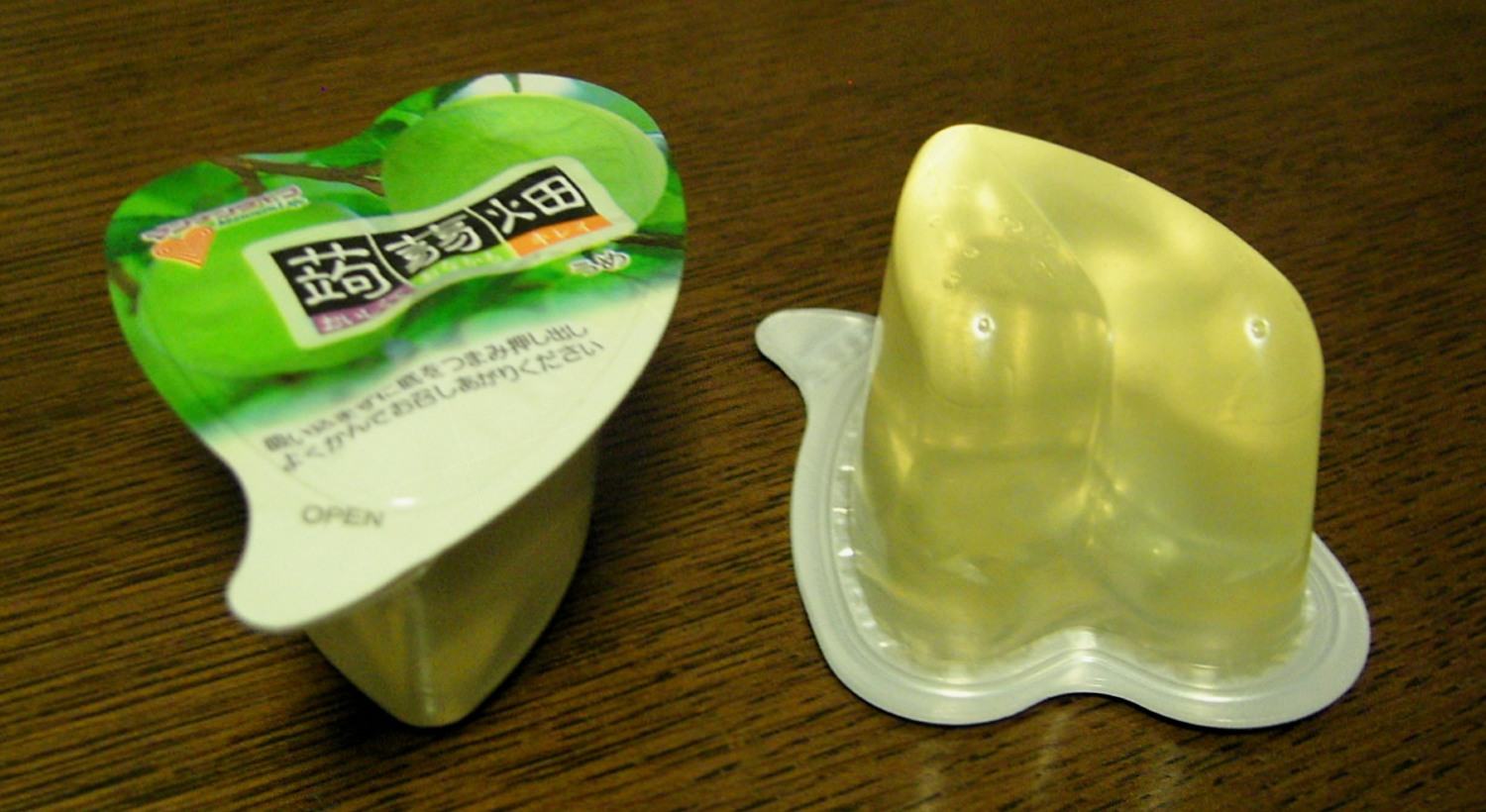
Mannan Life's cup konjac jelly, the Japanese convenience-store souvenir that Korean customs has refused since 2017; the pouch version of the same brand joined the watch list in 2023. Photo: sirooziya, Wikimedia Commons, CC BY-SA 3.0.
The one Korea takes on purpose is the fruit. Every summer holiday and every Lunar New Year the agency runs a special quarantine on its risk routes (China, Vietnam, Thailand and Mongolia in summer 2026), putting extra X-ray and detector-dog checks on those flights; the 2025 summer holiday season produced 23,801 plant seizures weighing 34 tonnes and 12,019 livestock seizures weighing 12 tonnes. The risk-route lists are published before each crackdown, so if you are flying in from Bangkok or Hanoi in late July or the week of Seollal, assume your bag will be scanned twice.
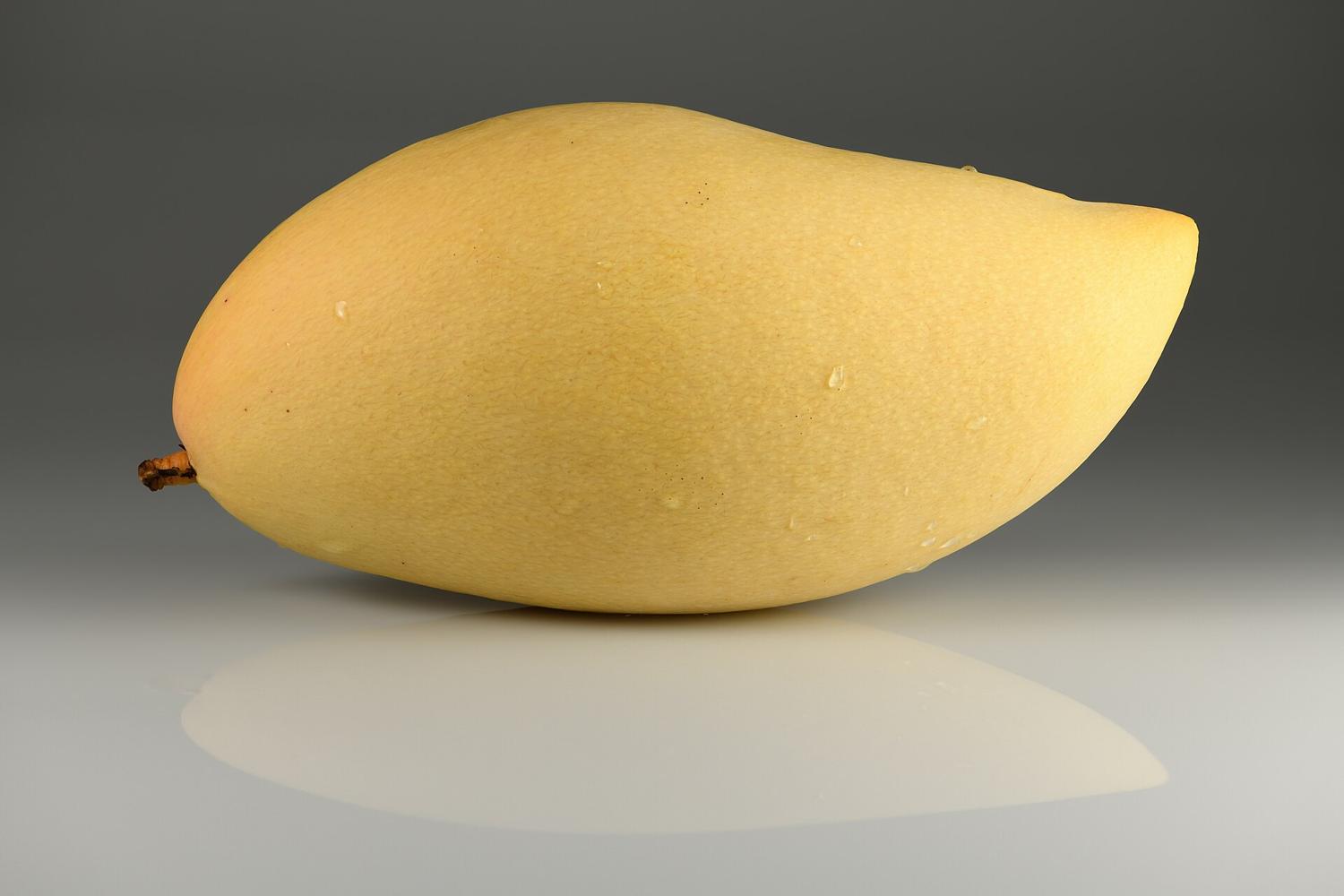
A Nam Dok Mai mango, the Thai variety that fills Korean quarantine bins every summer; fresh fruit of any kind cannot enter. Photo: Ivar Leidus, Wikimedia Commons, CC BY-SA 4.0.
Duty-free limits and the two percentages that decide your bill
The customs side is simpler and the numbers are on the Korea Customs Service page in English. The basic allowance is US$800 per person in goods bought abroad or in duty-free shops, and separately two bottles of alcohol totalling no more than 2 litres and US$400, 200 cigarettes (or 20 ml of e-liquid, or 50 cigars, or 250 g of other tobacco), and 100 ml of perfume. Over the limit, you pay duty on the excess, and the percentages are what matter: declare it yourself and the duty is cut by 30 percent (capped at ₩200,000 off); get caught with it undeclared and a 40 percent surcharge is added, rising to 60 percent for a second offence within two years. Cash, cheques and other payment instruments over US$10,000 must be declared on the way in and out; our payment guide explains why almost nobody needs to carry that much in Korea anyway.
Three practical notes. The customs declaration can be filed on the "Traveler Customs Declaration" mobile page before landing, which speeds up the red channel. Farm products for personal use have their own duty-free ceiling, 40 kg and ₩100,000 in total, with per-item limits such as 300 g for ginseng and 5 kg for perilla oil, which is what the dried-fish and tea people run into. And the duty-free allowance is per person, so a family's bottles are counted per adult.
At the airport: bins, desks, channels
The sequence at Incheon is: immigration, baggage claim, then the quarantine desks and the customs channels, all before the doors into the arrivals hall. If you realise on the carousel that the jerky is still in the bag, the quarantine disposal bins (검역물 자진신고함) stand beside the desks; dropping the item there is a self-declaration and ends the matter with no fine. If you have declarable dairy, medicine with a permit, or anything you are unsure about, take the red channel and say so; the officers are not interested in a tourist who asks. The green channel with an undeclared item in the bag is the only way to turn a confiscation into a ₩1 million to ₩5 million fine.
Detector dogs work the belts and the queue at both terminals, and the dogs are trained for meat, fruit and plants, not just drugs. A dog sitting down next to your bag is a quarantine check, not an accusation. The quarantine desk numbers are 032-740-2671 (Terminal 1) and 032-740-2007 (Terminal 2) for animals and livestock, 032-740-2079 and 032-740-2002 for plants; the tourist hotline 1330 will interpret if the desk cannot. Our airport-to-Seoul guide picks up from the doors.
Before you fly: the ten-minute check
- Meat in any form: leave it, or eat it before landing. Includes the airline's leftover sandwich if it has ham in it.
- Fresh fruit: the same. Including the airline's apple.
- Sealed pasteurised cheese or butter under 5 kg: bring it, tick the box, go to the quarantine desk.
- Sleeping pills, tranquillisers, Concerta or Ritalin, opioid painkillers: file the MFDS permit at least 10 business days out; carry permit, prescription and letter with the medicine in hand luggage.
- Adderall, Vyvanse, Dexedrine: cannot come. Talk to your doctor about a methylphenidate or non-stimulant switch for the trip, or plan a psychiatrist visit in Korea for a local prescription; our healthcare guide explains how a tourist sees a doctor.
- Anything CBD or hemp: leave it, including the skincare.
- Poppy-seed anything, konjac jelly in cups or pouches: leave them.
- More than two bottles, 200 cigarettes, 100 ml of perfume, US$800 of shopping, US$10,000 in cash: declare it and take the 30 percent.
Korea's entry paperwork changed in 2025 too: the e-Arrival Card replaced the paper form for most visitors, and the customs declaration is now separate from it, so filing the arrival card does not declare your cheese.
FAQ
Q: Can I bring beef jerky into Korea? No. All meat and meat products are banned from hand luggage from every country, sealed or not. Undeclared beef jerky carries a fine of ₩1 million to ₩5 million; pork jerky or sausage from an African-swine-fever country ₩5 million to ₩10 million. Declare it or use the disposal bin and there is no fine.
Q: Can I bring Adderall to Korea with a prescription? No. Amphetamines, including Adderall, Vyvanse and Dexedrine, are not approved in Korea, and the self-treatment permit is not normally granted for them, so plan on leaving them at home. Methylphenidate (Concerta, Ritalin) is allowed with the MFDS self-treatment permit; atomoxetine and guanfacine need no permit.
Q: What medications need a permit to enter Korea? Anything containing a controlled substance: sleeping pills such as zolpidem, tranquillisers such as diazepam, alprazolam and lorazepam, methylphenidate, and opioid painkillers. Apply online at nedrug.mfds.go.kr at least 10 business days before travel, for up to 90 days' supply, and carry the permit with the medicine in your hand luggage.
Q: Can I bring cheese into Korea? Factory-sealed, pasteurised, labelled cheese or butter under 5 kg, yes, if you declare it and take it to the quarantine desk before customs. Homemade, farm or market cheese is refused.
Q: What is the duty-free allowance for Korea? US$800 of goods, plus two bottles of alcohol (2 litres and US$400 total), 200 cigarettes and 100 ml of perfume. Declaring excess yourself cuts the duty by 30 percent; not declaring adds a 40 percent surcharge.
Q: Is CBD legal in Korea? No. Korean law defines cannabidiol as cannabis, so CBD oil, gummies, vapes and cosmetics are banned regardless of THC content, with criminal penalties of up to five years or ₩50 million for possession and a minimum of five years for bringing it across the border.
Sources
- Animal and Plant Quarantine Agency (농림축산검역본부) and Ministry of Agriculture press releases: seasonal special quarantine notices (summer 2025, summer 2026) with risk routes, seizure counts and tonnage; annual illegal-import counts 2021–2024 (post, courier and hand luggage); Korea.kr fact-check (May 2019) on the livestock fine schedule; Vision21 (2025) on the Vietnam-route porter ring and the December 2026 Plant Protection Act amendment.
- Incheon International Airport, animal and plant quarantine guidance page (prohibited categories, inspection categories, desk numbers).
- Ministry of Food and Drug Safety, self-treatment narcotics import permit (Nedrug portal, online since 27 December 2024); Korean embassy notices (Washington, Osaka, January 2025) on permit scope, documents, 90-day limit and cannabis prohibition; MFDS position that amphetamine is not approved in Korea and self-treatment permits are not normally granted for it; the ministry's narcotics policy division contact. Kookje Shinmun (2018) on the 2010 Park Bom case.
- Korea Customs Service, traveller allowances page (US$800, alcohol, tobacco, perfume, 30 percent self-declaration reduction, 40/60 percent surcharges, US$10,000 currency rule); Ministry of Economy and Finance on the perfume allowance rising from 60 ml to 100 ml on 1 January 2024.
- Kookmin Ilbo and Hankyung (2024) on poppy-seed bagel seasoning seizures; Newsis and Financial News (August 2023) on the cup konjac jelly ban; Korean legal-practice notes on cannabis penalties; Health Korea News on melatonin's prescription status; the June 2026 fact-check on konjac jelly, e-liquid, melatonin and restricted cold and pain medicines.
You Might Also Like
Seoul Subway First and Last Train Times: Gangnam, Hongdae, Myeongdong, Itaewon, Jamsil and Incheon Airport Line by Line, and the Night Buses After Midnight
Seoul's subway is not 24 hours: weekday last trains pass the centre at 00:30 to 00:55, an hour earlier on weekends, and Gangnam's last Line 2 train ends at Samseong. First and last trains by station, the airport cutoff, and how to get home after.
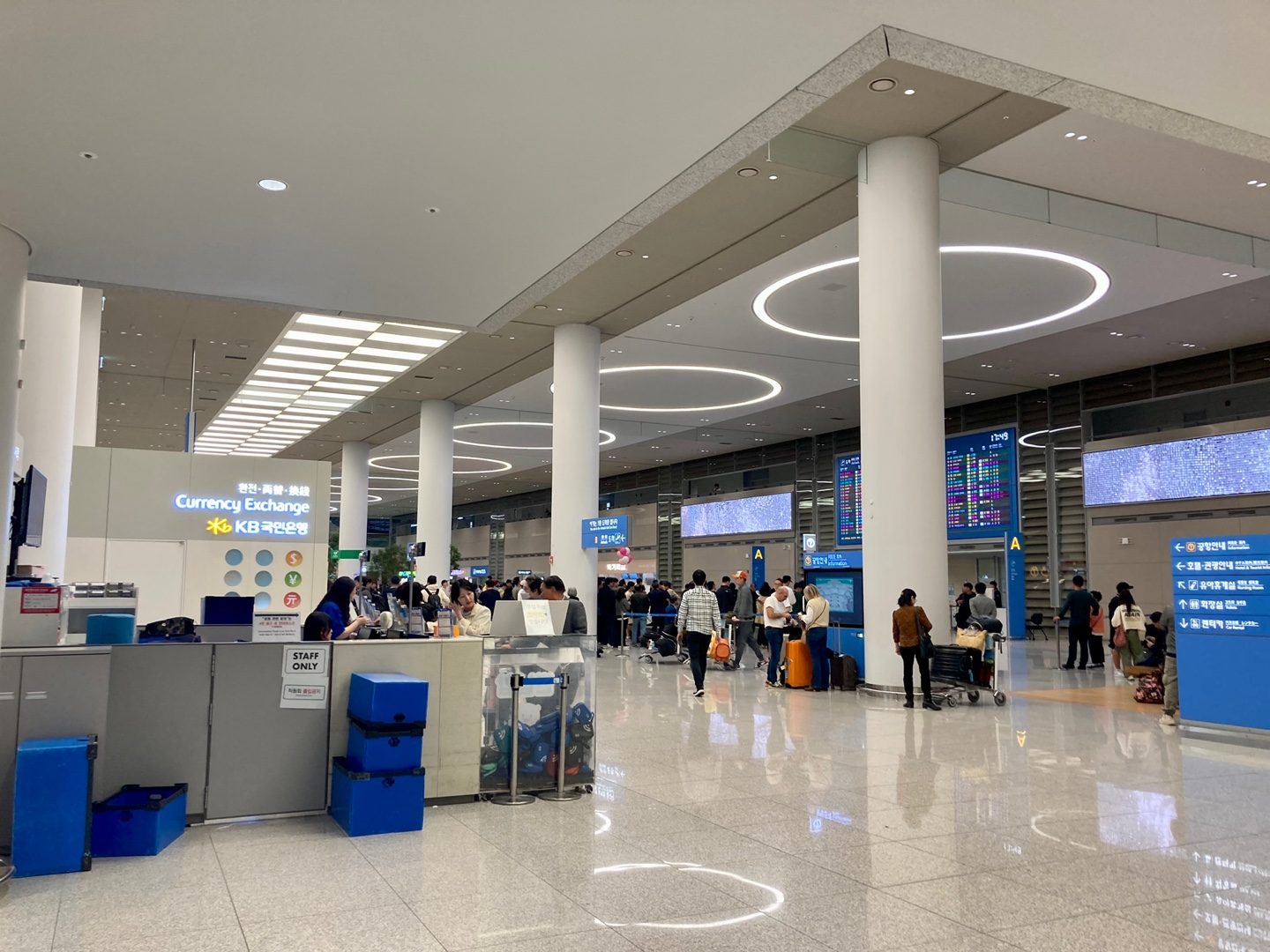
Incheon Airport Money Exchange in Korea: The Banks' Own Disclosure Says 4.20% at the Airport vs 1.75% in Town — ₩16,470 on Every $500
Korea's bank federation publishes it: Incheon Airport counters take 4.20% on US dollars and 7% when you sell yen, against 1.75% at city branches. At 11 September rates that is ₩16,470 on $500. Which counters open 24 hours, and the 40% discount sign.
Renting a Car in Korea as a Foreigner (2026): Which Licences Work, Jeju's New 60 Percent Discount Cap and 28,300-Car Limit, What Incheon Airport Rentals Cost, the Hi-Pass Toll Unit, the Fines That Follow You Home, and Whether Tourists Can Use Socar
Driving in Korea as a visitor: an IDP plus home licence for a year from entry, Jeju's 28,300-car quota and new 60% discount cap, school-zone fines forwarded with a fee, Hi-Pass tolls billed after you leave, and Socar's Jeju-only tourist product.