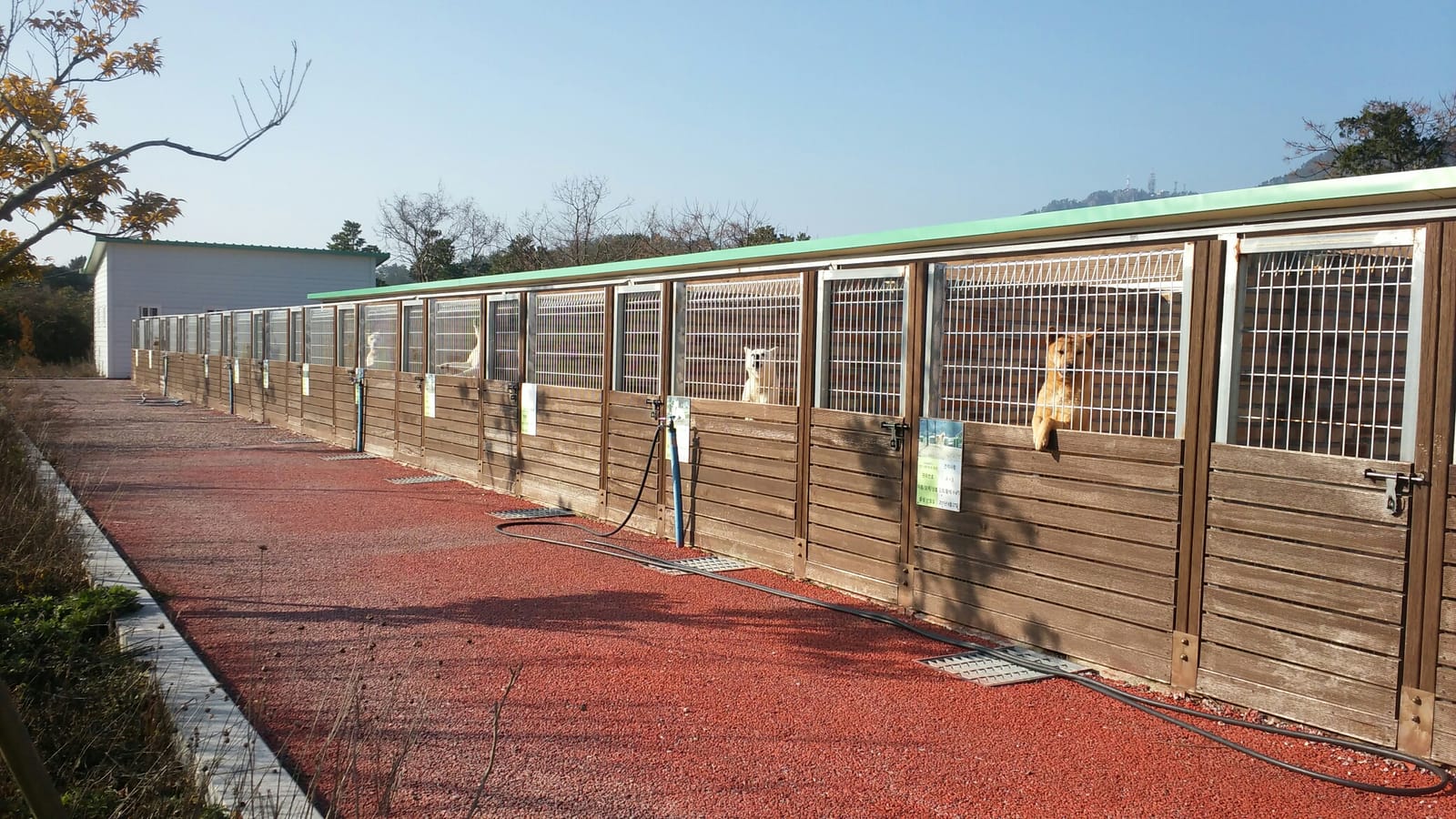
Jindo Dog: Korea's National Treasure Breed
Here's what nobody tells you about the Jindo dog: Korea's most celebrated breed is also one of its most commonly abandoned. Roughly 3,000 Jindo puppies are born on Jindo Island every year, and about 90% of them pass the strict evaluation that grants them official protection as a Natural Monument. The other 10% get none of that protection at all — no special status, no government subsidy, nothing. Jindo-type dogs are consistently among the top five most-surrendered breeds in Korean shelters, despite carrying the country's most prestigious dog title.
That contradiction is basically the whole story of the Jindo. This is Korea's native dog breed, protected by law since 1962, famous worldwide for a loyalty so intense it inspired a statue — and also a genuinely difficult, independent-minded animal that keeps ending up in rescue. If you've heard "Korea's national dog" and pictured a simple mascot, the real breed is a lot more interesting than that.
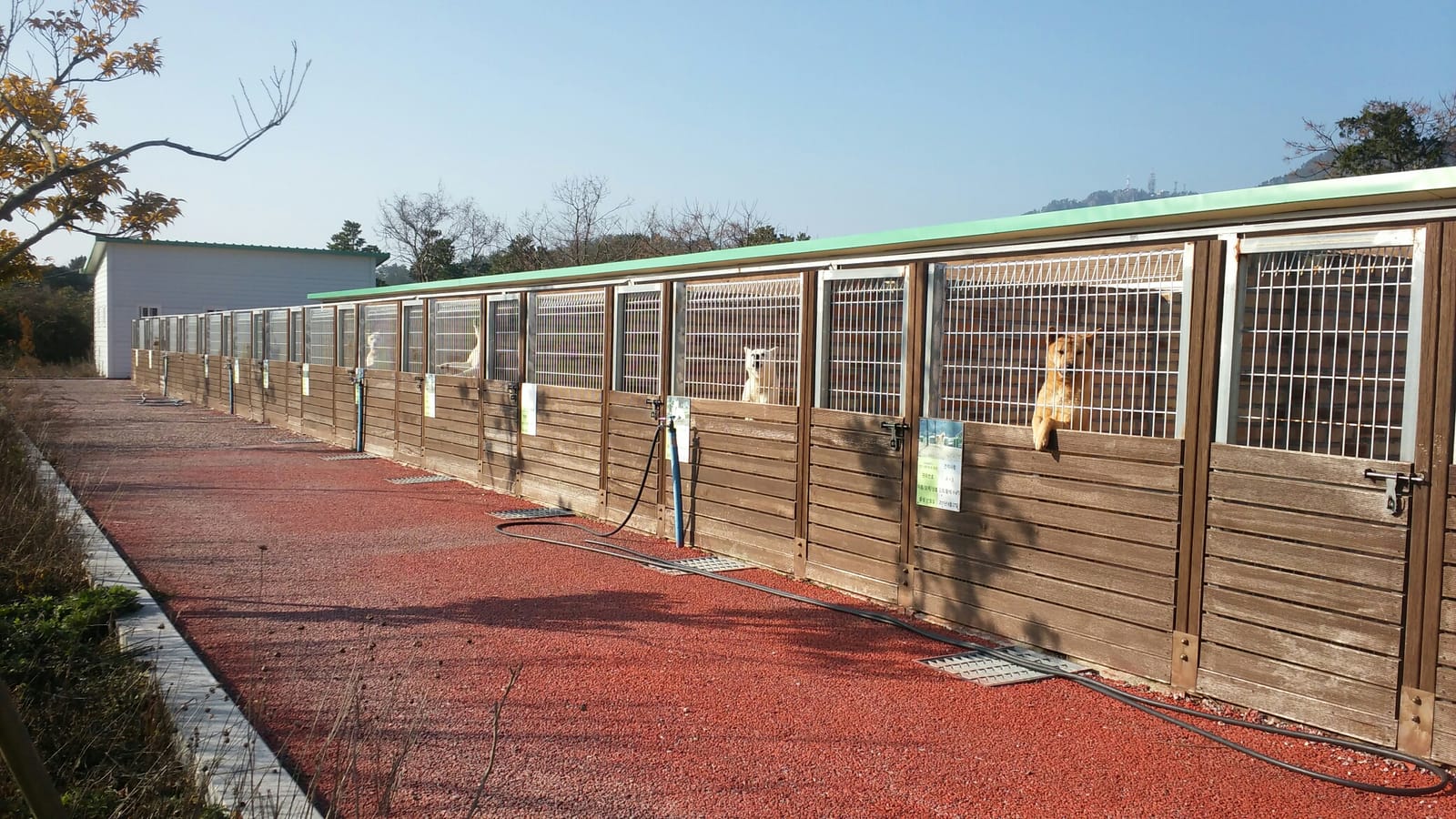
Dog breed and training books — compare on AmazonAffiliate link. As an Amazon Associate, EpicKor earns from qualifying purchases at no extra cost to you.
Korea's Only Dog Breed With Its Own Government Agency
Jindo dogs — specifically the population bred and living on Jindo Island, off Korea's southwest coast in Jeollanam-do — were designated Natural Monument No. 53 in December 1962, under Korea's Cultural Heritage Protection Act. That status is now managed by the Korea Heritage Service (formerly the Cultural Heritage Administration), with day-to-day oversight handled by Jindo County. A separate law, the Korean Jindo Dog Preservation and Breeding Act (1967), works alongside it.
What makes this genuinely unusual is that the protection isn't automatic just because a dog looks like a Jindo. Only individual dogs that pass a strict conformation evaluation — coat, gait, proportions, temperament — at around six months old get registered and microchipped as protected Natural Monument animals. A visually identical Jindo that fails that evaluation, or one born on the Korean mainland rather than the island, isn't covered by the designation at all. Korean sources are blunt about this: "Natural Monument No. 53 is not all Jindo dogs — it is specifically the Jindo dog of Jindo Island."
That distinction is also why the popular claim that "Jindo dogs can never leave Korea" is an oversimplification. Intact, island-registered Natural Monument individuals really do face serious export restrictions. But Jindo-type dogs born on the mainland, or dogs that have been neutered — including many rescue Jindos — can legally be exported, which is exactly how the breed ended up spreading to the US, UK, and elsewhere through Korean-American owners and rescue organizations.
2026 is actually a turning-point year for how the breed is managed. Korean reporting from mid-2024 confirmed the registered Natural Monument population is being deliberately reduced from 500-plus dogs to roughly 200, and starting in 2027 — once a new Jindo Dog Preservation and Management Center is complete — Jindo County will raise and manage every registered dog directly, ending the reliance on private breeders that had led to repeated welfare problems. A Jindo Dog Medical Center has already been running since September 2023, offering free veterinary care and food subsidies for dogs age seven and up.
Where the Breed Actually Comes From
Jindo Island itself has more going on than just the dog — it's where Admiral Yi Sun-sin fought the Battle of Myeongnyang in 1597, and it's home to the "Miracle Sea Road," a tidal land bridge that briefly appears above water a few days each year. But the dog's own origin story is genuinely murky, and Korean sources are upfront about that: no clear historical record survives, so nobody can say for certain how the breed actually arrived.
Three competing folk theories circulate: a wrecked Chinese trading ship left dogs behind during the Three Kingdoms period; Mongol war dogs stayed on after a 13th-century rebellion; or dogs were brought over in the early Joseon period to guard a government horse pasture. None of them is confirmed. What genetic research does show is more interesting than any single legend — a 2020 DNA study found Jindos share ancestry with the New Guinea singing dog and a common ancestor with Korea's Donggyeongi breed roughly 900 years ago, while a 2025 genomic analysis traced the black-and-tan coat color back to the founding island population.
Thinking about the breed seriously? As an Amazon Associate, EpicKor may earn from qualifying purchases. Browse dog breed and training books before you fall for the "cute national dog" version of the Jindo without the independent-minded reality underneath it.
Loyal, Yes — But Not in the Way You'd Expect
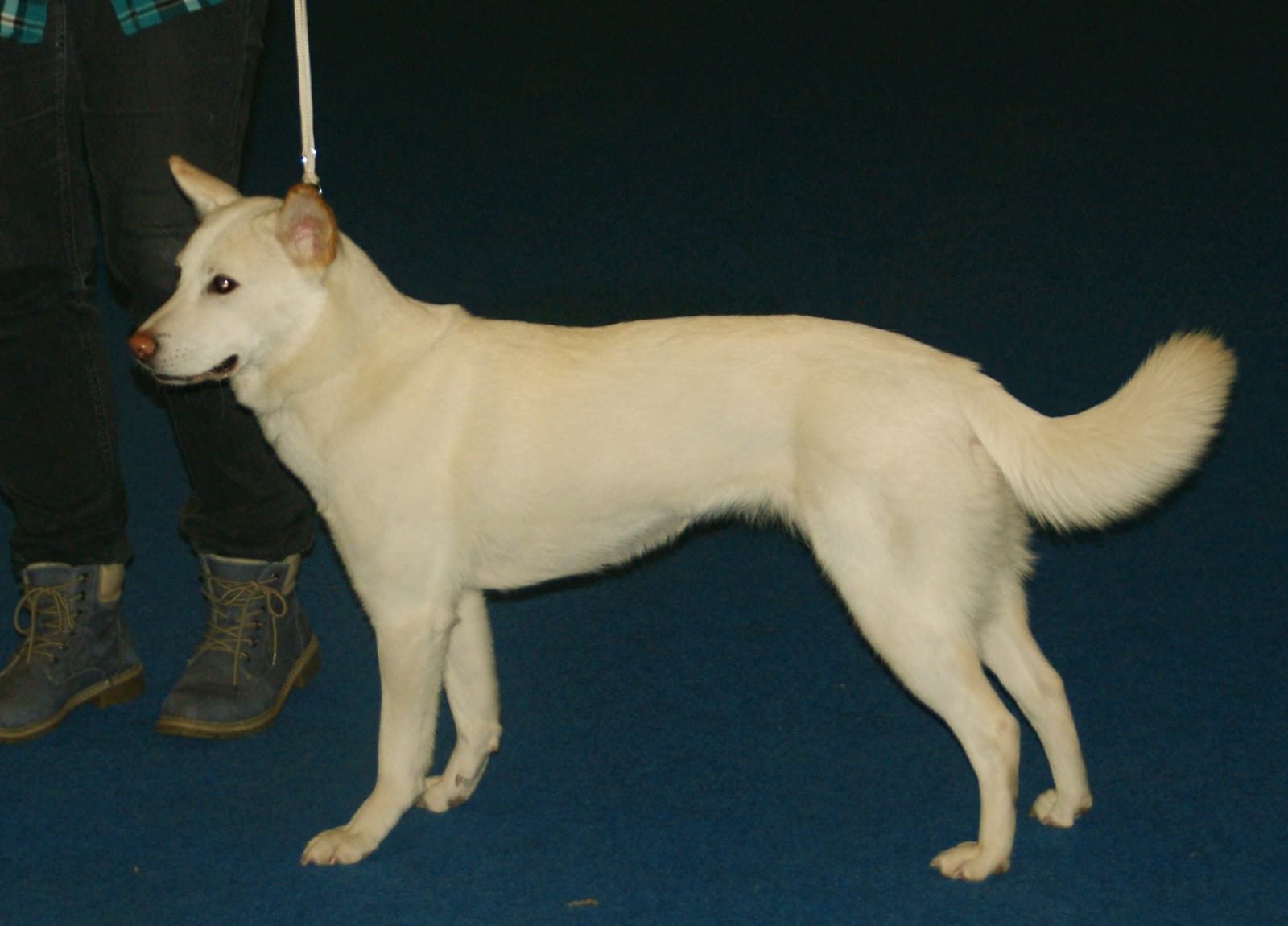
Jindo dogs bond hard to a single owner and household, and tend to stay reserved, sometimes outright standoffish, with everyone else. That's the famous part. The less-advertised part is that this loyalty comes bundled with serious independence: Jindos are highly intelligent but not eager-to-please in the golden-retriever sense, they have a strong prey drive rooted in their history as actual island hunting dogs, and they are widely considered unreliable off-leash — trained recall can simply get overridden by instinct.
The clearest real-world proof of this is a story Korea doesn't love to repeat: the LAPD actually tried to make Jindos into police dogs, and it didn't work. Around 2010-2011, the Los Angeles Police Department took in two Korean-government-gifted Jindo puppies, Daehan and Mingook, hoping to train them for K9 duty. One was genuinely excellent at detecting gun odor but aggressive toward other dogs. The other reportedly preferred sitting in a handler's lap to working at all. Both were eventually rejected for police service, with trainers concluding the breed had simply never been selectively bred for that kind of working reliability.
That said, the story isn't static. In July 2025, Jindo County and Korea's Police Human Resources Development Institute jointly announced interim results from an eight-month trial training two young Jindos, Imhoe and Sangman, for special-purpose search-and-rescue-style roles — and this time the conclusion was that "with sufficient training, Jindo dogs can grow into special-purpose working dogs." The stereotype is being actively tested, not just repeated.
The Dog Who Walked 300 Kilometers Home
If you've heard exactly one Jindo story, it's probably this one, and it's real. In 1993, a female Jindo named Baekgu belonged to an elderly woman, Park Bok-dan, in Donji village on Jindo Island. Baekgu was sold to a new owner roughly 300 kilometers away in Daejeon. She escaped — and made her way back to Park Bok-dan, arriving haggard and exhausted after about seven months on the road. She lived out the rest of her life with her original owner, dying naturally around seven years later.
The story became a genuine national sensation: it inspired a cartoon, a TV documentary, and a children's storybook. In 2004, Jindo County erected a bronze statue of Baekgu at what's now called Baekgu Park in her home village, along with a tombstone and a stone monument urging children to learn from the loyal dog's example. She's reportedly buried there.
Worth knowing if you dig further: there's a second, completely unrelated Baekgu. A male Jindo, also named Baekgu, belonged to the famous Korean novelist Park Wan-suh. When she died in 2000, that Baekgu reportedly attended the funeral and refused to eat afterward — a separate, much less internationally known story that shouldn't be confused with the statue in Donji village.
Grooming Reality: What You're Actually Signing Up For
Jindos carry a double coat — a harsh, straight outer layer over a soft undercoat, the standard setup for northern spitz-type breeds built to handle outdoor weather. In practice, that means heavy seasonal shedding, especially during coat-blow periods, on top of everything else about the breed's temperament. This isn't a low-maintenance apartment dog in either grooming or exercise needs, and most breed-specific rescue guidance is upfront that a Jindo is a serious, active-lifestyle commitment rather than a starter pet.
An Uncomfortable Footnote to "National Treasure"
The loyalty reputation makes what happened in 2017 land especially hard. Former President Park Geun-hye received two Jindo puppies, Saerom and Heemang, as a gift in 2013 when she moved into the Blue House. The dogs had two litters while she was in office. When she was removed following impeachment in March 2017, she left all nine dogs behind rather than taking them with her — triggering real public backlash and a widely quoted line at the time: "Jindo dogs never betray their master, but it was Park that betrayed them."
For what it's worth, the actual diplomatic-gift story people often half-remember involves a different native Korean breed entirely. The Pungsan dog — not the Jindo — is the one that's changed hands between North and South Korean leaders in the more famous recent cases, including a 2024 gift from Kim Jong Un to Vladimir Putin. The one confirmed Jindo diplomatic exchange dates to the 2000 inter-Korean summit, when South Korea's Kim Dae-jung gave North Korea's Kim Jong Il two Jindo dogs, reportedly named "Peace" and "Reunification," after receiving two Pungsan puppies in return.
If You Actually Want to Meet One
You don't have to take a research paper's word for any of this — Jindo County has built an entire facility around letting people see the breed properly. The Jindo Dog Theme Park, which grew out of the original 1999 Jindo Dog Research and Testing Center, now combines the breed-preservation function with a public exhibition hall, a play area, a small animal farm, and weekend Jindo demonstrations. It's a real, currently operating, visitable attraction in Jindo-gun — not a roadside gimmick.
If you're considering a Jindo as a pet rather than just visiting one, go in clear-eyed. Dedicated rescue organizations that place Jindo-type and Korean village dogs internationally — Jindo Love Rescue and Korean K9 Rescue among them — are explicit that the breed "isn't for everyone." These groups exist partly because South Korea's 2024 law banning the dog meat trade (fully effective January 2027) has accelerated rescue pipelines for dogs that would otherwise have no other way out, Jindos included.
Considering an independent-minded breed? As an Amazon Associate, EpicKor may earn from qualifying purchases. A realistic training plan matters more than enthusiasm here — browse dog training and breed-specific guides before bringing one home.
Frequently Asked Questions
Q: What makes the Jindo dog Korea's national breed? Jindo dogs from Jindo Island have been officially protected as Natural Monument No. 53 since December 1962, managed today by the Korea Heritage Service and Jindo County. Only dogs that pass a strict conformation evaluation around six months old are formally registered and protected under that status.
Q: Can you take a Jindo dog out of Korea? Not always, and it depends which Jindo. Intact, island-registered Natural Monument dogs face real export restrictions. Mainland-born Jindo-type dogs and neutered or rescue Jindos can legally be exported, which is how the breed spread internationally in the first place.
Q: Are Jindo dogs good with strangers? Not typically. Jindos bond intensely to one owner or household and tend to stay reserved or standoffish with everyone else. They're also known for high prey drive and unreliable off-leash recall, even with training.
Q: Is the Baekgu story about a Jindo walking home real? Yes. In 1993, a Jindo named Baekgu reportedly traveled roughly 300 kilometers back to her original owner in Jindo after being sold to a new home in Daejeon. Jindo County built a memorial statue for her in 2004 at what's now called Baekgu Park.
Q: Where can I actually see Jindo dogs in Korea? The Jindo Dog Theme Park in Jindo-gun, built around the original Jindo Dog Research and Testing Center, is a real, publicly visitable facility with an exhibition hall and weekend demonstrations of the breed.
The Bottom Line
The Jindo is a genuinely rare thing: a dog breed with its own dedicated government agency, its own preservation law, and a folk-hero statue — and also a breed that gets surrendered to shelters at a rate that doesn't match any of that prestige. Loyalty, independence, and neglect all show up in the same story, which is a much more honest picture of the breed than "Korea's cute national dog" gives you credit for.
If you ever meet one in person, don't expect it to greet you like a golden retriever. Expect it to decide, on its own terms, whether you're worth the loyalty at all.
Sources and further reading:
You Might Also Like

Korea's Pet Funeral Industry: How Koreans Say Goodbye to Their Pets
Korea's pet funeral industry has grown from 7 registered businesses to nearly 90 in a decade, reflecting a real shift in how pets are treated after death.
Korean Pet Parent Culture 2026: Dog Strollers And Cafes
A guide to Korean pet parent culture in Seoul: dog strollers, pet cafes, apartment etiquette, travel gear, and why pets feel like family.
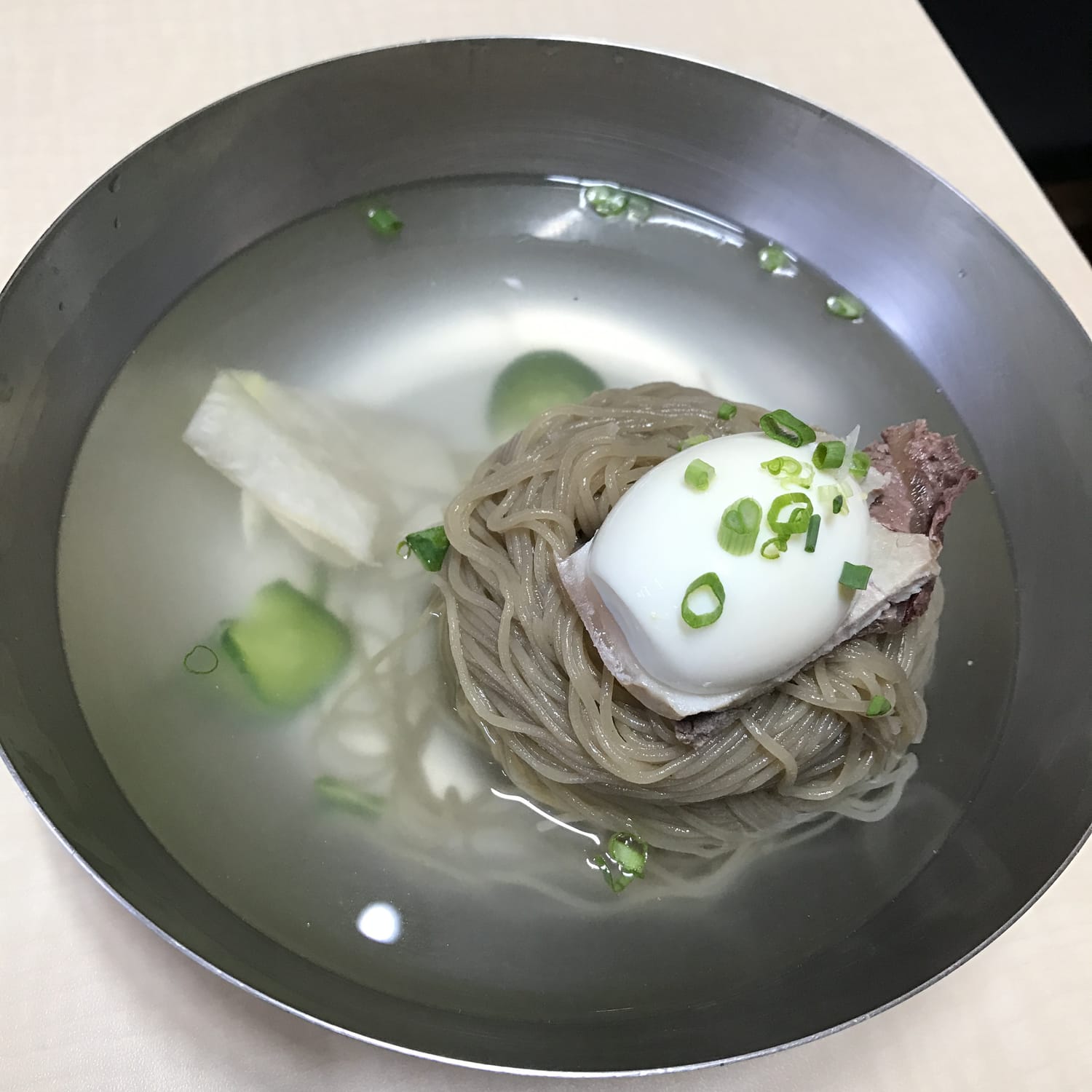
The One Korean Food Foreigners Never Learn to Love: Hamheung Naengmyeon, and Why Koreans Can't See the Problem
Foreigners who eat cheonggukjang and even hongeo still will not pay for this twice. A Korean creator who fed foreigners for years says naengmyeon was the overwhelming number one refusal, and Koreans, who rank it first every summer, cannot see why.