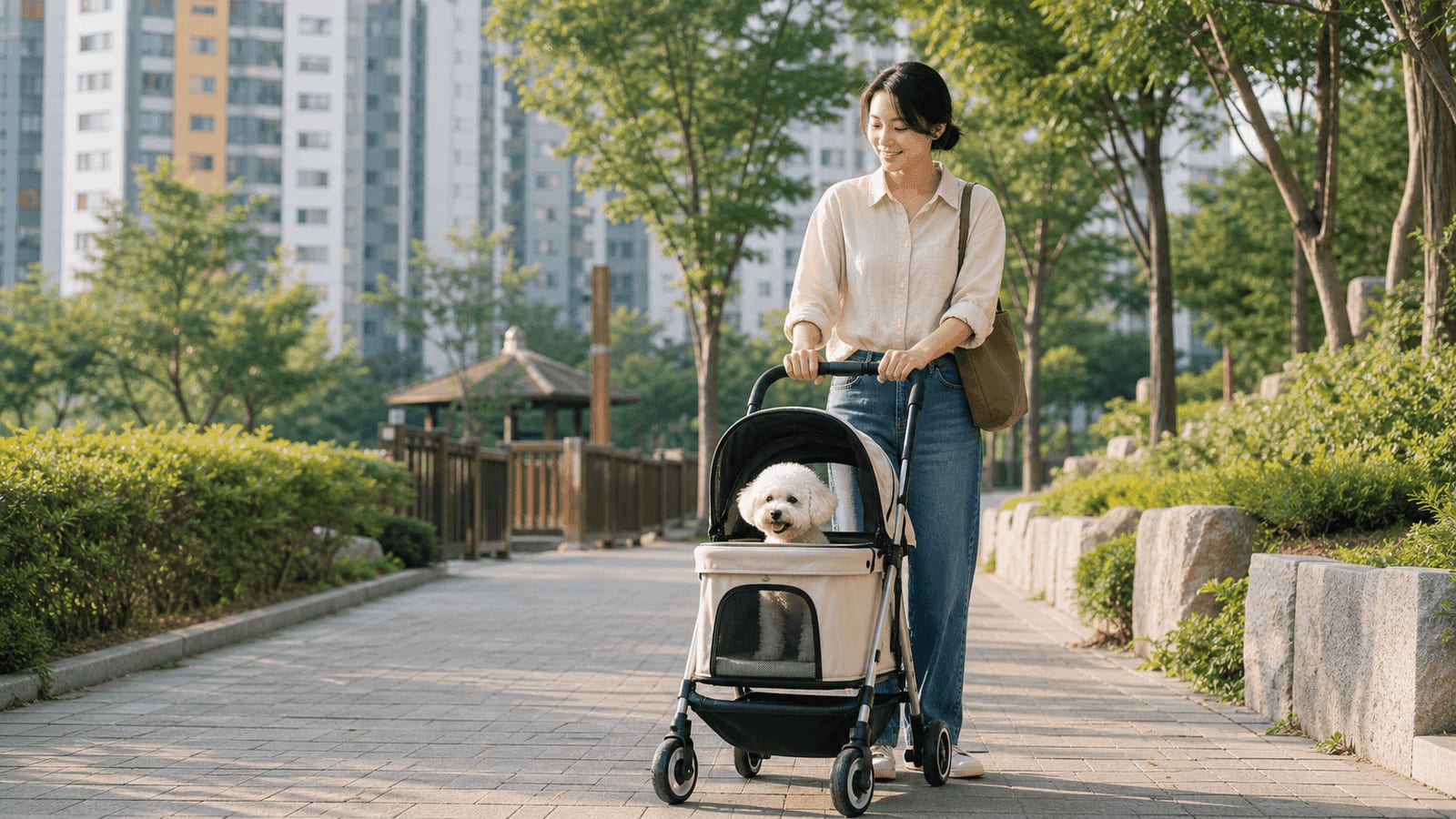
Korean Pet Parent Culture 2026: Dog Strollers And Cafes
Korean pet parent culture can surprise first-time visitors because it does not always look like a simple dog-walking scene. In Seoul, you may see a small dog riding in a stroller through an apartment complex, a pet cafe with water bowls beside the tables, a tiny dog wearing a cooling vest in summer, or a couple treating a weekend dog walk like a real social plan. It is cute, but it is also a serious urban lifestyle.
The most important thing to understand is that Korean pets are not just "animals at home" for many households. They are companions, schedule anchors, emotional family members, and sometimes the clearest sign of how Korean domestic life is changing. International media have even used Korea's dog-stroller visibility as a symbol of low birth rates, changing household structure, and the rise of pet spending. The story is not only about money. It is about how affection, housing, city rules, and social identity meet in daily life.
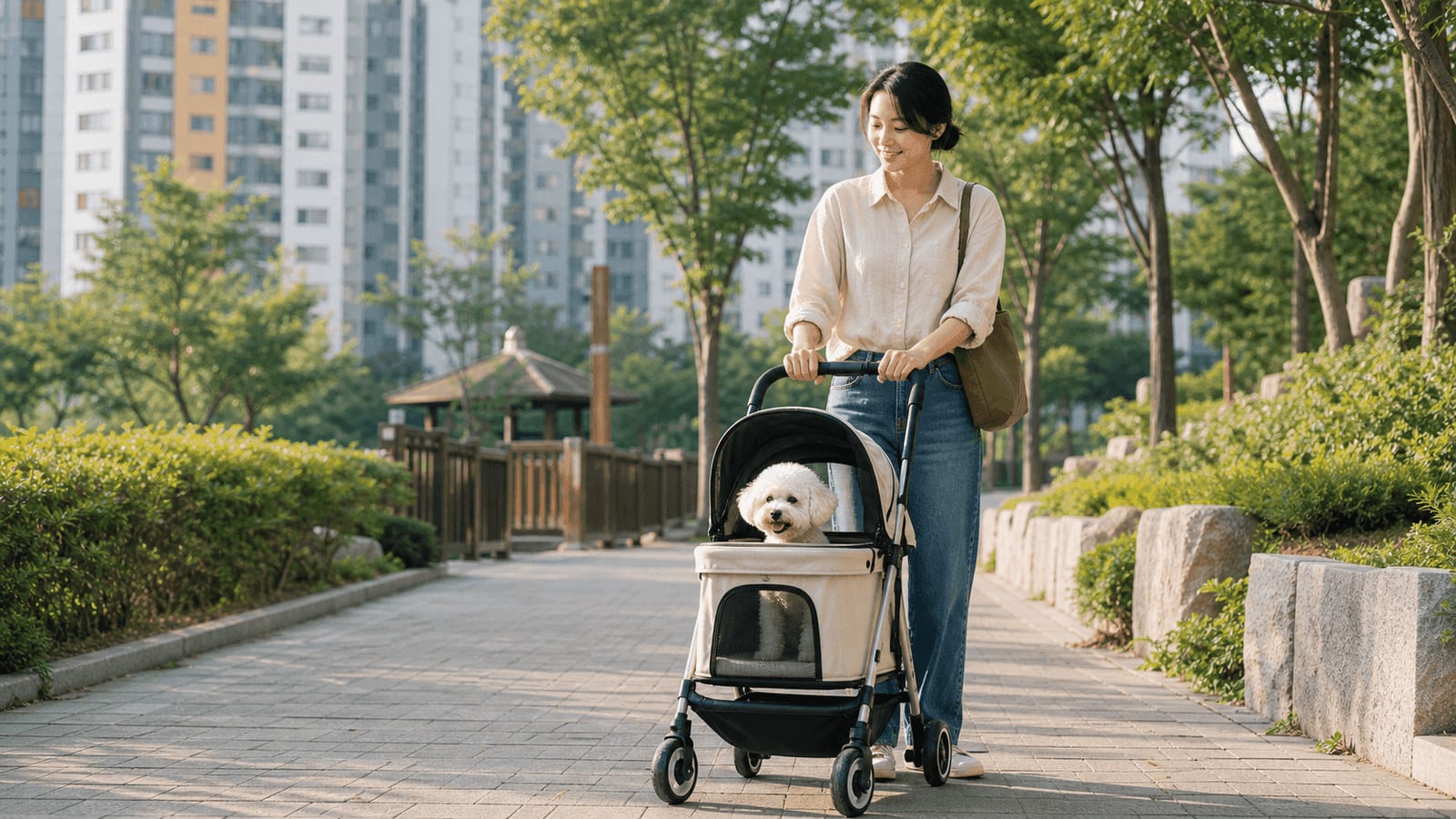
Small dog strollers — compare on AmazonAffiliate link. As an Amazon Associate, EpicKor earns from qualifying purchases at no extra cost to you.
Quick Answer: Why Are Dog Strollers Popular In Korea?
Dog strollers are popular in Korea because many pets are small indoor dogs, Seoul is dense, summers are hot, sidewalks can be crowded, apartment elevators require control, and owners often treat pets like full family members. A stroller helps older dogs, nervous dogs, tiny dogs, or pets with tired paws move through cafes, parks, malls, sidewalks, and apartment complexes without forcing constant carrying.
The stroller also solves a social problem. It keeps the dog contained in crowded places. It reduces conflict with people who are afraid of dogs. It makes it easier to move through elevators and lobbies. It protects the dog's paws from hot pavement. It gives the owner one organized place for water, wipes, waste bags, and small gear.
This does not mean every Korean dog owner uses one. Many do not. But in Seoul's pet-heavy neighborhoods, the stroller is visible enough that it has become part of the modern pet-parent image.
Pets As Family, Not Just A Hobby
Korean pet culture is tied to several bigger changes. More people live alone. More couples delay marriage or children. More households live in apartments where space is limited but routines are precise. More young adults spend money on lifestyle categories that make daily life feel warmer. Pets fit that pattern.
The Korean phrase often translated as "companion animal" matters because it sounds different from "pet." It frames the animal as a being that shares life with the household. That language shows up in clinics, shelters, cafes, product marketing, and everyday conversation.
For a traveler, this matters because it changes how you read a scene. A dog in a stroller outside a cafe is not necessarily a joke. A dog birthday cake is not always ironic. A grooming appointment may be treated like a beauty appointment. A pet-friendly staycation can be planned like a family trip.
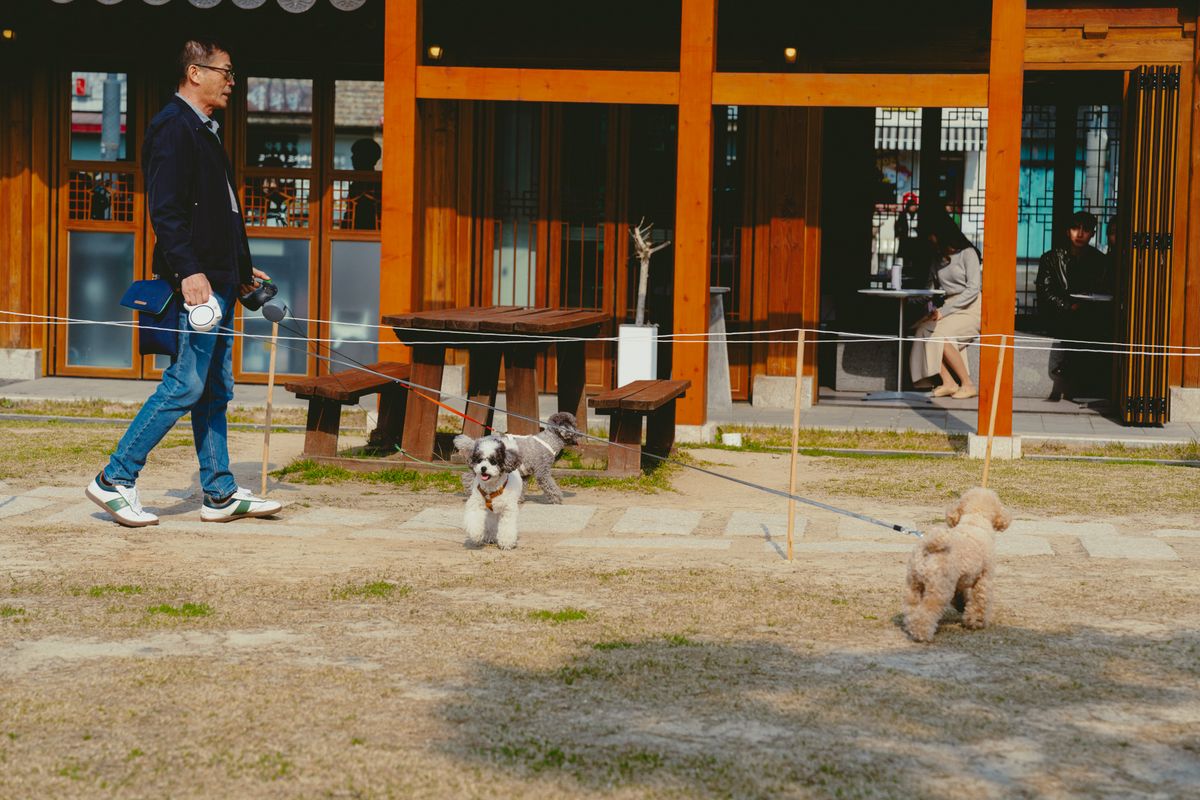
The Seoul Pet Parent Setup
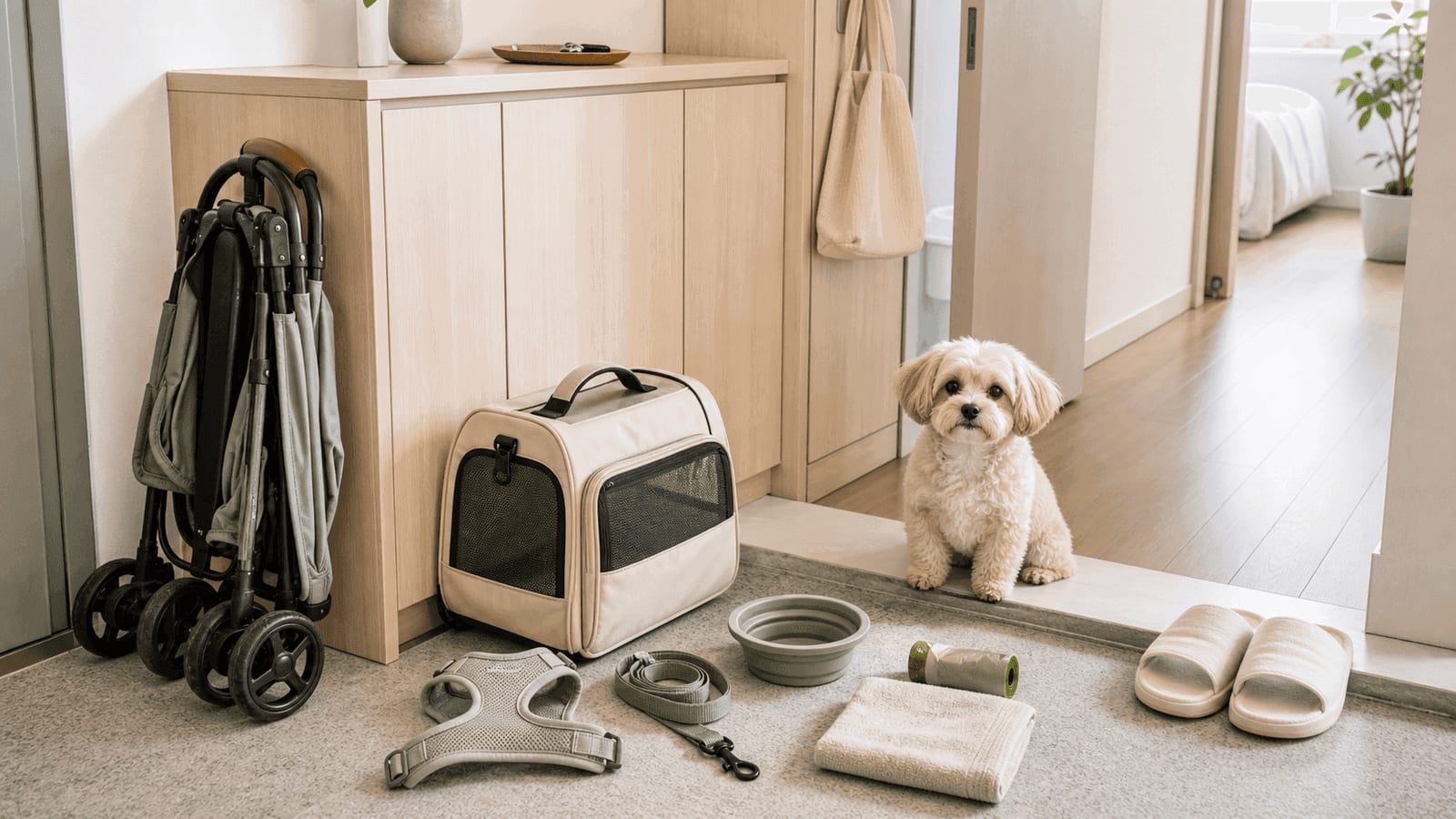
Seoul pet parenting is practical because the city demands it. A typical setup may include:
- harness and leash;
- waste bags;
- wipes;
- water bottle;
- collapsible bowl;
- towel for paws;
- cooling mat or vest in summer;
- small carrier or stroller;
- vaccination or clinic records for travel;
- a mat for cafe floors.
The stroller is only one piece. The bigger idea is controlled mobility. Seoul is full of transitions: apartment elevator, sidewalk, cafe entrance, subway station, taxi pickup, park, shop, home entryway. Pet gear helps the owner move through those transitions politely.
Pet Cafes And Pet-Friendly Cafes Are Not The Same
One common tourist mistake is mixing up pet cafes and pet-friendly cafes.
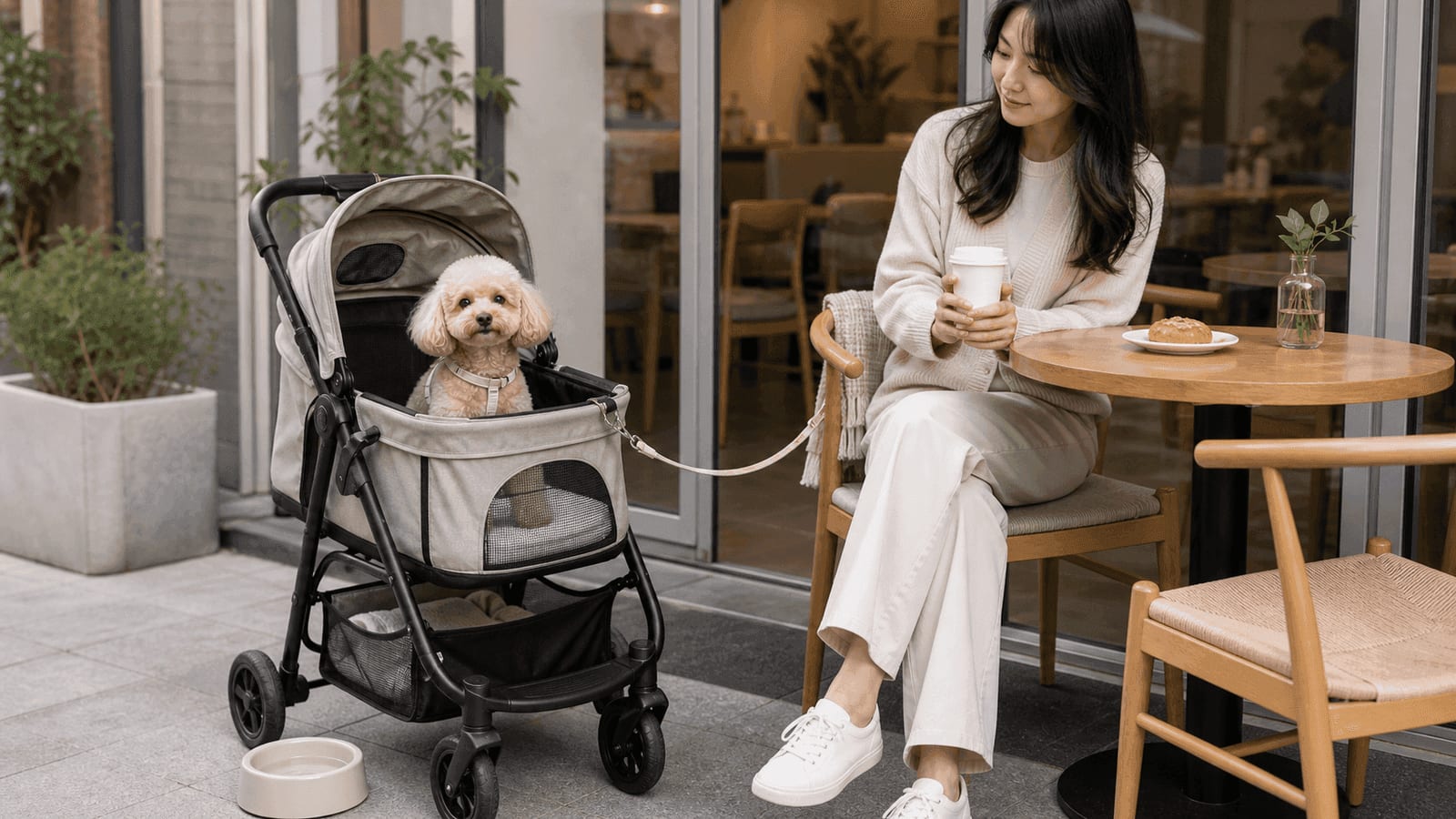
A pet cafe is usually built around animals. A pet-friendly cafe is a normal cafe that allows dogs under certain rules. The second type is more useful for understanding daily culture because it shows how pet owners manage normal life with a dog beside them.
Rules vary, but the usual expectations are simple: keep the dog controlled, do not put the dog on the table, clean up quickly, avoid barking, respect staff instructions, and do not assume every indoor seat is available. Some cafes allow only small dogs. Some require carriers or strollers. Some allow patio seating only.
| Scene | What Locals Usually Do | Tourist Mistake To Avoid |
|---|---|---|
| Cafe | Keep the dog low, leashed, or inside a stroller/carrier | Letting the dog climb on tables or chairs |
| Apartment elevator | Hold the leash short or keep the dog contained | Letting the dog approach strangers |
| Park | Clean up fast and watch other walkers | Assuming every green space is off-leash |
| Hot pavement | Use shade, timing, stroller, or paw protection | Walking a tiny dog at peak summer heat |
Apartment Life Shapes Everything
Korean pet parent culture makes more sense if you understand apartments. Many Seoul households live vertically. That means pets pass through shared hallways, elevators, parking areas, security desks, and building entrances. A dog is not only a private family member. It briefly becomes part of the building's shared space.
This is why etiquette matters. A well-loved dog can still be a problem if it barks in the hallway, urinates near the entrance, jumps at neighbors, or rides the elevator uncontrolled. In dense housing, affection has to be organized.
This connects directly to EpicKor's guide to Korean home reset culture. The home entryway is not just where shoes come off. For pet parents, it can become the command center: wipe paws, hang leash, refill water, fold stroller, store treats, and keep waste bags ready.
What Foreign Visitors Should Know
If you are visiting Seoul with a pet, check rules carefully. Korea has airline, quarantine, accommodation, cafe, taxi, and public-space rules that can change by venue and service. Do not assume that "pet-friendly" means unrestricted. Always check size limits, carrier requirements, vaccination documents, and whether indoor seating is actually allowed.
If you are visiting without a pet, the culture is still useful to notice. It explains why pet shops, grooming salons, dog bakeries, and stroller-friendly cafe patios appear in areas that also have young couples, apartment complexes, and lifestyle stores.
It also gives you a different way to read Korean consumer culture. The spending is not only about cuteness. It is about making a dense city feel manageable for a small dependent companion.
For practical city behavior, pair this guide with EpicKor's Korea trash and recycling rules, Korean floor culture guide, and Korea travel apps setup. Pet culture uses the same logic: know the system, keep the shared space clean, and make the next transition smoother.
Why The Category Feels So Korean
Pet culture exists everywhere, but the Korean version has a specific urban texture. It is compact, highly groomed, image-conscious, and convenience-driven. A pet parent may schedule grooming, buy a cooling vest, visit a cafe, order a cake, use a stroller, clean paws at the door, and store the whole kit in a narrow apartment entryway. None of those actions is uniquely Korean alone. Together, they feel very Seoul.
The category also reflects Korea's skill at turning ordinary life into polished routines. Beauty shopping became a routine. Convenience-store meals became a routine. Cafe visits became a routine. Now pet parenting has its own rhythm: walk, wipe, groom, cafe, photo, snack, clinic, home reset. That rhythm is why the topic works well for social content. Each step is visual and easy to understand even without deep cultural explanation.
There is also a class and neighborhood layer. Pet strollers and premium grooming are more visible in wealthier or lifestyle-heavy districts. But the broader pattern is not limited to luxury areas. You can see practical pet gear near ordinary apartment complexes, small parks, and neighborhood cafes. The best article angle is not "Koreans are rich pet owners." It is "Seoul has turned pet care into a city routine."
For Amazon affiliate planning, that distinction matters. The useful products are not novelty costumes. They are mobility, cleanup, cooling, storage, and travel-control items. A reader who understands the Korean logic is more likely to compare a compact carrier or water bowl because it solves a real problem, not because it looks cute in a photo.
This also gives EpicKor a new category with room to grow. Future pet posts could cover pet-friendly stays, summer paw safety, Korean grooming salons, dog cafes versus cat cafes, pet travel documents, and apartment etiquette for owners. That creates a practical content cluster rather than a one-off curiosity post.
It also connects naturally to travel, home, shopping, and city-etiquette content without feeling like another beauty or food article.
What To Buy, Skip, And Understand
If you want the Korea-style pet-parent look at home, do not start with the cutest product. Start with the route. Are you walking, driving, taking transit, sitting at cafes, or visiting parks? Then choose gear that solves real friction.
Good buys are lightweight strollers for small or older dogs, collapsible bowls, short leashes for elevators, paw towels, cooling gear, and compact storage near the door. Weak buys are oversized strollers you cannot lift, cute outfits that overheat the dog, and cafe accessories that look good in photos but make the dog less comfortable.
FAQ
Q: Are dog strollers really common in Korea?
They are common enough in Seoul pet-heavy areas that visitors notice them, especially around apartment neighborhoods, parks, pet cafes, and shopping districts. They are not used by every owner, but they are a visible part of urban pet culture.
Q: Can I bring my dog into cafes in Seoul?
Only some cafes allow dogs, and rules vary. Check the cafe's policy, keep the dog controlled, avoid tables and chairs unless clearly allowed, and do not assume pet-friendly means all indoor seats are available.
Q: Why do Korean pet owners spend so much on small dogs?
Small indoor dogs fit apartment life, and many owners treat pets as companion family members. Spending often focuses on grooming, health, mobility, comfort, and making dense city life easier.
Q: Is Korean pet culture only about low birth rates?
No. Low birth rates are part of the wider conversation, but daily pet culture is also about living alone, apartment routines, emotional companionship, consumer lifestyle, and the practical reality of moving through Seoul with a small animal.
You Might Also Like
Korea's Pet Funeral Industry: How Koreans Say Goodbye to Their Pets
Korea's pet funeral industry has grown from 7 registered businesses to nearly 90 in a decade, reflecting a real shift in how pets are treated after death.
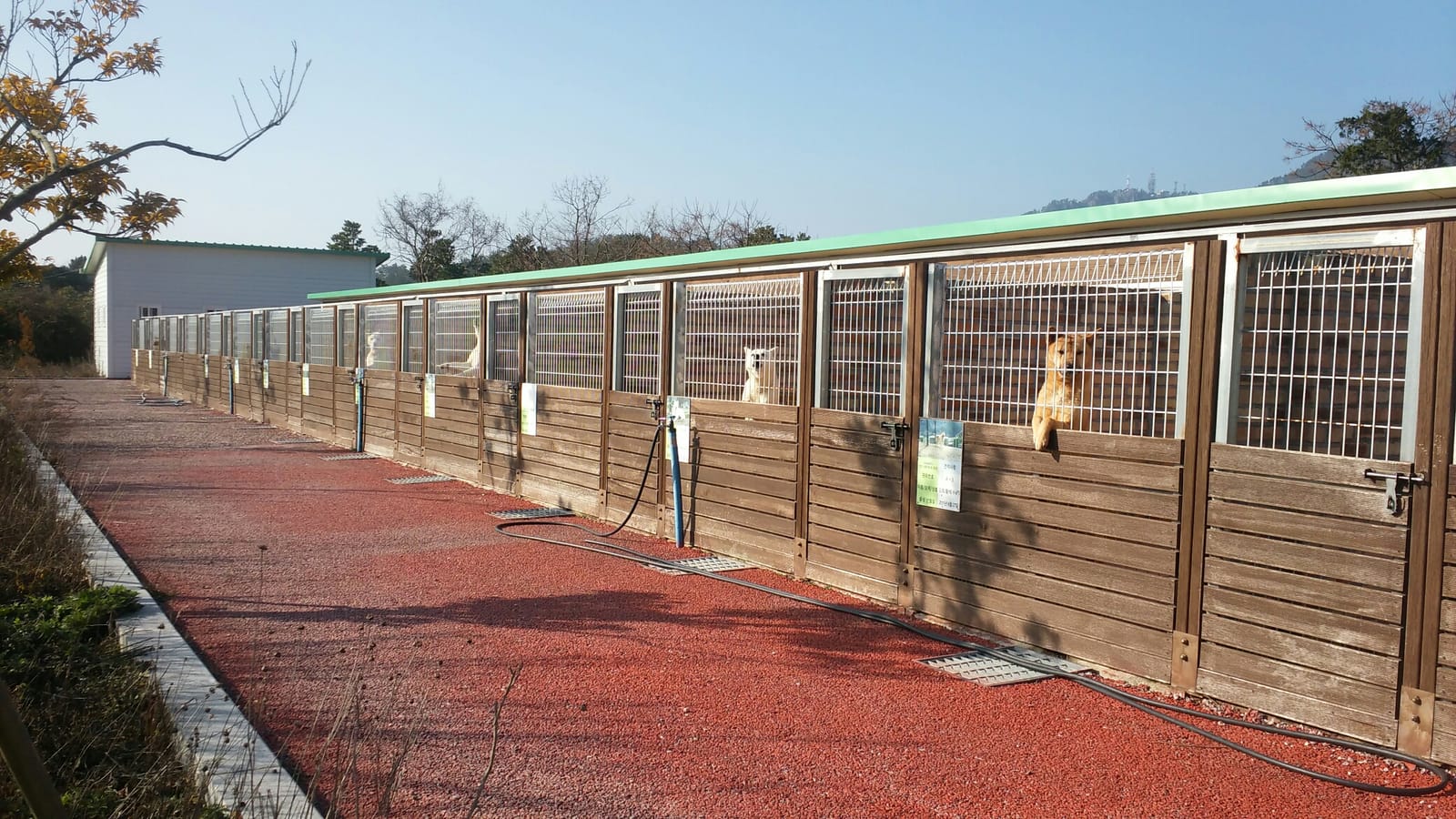
Jindo Dog: Korea's National Treasure Breed
Jindo dogs are Korea's Natural Monument breed: fiercely loyal, famously independent, and harder to export than most people assume.
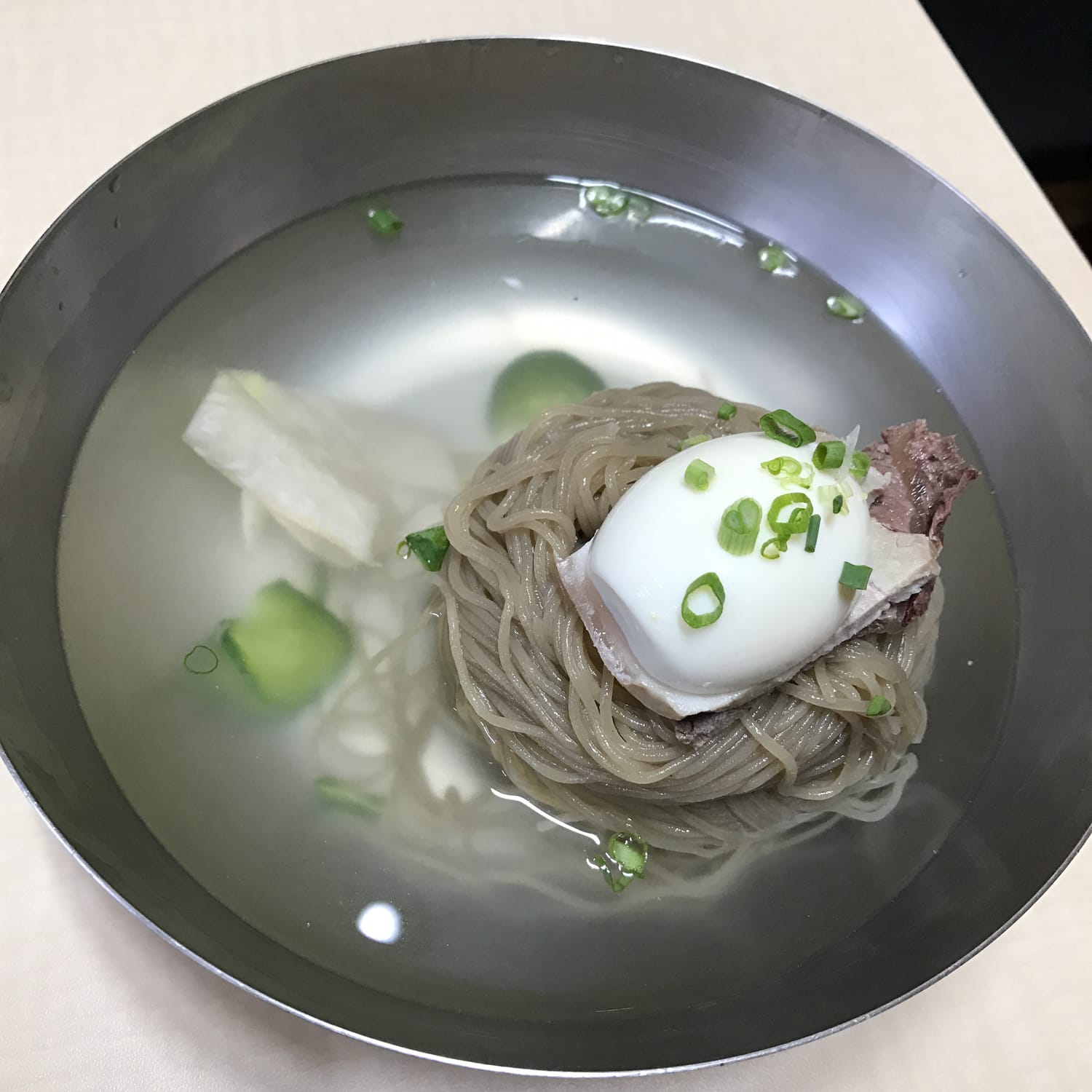
The One Korean Food Foreigners Never Learn to Love: Hamheung Naengmyeon, and Why Koreans Can't See the Problem
Foreigners who eat cheonggukjang and even hongeo still will not pay for this twice. A Korean creator who fed foreigners for years says naengmyeon was the overwhelming number one refusal, and Koreans, who rank it first every summer, cannot see why.