
Hell Joseon and N-Po Explained: Why Some Young Koreans Feel Stuck

Hell Joseon and N-po generation are not neutral demographic labels. They are emotional shorthand. They express the feeling that normal life milestones can look harder for some young Koreans than the old success story promised: study hard, get a stable job, buy a home, marry, have children, and rise steadily.
That feeling should be taken seriously, but it also needs careful framing. Not every young Korean feels the same way. Not every delayed marriage or postponed child is a protest. Not every person who uses "Hell Joseon" is making the same political argument. This guide explains the terms while separating memes, lived frustration, and measurable pressures.
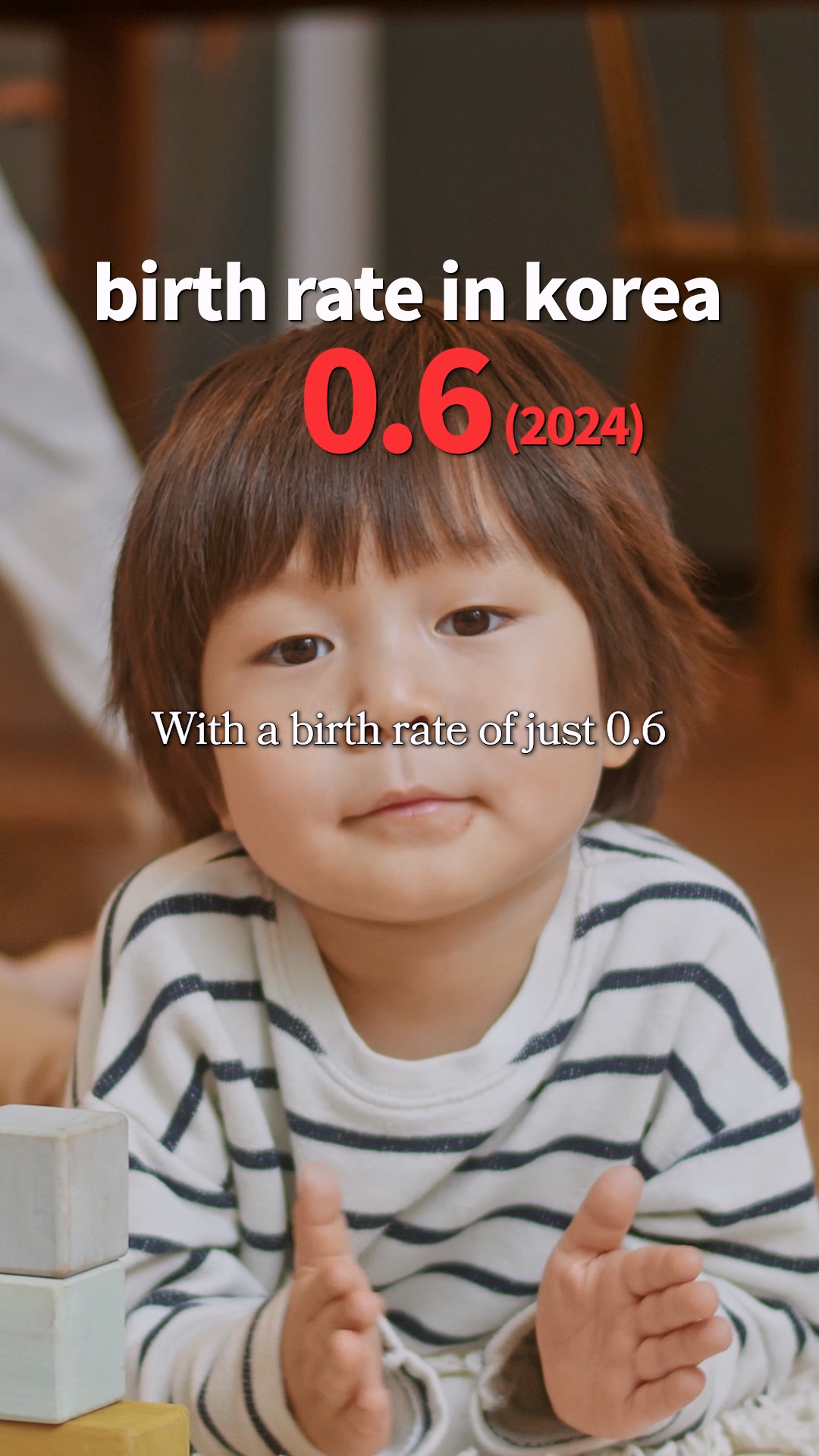
South Korea's official total fertility rate rose to 0.75 in 2024, according to Statistics Korea reporting summarized by Korea.net, after reaching 0.72 in 2023. The increase mattered because it was the first rise in nine years, but the level remains extremely low. OECD analysis connects Korea's low fertility and family-formation pressure to work-family conflict, gender roles, high education costs, housing burdens, and labor-market structure.
| Term | Literal idea | What it usually points to | Careful interpretation |
|---|---|---|---|
| Hell Joseon | Korea as an unfair hard-mode society | Competition, hierarchy, housing, work pressure | A critique, not a fact about every life |
| N-po | Giving up N number of things | Dating, marriage, childbirth, home ownership, dreams | A flexible expression, not a fixed census category |
| Spoon class | Gold spoon vs dirt spoon | Family wealth and unequal starting lines | A social metaphor, not a full class analysis |
| Gat-saeng | Diligent or optimized life | Self-improvement, routines, control | Can be empowering or exhausting |
Korean culture and history books — compare on AmazonAffiliate link. As an Amazon Associate, EpicKor earns from qualifying purchases at no extra cost to you.
What does Hell Joseon mean?
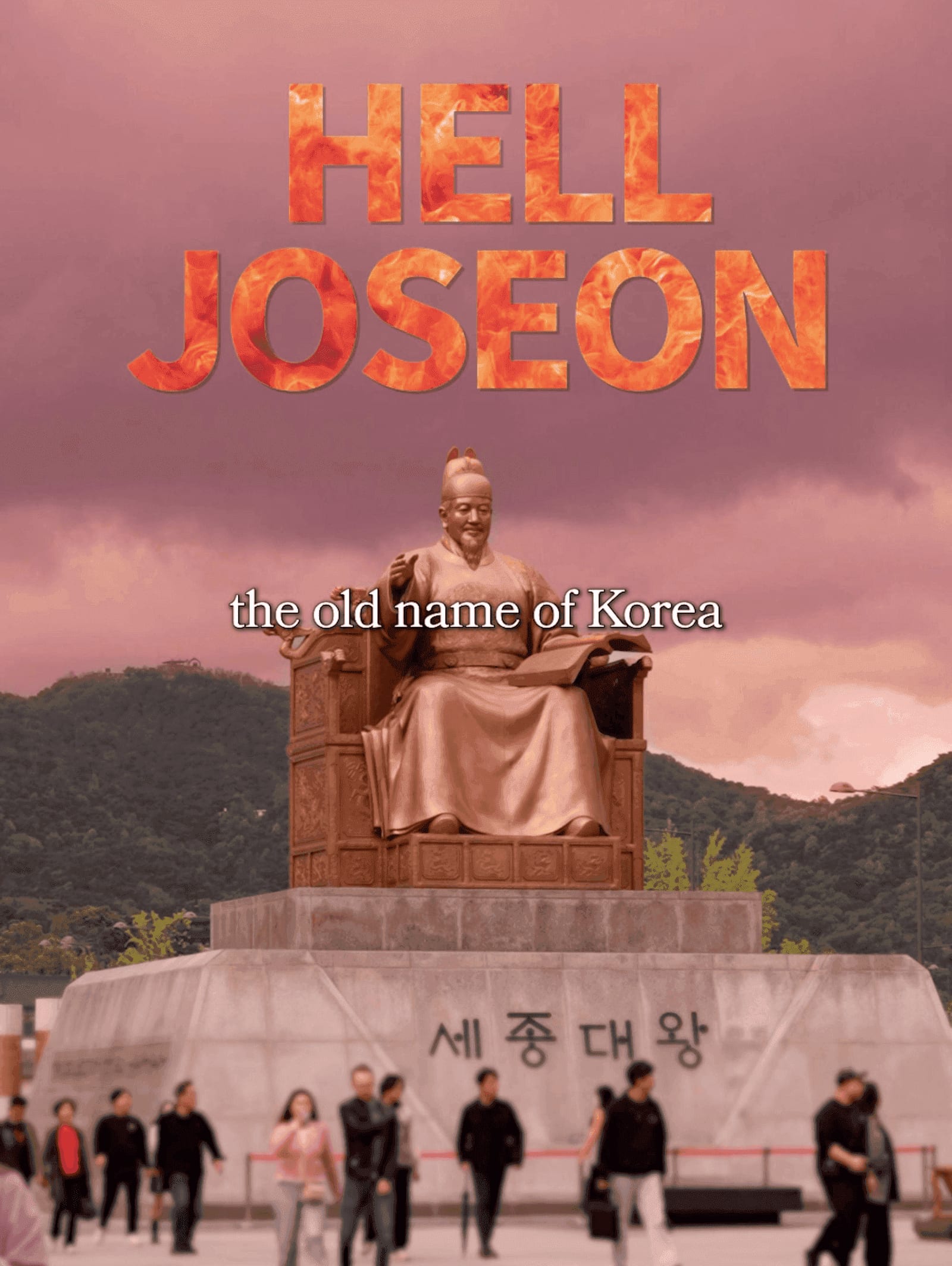
Hell Joseon combines "hell" with Joseon, the name of Korea's long premodern dynasty. Online, the phrase is used to criticize a society felt to be hierarchical, competitive, expensive, and unforgiving. It is intentionally dramatic. That drama is the point.
The term became powerful because it challenged an older national narrative: that intense education, sacrifice, and hard work would eventually produce stability. For some young adults, that exchange feels broken. They may still work hard, but the rewards feel delayed, fragile, or unevenly distributed.
This does not mean Korea is only miserable. Seoul can be creative, safe, connected, fun, and full of opportunity. The phrase works because both things can be true at once: a country can be globally admired and still feel exhausting to the people trying to build ordinary lives inside it.
What does N-po generation mean?
N-po comes from the idea of giving up "N" things. Earlier versions often listed three: dating, marriage, and childbirth. Later versions expanded to home ownership, stable work, social life, dreams, or hope. The "N" makes the term elastic.
The useful reading is not "young Koreans have all given up." It is that some life milestones feel increasingly conditional. A person may want marriage but not feel financially ready. Someone may want children but fear career loss, housing costs, childcare gaps, or education expenses. Someone may want a stable job but face a market split between secure core jobs and weaker outside options.
For a current employment-sector and work-culture angle, read EpicKor's jobs and work culture in South Korea guide.
Work pressure is not only unemployment
It is tempting to explain youth frustration only through unemployment, but that misses the structure. Korea can have low headline unemployment and still have young people worried about job quality, contract security, wages, career mobility, and whether a first job leads anywhere.
The Ministry of Employment and Labor's statistics table shows the youth employment rate at 46.1% in 2024, slightly below 46.5% in 2023. That single number does not explain everything, but it supports a cautious point: youth labor-market pressure is not imaginary, especially when combined with competition for preferred jobs and concern about career ladders.
OECD's 2024 Korea survey also highlights labor-market dualism, household debt, productivity gaps, fertility pressure, and the need to improve work-life balance. For young adults, "Can I get any job?" is often less important than "Can I get the kind of job that lets me plan a life?"
Housing and education costs shape choices
Housing does not need one viral ratio to matter. If home prices, deposits, rent, commuting distance, and debt make household formation harder, people delay decisions. OECD's work on Korea's fertility trends points to housing costs and private education expenses as part of the pressure around family formation.
Private education matters because it changes the imagined cost of children. In Korea, raising a child is not only food, clothes, and school. Many parents feel pressure around hagwons, tutoring, exam preparation, English, arts, sports, and social comparison. Even people without children can see that future bill coming.
The result is not one simple decision. Some young Koreans reject traditional timelines. Some want family life but delay it. Some pursue careers first. Some move cities. Some leave Korea. Some build smaller, quieter lives than their parents imagined.
Context before hot takes: As an Amazon Associate, EpicKor may earn from qualifying purchases. If this topic interests you, compare Korean culture and history books that explain modern Korea beyond one viral phrase.
Gender roles and fertility are connected
Low fertility debates often become too simple. Some commentary blames selfish youth. Some blames feminism. Some blames capitalism. Some blames housing. Real life is more tangled.
OECD's 2025 Korea's Unborn Future argues that Korea's very low birth rates are linked to constraints that can make women choose between career and family, while men face pressure to be breadwinners. It also emphasizes inflexible working practices, gender-unequal caring responsibilities, education costs, and housing costs.
This framing is useful because it does not reduce the issue to "young people do not want children." Many people want relationships, family, or stability in theory. The question is whether the surrounding system makes those choices feel compatible with work, money, identity, and fairness.
Gat-saeng: control inside pressure
The term gat-saeng points to a diligent, optimized life: routines, exercise, studying, side projects, healthy meals, money tracking, skincare, language learning, or early mornings. It can be positive. It gives people a sense of control in a society where big outcomes feel uncertain.
But it can also become another pressure. If the system feels hard and the answer is always "optimize yourself more," exhaustion follows. A person can be disciplined and still face housing costs, weak job ladders, or caregiving expectations.
That is why Korean youth culture often swings between productivity and escape: study cafes, self-improvement, noraebang, PC bangs, cafes, travel, fandom, gym routines, and convenience-store comfort food. None of those are contradictions. They are ways of managing a life that asks for a lot.
How to talk about this without flattening Korea
The safest rule is to avoid turning one phrase into a national diagnosis. "Hell Joseon" is useful because it reveals frustration. It is misleading if it becomes the only way to understand Korea.
Better questions are:
- Which group of young people are we talking about?
- Is the issue work, housing, education, gender, region, family expectations, or all of them?
- Is the source a meme, a survey, an official statistic, a personal story, or policy research?
- Are we describing Korea today, or repeating a 2015 internet frame?
| Bad shortcut | Better framing | Why it matters |
|---|---|---|
| Young Koreans gave up | Some milestones feel harder or riskier | Leaves room for different choices |
| No one wants children | Fertility choices interact with work, gender, housing, and care | Matches OECD-style evidence better |
| Korea is only hell | Korea is admired and stressful at the same time | Avoids cartoon pessimism |
| It is all laziness | Job quality and life planning matter, not just effort | Respects real structural pressure |
What visitors should understand
If you visit Korea, you will see the polished side first: fast transit, cafes, beauty stores, safe streets, K-pop advertising, food delivery, and fashionable districts. That is real. But it sits beside a quieter reality of exams, job prep, housing anxiety, family expectations, and long work histories.
Understanding Hell Joseon does not require becoming cynical. It simply makes the country more three-dimensional. Modern Korea is not only a success story to admire from outside. It is also a society negotiating the cost of that success.
The respectful move is to listen for context. A young Korean joking about Hell Joseon may be venting after work, making a political critique, using old internet slang ironically, or describing a very real family-pressure situation. Do not assume the deepest meaning from one phrase. Ask what part feels hard: job search, rent, marriage pressure, office hierarchy, exams, or future planning.
Language helps nuance: If you want to read Korean social terms more carefully, compare Korean phrasebooks or beginner language resources before relying only on translated internet slang.
Related EpicKor guides
For adjacent context, read EpicKor's jobs and work culture in Korea guide, Korean drinking culture guide, Korean political party guide, and December 2024 martial-law crisis timeline. For softer everyday pressure, pair this with the Korean cafe etiquette guide and Seoul month-long living guide.
Sources and further reading
- Korea.net summary of Statistics Korea's 2024 fertility data.
- Ministry of Employment and Labor: Economically Active Population Survey statistics.
- OECD Economic Surveys: Korea 2024.
- OECD: Korea's Unborn Future, 2025.
- OECD Society at a Glance 2024: Korea country note.
FAQ
Q: What does Hell Joseon mean? A: It is a critical phrase used to describe Korea as a stressful, hierarchical, unfair, or hard-to-escape society. It is emotional shorthand, not a literal description of every Korean life.
Q: What does N-po generation mean? A: It means a generation that feels forced to give up an expanding number of life milestones, such as dating, marriage, children, home ownership, or dreams.
Q: Are all young Koreans pessimistic? A: No. Young Koreans have varied lives and opinions. These terms describe real frustrations but should not be used to flatten an entire generation.
Q: Is Korea's low fertility only about money? A: No. OECD analysis connects fertility to work-family conflict, gender roles, housing, education costs, labor-market structure, and social expectations.
Q: Is gat-saeng a good or bad thing? A: It can be both. A disciplined routine can help people feel control, but constant self-optimization can also become exhausting.
Q: How should foreigners talk about Hell Joseon? A: Use it carefully. Treat it as a Korean social critique, check sources, avoid stereotypes, and remember that Korea can be successful and stressful at the same time.
Video insight: The crisis of youth
You Might Also Like
Why Mercedes-Benz Is So Common in South Korea
See why Mercedes-Benz cars are so visible in South Korea, what current sales data shows, and where status, service, and city life fit.
Korean Modern Art: The Painters Whose Work Now Sells for Millions
Meet the Korean modern painters whose work now sells for millions at auction, why the market is booming, and exactly where to see the real thing in Korea.
Centre Pompidou Hanwha Seoul: Yeouido Art Stop Guide
A timely guide to Centre Pompidou Hanwha Seoul in Yeouido: opening facts, why it matters, how to plan a visit, and what to pair nearby.