Korean Massage Chairs: How Bodyfriend Made a Recliner the Top Filial Gift
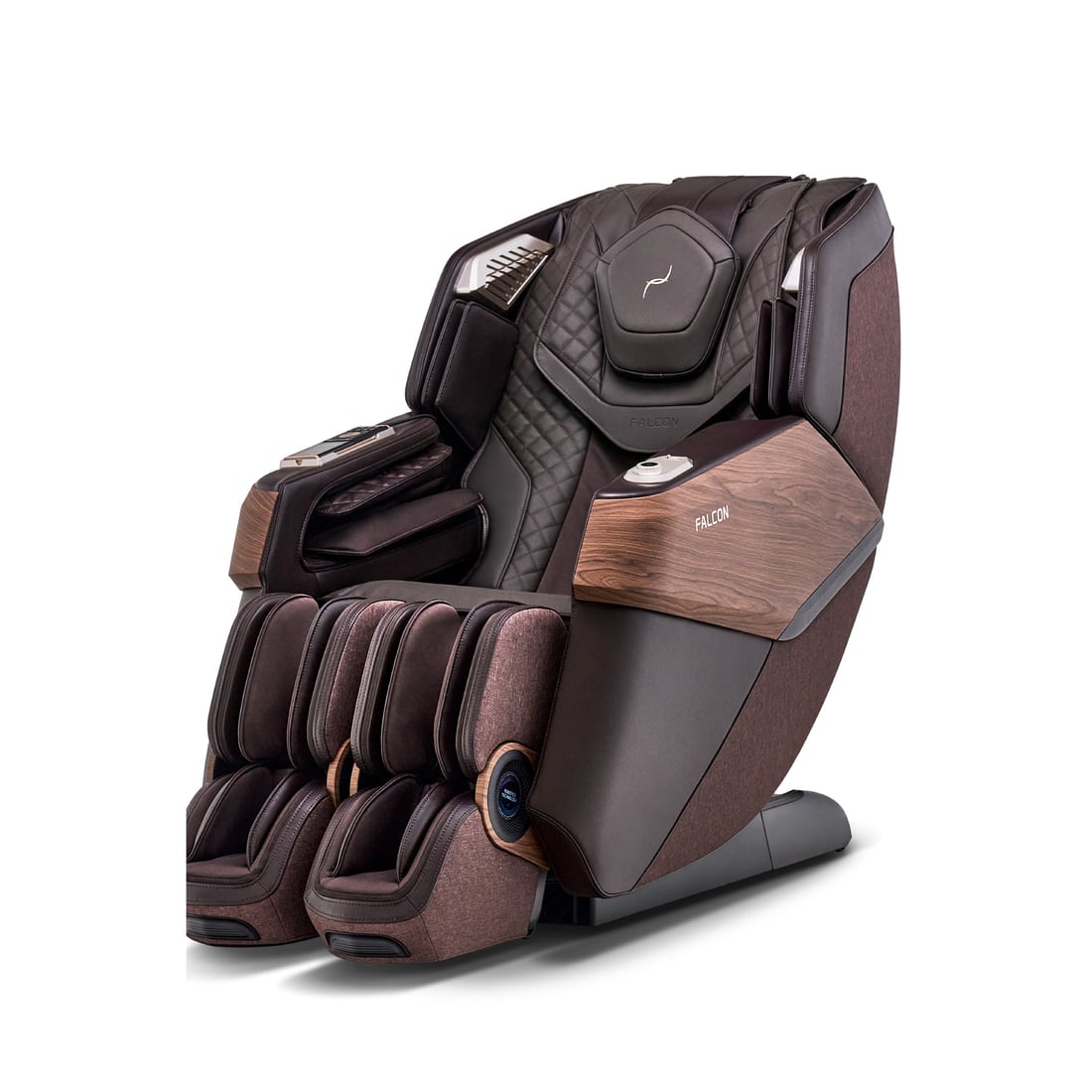
Walk into a Korean parent's living room and there is a fair chance the largest, most expensive object in it is not the television. It is a massage chair — leather, reclining, roughly the size of a first armchair and the price of a used car.
This is not a luxury-household thing. In Korea the massage chair is a milestone purchase: the classic holiday gift adult children buy their parents, a fixture on newlywed appliance checklists, even a push-present. An entire industry exists to make that purchase feel normal, and its biggest name — 바디프렌드 (Bodyfriend) — did it with a trick borrowed from Korea's water-purifier industry, then grew until it overtook Japan, the country that invented the machine.
English search already knows the demand: people query korean massage chair costco, bodyfriend usa, korean massage chair price. What is missing is the explanation — and one genuinely important safety fact from Korea's consumer agency that no product listing will tell you. Both are below.
| Question | Short answer |
|---|---|
| Who is Bodyfriend | Korea's biggest massage-chair maker, founded 2007 by two computer-industry veterans |
| The growth trick | Monthly rental from 2009 — pay like a phone plan, not like furniture |
| The market | Roughly a ₩1 trillion Korean industry; Bodyfriend vs Ceragem trade the #1 spot |
| Why it matters culturally | The #1 filial-piety gift (효도 선물) for parents on Chuseok and Seollal |
| US availability | Bodyfriend's own Amazon store for the compact and mid lines; flagships direct at $9,499–$14,990 on its US site |
| The safety fact | Korea's consumer agency logged 631 injury reports in 44 months — a quarter involving children 0–6, caught in the leg mechanism |
| Buy if | Daily user in the household, especially parents; you tried one for more than 10 minutes |
| Skip if | It would be furniture-with-a-motor; small children at home and no lock discipline |
Familie 3D — on AmazonAffiliate link. As an Amazon Associate, EpicKor earns from qualifying purchases at no extra cost to you.
Japan Invented It. Korea Moved It Into the Living Room.
The massage chair is a Japanese invention — the first commercial units came from Japan in the 1950s, and for half a century Japanese brands like Fujiiryoki owned the category. In Japan the machine lived mostly in bathhouses and hotel lobbies: a coin-operated public convenience.
Korea's contribution was to redefine whose object it is. Korean coverage of the industry puts it plainly: within about a decade of entering, Korea's Bodyfriend overtook the Japanese originators — not by making a better public chair, but by making the massage chair a home appliance, sold to families, financed like one.
Three Korean conditions made that possible:
The gift economy. Korea has a formalized culture of 효도 (hyodo) — filial duty — with two annual gift seasons, Seollal and Chuseok, when adult children are expected to send parents something substantial. The massage chair slotted into the top of that ladder: the gift that says rest your body, delivered to the parents' living room where every visitor sees it. Korean industry coverage lists the holiday filial-gift market, the postpartum husband-to-wife gift, and newlywed appliance checklists as the three demand engines.
The rental rail was already built. Koreans were already renting water purifiers and bidet seats by the month — a system this site has covered through Coway's rental empire. A massage chair is exactly the purchase that model unlocks: enormous sticker price, low monthly fee, service visits included.
The body-culture baseline. A society of jjimjilbang saunas, after-dinner back-pounding, and 안마 (massage) as ordinary family care did not need convincing that mechanical massage is normal. It needed the price problem solved.
2007: Two Computer Guys and a Payment Plan
Bodyfriend was founded in 2007 — a late entrant with no appliance pedigree. The founders, 조경희 (Cho Kyung-hee), who ran a large computer retail operation, and 이동환 (Lee Dong-hwan), a former director at Sambo Computer, came from the PC business, not massage. First-year revenue was a modest ₩2.7 billion.
The move that built the company came in 2009: monthly rental. Instead of asking a household for several million won up front, Bodyfriend asked for a monthly fee on a multi-year contract — the water-purifier playbook applied to the most expensive object in the room. Korean business media credits that decision with opening the massage chair's mass-market era outright, and the company grew at rates its own coverage describes as roughly 200 percent a year through the boom.
The other signature was design and marketing spend: chairs styled like concept cars, A-list actors in the commercials, showrooms in premium districts. The product stopped looking like medical equipment and started looking like the room's centerpiece — which, at Korean apartment sizes, it genuinely becomes.
Today the Korean market is roughly a ₩1 trillion industry, and Bodyfriend's main rival is not Japanese at all: it is 세라젬 (Ceragem), a Korean thermal-massage-bed company that briefly took the revenue crown in 2021. As of the most recent Korean reporting, Ceragem leads on consolidated revenue (about ₩546 billion) while Bodyfriend reclaimed the standalone-revenue lead and earns the better margins — a two-Korean-company race for a category Japan invented.
You might like: Korean Water Purifiers: The 1998 Rental Bet That Built Coway's Empire
What These Cost, in Korea and the US
In Korea, the mainstream path is rental: a monthly fee over a multi-year term, with flagship models also sold outright in the several-million-won range. The rental structure is the point — it is how a ₩5,000,000 chair becomes a line item next to the phone bill.
In the US, as of August 2026, Bodyfriend runs two channels:
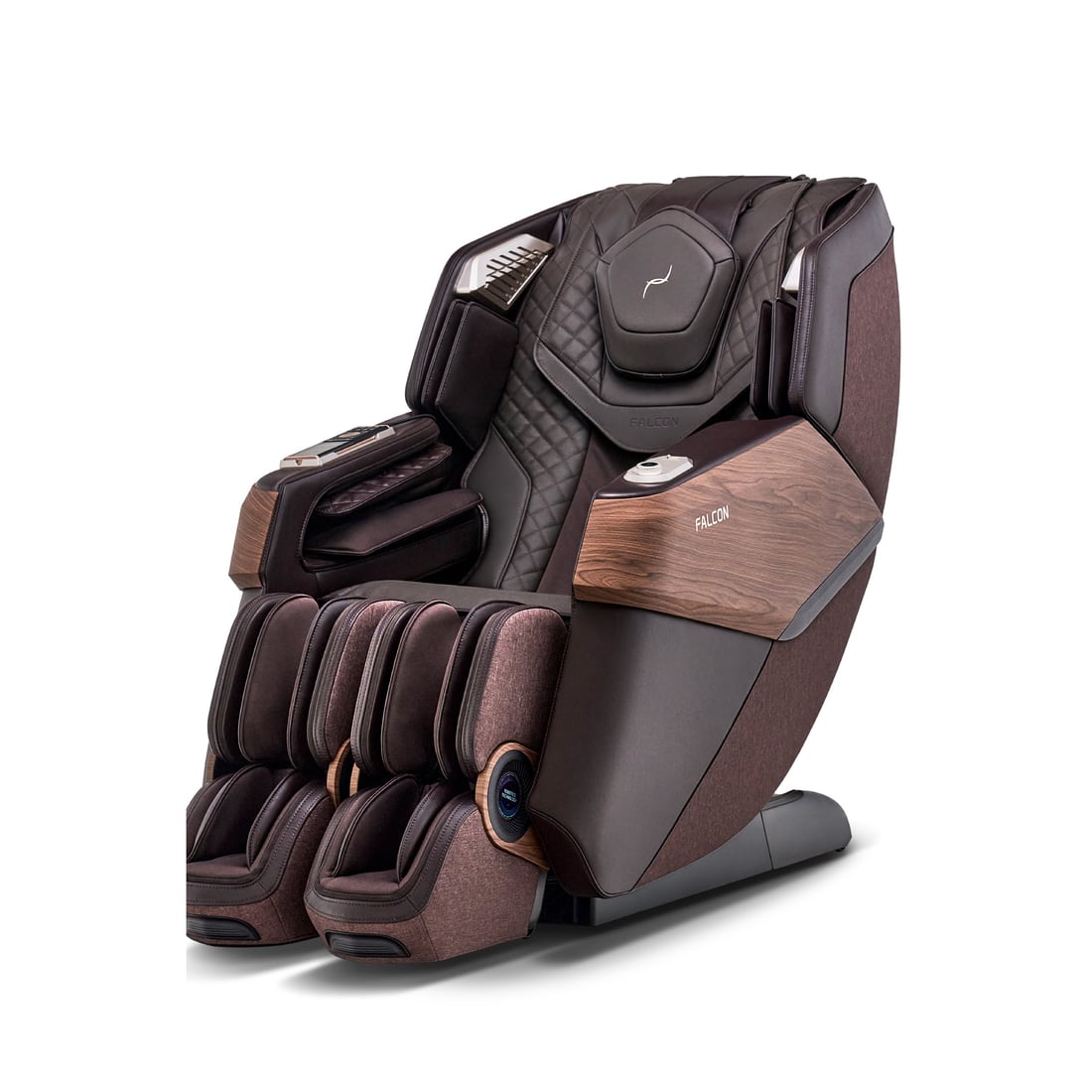
- Its official Amazon storefront carries the accessible lines — compact 3D models like the Familie and Eliza and the 4D Falcon XD — at prices that move with model and promotions, so check the storefront.
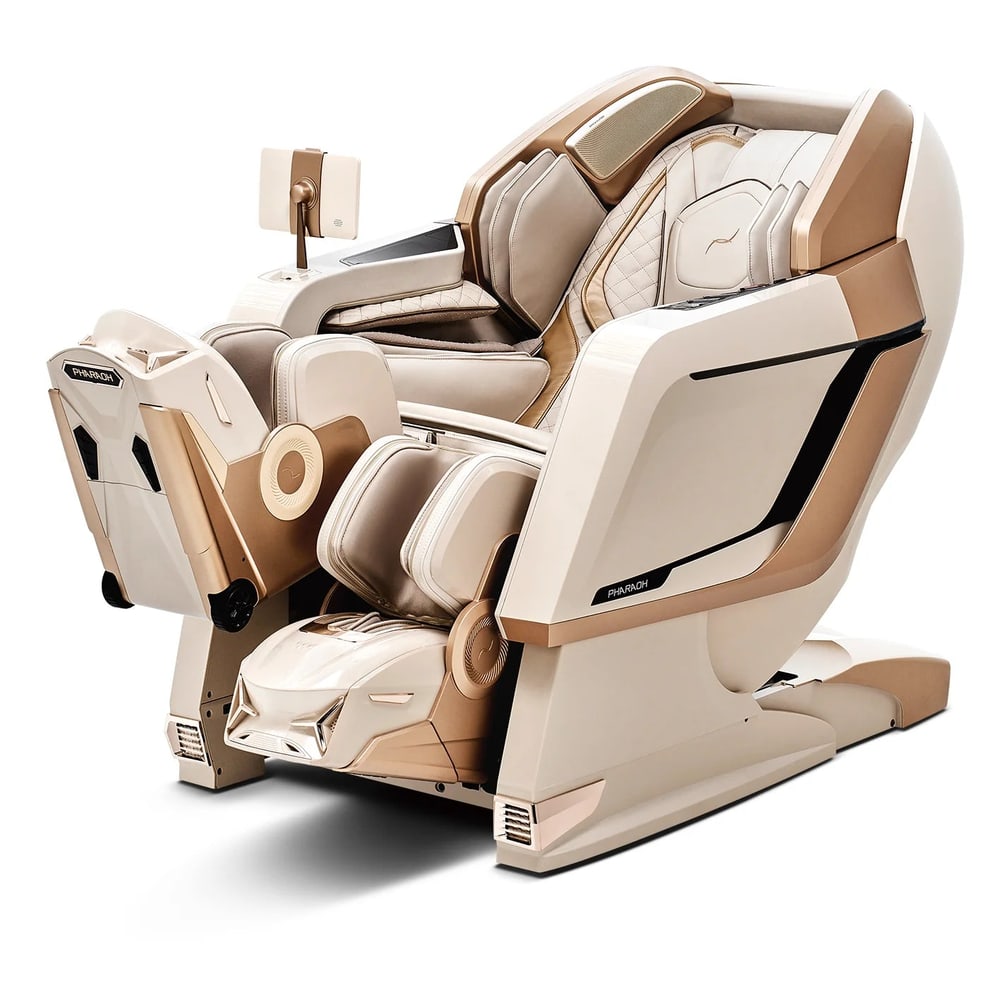
- Its own US site lists the flagships at prices that surprise people: the Falcon Signature at $9,499, the Palace NEO at $11,999, the Medical Phantom at $10,000, and the Pharaoh NEO at $14,990, plus a MINI accessory line (massage guns, calf and neck massagers) at $149–$349.
Costco — the korean massage chair costco query — periodically carries Korean-brand chairs at warehouse pricing, which is worth checking before any purchase, but the stock rotates and is not a catalog.
As an Amazon Associate, EpicKor may earn from qualifying purchases. Bodyfriend's own Amazon store is where the realistic models live: the Familie 3D is the compact family entry, while the flagship Falcon XD 4D and the former-flagship Phantom 2 currently have no in-stock offer on Amazon US. Measure the doorway before any of them — these arrive as one large piece.
See Familie 3D on AmazonThe Safety Section — Read This If Children Visit
This is the part of the Korean record that has not crossed into English, and it is the most important thing on this page.
Korea's consumer agency (한국소비자원) analyzed its injury-surveillance system and found 631 massage-chair injury reports over 44 months (January 2017 – August 2020), 178 of them with actual bodily harm. The detail that matters: the largest single age group was children aged 0–6, at 25.8 percent — and among those infant and toddler cases, more than half were crush or entrapment injuries, overwhelmingly in the legs and feet.
The mechanism is specific. Motorized chairs open and close their leg-massager section automatically — when measuring the user's body, or during certain modes. A small child playing in or beside the chair can be caught in the closing gap. In 2019, a one-year-old in Korea died after being trapped at the chest in a chair's leg-length adjustment section.
And the single most counterintuitive fact, straight from the agency's guidance: if someone is caught, do not cut the power. Several models, when switched off or unplugged mid-cycle, contract or return to their resting position — tightening the trap. Use the controller to reverse or open the mechanism; pulling the plug can make it worse.
Practical rules Korean households are told, and any household should follow: use the child-lock if the model has one, do not let children play in or around the chair, keep the remote out of reach, and treat the chair like the motorized machine it is rather than furniture. Adults are not exempt either — Korean guidance flags caution for osteoporosis, recent surgery, pregnancy, and pacemakers, and recommends sessions in the 20-minute range rather than hour-long sits.
None of this makes the product dangerous in ordinary adult use. It makes it a machine with a motor strong enough to knead a human body, which deserves the same respect as any other such machine.
Do You Actually Need One?
The case for buying: someone in the household will sit in it daily — the retired parent with a stiff back, the person on their feet all day. At daily use, the per-session economics beat massage appointments inside a year or two, and the Korean gift logic genuinely translates: it is a way to give a parent rest they will not buy themselves.
The case against: it is the most expensive nap furniture on earth if it gets used twice a month. It occupies real floor area. And a chair is a commitment to one body position — people with specific problem areas sometimes do better with targeted devices.
The staged path, honestly ranked as ever: a $150–350 targeted massager — neck-and-shoulder, calf, or a massage gun, all of which Bodyfriend now sells as its MINI line — answers the question "will this household actually use mechanical massage daily?" for two percent of the flagship's price. If the small device gets fought over, the chair is a justified purchase, and if it gathers dust, the chair would have too.
Start small before you commit floor space: a heated neck-and-shoulder massager or massage gun proves the daily-use habit first. If it sticks, revisit the chairs above — and if children are ever in the room, make the child-lock a requirement, not a feature. EpicKor may earn from qualifying purchases at no extra cost to you.
FAQ
Q: Why are massage chairs so popular in Korea?
Three reasons stacked: a formal gift culture where adult children buy parents substantial presents twice a year, a rental system that turns a multi-million-won price into a monthly fee, and a body-care culture — saunas, massage as family affection — that never needed convincing. The chair became the standard "rest your body" gift to parents.
Q: Is Bodyfriend a good brand?
It is Korea's market leader and the company that built the modern category — strong design, heavy R&D marketing, and now an official US presence with its own Amazon store. Its main Korean rival is Ceragem, which leads on consolidated revenue while Bodyfriend leads standalone revenue and margins. Neither is a budget brand; both compete on being the premium choice.
Q: How much does a Bodyfriend massage chair cost?
In the US as of August 2026: the compact and mid lines are sold through Bodyfriend's Amazon storefront (check the current price there), and the flagships list at $9,499–$14,990 (Falcon Signature, Palace NEO, Medical Phantom, Pharaoh NEO) on Bodyfriend's own site. In Korea, most households rent monthly instead of buying outright.
Q: Are massage chairs safe for children?
They need real precautions. Korea's consumer agency found children aged 0–6 were the largest injured group in its massage-chair injury data, mostly crush and entrapment injuries in the motorized leg section. Use the child-lock, keep children from playing in or around the chair — and if someone is ever caught, use the controller to open the mechanism rather than cutting power, because some models tighten when switched off.
Q: Massage chair vs massage gun — which should I get first?
The gun, or a neck-and-shoulder unit. The honest test of a massage chair is whether mechanical massage becomes a daily habit, and a $150 device answers that before you commit thousands of dollars and a chair-sized patch of floor. If the small device is used daily, the chair upgrade will be too.
Q: Do Koreans really rent massage chairs?
Yes — monthly rental on multi-year terms has been the mainstream way to get one since Bodyfriend introduced it in 2009, borrowing the model Korean water-purifier companies proved. It is the same logic covered in our bidet and rental-appliance guide: Korea pays for expensive home equipment the way other countries pay for phones.
Sources Checked
- Korean business coverage of Bodyfriend's founding and growth: the 2007 founding by Cho Kyung-hee and Lee Dong-hwan, first-year revenue of ₩2.7 billion, the 2009 rental introduction and its role in mass-marketing the category — Edaily on the design-and-rental strategy, Dealsite IPO coverage
- Hankook Ilbo on Bodyfriend overtaking Japan's originating industry within roughly a decade
- Korean 2025 industry reporting on the Bodyfriend–Ceragem rivalry: Ceragem's 2021 revenue takeover, consolidated revenue of about ₩546 billion, and Bodyfriend's reclaimed standalone-revenue lead with stronger profitability — EKN, Bizwatch
- Korea Consumer Agency (한국소비자원) injury-surveillance findings: 631 massage-chair reports January 2017–August 2020, 178 with bodily harm, 25.8% aged 0–6, entrapment mechanism in the motorized leg section, the 2019 infant fatality, and the do-not-cut-power guidance — consumer.go.kr safety notice, YTN coverage
- Bodyfriend's US site product feed and Amazon storefront, checked August 2026, for current US models and prices ($9,499 Falcon Signature, $11,999 Palace NEO, $10,000 Medical Phantom, $14,990 Pharaoh NEO, MINI line $149–$349)
You Might Also Like
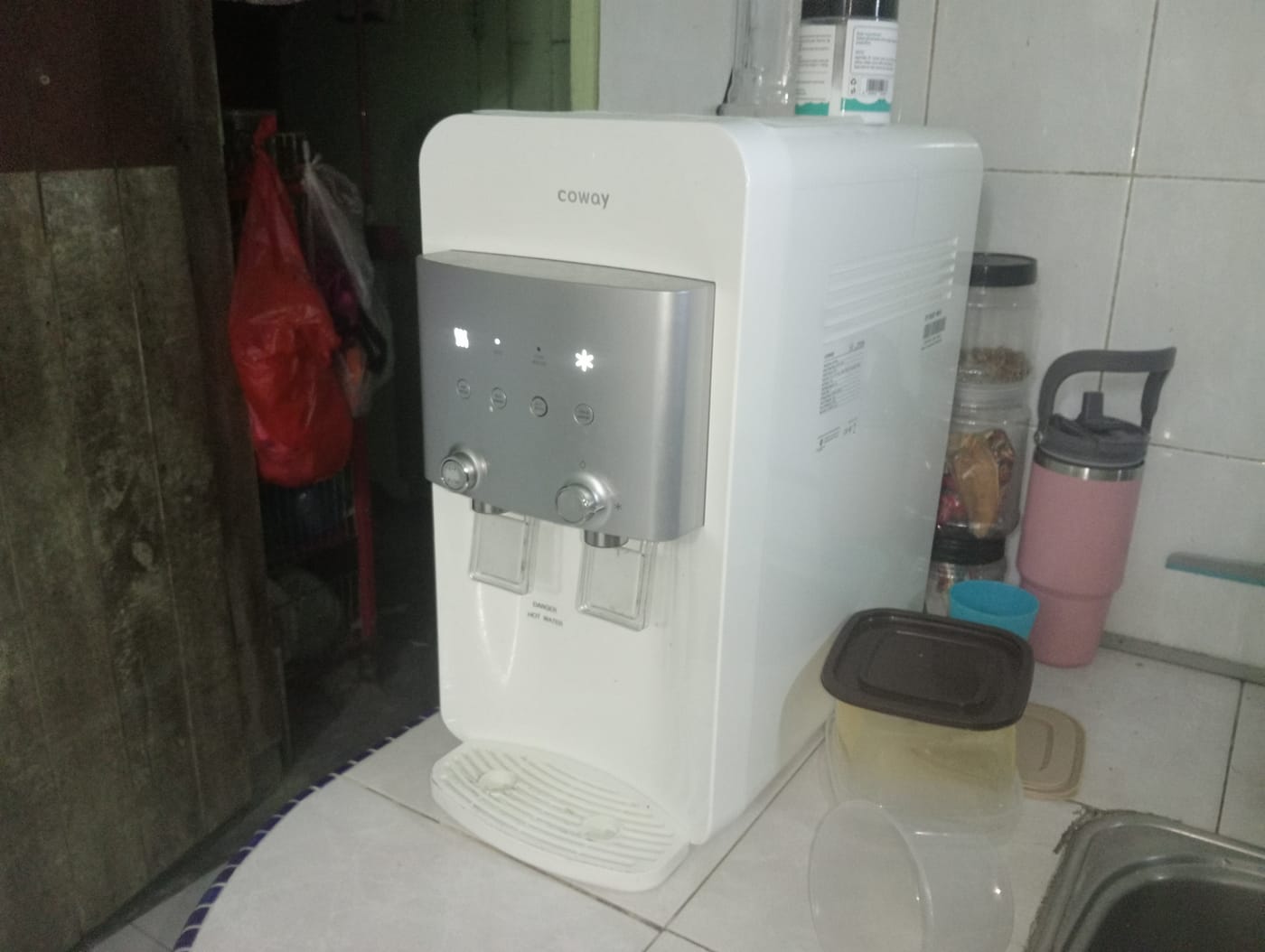
Korean Water Purifiers: The 1998 Rental Bet That Built Coway's Empire
In the worst month of Korea's IMF crisis, a water purifier company started lending machines instead of selling them. That decision built a ₩4 trillion empire, invented Korea's rental economy, and explains half the appliances on this site.
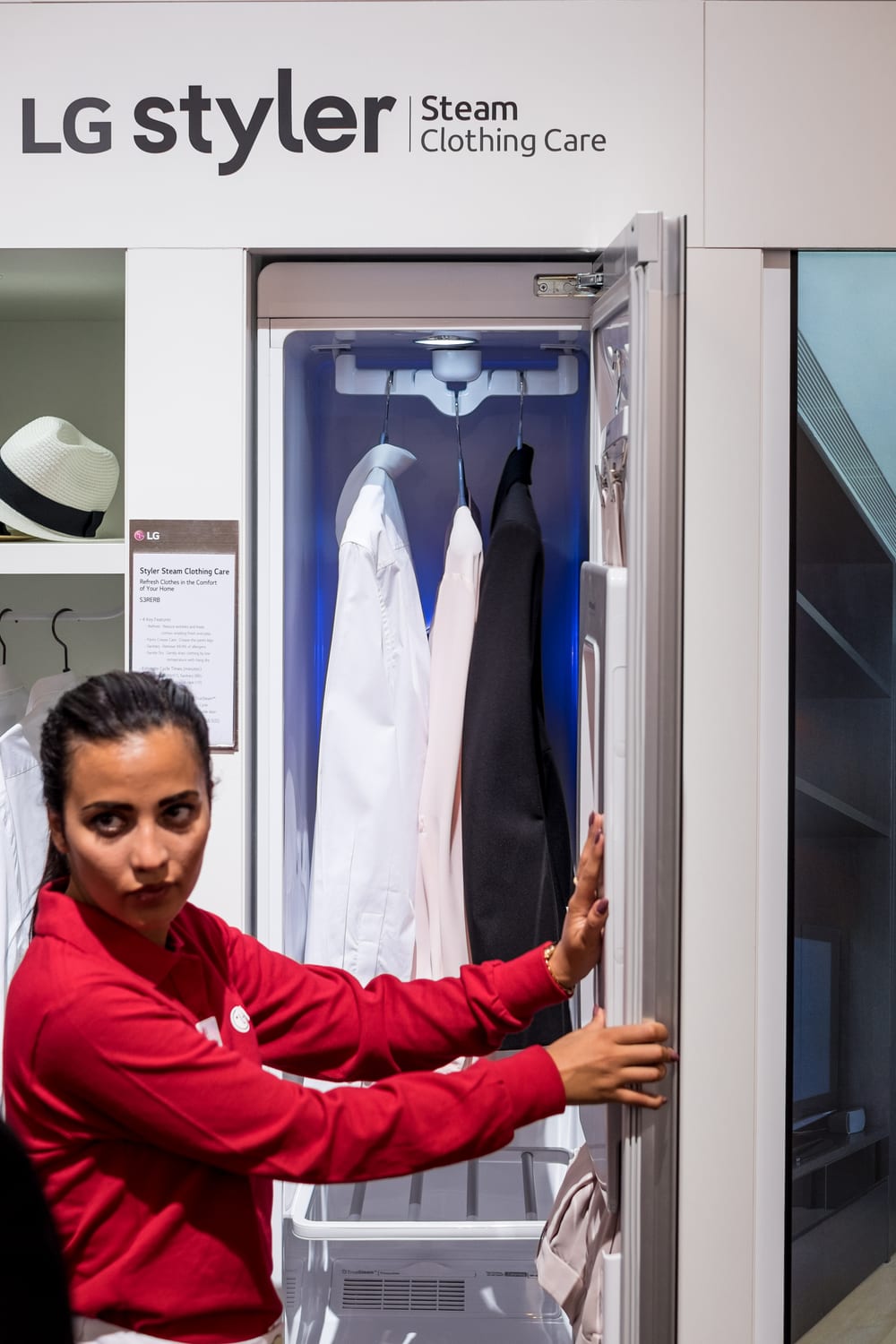
LG Styler Explained: Why Korea Invented a Closet That Shakes Your Clothes
Korea invented a closet that steams, shakes and de-smells clothes, and now every Korean apartment tour shows one. What the LG Styler actually does, the nine-year story behind it, LG vs Samsung's rival machine, and who should not buy one.
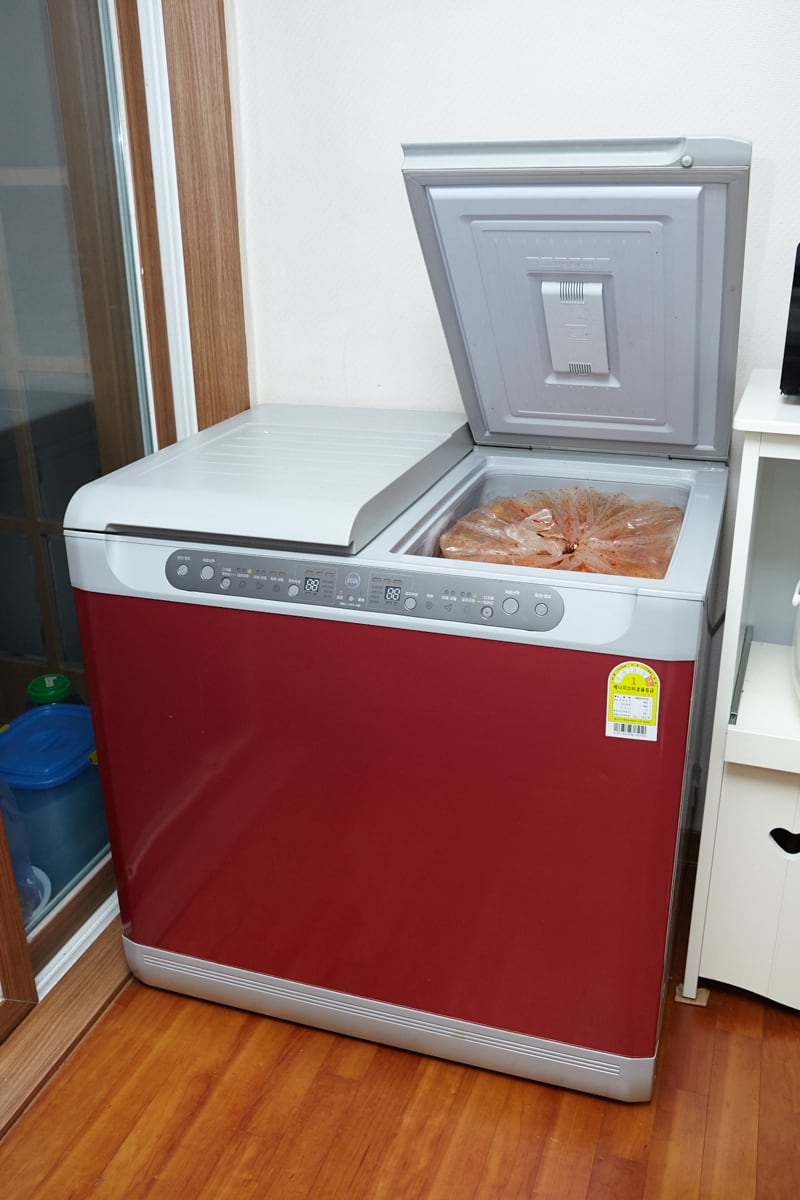
Kimchi Refrigerators Explained: Why Korea Built a Fridge for One Food
Korea invented a second refrigerator that exists only to store kimchi at the temperature of winter earth. Here is why it exists, how it works, what happened to the company that invented it six weeks ago, and what to check before buying one abroad.