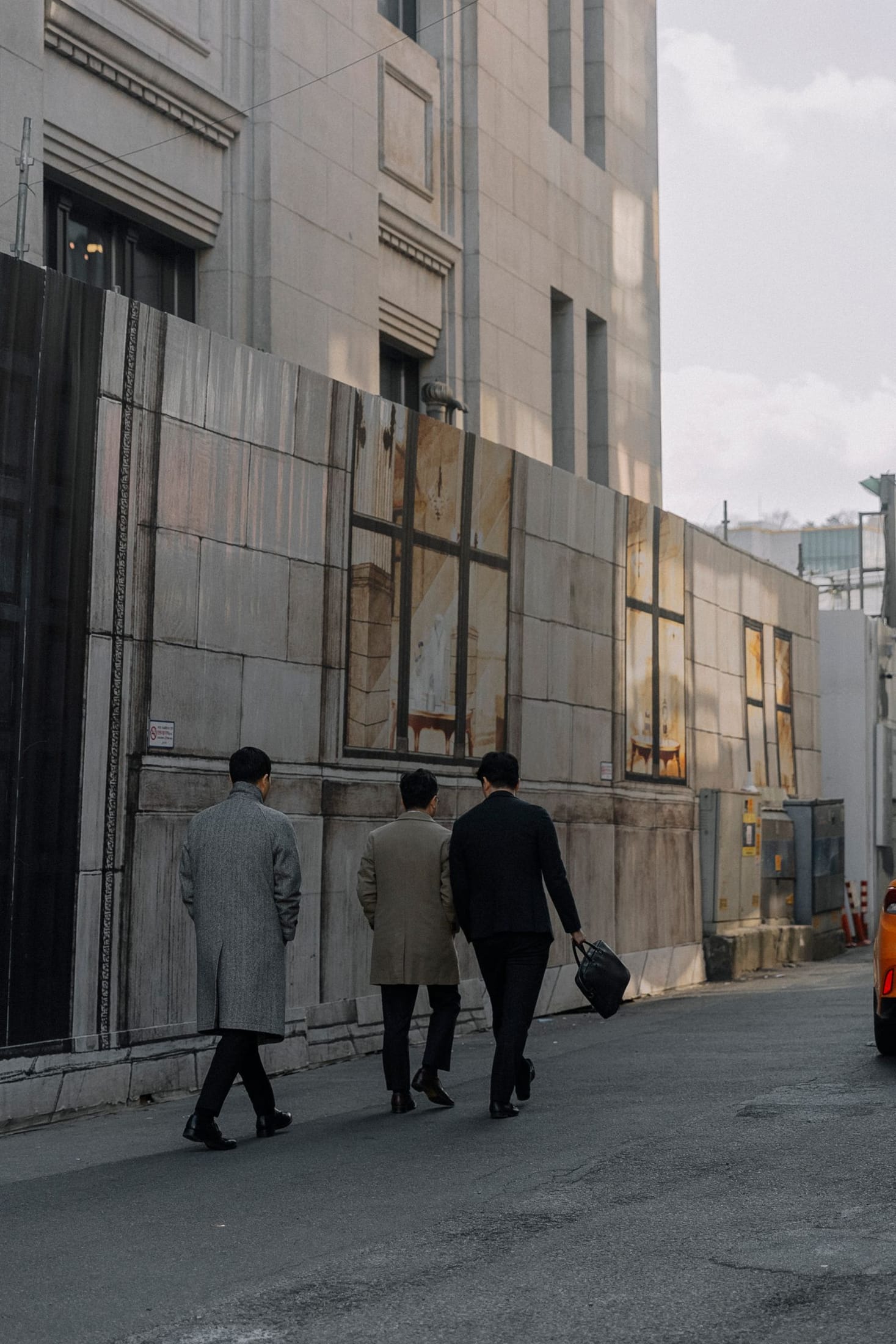
Kkondae (꼰대) Explained: Korea's Word for the Boss Who Knows Best
Here's what nobody tells you about kkondae (꼰대): the person most likely to call someone else a kkondae is often, statistically, well on their way to becoming one. A 2023 survey of Korean office workers found that nearly half — 47% — admitted they expect to eventually become a kkondae themselves, and about 3 in 10 already think they are one. This isn't a word Koreans use lightly about "old people." It's a word Korean workplaces use constantly, about bosses and juniors, 20-somethings and 50-somethings alike, and the data shows it has almost nothing to do with age.
If you've spent any time around Korean coworkers, in a K-drama office scene, or reading about Korean workplace culture, you've probably run into the word. Most guides translate it as "old fogey" or Korea's version of "OK boomer" and leave it there. That undersells it. Kkondae is a specific, measurable, widely surveyed personality pattern — Korean researchers have built actual psychometric scales to score it — and understanding it tells you more about how Korean hierarchy actually works than almost any other single word. It belongs in the same family as our guides to ahjussi and Korean address terms and jeong, the untranslatable Korean bond — words that unlock how Korea actually works underneath the surface.
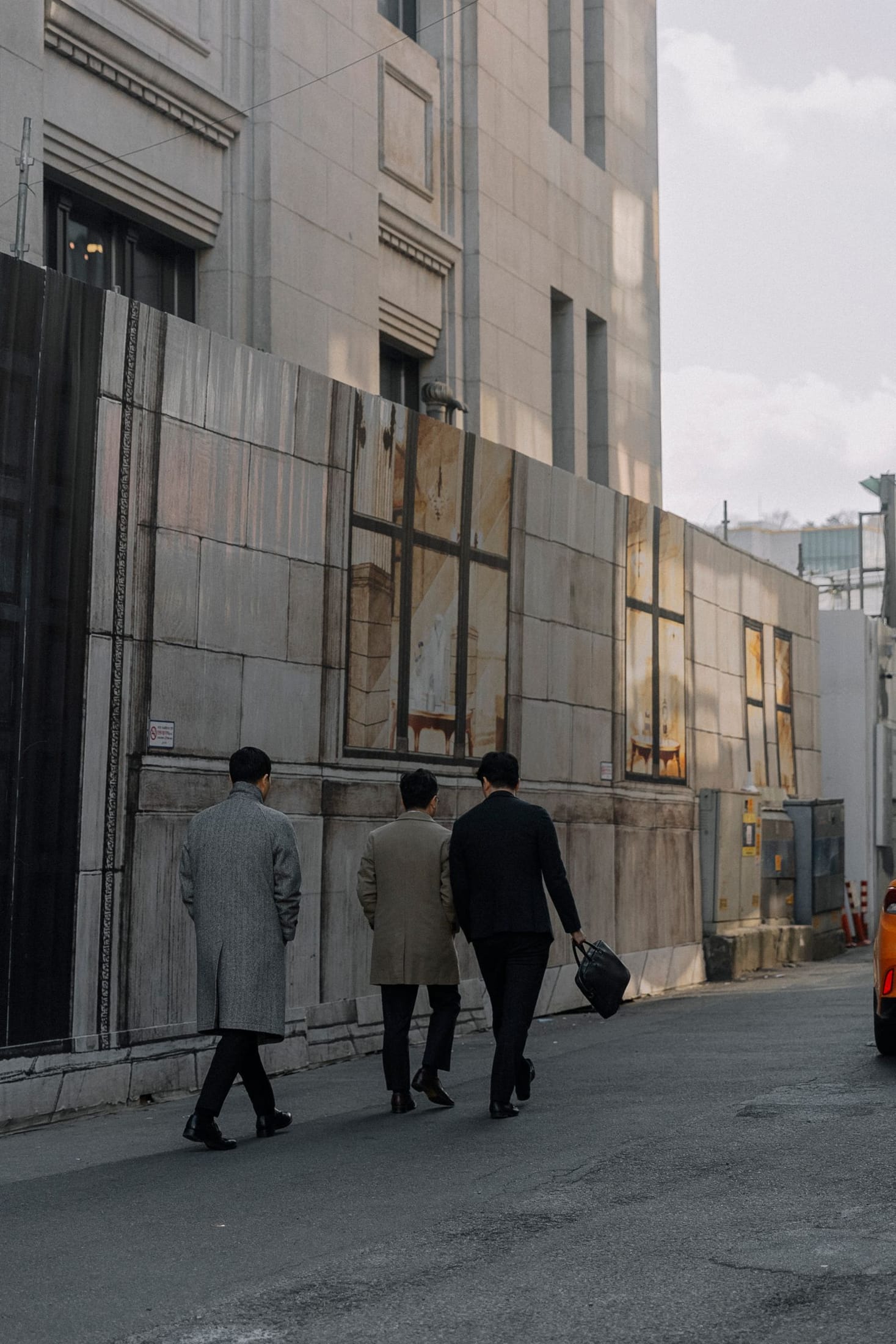
Korean culture and history books — compare on AmazonAffiliate link. As an Amazon Associate, EpicKor earns from qualifying purchases at no extra cost to you.
What Kkondae Actually Means
The literal, older meaning of 꼰대 is simply slang for "old man," and in student slang it meant "teacher" — the Korean government's own National Institute of Korean Language lists both senses in its standard dictionary. The word's exact origin is genuinely disputed. One theory traces it to a Gyeongsang-region dialect word for a silkworm pupa, whose wrinkled shell supposedly resembled an old man's wrinkled skin. A more widely repeated but far shakier story claims it comes from the French word comte ("count"), filtered through Japanese pronunciation and adopted by pro-Japanese Korean collaborators who held colonial-era noble titles. Korean linguists have pushed back hard on this second theory — it doesn't fit the historical timeline, doesn't explain the word's original neutral meaning, and doesn't appear in any serious scholarship before it went viral online. Treat it as a fun rumor, not settled etymology.
What's not disputed is how the word evolved. Kkondae started shifting from "old man" toward "condescending person" in the late 1960s, when students began using it for teachers who clung to outdated ideas as Korea industrialized fast around them. Today it describes someone — of any age — who insists their own experience is the only correct way to do things, refuses to genuinely listen to juniors, and expects deference they haven't actually earned.
It's a Behavior, Not an Age Bracket
This is the detail that separates a real explanation of kkondae from a lazy one: modern Korean survey data consistently shows that age is not the main driver. A December 2023 survey of 1,000 workers by market research firm Embrain Trend Monitor found that only 29.2% considered age the primary factor in kkondae behavior — meaning roughly seven in ten pointed to something else entirely. The traits people actually blamed were an authoritarian mindset (62%), plain stubbornness (58.7%), and poor communication (53.7%).
That's why Korean workplace conversation now has a specific term for the twist nobody expects: 젊은 꼰대 (jeomeun kkondae), "young kkondae" — a person in their 20s or 30s who criticizes their own boss as old-fashioned while turning around and demanding the exact same rigid obedience from people junior to them. Job platform Saramin surveyed nearly 1,000 office workers and found 71% said their workplace has a young kkondae. The most-cited young-kkondae habits were treating limited personal experience as universal truth (24.4%), performing open-mindedness and then quietly overruling everyone anyway (18.6%), and demanding hierarchical obedience despite being junior themselves (14.3%). The same survey turned up a mirror-image term, 역꼰대 (yeok-kkondae), "reverse kkondae" — younger employees who flip the hierarchy and pressure their seniors — reported by 40% of respondents.
Academic researchers have taken the concept seriously enough to build a validated measurement tool for it. A peer-reviewed Korean psychology study developed a "kkondae tendency scale" and tested it on 880 working adults, landing on four measurable factors: authoritarianism, self-centeredness, rigid ("inertial") thinking, and one-sided communication. Notice what's missing from that list — a birth year.
Take the Kkondae Test
The self-awareness angle is real, and it's more organized than you'd expect. In 2025, Korean job platform JobKorea published a 15-question "kkondae self-diagnosis test" (꼰대력 자가진단 테스트), a simple yes/no checklist that scores respondents into three bands: low risk (0-4 "yes" answers), caution (5-9), and high risk (10-15). The traits it screens for line up closely with what the surveys above found matters most.
| Common kkondae pattern | What it sounds like |
|---|---|
| Treating personal experience as universal law | "Back when I was your age, we never complained about this." |
| Fake open-mindedness | Asking for honest feedback, then overruling it the moment it's offered |
| Reflexive dismissal of anything new | "Kids these days don't know how good they have it." |
| Demanding rank-based deference | Expecting agreement because of seniority, not because the point is actually right |
| Refusing new tools or methods on principle | "The old way worked fine, why change it now?" |
There's also a widely recirculated internet meme that maps kkondae speech onto the journalistic "5W1H" framework — who, what, when, where, why, how — with a stock kkondae line for each: "Do you know who I am?" for who, "Back in my day..." for when, "How dare you" for where, "What would you know?" for what. No single person invented it; different Korean blogs and forums keep independently reposting their own version, which is itself a sign of how recognizable the pattern is.
Want more of this kind of cultural decoding? As an Amazon Associate, EpicKor may earn from qualifying purchases. Browse Korean culture and history books for well-reviewed English-language reads that go past the surface-level tourist version of Korea.
Why Korean Offices Are Especially Prone to This
Kkondae isn't a random personality flaw that happens to show up more in Korea — it's arguably a predictable output of how Korean workplace hierarchy is structured. A large-scale study by the Korea Chamber of Commerce and Industry, covering roughly 13,000 employees across 30 large and mid-sized companies, found that 63.9% of workers feel a real generational gap at work, and that the sense of friction rises with seniority: 52.9% of workers in their 20s feel it, climbing to 69.4% among workers in their 40s.

Sociologist Byoung-Hoon Lee of Chung-Ang University, speaking to the BBC, traced the mindset back further than any individual manager's personality: older generations were "brought up under nationalism where the nation's economic growth was the priority" — a mindset built for Korea's rapid postwar industrialization, where obedience and hard work were treated as moral virtues, not just workplace expectations. Younger workers, Lee argues, have shifted toward worabel — a Konglish blend of "work" and "life balance" — as the priority instead, and that value gap is where kkondae friction actually comes from. It's less "old people are annoying" and more two genuinely different operating systems for what work is supposed to demand of you, colliding inside the same rigid, rank-based office structure.
The Language Itself Reinforces It
Part of why kkondae behavior is so easy to fall into in Korea is that the language gives seniority a built-in megaphone. Korean speech comes in formality levels tied directly to age and rank — juniors default to polite or honorific speech toward seniors, while seniors can drop into casual speech (반말, banmal) with juniors without asking. That's not inherently a kkondae move; it's just how the grammar works. But it means the mechanics of condescension are already baked into ordinary conversation, so a senior who wants to lecture, interrupt, or dismiss a junior doesn't even need to try — the speech levels do half the work for them. A junior pushing back, by contrast, has to do it in careful, hedged, formal language or risk sounding disrespectful regardless of how reasonable the point is. That asymmetry is a big part of why "just speak up" is much easier advice to give than to follow inside an actual Korean office.
It also explains why the institutional response has leaned toward structural fixes rather than just telling people to be nicer. South Korea's nationwide 52-hour maximum workweek policy, phased in for companies with 300 or more employees, is cited by BBC Worklife as one concrete legal response to exactly the values gap Professor Lee describes — younger workers pushing, successfully, for the law itself to enforce worabel rather than relying on individual managers to grant it as a favor. The fact that a body as mainstream as the Korea Chamber of Commerce and Industry ran a 13,000-employee study on generational friction at all is itself telling: this isn't a niche complaint confined to online venting, it's something Korea's own business establishment considers worth measuring at scale.
Kkondae vs. "OK Boomer" — Close, But Not the Same Thing
The comparison to "OK Boomer" gets drawn constantly, and it's a fair starting point: both terms started out as fairly neutral descriptors — kkondae simply meant "old man," boomer simply meant someone born between 1946 and 1964 — before generational friction turned each into an insult. A piece in the Kyungnam University student paper draws exactly this parallel, noting that young Koreans mock out-of-touch elders with kkondae and "나 때는 말이야" ("back in my day") memes the same way young Americans do with "OK Boomer."
But the comparison breaks down in one important place: "OK Boomer" is locked to a birth cohort. Kkondae isn't. As the "young kkondae" and "reverse kkondae" data above shows, Korean speakers apply the word based on behavior and rank, not year of birth — a 27-year-old team lead can absolutely earn the label. Kkondae is also more tightly wired into Korea's specific workplace hierarchy — its age-based speech levels, its seniority-first promotion culture, its Confucian-influenced deference norms — than "boomer" discourse, which tends to sprawl across politics, technology, and broader cultural complaints. One is a generation. The other is a management style that any generation can practice.
If you want a lighter cultural touchpoint for the same idea, the 2020 MBC drama Kkondae Intern built an entire show around the irony: a tyrannical former boss is forced to work as an intern under his old subordinate, and has to unlearn every habit that made him a kkondae in the first place.
Heading to Korea for work or a longer stay? As an Amazon Associate, EpicKor may earn from qualifying purchases. A few solid Korean phrasebooks will help you navigate the polite-speech layers that Korean office hierarchy runs on, kkondae or not.
See Korean phrasebooks on AmazonFrequently Asked Questions
Q: What does kkondae (꼰대) mean? Kkondae is Korean slang for a condescending person, usually a boss or senior, who imposes their own outdated experience on juniors and refuses to genuinely listen. It originally just meant "old man" before shifting toward this behavioral meaning in the late 1960s.
Q: Is kkondae only about old people? No. Multiple Korean workplace surveys show most respondents blame authoritarian attitude, stubbornness, and poor communication over actual age — one survey found only 29.2% considered age the main factor. The related term "young kkondae" (젊은 꼰대) specifically describes people in their 20s and 30s who show the same pattern.
Q: Where does the word kkondae come from? Its exact origin is disputed. The more credible theory traces it to a regional dialect word for a silkworm pupa, whose wrinkled shell resembled an old man's skin. A popular story about French "comte" filtering through Japanese colonial-era slang is widely repeated online but has been directly challenged by Korean linguists as unsupported by the historical timeline.
Q: Is there an actual test for being a kkondae? Yes. Korean job platform JobKorea publishes a 15-question yes/no self-diagnosis checklist that scores respondents into low-risk, caution, and high-risk bands based on how many kkondae-typical attitudes they recognize in themselves.
Q: How is kkondae different from "OK Boomer"? "OK Boomer" targets a specific birth generation. Kkondae is applied based on behavior and workplace rank, not age — Korean survey data repeatedly shows people in their 20s and 30s labeled as kkondae by their own juniors, something the "OK Boomer" framing doesn't really have room for.
The Bottom Line
Kkondae isn't really a word about age — it's a word about a very specific failure mode: mistaking your own past experience for a universal rulebook, and expecting obedience instead of earning agreement. That's exactly why it survived the jump from "grumpy old teacher" slang in the 1960s to a fully surveyed, psychometrically scored workplace phenomenon today, and why nearly half of Korean office workers privately admit they're worried about becoming one themselves.
Next time a coworker — of any age — starts a sentence with "back in my day," you'll know exactly what to call it.
Sources and further reading:
You Might Also Like
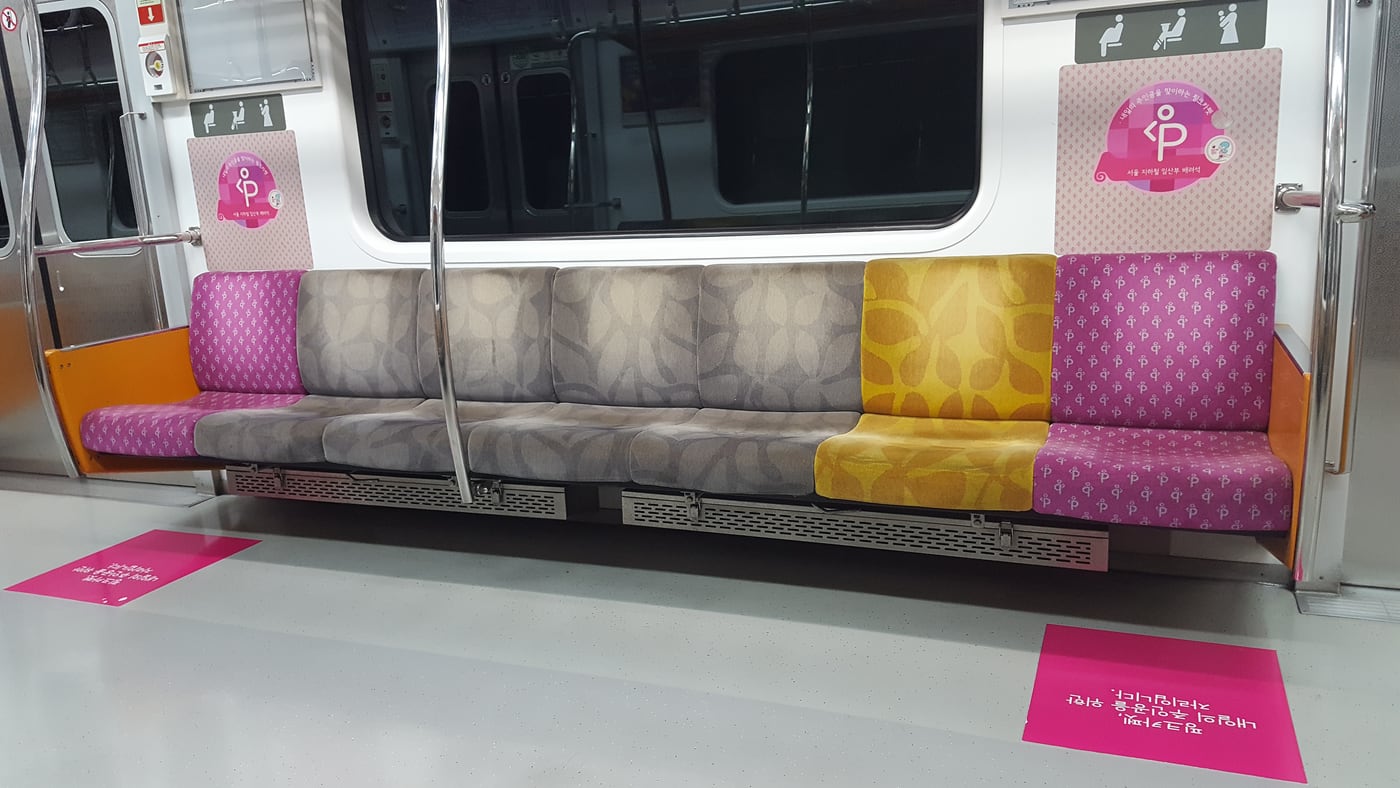
Seoul Deleted Its Women-Only Parking: What Korean Gender Policy Actually Is in 2026
Most English writing on Korean gender policy describes rules that were removed, renamed, or never existed. Seoul scrapped women-only parking in 2023, the ministry was renamed in 2025, and the famous five-point exam bonus went to men and ended in 1999.
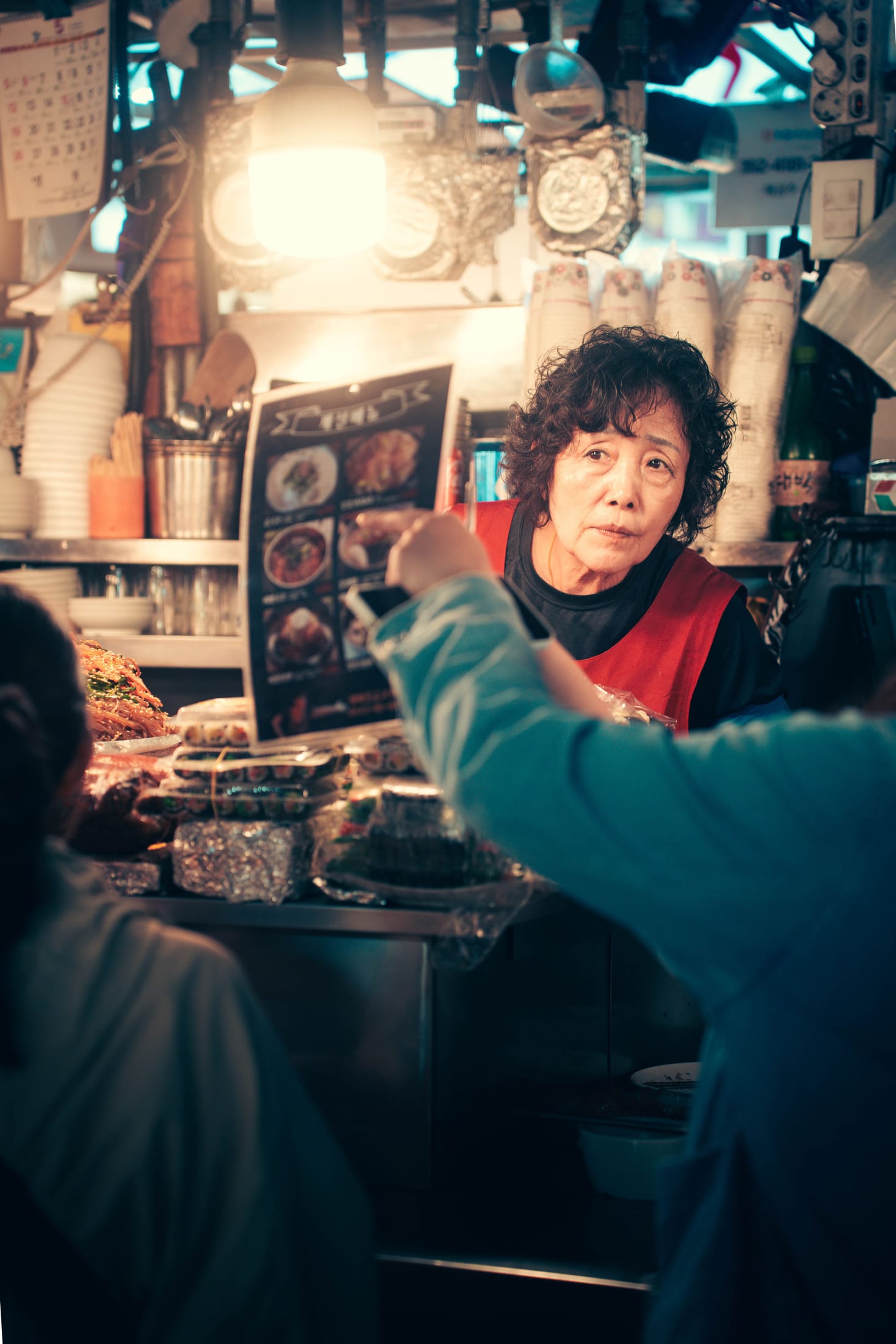
Jeong (정) Explained: The Korean Bond That Has No English Word
Jeong (정) explained: the untranslatable Korean bond of warmth and attachment, where you'll feel it as a visitor, and why it can turn sour too.
Lookism in Korea Explained: Beauty Standards, Jobs, Daily Life
Lookism in Korea explained: what oemo jisang juui means, resume photos and hiring, the beauty economy, Escape the Corset, and what travelers notice.