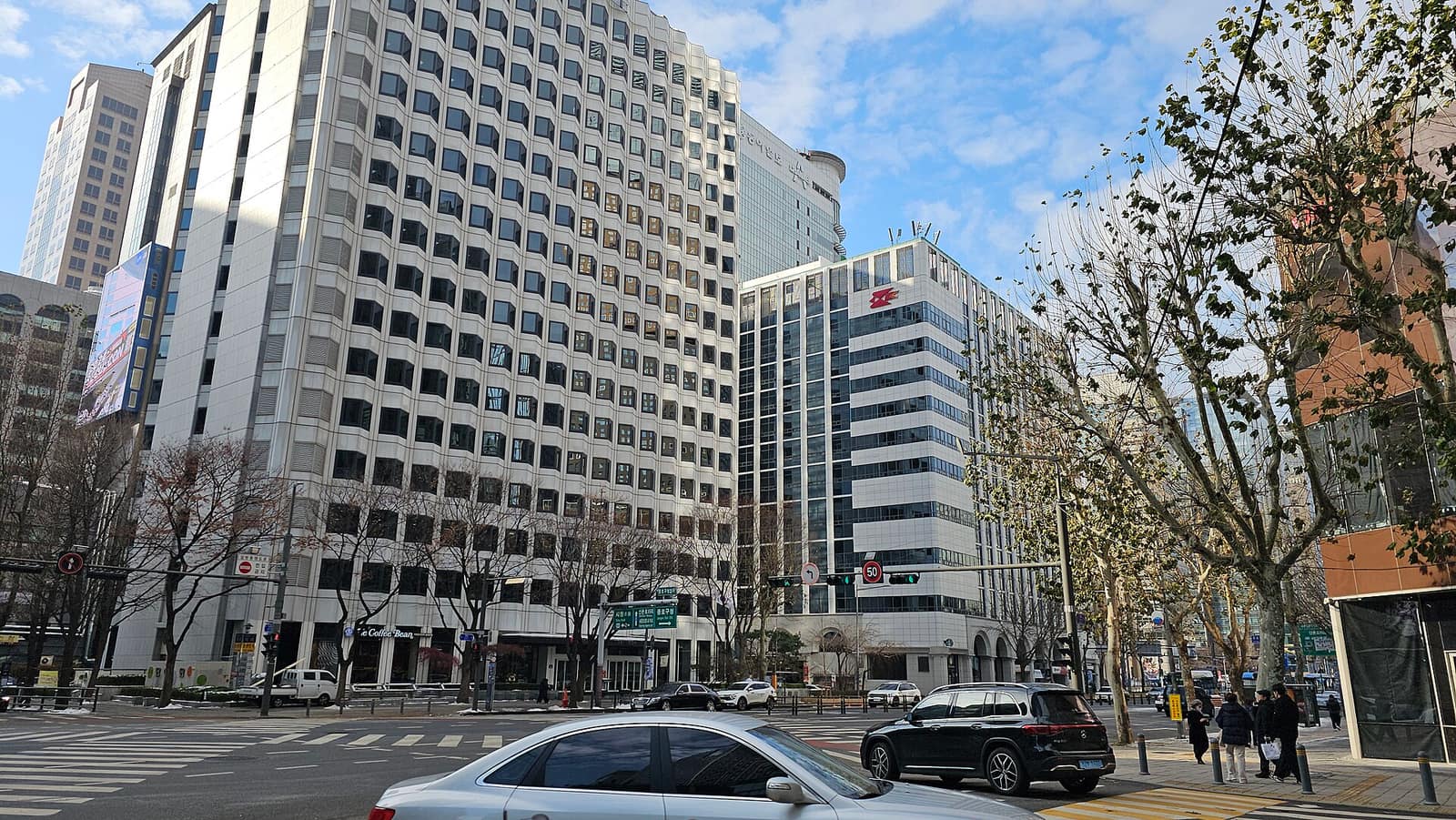
Korea Work Culture: Hours, Hoesik, and Work-Life Balance
Korea work culture is often summarized as "work hard, play hard," but that phrase can hide more than it explains. The real story is a tension between speed and exhaustion, group loyalty and personal boundaries, late-night hoesik dinners and a younger generation that talks openly about work-life balance. Korea is still intense, but it is not frozen in the old office-drinking stereotype.
This guide explains the moving parts: why palli-palli speed became a cultural shorthand, how legal working-hour limits changed the conversation, what hoesik means now, why alcohol culture is both social and risky, and how younger workers are pushing for a more sustainable rhythm.
The Short Answer: Is Korea Still Work Hard, Play Hard?
Yes, but with important qualifications. Korea still has a reputation for long hours, fast responses, after-work meals, and strong group expectations. At the same time, the maximum weekly working-hour framework, flexible work debates, younger worker preferences, and post-pandemic office changes have weakened the idea that every employee must stay late and drink with the team.
The old image is not entirely false. It is just incomplete. Some companies remain hierarchical and exhausting. Others are trying to compete for talent with better hours, remote-work options, fewer forced dinners, and more respectful communication. Industry, company size, manager style, age group, and team culture matter enormously.
| Culture Point | Old Stereotype | Current Reality | What Visitors Should Notice |
|---|---|---|---|
| Palli-palli speed | Everyone rushes everything | Fast service and quick replies still matter, but burnout is openly discussed | Speed is valued, but quality and boundaries are context-specific |
| Long hours | Office until the boss leaves | Legal limits and enforcement changed norms, though overtime pressure remains | Ask about actual team habits, not only policy |
| Hoesik | Mandatory all-night drinking | Many teams now shorten, soften, or skip drinking-heavy dinners | Polite refusal is more possible than before |
| Alcohol | Drinking proves loyalty | Still socially important in some groups, but health and harassment concerns are stronger | Know your limit and use non-alcoholic exits |
| Work-life balance | A foreign idea | Worabel is now a mainstream Korean term and expectation | Younger workers often value time as status |
Lonely Planet Korean Phrasebook & Dictionary — on AmazonAffiliate link. As an Amazon Associate, EpicKor earns from qualifying purchases at no extra cost to you.
Palli-Palli: Why Speed Became a National Habit
Palli-palli means "quickly, quickly." It is not just impatience. Korea rebuilt rapidly after war, industrialized at extraordinary speed, urbanized fast, and built a service culture where quick delivery, quick repair, quick response, and quick adaptation became competitive advantages. That history still shapes daily expectations.
You see it in food delivery, subway transfers, same-day services, office messaging, construction timelines, and the way people move through Seoul stations. It also appears in small workday rituals such as the fast post-lunch cafe run; EpicKor's iced Americano guide explains why that cold coffee cup became such a visible office-and-commute signal. Speed can be impressive. It can also become a pressure system where every request feels urgent, every reply must be immediate, and rest looks like weakness.
The useful way to read palli-palli is not "Koreans are impatient." It is "Korean systems often reward responsiveness." If you work with Korean teams, quick acknowledgment can matter even when the final answer takes longer. A short "I received this and will check" may prevent the silence from feeling disrespectful.
Working Hours: Law Changed the Baseline
Korea's Ministry of Employment and Labor explains that the amended Labor Standards Act reduced the maximum weekly working hours from 68 to 52 hours, combining regular work and overtime. The policy did not magically end overwork, but it changed the official baseline. It also made working hours a public policy issue rather than only a private company custom.
OECD working-hours data remains useful for tracking trends, though the OECD warns that cross-country comparisons of average annual hours require caution because sources and methods differ. The direction matters: Korea has been trying to reduce excessive work while still facing productivity, small-business, and enforcement challenges.
In practice, the law and the lived office can differ. Some workers still experience unpaid overtime, late messages, weekend pressure, or the expectation to be available. Others work in companies where leaving on time is normal. Always separate "Korean law," "company policy," and "my manager's behavior."
Hoesik: Company Dinner, Social Glue, and Boundary Test
Hoesik means a company meal or team dinner. In the older office model, it could function as unofficial work: a place where juniors bonded with seniors, managers tested loyalty, colleagues released stress, and the real conversation happened after office hours. Food, alcohol, hierarchy, jokes, and karaoke often blended into one long night.
That version still exists, but it is less universal than old articles suggest. Many workplaces now prefer shorter dinners, lunch gatherings, coffee, activity-based events, or optional attendance. Younger employees may view forced drinking as outdated, inefficient, or invasive. HR teams are also more aware of harassment and health risks.
The key is that hoesik can mean very different things depending on the team. A friendly Korean BBQ dinner that ends at 8:30 p.m. is not the same as a three-round drinking night that pressures a junior employee to perform loyalty. The word is the same; the culture can be completely different.
Make office dinners easier to navigate: As an Amazon Associate, EpicKor may earn from qualifying purchases. If you are joining a Korean workplace or long business trip, compare Korean phrasebooks and mark polite refusal, allergy, payment, and taxi phrases before your first hoesik.
See Korean phrasebooks on AmazonAlcohol Culture: Social, Useful, and Risky
Alcohol has played a visible role in Korean social life, especially in work dinners and group bonding. OECD's public-health review of Korea notes that overall recorded consumption can look near the OECD average while harmful patterns, frequent drinking among working men and young women, and heavy episodic drinking remain concerns. The same review describes workplace drinking as a social mechanism that can reduce hierarchy barriers but also contribute to harmful use.
That is the tension. Drinking may help a shy team talk. It may also pressure people to ignore health, religion, recovery, medication, pregnancy, driving, or simple preference. It can create a false sense that the "real" team member is the one who drinks more.
Modern Korean workplaces increasingly recognize that a person can belong without drinking heavily. If you need to refuse, keep it simple: medication, health, early schedule, no drinking today, or "I'll toast with soda." You do not need to deliver a lecture about alcohol culture at the table.
The Rounds System: From Dinner to Noraebang
The classic nightlife sequence is il-cha, i-cha, sam-cha: first round, second round, third round. A work group might begin with Korean BBQ or stew, move to beer or fried chicken, then end at noraebang. This structure makes Seoul nights feel energetic because the city offers many small venues close together.
For travelers, it can be fun. For workers, it can be exhausting if attendance feels mandatory. The best teams treat rounds as invitations, not tests. The worst teams treat leaving early as disloyal. Again, the same cultural form can feel warm or coercive depending on power dynamics.
If you are a foreign employee, learn the exit language early. Thank the host, praise the meal, mention an early start or health reason, and leave before the group moves locations. It is often easier to leave between rounds than halfway through one.
Worabel: Work-Life Balance in Korean
Worabel is a Korean shortening of "work-life balance." The word itself shows that the idea has become localized rather than imported. Korean workers do not only ask for less work; many ask for time to exercise, study, date, raise children, travel, sleep, or simply not perform company identity after hours.
This shift is not only generational rebellion. It is also economic. Long hours do not automatically create better productivity. Burnout increases turnover. Young workers compare employers online. Companies competing for skilled labor cannot rely only on hierarchy.
The change is uneven. A startup may be flexible but intense. A large company may have formal protections but strong hidden pressure. A public institution may be rule-bound but slow. A small business may depend heavily on owner behavior. Still, the direction is clear: the old heroic-overwork story no longer persuades everyone.
How Foreign Workers and Business Visitors Should Read the Room
If you work with Korean colleagues, do not assume silence means agreement. Hierarchy can make disagreement indirect. A junior employee may say "I will check" when they actually see a serious problem. A manager may expect quick updates even before the final answer. A team may prefer group alignment before a public meeting.
Good cross-cultural habits help:
- Confirm deadlines in writing.
- Acknowledge messages quickly even if the full answer takes time.
- Ask who needs to approve a decision.
- Do not embarrass a person publicly if a private correction works.
- Treat hoesik as relationship-building, but respect refusal and health boundaries.
For everyday Korean social cues outside work, see our guide to Korean address terms and things to know before traveling to Korea.
| Situation | Helpful Phrase | Why It Works |
|---|---|---|
| You need time to answer | "I received this and will confirm by tomorrow." | Gives speed without pretending certainty |
| You cannot drink | "I'm not drinking today, but I'll join the toast." | Shows participation without alcohol pressure |
| You must leave hoesik | "Thank you for dinner. I have an early schedule tomorrow." | Uses gratitude plus a practical reason |
| You disagree | "One risk I see is..." | Frames disagreement as project protection |
| You need a boundary | "I can handle this during work hours tomorrow." | Sets timing without sounding dismissive |
What Has Changed Since the Old Stereotype
The old story was simple: Koreans work late, drink late, sleep little, and repeat. Some workers still live versions of that pattern. But several forces are changing it: working-hour regulation, public-health awareness, younger worker expectations, women pushing back against after-hours exclusion, parents needing family time, hybrid-work experiments, and companies competing for talent.
This does not mean Korea has become relaxed. Seoul still moves fast. Offices can still be intense. Seniority still matters. But if you arrive expecting every company dinner to become a movie scene of forced soju and karaoke, you may miss the quieter reality: many Koreans are actively negotiating a better balance.
For late workdays and long commutes: Compare portable travel power banks if you rely on maps, translation, payment apps, and ride-hailing after office dinners or late Seoul meetings.
See portable travel power banks on AmazonSources and Further Reading
- Korea Ministry of Employment and Labor on labor standards and working hours
- MOEL working-hour policy and flexible work information
- OECD hours worked indicator
- OECD public-health review of harmful alcohol use in Korea
- OECD alcohol consumption indicator
FAQ
Q: Do Koreans really work longer hours than most countries? Korea has historically ranked high on working hours, but the trend and legal framework have changed. Use OECD data for trend context, and remember that actual experience differs by company and industry.
Q: Is hoesik mandatory? In a healthy workplace, it should not be. Some teams still apply pressure, but many now treat attendance and drinking more flexibly. The safest reading is to ask how your specific team handles it.
Q: Do I have to drink alcohol at a Korean company dinner? No. You can participate with soda, water, or a small symbolic toast depending on the situation. Health, medication, early schedule, or simply not drinking today are acceptable reasons in many modern settings.
Q: What does palli-palli mean? It means "quickly, quickly." In work culture, it points to Korea's high value on fast response, rapid execution, and visible momentum. It can be efficient, but it can also create burnout.
Q: What is worabel? Worabel is a Korean abbreviation of work-life balance. It reflects a mainstream desire for personal time, health, family, hobbies, and boundaries beyond the office.
Q: How should a foreigner adapt without being exploited? Be responsive, clear, and respectful, but set boundaries early. Confirm deadlines, document decisions, attend key relationship moments when useful, and avoid accepting unsafe alcohol or overtime pressure as "just culture."
Video Insight: Work and Play in Korea
You Might Also Like

Korean Intensity Culture: Food, Work, Sports, and Balance
A practical guide to Korean intensity culture, from hot soup and iced drinks to work speed, archery discipline, and why balance matters.
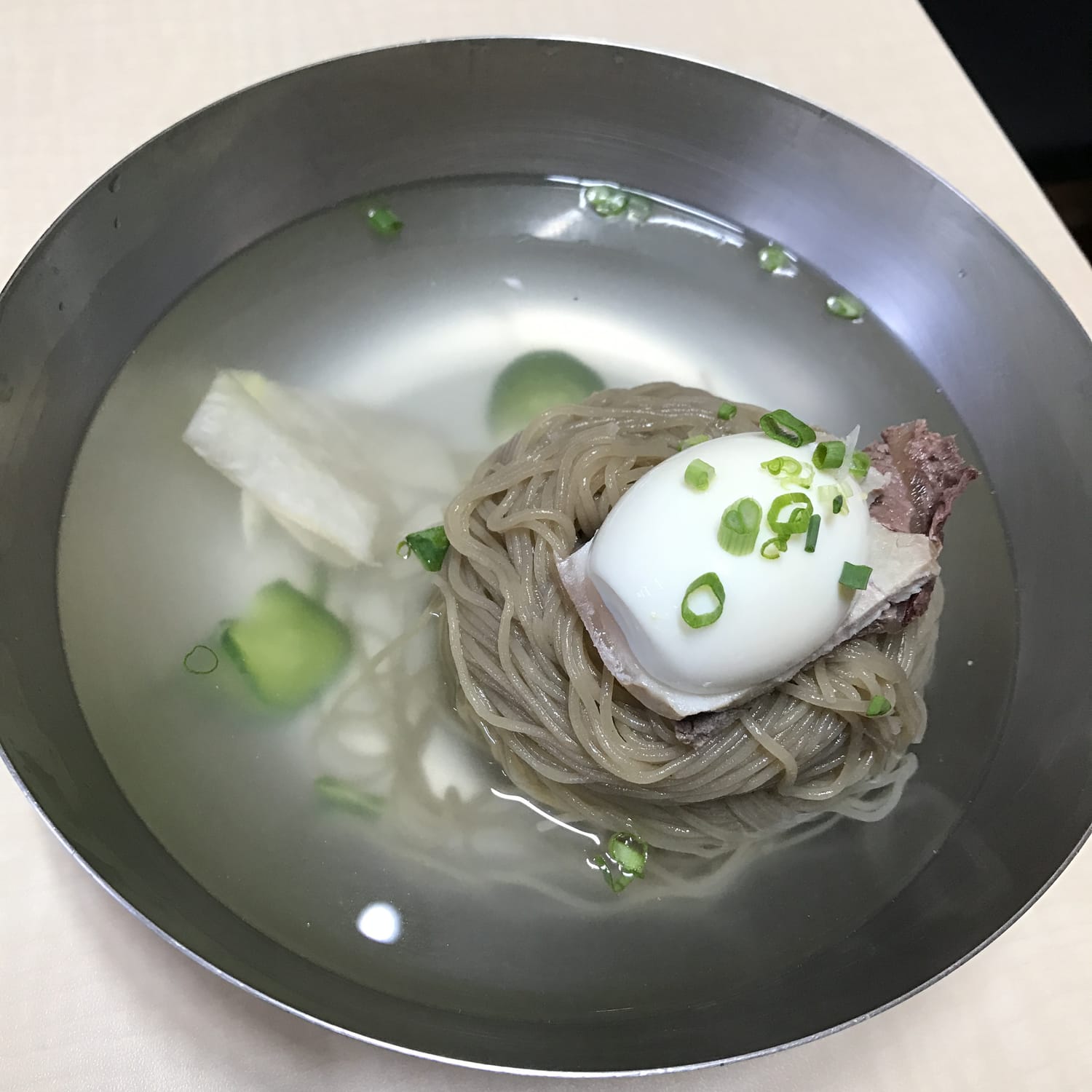
The One Korean Food Foreigners Never Learn to Love: Hamheung Naengmyeon, and Why Koreans Can't See the Problem
Foreigners who eat cheonggukjang and even hongeo still will not pay for this twice. A Korean creator who fed foreigners for years says naengmyeon was the overwhelming number one refusal, and Koreans, who rank it first every summer, cannot see why.
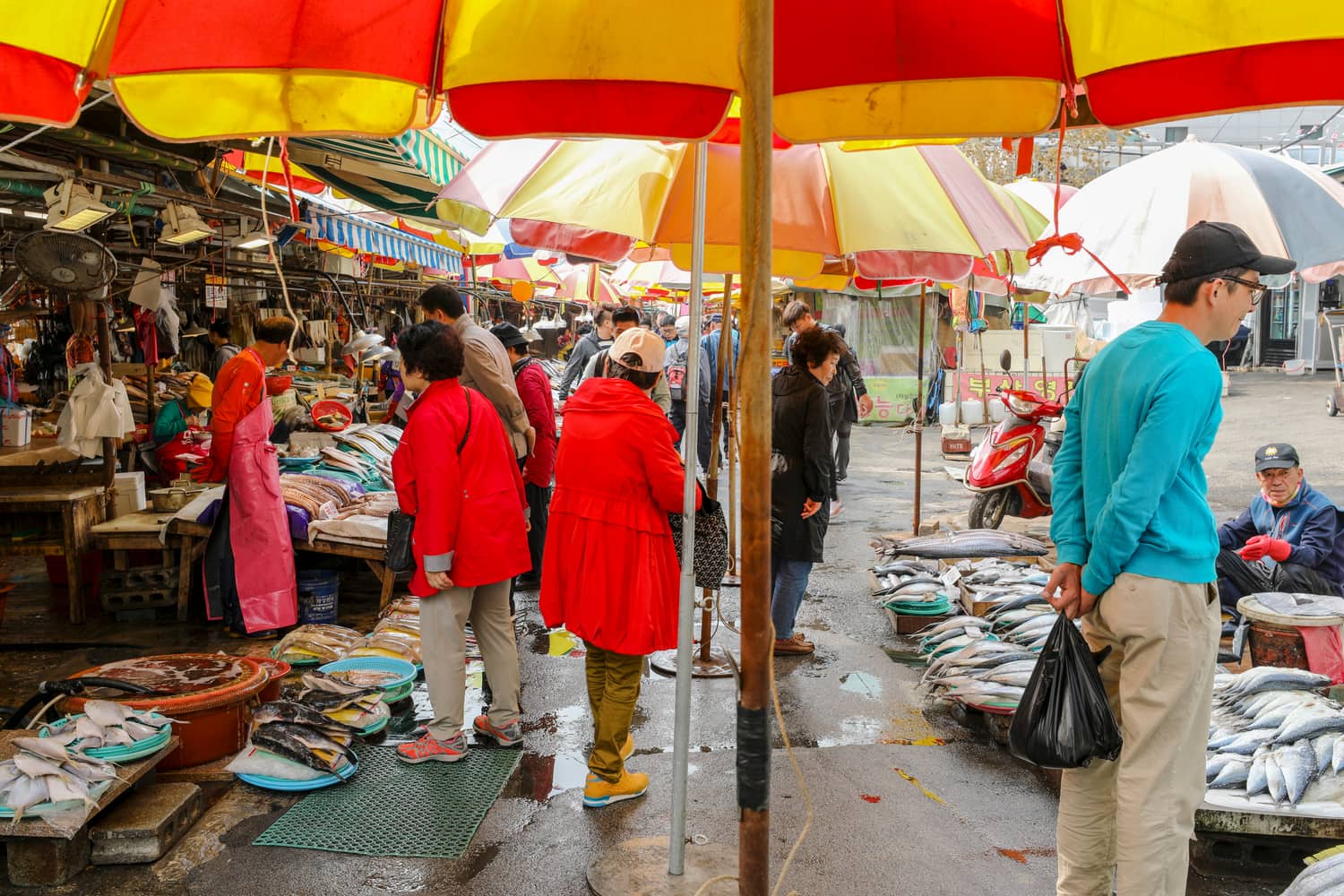
Why Do Koreans Stare at Foreigners? The 5% Country, and Where the Looking Actually Happens
In central Seoul nobody looks at you. In a provincial market, a small town or a subway car of grandmothers, they do. Korea only became a 5%-foreign country in 2025. Where the staring happens, what it means and does not mean, and what to do with it.