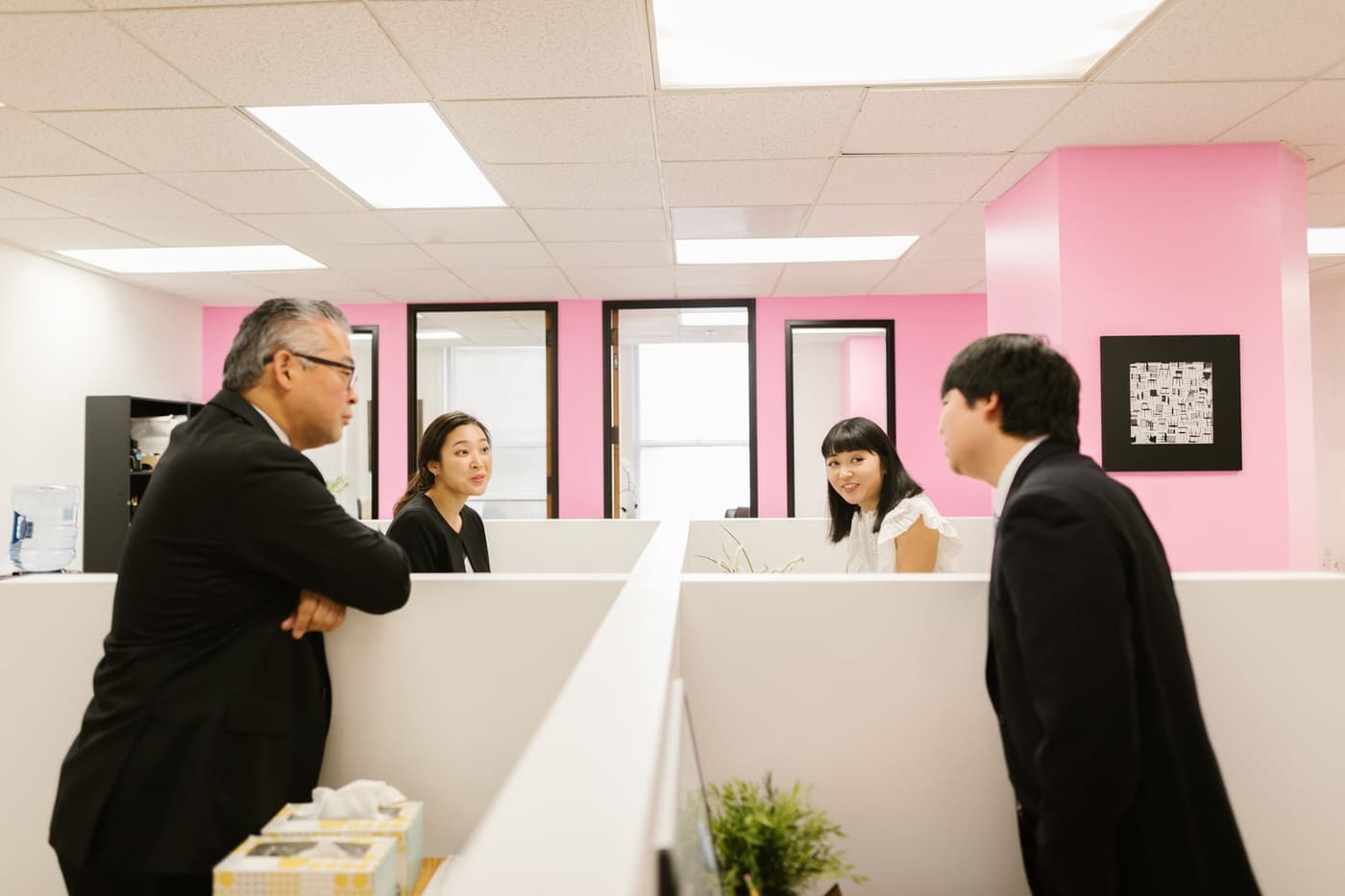
Korean Work Culture: Overtime, Hierarchy, and Hof Fridays
Korean work culture is not just about long hours.
That is the lazy version of the story.
The real version is more complicated: office hierarchy, group loyalty, quiet pressure, legal limits on working time, late-night KakaoTalk messages, younger workers pushing back, and the strange social power of fried chicken, beer, and a place simply called a hof.
If you are visiting Korea, working with a Korean team, joining a Korean company, or just trying to understand why so many K-dramas treat the office like a battlefield, the key is this: the job description tells you what someone does, but the culture tells you how people survive the day.
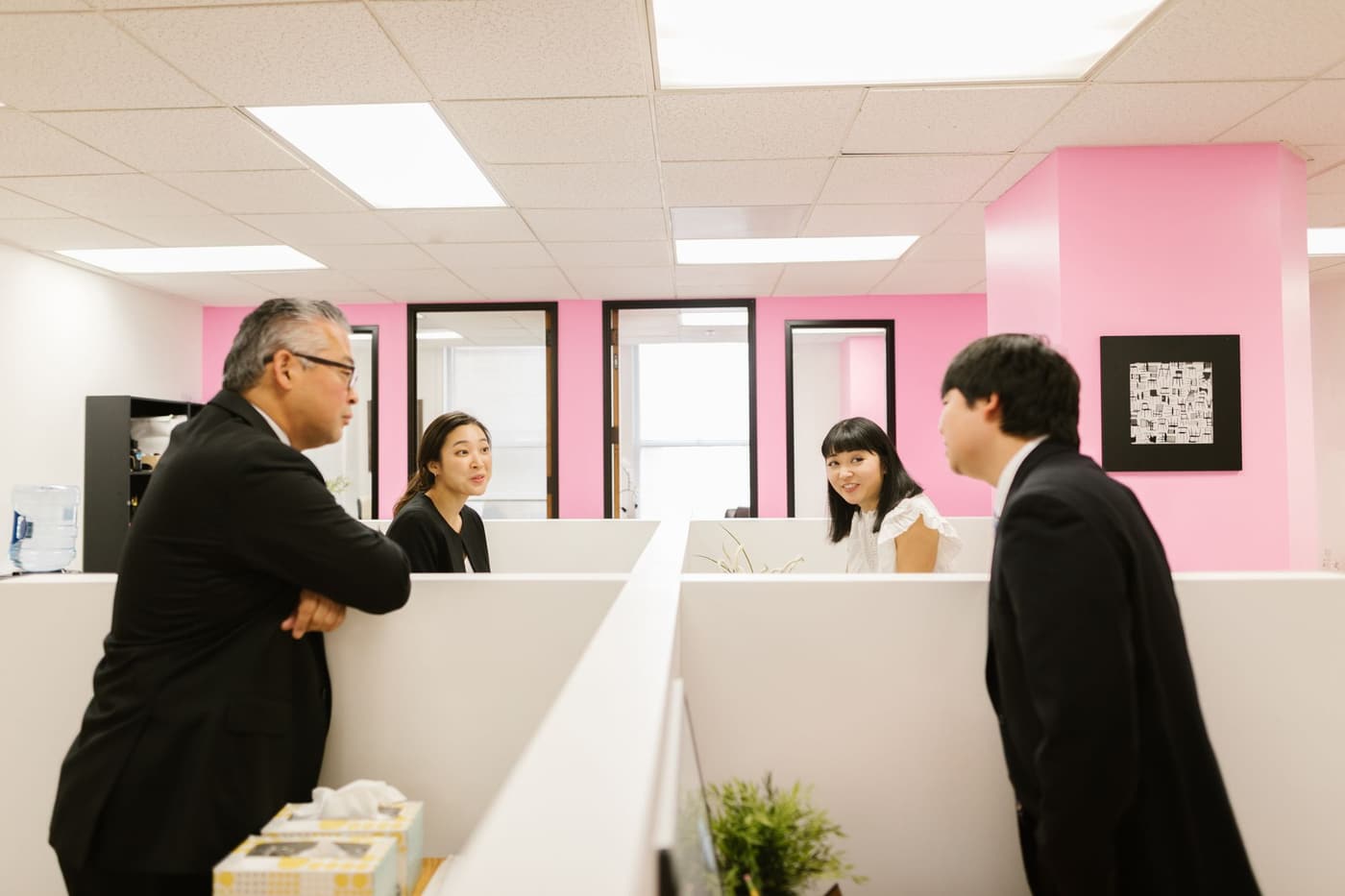
Korean Work Culture Starts With The Team, Not The Job Description
In many Western workplaces, the ideal employee is often described as independent, direct, and self-managing.
In many Korean workplaces, the ideal employee has traditionally been described in a different way: reliable, aware of the group, respectful toward seniors, and able to move without creating friction.
That difference changes everything.
You may hear people talk about nunchi, the ability to read a situation before everything is said out loud. In an office, nunchi can mean noticing when your manager is too busy to be interrupted, understanding that a "maybe" is actually a soft no, or realizing that a request is urgent even when nobody says "urgent."
A Korean colleague may not say, "I disagree with your plan." They may say, "That could be difficult," or "Maybe we should review it a little more." A manager may not say, "Stay late." They may ask, "Can we finish this today?" and everyone understands the emotional weather.
To be clear, this is changing. Younger employees, global companies, startups, and foreign-facing teams are much more likely to use direct feedback, flexible hours, English titles, and project-based communication. But the older pattern still matters, especially in large companies, traditional industries, public institutions, schools, and family-run businesses.
The team comes first. That can create loyalty, speed, and pressure at the same time. If everyone else is staying, leaving on time can feel like betrayal. If a group chat keeps moving after dinner, ignoring it may feel risky even when nobody formally ordered you to answer.
This is why Korean work culture is hard to understand from rules alone.
The formal rule may say one thing. The emotional expectation may say another. That gap is where most confusion happens.
Hierarchy Is Real, But It Is Not Always Obvious
Korean hierarchy is not only about age.
It is about age, company rank, school background, hiring year, team role, gender expectations, contract status, and sometimes who has the closer relationship with the decision-maker. That sounds exhausting because, honestly, it can be.
In a traditional Korean office, people may care a lot about titles such as sawon, daeri, gwajang, chajang, bujang, and imwon. These titles are not just labels. They shape who speaks first, who signs off, who gets copied, who eats where at dinner, and whose opinion becomes the "team view."
Junior employees may present carefully, avoid open confrontation, and wait for senior people to speak. A manager may ask for opinions, but people may still look around to see whether the highest-ranking person has already signaled the answer. A young employee may have the best idea in the room and still deliver it through a senior colleague because that path feels safer.
What makes Korean hierarchy unique is not that Korea has bosses. Every country has bosses.
What makes it different is that hierarchy can shape the small gestures: how people greet, when they sit, who pours drinks, who takes notes, who speaks in plain language, who uses honorifics, and who gets the last word without needing to announce it.
If you are working with a Korean team, pay attention to names and titles. Do not assume first names are safe just because someone speaks English. When in doubt, use a title plus "nim" until invited to do otherwise. It is not stiffness for its own sake. It is a low-risk way to show that you understand the social frame.
This also explains why KakaoTalk can feel like office infrastructure. In Korea, communication often follows relationship lines, not just formal channels. A team group chat may carry reminders, jokes, schedule changes, photos from dinner, and the small signals that keep the group moving. If you want more background on how deeply one app sits inside Korean daily life, EpicKor's guide to Kakao in Korean daily life pairs naturally with this topic. For a colder institutional version of the same status-reading habit, read the South Korean political parties guide, which separates party names, camps, presidents, and historical timing.
The good news is that hierarchy is not frozen. Many Korean companies now use English names, flatter titles, anonymous feedback tools, flexible seating, remote-work policies, and formal anti-harassment training.
Still, hierarchy has not disappeared. It has become more negotiable.
That is a very Korean kind of change: the old system is still in the room, but more people are willing to talk back to it.

Overtime Changed On Paper Before It Changed In Every Office
The phrase "Korean overtime" carries a reputation.
Some of that reputation is earned. South Korea industrialized at extraordinary speed, and long hours became part of the national growth story. Older generations often describe work in terms of endurance: staying late, pushing through, and proving loyalty.
But if you only repeat "Koreans work all night," you miss how much the system has changed.
The Ministry of Employment and Labor says the amended Labor Standards Act reduced the maximum weekly working hours from 68 to 52. The common explanation is simple: 40 regular hours plus up to 12 overtime hours. The ministry also describes the Labor Standards Act as the law that sets minimum working conditions such as wages, working hours, holidays, and leave, generally applying to workplaces with five or more workers.
It means the old image of endless office work is no longer the official standard. It also means companies have had to build systems to track hours, control overtime, and avoid obvious violations.
The statistics show movement too. MOEL's 2024 establishment data lists all employees at 154.9 monthly working hours. Regular employees recorded 162.7 total monthly hours, including 8.1 overtime hours. Yonhap, citing Statistics Korea, reported that salaried workers averaged 6 hours and 8 minutes of work per day in 2024, down from 6 hours and 23 minutes in 2019.
So why does Korea still feel like a long-hours culture?
Because culture does not change as quickly as law.
A worker may leave the office on time but still answer messages at night. A manager may avoid formally ordering overtime but create a deadline that makes overtime feel inevitable. A team may track legal hours while still treating the person who leaves first as less committed.
This is the difference between compliance and comfort.
Compliance is when the system says you are allowed to go home.
Comfort is when you actually feel safe going home.
Korea is still working through that difference.
There are also huge differences by industry. A foreign employee at a global tech company in Pangyo may have a very different experience from a designer at a small agency, a teacher at a private academy, or a game developer near launch. In Korea, your direct team can matter as much as the official HR handbook.
K-work shelf note: As an Amazon Associate, EpicKor may earn from qualifying purchases. If you are preparing to work with Korean colleagues, compare Korean culture books or a business etiquette book before relying on one viral thread.
Hoesik And Hof Fridays Are Becoming More Negotiated
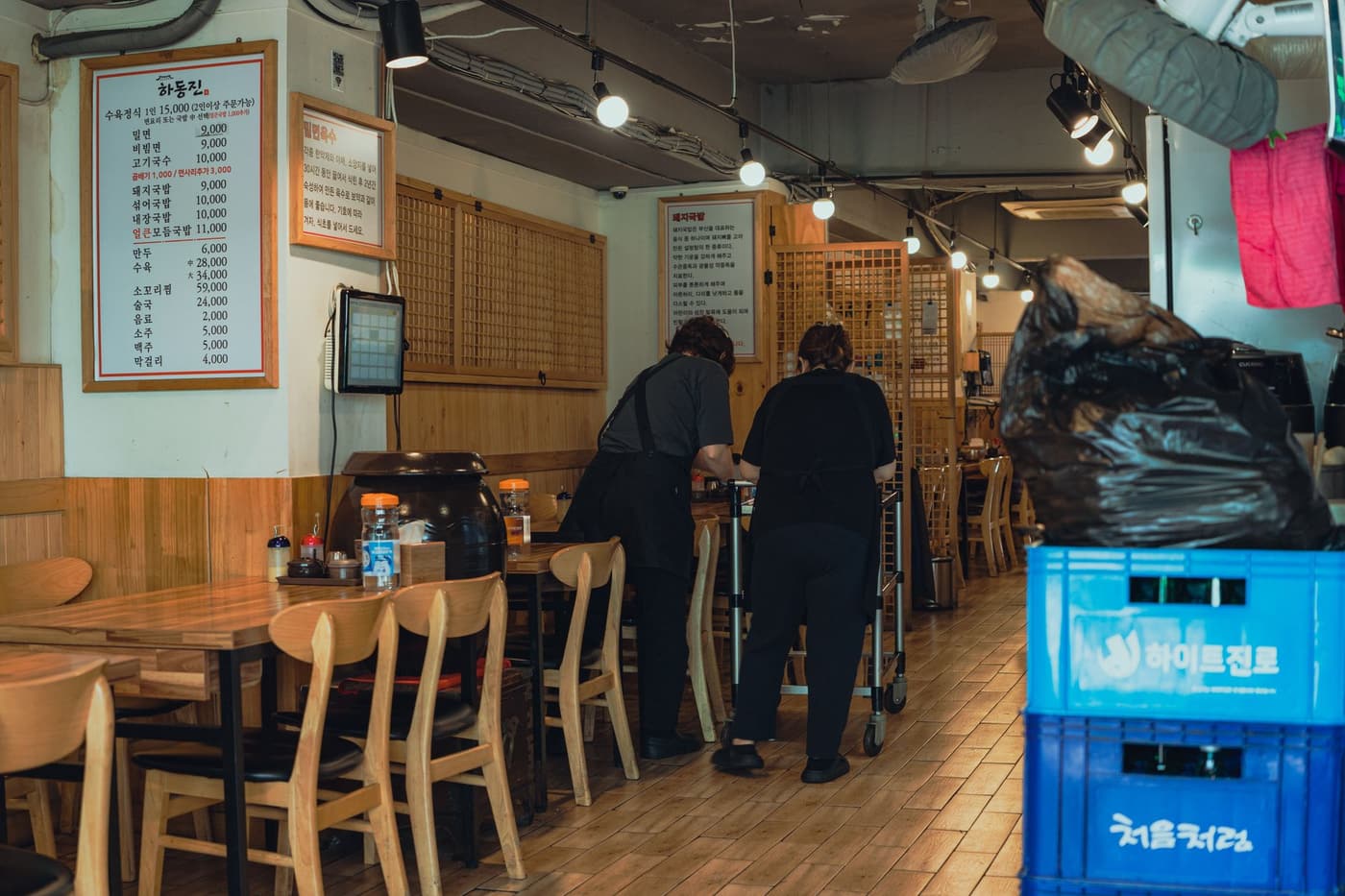
In Korean, hoesik means a company or team meal, usually after work. It can be Korean barbecue, grilled pork belly, seafood, chicken, stew, or anything the team agrees on. A hof is a casual beer place, the kind of spot where fried chicken, draft beer, and second-round conversation can stretch a normal Friday into a team ritual.
For a long time, hoesik was treated as almost mandatory.
The logic was simple: the office is too formal, so people bond outside the office. A manager buys dinner. Juniors loosen up. People talk honestly. The team becomes closer. Trust forms over grilled meat and beer.
Sometimes that really happens.
A good hoesik can be warm and useful. A nervous new employee may finally talk to a senior colleague. A manager may hear what the team is struggling with. A foreign worker may learn more about office dynamics in one dinner than in a month of meetings.
But forced bonding is still forced.
The uncomfortable version of hoesik is also real: pressure to drink, pressure to stay for a second or third round, pressure to laugh at the boss's jokes, pressure to share personal things, pressure to give up the evening because "the team" matters. For women, younger employees, parents, non-drinkers, religious workers, and people with long commutes, hoesik can feel less like bonding and more like unpaid emotional labor.
This is why the culture is changing.
A 2025 KCI-listed study on Gen Z perceptions of hoesik found several types of response, including burden and avoidance, diversity acceptance, and autonomous participation. That is a neat academic way of saying what many offices already know: younger workers are not all rejecting hoesik, but they want choice, boundaries, and a reason for being there.
Modern hoesik is often shorter, earlier, less alcohol-heavy, and more optional than it used to be. Some teams choose lunch instead of dinner. Some managers set a clear end time. Some companies discourage pressuring people to drink. Some teams do coffee, escape rooms, bowling, or small-group meals instead of the old all-night pattern.
Still, do not assume hoesik is dead. It remains one of the places where Korean work culture reveals itself. Who pays? Who sits near the boss? Who talks freely? Who leaves early? Who is allowed to leave early without explanation?
The restaurant is not separate from the office.
It is the office, translated into food.
Language note: As an Amazon Associate, EpicKor may earn from qualifying purchases. If office dinners make you nervous, a simple Korean phrasebook or beginner Korean book can help with polite basics before you need perfect grammar.
See Korean phrasebook on AmazonFAQ About Korean Work Culture
Q: What is Korean work culture in simple terms?
Simply put, Korean work culture is a workplace system shaped by team loyalty, hierarchy, fast execution, indirect communication, and changing expectations around work-life balance. It is not the same in every company, but the group often matters more than the individual job description.
Q: Is overtime still common in Korea?
Overtime still exists, but the legal and cultural environment has changed. Korea's 52-hour workweek framework is commonly explained as 40 regular hours plus up to 12 overtime hours. The harder question is not only legal hours, but whether workers feel comfortable leaving on time.
Q: What does hoesik mean?
Hoesik is a company or team meal, usually after work. It can be friendly team bonding, but it can also create pressure to drink, stay late, or socialize with managers. Many younger Korean workers prefer hoesik to be optional, shorter, and less alcohol-centered.
Q: Do foreigners need to follow Korean office hierarchy?
Yes, at least enough to avoid accidental disrespect. You do not need to become Korean overnight, but using titles politely, noticing who leads decisions, and avoiding public confrontation with seniors will make work smoother.
Q: Are Korean workplaces becoming more flexible?
Many are. Startups, global companies, younger managers, and some large firms are using flatter titles, flexible hours, remote tools, and clearer HR rules. But change depends heavily on industry, company size, and the direct manager.
The Korean Office Is Still Being Renegotiated
The old Korean office was built around sacrifice.
Stay late. Respect rank. Attend dinner. Do not embarrass the team. Read the room. Move fast. Endure first, complain later.
The new Korean office is trying to keep the best parts of that system without carrying all of its damage.
Korea still values speed, teamwork, loyalty, and social awareness. Those things are not automatically bad. They can make teams incredibly effective. They can also make people feel watched, tired, and unable to say what they really think.
That is why Korean work culture today is not one simple story. It is a negotiation.
Older managers are learning that loyalty cannot be measured only by who stays latest. Younger workers are learning how to push for boundaries without burning relationships. Companies are learning that global talent will not accept every old ritual just because "this is Korea."
The other map is social.
If you understand that, the whole office starts to make more sense: the careful language, the group chat, the dinner invitation, the quiet nod from a senior, the relief when someone finally says, "Let's go home."
Korean work culture is changing, but it is not becoming cultureless.
It is renegotiated, one Friday dinner at a time.
You Might Also Like
Korean Age System Explained: Why Koreans Seem Older
Korean age system explained in plain English: traditional age, international age, the 2023 law, and what to say when someone asks.
Beatpella House Members: The Korean Beatbox Crew Behind 7.7 Million Subscribers
Beatpella House has five members: Hiss, Wing, Hellcat and Huckle on beatbox and Yella.E on vocals. Four are competitive beatbox champions. Formed in October 2022, the crew has posted around 2,668 videos to roughly 5.9 billion views.
Korean Modern Art: The Painters Whose Work Now Sells for Millions
Meet the Korean modern painters whose work now sells for millions at auction, why the market is booming, and exactly where to see the real thing in Korea.