
What Does Pali Pali Mean? Korea's Fast Culture

For a broader view of why this speed feels normal, compare it with EpicKor's Korea work culture guide and Korean micro-convenience guide.
What does pali pali mean in Korean?
Simply put, pali pali means "quickly quickly" or "hurry hurry." You may also see it romanized as ppalli ppalli, because the Korean pronunciation is closer to 빨리빨리.
But in Korea, pali pali is not only a phrase. It is a rhythm.
It shows up when a restaurant order arrives faster than expected, when delivery feels almost unreal, when subway transfers are designed with ruthless efficiency, when kiosks replace waiting in line, and when people expect a problem to be solved now, not later.
Foreigners often notice Korea's speed before they understand it. The country can feel incredibly convenient: food comes fast, packages arrive fast, public transport moves fast, and customer service often assumes that delay is a failure of the system.
That convenience is real. So is the pressure behind it.
To understand pali pali culture, you have to see both sides: the beauty of efficiency and the exhaustion of living inside it.
Maxim Mocha Gold Mild Coffee Mix — compare on AmazonAffiliate link. As an Amazon Associate, EpicKor earns from qualifying purchases at no extra cost to you.
Pali Pali Meaning in Korean
The word pali means quickly. Repeating it as pali pali makes it more urgent: hurry up, move faster, do it now.
In Korean, repetition often adds emphasis. So 빨리빨리 is not a calm suggestion. It can sound like a push, a habit, a joke, a complaint, or a national mood depending on context.
You may hear it from:
- a parent rushing a child to leave the house
- a friend telling everyone to catch the train
- a worker trying to finish a task before closing time
- a customer expecting fast service
- a Korean person joking about Korean culture itself
The important thing is that pali pali is not always rude. Tone matters. It can be playful, practical, or stressful.
If someone says it with a laugh, it may simply mean "come on, let's go." If a boss says it sharply, it can feel like pressure. If a traveler says it after watching Seoul move at full speed, it becomes a cultural keyword.
Why Korea Became So Fast
Pali pali culture did not appear from nowhere.
Modern South Korea developed at extraordinary speed after the Korean War. The country rebuilt infrastructure, expanded education, industrialized, urbanized, and entered the global economy in a very compressed period of time. That history helped make speed feel like survival.
For older generations, moving fast was not only a personality trait. It was a national project.
Factories had to produce. Students had to compete. Cities had to build. Companies had to export. Families had to climb. In that environment, slow systems looked dangerous. Speed meant catching up, and catching up meant survival.
That historical memory still echoes in daily life, even though Korea today is wealthy, digital, and globally influential.
The modern version is different. Now pali pali culture shows up through apps, logistics, restaurants, public transport, and customer expectations. The old urgency became a convenience system.
That is why visitors love it.
It is also why some Koreans feel tired by it.
Pali Pali in Korean Restaurants
Korean restaurants are one of the easiest places to feel pali pali culture.
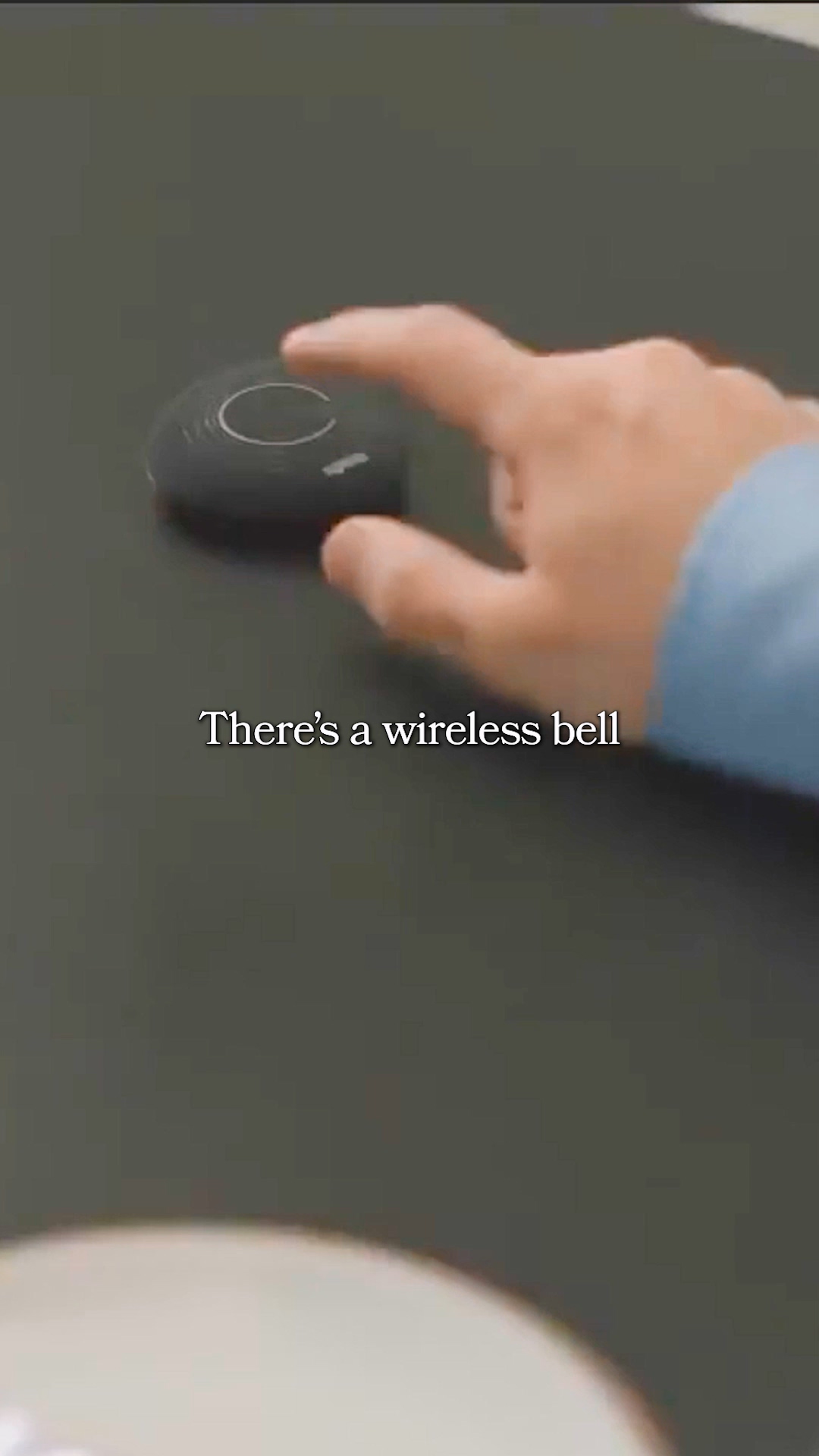
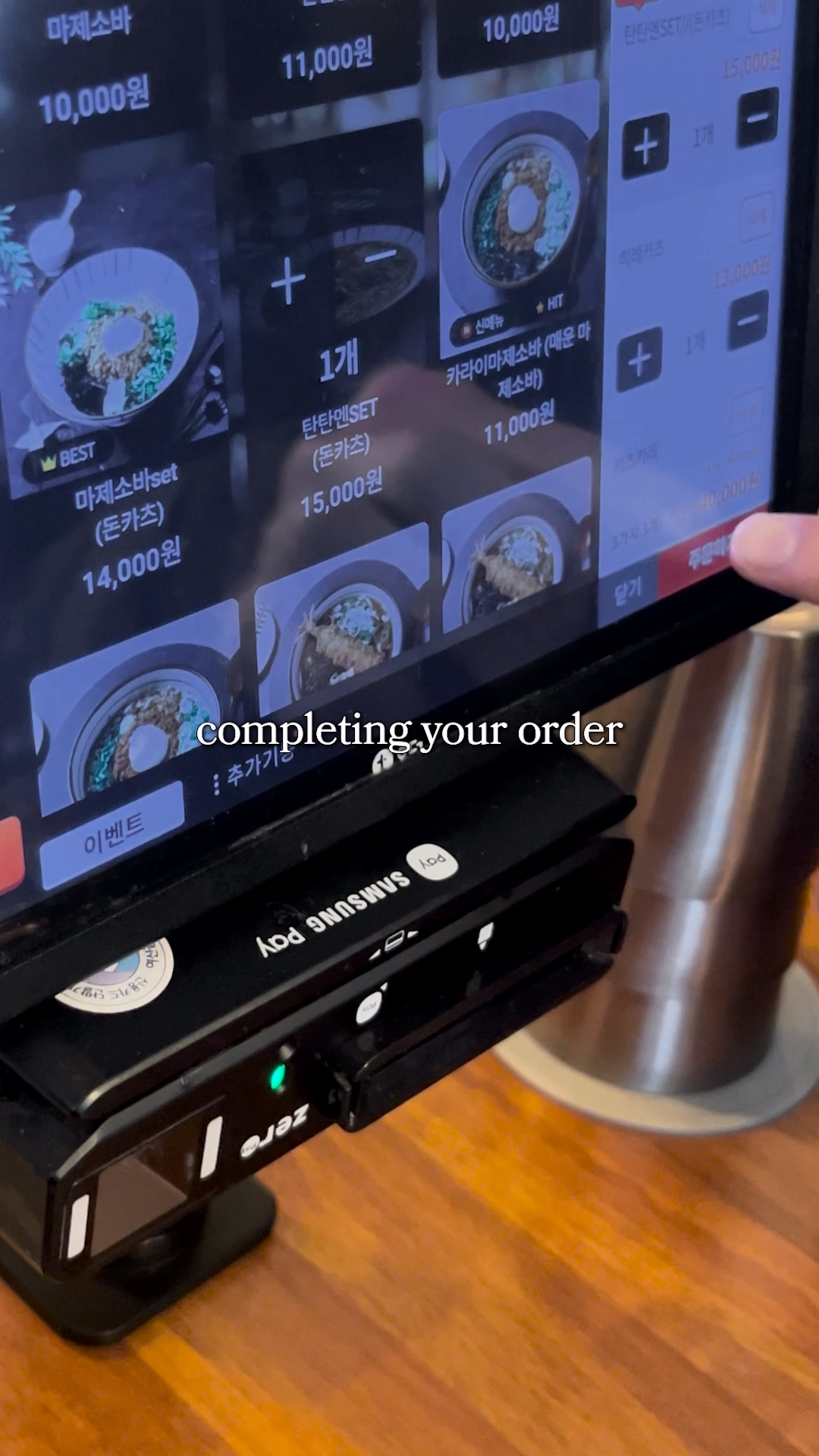
A table may have a call bell. Utensils may already be in a drawer under the table. Water may be self-serve. Side dishes may arrive quickly. Some restaurants use tablets or kiosks so customers can order without waiting for staff.
For travelers, this can feel refreshingly efficient. You sit, press, order, eat, pay, and leave. The system removes many small moments of waiting.
Here is what the speed system often looks like:
| Feature | What it does | Why it feels Korean |
|---|---|---|
| Call bell | Lets customers call staff instantly | No waiting for eye contact |
| Table drawer | Stores spoons, chopsticks, and napkins | Small needs are solved before they become requests |
| Kiosk or tablet | Speeds up ordering and payment | The customer controls the pace |
| Fast banchan | Side dishes appear early | The meal starts before the main dish arrives |
This does not mean every Korean restaurant is rushed. A traditional course meal can be slow and elegant. A cafe can be calm. A barbecue dinner with friends can last for hours.
But the baseline expectation is still clear: systems should not waste your time.
Pali-pali travel note: As an Amazon Associate, EpicKor may earn from qualifying purchases. If Korea's speed makes you want a quick hotel-room reset, compare Maxim Mocha Gold Mild Coffee Mix for the instant coffee rhythm Koreans know well.
See Maxim Mocha Gold Mild Coffee Mix on AmazonDelivery, Apps, and the No-Wait Mindset
Korea's delivery culture is another major example.
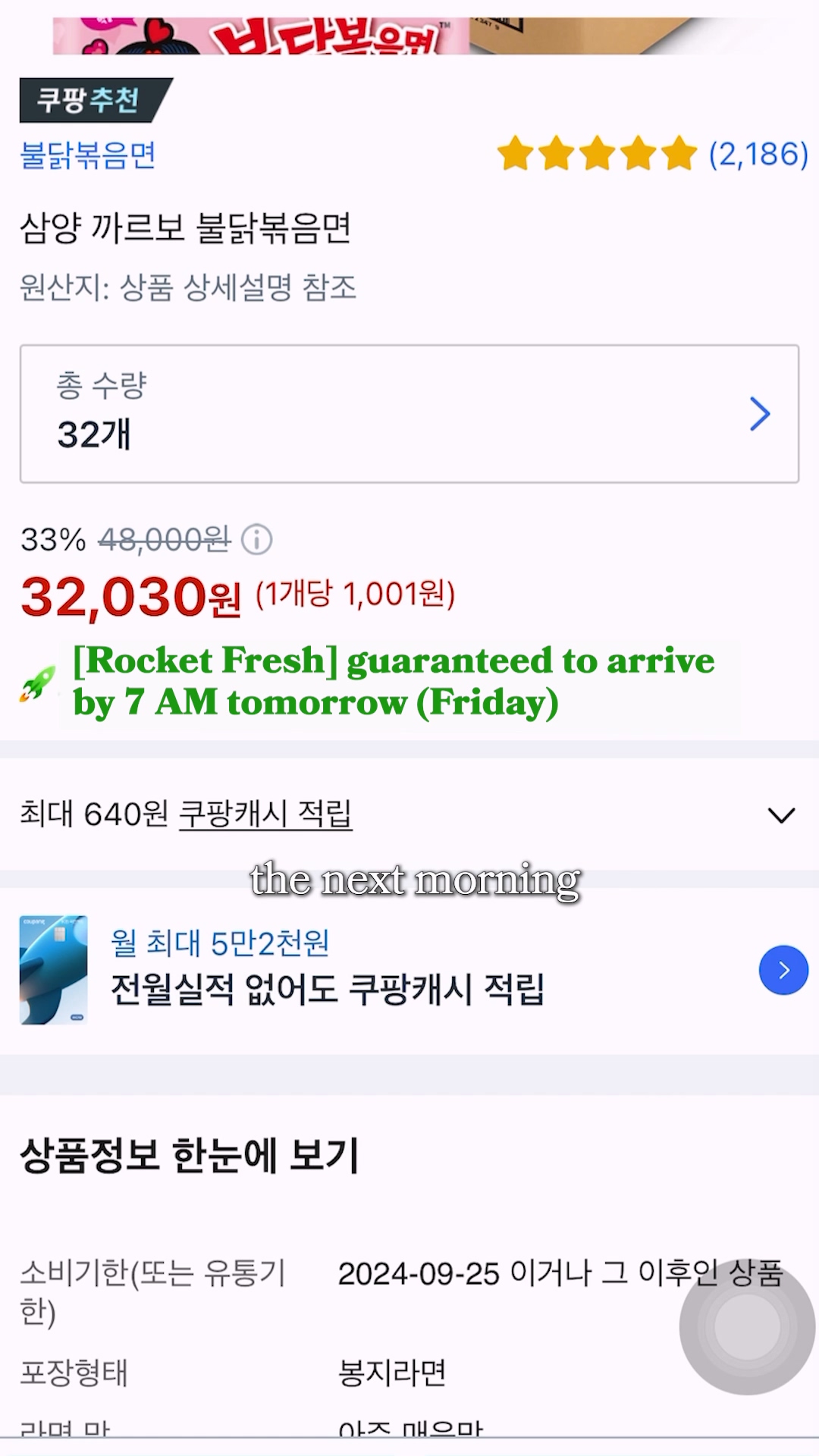
Food delivery, grocery delivery, parcel delivery, and app-based services have made speed feel normal. In dense cities like Seoul, apartment complexes, short distances, and digital payment systems help make fast service possible.
For foreigners, this can be shocking. In some countries, "delivery tomorrow" feels impressive. In Korea, many customers expect much faster options, and anything slower can feel old-fashioned.
This is where pali pali becomes more than a cultural phrase. It becomes infrastructure.
The app knows where you are. The driver knows the building. The payment is already handled. The apartment entrance system, elevator, and delivery drop-off point are part of the rhythm. Everyone knows the process, so the process gets faster.
That speed creates comfort. It also creates expectation.
Once you live in a system where things arrive quickly, waiting begins to feel like something is broken.

Why Travelers Notice It Immediately
Travelers notice pali pali culture because it changes the emotional texture of a trip.
In Korea, many daily tasks are easier than visitors expect. Subway trains come often. Convenience stores are everywhere. Restaurants turn tables quickly. Cafes prepare drinks fast. Public restrooms are easy to find. Many tourist areas are designed for high foot traffic.
This makes Korea feel efficient and safe for travelers.
But it can also feel intense. People walk quickly in stations. Escalator etiquette can feel strict. A line may move before you have fully decided what to order. A cashier may expect you to tap your card and move aside quickly.
The trick is not to panic. Korea is fast, but it is also organized.
If you are visiting, remember these simple habits:
- stand aside before checking your phone in a busy station
- decide your cafe or kiosk order before reaching the front
- have your transit card ready
- move to the side after paying
- do not block subway doors
- ask for help when needed, but step out of the flow first
Small adjustments make Korea much easier.
For subway-specific habits, read EpicKor's Seoul subway etiquette guide.
For fast travel days: A small snack in your bag helps when transfers, lines, and sightseeing move quickly; compare Korean sweet potato snack bars as a light emergency bite.
See Korean sweet potato snack bars on AmazonThe Cost of Pali Pali Culture
The convenient side of pali pali culture is easy to love. The cost is harder to see.
Speed often means workers are expected to absorb the pressure. Delivery workers, restaurant staff, office employees, customer service teams, and logistics workers all live inside the same expectation: faster is better.
That can create stress. If every system promises speed, human beings are asked to keep up with systems.
Koreans themselves often criticize pali pali culture. They know it can be exhausting. They may joke about it proudly one moment and complain about it the next. That contradiction is normal because the culture gives real benefits and real strain.
It built convenience. It also built impatience.
It helped Korea grow. It also made rest feel suspicious.
That is why the phrase is so useful. Pali pali is not only a compliment or an insult. It is a diagnosis of a country that became brilliant at motion.
How to Handle Pali Pali Culture as a Visitor
The best way to handle pali pali culture is not to copy the rush blindly. It is to respect the flow.
Korea's fast systems usually work because people do small things in the right order. They prepare their card before the gate. They step aside before checking directions. They choose quickly at a kiosk. They do not stand in front of subway doors after getting off. These habits are not dramatic, but they keep the whole machine moving.
As a visitor, you do not need to become anxious or hyper-efficient. You just need to avoid becoming the blockage.
Here is a simple rule: if you need time, move to the side first.
This one habit solves many awkward moments. Need to check Naver Map? Step aside. Need to count cash? Step aside. Need to translate a menu? Step aside. Need to decide whether you want iced or hot coffee? Step aside and let the next person order.
Koreans are usually patient with foreigners who are visibly trying. What frustrates people is not confusion itself. It is confusion placed in the middle of a busy flow.
The more you understand that, the more pleasant Korea becomes. You get the benefit of the speed without feeling personally attacked by it.
FAQ About Pali Pali
Q: What does pali pali mean in Korean?
Simply put, pali pali means "quickly quickly" or "hurry hurry." In Korean, it is written 빨리빨리 and is closer to ppalli ppalli in pronunciation.
Q: Is pali pali culture good or bad?
Simply put, it is both. It makes Korea convenient, efficient, and exciting, but it can also create stress and impatience.
Q: Why is Korea so fast?
Simply put, Korea's speed comes from rapid modernization, dense cities, strong digital systems, intense competition, and a cultural habit of solving problems quickly.
Q: Will tourists feel pressured by pali pali culture?
Simply put, sometimes. Busy stations and restaurants can feel fast, but if you stand aside, prepare your payment, and follow the flow, it becomes manageable.
Q: Is ppalli ppalli the same as pali pali?
Simply put, yes. Pali pali is a simplified spelling. Ppalli ppalli is closer to the Korean pronunciation of 빨리빨리.
The Easiest Way to Understand It
Pali pali culture is Korea's speed setting.
It is the restaurant bell, the delivery app, the subway transfer, the kiosk, the fast reply, the overnight expectation, and the feeling that a slow system needs to be fixed.
As a traveler, you can enjoy the convenience without becoming anxious. Move with the flow, prepare before your turn, and step aside when you need time.
As a culture, Korea is still negotiating what to keep and what to soften. Speed helped build the country. Now many people are asking how to keep the efficiency while making more room to breathe.
That question may be the next stage of pali pali culture.
Video Insight: The Speed of Korea
You Might Also Like

Seoul Night Guide: Hangang, Cafes, Markets, and Transit
A practical Seoul night guide for Hangang drone shows, late cafes, markets, neighborhoods, transit, safety, and realistic after-dark planning.
Korea's Neighbourhood Bathhouses Are Disappearing, and the Bath Is Not: Where the Hot Water Went
Seoul had 1,764 public bathhouses in 1995 and has 510 now. Koreans have not stopped soaking; they moved to private-bath hotels, ₩60,000 scrub studios and the apartment-basement sauna. Why the old tang died, what Japan did differently, where to bathe in 2026.

Korean McDonald's: Why the Burgers Are Named After Farm Counties, and What to Order Now
McDonald's Korea has bought 459.2 tonnes of named Korean produce since 2021 and prints the county on the burger — Changnyeong garlic, Jindo spring onion, Jinju pepper. 24 million sold, ₩61.7 billion of measured regional value. Here is what is on the menu now.