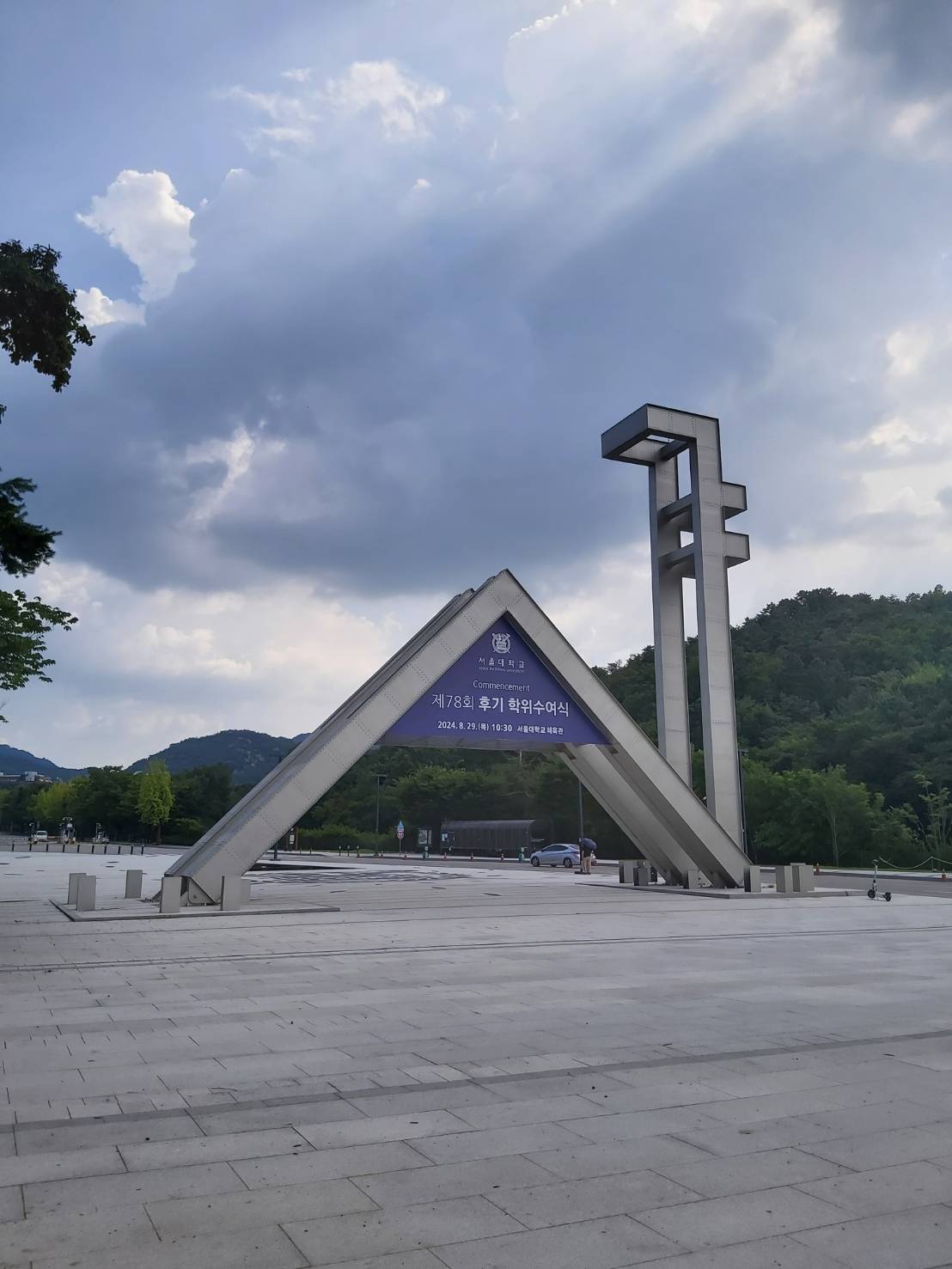
SKY vs KAIST: Choosing a Korean University by Major, Not Rank
SKY vs KAIST is the question underneath most Korean university searches, even when people type "Korean university rankings" instead. The acronym SKY is the first thing anyone learns about Korean higher education, and KAIST is the first thing that does not fit it.
The short answer: SKY is a social-prestige ladder, KAIST is a field ladder, and they are not the same ladder. For engineering, computer science, AI and research, KAIST sits above all three SKY schools in the conversations that decide your lab, your funding and your first job — and outside those fields it barely comes up. SKY matters, but it is not enough. SKY means Seoul National University, Korea University, and Yonsei University. These three schools carry enormous social recognition inside Korea. They are powerful names for local prestige, alumni networks, employment signaling, and cultural shorthand.
But if you are a foreign student choosing where to study in Korea, you should not stop at the acronym. Your best university may be SKY, KAIST, POSTECH, Sungkyunkwan, Hanyang, Sogang, Ewha, Hankuk University of Foreign Studies, a specialized arts school, or a regional university with a strong scholarship and the right program. Rankings are useful, but fit is what you live with.
This guide explains the Korean ranking conversation without turning it into a lazy prestige list.
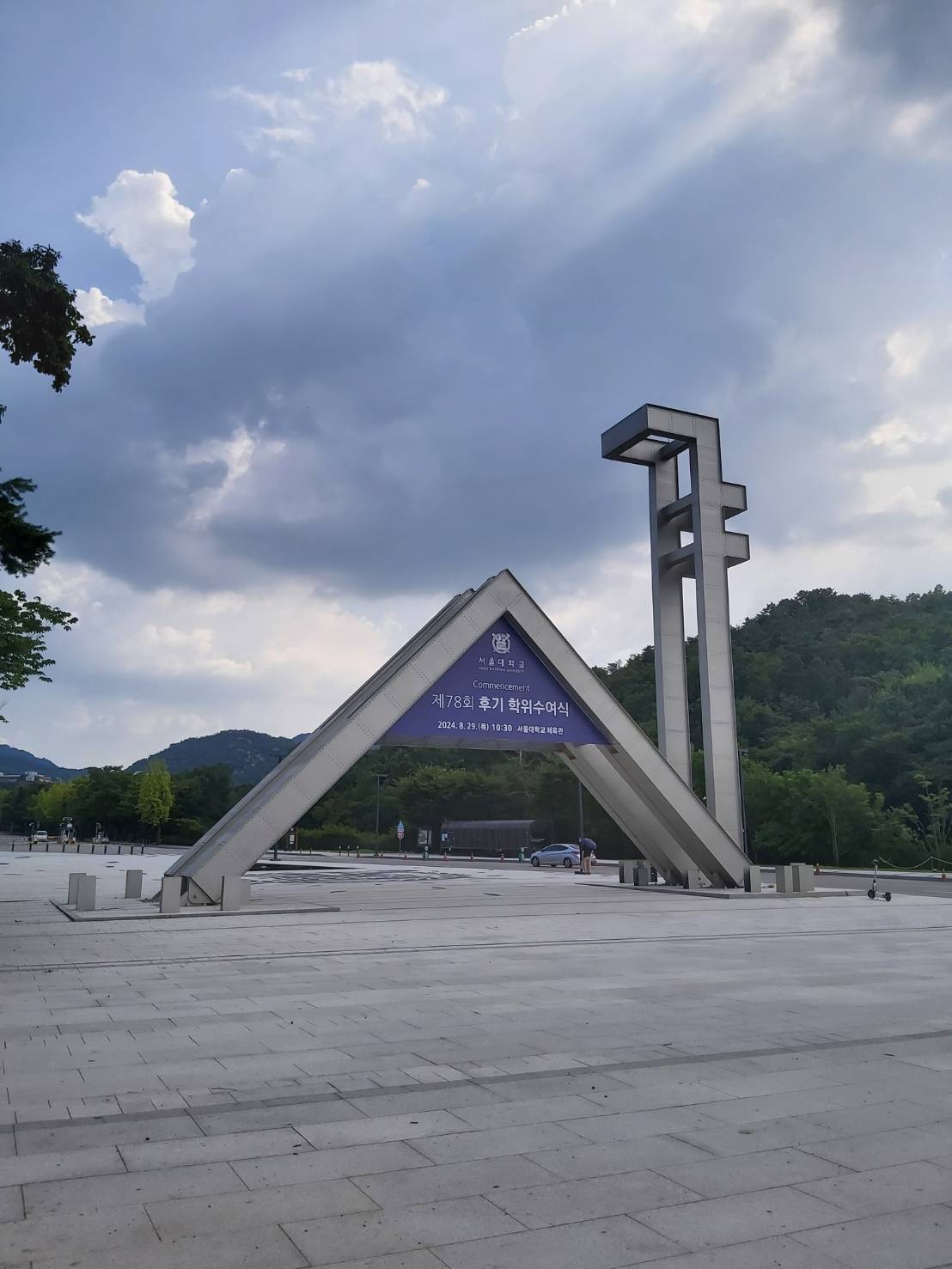
Quick Answer: What Are The Top Korean Universities?
The most famous Korean university group is SKY: Seoul National University, Korea University, and Yonsei University. In science, engineering, and research-heavy conversations, KAIST and POSTECH often sit beside or above SKY depending on the field. In business, medicine, international studies, media, arts, design, Korean language, and technology, the "best" choice depends heavily on major, degree level, language of instruction, scholarship, and career plan.
For international students, start with three layers:
- Prestige layer: SKY, KAIST, POSTECH, and other high-recognition names.
- Program layer: your exact major, English-taught courses, research lab, internship access, and faculty fit.
- Life layer: tuition, scholarship, dorm, visa support, Korean language support, location, and daily cost.
The Korean government-run Study in Korea portal is a useful starting point because it organizes school search, courses, scholarships, visas, and application planning. Global ranking sites such as QS World University Rankings can help you compare broad reputation and international indicators, but they should not replace program-level research.
If you are planning a Korea study trip or campus visit, EpicKor's 100-year Korean high schools guide, Korean age system guide, Korean male terms guide, Seoul subway etiquette guide, and Korean convenience store breakfast guide will help with the daily culture around student life.
Lonely Planet Korean Phrasebook & Dictionary — on AmazonAffiliate link. As an Amazon Associate, EpicKor earns from qualifying purchases at no extra cost to you.
What SKY Means In Korea
SKY is not an official league table. It is a cultural acronym. The letters refer to:
- S: Seoul National University.
- K: Korea University.
- Y: Yonsei University.
Inside Korea, SKY is shorthand for elite education. It appears in conversations about admissions pressure, job applications, alumni influence, family expectations, and social status. Even people who do not know global ranking methodology understand the social weight of SKY.
That weight is not imaginary. Korean hiring culture, professional networks, campus rivalries, graduate-school pathways, and media conversations have all reinforced the acronym for years. If a Korean parent says a student entered SKY, that is usually framed as a major achievement.
But the acronym can mislead foreign students in two ways.
First, SKY is broad prestige, not a major-by-major answer. A student choosing artificial intelligence, semiconductor engineering, Korean studies, fashion, diplomacy, medicine, music, or Korean language education needs more than one acronym.
Second, SKY does not automatically solve the language, scholarship, and career problem for international students. A famous university can still be a poor fit if most courses in your major are in Korean, the scholarship does not cover living costs, or the program does not match your career country.
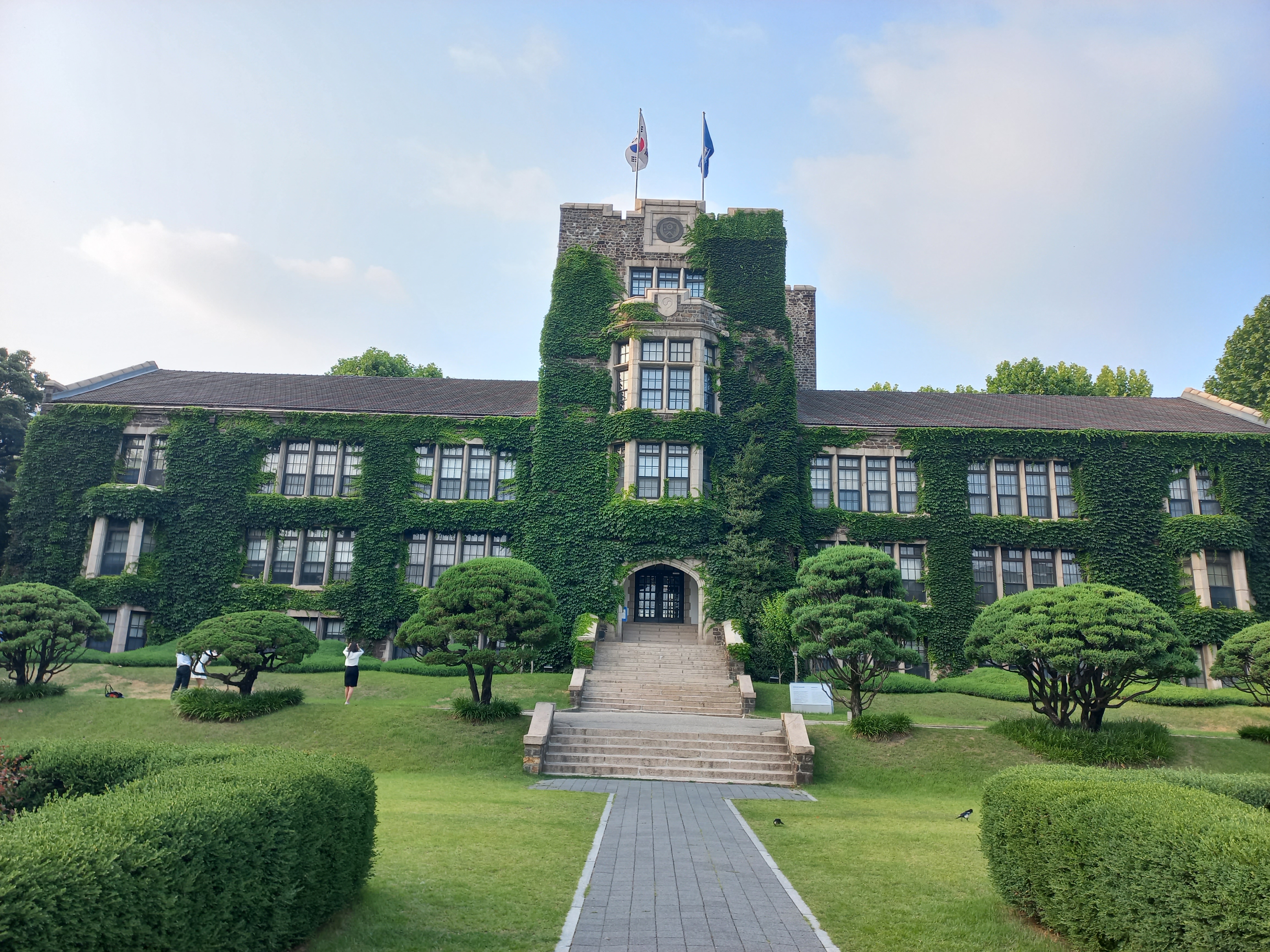
Why KAIST Changes The Ranking Conversation
KAIST is the easiest example of why "beyond SKY" matters. It is not part of the SKY acronym, but for science, engineering, research, AI, robotics, semiconductor-related fields, and technology entrepreneurship, KAIST is one of Korea's most important institutions.
That distinction matters because Korean prestige is not one ladder. There is a general social-prestige ladder, and there are field-specific ladders. A high school student aiming for a Korean corporate law or diplomacy path may think differently from a student aiming for an engineering lab or a startup. An international student planning a master's degree in computer science should not evaluate universities the same way as a student coming for Korean language and culture.
This is also why POSTECH, Sungkyunkwan University, Hanyang University, UNIST, GIST, DGIST, Ewha Womans University, Sogang University, Chung-Ang University, Kyung Hee University, Hankuk University of Foreign Studies, and specialized arts or medical institutions can be the right answer in specific cases.
A smart student does not ask "What is the ranking?" as if there were one permanent list. A smart student asks "What is the ranking for my goal?" — and then goes looking for the table in the next section.

Which Korean University for Which Major
This is the table the ranking lists do not give you, because a single ordered list cannot hold it. Korean prestige runs on parallel ladders, and the right name changes with the field. Read it as a starting shortlist, not a verdict — then check whether the specific programme is taught in English and what it costs.
| If your field is | Names to look at first | Why |
|---|---|---|
| Engineering, CS, AI, robotics | KAIST, POSTECH, SNU, Hanyang, UNIST/GIST/DGIST | The science-and-technology ladder, where KAIST and POSTECH outrank the SKY private universities |
| Business, finance | SNU, Korea University, Yonsei, Sungkyunkwan | Domestic hiring runs heavily on alumni networks, which is exactly what SKY is |
| Medicine | SNU, Yonsei, Korea University, Sungkyunkwan | Teaching-hospital affiliation matters more than the university's overall rank |
| Media, communication | Yonsei, Korea University, Chung-Ang, Hanyang | Chung-Ang's film and performing-arts pipeline is disproportionate to its general rank |
| Languages, translation, international studies | Hankuk University of Foreign Studies, Yonsei, Ewha | HUFS is a specialist institution — this is the clearest case where the general ladder misleads |
| Korean language and Korean studies | Yonsei, SNU, Korea University, Ewha | Language-institute quality and international-student volume, not research rank |
| Arts, design, music | Hongik (design), Korea National University of Arts, Chung-Ang, Ewha | Portfolio-driven admissions; general rankings are close to irrelevant here |
| Semiconductors, corporate-linked research | Sungkyunkwan, KAIST, Hanyang, SNU | Industry partnership decides lab access and internship routes |
Two cautions before you use it. A name in this table is not a promise the course is taught in English — that is a per-programme fact you have to check on the department page, and it is the single most common unpleasant surprise for incoming international students. And a specialist institution outranking a SKY school in its field does not transfer to the rest of the campus.
Money First: How the Government Scholarship Actually Works
Start with the number the rankings never print. Korea's Ministry of Education and the Korean Council for University Education publish it every April, and for the 2026 academic year the average annual tuition at a four-year university is ₩7,270,300 — up 2.1% on the previous year's ₩7,123,100. The split is what matters for your shortlist:
| Category | Average annual tuition, 2026 |
|---|---|
| Private universities | about ₩8,231,500 |
| National and public universities | about ₩4,250,000 |
| Seoul metropolitan area | about ₩8,270,000 |
| Outside the metropolitan area | about ₩6,620,000 |
| Junior colleges | ₩6,653,100 |
That gap is the single largest lever in this whole article: a national university costs roughly half what a Seoul private university costs, every year, before you have compared a single ranking. And tuition is rising — of 192 four-year universities, 130 (67.7%) raised fees for 2026 and only 62 froze them.
For most international students the real gate is not rank, it is funding — and Korea's answer is the Global Korea Scholarship (GKS, 정부초청외국인장학생), run by the National Institute for International Education (NIIED, 국립국제교육원) and applied for through the Study in Korea portal.
It is a full ride, not a tuition discount. In the 2026 undergraduate cycle it covered tuition, a monthly stipend, Korean language training and round-trip airfare. Applicants had to be foreign nationals from designated countries who had completed or were completing secondary or associate study, and be under 25 as of 1 March of the entry year.
There are two routes, and choosing the wrong one costs you a year:
| Track | You apply to | What it suits |
|---|---|---|
| Embassy Track | The Korean embassy or consulate in your country | Competing within your own country's quota; you name multiple universities |
| University Track | A GKS-designated Korean university directly | Competing inside one university's allocation; stronger if you have a clear first choice |
The deadlines are the part everyone gets wrong, including guides that look authoritative. In the 2026 undergraduate cycle the Embassy Track closed 30 September and the University Track 31 October, both at 6pm, with results announced on 9 January. Those are 2026-cycle dates and they were published in September of the preceding year.
So: do not act on a GKS deadline you read in a blog post, including this one. The call for each cycle is published on the Study in Korea scholarship notice board, the embassy track typically opens in September and the university track in October, and the reposted dates circulating online are almost always the previous cycle's. Open the notice board, find the current call, and read the deadline off it. This is the same failure mode that catches people with Korean holiday train tickets — a plausible date, correct last year, wrong now.
How To Read Global Rankings Without Getting Trapped
Global rankings are useful, but they are not neutral mirrors. Each ranking system weights different signals: academic reputation, employer reputation, research citations, faculty ratios, international faculty, international students, sustainability, graduate outcomes, and other factors. A school can rise or fall because of methodology, not because your classroom experience changed overnight.
Use rankings like a map, not a verdict.
| Ranking Signal | What It Can Tell You | What It Cannot Tell You |
|---|---|---|
| Global rank | Broad reputation and international visibility | Whether your exact department teaches well |
| Subject rank | Field-specific strength | Whether the courses you need are offered in English |
| Employer reputation | How employers may recognize the name | Whether your visa, language, and internship path will work |
| International ratio | How global the campus may feel | Whether international students receive practical support |
| Research citations | Research output and academic influence | Whether undergraduate teaching is personal or accessible |
If two universities are close in ranking, do not make the decision from the number alone. Compare the department curriculum, professor profiles, internship access, exchange options, scholarship rules, dorm availability, and alumni outcomes. A lower-ranked school with the perfect program can beat a higher-ranked school with the wrong fit.
The Foreign Student Fit Test
Foreign students need a different ranking filter from Korean high school seniors. A Korean applicant may already understand the entrance exam culture, language level, family expectations, and domestic hiring signals. A foreign applicant has additional questions.
Before choosing a Korean university, run this fit test:
| Question | Why It Matters | What To Check |
|---|---|---|
| Can I study in English? | Some programs advertise global access, but key major courses may be Korean-only | Department curriculum, syllabi, course language, graduation requirements |
| Can I afford the full year? | Tuition is only one cost | Scholarship duration, dorm fees, Seoul vs regional living costs, insurance |
| Can I get support? | Visa, banking, housing, and course registration can be confusing | International office, orientation, English support, mentoring programs |
| Can I build a career path? | Korea jobs often require Korean language and local networks | Internships, career center, alumni, TOPIK support, industry links |
| Can I live well there? | A great rank does not fix daily loneliness or commute stress | Campus location, dorm rules, food options, transport, student clubs |
This is where Study in Korea is useful. It does not make the decision for you, but it helps you gather official information. Use it to identify programs, then move to each university's official admissions page for details.
Seoul Campus Versus Regional Campus
Many foreign students default to Seoul because Seoul is the city they know from K-pop, dramas, food videos, and travel content. That is understandable. Seoul offers internships, language exchange, nightlife, museums, cafes, concerts, subway access, and a dense student environment.
But Seoul is not automatically the best study location.
Regional universities can offer lower living costs, more affordable housing, calmer campus life, stronger scholarship packages, or better access to a specific research facility. KAIST in Daejeon is a reminder that top-tier education in Korea is not limited to Seoul. POSTECH in Pohang is another strong example in science and engineering.
The question is not "Seoul or not Seoul?" The question is "What do I need outside class?"
If you need Korean entertainment, media internships, embassy networks, design pop-ups, and frequent international events, Seoul has a clear advantage. If you need lab time, quiet focus, a stronger funding package, or a specialized research environment, a non-Seoul city may be smarter.
School Profiles: How To Think About The Big Names
Here is a simplified way to think about major names without pretending this is a fixed official ranking.
Seoul National University is often treated as Korea's highest-prestige general university. It carries major domestic recognition across many fields. For a student who wants the strongest general Korean prestige signal, SNU is usually the first name to understand.
Korea University is a major private university with a powerful alumni network, strong humanities, social science, business, law-adjacent reputation, and one of Korea's most famous campus rivalries with Yonsei. Its Anam campus has a distinct stone-building identity.
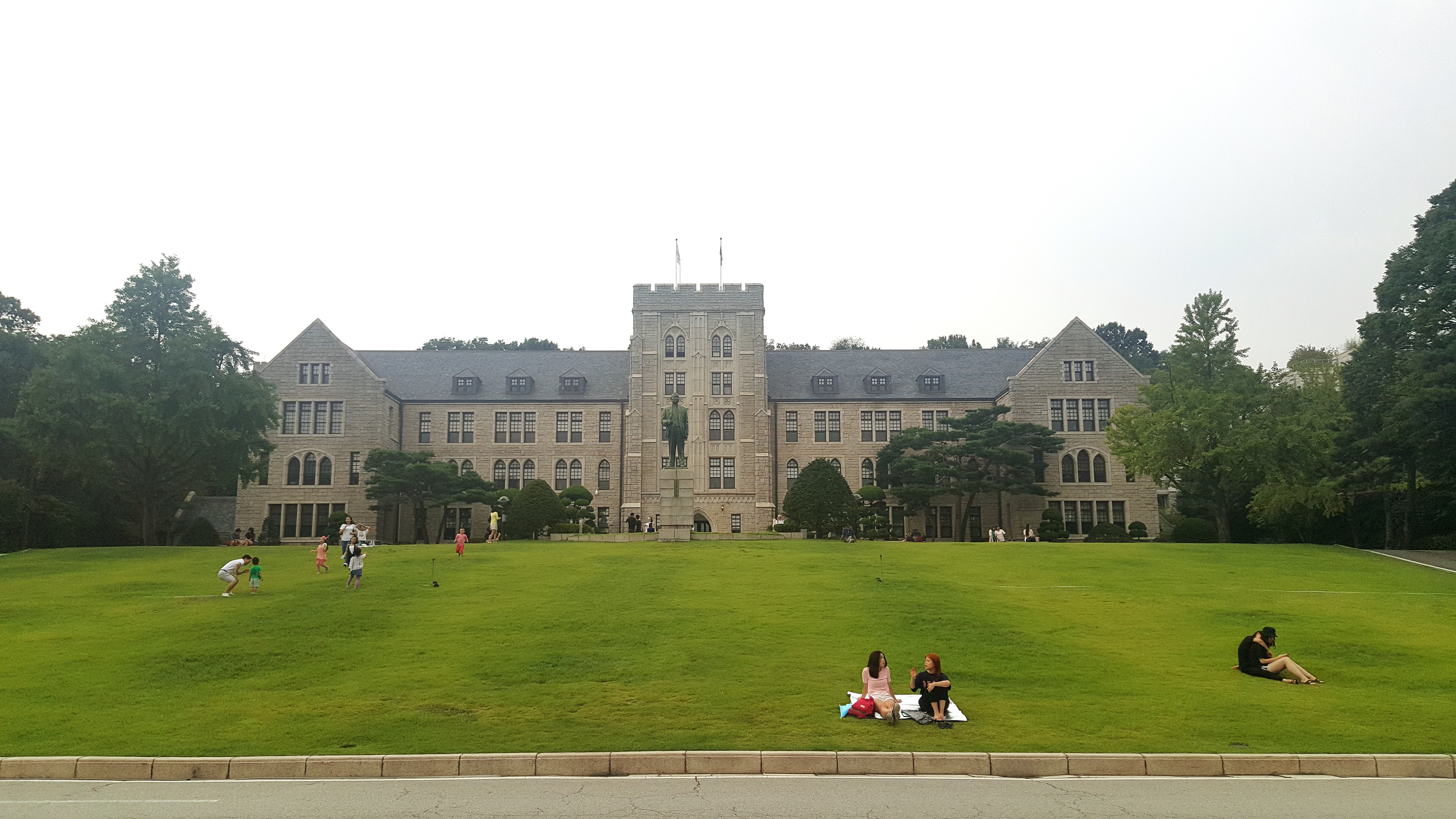
Yonsei University is another major private university with strong global visibility, exchange appeal, Korean language education visibility, and a central Seoul student-life image. For many international students, Yonsei is one of the easiest Korean university names to recognize.
KAIST is the science and technology giant. It is especially relevant for students in engineering, science, computer science, AI, robotics, and research-heavy graduate paths.
POSTECH is also central to science and engineering. It is smaller and more specialized than broad Seoul universities, which can be an advantage for research focus.
Sungkyunkwan University has historical prestige and modern corporate-linked strength, especially through its association with Samsung in parts of its development and research ecosystem.
Hanyang University is especially visible in engineering, applied fields, entrepreneurship, and Seoul student life.
Ewha Womans University is one of the world's largest women's universities and an important name in Korean higher education, especially for students interested in a historic women's education institution in Seoul.
Hankuk University of Foreign Studies is important for languages, international studies, area studies, interpretation, translation, and global affairs.
This is not a complete list. It is a starter map. The right school still depends on your degree and goals.
Admissions Reality: Ranking Does Not Replace Requirements
International admissions can look easier from the outside than it feels during application season. Each school has its own process, timeline, required documents, language proof, financial proof, recommendation rules, apostille or notarization requirements, portfolio rules, and scholarship forms.
Do not wait until the deadline week to discover that a document must be issued, translated, notarized, and mailed.
Build a document checklist:
- Passport copy.
- Graduation certificate or expected graduation certificate.
- Transcript.
- Proof of nationality for applicant and parents if required.
- Language score such as TOPIK, TOEFL, IELTS, or program-specific proof.
- Study plan or personal statement.
- Recommendation letters if required.
- Portfolio for arts, design, music, film, or performance programs.
- Financial proof.
- Scholarship application materials.
If you are applying to multiple Korean universities, create a master folder and a school-specific folder. The requirements may look similar, but small differences matter.
A Practical Decision Framework
If you are overwhelmed, score each university from 1 to 5 in six areas:
- Major fit.
- Language fit.
- Scholarship and cost fit.
- Career fit.
- Location fit.
- Personal life fit.
Then add one separate note for prestige. Prestige matters, but it should not silently swallow the whole decision. A famous university with poor fit can become a lonely and expensive mistake. A less famous university with the right department, funding, mentor, and daily life can become the better launchpad.
For undergraduate students, personal support and language environment matter a lot. For master's and PhD students, professor and lab fit can matter more than the overall university brand. For exchange students, location and course access may matter more than long-term domestic prestige.
FAQ
Q: Is KAIST better than SKY?
For engineering, computer science, AI, robotics and research-heavy graduate work, yes — KAIST is generally placed above all three SKY universities in those fields, and POSTECH sits in the same tier. Outside science and technology, the question barely arises: SKY carries the general social-prestige and alumni-network weight that decides domestic hiring in business, law and medicine. They are two different ladders, not one list.
Q: How much does a Korean university cost per year?
For the 2026 academic year, the national average is ₩7,270,300. Private universities average about ₩8,231,500 and national or public universities about ₩4,250,000 — so a national university is roughly half the price. Seoul-area universities average about ₩8,270,000 against ₩6,620,000 outside the capital region. Figures from the Ministry of Education's April 2026 university disclosure.
Q: What does SKY university mean in Korea?
SKY means Seoul National University, Korea University, and Yonsei University. It is a cultural acronym for three of Korea's most prestigious universities, not an official ranking system.
Q: Is KAIST better than SKY?
It depends on the field. KAIST is not part of SKY, but it is one of Korea's most important institutions for science, technology, engineering, and research. For some STEM goals, KAIST may be a stronger fit than a SKY school.
Q: Should international students choose only by rankings?
No. Rankings help you understand reputation, but international students should also check course language, scholarship, visa support, dorms, career services, location, and department-level strength.
Q: Are Korean universities good for English-taught degrees?
Some Korean universities offer English-taught programs, especially at the graduate level and in international studies, business, engineering, or global programs. However, availability differs by school and major, so confirm the exact curriculum before applying.
Q: Is studying in Seoul better than studying outside Seoul?
Seoul offers more city access, internships, events, and international visibility. Non-Seoul universities can offer lower costs, stronger scholarships, specialized research, and calmer student life. The better choice depends on your major and lifestyle.
Bottom Line
Korean university rankings are useful only when you know what question you are asking. If the question is domestic prestige, SKY matters. If the question is science and technology, KAIST and POSTECH matter. If the question is your life as a foreign student, language, funding, support, and program fit matter just as much.
Use rankings to build a shortlist. Use the major-by-major table above to correct it. Use the tuition split — ₩4.25m at a national university against ₩8.23m at a private one — to work out what you are actually committing to. Then use the official admissions and scholarship pages to verify every date, because those are the numbers that go stale fastest.
That is how "top university in Korea" becomes a decision you can actually live with.
Sources: average tuition figures from the Ministry of Education and the Korean Council for University Education's April 2026 university information disclosure (2026 academic year); GKS structure, coverage, tracks and 2026-cycle undergraduate deadlines as reported by Korea JoongAng Daily, September 2025, and NIIED's Study in Korea portal. Tuition, deadlines and programme languages change every cycle — verify each on the official page before you rely on it.
You Might Also Like

Korea's Exam Day: Why Planes Stop for Suneung and How to Plan Around It
For about 35 minutes on Korea's exam day, aircraft stop taking off nationwide, artillery drills halt, and the stock market opens an hour late — all for one English listening test. What happens on Suneung day, and how to plan a trip around it.
Korea's 100-Year High Schools Guide 2026: Alumni and History
A guide to Korea's 100-year high schools: Kyunggi, Whimoon, Joongdong, Sookmyung, their histories, alumni, and why they matter.
Korean University Life: Study Hard, Play Harder Culture Explained
A practical guide to Korean university life: study pressure, campus festivals, MT trips, clubs, exams, drinking culture, and exchange-student reality.