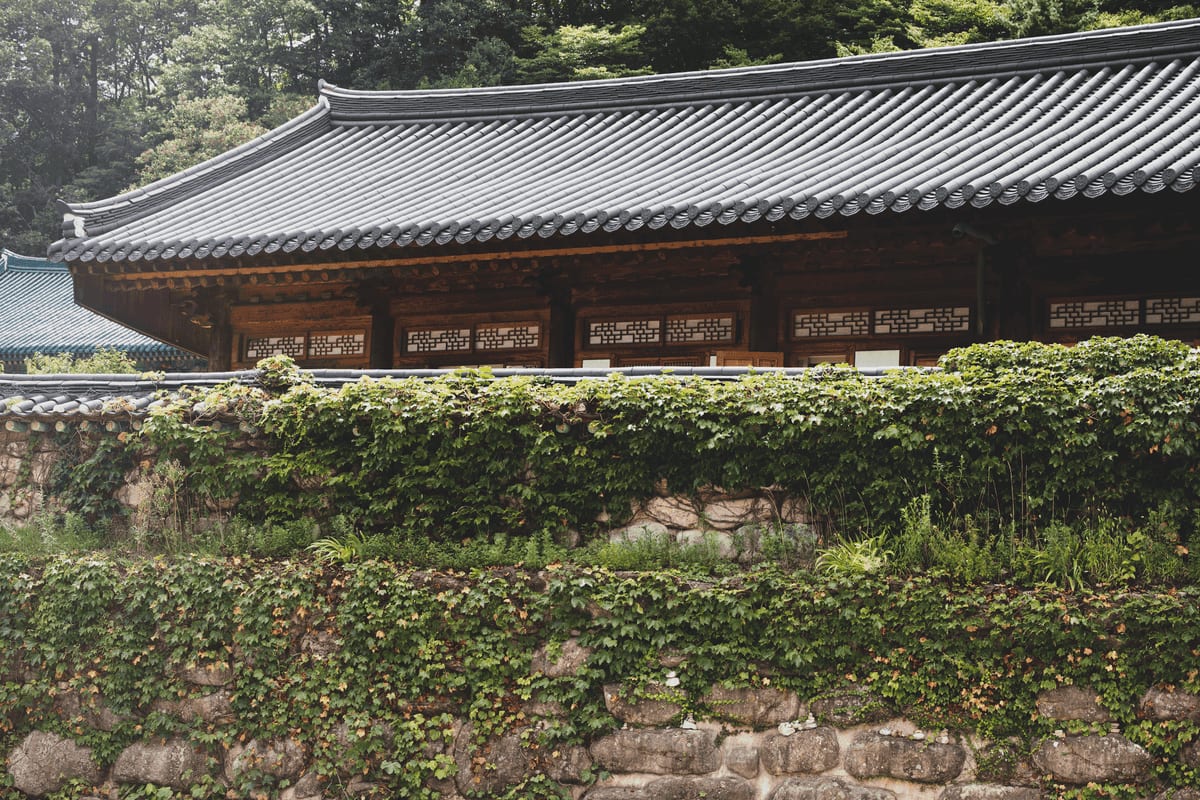
Korea Temple Stay Guide 2026: What Actually Happens
Korea temple stay is one of the most misunderstood travel experiences in Korea. Some visitors imagine a silent mountain retreat. Others expect a wellness hotel with incense. Some think it is only for Buddhists. Others book because they saw a beautiful temple photo and want one quiet night away from Seoul.
The real experience sits somewhere more specific. A temple stay is a hosted cultural program inside a Korean Buddhist temple environment. Depending on the temple and program type, you may join a temple tour, meditation, tea conversation with a monk, chanting ceremony, Buddhist meal practice, 108 bows, craft activity, walking meditation, rest time, or an overnight schedule with early morning wake-up.
It can be peaceful, but it is not a luxury spa. It can be spiritual, but it does not require you to convert. It can be simple, beautiful, and memorable, but only if you choose the right type of program for your energy, mobility, schedule, and expectations.
This guide explains what actually happens during a Korean temple stay and who should try it.
Korean phrasebooks — on AmazonAffiliate link. As an Amazon Associate, EpicKor earns from qualifying purchases at no extra cost to you.
Quick Answer: What Happens During A Temple Stay?
A Korean temple stay usually includes some combination of orientation, temple etiquette, meditation, a temple tour, Buddhist ceremony, simple meals, tea conversation, craft or cultural activity, rest time, and sleeping at or near the temple. The exact schedule depends on the temple, region, season, language support, and program type.
The official Templestay website presents program categories such as day programs, experience-oriented programs, rest-oriented programs, and group programs. It also highlights activities such as temple tours, meditation, tea with a monk, Baru Gongyang, Yebul, 108 bows, lotus lantern making, and prayer beads.
That variety matters. A two-hour day program in Seoul is very different from a mountain overnight stay with early morning chanting. Do not book only by the prettiest photo. Book by program type.
| Program Type | Best For | Typical Feel | Watch Out For |
|---|---|---|---|
| Day temple stay | First-timers, tight Seoul trips, families testing interest | Short cultural introduction | Less immersive than overnight programs |
| Experience program | Travelers who want activities and structure | Guided, participatory, scheduled | May include early starts or physical activities |
| Rest program | Burned-out travelers, quiet readers, slow-trip visitors | More free time and calm temple rhythm | Can feel too quiet if you want constant activities |
| Group program | Schools, companies, organized tours, special-interest groups | Custom or group-oriented | Less useful for solo tourists unless arranged in advance |
If your Korea trip is already packed with shopping, nightlife, and city-hopping, a temple stay can either be the reset you need or the wrong thing to force into a crowded schedule. Be honest about which one you are booking.
Who Should Try A Korean Temple Stay?
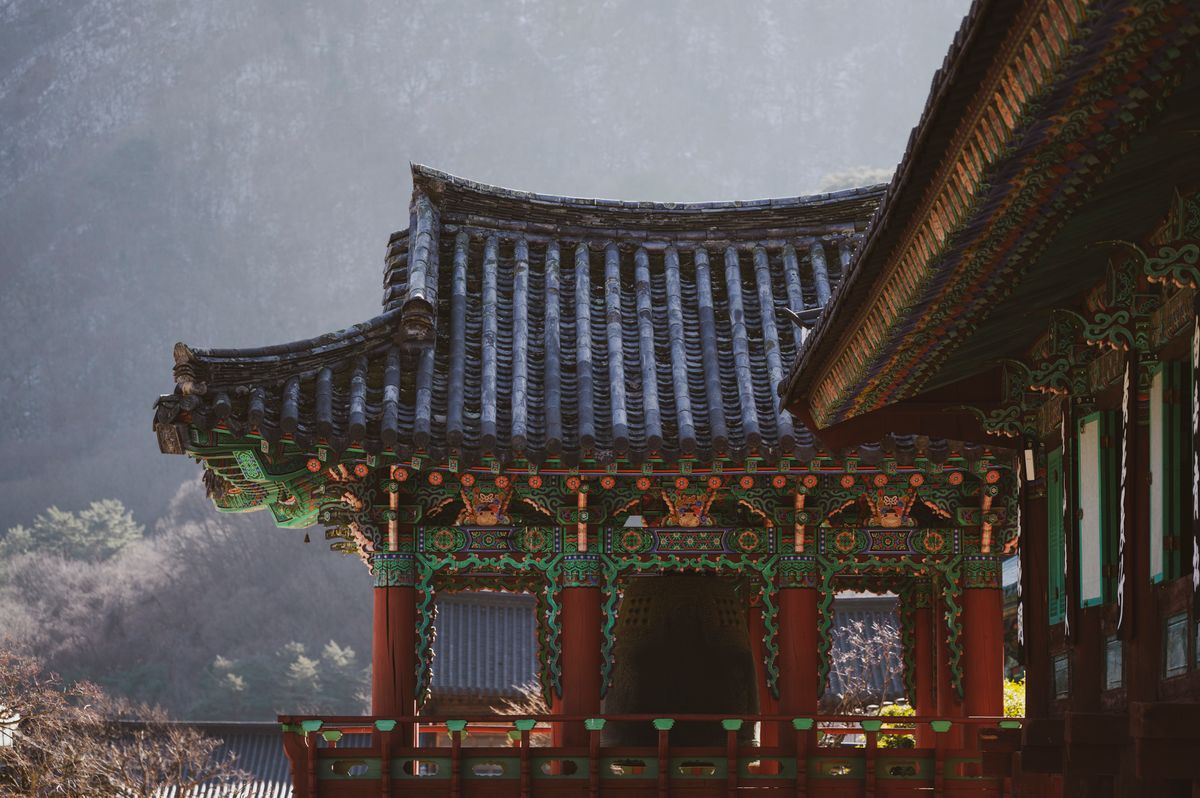
A temple stay is a strong fit if you want culture, quiet, nature, reflection, or a slower travel rhythm. It is especially good for visitors who want to understand Korean Buddhism as lived practice, not just as architecture in photos.
You may enjoy it if:
- You like quiet mornings and simple schedules.
- You want to learn etiquette inside a Korean temple.
- You are interested in meditation, tea, chanting, or Buddhist culture.
- You are tired of only shopping and cafe-hopping.
- You want a memorable overnight experience outside the usual hotel pattern.
- You can follow house rules respectfully even when they feel unfamiliar.
You may want to choose a day program or skip it if:
- You hate early mornings.
- You need hotel-level bedding, privacy, or amenities.
- You are traveling with someone who cannot handle quiet rules.
- You have mobility needs and the temple has stairs, slopes, or mountain paths.
- You have strict dietary needs that may not be easy to accommodate.
- You want alcohol, nightlife, or late-night convenience-store runs.
- You are booking only for aesthetic photos.
This is not about being "spiritual enough." It is about respecting the setting. A temple stay takes place inside a religious environment, often with residents, monks, staff, volunteers, and other participants. If you treat it like a themed hotel, it will feel awkward for everyone.
Prepare for the culture, not only the photos: As an Amazon Associate, EpicKor may earn from qualifying purchases. Before a temple stay, compare Korean culture and history books, Korean phrasebooks, and Korea travel essentials. A little context makes the experience feel less like a checklist and more like a real cultural visit.
See Korean phrasebooks on AmazonWhat A Typical Overnight Schedule Can Feel Like
Every temple is different, but an overnight stay often follows a simple arc: arrival, orientation, temple etiquette, activity, dinner, evening practice or rest, sleep, early morning practice, breakfast, closing activity, and departure.
Arrival usually includes check-in and clothing or room guidance. Some programs provide temple-stay clothing. Some ask you to wear modest, comfortable clothes. Shoes come off in certain areas. Quiet behavior matters.
Orientation may explain how to bow, where to walk, how to enter halls, what not to photograph, how meals work, and how the schedule will run. Pay attention here. It is easier to relax when you know the rules.
Activities vary. You might walk around the temple grounds, learn about Buddhist architecture, join meditation, make prayer beads, prepare a lotus lantern, have tea with a monk, or join a chanting ceremony. Some programs include 108 bows, which can be physically demanding if you are not used to repeated bowing.
Meals are usually simple and vegetarian or temple-style, though details vary. Do not expect restaurant choice, late-night snacks, or customized hotel breakfast. If you have allergies or strict medical dietary needs, ask before booking. Do not show up and expect the temple to improvise.
Sleep is often basic. Some rooms may be shared. Bedding may be on the floor. Bathrooms may be shared. Heating and comfort vary by temple and season. If you need privacy, softness, or hotel amenities, check carefully before booking.
Morning can start early. This is one of the biggest surprises for visitors. If early morning ceremony is part of the program, it may be the most memorable moment, but only if you knew it was coming.
Etiquette: How To Behave Without Overthinking Everything
You do not need to become an expert in Buddhist etiquette before arriving. You do need to be observant, modest, and respectful.
Basic etiquette:
- Dress simply and avoid revealing clothing.
- Speak quietly on temple grounds.
- Follow staff instructions during ceremonies and meals.
- Do not photograph people, ceremonies, or restricted areas without permission.
- Remove shoes where required.
- Keep your phone silent.
- Do not drink alcohol or bring party energy into the temple.
- Be punctual. A temple schedule is not a cafe reservation.
- Ask before touching ritual objects.
- Respect quiet time.
If you are unsure, watch what the guide or group does. Most temple-stay staff understand that visitors are new. Mistakes happen. The problem is not ignorance; it is carelessness.
Baru Gongyang, when included, is a formal Buddhist meal practice. It is not just lunch. It can involve silence, specific bowl handling, and a focus on not wasting food. If your program includes it, follow instructions closely and take only what you can finish.
Yebul is a Buddhist ceremony or chanting practice. Visitors may observe or participate depending on the program. Do not treat it as a performance staged for tourists. You are being allowed into a practice environment.
108 bows are exactly what they sound like: repeated bowing as a physical and reflective practice. If you have knee, back, balance, or health concerns, ask whether participation is optional or whether a modified version is possible.
What To Pack
Pack simply. A temple stay is not the place for overstyled luggage.
Bring:
- comfortable modest clothes
- socks
- a light layer
- personal toiletries
- any required medication
- a quiet alarm
- a small towel if the program advises it
- reusable water bottle if appropriate
- phone charger
- cash or card for local transport
- a small bag for temple movement
Avoid:
- noisy plastic bags
- strong perfume
- revealing clothes
- party clothes
- large rolling luggage if access involves stairs or slopes
- alcohol
- messy snacks
- expensive valuables you cannot secure
Check whether the temple provides bedding, clothing, towels, and toiletries. Do not assume. Mountain temples may feel colder at night than Seoul hotels, even in seasons that seem mild. Summer can be humid. Winter can be beautiful but demanding. Spring and autumn are popular because the weather is gentler.
If your temple is outside Seoul, plan the transport carefully. Buses, local taxis, and rural schedules can be less forgiving than Seoul subway movement. EpicKor's KTX vs SRT vs express bus guide can help you think through regional transfers, while the Korea travel apps guide can help with maps and taxi setup.
Seoul Temple Stay Or Mountain Temple Stay?
Both can be excellent, but they serve different travelers.
A Seoul-area temple stay is easier for first-timers. It reduces transport stress, fits a shorter itinerary, and lets you return to your hotel afterward if you choose a day program. It is a good option if your Korea trip is mostly Seoul and you want cultural depth without a rural transfer.
A mountain or regional temple stay can feel more immersive. Nature, silence, darkness, and distance from the city can make the experience more powerful. It can also make logistics harder. You need to understand bus routes, taxi access, check-in times, luggage storage, and what happens if you miss the last connection.
| Choice | Best For | Strength | Tradeoff |
|---|---|---|---|
| Seoul or metro-area temple | First timers, short trips, day programs | Easy access and lower logistics risk | Less isolated from city energy |
| Mountain temple | Quiet travelers, nature lovers, overnight stays | Stronger retreat feeling | Harder transport and more weather exposure |
| Regional historic temple | Culture-focused travelers, longer itineraries | Rich setting and local travel angle | Requires better planning around transfers |
Do not force a remote temple into a packed schedule. If you have only three days in Korea, a day program may be more honest. If you have ten days and want a slow cultural reset, an overnight regional temple can be worth the effort.
Keep the overnight bag quiet and practical: Compare Korea travel essentials, small travel laundry bags, and travel document organizers. For a temple stay, the goal is not more gear; it is a small bag that will not become a distraction.
See travel document organizers on AmazonHow To Book Without Choosing The Wrong Program
Start with the official Templestay site, then filter by region, date, language support, program type, and schedule. Read the actual program page, not only the temple name. Check check-in time, check-out time, activities, meal details, room type, age restrictions, clothing guidance, cancellation rules, and transport access.
Questions to answer before booking:
- Is this a day, rest, experience, or group program?
- Is English support available on the date you want?
- Is the room private or shared?
- Are meals included?
- Are 108 bows, early ceremony, or long sitting meditation required?
- Can the temple handle dietary restrictions?
- How do you get there from your hotel?
- What is the last bus or realistic taxi option?
- What happens with luggage?
- What is the cancellation policy?
If you are traveling with children, older relatives, or someone with mobility concerns, email or message before booking. Temple grounds can include stairs, slopes, uneven stone paths, and floor seating. A beautiful temple photo does not tell you accessibility.
FAQ
Q: Do I need to be Buddhist to do a Korea temple stay?
No. Temple stays are open to many visitors as cultural programs, but you should participate respectfully. You do not need to convert or pretend belief. You do need to follow etiquette and understand that you are entering religious space.
Q: Is a temple stay silent?
Some parts may be quiet or guided by silence, but not every program is fully silent. Rest programs may have more quiet time, while experience programs may include guided activities, conversation, and group instruction.
Q: Can I do a temple stay in Seoul?
Yes, there are temple-stay options in Seoul and the wider metro area. These are often easier for first-time visitors because transport is simpler. Regional and mountain temples can feel more immersive but need more planning.
Q: What should I wear?
Wear modest, comfortable clothes. Avoid revealing outfits, strong perfume, party clothes, and anything that makes sitting, bowing, or walking difficult. Bring socks and a light layer.
Q: Will the food be vegetarian?
Temple meals are generally simple and often vegetarian or temple-style, but details vary by program. If you have allergies, medical dietary needs, or strict restrictions, ask before booking.
Q: Is an overnight temple stay worth it?
It is worth it if you want a slower cultural experience and can respect the schedule. If you only want photos, luxury comfort, or a late-night social trip, choose a day visit or another activity instead.
Bottom Line
A Korea temple stay can be one of the most memorable parts of a trip, but it works best when you choose honestly. Pick a day program if you want a short introduction. Pick an experience program if you want structure. Pick a rest program if you want quiet. Pick a regional or mountain temple only if you are ready for the logistics.
The best temple stay is not the prettiest one on a booking page. It is the one whose schedule, rules, language support, transport, and atmosphere match the traveler you actually are.
You Might Also Like
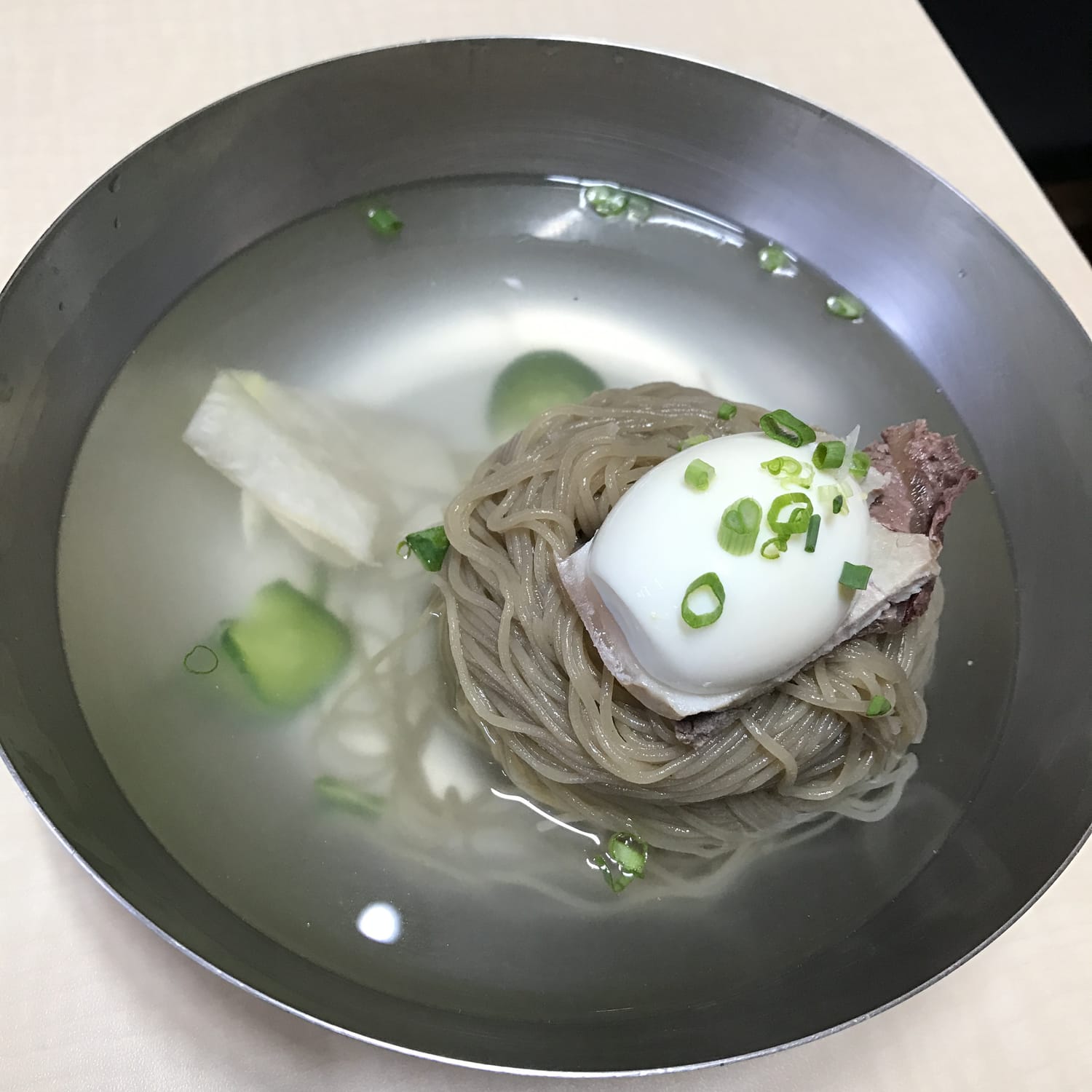
The One Korean Food Foreigners Never Learn to Love: Hamheung Naengmyeon, and Why Koreans Can't See the Problem
Foreigners who eat cheonggukjang and even hongeo still will not pay for this twice. A Korean creator who fed foreigners for years says naengmyeon was the overwhelming number one refusal, and Koreans, who rank it first every summer, cannot see why.
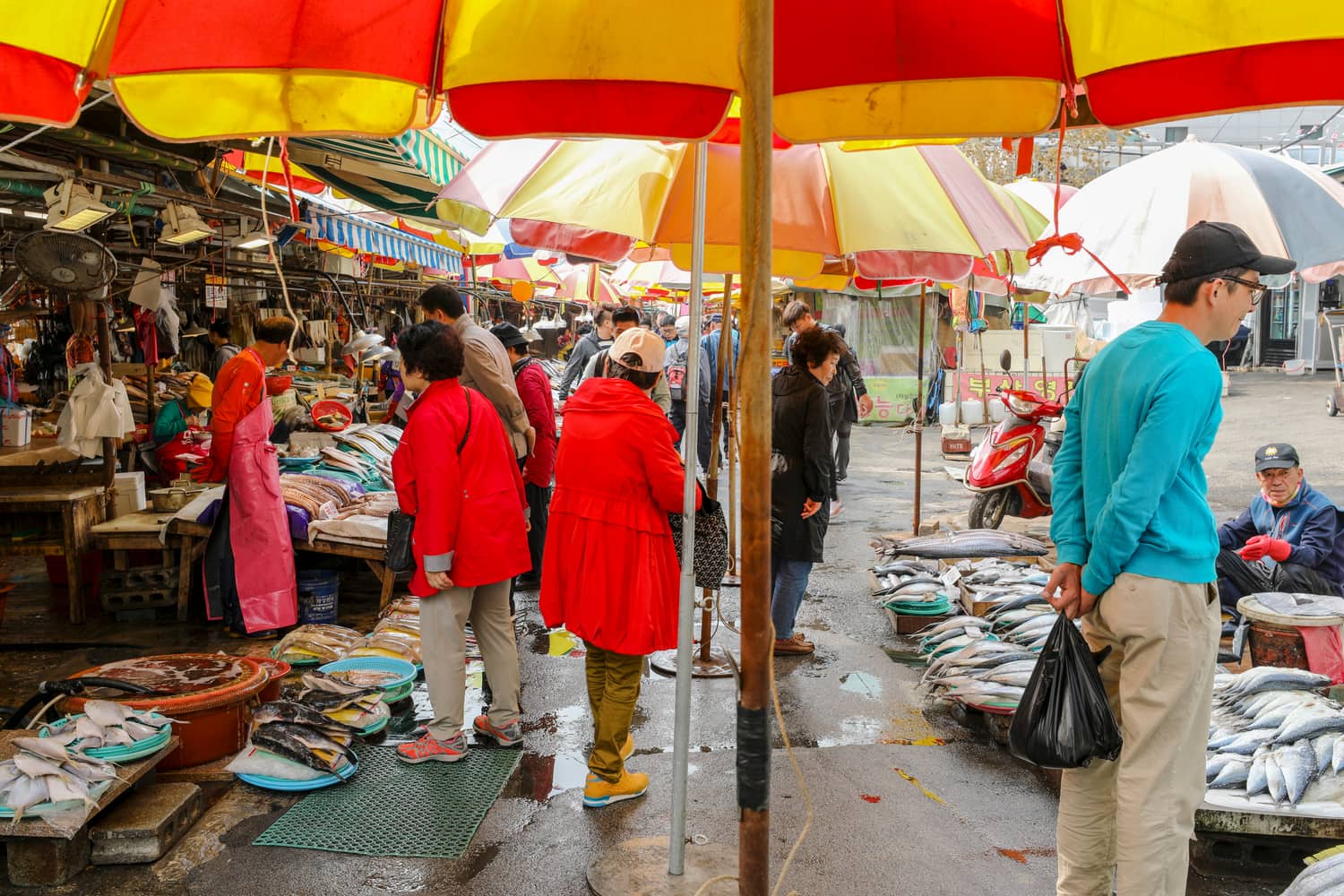
Why Do Koreans Stare at Foreigners? The 5% Country, and Where the Looking Actually Happens
In central Seoul nobody looks at you. In a provincial market, a small town or a subway car of grandmothers, they do. Korea only became a 5%-foreign country in 2025. Where the staring happens, what it means and does not mean, and what to do with it.
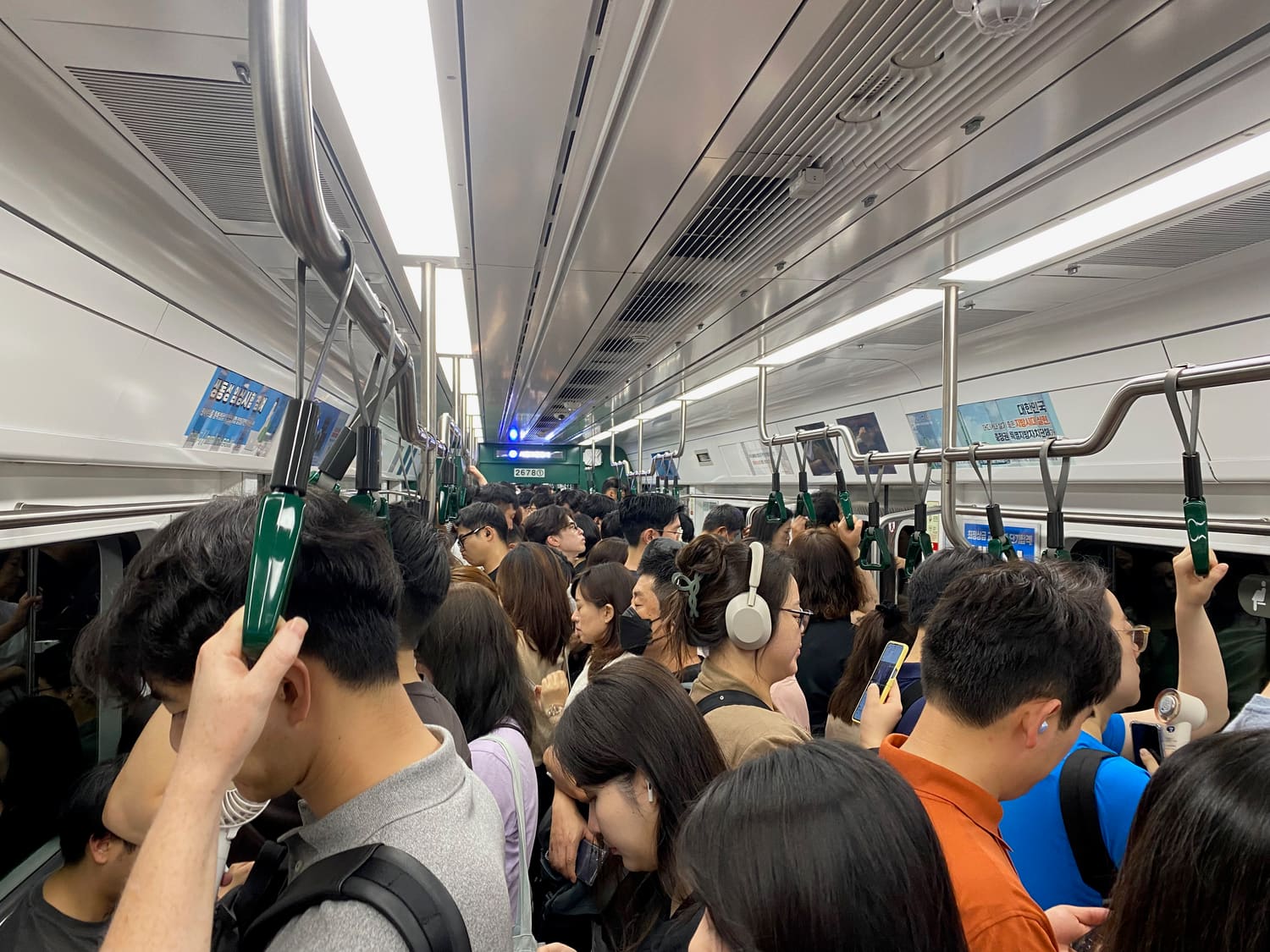
Why Koreans Seem Cold to Foreigners: The Gap Between How Korea Sees Itself and How You See It
Foreigners abroad rate Korea 82.3% favourable. Foreigners living in Korea rank Koreans 39th of 46 countries for friendliness, and 84% of Koreans say they would not trust a stranger. Where the gap comes from, and how to get to the other side of it.