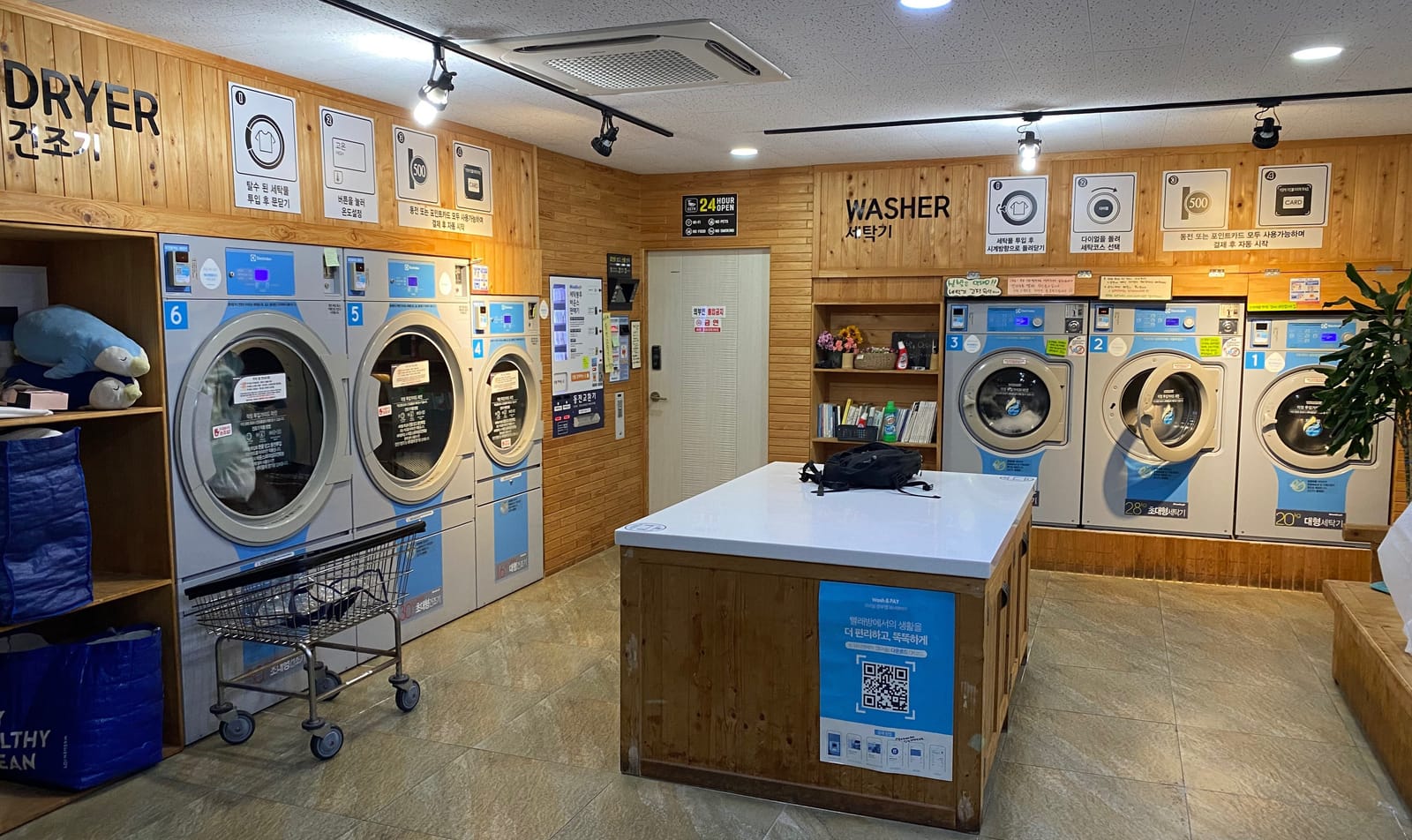
Korea Coin Laundry Guide 2026: Wash, Dry, and Pack Light
Korea coin laundry sounds like a small travel detail until your suitcase smells like subway stairs, barbecue smoke, summer humidity, sunscreen, and one unlucky rain day. Then it becomes a serious itinerary tool.
Korea is easy to overpack for because visitors imagine every day as a different outfit: palace photos, cafe days, K-pop shopping, hiking, beach trips, temple stays, nightlife, and airport transfers. But the smarter move is often to pack less, wash once or twice, and protect your luggage space for the things you actually buy in Korea.
If hiking is one of those outfit changes, use EpicKor's Seoul hiking guide before packing heavy boots for a city walk or wearing smooth fashion sneakers on a rocky trail.
Coin laundries in Korea are usually called "coin laundry," "self laundry," "laundromat," or "wash and dry" in English signage. You can find them in residential neighborhoods, university areas, guesthouse districts, near officetels, around long-stay hotels, and sometimes close to tourist-heavy zones. They are not all identical, and not every one is perfectly tourist-friendly, but the basic rhythm is simple: sort, load, pay, wash, dry, fold, leave.
This guide explains how to use Korean coin laundries without turning laundry day into a half-day problem.
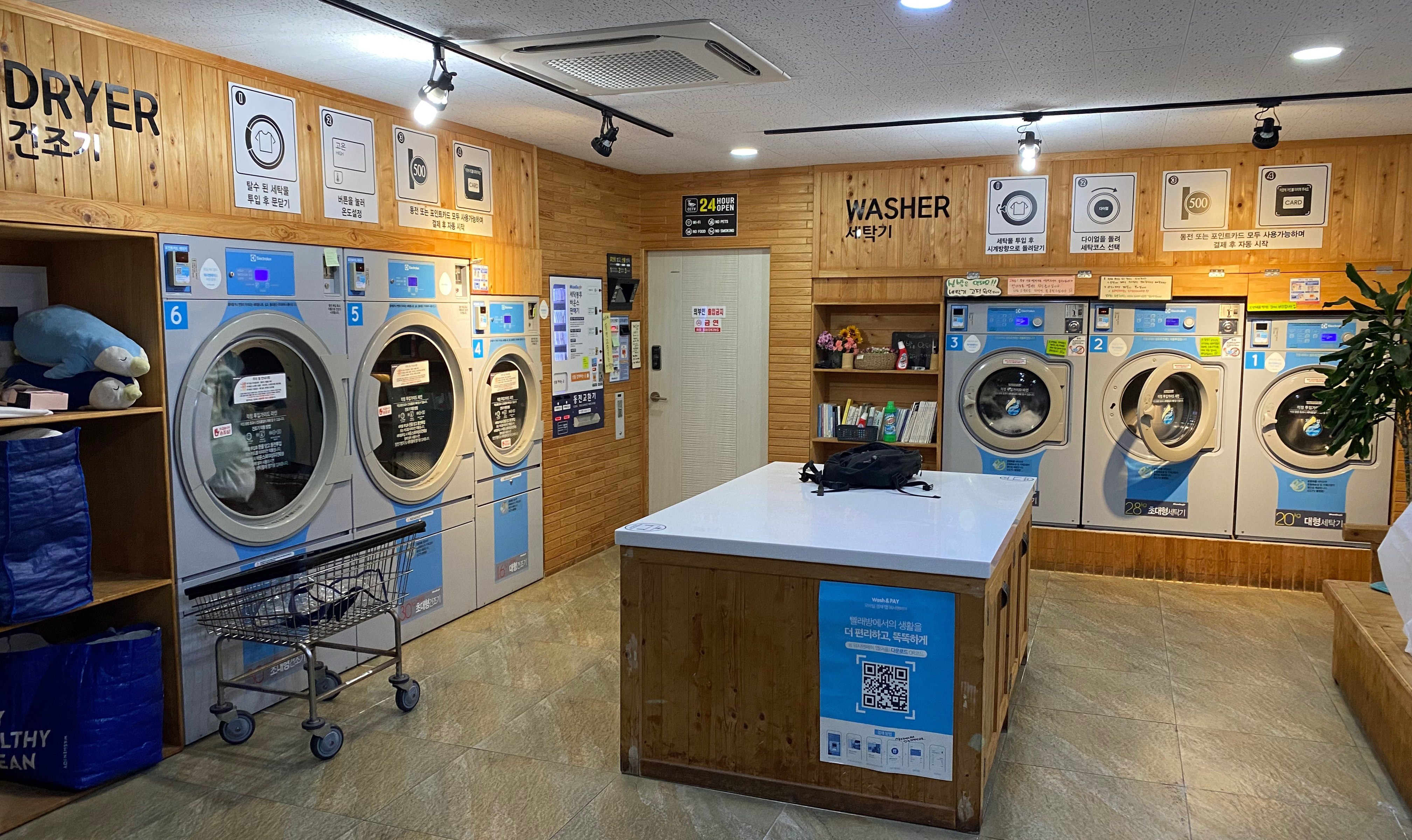
Quick Answer: How Do Coin Laundries Work In Korea?
Most Korean coin laundries are self-service. You bring clothes, choose a washer, add detergent if needed, pay at the machine or a central kiosk, wait through the wash, move clothes to a dryer, pay again, dry, and fold. Some shops sell detergent or include it automatically. Others expect you to bring your own. Payment may be coins, bills, card, a local app, or a store card depending on the shop.
If you are a tourist, assume three things:
- Not every machine will have full English instructions.
- Not every payment method will work smoothly with a foreign card.
- Drying takes longer than you want if your load is too full.
The safest plan is to find a laundry near your hotel before you are desperate, go at a calm time, bring a small detergent backup, carry enough cash or coins, and avoid washing anything expensive, delicate, waterproof, leather, heavily embellished, or irreplaceable.
| Traveler Situation | Best Laundry Move | What To Avoid |
|---|---|---|
| 3-4 day Seoul trip | Pack enough clothes and skip laundry unless weather gets messy | Wasting prime sightseeing time for one small load |
| 7-10 day Korea trip | Plan one laundry stop halfway through | Packing a full outfit for every day |
| Summer or rainy-season trip | Wash lighter, faster-drying clothes more often | Leaving damp clothes in a suitcase overnight |
| Family or group trip | Use larger machines and separate colors/delicates | Overloading one washer to save one cycle |
| Long-stay hotel or Airbnb | Check in-room laundry first, then use coin laundry for drying or bulky items | Assuming the room washer has a strong dryer function |
Tru Earth laundry detergent strips — on AmazonAffiliate link. As an Amazon Associate, EpicKor earns from qualifying purchases at no extra cost to you.
For app setup around the laundromat, EpicKor's Korea travel apps guide is useful because Naver Map or Kakao Map can help you search neighborhood terms, save the location, and find your way back after dark.
How To Find A Coin Laundry Near You
Search terms matter. Try "coin laundry," "self laundry," "laundromat," "wash and dry," or the Korean-style English phrase "self laundromat." In Korean, you may see words like ppallaebang or coin ppallaebang, but you do not need to type Korean perfectly if you are using a map app with location search.
Look for laundries near:
- universities
- guesthouses
- officetel buildings
- residential subway stations
- long-stay hotels
- Airbnb-heavy neighborhoods
- markets and local shopping streets
Tourist neighborhoods can have laundromats, but the closest option is not always the best. A tiny unattended shop may be fine for locals but confusing for visitors. A larger shop with a central payment kiosk, clear machine numbers, detergent vending, folding tables, and visible operating hours is easier.
Before carrying laundry across town, check photos and recent reviews if available. Look for pictures of machines, payment panels, dryers, detergent vending, seating, and posted instructions. If every review complains about broken dryers or payment issues, choose another place.
Do not leave your laundry search until midnight unless you already know the shop. Some laundries advertise 24-hour operation, but payment machines, entrances, or building access can still be confusing late at night. A midday or early evening laundry stop is easier, especially on your first visit.
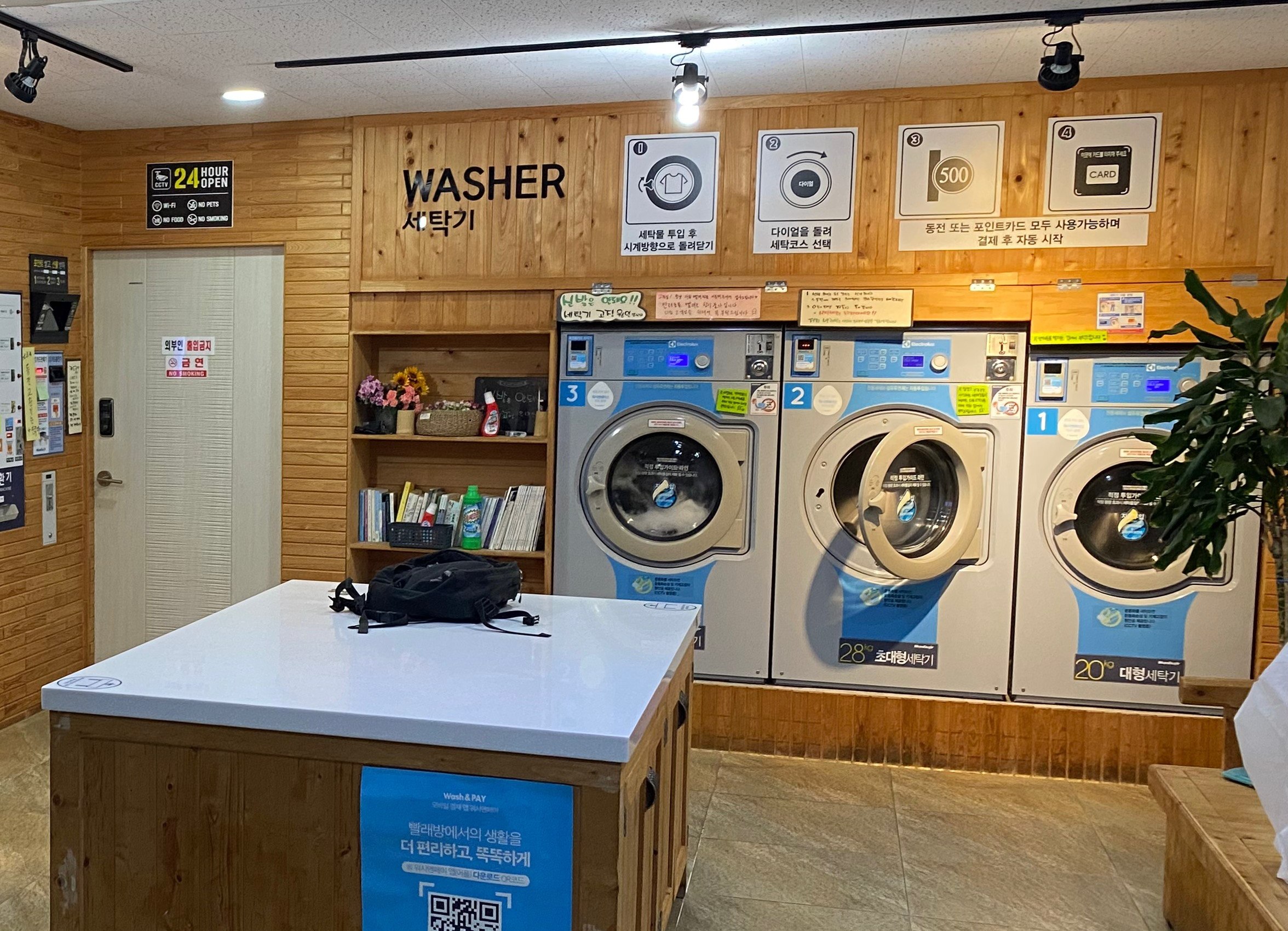
What To Bring
Bring less than you think, but bring the right small items.
The most useful laundry kit is simple:
- a small laundry bag
- a few detergent sheets or pods if you use them safely
- a stain wipe or small stain remover
- a zip bag for damp or dirty items
- a few coins or small bills
- your phone charger or power bank
- a book, earphones, or something to do while waiting
Some Korean laundries sell detergent automatically, include detergent in the wash, or have vending machines. That is convenient, but do not count on it everywhere. Detergent sheets are travel-friendly because they are light and do not spill, but always follow the machine instructions and avoid using too much. More detergent does not mean cleaner clothes. It can leave residue and make drying worse.
Pack a tiny laundry kit before the trip: As an Amazon Associate, EpicKor may earn from qualifying purchases. If you plan to wash clothes in Korea, Tru Earth detergent strips weigh almost nothing and clear airport security as paper, which is the whole point — Korean coin laundries sell detergent by the single dose, but not every machine bank has a working dispenser. A small kit saves you buying full-size supplies for one or two loads.
See Tru Earth detergent strips on AmazonIf you are packing for Korea specifically, prioritize fabrics that dry well. Thin athletic tops, quick-dry underwear, lightweight socks, and wrinkle-resistant layers are much easier than heavy cotton hoodies. Jeans can be fine, but they dry slowly and take space. A bulky sweatshirt that gets soaked in summer rain can ruin your laundry schedule.
For a multi-city route, coordinate laundry with travel days. If you are taking KTX, SRT, or an express bus the next morning, do laundry the day before, not right before checkout. EpicKor's KTX vs SRT vs express bus guide explains why door-to-door timing matters; the same logic applies to laundry.
Step-By-Step: Using A Korean Coin Laundry
Start by sorting clothes before you arrive. Separate whites, darks, delicate items, and anything that might bleed color. If you are unsure, keep risky items out of the machine.
Choose a washer based on load size. Do not pack the drum full. Clothes need room to move. A half to three-quarter load washes and dries better than a stuffed machine. If you are traveling as a couple or family, two medium loads may be smarter than one overloaded load.
Check whether detergent is automatic. Some machines inject detergent. Some shops sell it separately. Some require you to add it. If instructions are unclear, use a translation app on the machine panel or posted sign. Do not pour random liquid into a compartment because you guessed.
Pay only after you are sure the door is closed, the cycle is selected, and the machine number is correct. If the shop has a central kiosk, match the machine number carefully. A common tourist mistake is paying for the wrong machine because the washer and dryer numbers are not where you expect.
Stay nearby for the end of the cycle. Korea is safe, but leaving laundry unattended for a long time is still inconsiderate. Other users may need the machine, and some shops have rules about unattended items. Set a timer on your phone.
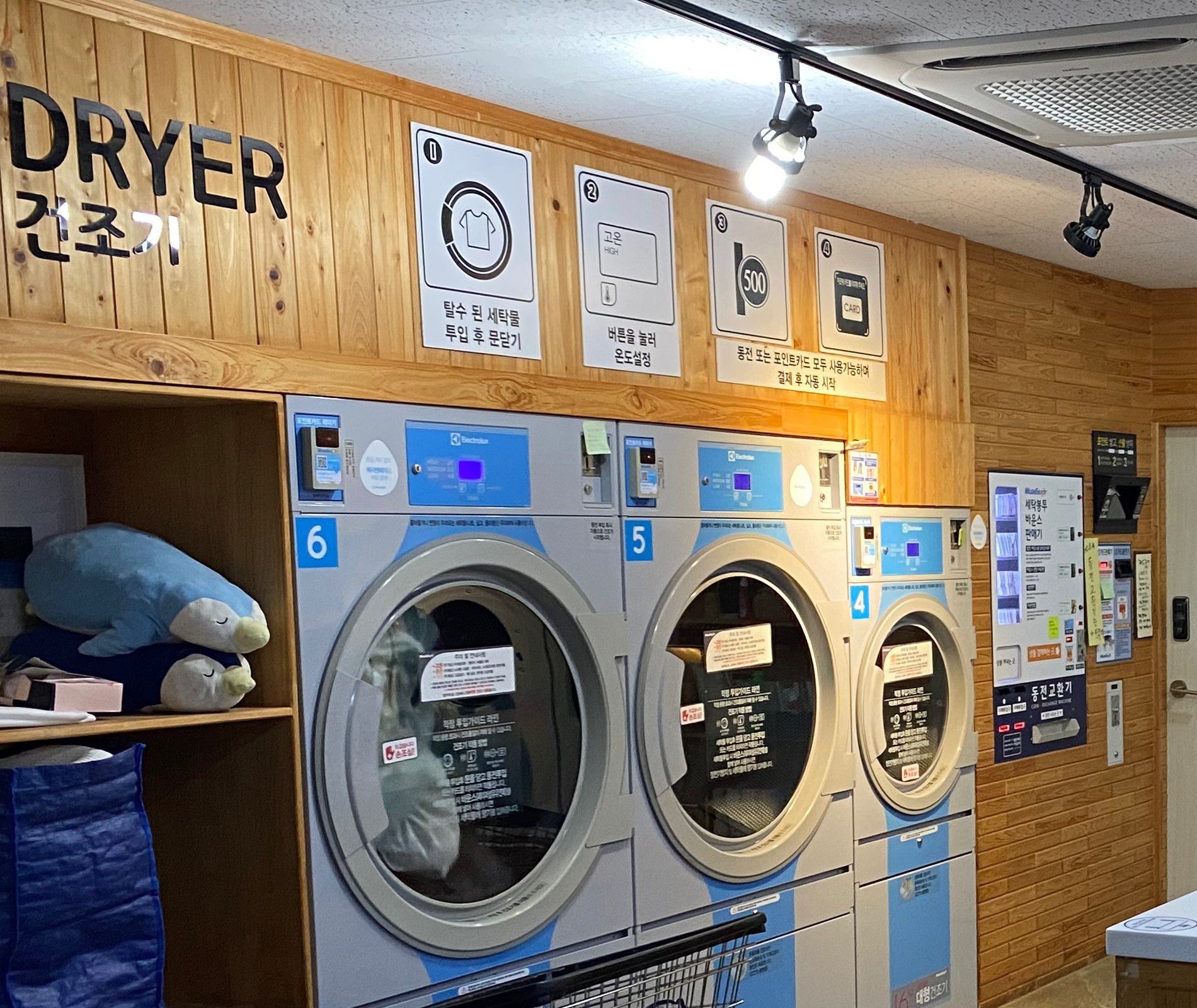
Move clothes to the dryer promptly. Clean the lint filter if the shop expects users to do so. Choose heat carefully. High heat can shrink clothes, damage elastic, affect printed shirts, and ruin delicate fabrics. If you are not sure, use a lower heat and add time.
Fold before leaving if there is a folding table. This keeps your suitcase organized and helps you spot missing socks, damp spots, or items that need extra drying.
Drying Is The Part That Deserves Respect
Most laundry problems happen during drying.
Travelers overload dryers because they are tired and want to finish quickly. That usually backfires. A packed dryer tumbles poorly, traps damp fabric, and forces you to pay for extra cycles. Split loads when needed. Heavy towels, jeans, hoodies, and sweatshirts should not be mixed carelessly with thin shirts if you need everything dry at the same time.
Check pockets before washing and drying. Receipts, tissues, lip balm, cosmetics, and transit cards can create mess or damage. A forgotten paper tissue can turn a load of dark clothes into a lint disaster. A forgotten lip balm can melt.
Do not dry shoes unless the machine or shop clearly allows it. Shoes can damage machines, make noise, transfer dirt, or deform with heat. Some laundries have dedicated shoe washers or dryers. Use only those if available.
Do not put waterproof jackets, rain shells, down jackets, wool, silk, leather, or delicate clothing in a hot dryer unless the care label clearly allows it. Korea's summer humidity may tempt you to force-dry everything, but one ruined jacket costs more than a little patience.
Payment, Timing, And Etiquette
Payment varies more than tourists expect. Some laundries accept coins. Some use bill changers. Some take Korean cards. Some use a central kiosk. Some may work with foreign credit cards; others may not. Carry small cash as a backup, especially outside major tourist zones.
If a machine eats money or fails to start, look for a phone number, QR code, KakaoTalk contact, or store instruction sign. In unattended laundries, immediate help may not be available. If you cannot resolve it quickly, do not keep feeding money into the same machine.
Etiquette is simple:
- Do not occupy multiple machines if the shop is busy.
- Do not leave clothes in a finished machine for a long time.
- Do not remove someone else's clothes unless a posted rule says staff or users may do so after a long delay.
- Clean up detergent spills, dryer sheets, lint, and packaging.
- Keep phone calls and music quiet.
- Do not eat messy food on folding tables.
The best time to go is often late morning, early afternoon, or early evening on a weekday. Weekend evenings can be busier in residential areas. Near universities, patterns depend on student schedules. Near guesthouses, mornings and nights can get crowded.
Hotel Laundry, Airbnb Washers, Or Coin Laundry?
Each option has a place.
Hotel laundry service is easiest but can be expensive, slower, and designed for individual garments rather than a traveler's full load. It is useful for shirts, nicer clothing, or emergency cleaning, but not always for socks and T-shirts.
Airbnb or serviced-apartment washers are convenient if they work well. The issue is drying. Many Korean homes use drying racks or washer-dryer combo units that may not dry heavy loads quickly. If you have only one night before checkout, a coin laundry dryer may be faster.
Coin laundry is best for bulk basics: underwear, socks, T-shirts, pajamas, light pants, workout clothes, and casual travel layers. It is not the best place for expensive fashion, delicate fabrics, structured coats, or anything with sentimental value.
| Option | Best Use | Main Risk | Traveler Tip |
|---|---|---|---|
| Hotel laundry | Dress shirts, nicer clothes, convenience | Cost and turnaround time | Ask price before handing over a full bag |
| Airbnb washer | Small loads, long stays, late-night washing | Slow drying and limited instructions | Wash early enough to air-dry fully |
| Coin laundry | Bulk basics, dryer access, packing light | Payment confusion, heat damage, waiting time | Bring backup detergent and do not overload |
A Smart Packing Plan For Korea
For a one-week Korea trip, you can often pack four or five days of basics, then wash once. For a two-week trip, plan two laundry stops. For summer, rainy season, hiking, or beach trips, plan extra socks and underwear because humidity changes everything.
A practical packing rhythm:
- 4-5 tops
- 2-3 bottoms
- 5-7 underwear
- 5-7 socks
- 1 sleep set
- 1 light layer
- 1 rain or weather layer if needed
- 1 laundry bag
- 2-4 detergent sheets
This is not a rule for every traveler. It is a starting point. If fashion photos are part of your trip, pack differently. If you are moving cities every two days, pack lighter because luggage fatigue is real. If you are shopping at Olive Young, malls, streetwear stores, or markets, leave extra suitcase space.
Leave luggage room for Korea shopping: Before a longer trip, a set of compression packing cubes plus one wash mid-trip does more than a bigger suitcase — washing once is smarter than dragging a heavy case through Seoul subway transfers, most of which involve stairs.
See compression packing cubes on AmazonFAQ
Q: Are Korean coin laundries easy for foreigners?
Many are manageable, especially in larger cities and tourist-adjacent neighborhoods. The challenge is not the wash itself; it is payment, machine instructions, and drying settings. Use translation apps, carry small cash, and choose a shop with clear photos or reviews.
Q: Do Korean laundromats provide detergent?
Some do, some sell it, and some expect you to bring your own. Do not assume. Carrying a few travel detergent sheets or pods gives you a backup, but use only an appropriate amount and follow machine instructions.
Q: Can I leave my clothes while the machine runs?
You can step out briefly, but set a timer and return before the cycle ends. Leaving clothes sitting in a finished washer or dryer is rude and can block other customers. In unattended shops, long delays may create problems.
Q: Can I wash shoes in a Korea coin laundry?
Only if the shop has a dedicated shoe washer or clear signage allowing it. Do not put shoes into a normal washer or dryer. Heat and tumbling can damage shoes and machines.
Q: Is coin laundry better than hotel laundry?
For everyday clothes, usually yes. Coin laundry is cheaper and better for bulk basics. Hotel laundry is better for nicer clothing, pressing, or convenience when cost is less important.
Q: How often should I plan laundry for a Korea trip?
For 7-10 days, plan one laundry stop. For two weeks, plan two. In summer, rainy season, hiking trips, or beach routes, wash more often and pack quick-dry clothes.
Bottom Line
Korea coin laundry is not glamorous, but it can make a Korea trip easier. It lets you pack lighter, handle humidity, recover from food smells and rain, and leave suitcase space for souvenirs.
The key is to treat laundry like part of the itinerary. Find a nearby shop early, bring a tiny backup kit, avoid delicate items, respect dryer heat, and do not wait until your last clean shirt is gone. One calm laundry stop can save you from hauling a suitcase full of unnecessary clothes across Korea.
You Might Also Like
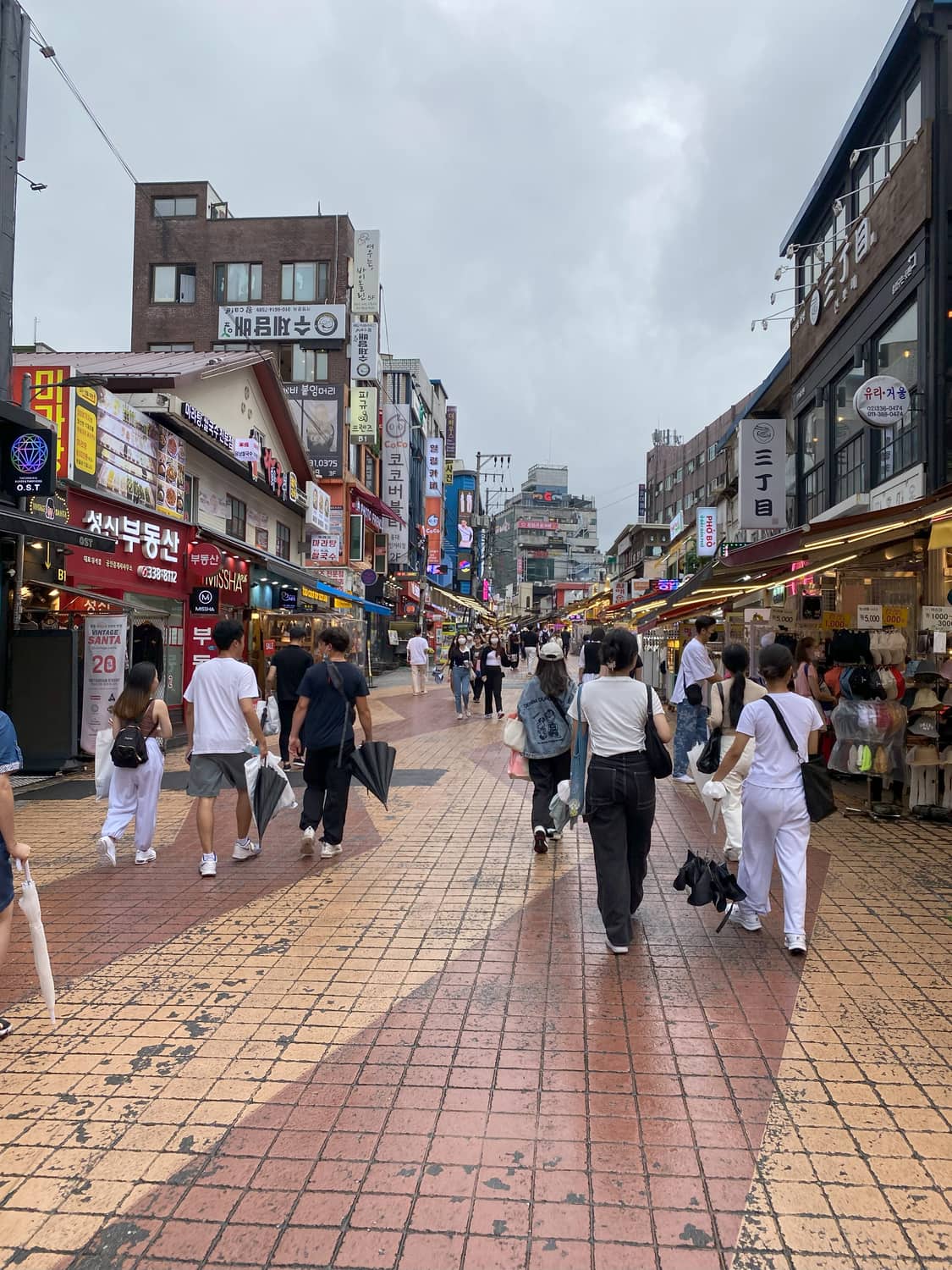
Do Koreans Speak English? Ask Someone Under 35 — What Actually Happens on a Seoul Street
Yes, if you ask the right person. Stop a Korean in their twenties or thirties on a Seoul street and you will almost always get an answer in English. The forum answer that says otherwise is twenty years old. Who to ask, how to ask, where English is built in.
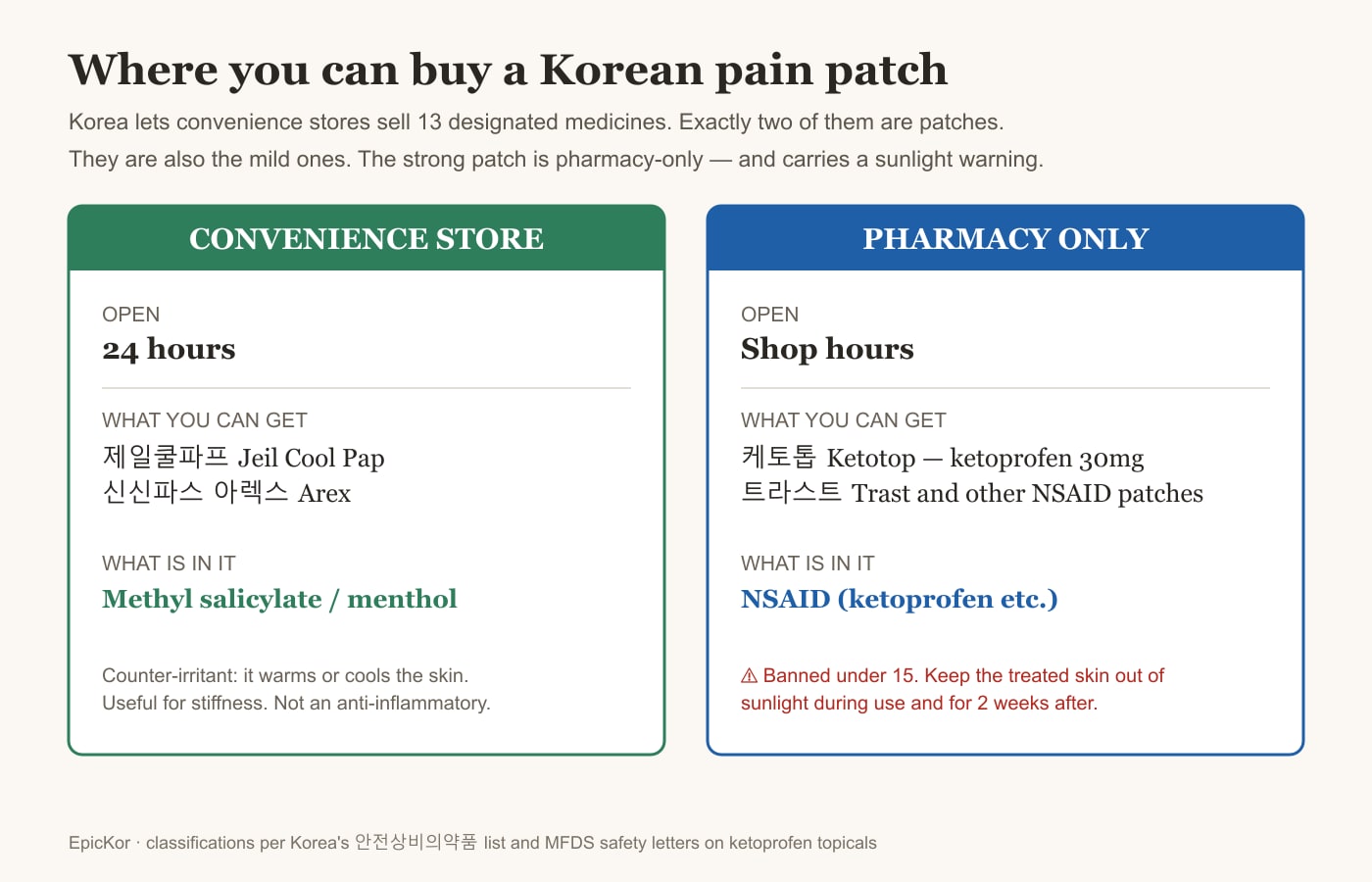
Korean Pain Patches: Only Two Are Sold Outside a Pharmacy
Korea lets convenience stores sell 13 designated medicines and exactly two are pain patches, both mild. The one everyone recommends — Ketotop, 30mg ketoprofen — is pharmacy-only and warns you to keep the treated skin out of sunlight for two weeks.
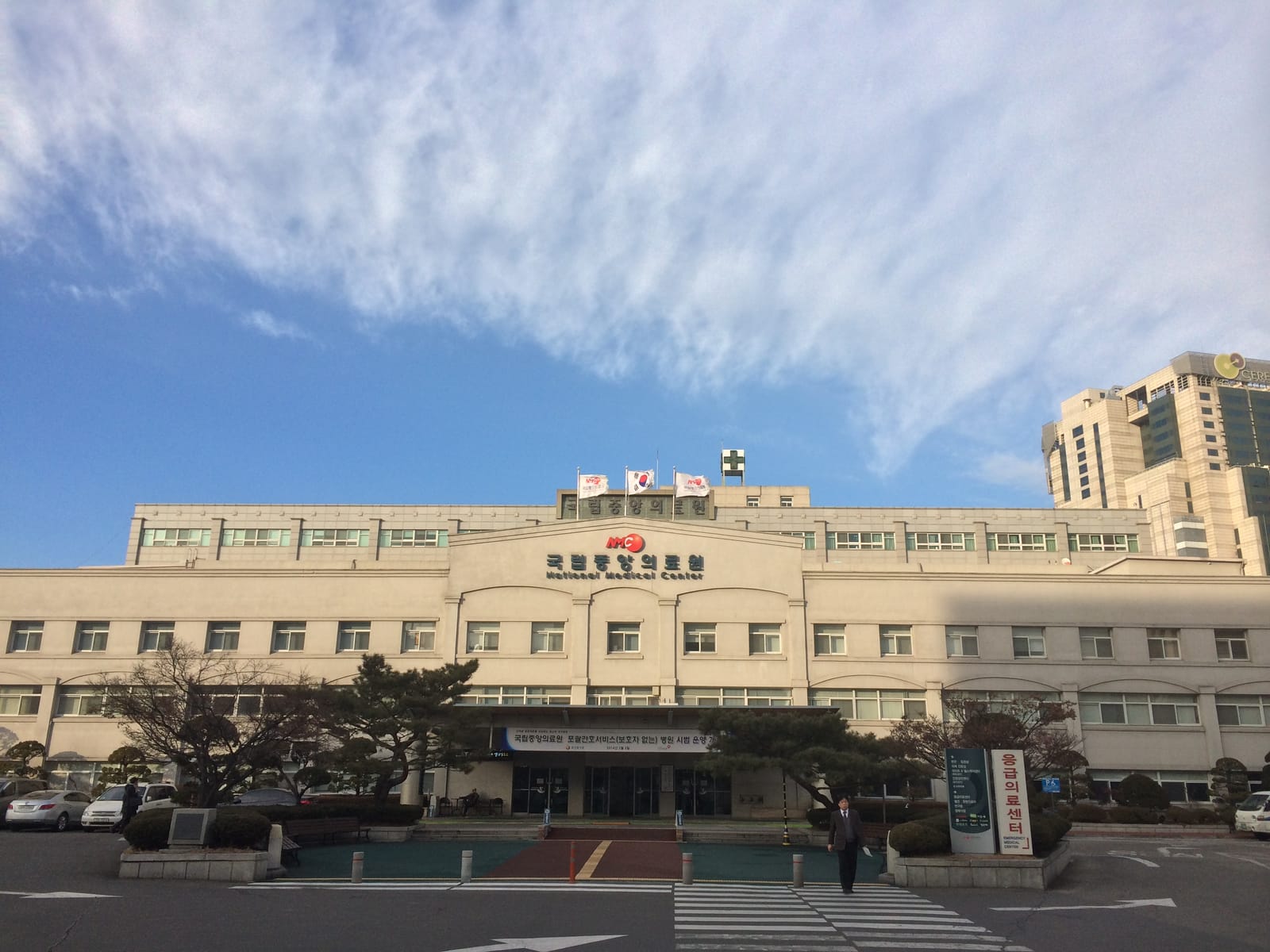
Korean Healthcare Guide for Tourists: Emergencies and Pharmacies
How to handle healthcare in Korea as a tourist: emergency numbers, hospitals, pharmacies, insurance, language help, and travel prep.