Chuseok 2026: Korea Slows Down 24-26 September, Train Seats Sell 7-11 September
If you are travelling in Korea in late September, the date that matters is not Chuseok itself. It is the morning your route goes on sale, because that is when the seats disappear.
Korail published the schedule on 13 August 2026, and it is later than almost every English guide says. Korean travel sites had been circulating 20 August for KTX and 25 August for SRT. Both were wrong. The real dates are 3-4 September for priority passengers and 7-11 September for everyone else, split by route — and Seoul-Busan, the busiest run in the country, is the last one, on 11 September.
추석 (Chuseok) falls on Friday, 25 September 2026. The official holiday runs Thursday 24 to Saturday 26 September, and because none of those days lands on a Sunday, there is no substitute holiday (대체공휴일) this year — a detail that changes how long the travel crush lasts. With Sunday the 27th, most of the country gets four days.
For visitors, the holiday sounds lovely and is: family gatherings, harvest food, 송편, ancestral rites, a slower national mood. It can also mean sold-out trains, shuttered small restaurants, gridlocked highways, and a Seoul itinerary that quietly stops working.
This guide covers what to book and when, what closes, and how to spend the holiday well rather than fighting fifty million people for the same seat.
For broader timing and logistics, pair this with EpicKor's best time to visit Korea guide, Korea travel preparation guide, and Seoul subway etiquette guide.
Visiting for Chuseok? A Korea SIM with a local number, sorted before you landAffiliate link. As an Amazon Associate, EpicKor earns from qualifying purchases at no extra cost to you.
The Short Answer
| Detail | |
|---|---|
| Korean name | 추석 (Chuseok), also 한가위 |
| Chuseok day 2026 | Friday, 25 September |
| Official holiday | Thu 24 – Sat 26 September (3 days) |
| Substitute holiday | None this year. No holiday lands on a Sunday |
| Effective break | 4 days, counting Sunday the 27th |
| General sale | Mon 7 – Fri 11 September, 07:00–13:00, split by route |
| Seoul–Busan KTX sells | Friday 11 September — the last day of the sale |
| Suseo departures sell | Thursday 10 September |
| Priority sale | Thu 3 – Fri 4 September, 09:00–15:00 — disabled, 65+, pregnant passengers (new this year), designated veterans |
| Remaining seats | From Fri 11 September, 15:00 — app, website and station counters |
| Booking limit | 12 tickets per person, 6 per transaction. Pay 12–15 September or the seat is released |
| Where | 코레일+ app or korail.com only. No station-counter sales during the advance sale |
| Seoul–Busan KTX | ₩54,400 standard for Chuseok travel (₩59,800 until 31 August) · first class and standing drop about 10% too |
| Journey time | 2h 15m – 2h 45m, depending on stops |
| Highway tolls | Waived 24–27 September, all expressways — confirmed 1 September |
| Palaces | Free 24–27 September: 경복궁·창덕궁·창경궁·덕수궁, 종묘, the royal tombs and MMCA — confirmed 1 September |
| Closed on the 25th | 국립중앙박물관, 국립현대미술관, 국립민속박물관, Costco. Palaces stay open |
| Can tourists visit? | Yes — but do not treat it as a normal travel week |
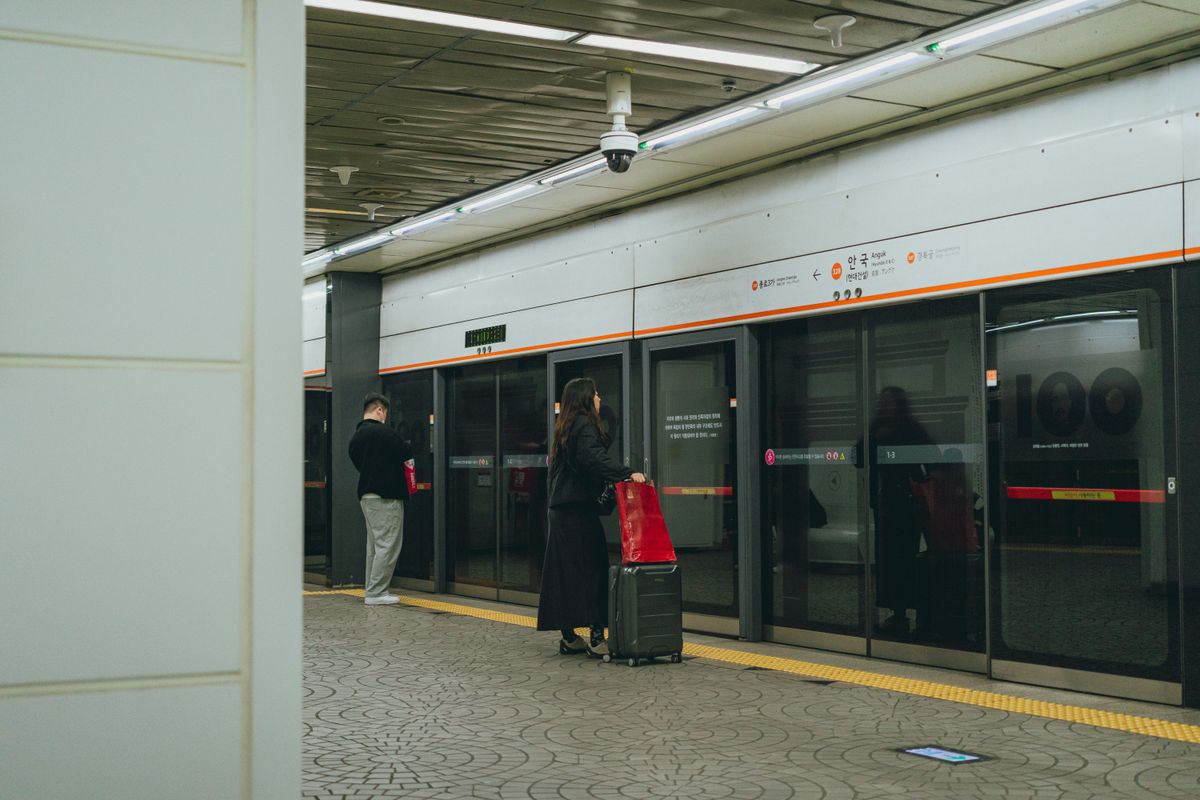
Book intercity trains, buses, domestic flights, hotels outside Seoul, and any tour with limited capacity. Expect some restaurants, small shops, clinics, markets, and family-run businesses to close or run shorter hours. Large tourist sites, malls, palaces, hotels, convenience stores, and chain businesses generally stay open, but schedules vary.
If a route has only one good option, it will be gone within minutes of its sale day.
The simple rule: do not plan your most important Korean transfer during Chuseok unless you have already secured it.
KT 30-day unlimited-data Korea SIM with a local number — sort it before a holiday week, not during one. Phone shops and airport counters run short hours over Chuseok, and Korail's app, Kakao T and the 1330 line all want a working Korean number. An eSIM (5GB / 15 days) is the lighter option if your phone supports it. As an Amazon Associate, EpicKor earns from qualifying purchases at no extra cost to you.
See the KT SIM on AmazonWhat Chuseok Actually Is
Chuseok is often described in English as a Korean harvest holiday, but tourists should be careful with the comparison to Thanksgiving. The emotional category may feel similar because family and food matter, but the rituals, calendar, travel patterns, and cultural meaning are Korean.
Families may gather, prepare food, visit ancestral graves, perform memorial rites, exchange gifts, rest, watch holiday programming, and travel to hometowns. That family movement is what changes the travel environment.
For visitors, the most important part is not memorizing every custom. It is understanding that Korea's normal urban rhythm changes because many Koreans are prioritizing family time.
If you read EpicKor's Korean gift-giving culture guide, Chuseok is one of the clearest examples of how gifts, relationship balance, and presentation matter in Korea.
The Travel Shutdown Problem
"Shutdown" does not mean Korea closes completely.
It means the country reallocates attention. Families move. Small shops pause. Some restaurants close. Transport demand spikes. Certain services become harder to use. Tourist areas may still operate, but the ordinary backup options around them may not.
The biggest risk is intercity travel. Seoul to Busan, Seoul to Daegu, Seoul to Gwangju, Seoul to Daejeon, Seoul to Jeonju, and other hometown routes can become extremely competitive. Roads can be slow. Train tickets can sell out. Bus terminals can be crowded. Domestic flights may become expensive or limited.
If your plan depends on moving between cities during September 24-27, treat that as a high-risk itinerary until tickets are confirmed.
When Train Tickets Actually Go On Sale
Korea does not sell holiday train tickets on the normal rolling schedule. Chuseok seats are released in a separate advance sale, and — this is the part that catches people — your route has its own day. Turning up on the wrong morning is the same as not turning up.
Korail posted the official notice on 13 August 2026 (2026년 추석 연휴 승차권 예매 안내문), covering travel on 23-27 September. Here is the whole schedule, taken from that notice and the timetable attached to it.
| Who | Day | Hours | What goes on sale |
|---|---|---|---|
| Priority | Thu 3 Sep | 09:00–15:00 | All trains on the Gyeongbu, Gyeongjeon, Donghae, Jungbu Naeryuk, Gyeongbuk, Daegu, Chungbuk and Gyoeoe lines |
| Priority | Fri 4 Sep | 09:00–15:00 | All trains on the Honam, Jeolla, Jungang, Gangneung, Janghang, Yeongdong, Taebaek, Seohae, Gyeongchun and Mokpo–Boseong lines |
| Everyone | Mon 7 Sep | 07:00–13:00 | Conventional trains only — ITX-Saemaeul, ITX-Maeum, Mugunghwa — all lines |
| Everyone | Tue 8 Sep | 07:00–13:00 | KTX from Seoul / Cheongnyangni: Gyeongjeon (→Changwon, Masan, Jinju), Gangneung, Donghae, Jungang, Jungbu Naeryuk (Pangyo–Chungju–Mungyeong) |
| Everyone | Wed 9 Sep | 07:00–13:00 | KTX from Yongsan: Honam (→Gwangju Songjeong, Mokpo), Jeolla (→Jeonju, Yeosu EXPO) |
| Everyone | Thu 10 Sep | 07:00–13:00 | KTX to and from Suseo — Gyeongbu, Gyeongjeon, Donghae, Honam and Jeolla lines |
| Everyone | Fri 11 Sep | 07:00–13:00 | KTX from Seoul on the Gyeongbu line — Daejeon, Dongdaegu, Gyeongju, Ulsan, Busan |
| Anyone | Fri 11 Sep, 15:00 → | ongoing | Remaining seats, and this is the only stage sold at station counters |
Read that table for your own route before you set an alarm. Seoul→Busan is the single busiest journey in Korea and it is the last slot, on 11 September. Seoul→Gwangju or Mokpo is 9 September. Anything leaving from Suseo — which since the merger includes trains that used to be SRT — is 10 September. A Mugunghwa to a smaller town is 7 September, four days before the Busan KTX.
The rules that trip people up:
- The advance sale is online only. Korail's notice says it plainly:
역 창구 예매 없음— no station-window sales. App (코레일+) orkorail.com, nothing else. Station counters only come into play from 15:00 on 11 September, for leftovers. - You must be a unified member. Holiday booking is members-only, and if your account was with SR you have to convert it first — see our KTX-SRT merger guide. Create the account and confirm you can log in days beforehand, not on the morning.
- Twelve tickets maximum per person, and six per transaction — a big group needs two goes.
- Booking is not buying. Payment runs 12 September 00:00 to 15 September 24:00 (priority-sale tickets have until 18 September, and those can be paid by phone through the call centre). Miss it and the seat goes back into the pool — which is exactly why a second wave of seats appears mid-September and is worth waiting for.
- There is a waitlist. If a seat frees up you get a KakaoTalk or SMS alert and must pay by midnight that same day.
- You can practise first. The dedicated booking page is open in rehearsal mode 24 August 14:00 – 2 September, and again 5–6 September. Use it to find out where the buttons are while it costs nothing.
- Discounts switch off for the holiday. Senior seats, free seating, child-companion and KTX companion seats, and discount products including N-Card, internet specials and travel passes are all suspended for Chuseok trains. Assume full fare.
- Get off partway and you lose the rest. The unused portion is not refunded on holiday tickets.
Set an alarm for the right morning. Seoul to Busan and Seoul to Gwangju on the outbound afternoon go in the first few minutes.
If you cannot register as a Korail member
This is the honest picture for a short-stay visitor. The advance sale needs a unified Korail account, and account creation leans on Korean identity verification at exactly the moment the whole country is trying to book. If you cannot clear that, your date is 11 September at 15:00, when leftover seats open on the app, the website and at station counters — non-members pay immediately rather than reserving.
Two things make that less bleak than it sounds. The unpaid-reservation wave lands on 16 September, once the 15 September payment deadline passes, and the merger has added roughly 116,000 high-speed seats a week. But plan the trip so that a missed train is survivable: an intercity bus, a later day, or a base you do not have to leave.
The fare change happening the same month
Something unusual is going on in September 2026 that affects this.
Korail and SR merge into a single high-speed rail operator on 1 September 2026, the SRT is renamed KTX-산천, and KTX fares come down to the cheaper SRT level — about 10%, applied on the day rather than phased in. Korail is also adding roughly 116,000 high-speed seats a week.
This works in your favour, and it is easy to get backwards. You book in the first half of September, and you travel on 24-27 September — both after the merger. So Chuseok journeys are already priced at the new lower fares: Seoul-Busan is ₩54,400, not ₩59,800. Budget accordingly, and see our full guide to the KTX-SRT merger for the account migration you should do before the sale morning.
| Seoul → Busan | Until 31 Aug | Chuseok travel (from 1 Sep) |
|---|---|---|
| Standard (일반실) | ₩59,800 | ₩54,400 |
| First class (특실) | ₩83,700 | about 10% lower |
| Standing / free seating | ₩50,800 – 56,800 | about 10% lower |
Standing tickets are a genuine option on a two-and-a-half-hour ride and they often remain when seats have gone. Korean students do it constantly. It is not comfortable with luggage.
One more thing the 1 September package added: selected KTX services running 23–27 September are discounted 30–50%. In previous years this has meant the trains running against the holiday flow — into Seoul on the outbound days, out of Seoul on the return days — which is exactly the direction a visitor based in Seoul is likely to be travelling. Check the fare shown in 코레일+ rather than assuming full price.
What To Book Early
Chuseok is also Korea's biggest gift season, and the present at the top of the ladder is a surprising one: EpicKor's guide to the massage chair as Korea's filial gift explains how a recliner became the standard "rest your body" present to parents.
Book anything that would ruin the trip if it disappeared.
That includes KTX tickets, intercity buses, domestic flights, hotels outside Seoul, airport transfers if you have a tight schedule, guided tours, and special restaurants. If a route has only one good option, do not leave it to the week before.
| Travel item | Risk during Chuseok | What to do | Backup plan |
|---|---|---|---|
| KTX / intercity train | High demand on hometown routes | Book as soon as tickets open | Stay in Seoul or shift dates |
| Domestic flight | Higher fares and limited seats | Book early if flying to Jeju or Busan | Choose a non-holiday travel day |
| Small restaurant | Holiday closure or shorter hours | Check social pages or call | Use hotel, mall, or chain options |
| Medical / beauty clinic | Closure around public holidays | Avoid scheduling urgent appointments | Book before or after the holiday |
Should You Leave Seoul During Chuseok?
Only if the route is already secured and the destination makes sense.
Some travelers imagine Chuseok as the perfect time for a countryside trip. It can be beautiful, but it is not automatically easy. You may be competing with domestic travelers who are visiting family. Smaller towns may have fewer open restaurants. Return traffic can be painful.
If this is your first Korea trip and you have only a few days, staying in Seoul may be smarter. Seoul is quieter in some neighborhoods, large hotels still function, convenience stores remain useful, and major tourist zones often have enough open options to make the trip work.
If you want a day trip, choose one with clear transport and holiday operating confirmation. Do not improvise a rural itinerary during Chuseok unless you are comfortable with closures.
What May Be Closed
Closures vary, but tourists should be cautious with small, family-run, local, and appointment-based places.
Restaurants may close for one or more days. Traditional markets may have partial closures. Hair salons, clinics, skin clinics, small boutiques, cafes, and neighborhood shops may post holiday notices. Government offices, banks, and post offices are not normal tourist backups during public holidays.
Large malls, department stores, palaces, museums, theme parks, hotels, convenience stores, and chain cafes may operate, but do not assume. Check each place close to the date.
If your itinerary depends on one famous restaurant, one clinic, or one boutique, verify directly.
Chuseok also moved something big out of its way. The Seoul International Fireworks Festival, normally a late-September or early-October night, was pulled forward to 5 September 2026 specifically to avoid the holiday travel week — EpicKor's guide to the date change covers what that means for viewing spots and getting home.
And if your trip runs into October, the same question comes back quickly: Hangul Day falls on 9 October, two weeks after Chuseok, and it closes a different set of things. EpicKor's Hangul Day in Seoul guide covers what actually shuts on the day and how the two October long weekends line up.
One confirmed closure to know about: the 국립민속박물관 (National Folk Museum of Korea) — which is the museum most likely to be on a Chuseok-curious visitor's list, since it covers exactly these traditions — closes on Chuseok day itself, 25 September. It reopens either side.
Confirmed on 1 September: tolls, palaces and the government package
The government approved its 2026 추석 민생안정대책 (Chuseok livelihood package) at the cabinet meeting on 1 September 2026. The earlier version of this guide said not to trust any 2026 dates for these until they were announced. They now are.
| Item | 2026 detail |
|---|---|
| Highway tolls | Waived 24–27 September on all expressways. No toll-gate stop, no card needed |
| Four palaces, 종묘, royal tombs | Free 24–27 September — 경복궁, 창덕궁, 창경궁, 덕수궁. Changdeokgung's 후원 (Secret Garden) is normally excluded and stays reservation-only |
| 국립현대미술관 (MMCA) | Free on the holiday days it is open — it closes on Chuseok day, 25 September |
| National recreation forests | Free 24–26 September; 국립수목원 by site |
| Selected KTX services | 30–50% off on some routes, 23–27 September |
| Farm and seafood discounts | Up to 40% on fruit, beef and other 성수품 from 3 September, up to 50% on seafood from 9 September, through the 23rd, at marts and online — ₩103bn of subsidy behind it |
| Accommodation coupons | 80,000 coupons from 22 September, ₩30,000 off stays of ₩70,000+ outside the capital region — distributed through Korean booking platforms and aimed at residents |
| Public parking | Government offices, public institutions and school grounds open their car parks free during the holiday |
| Special transport operation | 23–27 September: extra buses, trains and flights, live traffic information |
Two cautions. The Korea Heritage Service publishes the fine print for the palaces — exact hours, which gates open, whether the weekly closing day is suspended — one to two weeks before the holiday, so check royal.khs.go.kr the week before you go. And the KTX discount is on selected services, not on the Seoul–Busan afternoon train you are fighting for on 11 September.
The palace night programmes are paid and separately reserved even when daytime admission is free, and they sell out. For autumn 2026: 경복궁 야간관람 runs 2 September – 2 October, Wednesday to Sunday, 19:00–21:30, ₩3,000, sold on NOL Ticket at 3,000 tickets a day, four per person. 창덕궁 달빛기행 runs 10 September – 17 October, Thursday to Sunday, ₩30,000, 100 minutes, by lottery on Ticketlink — with English, Chinese and Japanese sessions on 20 and 27 September and 4 and 11 October. The 수문장 교대의식, the changing of the royal guard at Gyeongbokgung, is free and needs no reservation.
Marts, museums, pharmacies: what actually shuts
The Sunday after Chuseok is the one that catches people. Korean hypermarkets close two days a month by law, and in most of Seoul those are the second and fourth Sundays — in September 2026, the 13th and the 27th. Emart and Homeplus store pages list exactly those dates for their central Seoul branches (신촌, 구로, 월곡, 상봉 and others), so on Sunday 27 September, the last day of the break, expect a good share of Seoul's big marts to be shut. Elsewhere the days vary by district: some branches have moved the second closure to Chuseok day itself, the 25th, and a few run the 9th and 23rd instead. Costco closes on 25 September nationwide. Convenience stores do not close.
Museums close on the day, not the holiday. 국립중앙박물관 (National Museum of Korea), 국립현대미술관 and 국립민속박물관 all close on Friday 25 September and open the days either side. MMCA also has a separate closure on 8 September. If a museum is the point of your day, make it the 24th or the 26th.
Pharmacies and clinics. Most neighbourhood clinics close for the three official days. Korea runs a national lookup for which ones are open: the 응급의료포털 E-Gen (e-gen.or.kr, also an app) lists every open hospital and pharmacy by district and day for the whole holiday, and the same list is available by phone on 129, 119 or 120. Large hospital emergency rooms never close. Pharmacies inside big stations and at Incheon Airport generally stay open.
What Still Works Well
Chuseok can still be a good time to experience Korea if you shape the trip correctly.
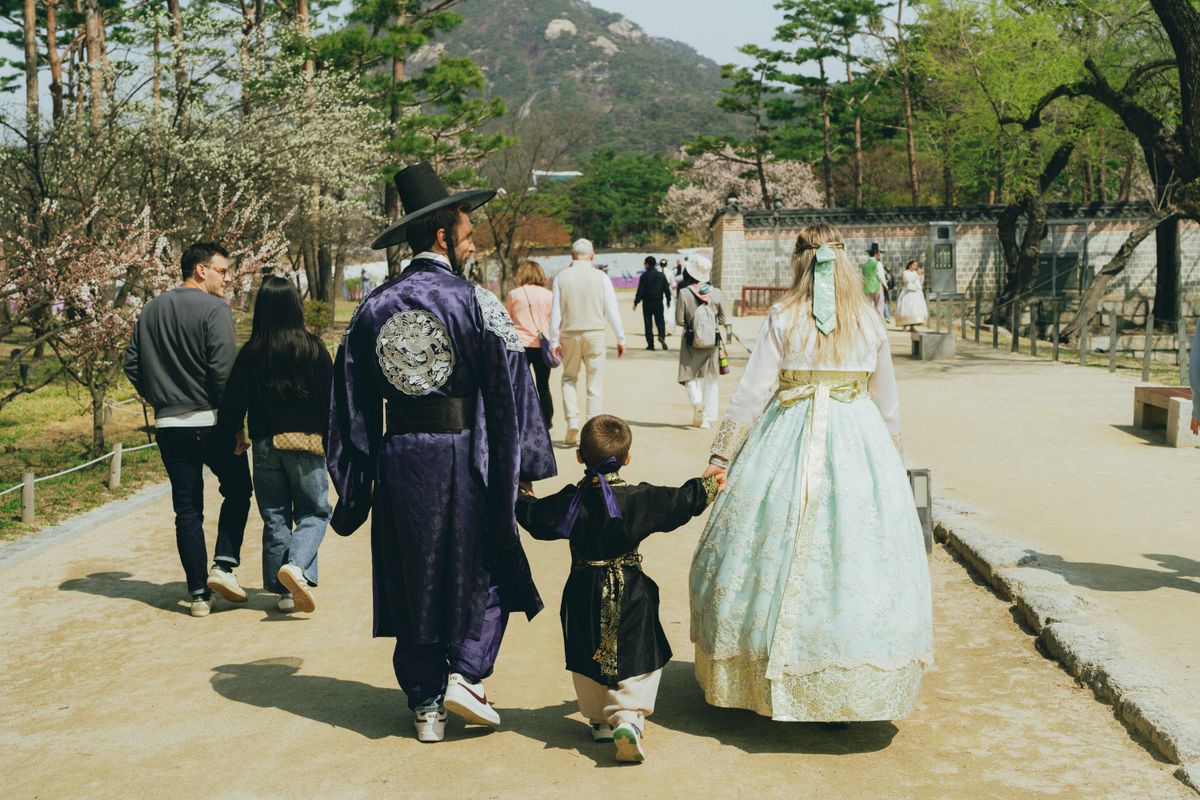
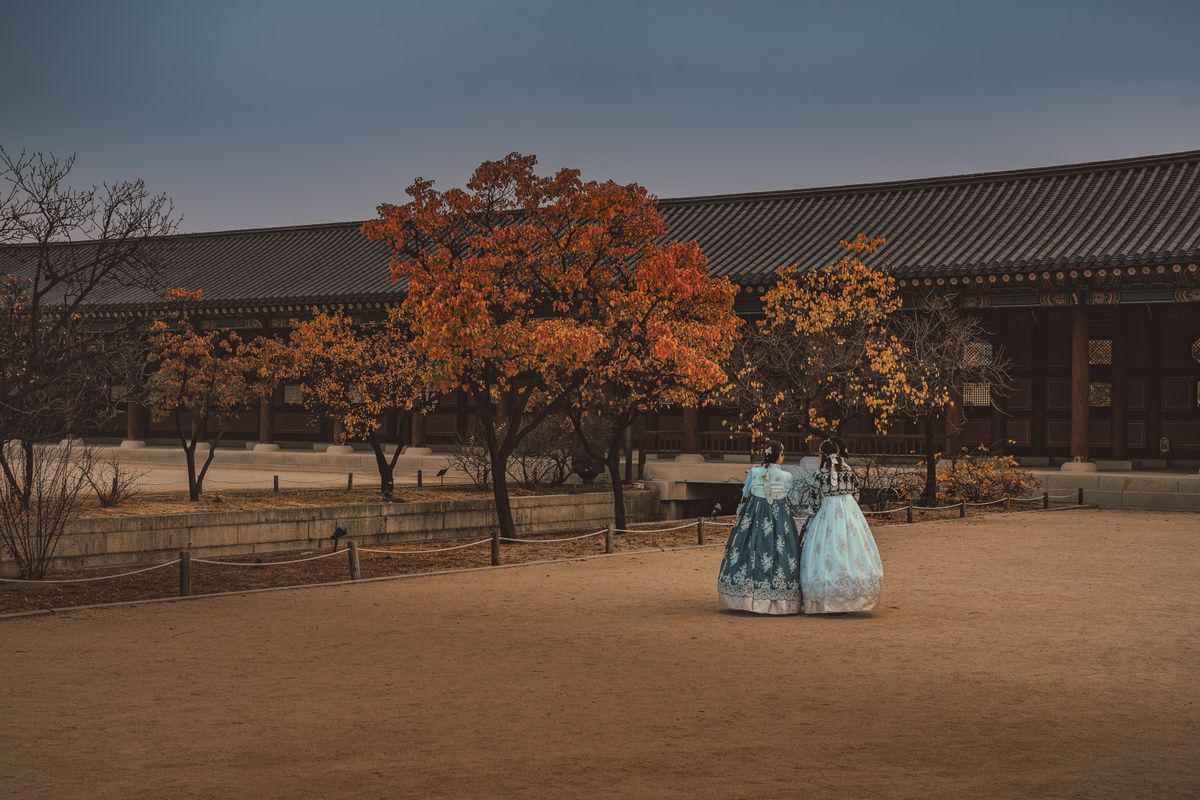
Palaces can be meaningful because the holiday has traditional associations. Hanbok photos can fit the season. Hotel stays can feel calmer. Department stores and major malls may offer gift displays before the holiday. Convenience stores are useful for snacks when smaller places close.
Seoul routes that work better than intercity travel include:
- Palace and hanbok day with flexible food plans.
- Hotel-based rest day with one museum or mall.
- Han River walk if weather is good.
- Myeongdong, Gwanghwamun, or COEX with backup indoor options.
- Traditional culture day focused on photos, tea, and short walks.
Gift And Food Season
Before Chuseok, Korea becomes a gift-set country.
Department stores, supermarkets, and online shops promote fruit boxes, health products, sweets, premium food sets, oil sets, spam sets, cosmetics, and practical household gifts. Tourists may find this interesting because it shows how Korean holidays mix tradition, obligation, taste, and presentation.
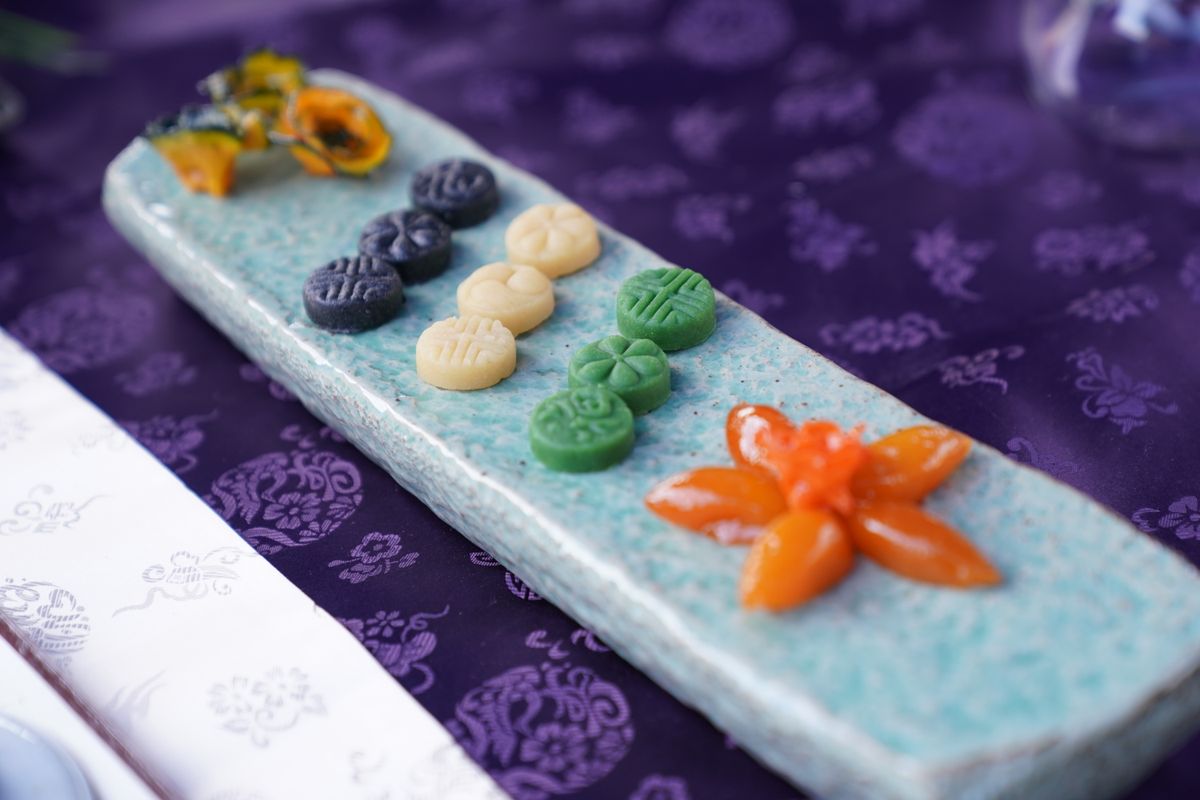
If you want a light Korea-at-home connection after the trip, traditional sweets are a better fit than trying to recreate a whole Chuseok table.
Korean honey yakgwa — the Chuseok sweet that ships, for the tea table at home. The holiday gift sets are built for Korean households and do not fly well; yakgwa does, and it is the same honey-and-sesame cookie on every Chuseok table. As an Amazon Associate, EpicKor earns from qualifying purchases at no extra cost to you.
See yakgwa on AmazonDo not buy a large gift set unless you know your luggage space and customs rules. Chuseok displays are tempting, but many are built for Korean households, not tourists flying home.
You might like: Why Is Fruit So Expensive in Korea? The Country That Has Never Imported an Apple, and How to Buy Fruit Anyway
Best Tourist Strategy For September 24-27
Make Seoul your base.
Schedule intercity movement before September 24 or after September 27 if possible. Keep one or two flexible days during the holiday period. Use hotels, malls, palaces, museums, and major neighborhoods as your anchors. Save food adventures for places you have confirmed are open.
If your flight arrives during Chuseok, keep your first day simple. Do not land, fight airport traffic, drop luggage, and attempt a cross-country transfer unless it is unavoidable.
If your flight leaves during Chuseok, allow more time than usual. Holiday traffic can be unpredictable, and you do not want your last Korea memory to be a transportation panic.
What Not To Do
Do not build a one-day Seoul-Busan-Seoul plan during Chuseok.
Do not assume a famous restaurant is open because Google Maps says it exists.
Do not schedule a skin clinic or medical appointment without confirming holiday hours.
Do not wait until the last minute for train tickets.
Do not use Chuseok as the only day for a must-see attraction unless you have checked the official schedule.
And do not panic if some things are closed. Chuseok is not a failure of your trip. It is part of Korea's real rhythm. You just need a plan that respects it.
You might like: Korea Festival Calendar 2026–2027, Month by Month: The 27 Festivals Korea's Government Picked, and Which Dates Are Confirmed
You might like: 18.9 Million Visitors Told Korea What They Couldn't Find: The Official Exit Survey, and the Answers to All Four Gaps
FAQ
Q: When is Chuseok 2026? A: Friday, 25 September 2026. The official holiday runs Thursday 24 to Saturday 26 September. Because no holiday day falls on a Sunday, there is no substitute holiday this year — with Sunday the 27th, most people get four days.
Q: When do Chuseok train tickets go on sale? A: Your route decides the day. Priority passengers book 3-4 September, 09:00-15:00. Everyone else books 7-11 September, 07:00-13:00, split by line: conventional trains 7 September, KTX from Seoul/Cheongnyangni 8 September, KTX from Yongsan 9 September, anything to or from Suseo 10 September, and Seoul-Busan on the Gyeongbu line last, on 11 September. Leftovers go on general sale from 11 September at 15:00, which is also the only stage sold at station counters. Limit is 12 per person, 6 per transaction; payment runs 12-15 September.
Q: I read that Chuseok tickets go on sale in late August. Is that wrong?
A: Yes. Korean travel sites circulated 20 August for KTX and 25 August for SRT, matching the usual five-weeks-ahead pattern, and a lot of English guides copied it. Korail's official notice of 13 August 2026 put the general sale on 7-11 September instead. The 2026 merger changed the shape of the sale, and the sale window itself was stretched from three days to five. Check korail.com rather than a reposted date — including this one.
Q: Can a foreign visitor book in the advance sale? A: Only with a unified Korail membership, which means clearing Korean identity verification before the morning your route opens. If you cannot, your realistic date is 11 September at 15:00, when remaining seats open on the app, the website and at station counters — non-members pay on the spot rather than reserving. A second wave also appears around 16 September, once unpaid reservations from the advance sale are released.
Q: How much is a KTX ticket from Seoul to Busan? A: For Chuseok travel, ₩54,400 standard class. Korail and SR merge on 1 September 2026 and KTX fares drop about 10% to SRT levels on that day, so a 24-27 September journey is priced at the new lower fare — Seoul-Busan was ₩59,800 and becomes ₩54,400. First class (₩83,700) and standing or free seating (₩50,800-56,800) come down by roughly the same proportion. The journey takes 2h 15m to 2h 45m.
Q: Is Seoul closed during Chuseok? A: No. Large hotels, convenience stores, malls, tourist sites, and chain businesses generally operate. Many small and family-run shops, restaurants and clinics close or shorten hours. The three national museums in Seoul close on Chuseok day itself, and many hypermarkets close on Sunday the 27th.
Q: Are the palaces free during Chuseok? A: Yes — 24 to 27 September 2026, confirmed in the government's Chuseok package on 1 September: 경복궁, 창덕궁, 창경궁, 덕수궁, 종묘 and the Joseon royal tombs, plus the National Museum of Modern and Contemporary Art on the days it is open. Changdeokgung's Secret Garden stays reservation-only, and the paid night programmes (경복궁 야간관람 ₩3,000, 창덕궁 달빛기행 ₩30,000) are separate and sell out.
Q: Are highway tolls free during Chuseok 2026? A: Yes. All expressway tolls are waived 24–27 September 2026. This matters more to visitors than it sounds: a rental-car day trip out of Seoul on those days costs nothing at the toll gates, though the roads are at their busiest on the 24th and the 27th.
Q: What is closed on Chuseok day, 25 September? A: The three big national museums in Seoul (국립중앙박물관, 국립현대미술관, 국립민속박물관), Costco, most neighbourhood clinics and pharmacies, and many small restaurants. Palaces stay open and are free. On Sunday the 27th, many Seoul hypermarkets are shut for their legal closing day; convenience stores never close.
Q: Are trains hard to book during Chuseok? A: Yes. Intercity train and bus demand is extreme because most of the country travels to hometowns on the same two days. Book on your route's own release morning, or plan to stay put. Note also that the usual softeners are switched off for the holiday: free seating, senior and companion seats, and discount products such as N-Card, internet specials and travel passes are all suspended on Chuseok trains, so budget for full fare.
Q: Is Chuseok a good time for tourists? A: It can be very good if you stay in one city, book transport early, and treat the quiet as the attraction. It is difficult if your plan depends on tight intercity movement or on small businesses being open.
Final Take
Chuseok 2026 is not a reason to avoid Korea. It is a reason to plan with precision.
If you want a smooth trip, secure transport early, keep Seoul as your base, check operating hours, and avoid ambitious cross-country movement from September 24 to 27.
The reward is a different view of Korea: quieter streets in some areas, stronger family energy, traditional visuals, gift culture, and a reminder that Korea is not only a destination. It is a country with its own calendar, obligations, and rhythm.
You Might Also Like
Why Your Phone Screams in Korea: Emergency Alerts, Air-Raid Sirens, and Telling Them Apart
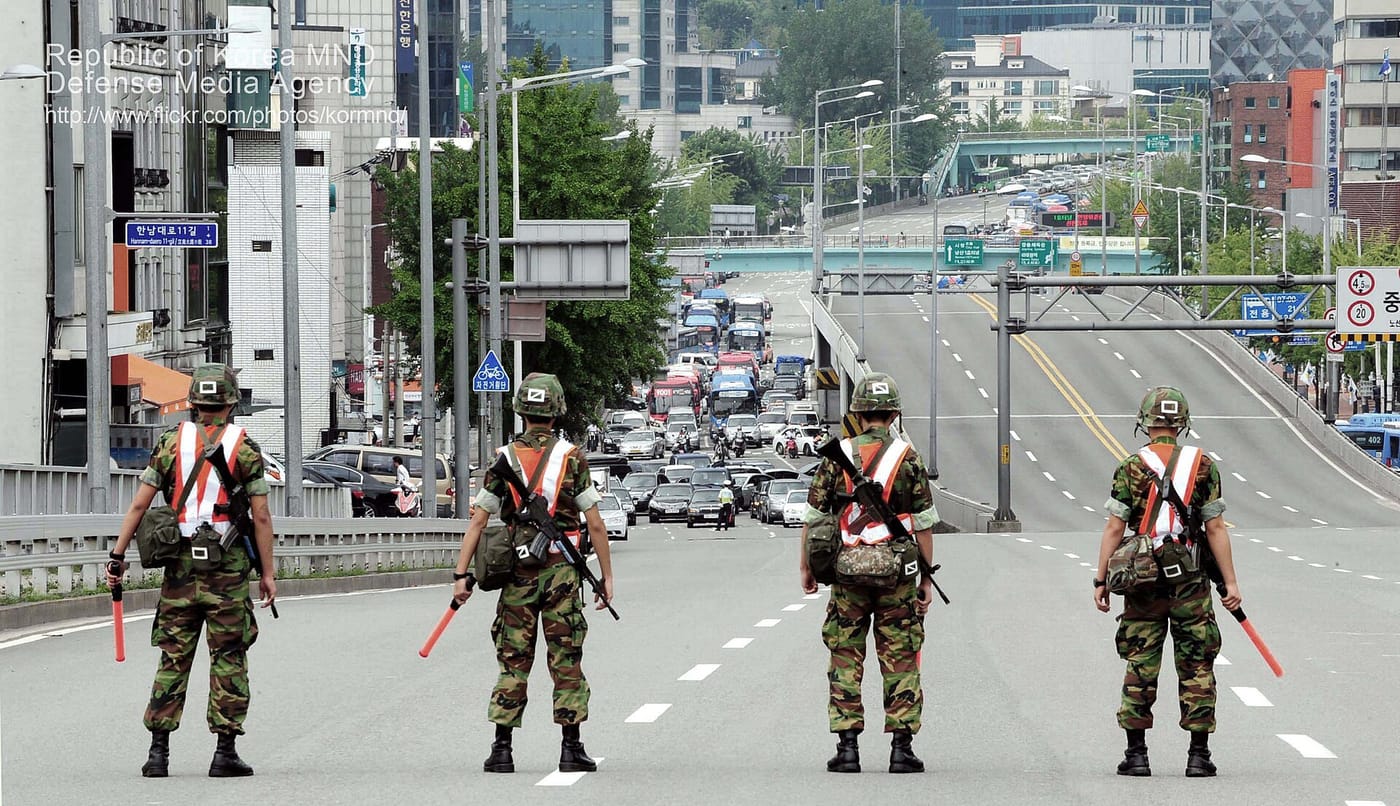
Korea has two alarm systems and visitors confuse them constantly. One is a text on your phone, usually a heat advisory. The other is a street siren that stops traffic. On 20 August 2026 both go off at 2pm, and neither means what you fear.
Korea Autumn Foliage 2026: Seoul to Seoraksan
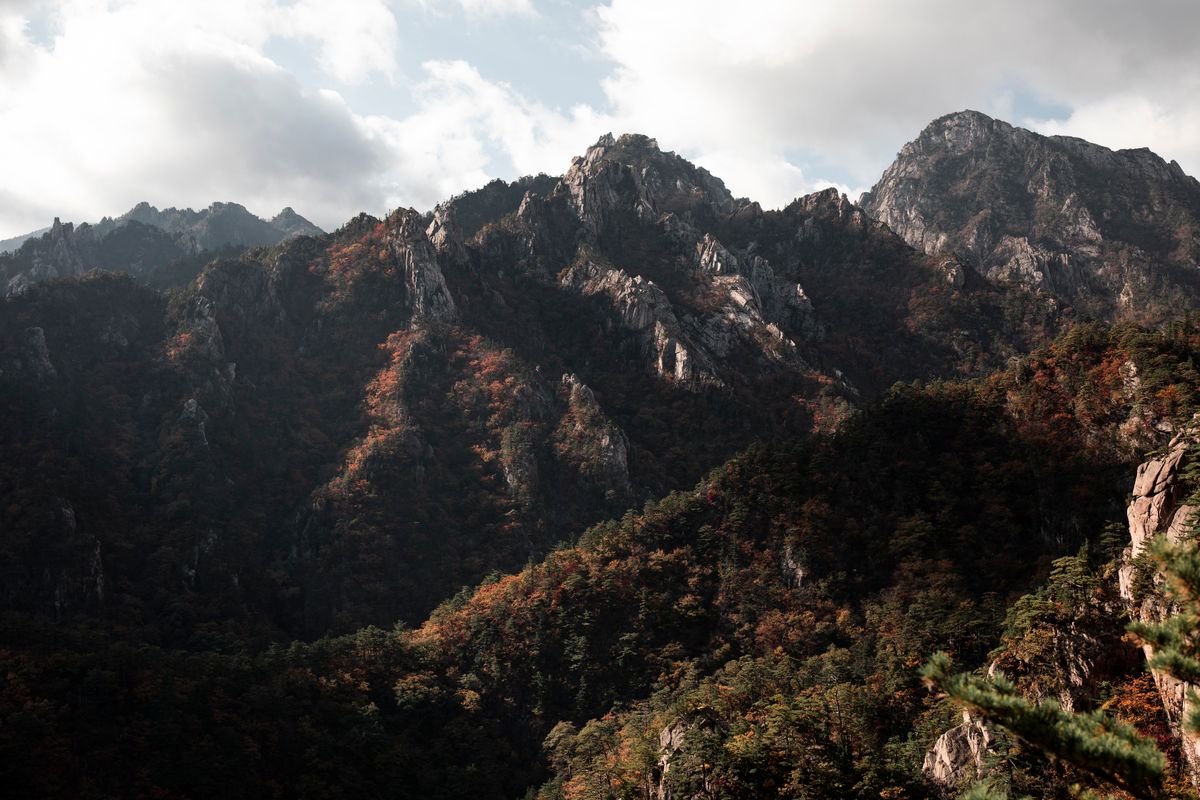
Plan a Korea autumn foliage trip in 2026 with Seoul routes, Seoraksan, Nami Island, Naejangsan, timing, crowds, transit, and packing.
Korea Hands-Free Travel Guide: Lockers and Luggage
A Korea hands-free travel guide for tourists: lockers, luggage delivery, hotel storage, Seoul Station check-in, and airport transfer planning.