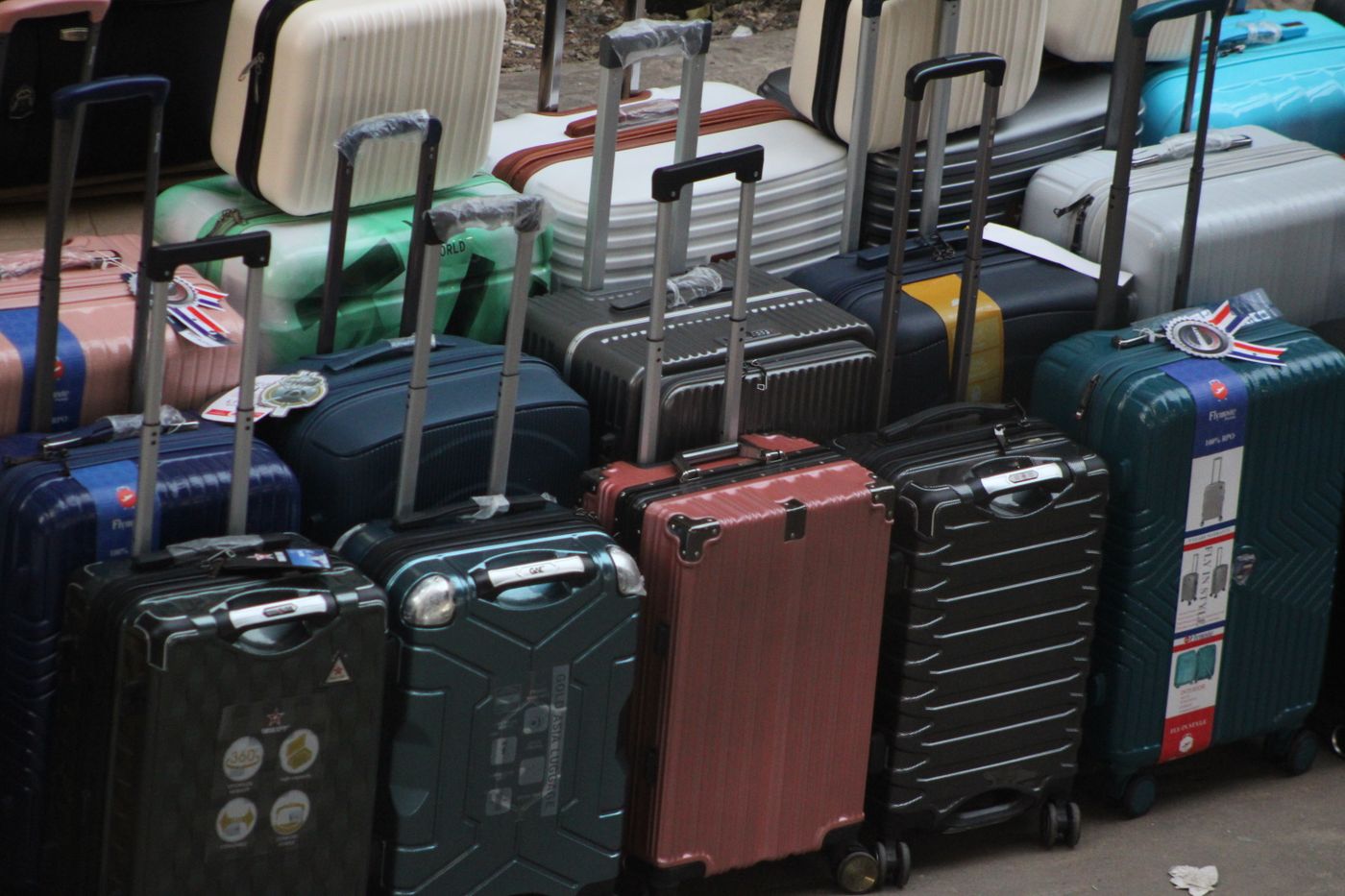
Korea Hands-Free Travel Guide: Lockers and Luggage
Korea hands-free travel is the difference between enjoying Seoul and dragging a suitcase through a staircase that did not personally wrong you, but feels like it did.
Korea is excellent for transit. Seoul has subways, buses, trains, airport rail, taxis, lockers, delivery services, and hotel storage. But the city is not weightless. Some stations are deep. Some exits have stairs. Some cafes are tiny. Some streets are sloped. Some itineraries ask you to check out at 11:00 a.m. and fly at 10:00 p.m., which is how a suitcase becomes the main character.
The goal is simple: do not carry luggage during the best part of the day unless you have to.
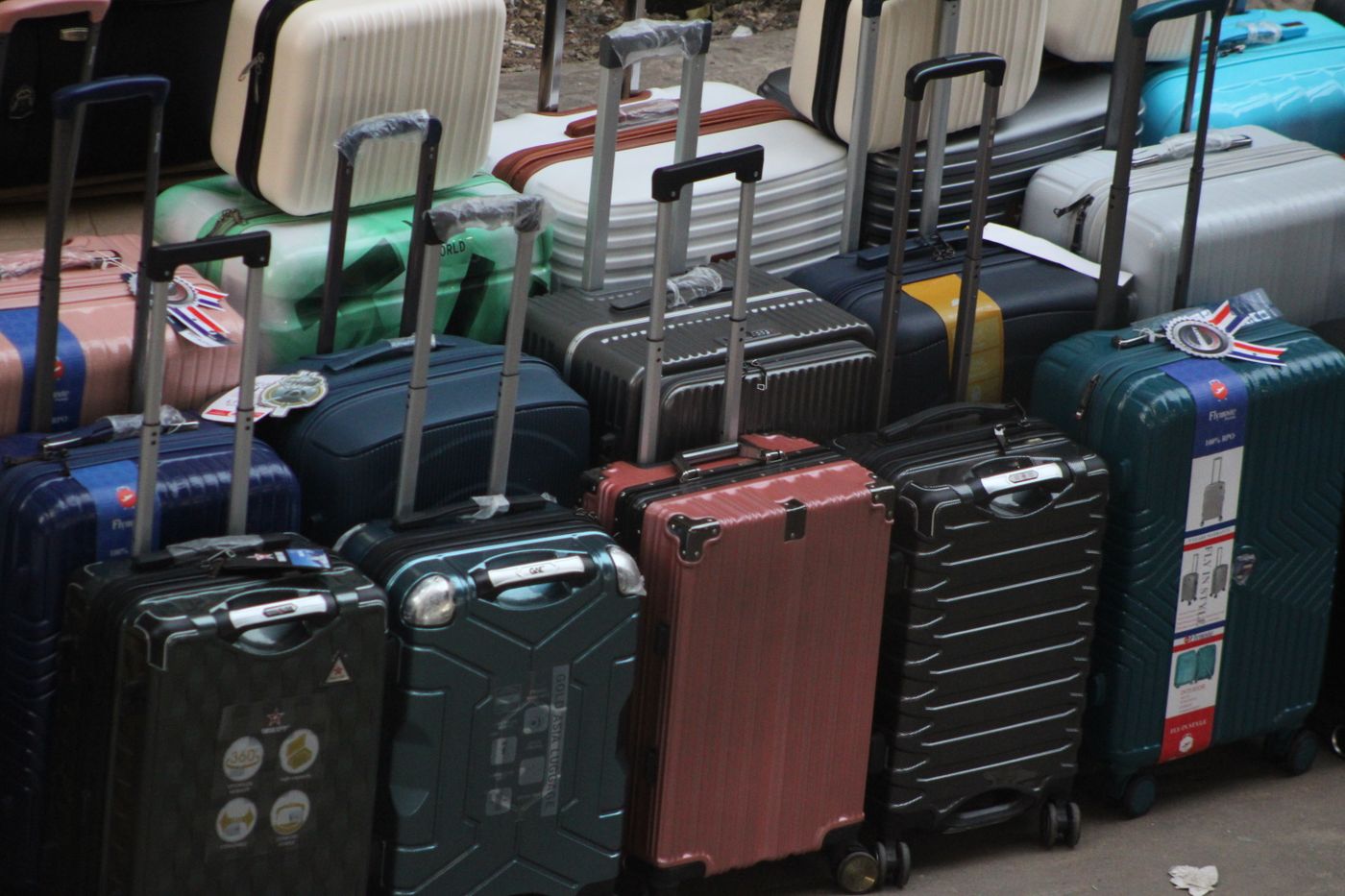
Quick Answer: How Do You Travel Hands-Free In Korea?
Use one of five options:
- Store luggage at your hotel before check-in or after check-out.
- Use station lockers for short city stops.
- Use paid luggage storage counters or apps where available.
- Use luggage delivery between airport, hotel, station, or city service points.
- Use Seoul Station City Airport Terminal check-in when your airline, flight, timing, and ticket type qualify.
The best option depends on your day:
- Same neighborhood: hotel storage.
- Short stop: station locker.
- Cross-city sightseeing: luggage storage service.
- Airport-to-hotel gap: luggage delivery.
- Departure day near Seoul Station: check whether City Airport Terminal works.
The common mistake is choosing the cheapest option instead of the lowest-friction option.
Luggage tags — compare on AmazonAffiliate link. As an Amazon Associate, EpicKor earns from qualifying purchases at no extra cost to you.
The Hotel Storage Option
Hotel storage is usually the easiest.
Most hotels will hold luggage before check-in or after check-out for guests, but policies vary by property. Some guesthouses, unmanned stays, or Airbnb-style rooms may not provide storage. Always ask before you build your day around it.
Hotel storage works best when:
- You return to the same neighborhood.
- Your flight or train is later that day.
- You trust the hotel staff and location.
- Your bag does not contain items you need during the day.
It works poorly when:
- You are changing neighborhoods.
- The hotel is far from your final route.
- You have an early tour and late check-in.
- The stay is unmanned or storage-limited.
The hidden cost is time. A free hotel storage option can still waste an hour if you must cross Seoul to retrieve your bag.
Station Lockers: Useful, But Not Magic
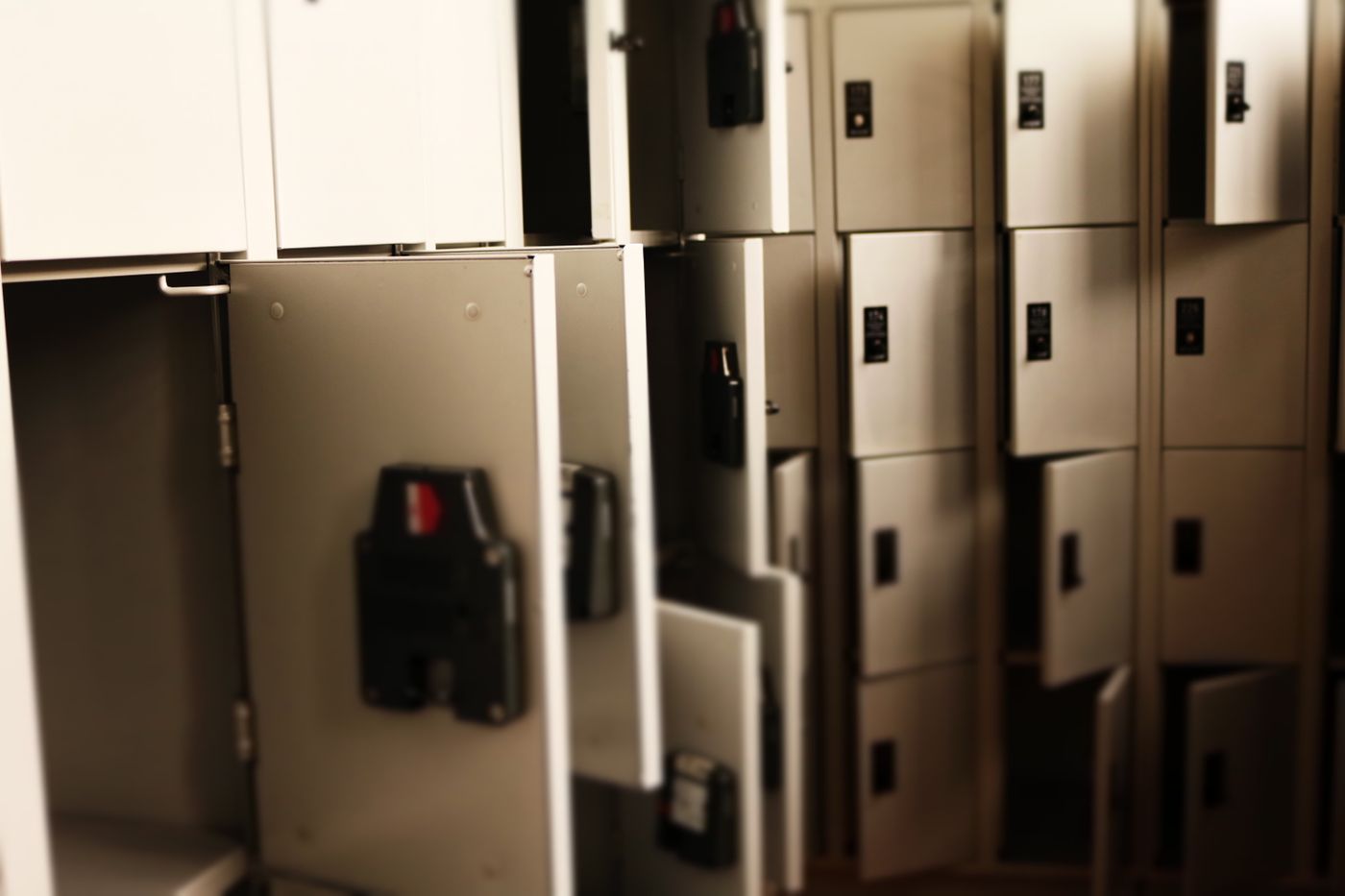
Seoul and major Korean stations often have coin lockers or app/payment-based lockers. They are useful for short stops, shopping, museums, and awkward gaps between check-out and a train.
But lockers are not magic.
Locker problems include:
- Large lockers may sell out first.
- Some lockers may require local payment methods.
- Time limits and extra fees can apply.
- Oversized luggage may not fit.
- The locker bank may be on the wrong floor.
- A station can have multiple locker zones.
- You may forget which exit or level you used.
Before leaving a locker, photograph the locker number, floor, nearby sign, station name, and payment screen. This is not paranoia. It is future-you protection.
Luggage Delivery: The Smooth Option For Awkward Days
Luggage delivery can be the best choice when the route is annoying.
In Korea, travelers may find luggage delivery services between airports, hotels, stations, or city service points. Availability depends on provider, area, deadline, bag size, hotel acceptance, and booking window. Some services are airport-focused. Others are city storage/delivery services. Some hotels can help arrange delivery; some cannot.
Use delivery when:
- You land early but check in late.
- You check out early but fly late.
- You move from Seoul to Busan or Jeju with a city stop.
- You want to shop or visit a clinic without luggage.
- You have children, large bags, or mobility concerns.
Do not use delivery casually when:
- Your flight is soon.
- Your hotel cannot receive bags.
- You need medication, documents, laptop, or valuables from the bag.
- You cannot accept a delay.
Never put passport, wallet, essential medicine, laptop, or irreplaceable items in a bag you send away.
Seoul Station City Airport Terminal
Seoul Station City Airport Terminal can be powerful, but only if you qualify.
The service is connected with AREX at Seoul Station and allows eligible departing passengers to check in and hand over luggage before going to Incheon Airport. Availability depends on airline, flight, operating hours, ticket conditions, and current rules. Because airlines and service conditions can change, verify with the AREX official site, your airline, and Incheon Airport before building your departure day around it.
The safe tourist wording is this: Seoul Station City Airport Terminal may be excellent for eligible Incheon Airport departures, but it is not a universal luggage-drop service.
Check:
- Is your airline eligible today?
- Is your flight from Incheon, not Gimpo?
- Are you using the required train or ticket type if applicable?
- Are check-in hours compatible with your flight?
- Are baggage rules normal for your ticket?
- Do you need to complete immigration-related steps there or at the airport?
If any answer is unclear, treat the service as a bonus, not the backbone of your plan.
AREX, Subway, Taxi, Or Airport Bus?
Luggage changes the best airport route.
AREX can be efficient between Seoul Station and Incheon Airport. The all-stop train and express service have different timing, stops, seating, and ticket logic. Subway transfers can be cheap but tiring with luggage. Airport buses may be easier if they stop near your hotel. Taxis can be simplest with heavy bags, but traffic and cost matter.
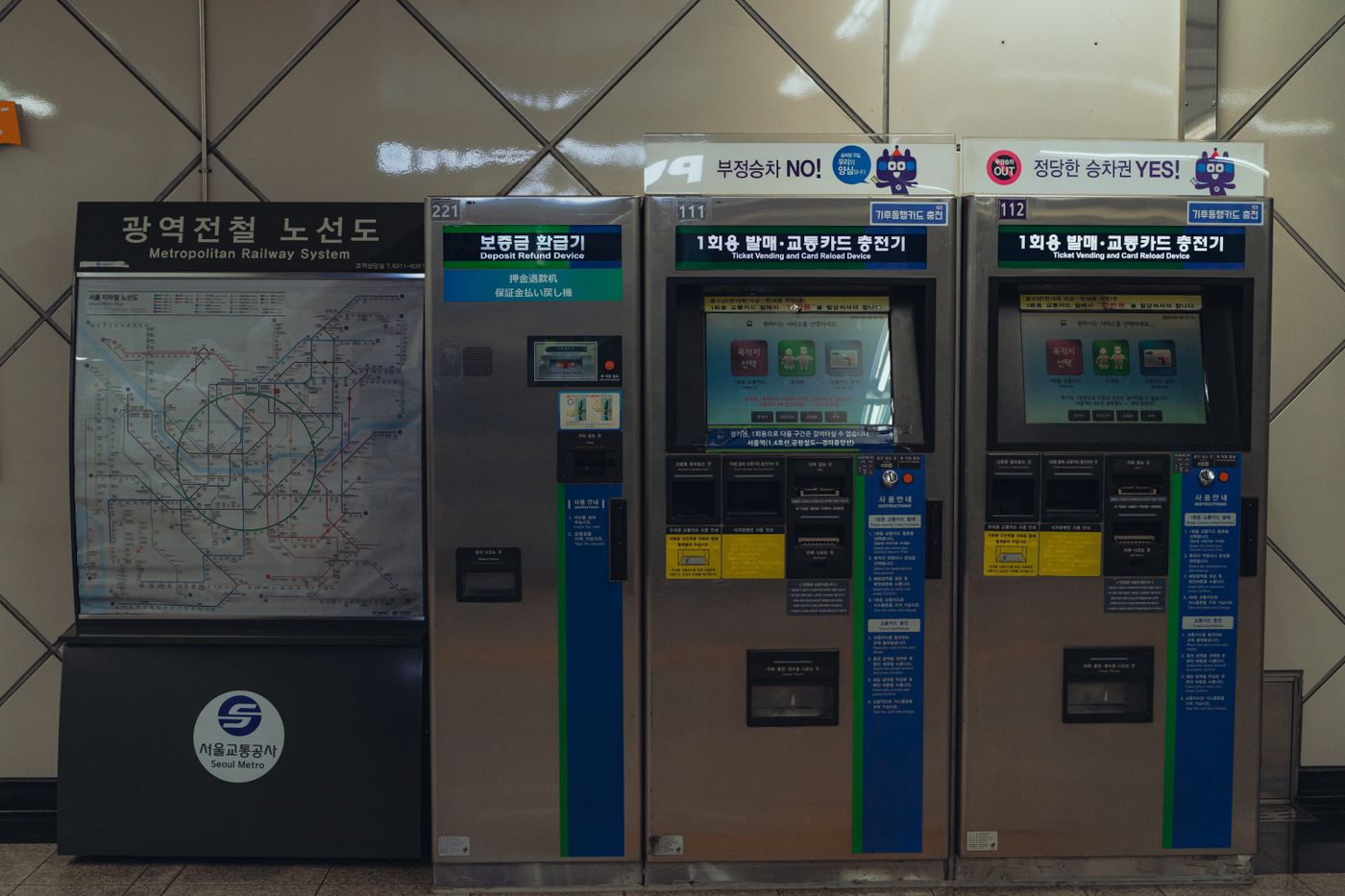
Use this decision table:
| Route choice | Best for | Watch out for |
|---|---|---|
| AREX Express | Seoul Station to Incheon with predictable timing | Getting to Seoul Station with luggage first |
| AREX all-stop | Airport route with more stops and lower cost | Crowding and standing with bags |
| Subway transfer | Light luggage and flexible budget | Stairs, transfers, rush hour |
| Airport bus | Hotels near bus stops and larger bags | Traffic and schedule gaps |
| Taxi | Heavy luggage, group travel, late/early timing | Cost, traffic, vehicle size |
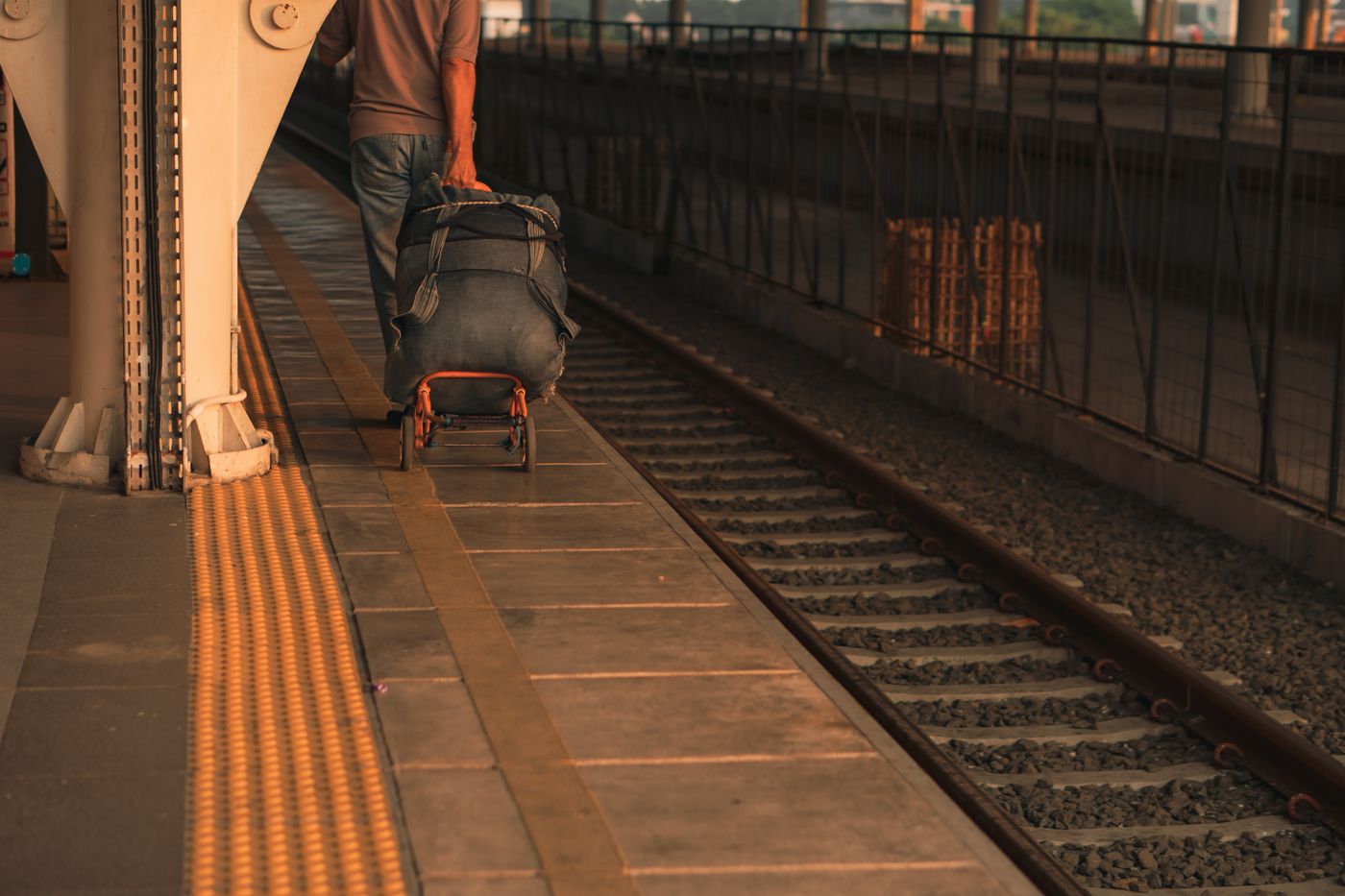
Make bags easier to identify: As an Amazon Associate, EpicKor may earn from qualifying purchases. Before a Korea transfer day, compare luggage tags, travel document organizers, and compact pouches so your airport, hotel, and locker details are easy to find.
See travel document organizers on AmazonThe Check-Out Day Formula
The hardest luggage day is check-out day.
Use this formula:
- Where do you sleep tonight?
- Where is your final airport or train departure?
- What time do you need your bag?
- What is the worst transfer with luggage?
- Can you store or deliver before that transfer?
Example:
You check out in Hongdae at 11:00 a.m., want to visit Seongsu, and fly from Incheon at 10:00 p.m. Carrying a suitcase to Seongsu is a bad day. Better options are hotel storage plus return to Hongdae, luggage delivery to airport/hotel if available, or moving first to Seoul Station and using a locker or eligible check-in path.
The best answer depends on your map, not on a generic travel hack.
Bag Size Matters More Than You Think
Korea is easier with a medium suitcase than with a giant one.
Large bags create issues:
- They may not fit lockers.
- They are harder on subway stairs.
- They block small cafes and restaurants.
- They can be awkward in taxis with multiple passengers.
- They make shopping districts miserable.
If you plan to shop heavily in Korea, do not pack your suitcase to the limit before arrival. Korea's beauty, snacks, fashion, albums, and character goods have a way of expanding your luggage reality.
What To Keep With You
Even when you store or deliver luggage, keep a small personal bag.
Keep:
- Passport.
- Wallet and main card.
- Backup card.
- Phone and charger.
- Essential medicine.
- Glasses or contacts.
- Flight or train documents.
- Hotel address.
- Portable battery.
- One light layer if weather may change.
Do not store the item that can stop your trip if the luggage is delayed. For more safety prep, read EpicKor's Korea lost and found guide and Korea summer packing list.
Lockers And Payment Friction
Payment is one of the sneaky issues.
Some lockers may accept cash. Some use cards. Some use apps, QR codes, local systems, or kiosks with limited language support. International cards may not always work smoothly. If you find a locker system you cannot use, do not lose 30 minutes fighting it while your plans collapse.
Instead:
- Try a staffed luggage counter if nearby.
- Ask station information.
- Use hotel storage if route allows.
- Switch to taxi or delivery if the bag is ruining the day.
The cheapest option is not cheap if it eats the afternoon.
Family And Group Travel
Families and groups should plan luggage more aggressively.
One person with one carry-on can improvise. Four people with five bags cannot.
Group rules:
- Decide bag storage before check-out.
- Do not rely on one available large locker.
- Split essentials across personal bags.
- Photograph luggage tags.
- Keep one person responsible for receipts and locker codes.
- Avoid rush-hour subway transfers with children and suitcases.
The group version of hands-free travel is not luxury. It is conflict prevention.
Shopping Days
If your day includes Myeongdong, Seongsu, Hongdae, Gangnam, The Hyundai Seoul, outlet shopping, or beauty hauling, think about bag accumulation.
Options:
- Return to hotel mid-day.
- Use a locker near a station.
- Bring a foldable tote.
- Buy heavy items late in the day.
- Ship or deliver if the store offers it.
- Leave fragile purchases for the final stop.
Korea shopping feels light when each item is small. Then ten small items become one awkward bag that bangs into every subway gate.
Pack the tiny things that prevent chaos: Compare portable power banks, collapsible travel bags, and Korea travel essentials before a shopping-heavy Seoul route.
See portable power banks on AmazonA Sample Hands-Free Departure Day
Here is a calm version of departure day:
Morning: check out, leave luggage at hotel or send it through a confirmed delivery/storage service.
Late morning: visit one neighborhood without luggage.
Lunch: choose a restaurant near your route, not across town.
Afternoon: pick up luggage or confirm delivery status.
Early evening: move to airport route with buffer.
Airport: arrive with enough time for bag, security, immigration, food, and surprises.
The bad version is also common:
Check out, drag bag to three cafes, discover stairs, miss locker size, panic-order taxi, sit in traffic, arrive sweaty, and blame Seoul for having gravity.
Do not do that version.
FAQ About Hands-Free Travel In Korea
Q: Are station lockers common in Seoul? They are common in many major stations, but availability, size, payment method, and location vary. Large lockers can fill first.
Q: Can I check luggage at Seoul Station before flying? Possibly, through Seoul Station City Airport Terminal, but only if your airline, flight, timing, and current service rules qualify. Always verify with AREX and your airline.
Q: Is luggage delivery reliable in Korea? Many services can be useful, but reliability depends on provider, deadline, hotel acceptance, and route. Never send essentials or irreplaceable items away.
Q: Should I take the subway with a suitcase? With light luggage and simple routes, yes. With heavy bags, rush hour, many transfers, or stair-heavy stations, consider AREX, airport bus, taxi, storage, or delivery.
Q: What should stay in my personal bag? Passport, wallet, cards, phone, charger, medicine, travel documents, hotel address, and anything you cannot risk losing or delaying.
Final Take
Korea hands-free travel is not about luxury. It is about preserving the good part of the trip.
A suitcase does not belong in every cafe, stairwell, subway transfer, clinic, restaurant, or shopping lane. Use hotel storage when it fits. Use lockers for short stops. Use luggage delivery for awkward routes. Verify Seoul Station check-in before relying on it. Keep essentials with you.
The smartest Korea traveler is not the one who carries everything. It is the one who knows exactly when to let the bag go.
You Might Also Like
Incheon Airport Layover Guide: Getting Around ICN, Leaving the Airport for Seoul, AREX Last Trains, Night Buses, Rest and Food
How to get around Incheon Airport on a layover and whether to leave it: the T1 to T2 shuttle, airside versus landside, AREX express and all-stop cutoffs, the N6001 and N6002 night buses, the taxi stands, and where to shower, nap and eat in between flights.

Korea Autumn Foliage 2026: The Forecast Peak Dates for Seoraksan, Seoul and Naejangsan
Korea's 2026 foliage forecasts are out: Seoraksan turns first around 30 September, peaks 16–25 October, and the whole season runs 2–9 days late. Peak dates for Seoul and Naejangsan, the ₩16,000 cable car, Nami's ₩19,000 ticket, and the bus times.
Incheon Airport to Seoul Guide: AREX, Bus, Taxi
A practical Incheon Airport to Seoul guide comparing AREX, airport buses, taxis, late-night arrivals, luggage, hotel areas, and first-time choices.