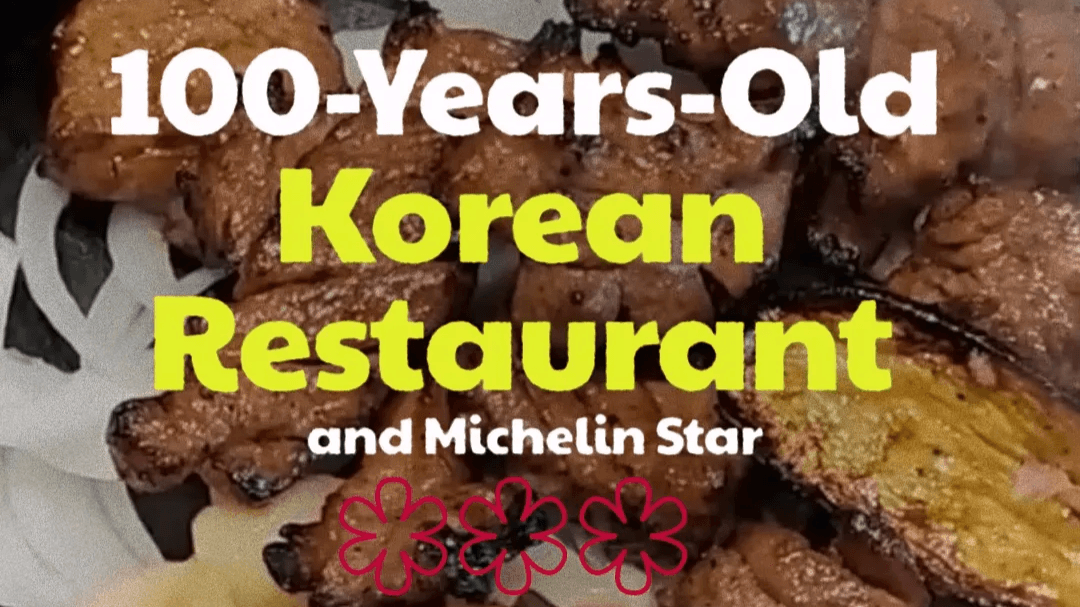
Seoul Nopo Restaurant Guide: Old Shops, Michelin, and Soup
Seoul nopo restaurants are not just old places to eat. They are working memory. In a city famous for demolition, speed, pop-ups, and new neighborhoods, a nopo is a restaurant that has survived by serving a dish people still trust after decades.
For travelers, the word can be confusing. Some old restaurants are famous because of nostalgia. Some are famous because the food is still excellent. Some now appear in the MICHELIN Guide, which means overseas visitors hear about them before they understand how to order, what to expect, or why locals care.
This Seoul nopo restaurant guide focuses on three practical examples: Imun Seolnongtang, Woo Lae Oak, and Mijin. They are not the only historic restaurants in Seoul, but together they explain why old Korean restaurants matter: broth, noodles, price memory, neighborhood identity, and quiet confidence.
What Does Nopo Mean?
Nopo is commonly used in Korean to describe an old, long-running shop or restaurant. It is not a formal award category. It is closer to a public reputation: a place has lasted long enough that people treat it as part of the neighborhood's cultural furniture.
That matters in Seoul because food trends change quickly. Cafes can become viral and disappear within a few years. A barbecue alley can become a redevelopment site. Even a beloved restaurant can move, modernize, or lose its old rhythm.
A true nopo survives this cycle. It may keep a simple menu. It may have old signage, direct service, and regular customers who do not need explanations. It may not look polished in the way a new fine-dining room looks polished. The point is continuity.
If you are planning your first Korea trip, pair this guide with EpicKor's interest-based Korea travel planning guide, because a nopo meal works best when it is built into a neighborhood day rather than treated as a single checklist stop.
Korean kimchi stew with tofu — compare on AmazonAffiliate link. As an Amazon Associate, EpicKor earns from qualifying purchases at no extra cost to you.
Why MICHELIN Changed the Nopo Conversation
The MICHELIN Guide's Seoul coverage has made many old restaurants easier for international travelers to discover. MICHELIN's Korean coverage now includes a wide range of Seoul restaurants, from starred dining to Bib Gourmand and selected restaurants, and the guide itself has noted the growth of its Korea coverage over the last decade.
That visibility can be helpful, but it also changes expectations. A traveler may expect white-tablecloth service or a tasting-menu mood. Many nopo restaurants are the opposite. They are direct, crowded, practical, and built around a dish that regulars already understand.
The best way to use MICHELIN in this context is not as a status badge. Use it as a discovery layer. Then read the menu, confirm the current location and hours, and understand the dish before you go.
| Nopo Signal | What It Means | Traveler Expectation | Risk If Misread |
|---|---|---|---|
| Long history | Customers kept returning over generations | Simple dishes may carry deep local meaning | Expecting novelty instead of continuity |
| Short menu | The restaurant is built around one or two specialties | Order the signature first | Treating it like a broad casual diner |
| MICHELIN listing | International discovery and editorial recognition | Useful signal, not a luxury promise | Expecting fine-dining service style |
| Old neighborhood location | The meal is tied to local movement and memory | Combine with nearby walking plans | Arriving only for a photo and leaving confused |
Imun Seolnongtang: The Broth That Explains Seoul Memory
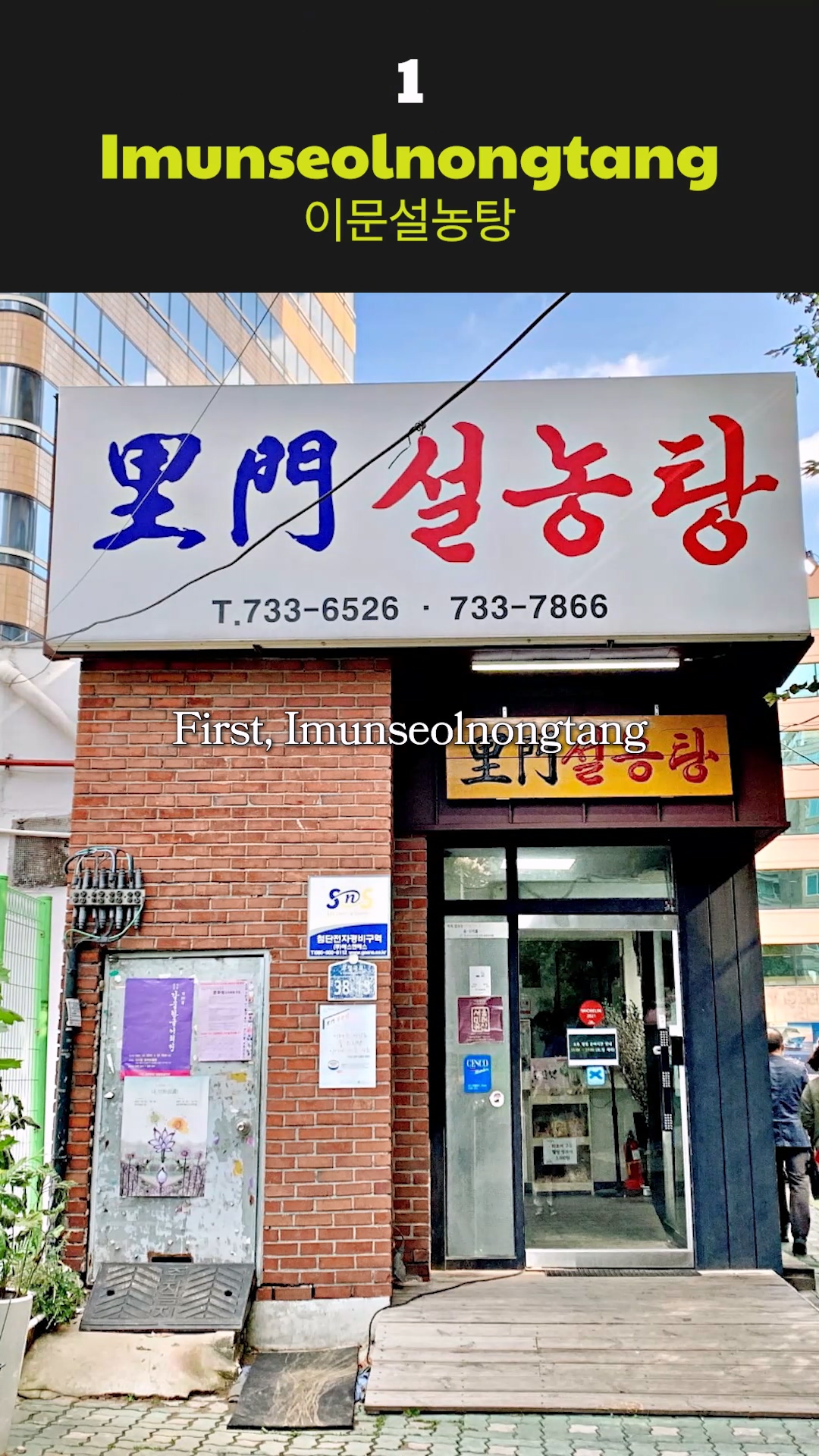
Imun Seolnongtang is one of the most famous old restaurants in Seoul. VISITKOREA and Visit Seoul both present it as a historic seolleongtang restaurant, and MICHELIN lists it in Seoul as well. For many visitors, it is the clearest entry point into nopo culture because the dish is simple but culturally dense.
Seolleongtang is an ox-bone soup. The broth is pale, mild, and comforting rather than aggressively seasoned. The table usually gives you tools to adjust the bowl: salt, pepper, chopped green onion, rice, and kimchi or kkakdugi. The flavor is not supposed to hit you like spicy stew. It opens slowly.
That subtlety is the lesson. Korean food is often introduced overseas through heat, red sauces, fried chicken, and barbecue. Seolleongtang shows another side of Korean taste: bone broth, warmth, plain rice, radish kimchi, and recovery.
How to Order and Eat Seolleongtang
At a seolleongtang restaurant, do not panic if the soup tastes under-seasoned at first. That is often intentional. Taste the broth plain, then season gradually. Add salt in small amounts, because oversalting a mild broth is easy. Mix in rice if you want a thicker, more filling meal.
Kimchi matters. In many old soup restaurants, kkakdugi radish kimchi is not just a side dish. It is part of the flavor architecture. A bite of soup, rice, and crunchy radish creates the rhythm.
If you are new to Korean meals, remember that old restaurants can feel brisk. Staff may not narrate the experience. This does not necessarily mean they are unfriendly. It often means the restaurant is operating on a regular-customer rhythm.
Bring the comfort-food idea home: As an Amazon Associate, EpicKor may earn from qualifying purchases. If this Seoul nopo restaurant guide makes you crave Korean soup, compare Korean kimchi stew with tofu as an easy pantry starting point.
Woo Lae Oak: Why Pyeongyang Naengmyeon Divides People
Woo Lae Oak is another important Seoul institution, widely associated with Pyeongyang-style naengmyeon and listed by MICHELIN. The dish can surprise travelers because it is cold, restrained, and not always instantly dramatic.
Many people expect naengmyeon to be sour, icy, and heavily seasoned. Pyeongyang-style naengmyeon is often more subtle. The broth is the point. The noodles matter. The first reaction can be, "Is this too mild?" Then, after a few bites, the quiet flavor begins to make sense.
This is one of the best examples of Korean food that rewards patience. If your reference point is spicy instant noodles or red gochujang sauces, Woo Lae Oak may feel almost austere. That is why locals argue about it. Some people love the restraint; others want a louder bowl.
Mijin: Buckwheat Noodles Without the Drama
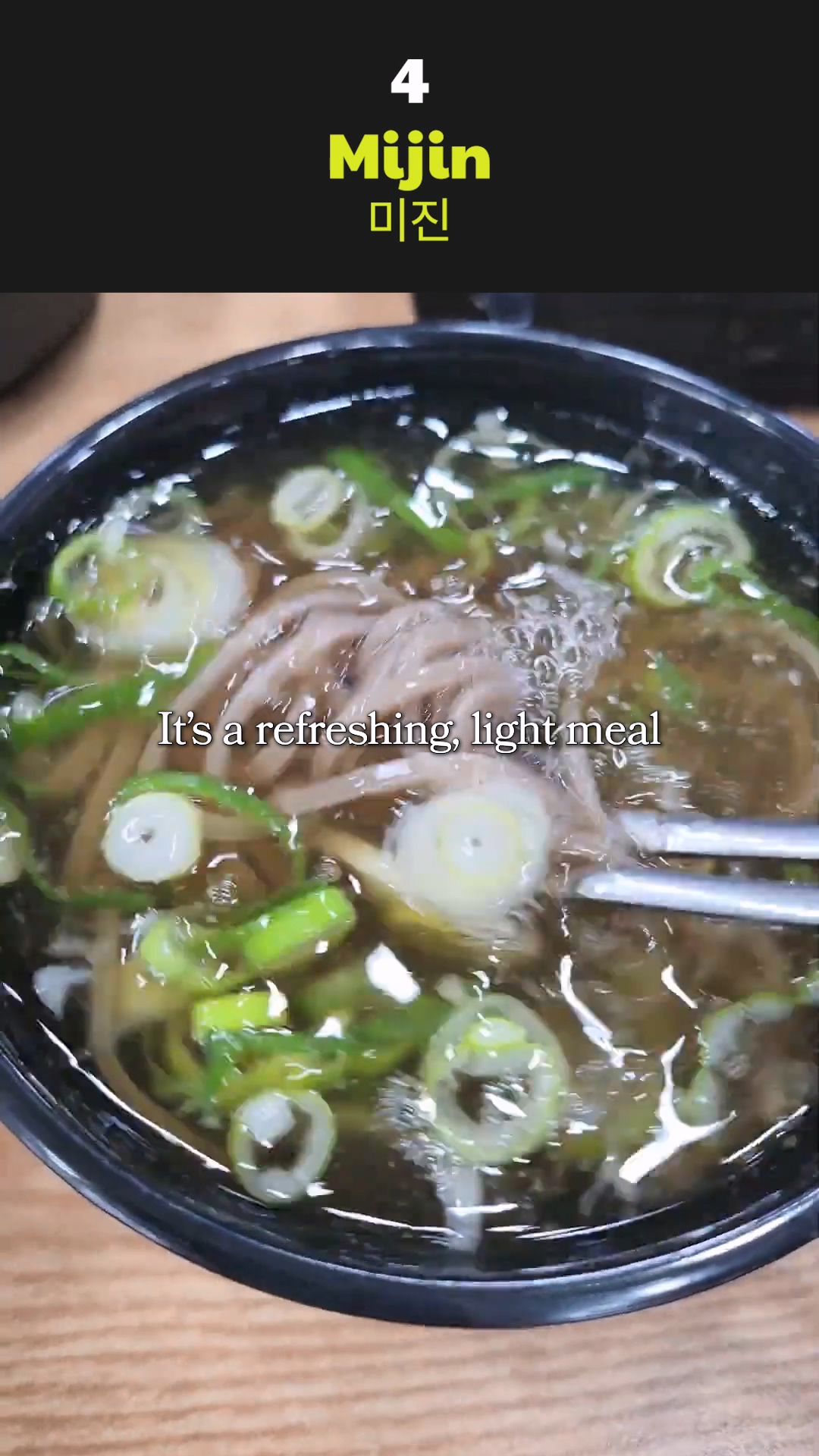
Mijin, also listed by MICHELIN, is known for memil guksu, or buckwheat noodles. Compared with a famous soup house, it can feel more casual and fast-moving. That is part of its charm.
For travelers, Mijin is useful because it shows that old Seoul food is not only about heavy meals. A historic noodle shop can fit into a shopping day, palace day, or central Seoul walk. The meal is quick, but the place still carries history.
The important expectation is texture and dipping rhythm. Buckwheat noodles can be clean, nutty, and refreshing. The experience is less about spectacle and more about repeatability: a bowl people can return to again and again.
Which Seoul Nopo Should You Try First?
There is no single right answer. Pick by mood and route.
If you want the most classic old-Seoul comfort, start with Imun Seolnongtang. If you are curious about subtle Korean noodle culture and do not mind a divided reaction, try Woo Lae Oak. If you want a lighter central-Seoul meal that fits between sightseeing stops, Mijin may be easier.
The smarter plan is to avoid stacking all three in one day. Nopo meals work better when your senses are not rushed. Give each place a neighborhood frame: Insadong and Jongno for Imun, central food history for Mijin, and a deliberate noodle stop for Woo Lae Oak.
| Restaurant | Best First Order | Best For | Before You Go |
|---|---|---|---|
| Imun Seolnongtang | Seolleongtang | Old Seoul comfort, broth culture, first nopo meal | Confirm current hours and expect a mild broth |
| Woo Lae Oak | Pyeongyang naengmyeon | Subtle noodles, food debate, Korean taste education | Do not expect a spicy or heavily sour bowl |
| Mijin | Memil guksu | Quick central-Seoul noodle meal | Plan around crowds and current operating times |
Nopo Etiquette for First-Time Visitors
Old restaurants are not museums, even when guidebooks describe them that way. People are eating lunch. Office workers may be trying to finish quickly. Older regulars may have been coming for decades. Treat the room as a living business first.
Keep photos discreet. Do not block the entrance for exterior shots. If there is a line, know your order before reaching the front. If you are sharing food, follow the restaurant's rhythm rather than inventing a tasting routine that slows the table.
For broader dining behavior, EpicKor's Korean restaurant banchan and refill guide is useful because many old restaurants depend on side-dish timing, table sharing, and practical self-adjustment.
What Nopo Restaurants Teach About Korean Food
Nopo restaurants challenge the idea that Korean food is only about trend. Korean food is fashionable now, but old restaurants remind you that popularity came after repetition. A dish survived because people wanted it on tired days, family days, office days, and ordinary weekdays.
They also show why Korean flavor is not one-dimensional. A nopo can be spicy, mild, fermented, meaty, cold, hot, plain, or intense. The common thread is not a flavor profile. It is trust.
This is why nopo restaurants sit naturally beside other Korean food experiences, from ssamjang and Korean BBQ wraps to Korean rainy-day foods. They all explain how meals become memory.
Why Old Restaurants Still Feel Modern
The funny thing about a nopo is that it can feel more modern than a themed restaurant. A themed restaurant tries to perform the past. A real old restaurant simply keeps working.
That directness matches modern travel better than many people expect. Visitors are tired of places built only for photos. A restaurant that has survived because locals keep paying for the same bowl offers a different kind of proof.
Still, do not romanticize everything. Old restaurants can be crowded. Service may be blunt. Facilities may not match a new mall restaurant. Menus and hours can change. Popularity can create lines. The goal is not to pretend every old shop is perfect. The goal is to understand why certain places remain meaningful.
Set up a simple Korean table: A small Korean ramen pot is not a nopo shortcut, but it does help recreate the one-pot, hot-broth rhythm at home. Compare a Korean ramen cooking pot before buying oversized cookware.
FAQ
Q: What is a nopo restaurant in Korea? A nopo is a long-running old shop or restaurant. In food writing, it usually means a place with history, regular customers, and a dish that has survived changing trends.
Q: Is every old Korean restaurant a good restaurant? No. Age alone is not proof of quality. Look for current reputation, a clear specialty, reliable recent information, and whether the dish fits your taste.
Q: Are MICHELIN-listed nopo restaurants expensive? Not always. MICHELIN coverage in Seoul includes different dining styles. Check the current menu and price range before visiting because costs can change.
Q: Which old Seoul restaurant is easiest for a first-time visitor? Imun Seolnongtang is a friendly starting point if you want a classic soup experience. Mijin can be easier if you want a lighter noodle meal in central Seoul.
Q: Why does Pyeongyang naengmyeon taste so mild? The style often emphasizes broth, noodle texture, and restraint rather than strong spice. Many people appreciate it more after a few bites or repeat visits.
Q: Should I make a Seoul nopo food crawl? You can, but it is better to build one old restaurant into each neighborhood day. That gives the meal context and avoids turning historic food into a rushed checklist.
Sources and Further Reading
- MICHELIN - 10 years of the MICHELIN Guide Korea
- MICHELIN Guide - Seoul restaurants
- VISITKOREA - Imun Seolnongtang
- Visit Seoul - Imun Seolnongtang
- MICHELIN Guide - Imun Seolnongtang
- MICHELIN Guide - Woo Lae Oak
- MICHELIN Guide - Mijin
Video Insight: The 100-Year Restaurants
You Might Also Like
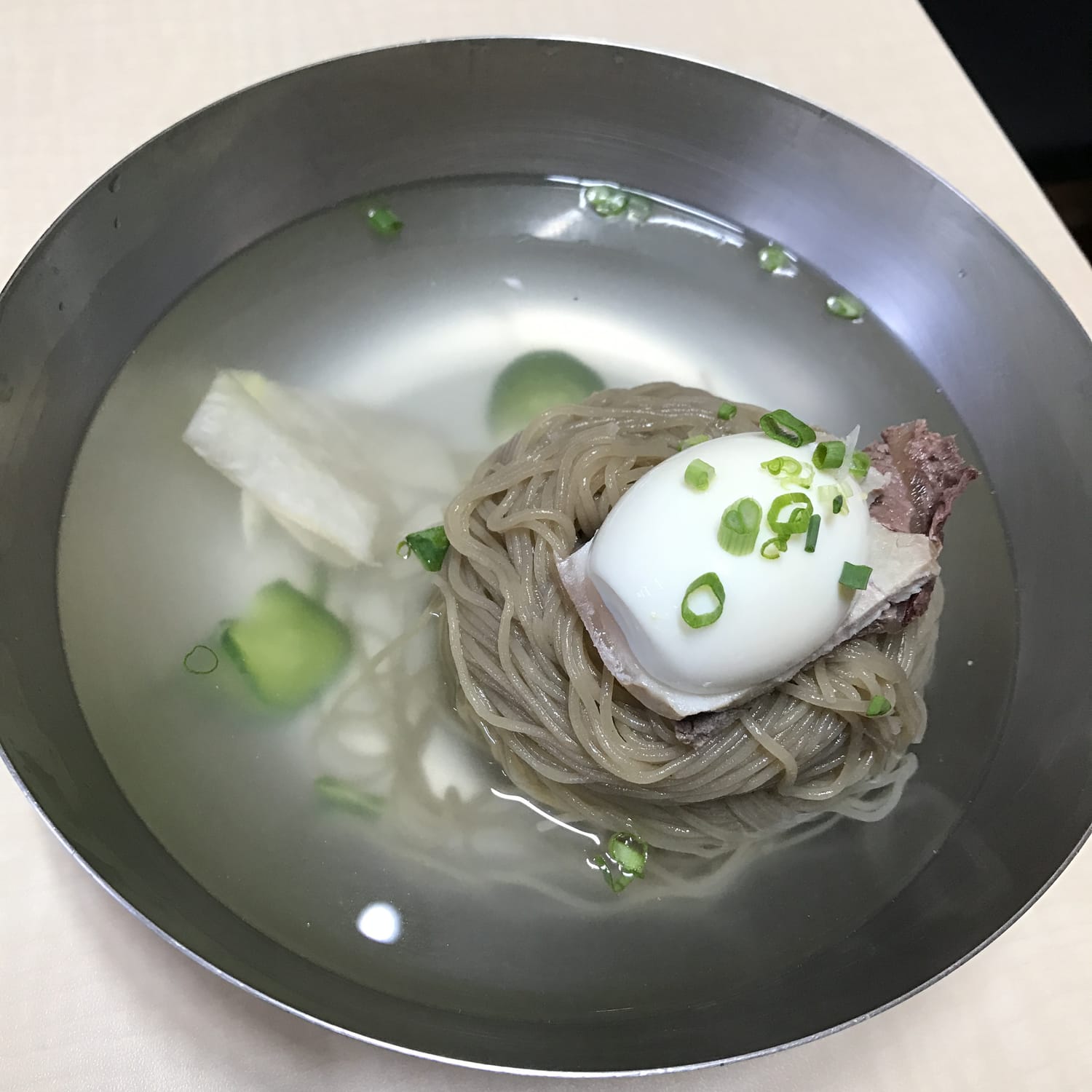
The One Korean Food Foreigners Never Learn to Love: Hamheung Naengmyeon, and Why Koreans Can't See the Problem
Foreigners who eat cheonggukjang and even hongeo still will not pay for this twice. A Korean creator who fed foreigners for years says naengmyeon was the overwhelming number one refusal, and Koreans, who rank it first every summer, cannot see why.
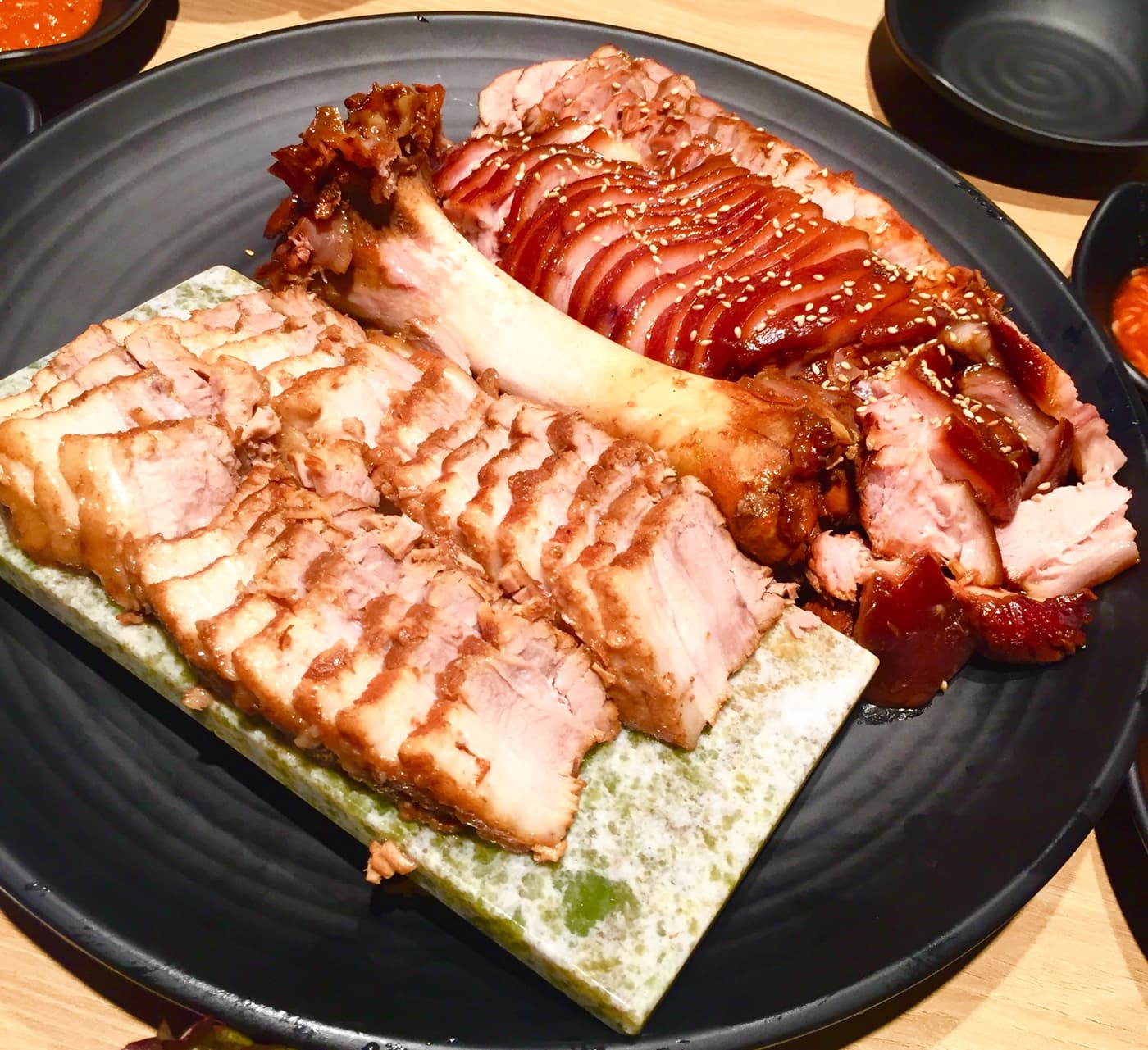
Jokbal vs Bossam: Which Korean Pork Dish Should You Order?
Jokbal and bossam share a menu, a price, and the same side dishes — but one is soy-braised trotter and the other is plain-boiled belly. Which to order, what a portion costs in August 2026, and why they are always sold together.
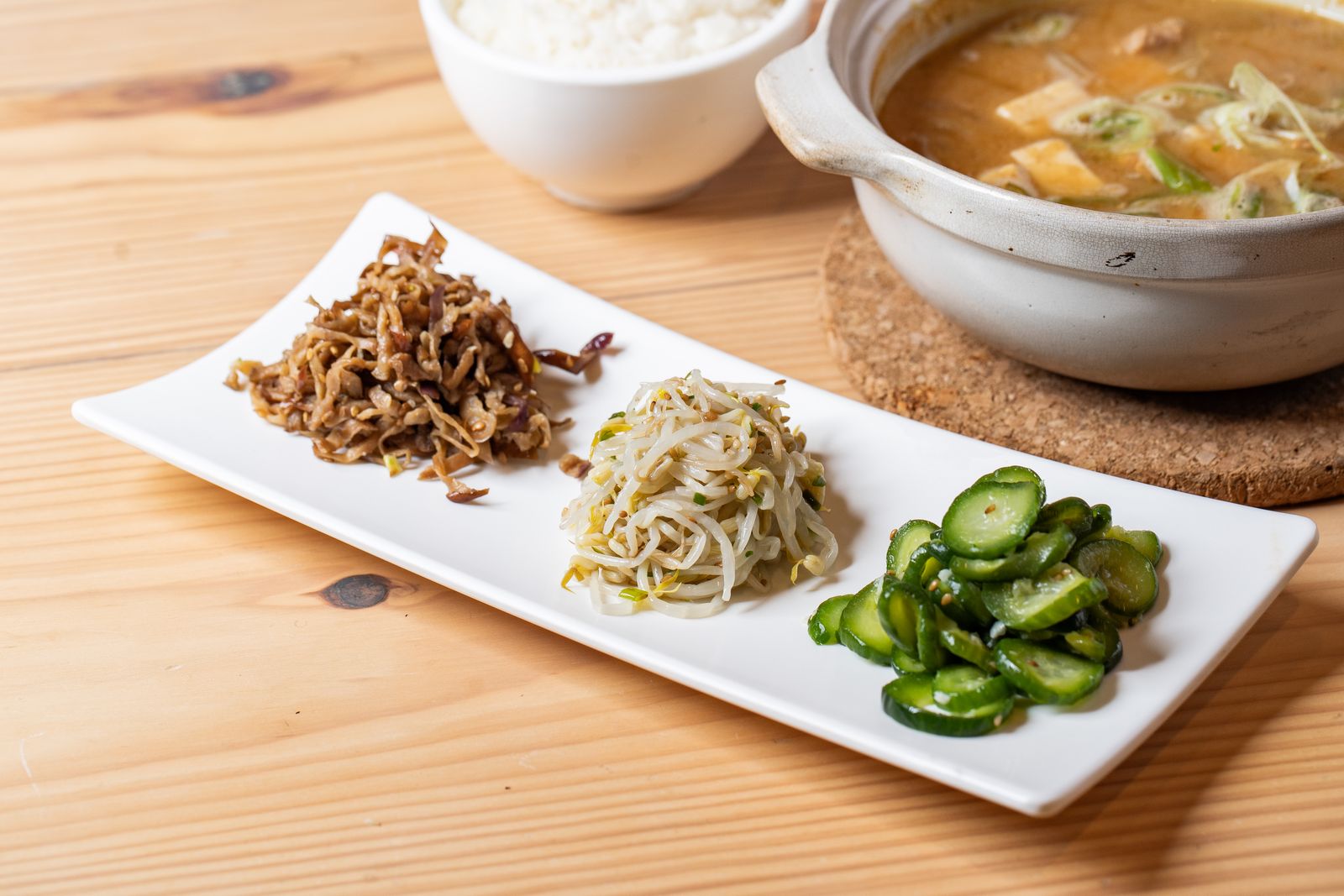
What Do Koreans Eat for Breakfast? 12 Real Meals, and Why a Third Skip It
About a third of Korean adults skip breakfast entirely, and people in their 20s score worst of any age group in the national health survey. What the other two-thirds eat, with August 2026 prices: gimbap ₩3,800, kimchi-jjigae set ₩8,654, abalone juk ₩18,900.