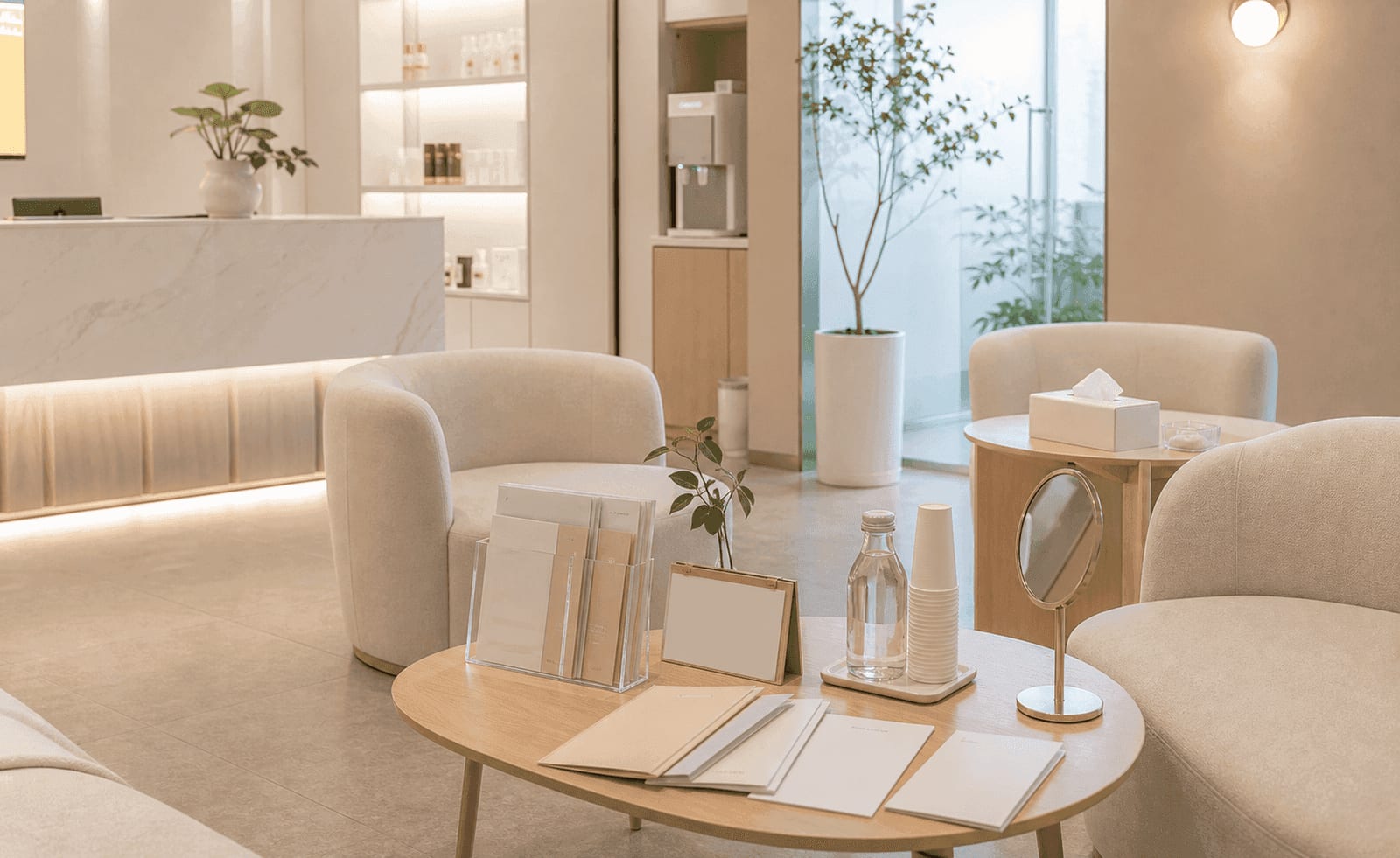
Gangnam Plastic Surgery District: Seoul Medical Tourism Guide
Gangnam plastic surgery is one of Korea's most visible medical-tourism stories, but it should not be treated like a shopping route. Yes, the Sinsa, Apgujeong, and Gangnam corridor is packed with clinics, beauty ads, consultation offices, dermatology centers, and recovery services. Yes, many overseas patients come to Korea for cosmetic medicine. But surgery is still surgery, and a smart reader should start with safety checks before prices, celebrity rumors, or dramatic before-and-after images.
This guide explains how to understand Gangnam's plastic surgery district without glamorizing it. It is not medical advice and it does not recommend any procedure or clinic. Use it as a travel and research checklist: confirm registration, avoid illegal brokers, understand consultation pressure, plan recovery time, and know when to walk away.
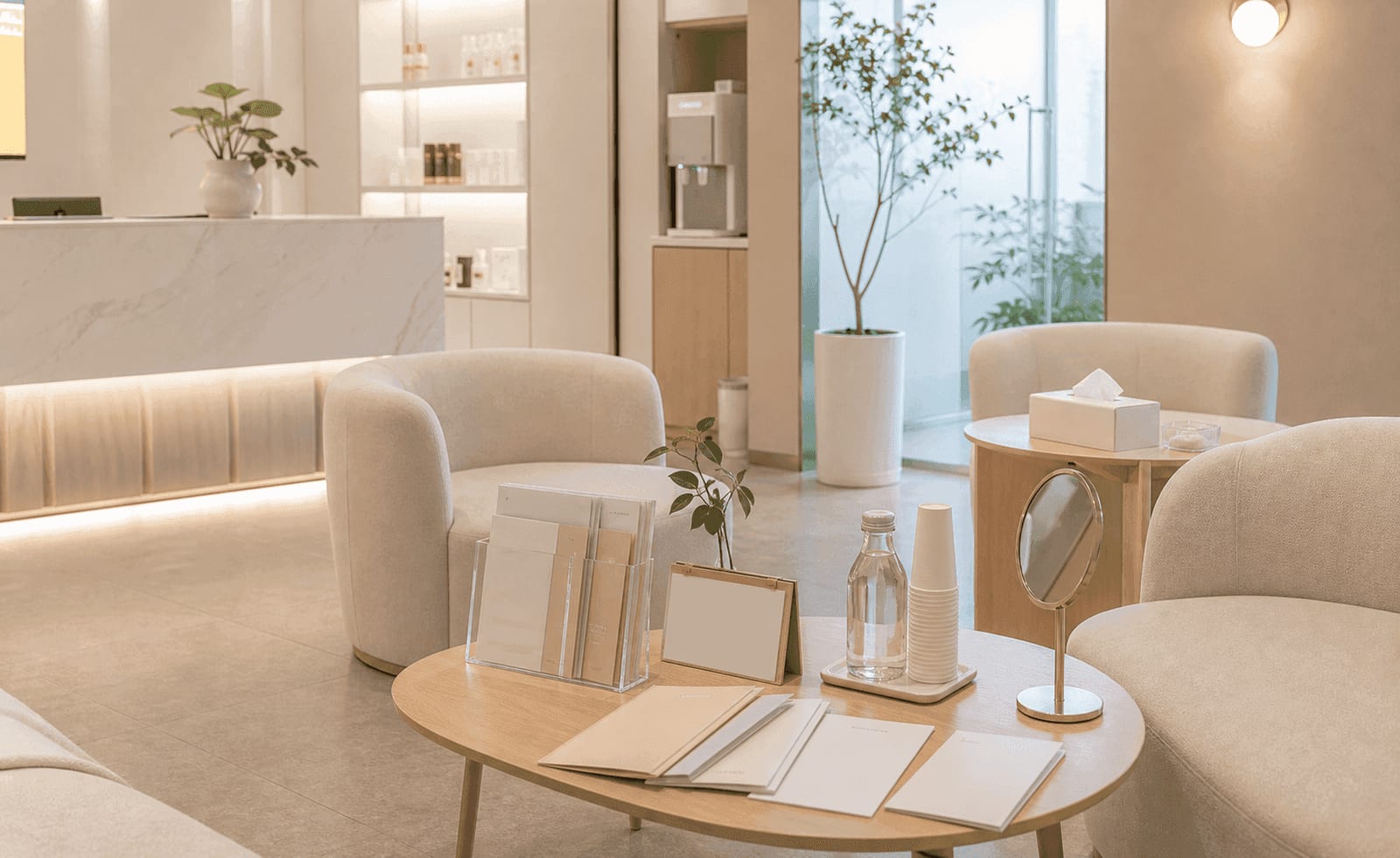
The Short Answer: What Should Foreign Patients Check First?
Before choosing any clinic, check whether it is registered to serve foreign patients, whether the doctor is properly identified, whether the procedure, risks, anesthesia, recovery, total price, and aftercare are explained in a language you understand, and whether you are being pushed by a broker rather than informed by a medical team.
Medical Korea, operated with the Ministry of Health and Welfare and KHIDI context, explains that Korea uses a registration system for institutions serving foreign patients. Its English materials also state that medical malpractice liability insurance applies to registered relevant institutions. Gangnam-gu separately operates a medical-tourism partner system that evaluates criteria such as operating-room environment, safety facilities, specialists, foreign-patient staff, language availability, and certificates.
| Check | Why It Matters | What to Ask | Red Flag |
|---|---|---|---|
| Foreign-patient registration | Shows the clinic is in the official medical-tourism system | Can I verify your registration? | Only a broker answers, no certificate or official name |
| Doctor identity | You need to know who examines and operates | Who performs the procedure and follow-up? | Different doctor appears at surgery time |
| Risk explanation | Cosmetic procedures still carry medical risk | What are common and serious complications? | "No risk" or "everyone does this" language |
| Total cost | Add-ons, anesthesia, medication, and revisions change budget | What is included and excluded? | Price changes after deposit pressure |
| Recovery plan | Swelling, stitches, infection checks, and flying matter | When can I travel, work, exercise, and fly? | No written aftercare plan |
BAGSMART RFID travel wallet — on AmazonAffiliate link. As an Amazon Associate, EpicKor earns from qualifying purchases at no extra cost to you.
Why Gangnam Became the Beauty-Medical Center
Gangnam is not only a cluster of clinics. It is a cluster of money, transit, advertising, premium retail, dermatology, cosmetic surgery, skincare, hotels, translators, and medical-tourism services. Apgujeong and Sinsa are associated with image industries; Gangnam Station is dense with office workers and commuters; Cheongdam and nearby areas connect beauty, fashion, entertainment, and luxury retail.
That density creates convenience for patients. It also creates noise. A visitor can compare clinics, get multiple consultations, buy recovery supplies, find pharmacies, and stay near treatment areas. But the same density can make cosmetic decisions feel like ordinary shopping. A banner, influencer post, or limited-time discount is not a medical evaluation.
Gangnam's strength is infrastructure. Its risk is speed. The more polished the marketing, the more important it becomes to slow down and ask boring questions.
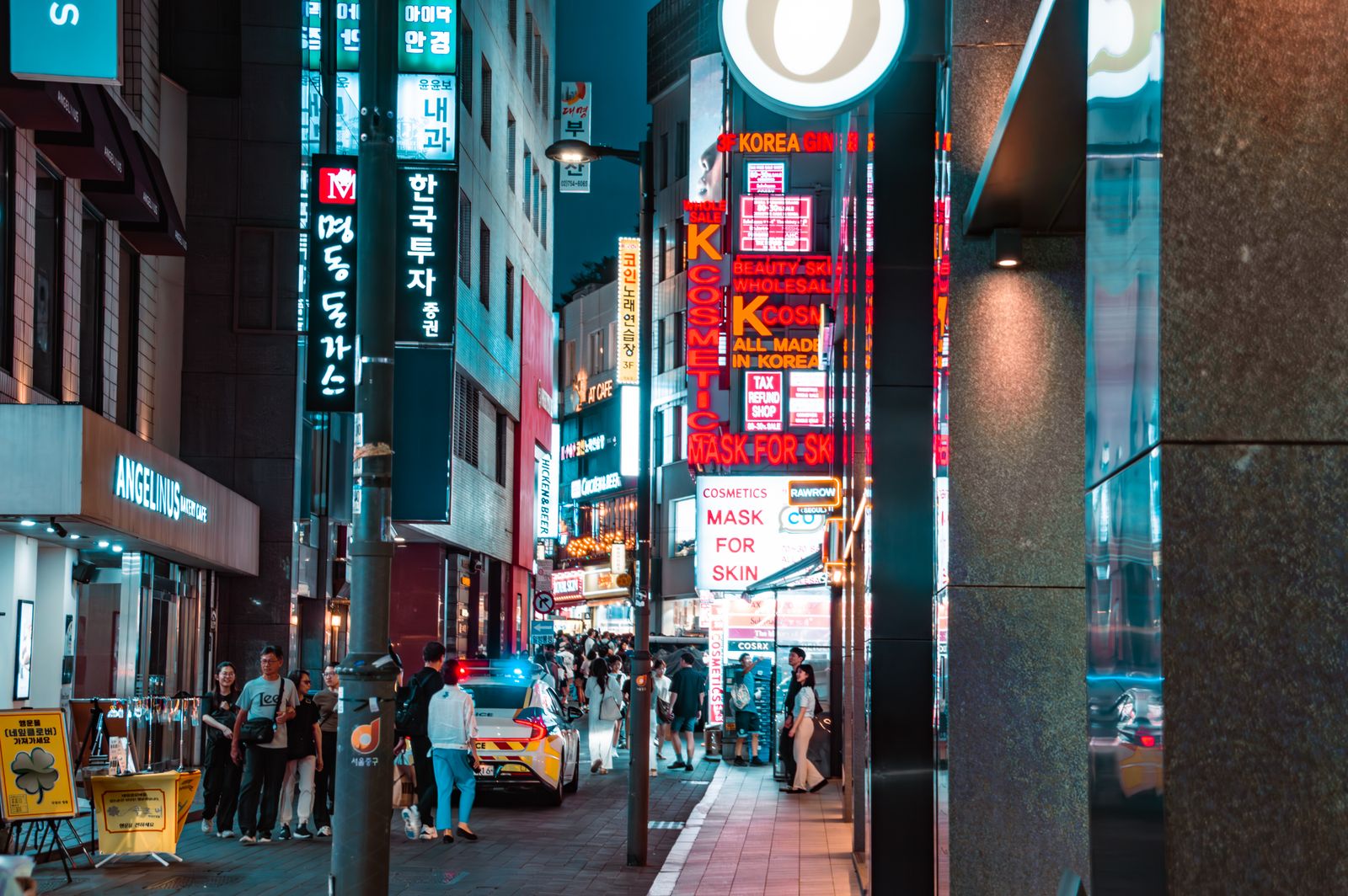
Registered Clinics and Illegal Brokers
Medical Korea's materials emphasize the foreign-patient attraction registration system and warn against unregistered attraction conduct. For travelers, the practical rule is straightforward: a person who introduces you to a clinic for a commission, pushes you to pay quickly, hides the clinic's official name, or discourages direct questions is not acting like a neutral friend.
A legitimate clinic should be willing to identify itself clearly, provide written information, and explain who handles translation, consent, pre-op testing, aftercare, and emergency contact. If an agency is involved, ask what it is registered to do, how it is paid, and whether you can communicate directly with the clinic.
This matters because overseas patients may be vulnerable. They may not speak Korean, may have limited time in Seoul, and may not know how Korean medical paperwork works. The best clinics understand this and make the process clearer, not more confusing.
Consultation: What a Good Conversation Should Include
A useful consultation should not begin and end with a mirror and a price. It should cover your medical history, medications, allergies, smoking, prior procedures, expectations, possible alternatives, what happens if you do nothing, and what recovery really looks like. If anesthesia is involved, ask who administers it and how monitoring works.
For aesthetic procedures, ask the doctor to define the goal in conservative language. "A natural result" can mean many things. Does it mean less swelling, smaller change, a balanced profile, lower revision risk, or simply a trend? Make the clinic translate aesthetic words into visible decisions and medical steps.
Do not rely only on before-and-after galleries. Lighting, angle, makeup, swelling stage, selection bias, and editing can change perception. A gallery can start questions, but it should not end them.
Prepare the non-glamorous part first: As an Amazon Associate, EpicKor may earn from qualifying purchases. If you are traveling for consultations, compare travel document organizers so passport copies, clinic papers, insurance details, and receipts stay together.
See travel document organizers on AmazonPrice Shopping Can Backfire
It is normal to compare prices, but the cheapest quote can hide exclusions. Ask whether consultation, imaging, blood tests, anesthesia, medication, compression garments, translators, aftercare visits, and possible revision policies are included. Also ask how payment, refunds, deposits, and tax-refund paperwork work before paying.
Never let a discount deadline replace thinking time. A clinic that pressures a foreign patient to decide today because the "event price" ends tonight is using retail urgency on a medical decision. That is not automatically illegal, but it is a reason to slow down.
If you are comparing multiple clinics, keep notes immediately after each consultation. Record the doctor name, proposed procedure, quoted cost, recovery timeline, risks mentioned, and questions left unanswered. After three consultations, details blur quickly.
Recovery Time Is Part of the Procedure
Foreign patients often underestimate recovery because travel itineraries make Seoul feel efficient. Even a minor procedure can involve swelling, bruising, soreness, medication, follow-up checks, and restrictions on exercise, alcohol, sauna, swimming, makeup, or flying. More invasive procedures may require a much longer recovery window and local aftercare.
Do not plan surgery as a final-day activity before an international flight unless the clinic explicitly clears the timing and you understand the risks. Ask what symptoms require urgent contact and whether English support is available outside office hours. If you will leave Korea soon after the procedure, ask how follow-up is handled from abroad.
For travel logistics around clinics, hotels, and transit, pair this with our Seoul safety guide, medical emergency guide, and Seoul beauty shopping guide.
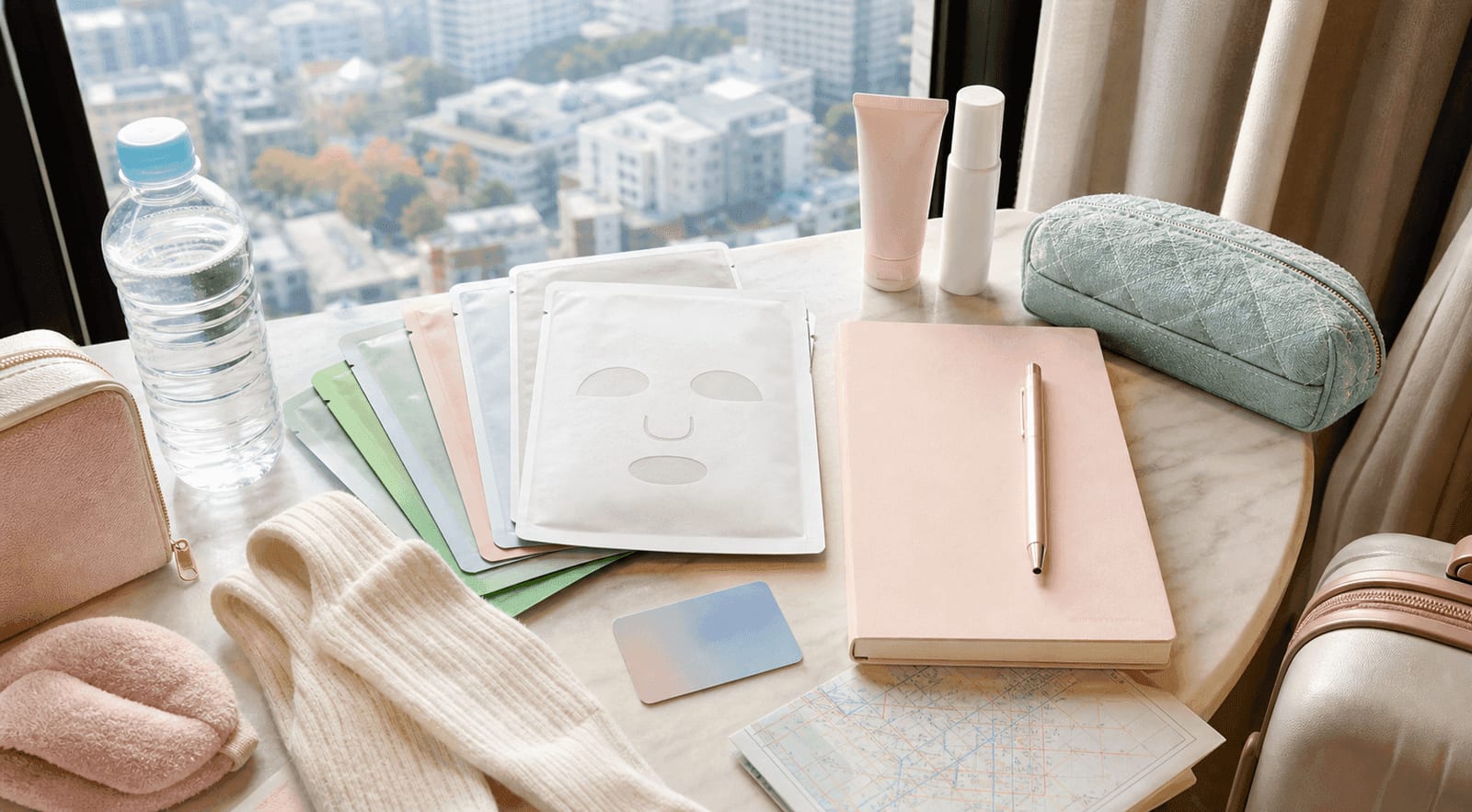
The Lookism Conversation Needs Care
Korea has a real beauty-pressure conversation. Appearance can affect dating, hiring anxiety, school culture, self-presentation, and celebrity standards. But overseas commentary often turns that into lazy claims that "all Koreans are obsessed with surgery." That is not helpful and it is not fair.
A better framing is that Korea has a highly developed beauty industry, intense media standards, competitive urban life, and a visible medical-tourism infrastructure. Some people choose procedures. Some reject them. Some use skincare or dermatology instead. Some feel pressure and dislike it. Some treat beauty work as personal autonomy. There is no single Korean opinion.
If you are writing or speaking about Gangnam plastic surgery, avoid treating patients as shallow or clinics as magical. Both frames remove the real issue: informed consent, medical safety, and realistic expectations.
Decision Matrix: Should You Keep Researching or Pause?
| Signal | Interpretation | Best Move |
|---|---|---|
| You understand the procedure, risk, doctor, cost, and recovery | Research is becoming concrete | Get written details and compare calmly |
| You mainly like the before-and-after photos | Marketing is ahead of medical clarity | Ask technical and recovery questions |
| You feel rushed by a discount or broker | Pressure is replacing informed consent | Pause and leave the consultation |
| The clinic cannot explain aftercare in your language | Follow-up risk is high | Do not proceed until support is clear |
| You are hiding medical history to qualify | Safety information is incomplete | Stop and speak honestly with a clinician |
A Trustworthy Gangnam Plan
A sensible plan looks slow: research official clinic registration, read medical information, compare two or three consultations, sleep on the decision, plan recovery days, keep documents, and know your emergency contact. If the procedure is optional and the timeline is rushed, postponing is a valid choice.
Gangnam's medical-tourism scene can be sophisticated and internationally experienced. That is exactly why readers should approach it with adult seriousness. Korea's beauty infrastructure is impressive, but the safest patient is still the one who asks unglamorous questions.
For the skincare side, not surgery: If your Korea plan is beauty shopping rather than a procedure, compare a simple product such as ROUND LAB 1025 Dokdo Toner and patch-test slowly instead of overhauling your routine while traveling.
See ROUND LAB 1025 Dokdo Toner on AmazonSources and Further Reading
- Medical Korea foreign-patient institution registration system
- Medical Korea reliability and registration information
- Medical Korea foreign-patient statistics and overview
- Gangnam Medical Tour partner organization criteria
- Medical Korea illegal foreign-patient attraction reporting page
FAQ
Q: Is Gangnam the best place for plastic surgery in Korea? Gangnam is the most visible and convenient cluster, but "best" depends on the procedure, doctor, safety system, communication, aftercare, and your medical situation. Do not choose by neighborhood alone.
Q: How do I know if a clinic can serve foreign patients? Ask for the clinic's official name and foreign-patient registration information, then verify through official Medical Korea or local government channels where possible.
Q: Are brokers always bad? Not always, but unregistered or high-pressure brokers are risky. You should know who pays them, whether they are registered, and whether you can communicate directly with the clinic.
Q: Can I combine surgery with a short Seoul vacation? Only if the procedure and doctor make that safe. Recovery can affect sightseeing, restaurants, sauna use, flights, photos, and emergencies. Build the trip around recovery, not the other way around.
Q: Should I trust before-and-after photos? Use them as starting points, not proof. Lighting, makeup, angle, swelling stage, editing, and selected cases can change the impression.
Q: What is the biggest red flag? A clinic or broker that cannot clearly explain doctor identity, risks, aftercare, total price, and emergency contact in a language you understand.
Video Insight: The Surgery District
You Might Also Like
Korea Tourist Shopping Route: Olive Young, Daiso, Musinsa
A practical guide to Korea's new tourist shopping route: Olive Young, Daiso, Musinsa, pharmacies, skin clinics, tax refunds, and what to buy.
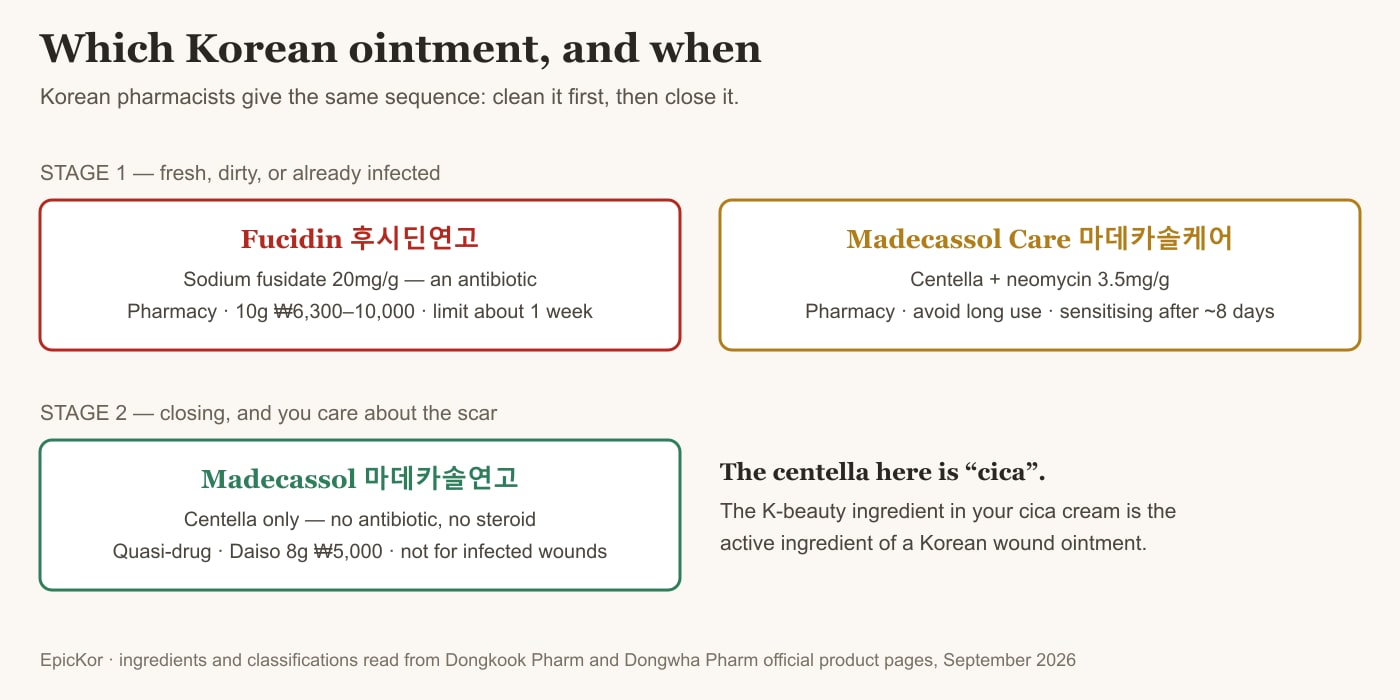
Fucidin vs Madecassol: Which Korean Ointment for Which Wound
Korea's two famous wound ointments are a sequence, not rivals: Fucidin (fusidic acid) while the wound is dirty, Madecassol (centella) once it closes. And Madecassol is two tubes — one contains an antibiotic, and their labels say opposite things.

Korean McDonald's: Why the Burgers Are Named After Farm Counties, and What to Order Now
McDonald's Korea has bought 459.2 tonnes of named Korean produce since 2021 and prints the county on the burger — Changnyeong garlic, Jindo spring onion, Jinju pepper. 24 million sold, ₩61.7 billion of measured regional value. Here is what is on the menu now.