Korean Healthcare Guide for Tourists: Emergencies and Pharmacies
Korean healthcare is one of the quiet reasons travelers feel safe in Seoul.
Hospitals are modern. Pharmacies are common. Clinics can be efficient. Emergency services exist. Major medical centers in Seoul often have international desks or interpretation support. If you get a fever, sprain an ankle, lose medication, or need a doctor during a trip, Korea is usually much easier to navigate than visitors expect.
But that does not mean you should improvise everything.
Healthcare in Korea works well when you know which door to use: pharmacy, clinic, emergency room, international clinic, travel hotline, or ambulance. It becomes stressful when you wait too long, assume everyone speaks English, forget insurance documents, or treat a hospital visit like a casual tourist attraction.
This guide is not medical advice. It is a travel-prep guide.
The goal is simple: know what to do before the problem happens.
Travel pill organizer — for the medication rules covered belowAffiliate link. As an Amazon Associate, EpicKor earns from qualifying purchases at no extra cost to you.
Quick Answer: What Should Tourists Know About Healthcare In Korea?
If you are visiting Korea, remember these basics:
- Call 119 for ambulance, fire, or urgent emergency help.
- Use 1330 Korea Travel Hotline for tourist help and interpretation support.
- Use 1339 for infectious-disease or public-health guidance.
- For non-emergency symptoms, a local clinic or pharmacy may be faster than a big hospital.
- Bring travel insurance and keep your passport, medication names, and allergy information accessible.
- Do not assume your home insurance will pay Korean bills directly.
VisitKorea's emergency information page lists emergency contacts and tourist support resources, including 1330 and 1339, and also points travelers toward major medical centers with international services. Start with VisitKorea's emergency situations guide. For public-health call center information, see the Korea Disease Control and Prevention Agency's 1339 call center page.
Emergency Numbers: 119, 1330, And 1339
The number most travelers should remember first is 119.
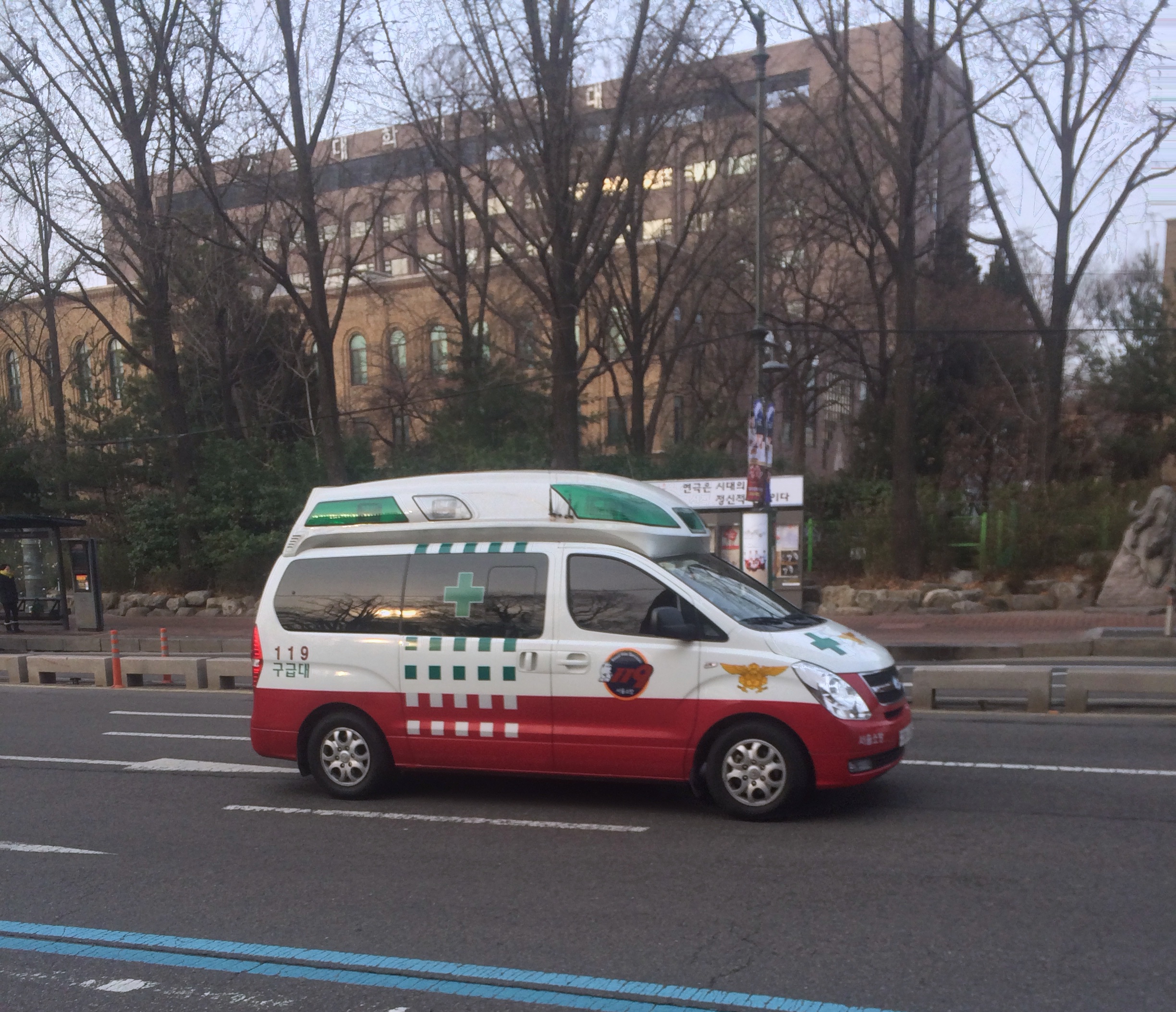
In Korea, 119 connects to emergency services for ambulance and fire. If someone is seriously injured, unconscious, having severe breathing trouble, showing stroke symptoms, having chest pain, or facing a real emergency, do not try to solve it with a hotel search or group chat. Call 119 or ask someone nearby to call.
The second number is 1330, the Korea Travel Hotline. This is useful when you are not sure how to navigate the situation as a foreign visitor: translation help, tourist police connection, travel information, or practical routing. It is not a replacement for emergency medical care, but it can help you communicate.
The third number is 1339, connected with infectious disease and public-health guidance. This matters more when symptoms may involve contagious illness, travel advisories, or public-health questions rather than a simple sore throat.
Put these numbers in your phone before the trip.
Do not wait until you are sick and tired in a hotel room.
Pharmacy, Clinic, Or Hospital?
The biggest decision is choosing the right level of care.
For mild symptoms, a pharmacy may be enough. Korean pharmacies are usually marked with 약 or 약국. Pharmacists can help with common over-the-counter medicines for colds, digestion, motion sickness, minor pain, or skin irritation. Bring the medication package if you are trying to replace something. Use the generic ingredient name when possible, not only a brand name from your country.
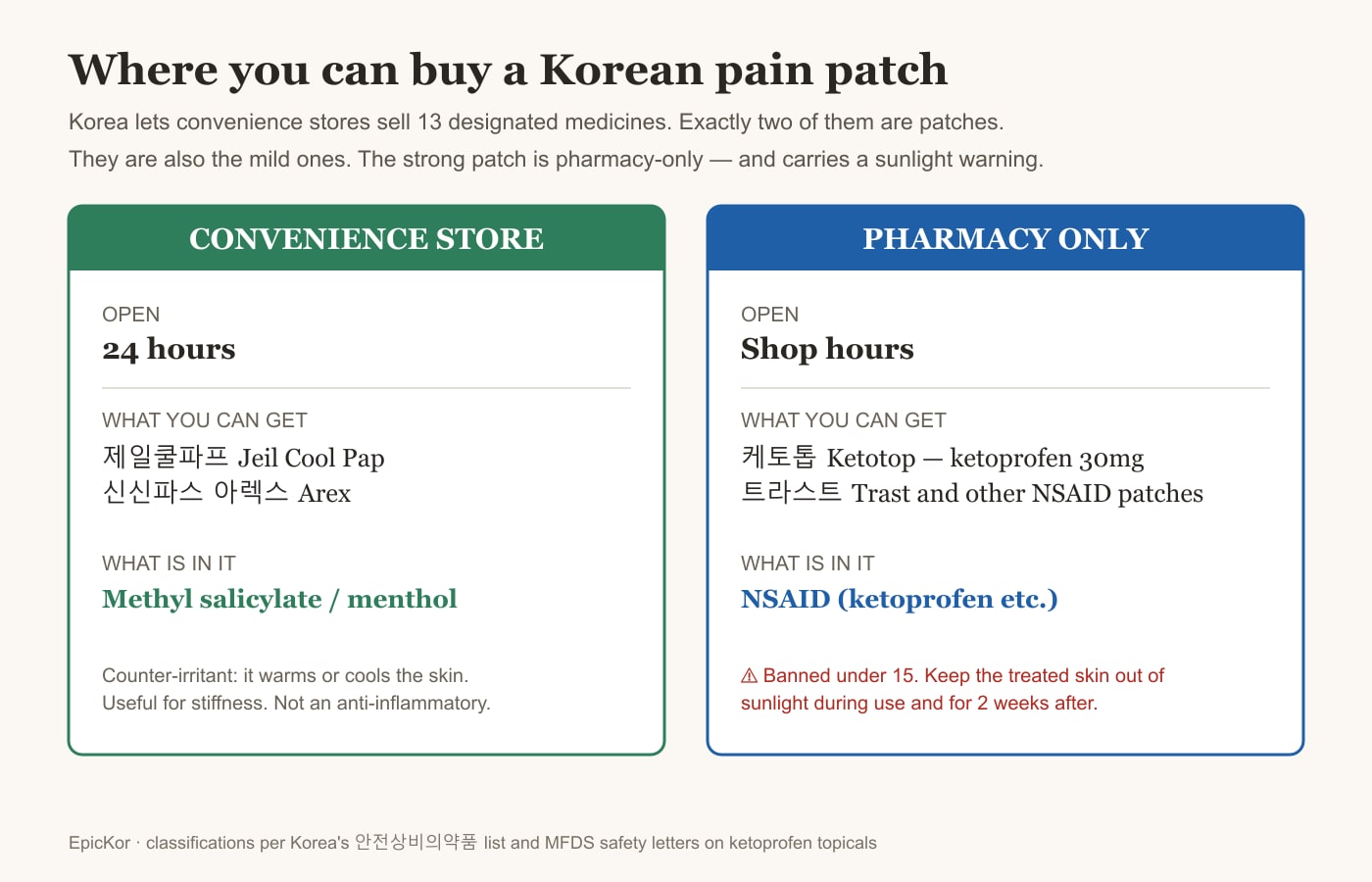
Three of those categories have their own decisions worth knowing before you walk in. For indigestion, Hwalmyungsu is the bottle a Korean pharmacist will reach for — and the similar-looking one in a convenience store is a different product. For aches and a stiff back, our guide to Korean pain patches explains why only two patches can be sold outside a pharmacy and what the strong one's sunlight warning means. For a scrape or a burn, Fucidin vs Madecassol covers Korea's two standard wound ointments — and the fact that one of those brand names is two different tubes.
For non-emergency symptoms that need a doctor, a local clinic can be faster and cheaper than a large hospital. Korea has many small clinics by specialty: internal medicine, ENT, dermatology, orthopedics, ophthalmology, dental clinics, and more. Clinics are common around subway stations and residential districts.
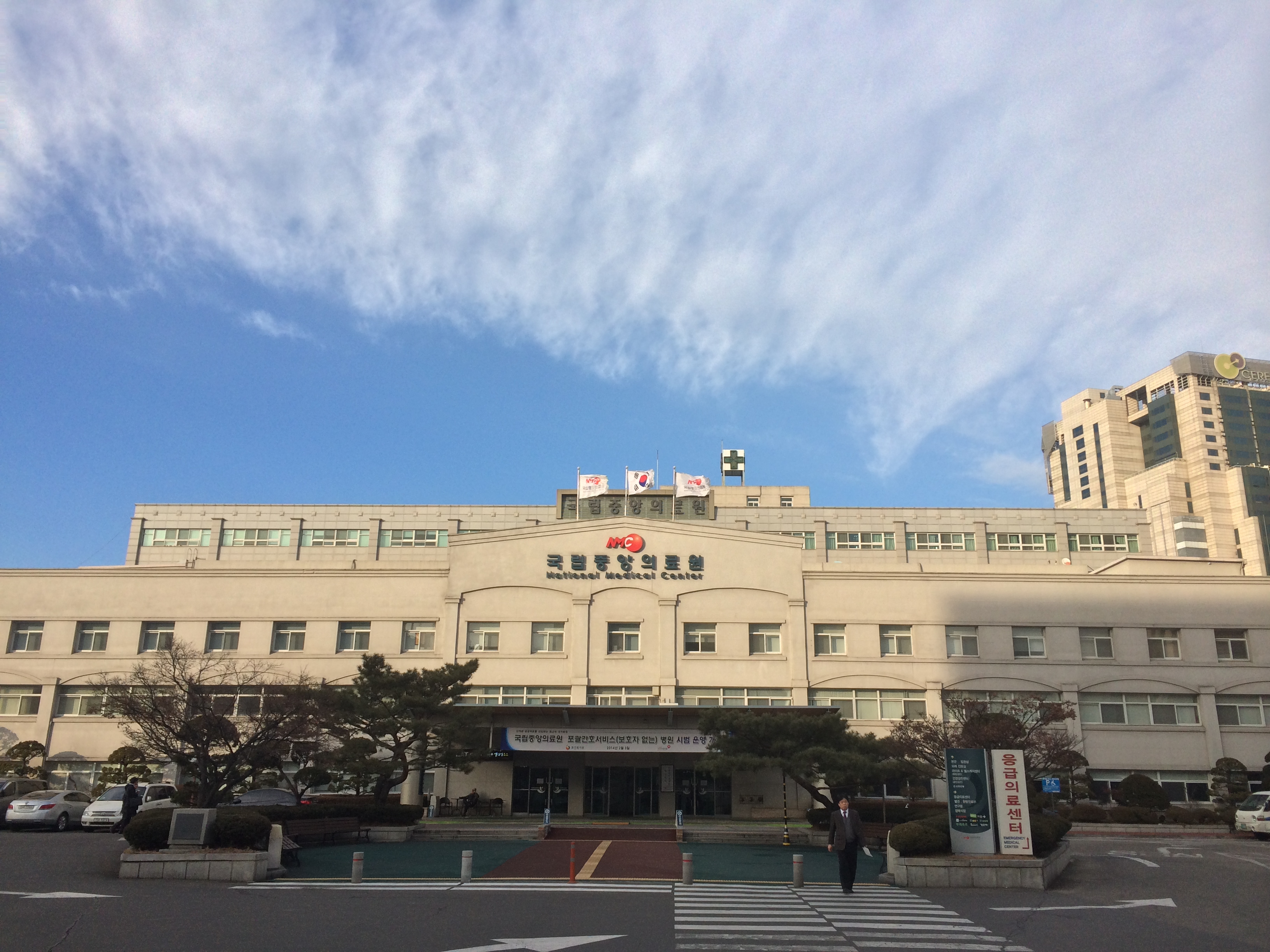
For serious symptoms, complex problems, injuries, or situations needing advanced imaging or specialist care, use a hospital or emergency department.
The mistake is jumping straight to a university hospital for a minor cold, or going to a pharmacy when symptoms are clearly urgent.
Use this simple table:
| Problem | First Stop | Why |
|---|---|---|
| Mild cold, upset stomach, motion sickness | Pharmacy | Fastest route for common OTC medicine |
| Ear pain, rash, minor infection, persistent fever | Clinic | Doctor visit without hospital complexity |
| Broken bone concern, severe allergic reaction, chest pain | Hospital or 119 | Needs urgent or advanced care |
| Language barrier with unclear next step | 1330 plus clinic/hospital | Tourist interpretation support can reduce confusion |
Insurance Is Not Optional
Travel insurance is boring until you need it.
Korea's healthcare system may feel efficient, but tourists are not automatically treated like local residents under Korean National Health Insurance. You should expect to pay as a foreign visitor unless your insurance arrangement covers the visit directly or reimburses you later.
Before you fly, check:
- whether your policy covers South Korea
- whether emergency evacuation is included
- whether pre-existing conditions are covered
- whether you need to call the insurer before non-emergency hospital care
- how to submit receipts
- whether dental, prescriptions, or clinic visits are included
Keep a digital and offline copy of your policy. If you have a chronic condition, carry a short medication and diagnosis note in plain English. If you take prescription medicine, bring enough for the trip plus a small buffer.
Do not assume Korean doctors can identify every foreign brand name instantly. Ingredients matter.
Travel-prep note: As an Amazon Associate, EpicKor may earn from qualifying purchases. Before Korea, compare Korea travel essentials like document pouches, pill organizers, refill bottles, and compact first-aid basics so your insurance card, passport, and medication notes are easy to reach.
What To Bring If You Have Medication
If you take medication regularly, prepare more carefully than you think you need to.
Bring:
- medication in original packaging
- prescription or doctor's note when appropriate
- generic ingredient names
- dosage information
- allergy list
- emergency contact
- insurance details
- enough medication for delays
Korea is strict about controlled substances and imported medicines. Do not casually carry a large supply of pills in an unmarked container. If your medication is controlled, restricted, injectable, or unusual, check Korean import and customs guidance before travel.
This is especially important for ADHD medication, sleep medication, strong pain medication, anxiety medication, and some injectable treatments. Rules can change, and your home-country prescription does not automatically make every medicine easy to carry into Korea.
For normal travel basics, pack small and documented. For anything sensitive, verify before departure.
What Happens At A Korean Hospital?
A hospital visit in Korea may feel more structured and faster than expected, but the flow can be confusing if you do not speak Korean.
You may need to register first, show your passport, describe symptoms, choose a department or be triaged, pay at certain stages, receive tests, wait for results, pay again, and then take a prescription to a nearby pharmacy. Large hospitals may have international healthcare centers, but not every desk or every hour will be equally easy in English.
Do not be surprised if payment and process steps feel different from your home country.
Also do not expect the emergency room to work like a hotel concierge. Emergency departments prioritize severity. If your condition is not urgent, you may wait or be directed elsewhere.
Language Help And International Clinics
Seoul has hospitals and clinics that handle foreign patients, especially in areas with tourists, embassies, international residents, or medical-tourism infrastructure. But language support is not evenly distributed across every small clinic.
To reduce friction:
- ask your hotel for a nearby English-friendly clinic
- use 1330 when you need interpretation help
- search for international clinic departments at major hospitals
- write symptoms in simple English
- keep medication names in your phone
- use translation apps for pharmacy visits
If you are seriously sick, do not spend an hour trying to find the perfect English-speaking clinic while symptoms worsen. Use the emergency system.
If it is non-urgent, then language fit matters more. A clinic that understands your explanation clearly can save time and prevent over-testing or under-explaining.
Pharmacies Are Useful, But They Have Limits
Korean pharmacies are part of daily life.
They are often near clinics because prescriptions are commonly filled outside the clinic rather than inside it. You may see a doctor, receive a prescription, then take it to a pharmacy nearby. For common non-prescription needs, you can walk in and ask.
Useful pharmacy phrases:
Gamgi yak isseoyo?- Do you have cold medicine?Sok-i an joayo.- My stomach does not feel good.Allergy isseoyo.- I have an allergy.Yeongeo ganeungangayo?- Is English possible?
Pharmacists may ask about symptoms and may recommend a product. But they are not a replacement for a doctor when symptoms are serious, persistent, or unclear.
Also remember that some medicine you can buy freely at home may be handled differently in Korea, and some Korean medicine combinations may include ingredients you do not recognize. If you have allergies, pregnancy concerns, chronic illness, or interactions with existing medication, be cautious.
EpicKor's Korean convenience store breakfast guide is useful for normal travel mornings, but a convenience store is not a pharmacy. Buy snacks there. Buy medicine from a pharmacy.
Emergency Care And Ambulances
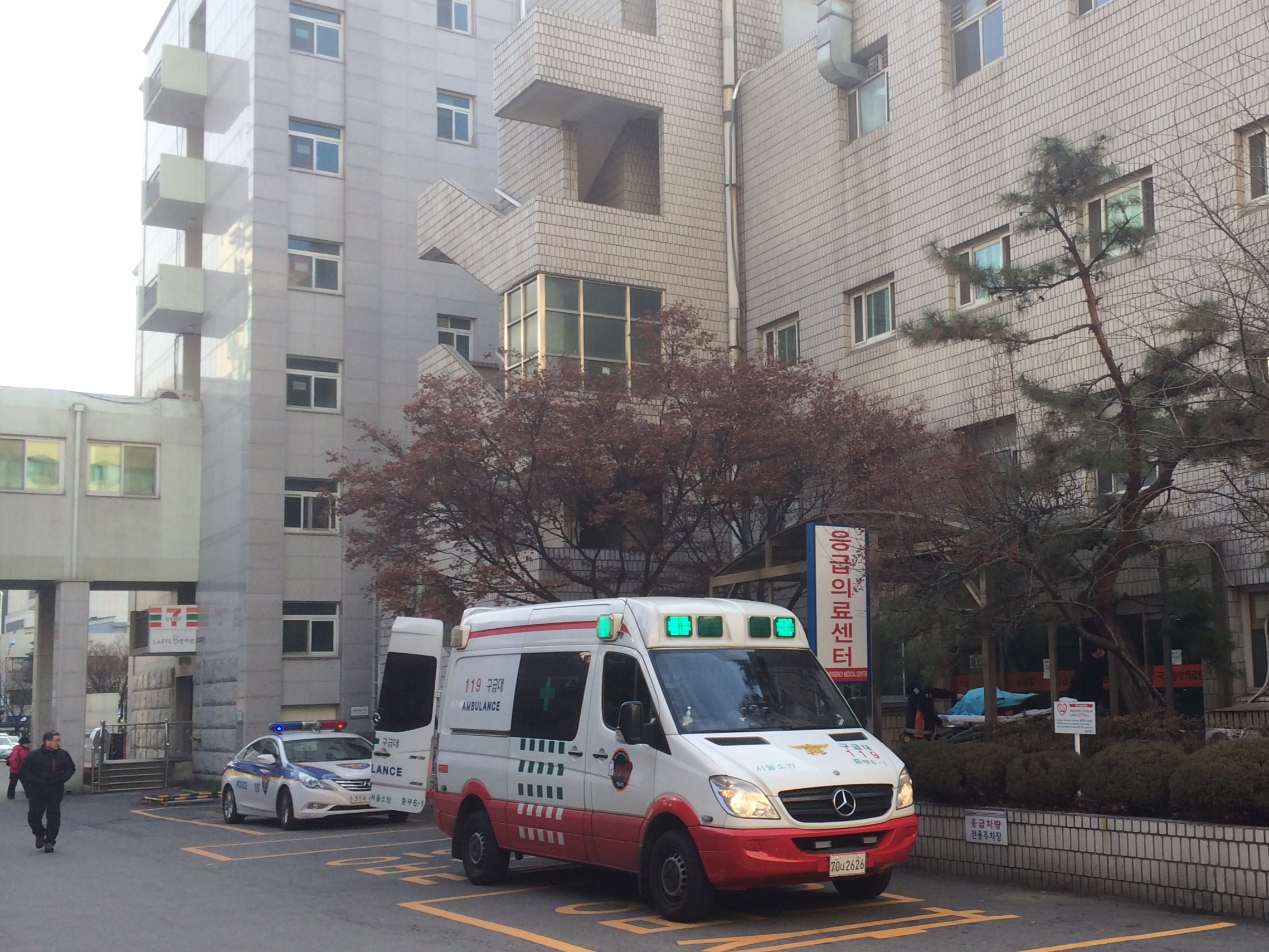
If you need an ambulance, call 119.
Do not worry about whether the situation is embarrassing if symptoms are serious. Chest pain, breathing problems, severe injury, stroke-like symptoms, loss of consciousness, severe allergic reaction, or heavy bleeding are not "wait and see" travel problems.
If you are with someone who is sick, help them communicate:
- passport nationality
- age
- known allergies
- medication
- what happened
- when symptoms started
- hotel address
If you are alone and worried about language, call from a hotel desk, ask a nearby staff member, or use 1330 for support when appropriate. In a true emergency, getting help matters more than perfect grammar.
Common Tourist Health Problems In Korea
Most traveler health issues in Korea are ordinary:
- summer heat exhaustion
- dehydration
- food or alcohol overdoing
- ankle sprains from stairs and hills
- cold symptoms after flights
- skin irritation from weather or new products
- stomach upset from spicy food or schedule changes
- lost medication
- dental discomfort
The practical prevention is also ordinary:
Drink water. Sleep enough. Do not stack every night with soju. Be careful with summer heat. Wear comfortable shoes. Patch-test new skincare. Keep medication documented. Do not treat your first Seoul week like a challenge show.
For summer specifically, EpicKor's Seoul heatwave travel guide is a good companion because heat can turn a normal sightseeing day into a health problem faster than visitors expect.
Medical Tourism Is Different From Travel Emergencies
Korea is famous for skin clinics, cosmetic dermatology, dentistry, plastic surgery, hair treatment, eye clinics, and health checkups. That is a different category from getting sick on vacation.
If you are planning a procedure, do not treat it casually.
Check licensing, consultation quality, aftercare, translation, infection control, refund rules, recovery time, and what happens if you have complications after returning home. A clinic that looks polished on social media is not automatically the right clinic for your body.
Also avoid planning major procedures in the middle of a packed tourist itinerary. Recovery is real. Swelling, medication, follow-up visits, activity limits, and unexpected complications can affect the rest of the trip.
For normal tourists, the best healthcare plan is not "book a procedure." It is "know where to go if something goes wrong."
What To Save In Your Phone
Create a small Korea health note before you leave.
Include:
- passport number
- insurance policy number
- emergency contact
- hotel address in English and Korean
- allergies
- medications and dosages
- chronic conditions
- blood type if known
- 119, 1330, 1339
- nearest large hospital to your hotel
This sounds excessive until you are tired, feverish, or trying to explain symptoms after a long flight.
If you are traveling with family or friends, share basic emergency details. If you are traveling alone, keep the note easy to find from your lock screen or travel folder.
Language backup: If you are nervous about clinics, pharmacies, and taxis, compare Korean phrasebooks. Even a few medical and direction phrases can make a stressful day feel more manageable.
See Korean phrasebooks on AmazonYou might like: What You Cannot Bring Into Korea: jerky, mango, Adderall and CBD are banned, sleeping pills need a permit, and the fine is ₩1–10 million
You might like: LASIK Cost in Korea (2026): ₩2.5 Million for Both Eyes, by the Government's Own Price Data
You might like: Flu in Korea (2026): a ₩30,000 Rapid Test, a ₩30,000–₩40,000 Shot, and Who Gets the Free Vaccine
FAQ
Q: What number do I call for an ambulance in Korea?
Call 119 for ambulance, fire, and emergency rescue services. If you need tourist interpretation support for a non-immediate situation, 1330 can also help.
Q: Can tourists use hospitals in Korea?
Yes. Tourists can use Korean hospitals and clinics, but they should expect payment and insurance handling to differ from local residents. Bring passport and insurance details.
Q: Are Korean pharmacies easy for foreigners?
Many are manageable for basic needs, especially with translation apps and simple symptom descriptions. For serious symptoms, go to a clinic or hospital instead.
Q: Is travel insurance necessary for Korea?
Yes. Korea has strong healthcare, but foreign tourists are not automatically covered like Korean residents. Insurance protects you from unexpected bills and complex emergencies.
Q: Can I bring prescription medicine into Korea?
Often yes for normal personal medication, but controlled or restricted medicines need extra care. Keep original packaging and documentation, and verify rules before travel if the medicine is sensitive.
The Bottom Line
Korean healthcare is good, but a good system still works better when travelers prepare.
Save 119, 1330, and 1339. Buy travel insurance. Carry medication information. Use pharmacies for mild issues, clinics for non-emergency doctor visits, and hospitals or 119 for urgent symptoms. Ask for language help early. Keep your passport and insurance details accessible.
Most Korea trips will not need medical care.
But if yours does, a little preparation can turn panic into a manageable plan.
You Might Also Like
DMZ Tour from Seoul: What You Need to Know Before Visiting
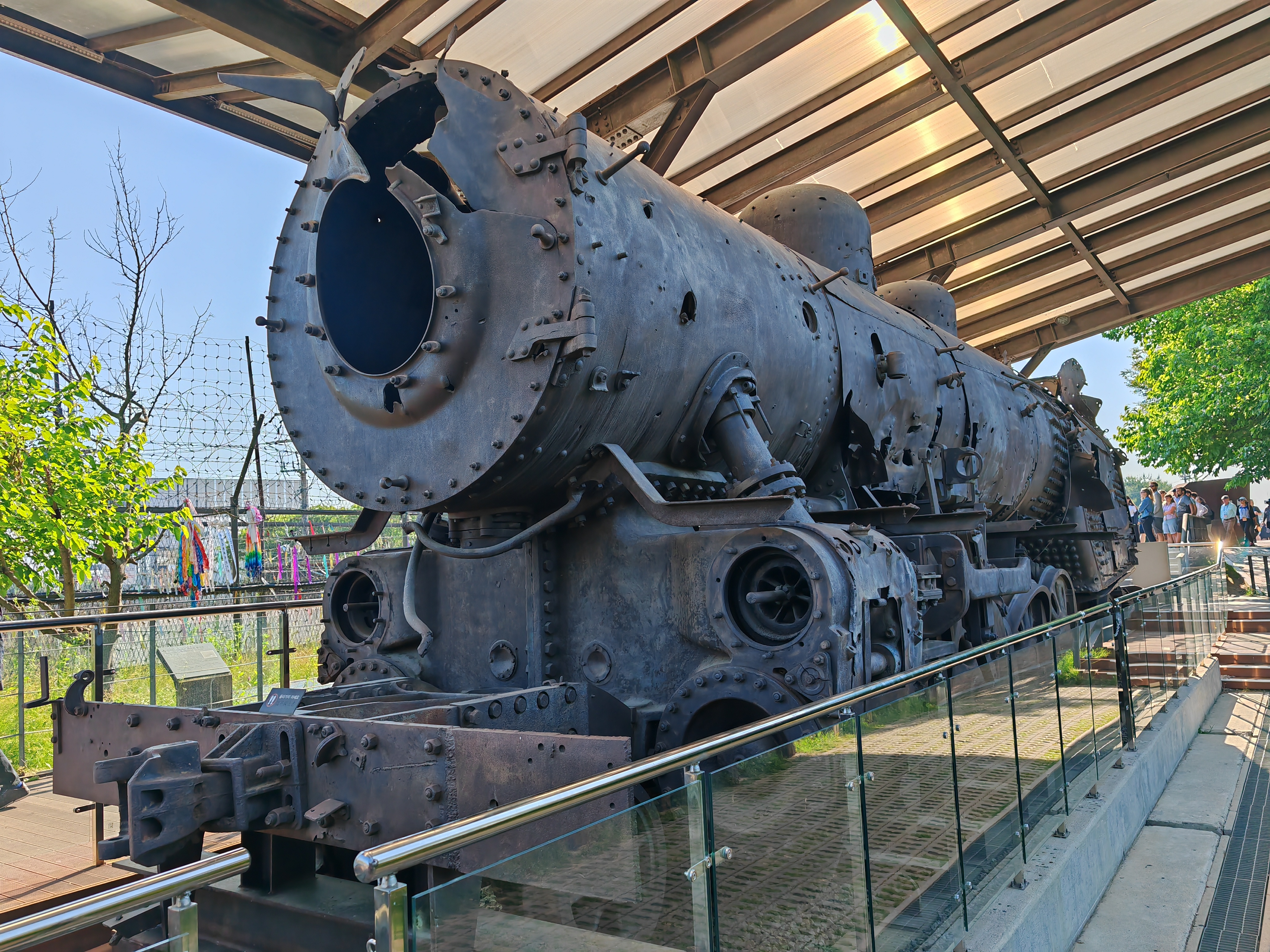
A practical DMZ tour from Seoul guide covering Imjingak, Dora Observatory, the Third Tunnel, passport rules, tour limits, timing, and what to pack.
Do Koreans Speak English? Ask Someone Under 35 — What Actually Happens on a Seoul Street
Yes, if you ask the right person. Stop a Korean in their twenties or thirties on a Seoul street and you will almost always get an answer in English. The forum answer that says otherwise is twenty years old. Who to ask, how to ask, where English is built in.
Korean Pain Patches: Only Two Are Sold Outside a Pharmacy
Korea lets convenience stores sell 13 designated medicines and exactly two are pain patches, both mild. The one everyone recommends — Ketotop, 30mg ketoprofen — is pharmacy-only and warns you to keep the treated skin out of sunlight for two weeks.