Is Korean Sunscreen Banned in the US? What Changed in 2026
Search for Korean sunscreen and you will find the same question asked in a dozen forms: is it banned in the US? Is it illegal? Why isn't it FDA approved?
The answer has always been more specific than "banned," and as of 9 August 2026 it is also different from what almost every English article about Korean sunscreen currently says.
Korean sunscreens were never illegal to own or use in America. They were effectively impossible to sell there legally, because the FDA regulates sunscreen as a drug and had not approved the UV filters Korean formulas are built on. That second half just started to change.
SKIN1004 Hyalu-Cica Water-Fit Sun Serum — a Korean SPF 50 sun serum sold on AmazonAffiliate link. As an Amazon Associate, EpicKor earns from qualifying purchases at no extra cost to you.
Quick Guide
| Question | Answer |
|---|---|
| Is Korean sunscreen banned in the US? | No. Buying it for personal use and wearing it has never been illegal. |
| Can US retailers legally sell it? | Generally no — not with its original formula and labelling. |
| Why not? | The FDA regulates sunscreen as an over-the-counter drug. Korea regulates it as a functional cosmetic. |
| What changed? | The FDA approved bemotrizinol. The order took effect 9 August 2026. |
| Does that make Korean sunscreens legal now? | Not yet, and not automatically. See below. |
| What is PA++++? | Korea's UVA rating scale. US labels have no equivalent. |
ROUND LAB Birch Juice Moisturizing Sun Serum — a Korean daily-wear SPF 50 sun serum Buying one for your own use is legal, and this one is listed under the brand's own product name — still check who the seller is. As an Amazon Associate, EpicKor earns from qualifying purchases at no extra cost to you.
See ROUND LAB Birch Juice Sun Serum on AmazonThe Real Reason: Korea Calls It a Cosmetic, America Calls It a Drug
This is the whole thing, and it explains everything downstream.
In Korea, sunscreen is a 기능성화장품 — a functional cosmetic. It is reviewed or reported to the Ministry of Food and Drug Safety, and a brand may only print an SPF or PA claim after the product passes defined testing. It is a real regulatory process, but it is a cosmetics process.
In the United States, sunscreen is an over-the-counter drug. That puts it under a far heavier framework, with a longer approval path for any new active ingredient.
Neither system is lax. They are simply different categories, and a product built for one does not automatically clear the other.
The Filter Gap, in Numbers
The practical consequence shows up in the ingredient list.
The US permits roughly 16 UV filters. The EU permits more than 30, and Korea, Japan and Australia sit closer to the European list. Before 2026, the FDA had not approved a genuinely new sunscreen filter since the late 1990s.
That gap is why the texture difference people notice is real rather than marketing. Modern filters such as bemotrizinol are more photostable and cosmetically lighter than the older ones American formulas must work with. A Korean chemist building a sunscreen has a larger toolbox.
It is also why a Korean sunscreen usually cannot simply be exported. Its active ingredients were not on the American list, so selling it in the US as sunscreen meant selling an unapproved drug.
Why Korea Got Good at This in the First Place
Regulation explains what Korea is allowed to put in a bottle. It does not explain why Korean sunscreen became something people import.
Two things did that.
Daily wear, not beach wear. In much of the West, sunscreen is something you apply before an outdoor event. In Korea it is a step in an ordinary morning routine, worn under makeup, indoors, in winter. A product worn every day by people who are not at the beach has to lose the qualities beach sunscreen is forgiven for — the thickness, the white cast, the smell, the way it pills under foundation. Korean formulators spent two decades optimising for that constraint, and the modern filters were the tool that made it possible.
A market that rewards texture obsessively. Korean beauty retail is unusually competitive and unusually fast. Products iterate in months rather than years, and consumers discuss finish, sebum control and white cast in a level of detail that would look eccentric elsewhere. That pressure selects hard for cosmetic elegance.
So the texture advantage is not mysticism and not only a filter list. It is what happens when a category is designed for daily use by a market that will notice, and complain, if it feels heavy.
The filter gap is why that work could not simply be shipped to America.
What Actually Happened on 9 August 2026
On 9 June 2026 the FDA finalised its determination that bemotrizinol — also sold as Tinosorb S or PARSOL Shield — is safe and effective as an active sunscreen ingredient. The order took effect on 9 August 2026.
It is the first new UV filter accepted into US sunscreens in more than 25 years, and it is not a minor one. Bemotrizinol absorbs both UVA and UVB, is highly photostable, and gives Americans access to a level of UVA protection that has not been available on US shelves — an improvement on avobenzone, the existing non-mineral UVA filter, which degrades in sunlight.
It has been used in Europe and Asia, including Korea, for over two decades.
Why This Does Not Mean You Can Buy Korean Sunscreen at Target Tomorrow
Here is where headlines will mislead people, so read this part slowly.
One ingredient became approvable. That is not the same as Korean products becoming sellable. Three things still stand in the way:
- Exclusivity. DSM Nutritional Products, which sponsored the application, holds an 18-month exclusivity period for bemotrizinol in the US market. Other suppliers cannot simply start selling it there yet.
- A formula is more than one filter. Korean sunscreens typically combine several filters, and the others on the label may still be unapproved in the US. Approving one does not clear the rest.
- The whole drug framework still applies. Any sunscreen sold in the US must meet US testing, monograph and labelling rules — Drug Facts panel, US SPF methodology, US broad-spectrum test. A Korean product would need reformulation and re-registration, not a translated box.
So the honest reading is that the door opened by one panel, not the whole doorway. Expect the first effects in American-made formulas that adopt the new filter, not in imported Korean bottles appearing on shelves.
Then Why Is It On Amazon Right Now?
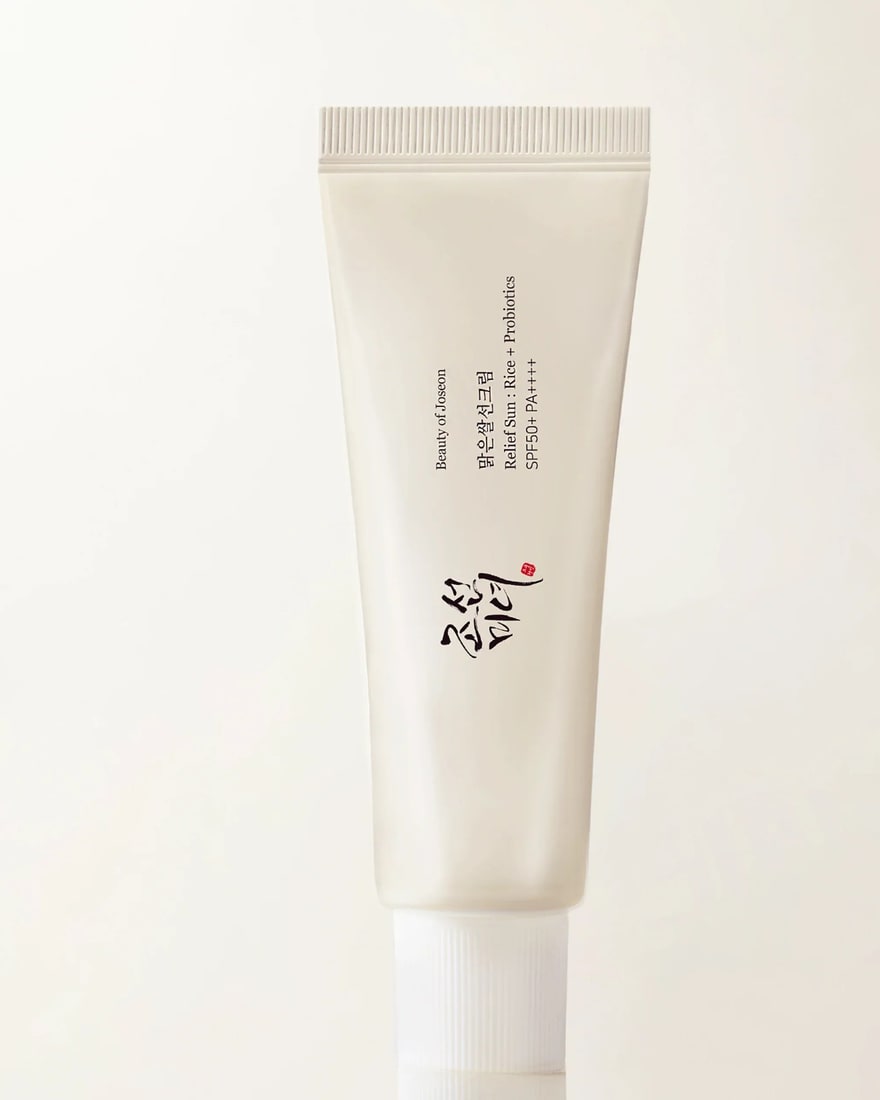
SPF50+ PA++++ is Korean and Japanese notation — PA grades protection against UVA, and it does not appear on an American Drug Facts panel at all. This is the bottle Americans were buying on Amazon, sold under Korean cosmetic labelling, not US drug labelling — though in late September 2026 the brand's own Relief Sun listing was gone, and the listings left under that name were lookalikes. Manufacturer product image, Beauty of Joseon.This is the obvious objection, and most articles about this subject quietly skip it.
Open Amazon today and you can buy SKIN1004, Round Lab and a dozen other Korean SPF products (Beauty of Joseon's own Relief Sun listing has disappeared; what remains under that name are lookalike listings). If they cannot legally be sold in the US, how are they there?
The honest answer is that these are imports listed by third-party sellers, not FDA-cleared OTC drug products distributed through the normal channel. It is a compliance grey zone rather than a clean approval, and it persists because enforcement against individual marketplace listings of a low-risk personal-care import is not where regulators spend their attention.
What that means for you, practically:
- Buying one is not illegal for you. The compliance question sits with the seller and the manufacturer, not the person wearing it.
- You are buying an import, so check the basics. Batch date, seller reputation, and whether the listing is the brand's own storefront or an unrelated reseller. Sunscreen degrades, and grey-market stock can be old.
- The label will be the Korean label. That is the point —
PA++++and the filter list are what you came for — but it also means no Drug Facts panel and no US-standard SPF verification behind the number.
None of this is a reason to avoid them. It is a reason to buy from a seller you can identify.
SKIN1004 Hyalu-Cica Water-Fit Sun Serum — the centella sun serum listed under SKIN1004's own product name Practise what this section preaches: pick the listing whose title matches the brand's own naming. Lookalike "Relief Sun" listings with garbled titles ("Riceand Probiotics") and no brand storefront are the unidentified-seller copies described above. Check the seller and the batch date before the price. As an Amazon Associate, EpicKor earns from qualifying purchases at no extra cost to you.
See SKIN1004 Water-Fit Sun Serum on AmazonPA++++ and Why US Labels Look Blank by Comparison
One more difference worth understanding, because it survives all of the above.
SPF only measures UVB. It says nothing about UVA — the wavelengths associated with ageing and with a large share of long-term skin damage.
Korea prints a separate PA rating, from PA+ to PA++++, based on a test that measures the degree of UVA protection. The FDA's requirement is a pass/fail broad-spectrum test: a product either qualifies to say "broad spectrum" or it does not, with no gradation printed on the bottle.
That is why a Korean bottle tells you more at a glance. SPF 50+ PA++++ communicates two independent facts. SPF 50 Broad Spectrum communicates one number and one binary.
What To Actually Do Right Now
- If you already buy Korean sunscreen from an importer or on a trip, nothing has changed for you. Personal use was never the issue.
- If you want the Korean texture from a US-legal product, watch for American brands reformulating with bemotrizinol over the next 18 months. That is where this change lands first.
- Read PA, not just SPF. If a label carries
PA++++, it is making a UVA claim that a US label structurally cannot. - Do not read "FDA approved a Korean sunscreen ingredient" as "Korean sunscreens are now approved." They are different sentences.
For which products are actually worth buying once you can get them, EpicKor's guide to the best Korean sunscreens covers seven picks by skin type, and the Olive Young shopping guide explains how to buy them in Seoul without over-purchasing.
Sources Checked
FDA's finalised determination on bemotrizinol (order effective 9 August 2026) and contemporaneous reporting from CNN, the Environmental Working Group and Chemical & Engineering News; DSM Nutritional Products' 18-month US exclusivity; comparative accounts of Korea's MFDS functional-cosmetic framework against the FDA's OTC-drug framework, including the approved-filter counts for the US and EU; and the SPF/PA labelling distinction. Regulatory positions move — confirm current FDA status and product-specific compliance before relying on any of this commercially.
Frequently Asked Questions
Q: Is Korean sunscreen illegal in the United States?
No. Owning, importing for personal use and wearing Korean sunscreen has never been illegal. The restriction is on selling it as sunscreen in US retail, because its UV filters were not FDA-approved actives and the FDA regulates sunscreen as an over-the-counter drug.
Q: Why is Korean sunscreen not FDA approved?
Because the FDA approves ingredients, and the modern filters Korean formulas rely on were not on the approved US list. Until 2026 no genuinely new filter had been accepted in over 25 years, while Korea, Japan and the EU kept adding them.
Q: What is bemotrizinol and why does it matter?
Bemotrizinol, also known as Tinosorb S, is a broad-spectrum, highly photostable UV filter used in Europe and Asia for more than twenty years. The FDA finalised its approval on 9 June 2026 and the order took effect on 9 August 2026 — the first new US sunscreen filter in more than 25 years.
Q: Can I buy Korean sunscreen in US stores now?
Not as a result of this change alone. DSM holds 18-month exclusivity on the ingredient, Korean formulas contain other filters that remain unapproved, and any US-sold sunscreen must still meet US testing and labelling rules. Expect US brands to adopt the filter before imported Korean products become widely sellable.
Q: Are Korean sunscreens actually better, or is it marketing?
Both things are true at once. The formulation advantage is real — modern filters that were unavailable in the US allow lighter textures and better UVA coverage — and Korean products are also marketed heavily on that difference. The useful test is not the country on the box but the label: which filters, and what UVA rating.
Q: What does PA++++ mean?
It is Korea's UVA protection rating, running from PA+ to PA++++, based on a test that measures how much UVA protection a product provides. US labels use a pass/fail "broad spectrum" designation instead, with no printed gradation, which is why Korean labels appear more informative.
You Might Also Like
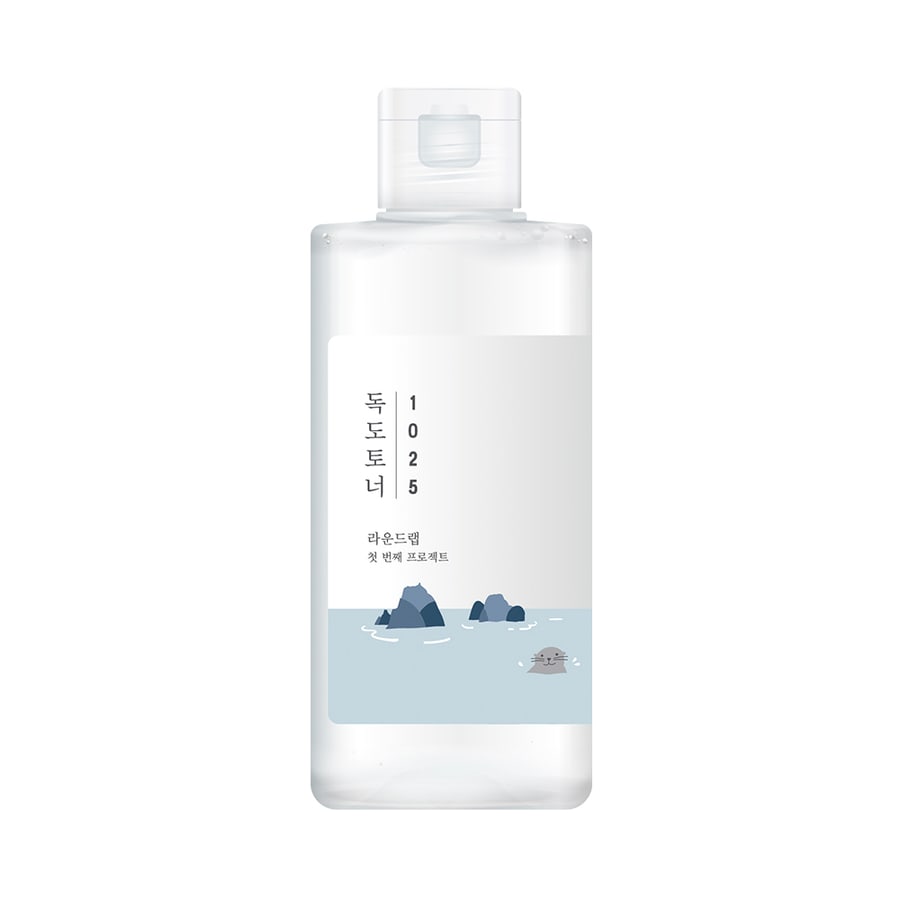
Round Lab Dokdo Toner: Korea's Six-Time No.1 Toner Is Named After a Date
The 1025 in Korea's best-selling toner means October 25 — Dokdo Day. Deep-sea water from Ulleungdo, six straight Olive Young toner awards, a word-of-mouth rise with no ad budget, and a ₩600 billion acquisition by the Beauty of Joseon company.
Torriden Dive-In Serum: Korea's Most-Awarded Hydrator, Explained Honestly
Thirteen million bottles, four straight Olive Young awards, and a formula built by leaving things out. What low-molecular hyaluronic acid actually does, what Koreans pay versus you, and who should skip the most-awarded serum in Korea.
Anua Heartleaf 77 Toner: The Korean Weed That Smells Like Fish and Topped Amazon
The toner filling American shelves is 77% extract of a Korean herb whose name means fish-smell grass. What heartleaf actually is, the two Seoul National University classmates behind Anua, real prices in Korea and the US, and who should skip it.