Why Korean Chopsticks Are Metal: Sujeo and Spoon Rules
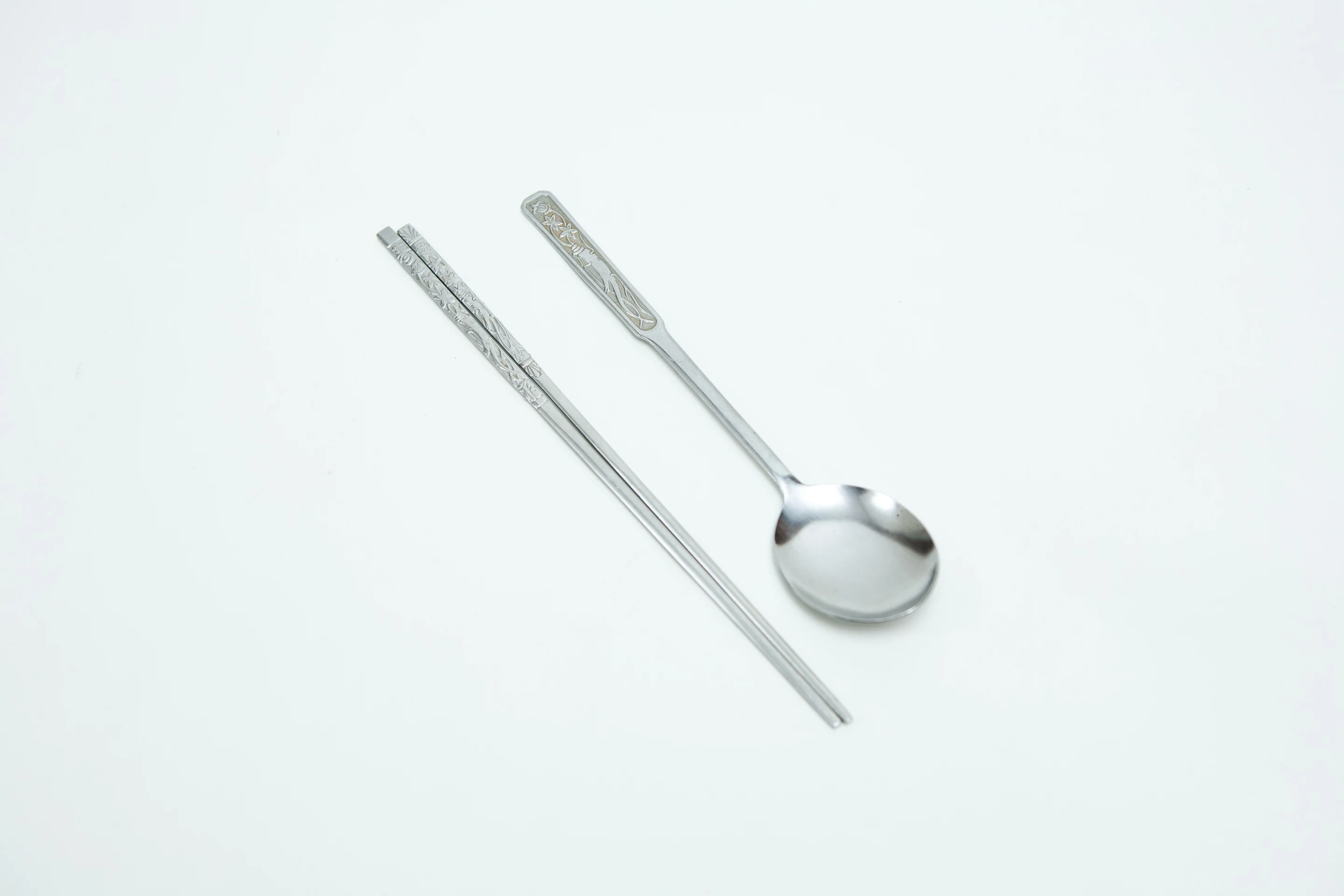
If you have ever tried to lift a slippery noodle with Korean metal chopsticks, you probably noticed that they feel different before the food even reaches your mouth. They are commonly flatter, thinner, heavier, and smoother than the wooden or bamboo chopsticks many travelers know. Beside them is usually a long-handled metal spoon. Together, the pair is called sujeo, a combination of sutgarak (spoon) and jeotgarak (chopsticks).
The practical answer to why Korean chopsticks are metal is not one dramatic legend. Metal tableware has a long history on the Korean Peninsula, and modern stainless steel is durable, washable, reusable, and well suited to a table where rice, soup, grilled meat, kimchi, and shared side dishes all appear together. Royal poison-detection stories are often repeated online, but they should be treated as folklore rather than the single proven origin of an entire national habit.
This guide explains what the official historical record does support, how the spoon changes the way a Korean meal works, which etiquette rules actually help, and what to compare if you want a sujeo set at home.
Quick Answer: Why Does Korea Use Metal Chopsticks?
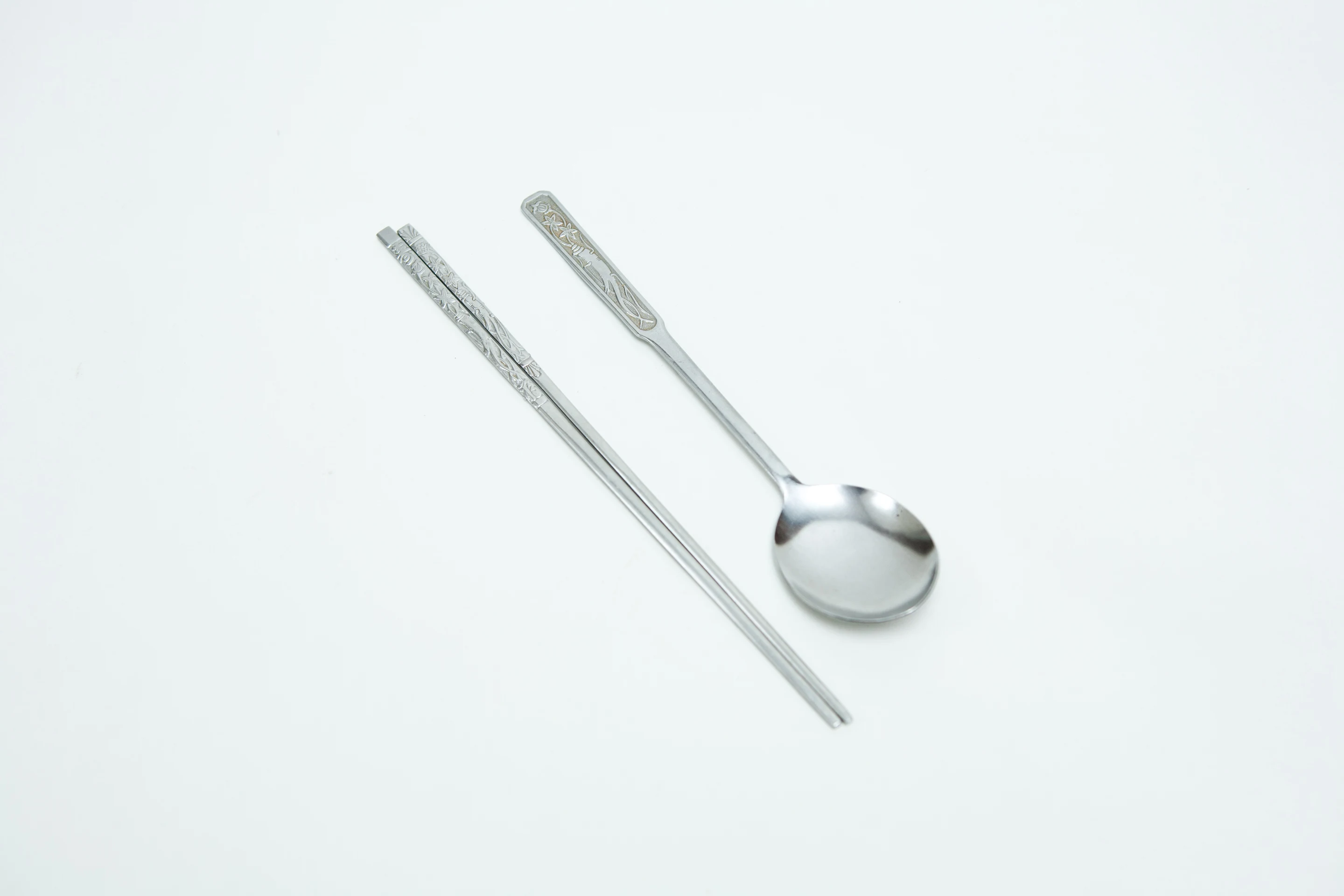
Korea uses metal chopsticks because metal eating utensils have deep historical roots and because stainless steel became an efficient modern material: it is strong, hygienic when properly washed, reusable, and resistant to odors and stains. The National Museum of Korea documents metal spoons from ancient Korean periods and Goryeo spoon-and-chopstick sets. Korea.net also describes metal chopsticks as a distinctive Korean tableware tradition.
That does not mean every Korean household has used the same shape for centuries. Materials, lengths, decoration, and production methods changed. Bronze and silver objects survive in museums; stainless steel dominates ordinary modern dining; and wooden chopsticks still appear for disposable, cooking, ceremonial, or personal uses.
The important point is the system. Korean chopsticks are designed to work with a spoon, not replace it. If you try to eat every grain of rice with the chopsticks, you are making the hardest utensil do the spoon's job.
| Utensil | Usually Handles | Why It Helps |
|---|---|---|
| Metal spoon | Rice, soup, stew broth, soft mixed bites | The shallow bowl and long handle move liquid and loose grains efficiently |
| Metal chopsticks | Banchan, meat, noodles, kimchi, separated pieces | The narrow tips provide precise picking and portioning |
| Serving utensils | Shared dishes when provided | They keep personal utensils out of communal food |
Polished stainless steel spoon-and-chopstick set — compare on AmazonAffiliate link. As an Amazon Associate, EpicKor earns from qualifying purchases at no extra cost to you.
What Sujeo Means at a Korean Table
Sujeo is more than a matching gift set. It reflects the architecture of a Korean meal. Rice and soup normally sit in front of each diner, while multiple banchan occupy shared space. A spoon can move between rice and soup; chopsticks can select a piece of kimchi, a vegetable side dish, or grilled meat without dragging broth across the table.
This division of labor also explains the long Korean spoon. A table may include hot stone bowls, deep soup vessels, or dishes placed slightly farther away. The handle keeps the hand away from heat and reaches comfortably without turning the spoon into a ladle.
At a casual restaurant, nobody will grade every movement. Use the utensil that makes the bite clean and comfortable. Still, understanding the pairing will make you look less confused and help you eat faster.
How to Hold Flat Korean Chopsticks
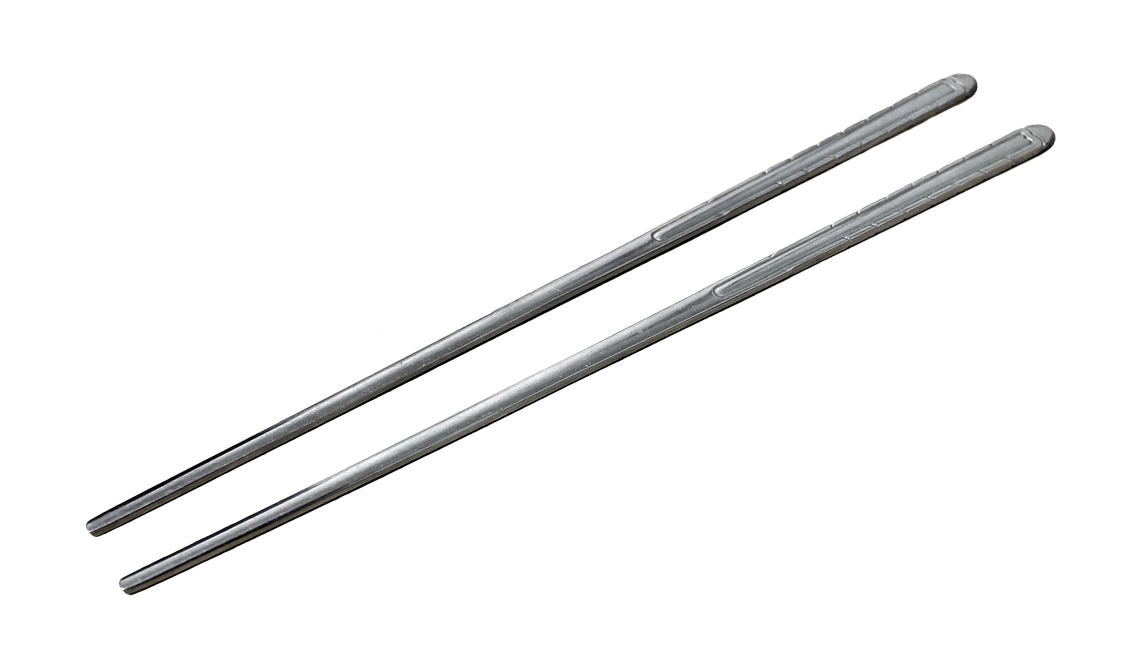
The basic mechanics are the same as other chopsticks. The lower stick rests against the base of the thumb and is stabilized by the ring finger. The upper stick moves between the thumb, index finger, and middle finger. Only the upper stick needs to pivot.
Metal changes the feedback. Smooth surfaces offer less friction, while a thin rectangular profile can rotate if you squeeze too hard. Use these adjustments:
- Hold the sticks slightly higher than the tips, but not at the extreme end.
- Align the broad flat faces so the tips meet evenly.
- Relax your thumb. Excess pressure makes the upper stick wobble.
- Start with firm pieces such as cubed radish kimchi or gimbap.
- For a large slippery bite, support it briefly with the spoon rather than chasing it around the plate.
Noodles are a useful intermediate exercise. Lift a small bundle, pause above the bowl, and let loose strands fall back. Trying to grab an entire serving creates more sliding and splashing.
Practice with the complete pair: As an Amazon Associate, EpicKor may earn from qualifying purchases. Compare this polished stainless steel spoon-and-chopstick set with other sujeo sets for weight, tip texture, dishwasher guidance, and whether the spoon bowl feels comfortable in your mouth.
See polished stainless steel spoon-and-chopstick set on AmazonKorean Spoon and Chopstick Etiquette That Matters
Etiquette varies by household, generation, and occasion, but a few rules are widely useful. The official newcomer guide published through Korea.net advises diners not to hold the spoon and chopsticks in the same hand at the same time. Put one down before using the other. This keeps the setting controlled and avoids waving two metal utensils over shared dishes.
Do not stick chopsticks upright in rice. The image can resemble ritual incense or food offerings connected with memorial rites, so it feels inappropriate at an ordinary meal. Rest the chopsticks horizontally on the table, a holder, or the provided rest.
Do not spear food unless the item or setting clearly calls for it. Do not drum on bowls, point at someone, or dig through a shared plate searching for a preferred piece. Take the accessible bite and continue.
In a formal multi-generation meal, wait for the eldest person to begin. At everyday lunch with friends, the sequence is usually more relaxed, but pausing for the host or group is still considerate. If someone pours you a drink, Korean drinking etiquette may introduce two-handed gestures; our broader Korean BBQ etiquette guide covers that restaurant context.
Shared dishes require judgment. Many Korean tables assume diners will take food directly with personal chopsticks, while other meals provide tongs, ladles, or serving chopsticks. Use the serving utensil when it exists. If the group has clear hygiene preferences, follow them rather than invoking a supposedly universal rule.
Five Common Mistakes and the Easy Fix
| Mistake | Why It Happens | Easy Fix |
|---|---|---|
| Eating rice grain by grain | The diner assumes chopsticks must handle everything | Use the spoon for plain rice and mixed rice |
| Clenching the chopsticks | Slippery metal feels insecure | Lower the pressure and align the flat faces |
| Holding spoon and sticks together | The diner tries to switch quickly | Set one down before picking up the other |
| Leaving chopsticks vertical in rice | It seems like convenient storage | Rest them horizontally |
| Fishing through banchan | The preferred piece is hidden | Take the nearest suitable piece |
One more mistake is treating a Korean meal as a performance test. A dropped noodle is not a cultural emergency. Calmly retrieve it if appropriate, wipe any spill, and continue. Courtesy matters more than technical perfection.
Are Metal Chopsticks More Hygienic?
Metal is nonporous and can tolerate thorough washing, which makes stainless steel practical for restaurants and households. It does not absorb sauce or odor the way unfinished wood can. It is also reusable for years when the surface remains intact.
But material alone does not create hygiene. A poorly washed metal utensil is not cleaner than a properly washed wooden one. Restaurant sanitation, water temperature, detergent, drying, storage, and handling all matter. Likewise, disposable chopsticks are not automatically sterile simply because they arrive in paper.
The environmental comparison also depends on use. A durable set used hundreds of times can avoid repeated disposables, but manufacturing metal requires energy. The sensible consumer choice is to buy a set you will actually use, maintain it, and avoid replacing it for cosmetic reasons.
What to Look for When Buying Korean Chopsticks
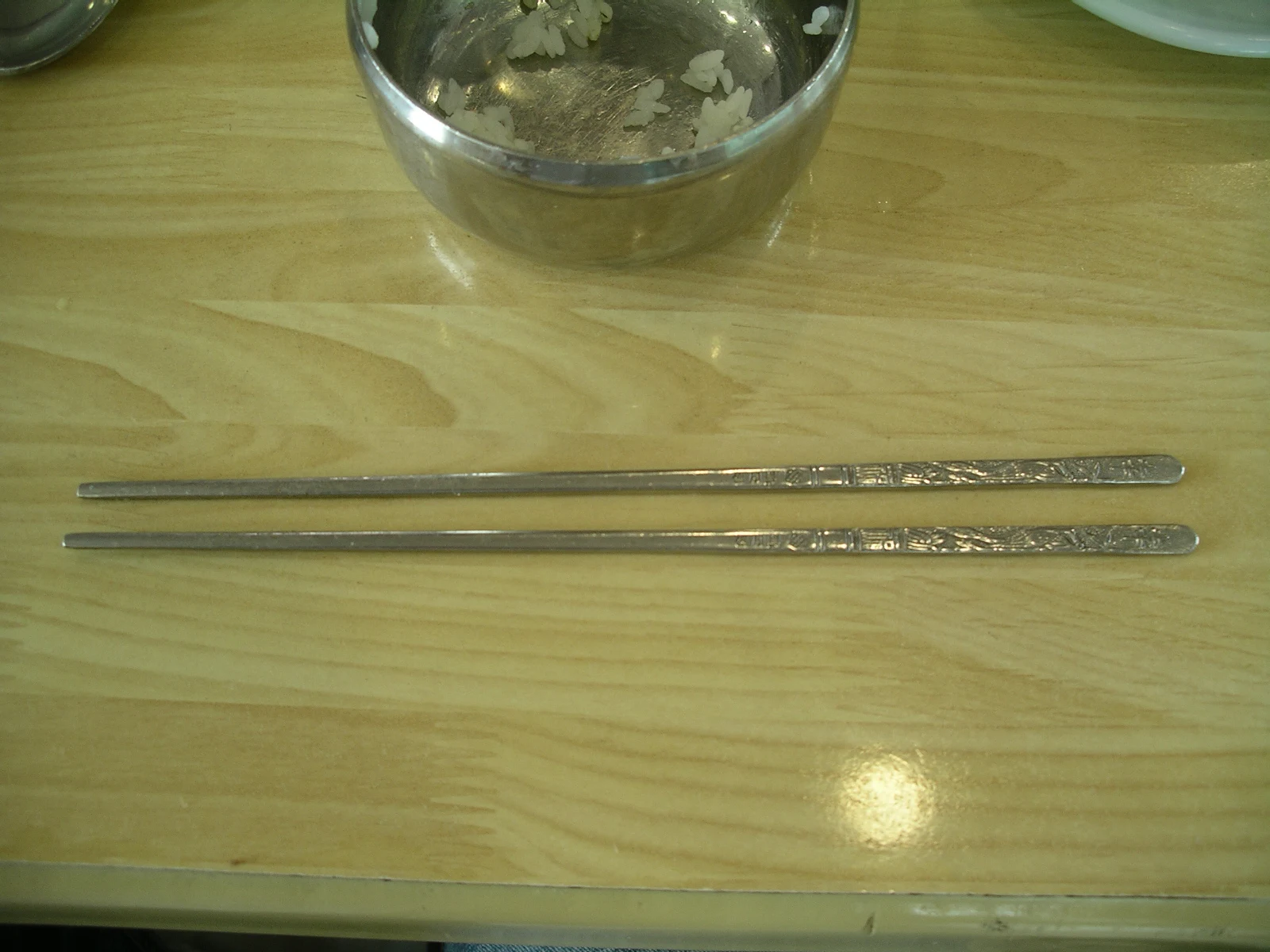
Start with the shape. Traditional-style Korean sticks are often flat and rectangular, but beginners may prefer a slightly rounded edge or textured tips. A heavy decorative pair can look impressive and feel tiring. A hollow stainless pair may be lighter but can feel less balanced. Neither is universally better.
Check five practical details:
- Tip texture: Fine grooves help with noodles and glossy foods.
- Weight: Similar weight across the pair improves control.
- Length: Very long sticks may suit cooking better than eating.
- Finish: Avoid sharp seams, flaking coatings, or rough welds.
- Care: Confirm dishwasher compatibility and manufacturer instructions.
For a household set, match spoons and chopsticks by feel rather than decoration alone. Spoon bowls vary in depth and width; an oversized bowl can be uncomfortable. If the set is a gift, a storage case or individual wrapping is useful, but it should not substitute for good edges and balance.
Build a useful Korean table: If you want more than utensils, browse Korean food starter packs and choose a small set of pantry items you will use with rice, soup, and banchan instead of buying a novelty bundle with unclear ingredients.
A Simple Practice Meal at Home
You do not need a full banquet. Make rice and a simple soup, then add two or three side dishes with different textures: kimchi, seasoned spinach, sliced egg, tofu, or a store-bought banchan. Place rice on your left and soup on your right if you want to follow the common Korean arrangement, with spoon and chopsticks to the right.
Use the spoon for rice and soup. Use chopsticks for the sides. Alternate naturally rather than holding both. After ten minutes, the metal should feel less alien because each utensil has a clear job.
For a more complete home setup, our Korean pantry starter kit explains the sauces and staples that create multiple meals without filling the cabinet with one-use products.
FAQ
Q: Why are Korean chopsticks flat?
The flat profile is a recognizable modern Korean style and can make metal sticks compact and precise. Shapes vary, however, and not every pair is equally thin or rectangular.
Q: Did Korean kings use silver chopsticks to detect poison?
That story is widely repeated, but it is too simple to present as the proven origin of Korean metal chopsticks. Metal utensils do have documented historical roots; poison detection is better treated as a royal legend or limited historical association, not the complete explanation.
Q: Should I eat Korean rice with a spoon?
Yes. In a typical Korean meal, the spoon is the normal, efficient tool for rice and soup. Chopsticks handle side dishes, meat, noodles, and separated pieces.
Q: Can I lift my rice bowl?
Korean diners commonly leave rice and soup bowls on the table rather than lifting them toward the mouth. This differs from some neighboring dining customs.
Q: Are wooden chopsticks rude in Korea?
No. Wooden chopsticks are used in many contexts, including disposable restaurant sets and cooking. Metal is distinctive and common, not an exclusive requirement.
Q: What is the best Korean chopstick set for beginners?
Choose medium-weight stainless steel with aligned tips, a subtle non-slip texture, smooth edges, and a spoon that fits comfortably. Practical control matters more than ornate decoration.
Official Sources
You Might Also Like

Seollal 2027 in Korea Is 7 February, Not the 6th: the 6–9 February Holiday, When Train Seats Sell, and What Closes
Seollal 2027 is Sunday 7 February in Korea, a day after China's New Year: the holiday runs 6–9 February with a Tuesday substitute day. When KTX seats sell, what closed last Seollal, the 10-hour drive and the ₩100,000 envelope.
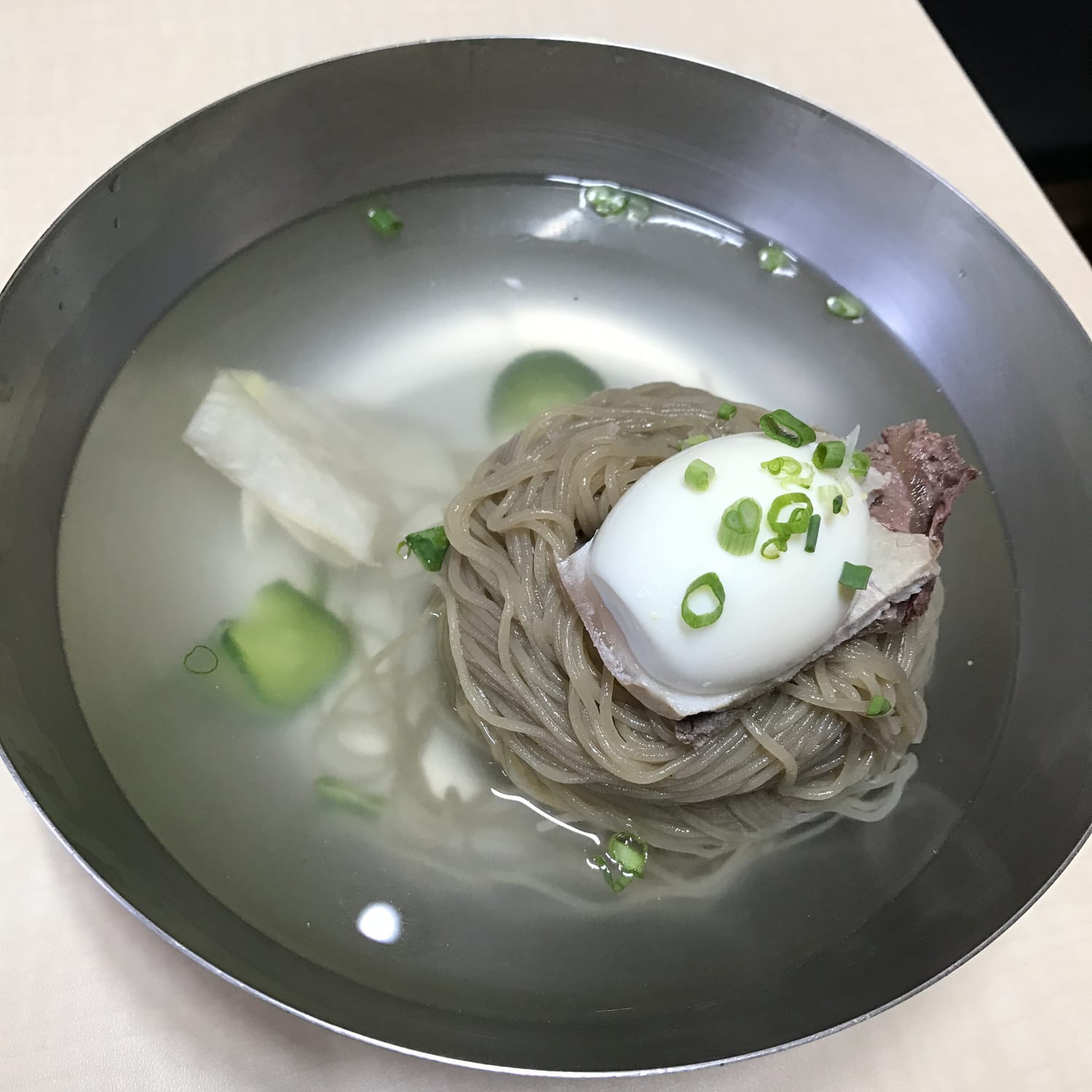
The One Korean Food Foreigners Never Learn to Love: Hamheung Naengmyeon, and Why Koreans Can't See the Problem
Foreigners who eat cheonggukjang and even hongeo still will not pay for this twice. A Korean creator who fed foreigners for years says naengmyeon was the overwhelming number one refusal, and Koreans, who rank it first every summer, cannot see why.
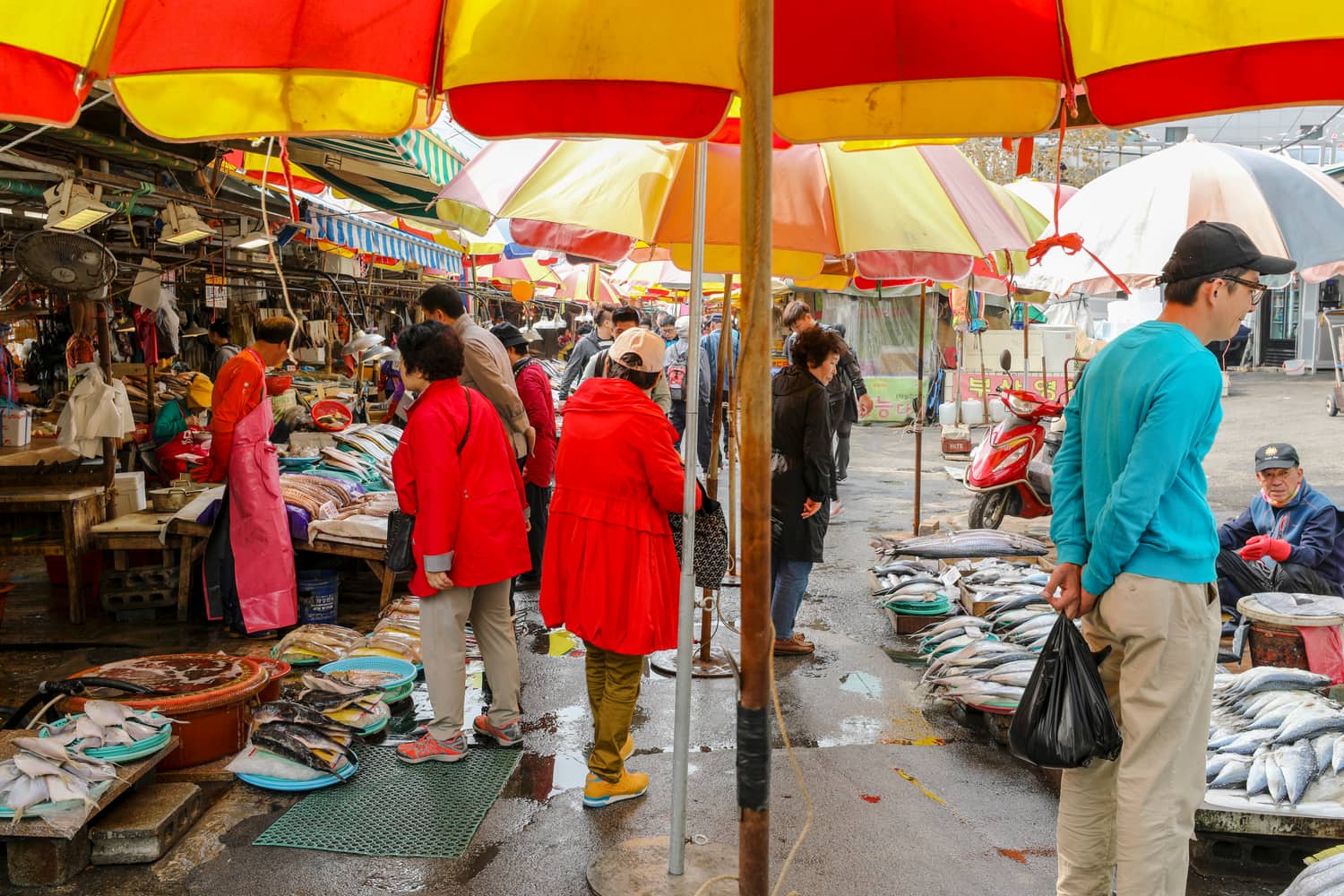
Korean Stare Meaning: Why Koreans Stare at Foreigners, and How to React
The Korean stare almost always means curiosity, not hostility: outside central Seoul a non-Asian face is still rare. Sometimes it means you broke a quiet public rule. How to tell which, and the nod and 안녕하세요 that end it.