Korean YouTube Podcast Boom 2026: Creator Talk Shows
Korean YouTube podcast culture is no longer a side lane. It has become one of the most useful formats for Korean creators who want something deeper than a short clip and easier to repeat than a full variety show.
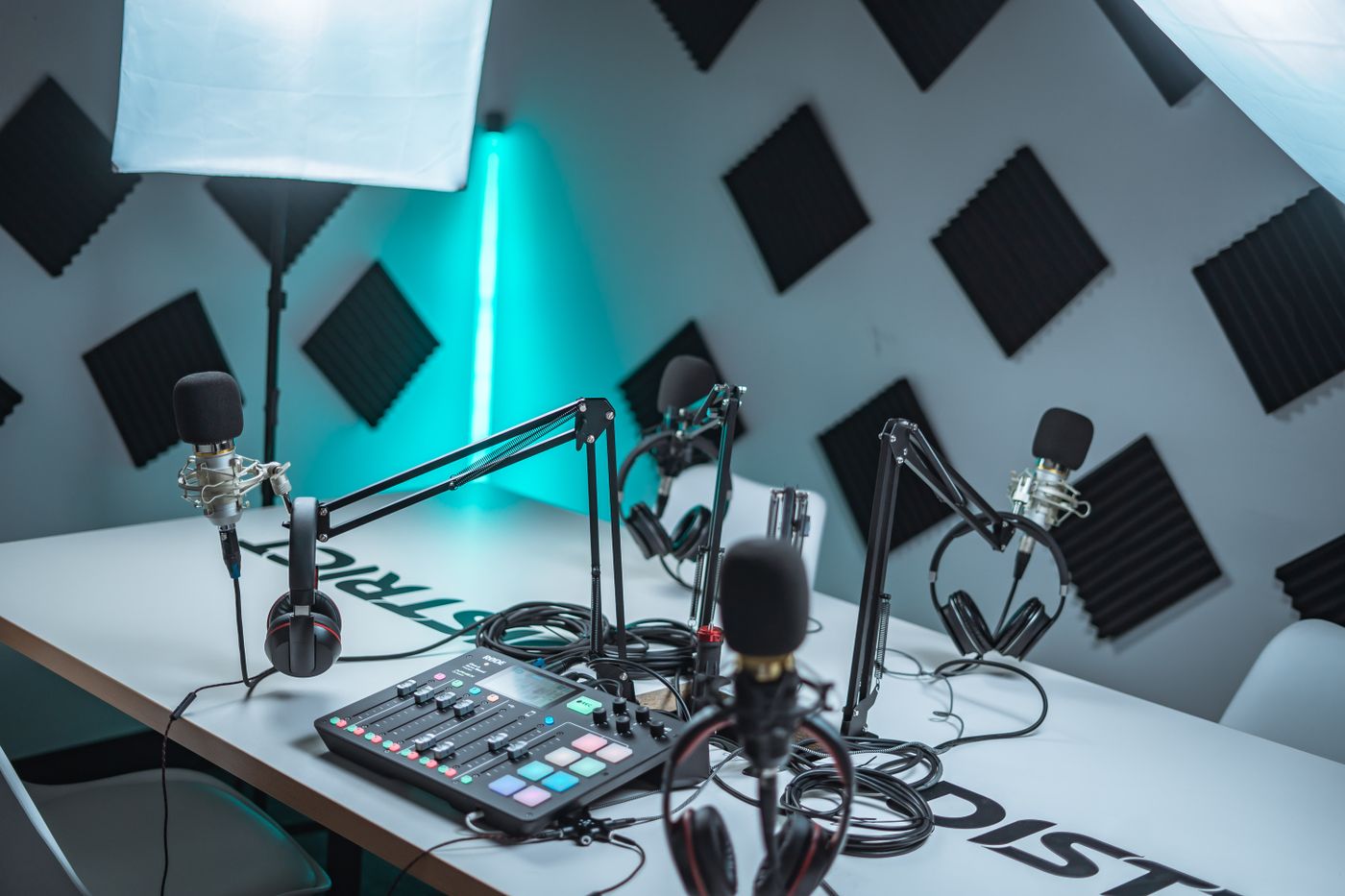
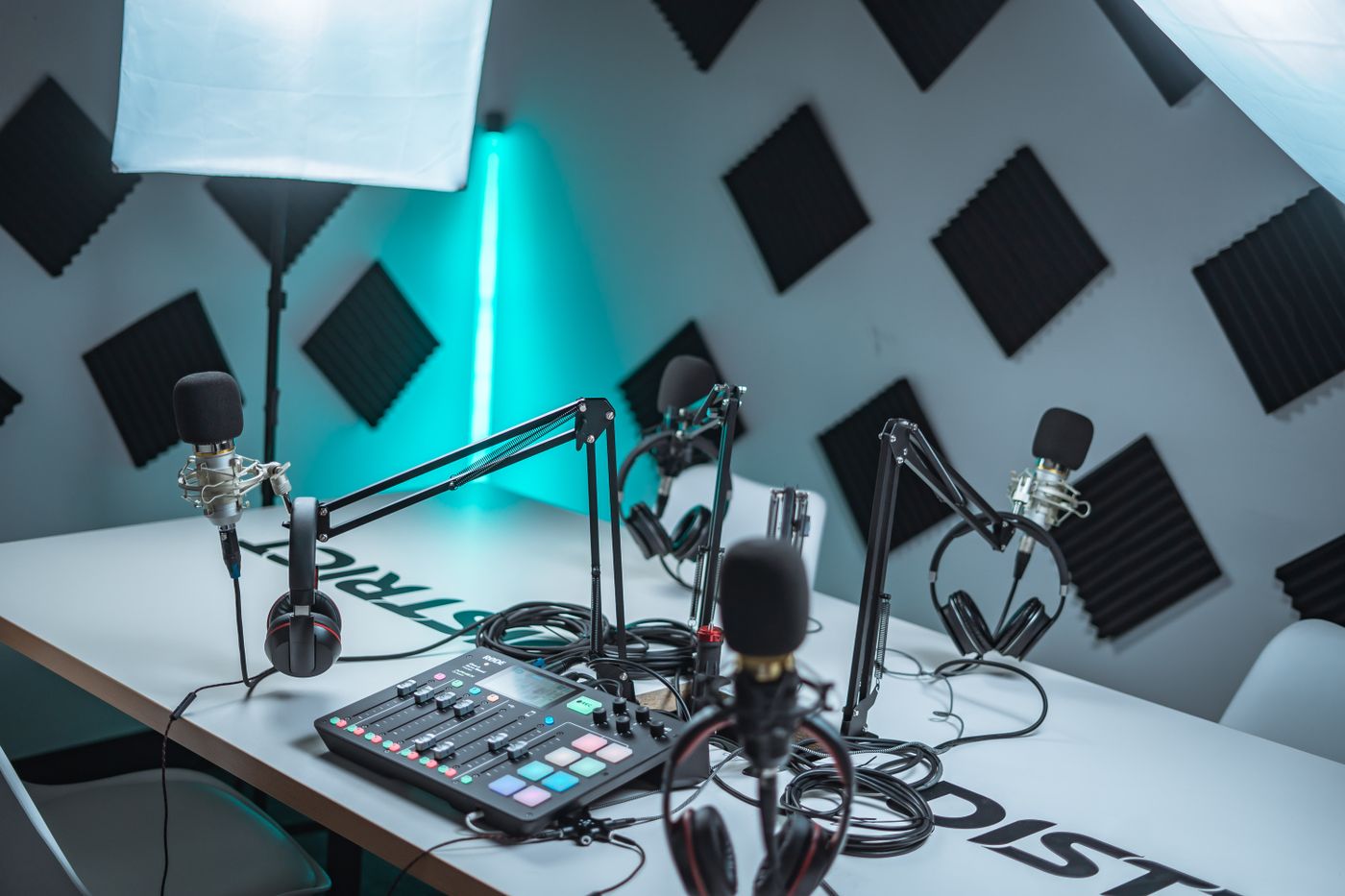
The word "podcast" can be misleading in Korea because much of the boom is not audio-first. It is video-first conversation: two microphones, a table, a celebrity guest, a relaxed title, a few cut-down Shorts, and enough quiet space for the guest to say something that does not fit a television sound bite.
That is why so many Korean YouTubers, comedians, broadcasters, and entertainment teams have moved toward podcast-like talk formats. The structure is cheap enough to repeat, intimate enough to build loyalty, and flexible enough to turn one long recording into a full content package.
Think of Psick Show from Psick University, Pinggyego from DdeunDdeun, Salon Drip from TEO, or drinking-talk formats like Zzanbro Shin Dong-yup. They are not all identical. Some are comedy interview shows. Some are celebrity talk rooms. Some are almost casual hangouts with cameras. But they all point to the same shift: Korean creators have discovered that conversation itself can be the main product.
Quick Answer: Why Are Korean YouTubers Starting Podcasts?
Korean creators are moving into podcast-style shows because the format solves several problems at once.
It gives celebrities a softer promotion space than television. It lets YouTubers build repeatable episodes without expensive outdoor shoots. It produces long-form watch time, short-form clips, and quotable interview moments from one session. It also fits Korea's existing talk-show culture, where comedy, confession, food, drinking, and celebrity storytelling have always been strong.
Globally, YouTube has become a major podcast destination, and video podcasts are now normal. Korea's version is shaped by its own entertainment ecosystem: comedians as hosts, idol and actor promotions, production-company channels, and audiences that already treat YouTube as a default screen.
The result is not one podcast wave. It is a talk-format migration.
The Korean Podcast Is Usually A Video Podcast
In the older audio sense, a podcast is something you put in your ears while walking, driving, or doing chores. Korea has had audio podcasts for years, especially in politics, education, language learning, and niche talk.
The newer creator boom is different.
It looks like:
- a camera-facing studio
- visible microphones
- a guest across the table
- one or two hosts with established chemistry
- thumbnail-ready facial reactions
- long episodes plus Shorts cuts
- comments that quote the best moments
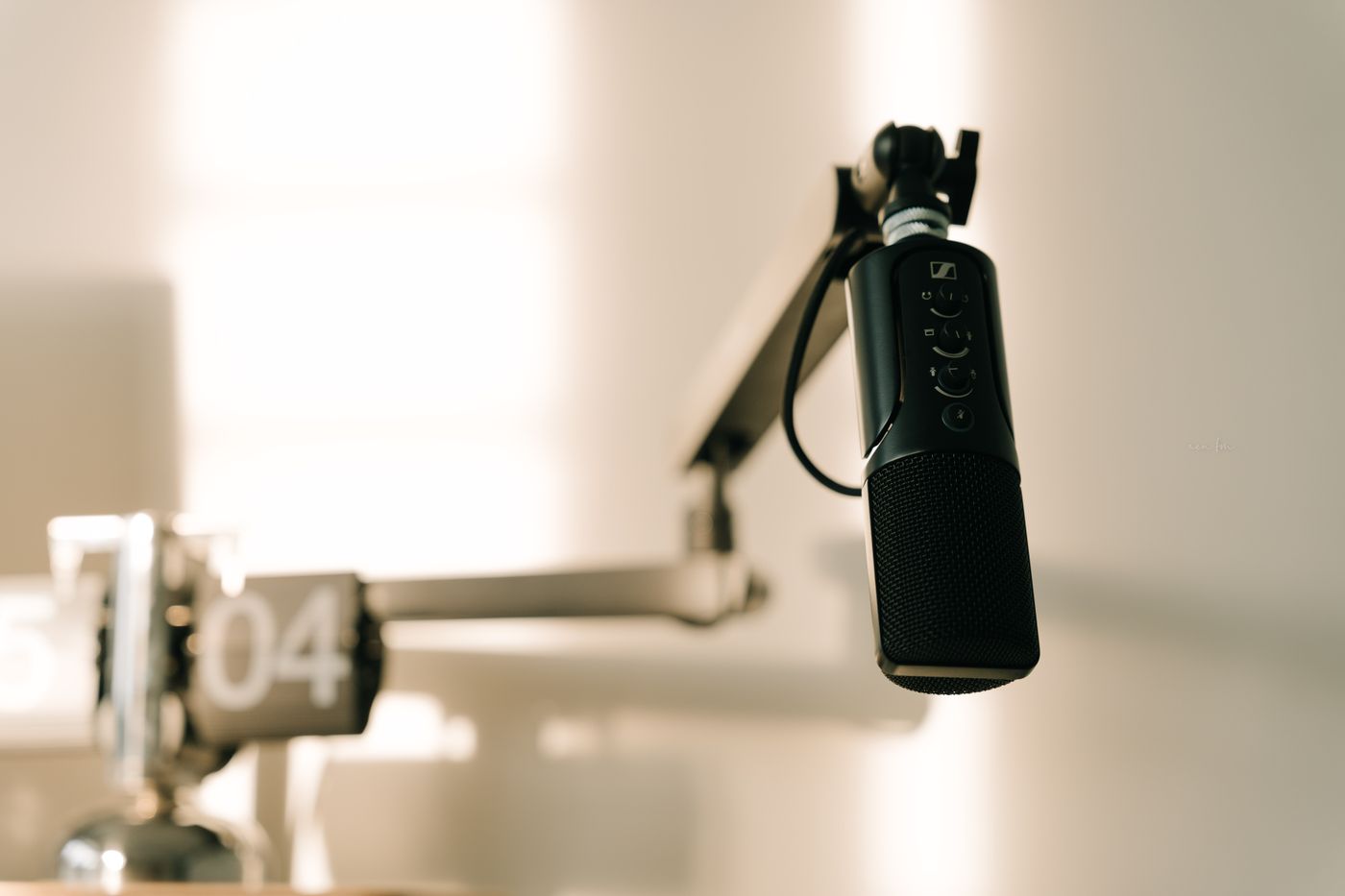
The microphone is no longer just a recording tool. It is a visual signal. It tells the viewer: this is not a sketch, not a drama, not a music stage, not a formal press interview. This is a room where people are supposed to talk.
That room can be funny, awkward, polished, drunk, emotional, or promotional. The format is flexible enough to absorb all of it.
Creator setup note: As an Amazon Associate, EpicKor may earn from qualifying purchases. If Korea's video-podcast wave makes you curious about the format, compare a vocal microphone, a podcast microphone arm, and basic acoustic panels before copying a full studio look.
Why Psick Show Matters
Psick University became famous through comedy, character work, English-language parody, and sharp control of awkward social rhythms. Psick Show fits that world because it turns the interview into a performance without completely abandoning conversation.
The appeal is not only the guest. It is the host frame. The hosts can be ridiculous, flattering, chaotic, or surprisingly sincere. A guest does not simply answer questions; the guest enters the Psick universe.
This matters because Korean entertainment has long relied on host identity. A television guest may appear on a program because the host is Yoo Jae-suk, Kang Ho-dong, Shin Dong-yup, Jang Do-yeon, or another trusted talk figure. YouTube did not erase that logic. It moved it into smaller rooms.
In a podcast-like Korean YouTube show, the guest's reason to appear is often:
- promotion for a drama, film, album, concert, or brand
- access to a younger audience
- a relaxed image reset
- a chance to say something longer than a press headline
- the social proof of appearing on the show everyone is watching
That is why Psick Show, Salon Drip, Pinggyego, and similar formats can become part of the promotion route. They are not just entertainment. They are media stops.
The Three Formats Driving Korea's Talk Boom
Korean YouTube podcasts usually fall into three large lanes.
| Format | What It Feels Like | Why Creators Use It | Korean Example Logic |
|---|---|---|---|
| Comedy interview | Guest enters the host's joke world | Easy clips, strong host identity | Psick-style awkward humor and character chemistry |
| Soft celebrity talk | Relaxed, friendly, promotional but less stiff | Useful for actors, idols, and public image | Salon or cafe-style conversation rooms |
| Hangout talk | Friends talking, eating, drinking, teasing | Builds intimacy and repeat viewing | Pinggyego or drinking-table talk formats |
The table explains why calling everything a podcast is imperfect. Some Korean shows are closer to a talk show. Some are closer to a variety program. Some are closer to a recorded dinner conversation.
But the production grammar overlaps: microphones, long run time, host-led conversation, and clip extraction.
Why It Works Better Than A Normal Interview
A normal entertainment interview can feel transactional. The guest has a project to promote. The host asks prepared questions. The clip circulates for a few days. Then it disappears.
A good YouTube podcast episode feels less disposable because the viewer is watching a relationship. The guest is not only answering. They are trying to understand the room, the host, the joke, and the social temperature.
Korean audiences are especially sensitive to this because Korean entertainment already values chemistry. Two people with the same facts can produce completely different content depending on how they speak to each other.
That is why the format rewards:
- comfortable silence
- teasing without cruelty
- inside jokes
- visible surprise
- stories that start casually and become revealing
- a host who knows when not to interrupt
This is also why some episodes work even when nothing dramatic happens. If the guest seems comfortable, the episode can feel successful.
Why Celebrities Like The Format
For Korean actors, idols, comedians, athletes, and broadcasters, the YouTube podcast offers a useful middle space.
Television is still powerful, but it can feel formal. Instagram is direct, but short and image-heavy. Press interviews can be controlled, but narrow. Live streams can be risky. A podcast-style YouTube show gives the guest a guided room.
The guest gets:
- a familiar host
- a controlled set
- editing
- a long enough runtime to explain context
- short clips for social spread
- a comment section that shows viewer reaction
That combination is valuable. It lets a celebrity promote a project while also showing personality.
The Korean entertainment machine understands this. A drama cast can appear on a talk channel. A singer can tell a story before a comeback. A comedian can test a new persona. A former idol can explain a rumor or career transition in a less confrontational setting.
For broader Korean digital-culture context, read EpicKor's Korean webtoon culture guide, Korean cafe culture guide, and Korean PC bang guide. The podcast boom fits the same larger pattern: Korea turns everyday rooms into content spaces.
Why Viewers Watch Long Conversations
The obvious answer is fandom, but that is not enough.
Fans watch because their favorite person appears. Casual viewers stay because the format gives them something short clips cannot: timing. A joke builds. A guest relaxes. A story changes direction. A host notices something small. The viewer gets the pleasure of staying in the room.
Korean viewers also use these episodes as background content. A one-hour talk show can sit beside dinner, commuting, housework, studying, or late-night scrolling. The viewer may not stare at every second. That does not make the episode weak. It makes it useful.
This is where the podcast logic becomes clear. A video podcast is not only watched like television. It is kept open like a companion.
The Clip Machine Behind The Boom
One long Korean podcast episode is rarely one piece of content.
It becomes:
- the full YouTube episode
- Shorts from the funniest moment
- TikTok or Reels clips
- thumbnail reaction images
- quote posts on communities
- news articles if the guest says something notable
- fan edits
- algorithmic rediscovery months later
This is why the format is efficient. A field shoot may require location, weather, permits, staff movement, and unpredictable footage. A studio talk show can record repeatably.
That does not mean it is easy. A bad conversation is painfully visible. The host must carry rhythm. The editor must find clips without distorting the episode. The set must look relaxed but not cheap. The guest must feel safe enough to speak but alert enough to stay entertaining.
The best Korean podcast-style channels understand that a "simple" table is not simple. It is a pressure-tested format.
What Makes The Korean Version Distinct
Korea's version is shaped by television variety DNA.
Many hosts came from comedy, broadcasting, or entertainment production. They understand how to create tension, tease a guest, restart a flat moment, and turn ordinary talk into a segment. That gives Korean YouTube podcasts a different flavor from some Western interview podcasts that rely on one host asking long questions.
Korean shows often use:
- caption timing
- reaction zooms
- subtitle jokes
- guest nicknames
- drinking or food as social lubricant
- polite speech-level shifts
- quick edits around awkwardness
- visible staff laughter or off-camera cues
That makes them feel closer to modern variety shows than pure audio podcasts.
At the same time, they are less controlled than television. The room feels smaller. The guest can drift. The host can let a story breathe. That mixture is the appeal.
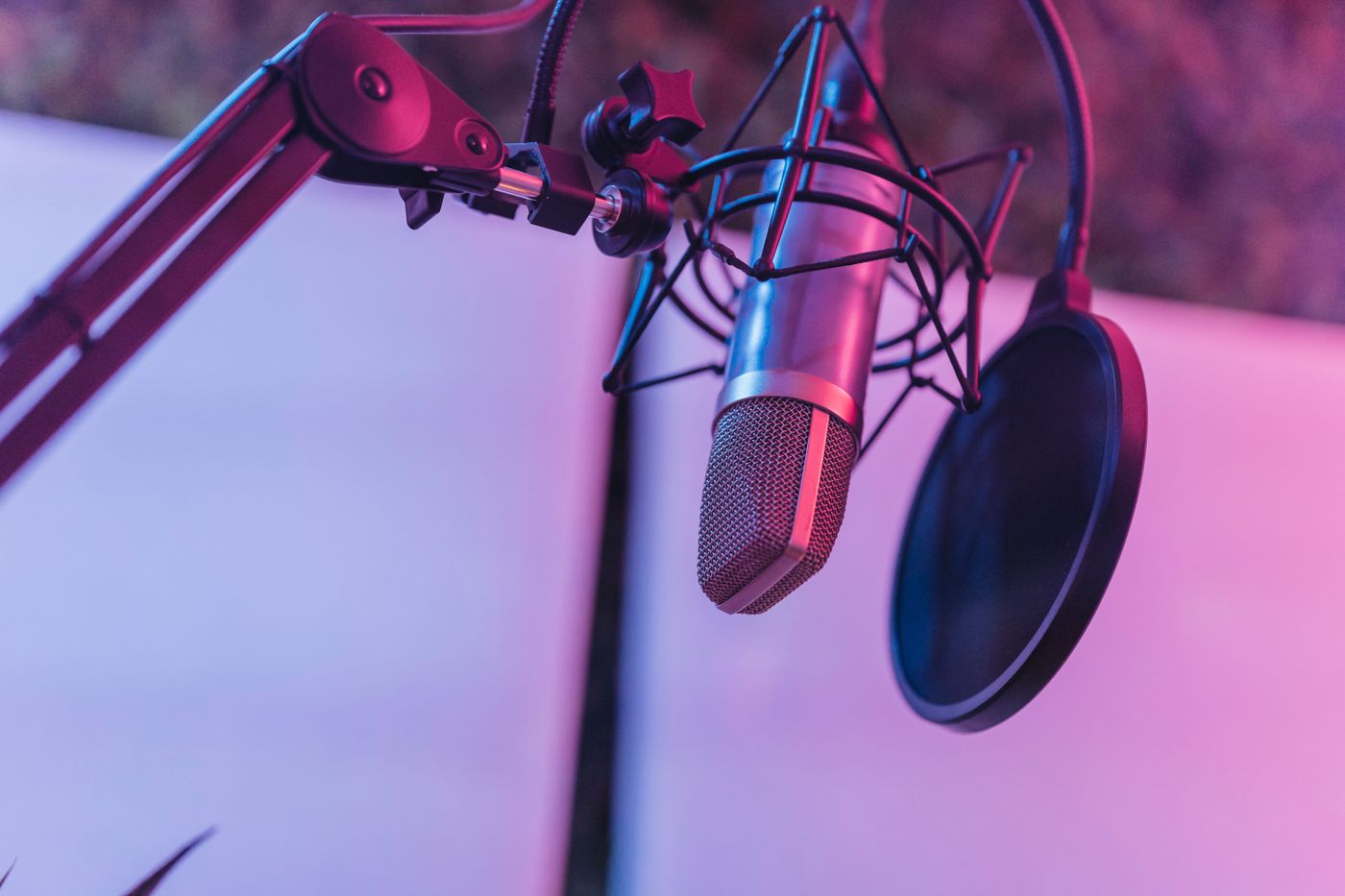
Video-podcast kit: A small setup is usually smarter than a fake broadcast studio. Compare a podcast microphone kit, LED video lights, and portable audio recorders before overbuilding the room.
The Risk: Everyone Sounds The Same
Every boom creates copycats.
When too many creators copy the same table, same mic, same thumbnail, same guest pattern, and same title style, the format gets tired. Viewers can feel when a "podcast" is only a cheap way to fill the upload calendar.
The weak version has:
- no host point of view
- no real guest chemistry
- generic questions
- forced laughter
- a set that looks copied
- clips that oversell tiny moments
- episodes that exist only because everyone else is doing one
The strong version has a reason to exist. Psick Show works because the hosts bring a specific comic frame. Pinggyego works because the hangout logic feels native to its host network. Salon Drip works because the host's interview temperature fits a wide range of celebrities.
The format is not the advantage. The relationship is the advantage.
What This Means For Korean Media
The podcast boom shows that Korean YouTube is no longer only chasing short viral formats.
Shorts matter. Reels matter. TikTok-style edits matter. But long conversation has become a premium layer because it creates identity. A viewer may discover a creator through a 30-second clip, then build loyalty through a 50-minute episode.
That is important for Korean entertainment because promotion has become fragmented. A drama or album no longer depends only on TV appearances and press interviews. It can move through creator channels, fan edits, community clips, and algorithmic resurfacing.
The Korean podcast boom is therefore not just about microphones. It is about the redistribution of attention. A creator with a strong room can become a gatekeeper.
Sources Checked
This guide was checked against public YouTube channel surfaces and public profiles for Korean talk formats such as Psick University, TEO, DdeunDdeun, and Zzanbro-style entertainment talk channels, plus global reporting on YouTube podcast viewing growth including The Verge's report on YouTube reaching more than 1 billion monthly podcast viewers. Format observations are based on visible show structure, not private audience data.
FAQ
Q: Are Korean YouTube podcasts mostly audio podcasts?
No. The current creator boom is mostly video-first. Many shows use podcast grammar, but they are designed for YouTube watching, clipping, and visual host-guest chemistry.
Q: Why do Korean celebrities appear on podcast-style YouTube shows?
They offer a softer promotional space than formal press interviews. A guest can promote a project, show personality, and generate short clips from one long conversation.
Q: Is Psick Show a podcast?
It is better described as a YouTube comedy interview show with podcast-like elements. It uses long-form talk, host chemistry, and clip-friendly conversation, but its comedy frame is central.
Q: Why are microphones so visible in these shows?
The microphone signals intimacy and seriousness. It tells viewers that the episode is built around conversation, even when the show is funny or heavily edited.
Q: Will every Korean YouTuber start a podcast?
Not literally. But many creators are testing talk formats because they are repeatable, clip-friendly, and cheaper than large-scale variety production.
Q: What makes a Korean podcast-style show good?
Host identity, guest chemistry, editing rhythm, and a clear reason for the room to exist. The set and microphones help, but they do not replace conversation.
You Might Also Like
Seollal 2027 in Korea Is 7 February, Not the 6th: the 6–9 February Holiday, When Train Seats Sell, and What Closes
Seollal 2027 is Sunday 7 February in Korea, a day after China's New Year: the holiday runs 6–9 February with a Tuesday substitute day. When KTX seats sell, what closed last Seollal, the 10-hour drive and the ₩100,000 envelope.
The One Korean Food Foreigners Never Learn to Love: Hamheung Naengmyeon, and Why Koreans Can't See the Problem
Foreigners who eat cheonggukjang and even hongeo still will not pay for this twice. A Korean creator who fed foreigners for years says naengmyeon was the overwhelming number one refusal, and Koreans, who rank it first every summer, cannot see why.

Why Do Koreans Stare at Foreigners? The 5% Country, and Where the Looking Actually Happens
In central Seoul nobody looks at you. In a provincial market, a small town or a subway car of grandmothers, they do. Korea only became a 5%-foreign country in 2025. Where the staring happens, what it means and does not mean, and what to do with it.