
Korean Study Cafe Rules 2026: Cagongjok Etiquette
Korean study cafe rules became more interesting once cafes stopped being only cafes. In Seoul, a coffee shop can be a date spot, a remote-work desk, a language-study corner, a job-search station, a laptop battlefield, or a quiet place to disappear for three hours. That is why the Korean word "cagongjok" matters. It roughly means the tribe of people who study or work in cafes.
The idea is not unique to Korea, but Korea pushes it harder because the city is dense, housing space is limited, exams are intense, office culture is demanding, and cafes are everywhere. The result is a useful but delicate social contract: yes, you can open a laptop, but you are still in someone else's business.
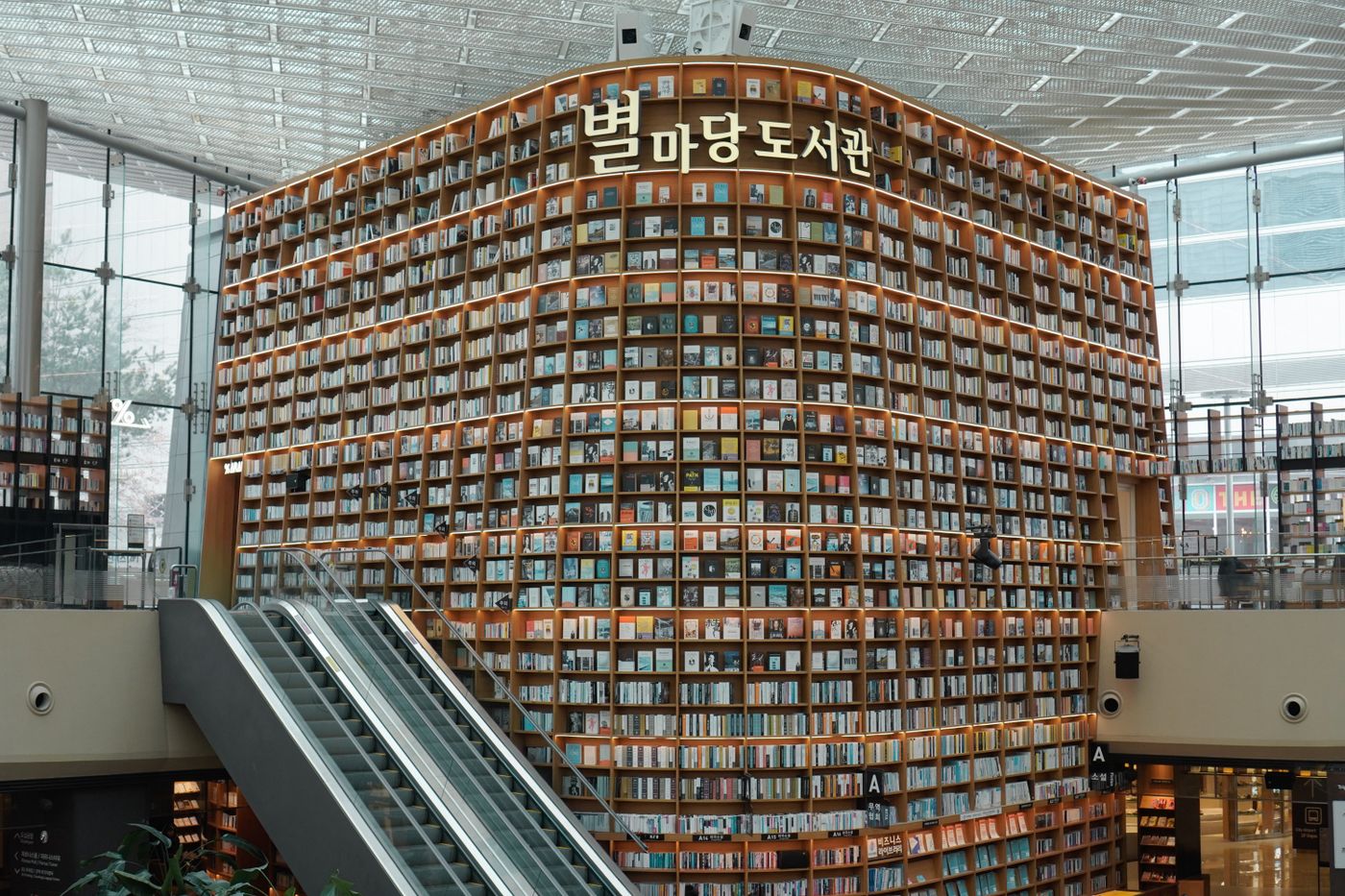
Quick Answer: What Is Cagongjok?
Cagongjok describes people who use cafes as study or work spaces. In Korea, this can include university students, job seekers, freelancers, office workers between meetings, language learners, and tourists catching up on planning. The behavior is common, but it is not unlimited. If you take a large table, stay for hours after buying one drink, bring bulky office equipment, run calls loudly, or spread out like the cafe is your private room, you may cross the line.
The simplest rule is this: treat a Korean cafe like a shared hospitality space, not a free coworking office. Buy appropriately, keep your footprint small, watch crowd levels, avoid noisy calls, and move to a study cafe, library, hotel lounge, or coworking space if you need a serious desk.
Compact travel laptop stands — compare on AmazonAffiliate link. As an Amazon Associate, EpicKor earns from qualifying purchases at no extra cost to you.
Why Korea Has So Many Focus Spaces
Korea's study culture is not only about school. It continues into job exams, language certificates, civil-service tests, professional licenses, corporate hiring, and side skills. A person may finish university and still spend evenings studying in a cafe, library, reading room, or private study cafe.
That pressure meets a city where many people live in compact homes, shared apartments, or family households. A quiet desk can become a purchased service. This is why Seoul has so many versions of focus space: normal cafes, study cafes, reading rooms, coworking lounges, university libraries, public libraries, museum reading spaces, and even visually famous book spaces like Starfield Library.
This connects to EpicKor's Korean university life guide, but it is broader than school. For the older institutional background, EpicKor's 100-year Korean high schools guide shows how school names became part of Korea's education memory before the study-cafe era. It is also part of Korea's "self-improvement as daily life" culture. People study for English, coding, design, certificates, applications, interviews, side businesses, and overseas plans. A cafe table can become the public face of that private pressure.
The Starbucks Korea Moment
The cagongjok conversation became globally visible when international media covered Starbucks Korea asking customers not to bring bulky office equipment such as printers and desktop setups into stores. The point was not that laptops are banned. The issue was scale. A cafe can absorb a laptop and a notebook. It cannot smoothly absorb a customer building a workstation that blocks seats, outlets, walkways, or the experience of other guests.
That story is useful because it shows the social boundary clearly. Korea is friendly to cafe studying, but the boundary is moving from "Can I work here?" to "How much space am I using, and am I being fair to the store?"
Tourists should not overreact. You can still use a laptop in many cafes. You can still plan routes, answer email, and edit photos. Just read the room. A half-empty neighborhood cafe on a weekday afternoon is different from a packed cafe in Seongsu or Hongdae on a Saturday.
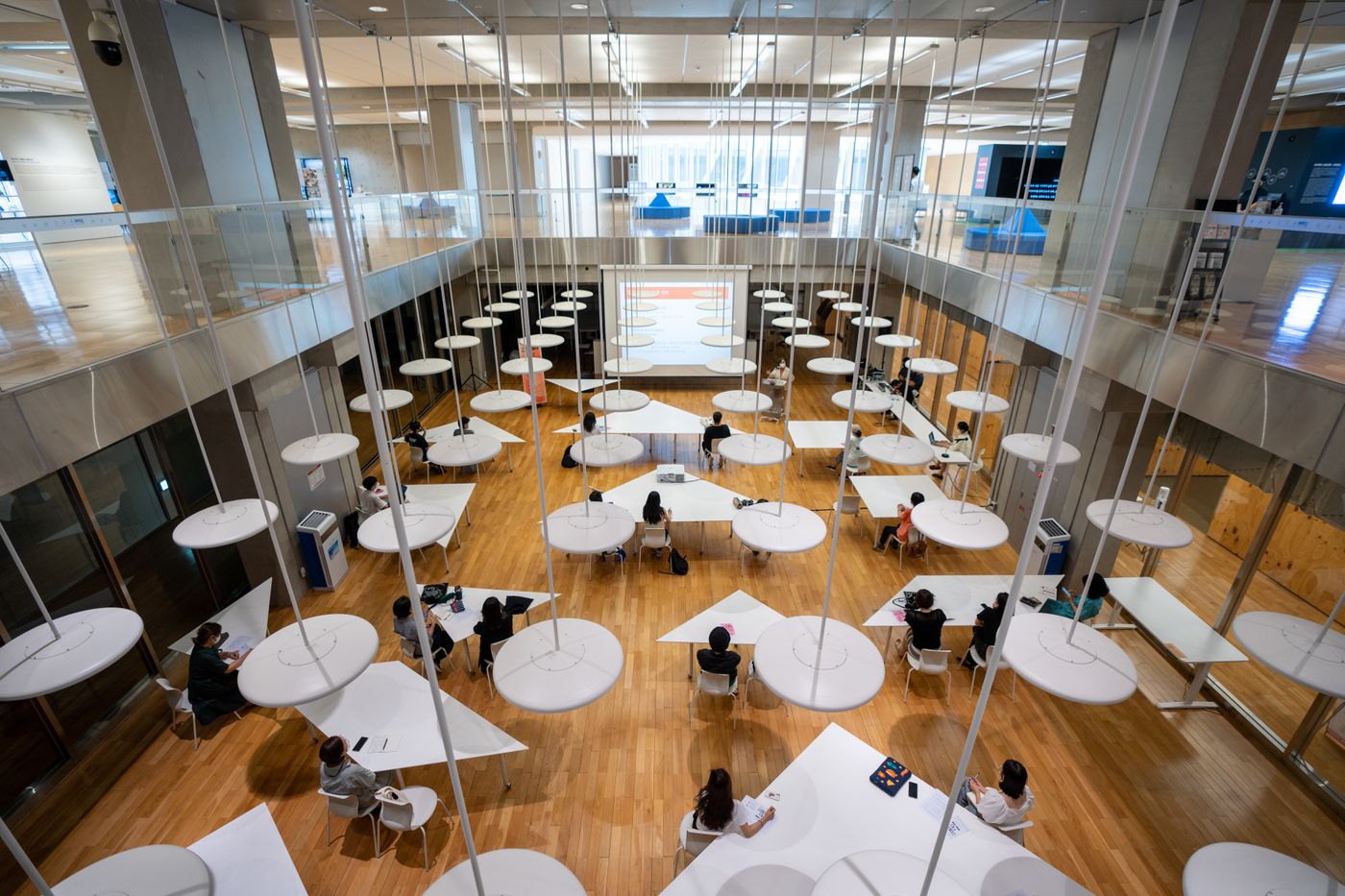
Cafe, Study Cafe, Library, Or Coworking Space?
Foreign visitors often use one word, "cafe," for several different Korean spaces. Locals separate them more carefully.
A normal cafe sells drinks first. It may tolerate study and work, but the business model is still food and beverage. If the store is busy, turnover matters.
A study cafe is closer to a paid focus room. You pay for time, seat type, or pass access. It is usually quieter, more desk-like, and more rule-based. Some have lockers, private cubicles, lamps, outlets, and vending machines. The mood is practical, not social.
A library is best for long quiet work, but tourist access varies. Public spaces, cultural centers, and museum libraries can be useful, but you should check rules before assuming you can sit all day with a laptop.
A coworking space is the cleanest choice for calls, long work sessions, and proper desk needs. It costs more, but it removes the awkwardness of trying to turn a cafe into an office.
| Space | Best For | What To Avoid |
|---|---|---|
| Normal cafe | Short laptop work, route planning, language review | Taking large tables for hours when the cafe is busy |
| Study cafe | Deep work, test prep, quiet desk time | Phone calls, loud snacks, social chatter |
| Library or cultural center | Reading, research, calm focus | Assuming every area allows laptops or tourists |
| Coworking space | Calls, meetings, long remote-work days | Choosing it for a quick coffee break only |
The Etiquette Rules That Actually Matter
The first rule is table size. If you are alone, do not take a four-person table when smaller seats are available. If the cafe fills up, consider moving, ordering again, or leaving.
The second rule is purchase rhythm. Korea does not have one exact drink-per-hour law, but a single iced Americano should not become a full-day rent payment. If you stay longer, buy more or choose a paid study cafe.
The third rule is noise. Video calls, speaker audio, keyboard hammering, and group tutoring can disturb the space. Use headphones and keep calls short. If you need to speak for work, step outside or use coworking.
The fourth rule is electricity. Outlets are useful, but do not stretch cables across walkways or unplug store devices. If a seat clearly is not set up for charging, do not redesign it.
The fifth rule is food. Outside food is usually rude unless the store clearly allows it. Even in a study cafe, loud or smelly snacks can be annoying. Korea has strong snack culture, but not every space is a snack space.
Why Study Cafes Feel Different From Western Cafes
Korean study cafes are shaped by exam culture. They are often quieter, more seat-focused, and more transactional than a cozy coffee shop. You are not there to hang out. You are there to rent concentration.
This can feel intense to visitors, but it makes sense in context. Korea's competition system creates demand for spaces that reduce friction. A paid study seat gives you lighting, quiet, desk space, and the psychological feeling that you are there to work. The environment becomes part of the discipline.
There is also a design element. Korea often makes everyday spaces visually polished: cafes, photo studios, clinics, bookstores, libraries, and even convenience stores can feel curated. A study cafe may look minimal and calm because focus is part of the product.
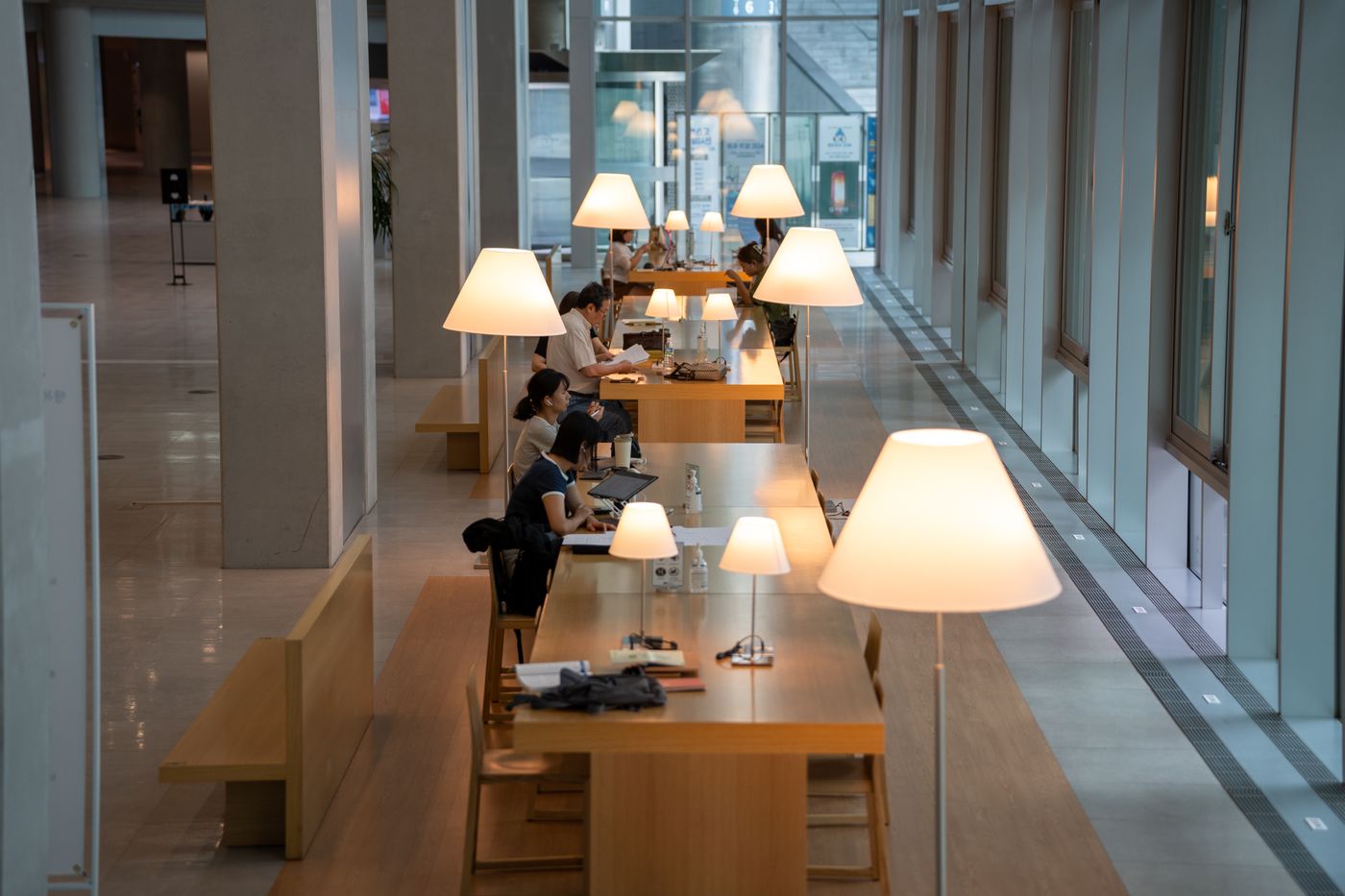
What Tourists Can Use This For
Even if you are not studying in Korea, the focus-space culture is useful. You may need to check train tickets, edit photos, upload work, call home, translate restaurant menus, or plan the next city. The right space can save a travel day.
For a short task, use a normal cafe during a quiet time. Buy a drink, take a small table, and finish quickly. For a half-day work session, find a coworking day pass or hotel workspace. For reading or calm planning, try a public library, museum cafe, or cultural center if visitor access is clear.
For Korean-language learners, the cafe/study-cafe ecosystem is also a window into daily life. You will see how people organize notes, use tablets, drink iced Americanos, wear headphones, and turn self-improvement into a public routine. Pair this with EpicKor's Korean language learning guide if you want the language angle.
What Not To Do
Do not bring a desktop monitor, printer, full keyboard rig, or anything that turns the table into an office installation. That is exactly the kind of behavior that made the cagongjok debate newsworthy.
Do not assume a cafe is empty just because there are open seats. Some seats may be reserved for groups, peak turnover, or specific service flow. Watch how locals use the space.
Do not leave belongings unattended. Korea is often safe, but laptops and passports should not become props while you wander away.
Do not take photos of strangers studying. Focus culture is visually interesting, but people's stress is not your travel content. Photograph architecture, your own desk, drinks, or empty spaces instead.
Do not confuse a study cafe with a social cafe. If everyone is silent, do not start a loud conversation. The room is telling you the rule.
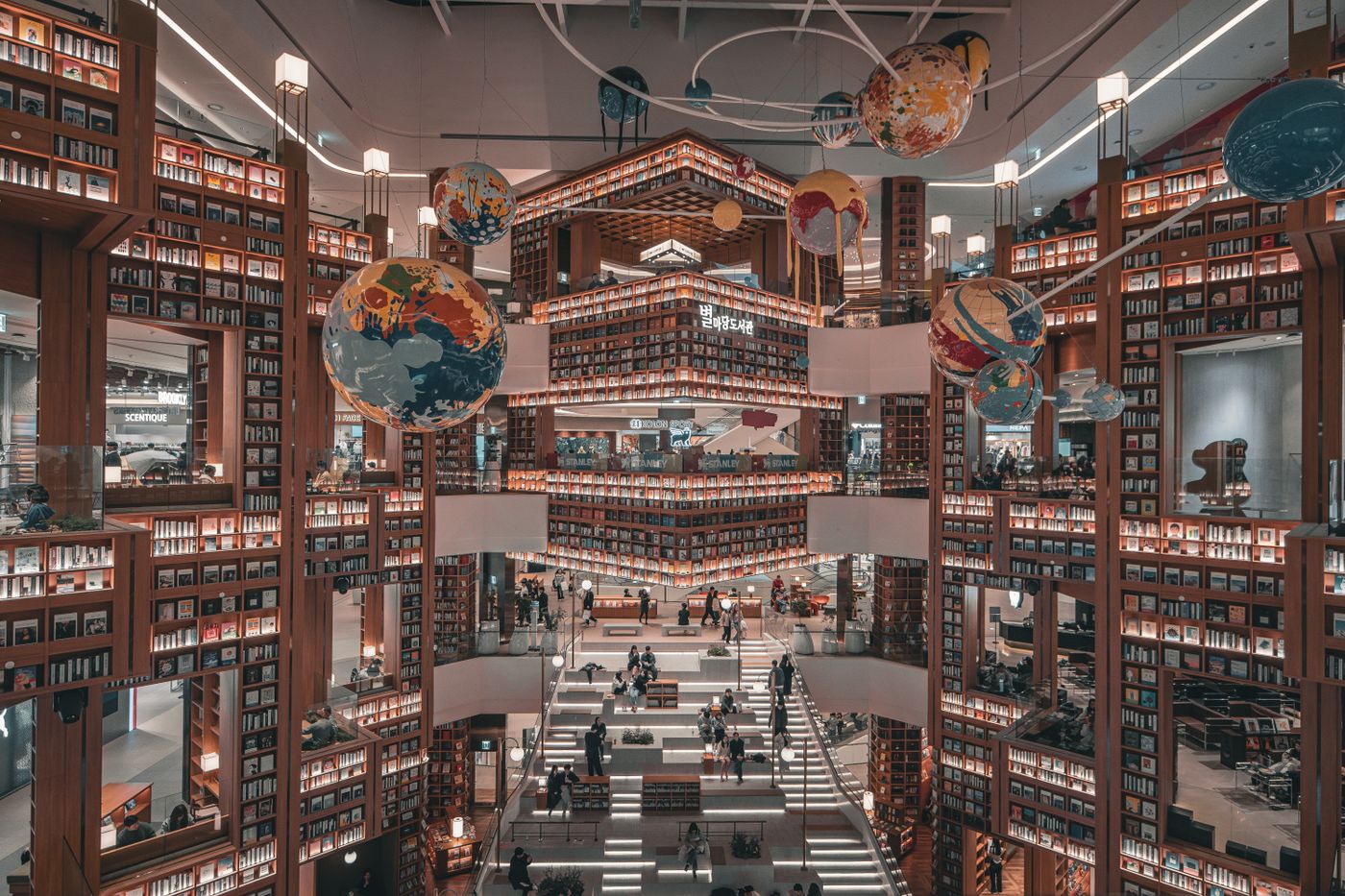
A Practical Visitor Plan
If you only need 30 minutes, choose a normal cafe away from peak streets. Order, sit small, finish the task, and leave before the room turns busy.
If you need two to four hours, search for a study cafe near your hotel or station. Use translation tools to check pricing, entry method, and quiet rules. Some places are very local and may not be ideal for first-time visitors, but the concept is easy once you understand it.
If you need a full workday, do not gamble on cafes. Book coworking or a hotel day space. Your calls, power needs, and posture will be easier, and you will not feel guilty about table turnover.
If you want cultural observation, visit a famous library or bookstore-style space during a non-peak hour. You will understand why Korea makes focus look public, designed, and slightly aspirational. EpicKor's Seoul bookstore and library guide separates the best stops for buying books, quiet reading, architecture, stationery, and rainy-day travel.
Sources Checked
Current cagongjok context was checked against BBC coverage of South Korean cafes and long-stay study customers and BBC coverage of Starbucks Korea discouraging bulky office equipment. Public focus-space context was also checked against real Korea-location imagery from Starfield Library and Asia Culture Center photo sources.
FAQ
Can I study in a Korean cafe?
Usually yes, if the cafe allows it and you behave reasonably. Keep your setup small, buy appropriately, avoid busy hours when possible, and leave if the space clearly needs table turnover.
What is the difference between a cafe and a study cafe in Korea?
A normal cafe sells drinks and may tolerate laptop use. A study cafe is built for paid quiet work, with desk seating, time-based pricing, and stricter noise expectations.
Is it rude to stay for hours with one drink?
It can be, especially in a crowded cafe. If you need a long session, buy again, choose a quieter time, or move to a paid study cafe or coworking space.
Can tourists use Korean study cafes?
Sometimes, but it depends on the payment system, language support, and entry rules. For a short travel task, a normal cafe may be easier. For serious work, coworking is more predictable.
You Might Also Like

Iced Americano in Korea: Why Koreans Drink It Year-Round
A practical guide to Korea's iced Americano culture, explaining eoljuk-a, cafe ordering, price tiers, office routines, winter habits, and traveler tips.
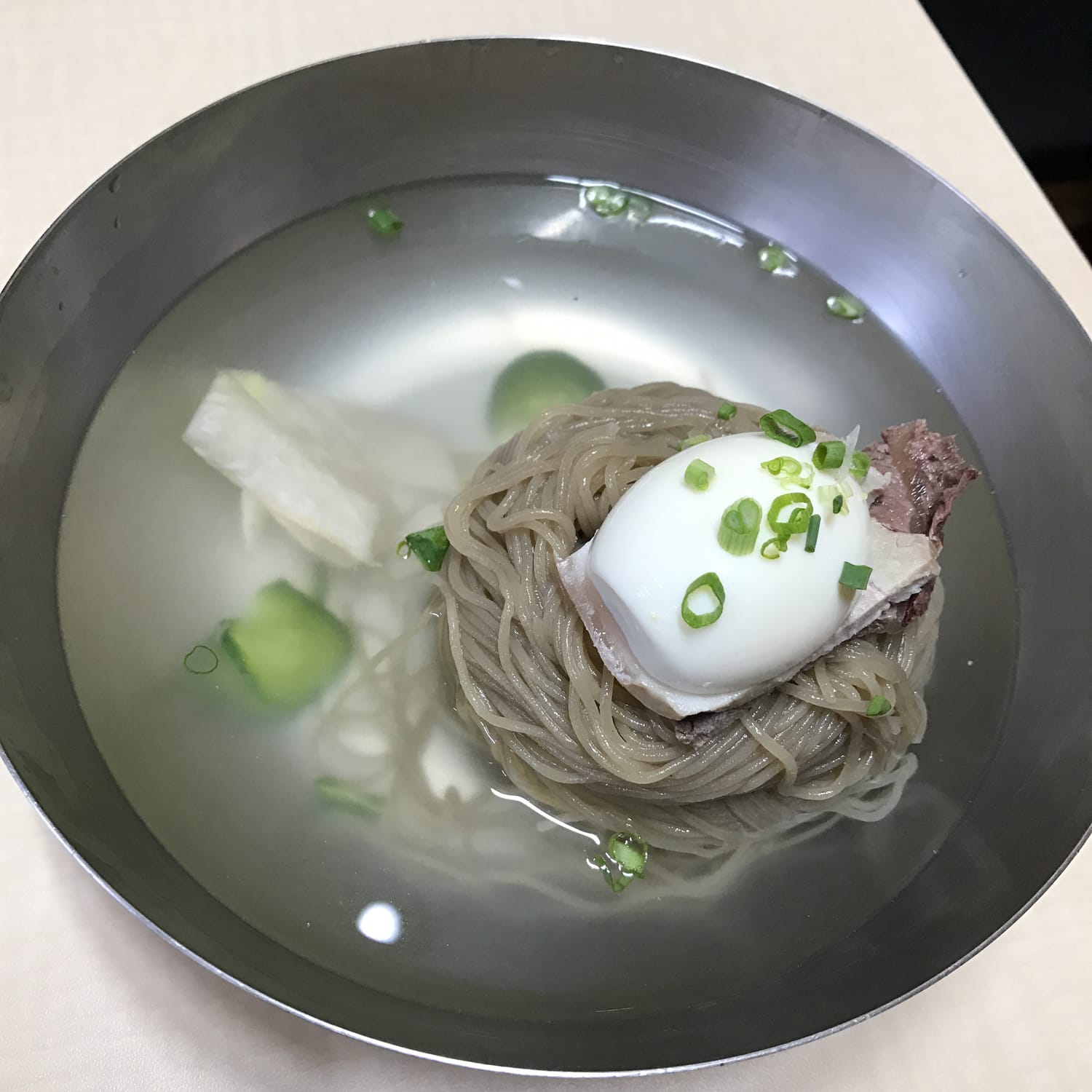
The One Korean Food Foreigners Never Learn to Love: Hamheung Naengmyeon, and Why Koreans Can't See the Problem
Foreigners who eat cheonggukjang and even hongeo still will not pay for this twice. A Korean creator who fed foreigners for years says naengmyeon was the overwhelming number one refusal, and Koreans, who rank it first every summer, cannot see why.
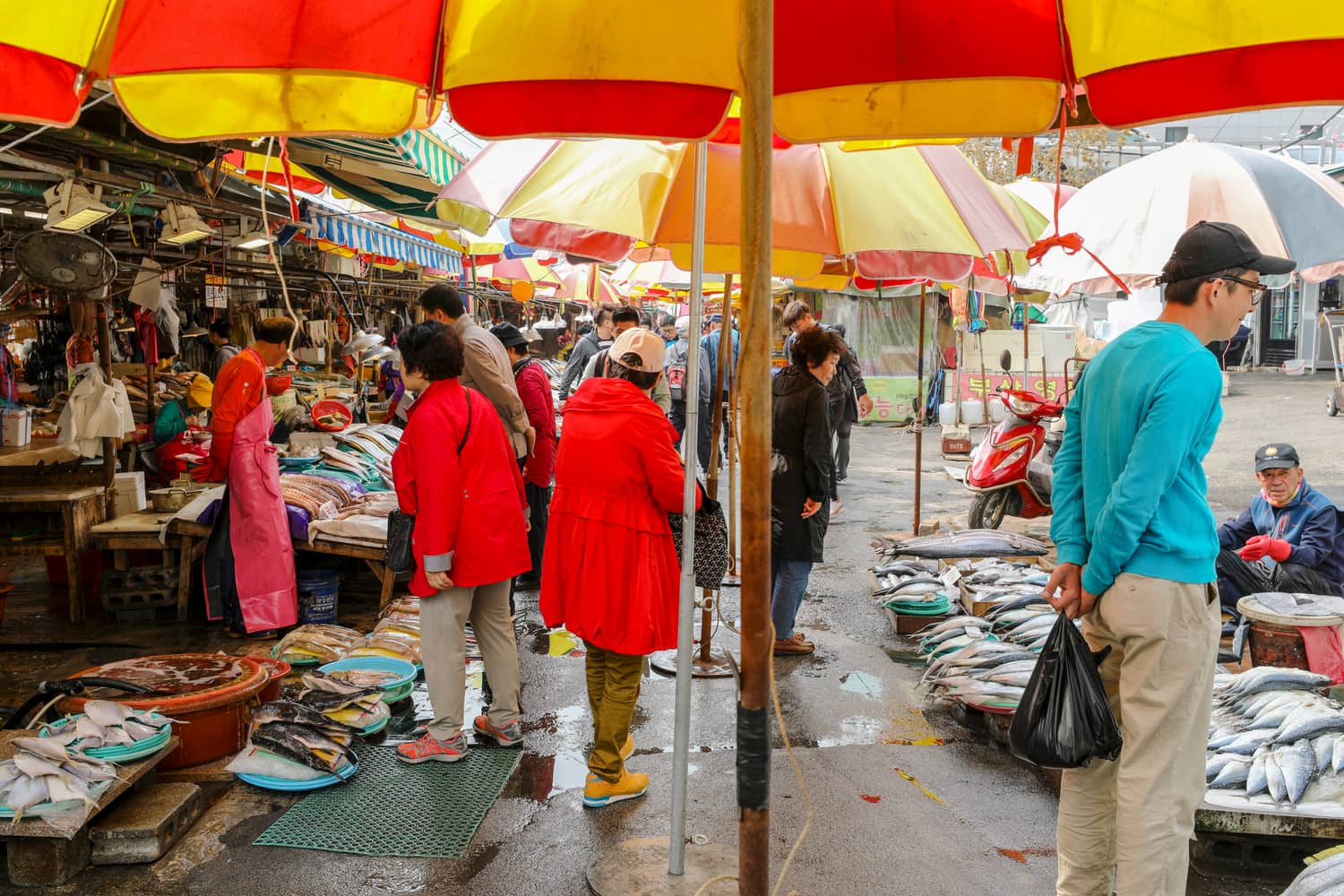
Why Do Koreans Stare at Foreigners? The 5% Country, and Where the Looking Actually Happens
In central Seoul nobody looks at you. In a provincial market, a small town or a subway car of grandmothers, they do. Korea only became a 5%-foreign country in 2025. Where the staring happens, what it means and does not mean, and what to do with it.