Korean Car Camping Guide 2026: Cha-Bak and Gear
Korean car camping has a very specific fantasy. You finish work, throw a folding chair into the trunk, drive out of Seoul before traffic becomes emotional damage, find a quiet river or coastal campsite, cook something simple, drink cold coffee from a convenience store, and wake up with the back hatch open to fresh air. In Korean, people often call the car-sleeping version cha-bak, from "cha" for car and "bak" for sleeping overnight.
The fantasy is real enough to understand. Korea is dense, fast, and tiring. A car turns the weekend into a private room. You do not need a hotel lobby, a perfect itinerary, or a formal resort. You need wheels, a place where overnight camping is allowed, enough gear to sleep properly, and enough manners not to ruin the place for everyone else.
This guide is written for travelers and Korea-curious readers who want to understand the culture without copying the bad version of it. Car camping in Korea is not "park anywhere and sleep." It is closer to a compact outdoor system: legal campsite, small gear, convenience-store logistics, highway rest-stop rhythm, weather planning, and quiet cleanup.
Kovea Camp 4 — the Korean-brand foldable gas stove Korean campers cook onAffiliate link. As an Amazon Associate, EpicKor earns from qualifying purchases at no extra cost to you.
Quick Answer: What Is Cha-Bak?
Cha-bak means sleeping in or around a car. In practice, it can look like several different setups:
- Sleeping inside an SUV, van, or folded-seat car.
- Using a rooftop tent.
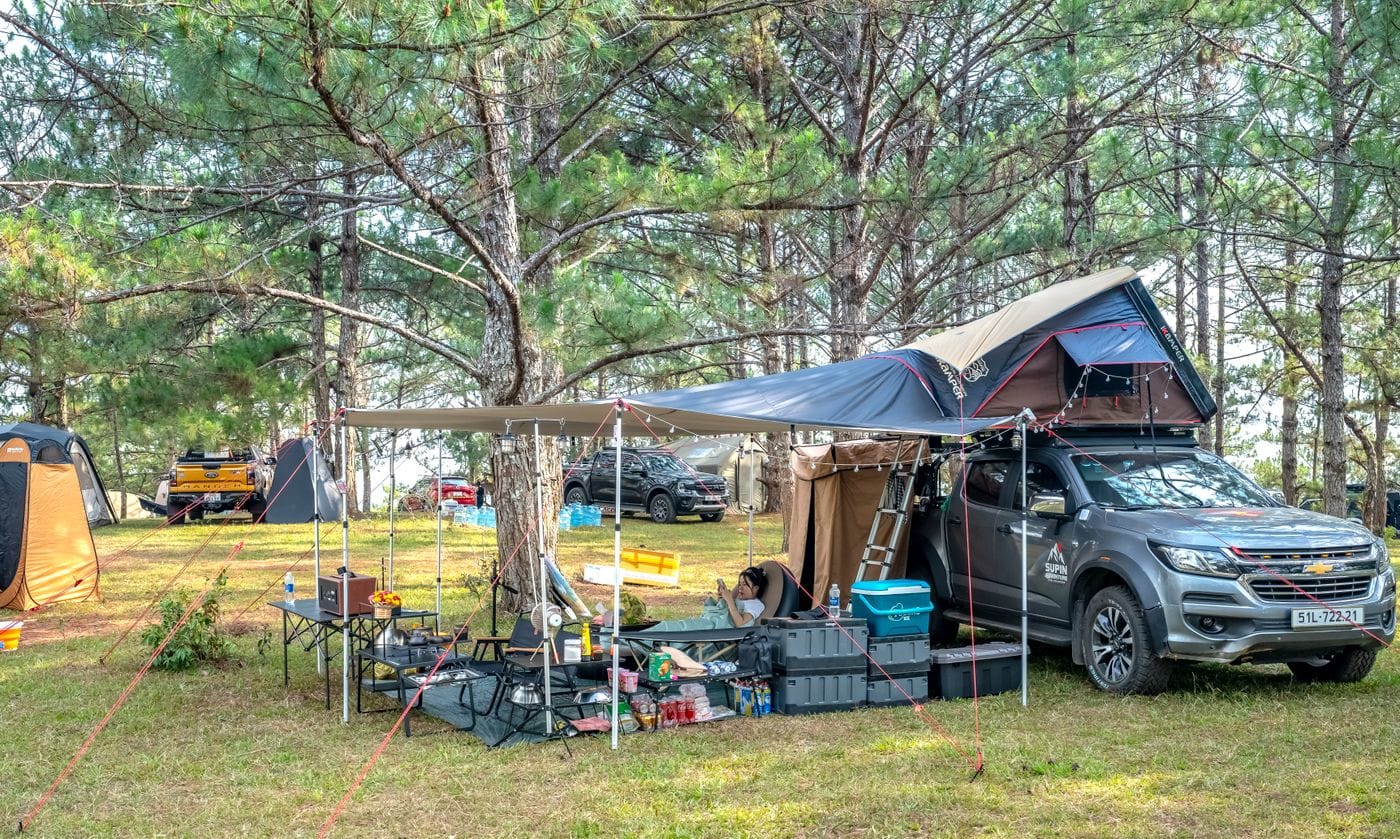
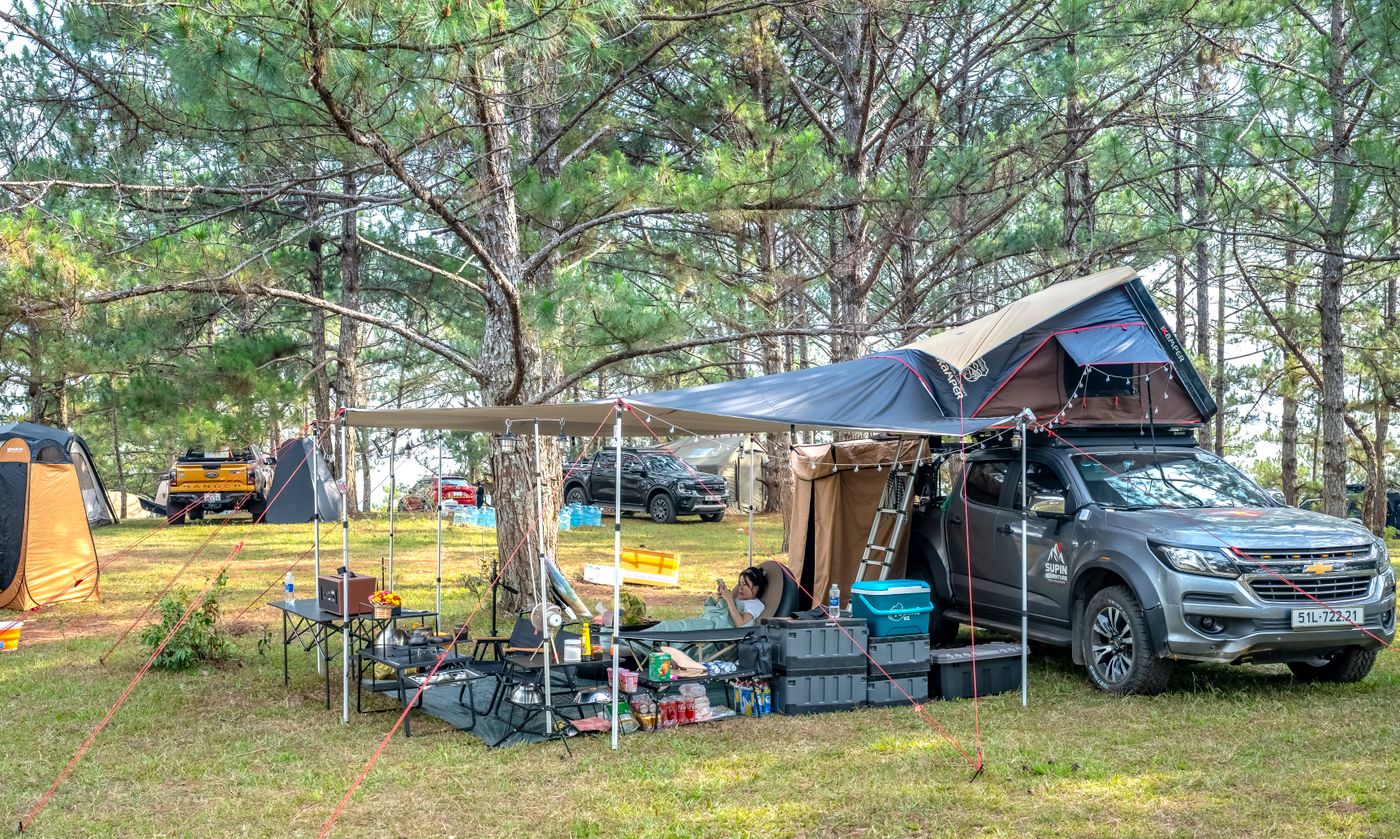
- Parking at an auto-camping site and setting up a tarp or table beside the car.
- Using the car as storage while sleeping in a nearby tent.
- Taking a short rest during a road trip, without turning the parking space into a full campsite.
The important line is permission. A rest stop, beach parking lot, trailhead, apartment lot, river park, or random coastal road does not automatically become a campsite because the view is good. If you want the full chair-table-cooking-sleeping version, use an auto-campground, campground, pension/car-camping site, or other place that clearly allows overnight camping.
For related planning, EpicKor's Korea summer packing guide, Korea mosquito season guide, Seoul night picnic guide, and Korea autumn foliage guide help with weather, bugs, food, and seasonal timing. If this is part of a more guy-friendly Korea route, pair it with the Seoul LoL Park and LCK match guide, Seoul tech and gadget shopping guide, and Korean men's haircut guide. Together, those cover the weekend-drive version, the match-night version, the gear-shopping version, and the Seoul grooming version of the same trip mood.
Why Korean Men Like This Kind Of Weekend
The male appeal is obvious, but it is not only about "outdoors." It is about control. Korean city life can feel scheduled by other people: office hierarchy, subway crowds, dinner reservations, family obligations, apartment noise, group chats, and the constant feeling that a plan has to be efficient. Car camping flips that. You decide the route, the playlist, the chair angle, the ramen timing, and when nobody talks.
It also fits Korea's gear culture. A car-camping setup can become a satisfying project: storage boxes, lanterns, folding tables, power banks, sleeping mats, coolers, tarps, coffee gear, insect control, and tiny tools that all have a job. It is not hard to see the overlap with PC setup culture, screen golf gadgets, camera gear, and Korean home organization. The pleasure is partly the trip and partly the optimized kit.
But the better version is not the most expensive version. A beginner does not need a showroom on wheels. A beginner needs comfort, safety, and a clean exit.
Cars also carry meanings beyond camping gear in Korea. EpicKor's evidence-based guide to why Mercedes-Benz is so visible in South Korea separates actual imported-car registration data from easy stereotypes about status and “Gangnam” traffic.
The Three Kinds Of Korean Car Camping
Not every car-camping plan has the same level of commitment. Before buying gear, decide which version you actually want.
| Style | What It Looks Like | Best For | Main Risk |
|---|---|---|---|
| Rest-stop road trip | Food, bathroom, coffee, short break, no campsite setup | Long drives, first-time Korea road trips, route testing | Mistaking a rest area for an overnight campground |
| Auto-campground night | Reserved spot, car beside tent or sleeping setup, simple cooking | Beginners, couples, friend groups, controlled weekends | Overpacking and treating the site like a private backyard |
| Minimal cha-bak | Sleeping inside the vehicle with small gear and no large camp spread | Solo drivers, photographers, hikers, low-fuss travelers | Ventilation, cold/heat, privacy, and unclear parking rules |
Do Not Treat Highway Rest Stops Like Campgrounds
Korean highway rest stops are part of the road-trip experience. They can be surprisingly good: bathrooms, snacks, regional food, coffee, charging, fuel, and sometimes local specialties that turn a boring drive into a food crawl. Korea Expressway Corporation manages the national expressway system, and official road information should be checked before long drives.
The mistake is thinking "rest stop" means "free campground." A rest stop is for rest. It is not a place to unfold a full kitchen, run a loud speaker, block parking, hang laundry, dump water, or spend the night as if you reserved a campsite. If you are tired, stop and recover. If you want camping, book camping.
This distinction matters because car camping became popular enough that local governments, park managers, and residents have had to care about noise, trash, fire risk, and illegal overnight setups. The good version of cha-bak keeps the freedom without making the next visitor pay for it.
What To Pack First
Start with sleep, power, light, and cleanup. Food is fun, but sleep is what decides whether you enjoy the next morning.
Your first kit should include:
- A sleeping mat or properly sized car mattress.
- A compact blanket or sleeping bag matched to season.
- A small lantern or headlamp.
- A power bank and charging cables.
- Window shades or privacy covers.
- Insect repellent and a small trash system.
- Wet wipes, tissues, and hand sanitizer.
- A cooler or insulated bag for food safety.
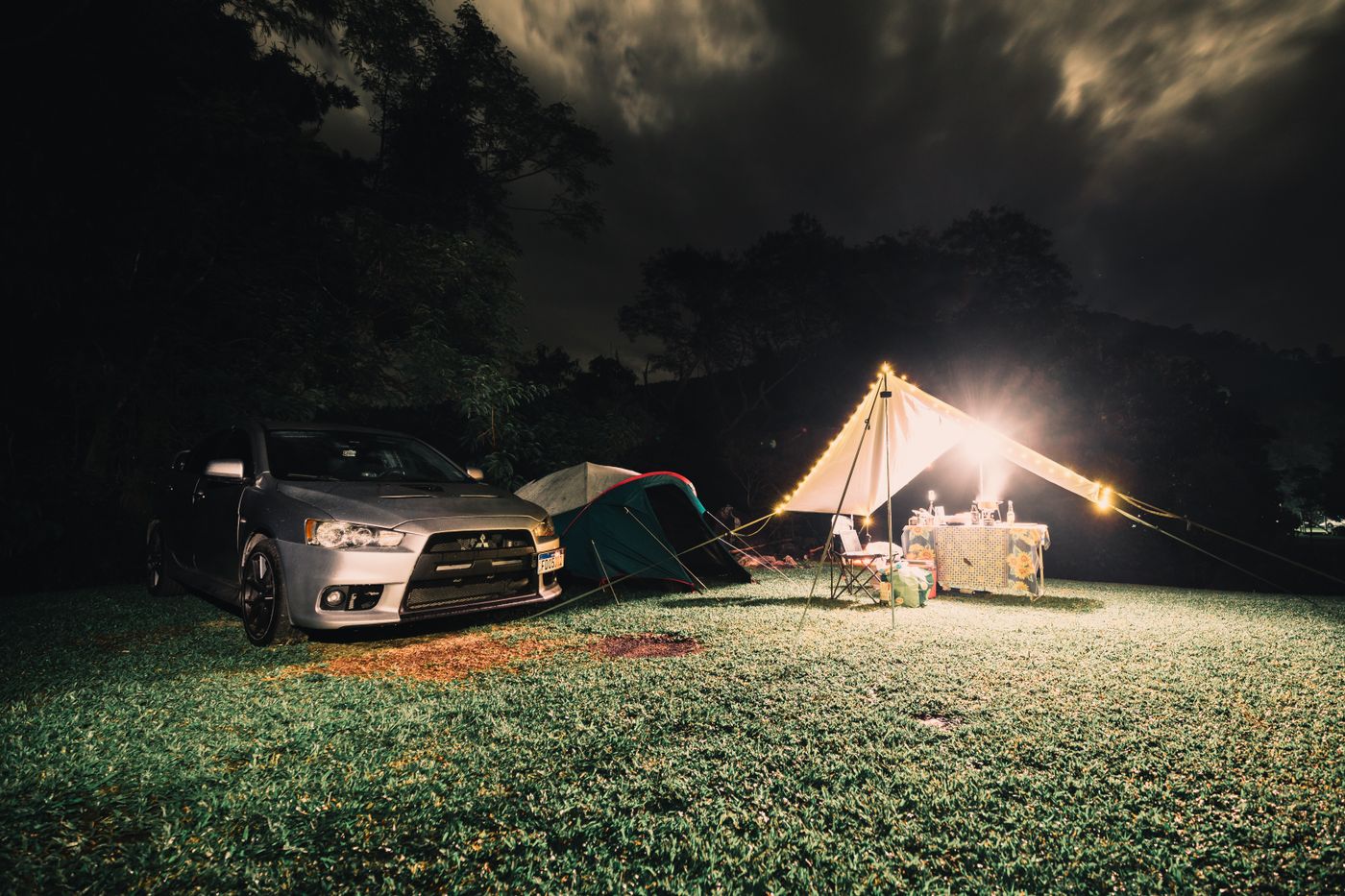
- A simple table and chair only if the site allows outdoor setup.
Do not buy bulky gear before one test night. Korea's car-camping content can make every tool look necessary. It is not. If you cannot pack, carry, dry, and store it afterward, it is not beginner gear. It is a future storage problem.
The Korea Weather Problem
Korea is not one comfortable outdoor climate. Summer can be hot, humid, rainy, and mosquito-heavy. Jangma rainy season can turn a pretty campsite into a wet gear puzzle. Autumn is beautiful, but nights cool down faster than visitors expect. Winter car sleeping can be dangerous without proper insulation and ventilation knowledge.
For beginners, spring and autumn are easiest. Summer works only if you understand heat, rain, insects, and food storage. Winter should be treated as advanced. Sleeping in a vehicle is not automatically warm, and running a heater carelessly is not a casual solution.
Condensation is another beginner surprise. People breathe moisture into a closed car. Wet windows, damp bedding, and cold morning air can make a "minimal" setup feel miserable. Ventilation, window shades, and proper bedding matter more than aesthetic string lights.
Food: Keep It Boring On Purpose
Korean camping content loves grilled meat, ramen, instant coffee, ice cups, fruit, and shared snacks. That is part of the charm. But if this is your first car-camping night, choose food that is easy to cook, clean, and store.
Good beginner food:
- Ramen or instant noodles if cooking is allowed.
- Convenience-store kimbap or triangle gimbap for no-cook backup.
- Packaged kimchi, seaweed snacks, and simple banchan-style sides.
- Bottled water and canned coffee.
- Fruit that does not require messy cutting.
- Protein bars or sweet potato snacks for morning.
Bad beginner food:
- Raw meat without a reliable cooler.
- Too many side dishes with liquid lids.
- Anything that produces a lot of grease.
- Open-fire cooking where fire rules are unclear.
- Food waste with no disposal plan.
The campsite meal should not become a cleanup emergency. If you leave sauce, ash, bones, wrappers, or food smell behind, you are not doing Korean car camping. You are just making the next person hate campers.
Where This Fits In A Korea Trip
For foreign visitors, car camping is not the first Korea activity I would recommend. Public transit is excellent, and renting a car adds language, parking, insurance, toll, and navigation friction. But if you already drive comfortably in Korea, car camping can reveal a different side of the country: river valleys, coastal roads, mountain towns, highway rest stops, local supermarkets, and morning landscapes outside Seoul.
It pairs best with:
- Gangwon mountain or coast routes.
- Autumn foliage trips.
- Beach or fishing-town weekends.
- Regional food trips.
- Photo trips where sunrise or night sky timing matters.
- Short overnight tests near Seoul before longer drives.
It pairs badly with:
- A packed first-time Seoul itinerary.
- Heavy drinking plans.
- Unclear parking.
- Extreme weather.
- A rental car you do not understand.
- Any plan that depends on "we will figure it out later."
The Etiquette That Matters
Good car-camping etiquette is simple:
- Keep noise low after dark.
- Do not block roads, bathrooms, or parking flow.
- Use only allowed cooking areas.
- Do not dump gray water.
- Pack all trash.
- Respect quiet campers and local residents.
- Do not film strangers' tents or cars.
- Leave before your checkout time.
Korea is dense. Even outdoor spaces can feel close together. A small noise problem travels. A small trash problem becomes public evidence that campers are selfish. If you want this culture to survive, behave like the place belongs to everyone.
Beginner Route Logic
Do not start with the farthest famous campsite. Start with a route that gives you exits. Pick a place with:
- Clear reservation rules.
- Bathrooms and water access.
- Nearby convenience store or supermarket.
- Cell coverage.
- A reasonable drive back to Seoul or your base.
- Weather that does not require advanced gear.
Your first night is not about proving you are outdoorsy. It is about learning your setup. Can you sleep? Can you cook without chaos? Can you pack in the morning? Do you know where the wet gear goes? Can you drive safely after a bad night? Those answers matter more than the view.
Sources Checked
- Korea Expressway Corporation English site for expressway context.
- Korea National Park Service English site for national-park context and the need to check official park rules.
- Visit Korea official tourism site for Korea travel planning context.
- Durunubi / Korea Dulle Trail for official walking-route and outdoor-travel context.
FAQ
Q: Q: Is cha-bak legal everywhere in Korea?
No. Cha-bak does not mean you can sleep or set up camp anywhere. Use campgrounds, auto-campgrounds, or places that clearly allow overnight stays, and check local rules before relying on a parking area.
Q: Q: Can I sleep at a Korean highway rest stop?
A tired driver can stop and rest, but a highway rest stop should not be treated like a campground. Do not set up tables, cook, block spaces, or create noise and trash.
Q: Q: What is the best season for Korean car camping?
Spring and autumn are easiest for beginners. Summer requires heat, rain, bug, and food-safety planning. Winter should be treated as advanced because cold, condensation, and heating risks are serious.
Q: Q: Do tourists need a rental car for this?
Only if they already drive confidently in Korea and understand rental, insurance, toll, parking, and navigation issues. Most first-time visitors should prioritize transit-based Korea travel first.
Q: Q: What should I buy first for car camping?
Start with a sleeping mat, blanket or sleeping bag, lantern, power bank, window/privacy setup, insect repellent, and cleanup supplies. Buy big gear only after one test night.
You Might Also Like

Seoul Hiking Guide: Easy, Scenic, and Challenging Trails
A practical Seoul hiking guide comparing Inwangsan, Achasan, Namsan, Bukhansan, Gwanaksan, gear etiquette, seasons, and first-timer trail tips.
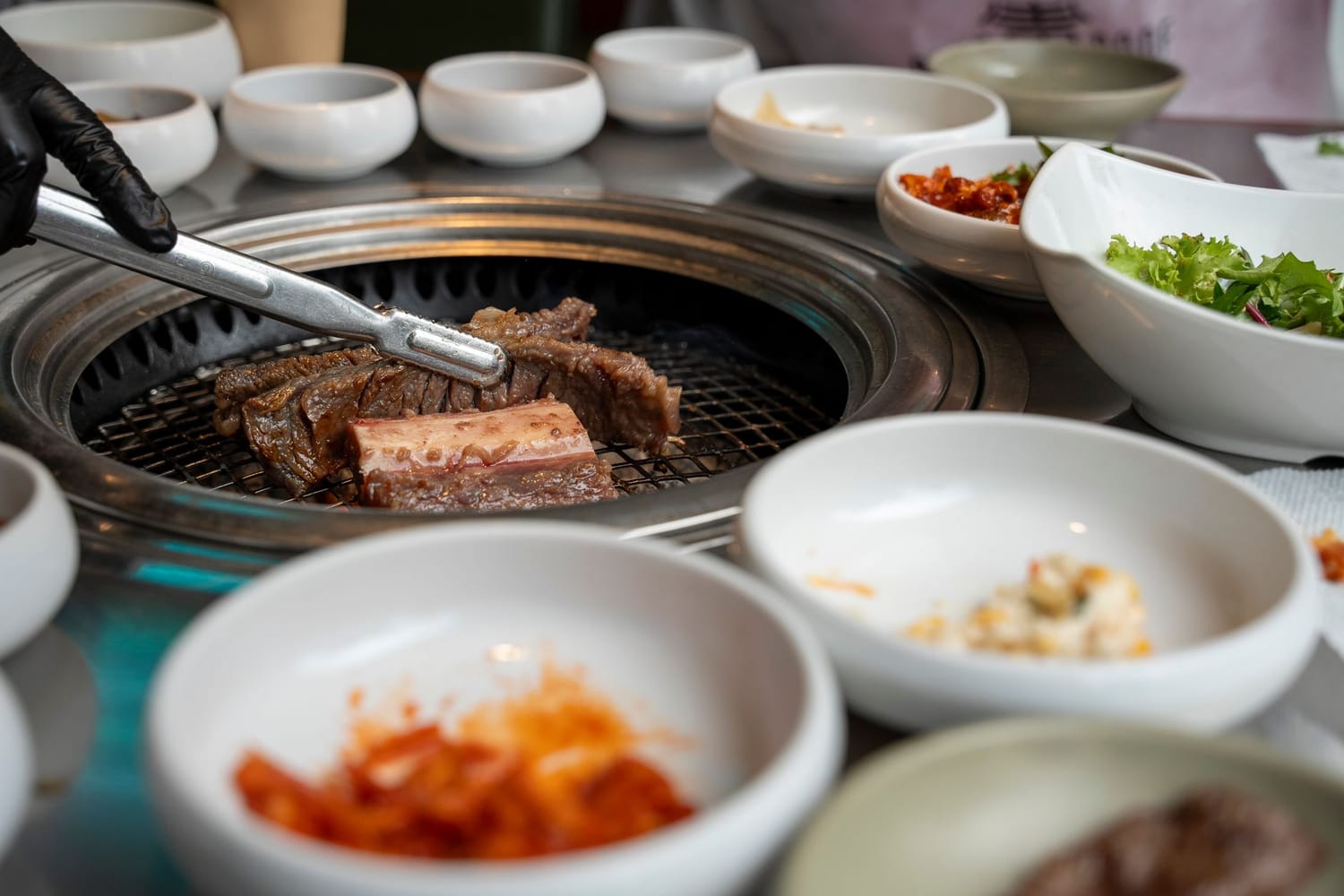
Korean Kitchen Scissors: Why Koreans Cut Meat and Noodles at the Table, and Why It Is Not an Office Scissor
Scissors on a restaurant table look wrong to most of the world and normal to every Korean. The tool is not a desk scissor: thick blades, one serrated edge, big rings, often detachable, built for galbi and cold noodles. Where it came from, and which one to buy.
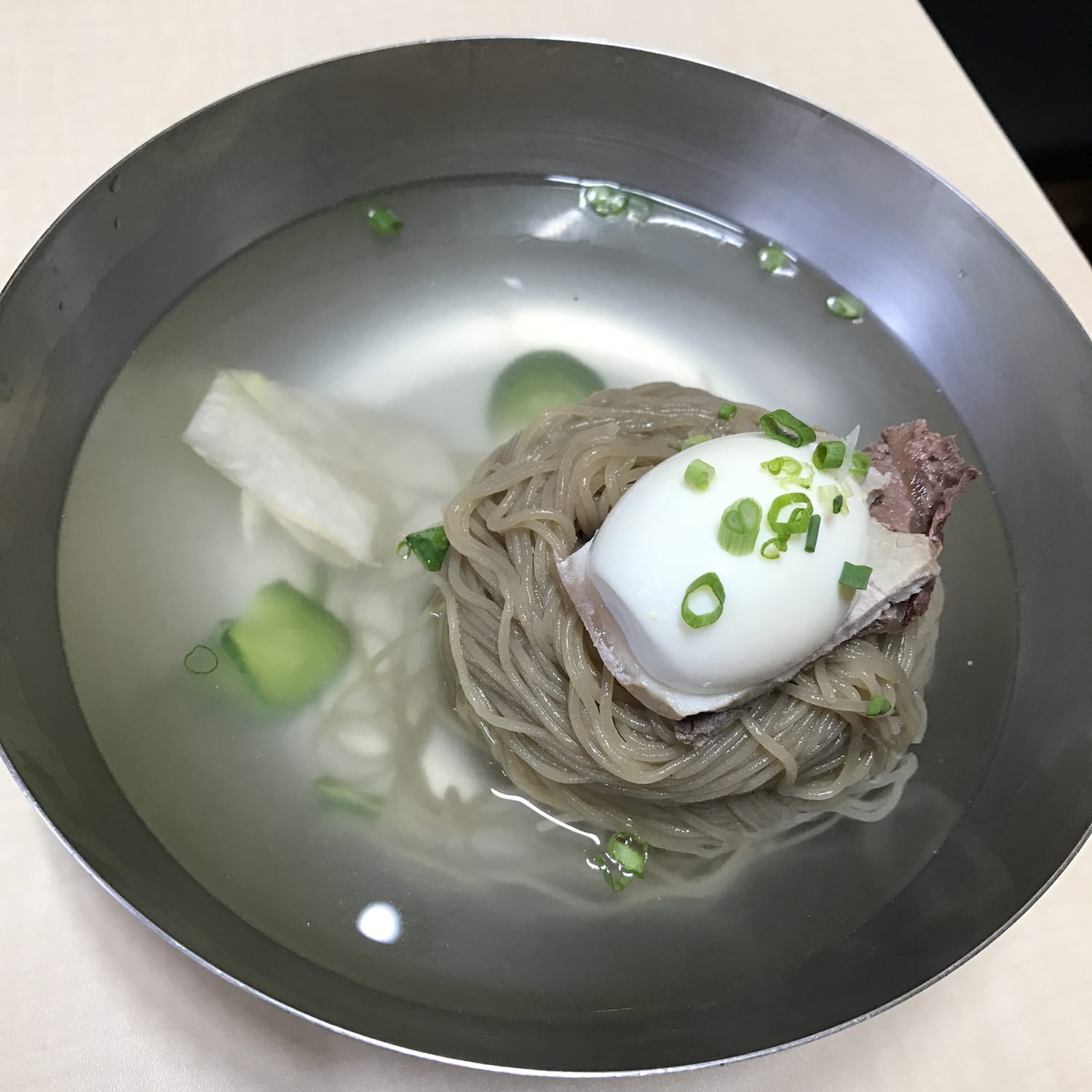
The One Korean Food Foreigners Never Learn to Love: Hamheung Naengmyeon, and Why Koreans Can't See the Problem
Foreigners who eat cheonggukjang and even hongeo still will not pay for this twice. A Korean creator who fed foreigners for years says naengmyeon was the overwhelming number one refusal, and Koreans, who rank it first every summer, cannot see why.