Korea Mosquito Season Guide: Packing and Local Buys
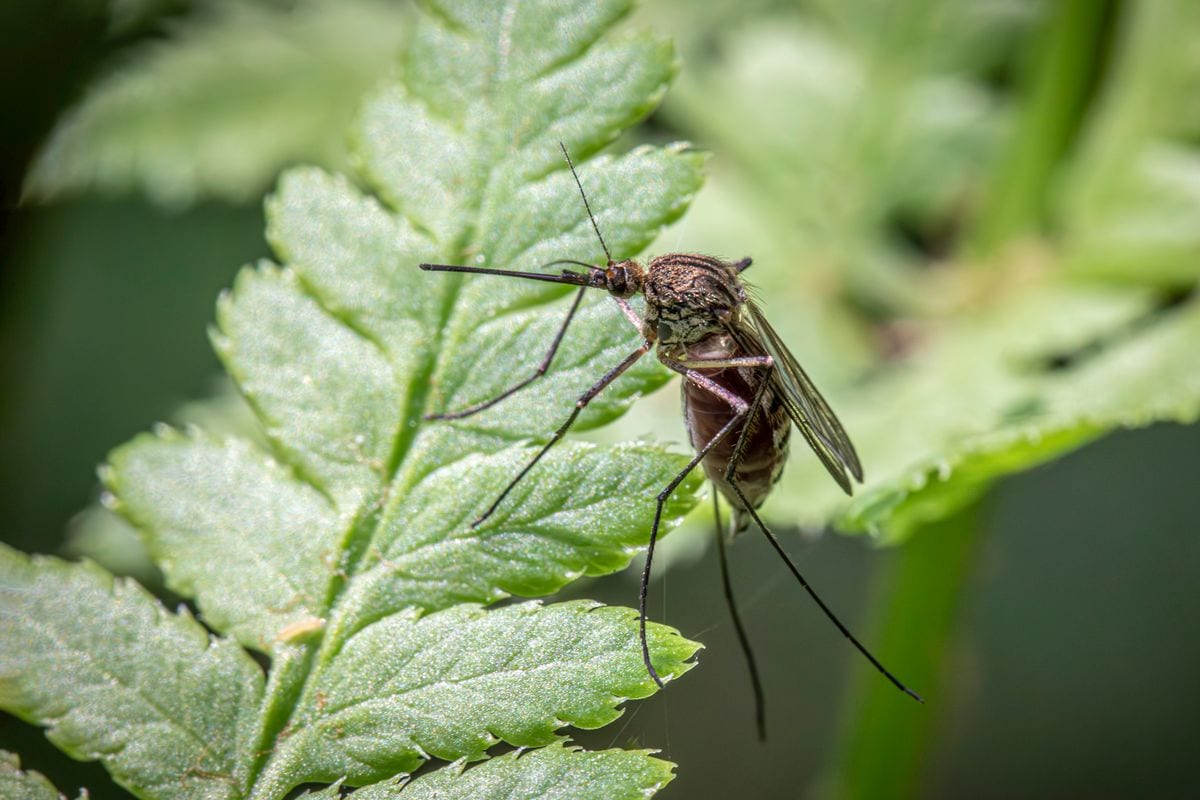
Korea mosquito season is not the first thing most tourists plan for, but it can shape summer evenings more than expected.
The issue is not that Korea is uniquely dangerous for ordinary visitors. It is that warm weather, humid nights, riverside walks, parks, rainy-season puddles, guesthouse windows, and late outdoor plans create bite-prone moments. If you pack only for heat and photos, you may end up buying whatever repellent you can find after the itching starts.
This guide explains what tourists should pack, what to buy locally, and how to make Korea's mosquito season a manageable travel detail instead of a nightly annoyance.
Quick Answer: What Should Tourists Do About Mosquitoes In Korea?
For a normal Korea summer trip, use a simple three-part plan:
- Pack one travel-size insect repellent that follows your home country's safety guidance.
- Bring light long sleeves or breathable coverage for evenings near parks, rivers, and water.
- Buy local after-bite gel, patches, or extra repellent at pharmacies or convenience stores if needed.
- Keep windows/screens managed in guesthouses and pensions.
- Be more careful during humid evenings, rainy-season periods, and outdoor festivals.
For health-related repellent guidance, use official sources such as the CDC South Korea traveler page and the EPA repellent search tool. EpicKor is a travel site, not a medical provider, so treat this as practical trip planning, not personal medical advice.
Sawyer 20% picaridin, 3oz carry-on size — on AmazonAffiliate link. As an Amazon Associate, EpicKor earns from qualifying purchases at no extra cost to you.
When Is Korea Mosquito Season?
Mosquito problems are most noticeable in the warmer months, especially from late spring through summer and into early fall. The exact timing depends on weather, region, rainfall, and local conditions.
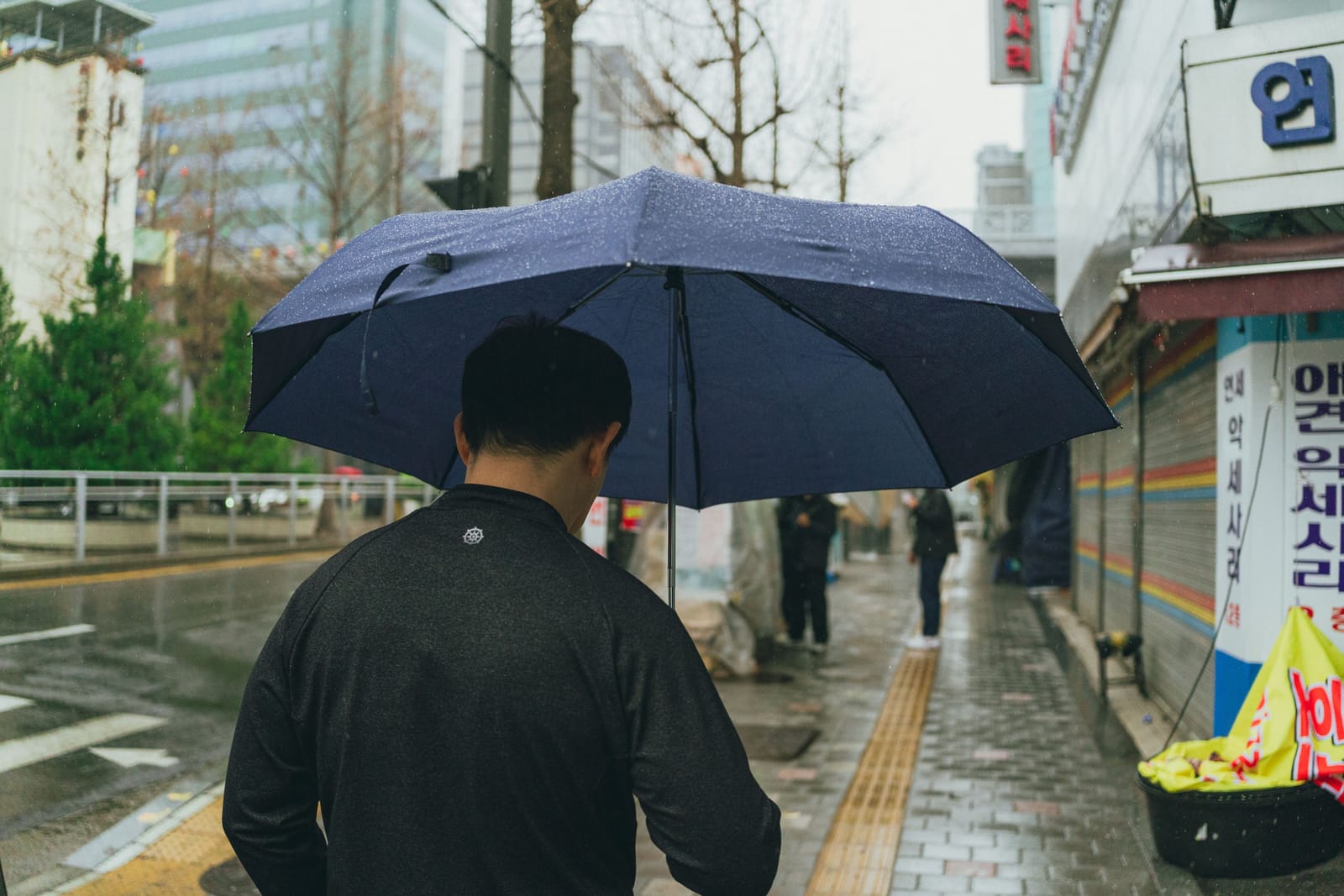
For tourists, the highest-friction period is usually the humid summer travel window. Rainy season can leave damp areas. Hot evenings pull people outside later. Riverside parks become attractive. Outdoor festivals and night markets feel more fun after sunset. Those are exactly the conditions where bites become more likely.
This overlaps with other Korea summer planning problems. If your trip falls during jangma, read EpicKor's Korea rainy season packing guide. Rain and mosquitoes are not the same issue, but both reward practical packing over idealized outfits.
Where Tourists Notice Mosquitoes Most
Mosquitoes are not equally annoying everywhere. Many visitors spend most of their Seoul time in subways, cafes, shops, museums, hotels, and restaurants, where bites may not be a major problem. The issue appears when the itinerary becomes more outdoor and slower.
You may notice mosquitoes around:
- Han River parks and riverside picnic areas.
- Lakes, streams, gardens, and wooded paths.
- Guesthouses, pensions, and older accommodations with windows or weak screens.
- Campsites, beaches, and festival grounds.
- Traditional houses, courtyards, and countryside stays.
- Outdoor restaurant seating in humid evenings.
- Late-night walks after rain.
Seoul itself is not one single risk zone. A dry afternoon in a department store is different from a warm night sitting near grass by the river.
What To Pack Before Flying
Pack enough to handle your first few days. You can buy more locally, but arrival-day shopping is not always convenient.
| Item | Why it helps | Tourist note |
|---|---|---|
| Travel-size repellent | Covers your first evenings before local shopping | Follow label directions and airline liquid rules |
| Light long-sleeve layer | Reduces exposed skin without heavy heat | Choose breathable fabric, not thick cotton |
| Long loose pants | Useful near parks, rivers, and countryside stays | Better than tight denim on humid days |
| Small pouch | Keeps repellent and wipes reachable | Do not bury it at the bottom of luggage |
| Basic anti-itch option | Helps if bites happen before you find a pharmacy | Check personal allergies and medical guidance |
Do not overpack a pharmacy. Korea has pharmacies and convenience stores everywhere in major cities. The goal is to avoid being unprepared, not to carry a full shelf of products.
Sawyer 20% picaridin, 3oz — the one repellent worth packing rather than buying on arrival. Korean summer bites happen on day one, before you have found a pharmacy. The 3oz pump clears the carry-on liquid limit and does not damage synthetic clothing the way DEET can. Everything else is cheaper in a Korean pharmacy once you land. As an Amazon Associate, EpicKor earns from qualifying purchases at no extra cost to you.
See Sawyer picaridin on AmazonWhat To Buy Locally In Korea
If you need more supplies after arrival, start with pharmacies, convenience stores, supermarkets, and larger beauty/health shops.
Pharmacies are useful when you need help choosing after-bite relief, anti-itch products, or a product that better fits your skin. Convenience stores may carry simple repellents, patches, wipes, and emergency basics, especially in summer. Selection varies by neighborhood and season.
Learn a few simple words or use a translation app. You do not need perfect Korean, but showing a photo of a mosquito bite or searching for "mosquito repellent" can help.
Common local shopping targets include:
- Repellent spray or lotion.
- After-bite gel or soothing product.
- Mosquito patches or stickers.
- Plug-in or room-use products for accommodations, if appropriate.
- Cooling wipes or wet tissues.
- Light summer sleeves or cover-ups.
Use local products according to the label. Do not mix products aggressively because you are frustrated after one itchy night.
Clothing Strategy: Cover Without Overheating
The hardest part of Korea summer packing is balancing heat and coverage.
Heavy clothing is unpleasant in humid weather. But bare legs and arms can make riverside evenings miserable. The answer is not winter-level coverage. It is light, breathable, loose coverage you can add when needed.
Think linen-blend shirts, thin UV jackets, loose pants, airy overshirts, and socks that do not feel heavy. If you are doing long outdoor plans, bring the layer in your day bag instead of assuming your daytime outfit will carry into the night.
This is especially useful for summer festivals, beaches, and evening parks. If you are packing for a wet outdoor event, EpicKor's Waterbomb Seoul guide and Boryeong Mud Festival guide both pair naturally with this mosquito-season checklist.
Accommodation Habits That Prevent Problems
Hotels are usually straightforward. The bigger issue is guesthouses, pensions, countryside stays, hanok-style accommodations, campsites, and places where windows are opened for airflow.
Check screens before leaving windows open. Close doors quickly. Do not leave balcony doors open with lights on. If a room already has mosquitoes, ask the accommodation staff for help instead of trying to solve everything alone.
If you are sensitive to bites, consider:
- Keeping luggage closed when not in use.
- Turning off unnecessary lights near open windows.
- Checking corners before sleep.
- Asking for a fan, room product, or staff help if needed.
- Choosing better-sealed accommodation during peak summer.
This is not about panic. It is about small habits that prevent a bad night.
Evening Itinerary Strategy
Mosquito planning changes how you handle evenings, not the whole trip.
During the day, you may be fine with ordinary summer clothes. As sunset approaches, think about where you will be. A restaurant indoors is different from sitting by the Han River for two hours. A quick palace visit is different from a garden walk after rain. A beach evening is different from a mall dinner.
Use this practical rule:
If the plan includes water, grass, trees, rain, or sitting outside after sunset, carry repellent and light coverage.
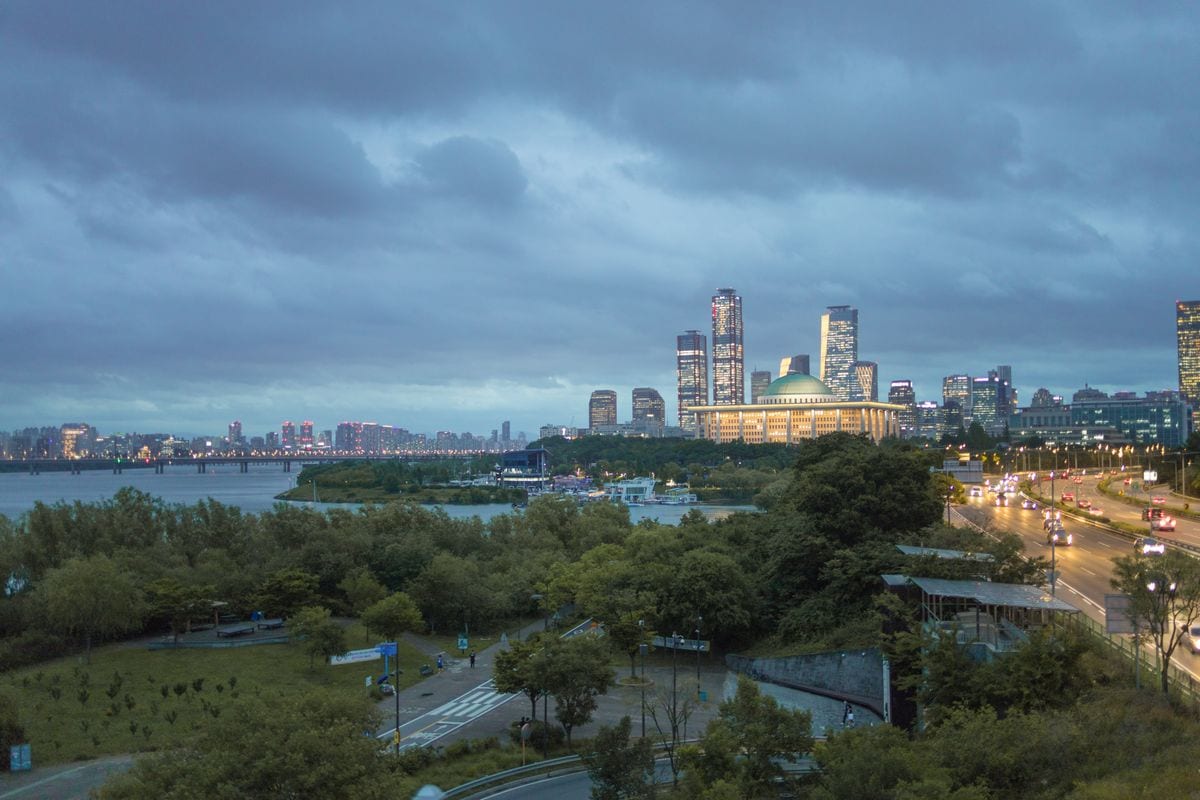
Korea's best summer evenings are often outdoors. Do not avoid them. Just prepare for them.
Repellent Safety And Common Sense
Use insect repellent according to the label. More is not automatically better. Be careful around eyes, mouths, irritated skin, and children. If you have allergies, pregnancy considerations, skin conditions, or medical questions, check professional guidance before the trip.
If you are bringing repellent from home, check airline liquid rules and local regulations. If you buy locally, translate the usage instructions if needed.
Also remember that sunscreen and repellent order can matter depending on product guidance. If you are combining SPF and repellent during a summer day, do not guess. Follow product labels and official health guidance.
This matters because Korea summer trips often involve both UV and mosquitoes. You may use sunscreen during the day, then repellent for an evening park. Keep the routine simple enough that you actually follow it.
What Not To Do
Do not rely only on hotel air-conditioning and assume mosquitoes will never matter.
Do not buy the strongest-looking product without reading instructions.
Do not scratch bites aggressively, especially in humid weather.
Do not leave windows open in guesthouses without checking screens.
Do not wear heavy long clothing all day just to avoid bites, then overheat.
Do not wait until a countryside stay to buy your first repellent if you are sensitive to bites.
Best Tourist Setup By Trip Type
| Trip style | Risk level | Best setup |
|---|---|---|
| Mostly Seoul cafes, shopping, museums | Low to moderate | Small repellent plus optional after-bite product |
| Han River, parks, night walks | Moderate | Repellent, light long sleeve, wipes |
| Beach, camping, countryside, pensions | Higher | Repellent, coverage, room habits, local pharmacy backup |
| Summer festivals | Moderate to higher | Repellent in pouch, breathable coverage for exit, anti-itch backup |
This is the level of planning most tourists need. You are not preparing for wilderness survival. You are preparing for humid evenings in a country where convenience is high, but your skin still reacts like skin.
Moskinto itch-relief patches — the Western version of the bite stickers Korean pharmacies sell. Drug-free grid patches that stay on through a shower. Pack a strip; the Korean ones are cheaper but you will want these on the first night. As an Amazon Associate, EpicKor earns from qualifying purchases at no extra cost to you.
See the bite patches on AmazonFAQ
Q: Are mosquitoes bad in Seoul?
They are usually manageable, but they can be annoying in warm, humid, outdoor settings such as riverside parks, green areas, and guesthouse rooms with open windows.
Q: Do I need to bring mosquito repellent to Korea?
Bring a small travel-size repellent for your first few days, especially if you arrive in summer. You can buy more locally at pharmacies, convenience stores, or larger shops.
Q: Can I buy mosquito products in Korea?
Yes. Pharmacies and convenience stores often carry seasonal mosquito-related products, but exact selection varies by location and timing.
Q: What clothing helps during Korea mosquito season?
Light, breathable long sleeves and loose pants help during evenings without making daytime heat unbearable. Avoid heavy clothing that traps humidity.
Q: Is mosquito season a reason to avoid Korea?
No. It is a reason to pack and behave smarter during warm months. Most tourists can manage it with repellent, light coverage, and basic accommodation habits.
Final Take
Korea mosquito season is a small problem when you prepare early and an irritating problem when you ignore it.
Pack one reliable repellent, bring light coverage, carry a small pouch, and buy local support products if you need them. Be more careful around rivers, parks, rainy evenings, and countryside stays. Check official health guidance for repellent use, especially if you have personal medical considerations.
Do that, and Korea's summer nights stay what they should be: food, river walks, markets, festivals, and city lights, not a trip defined by itching.
You Might Also Like
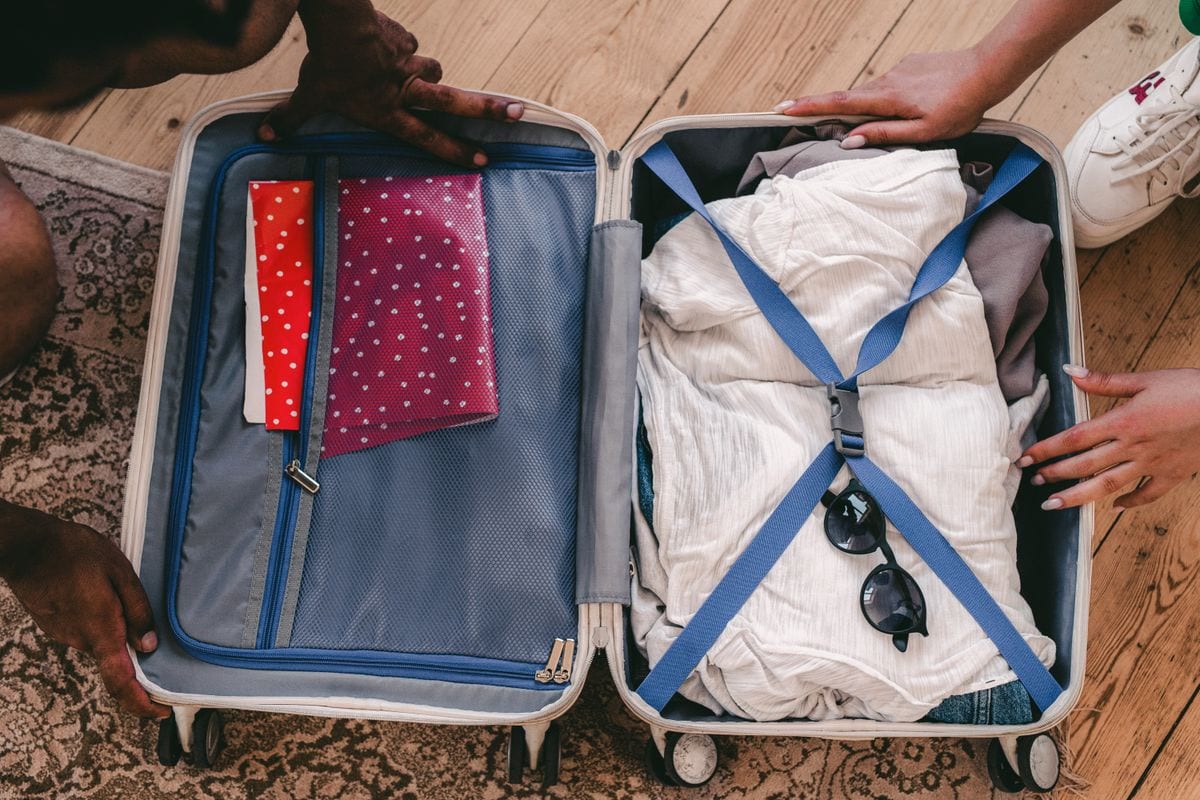
Korea Summer Packing List: July and August Essentials
A Korea summer packing list for July and August: what tourists need for heat, rain, mosquitoes, festivals, payments, and airport days.
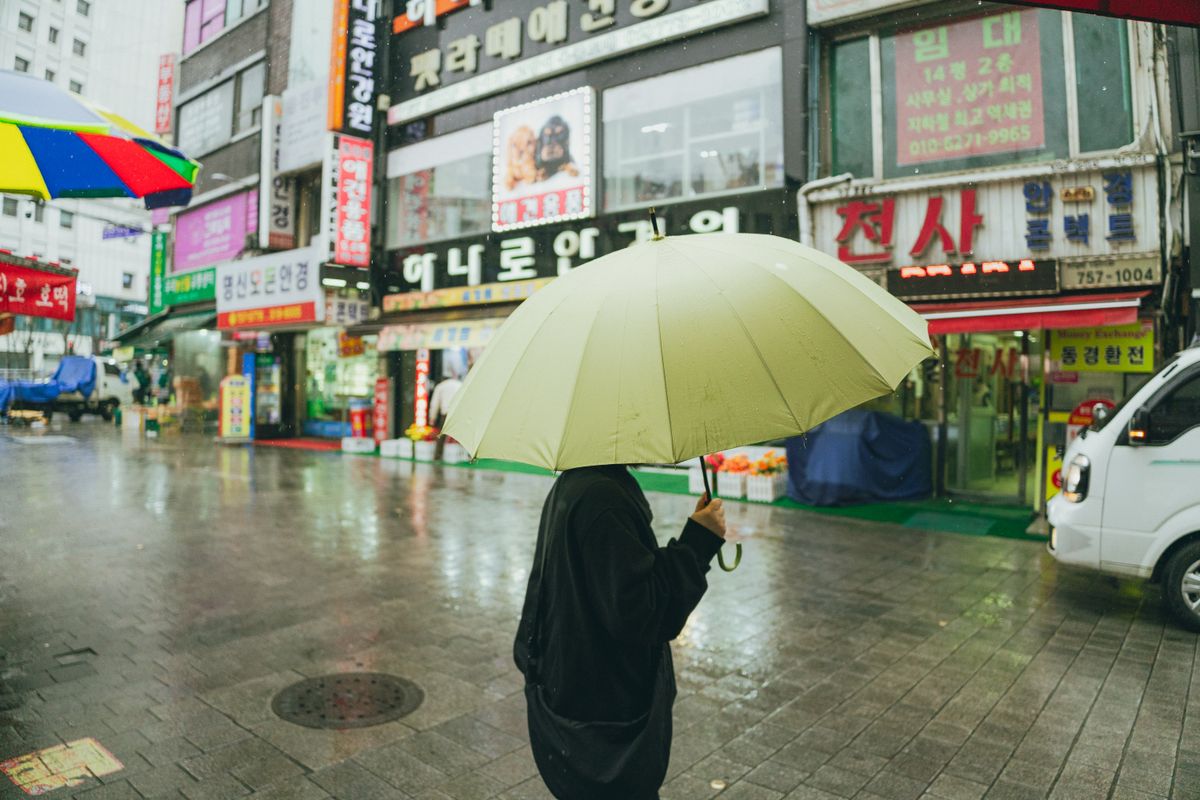
Korea Rainy Season Guide: What to Pack for Jangma
A practical Korea rainy season travel guide for jangma: what to pack, what to wear, where plans break, and how to stay dry in Seoul.
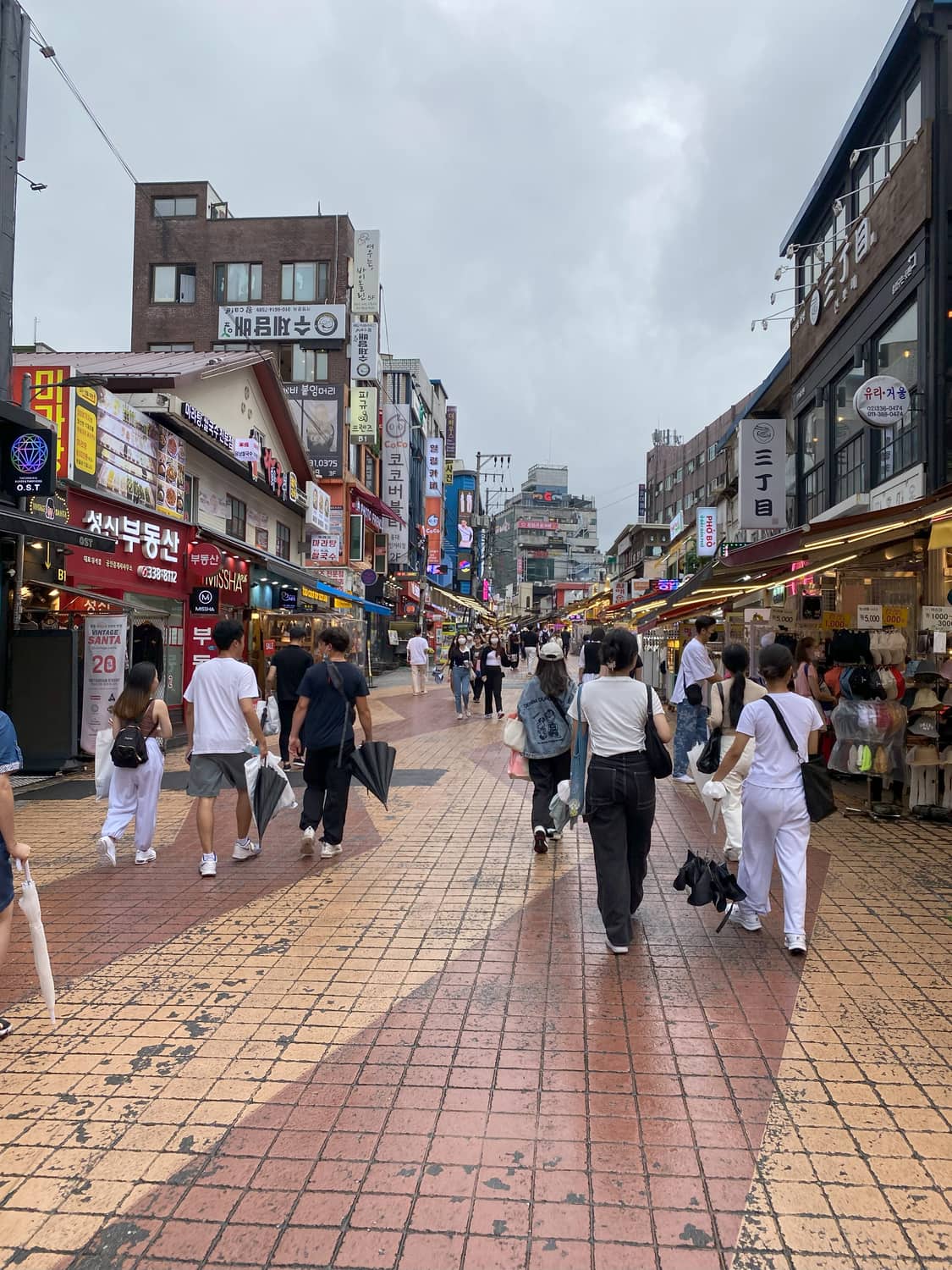
Do Koreans Speak English? Ask Someone Under 35 — What Actually Happens on a Seoul Street
Yes, if you ask the right person. Stop a Korean in their twenties or thirties on a Seoul street and you will almost always get an answer in English. The forum answer that says otherwise is twenty years old. Who to ask, how to ask, where English is built in.