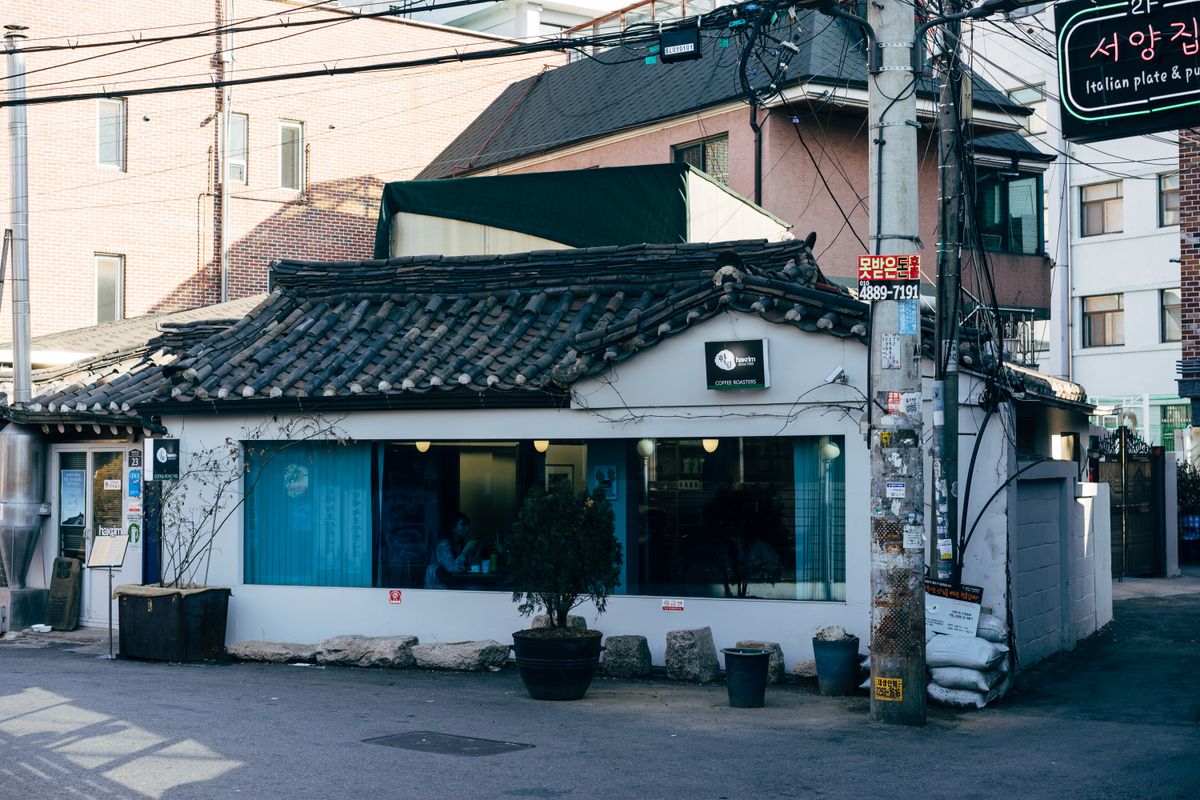
Seoul Salt Bread Bakery Guide: Routes and Real Prices
Seoul salt bread is the kind of food trend that looks small until it rearranges your whole morning. You plan a simple cafe stop. Then someone mentions the queue. Someone else says the best one sells out. You open a map, see three bakeries nearby, and suddenly breakfast has turned into a pilgrimage.
That is Seoul bakery culture in 2026. It is not only about bread. It is about neighborhoods, waiting systems, packaging, social photos, and the very Korean habit of turning one perfect bite into a full route. Salt bread, bagels, old-school cream pastries, hanok cafes, and glossy department-store bakeries all live in the same city. The fun is deciding which version of Seoul you want to taste first.
This guide is for travelers who want a bakery day that actually works. It explains why salt bread became such a Korean cafe obsession, how to build a route around Jayeondo, London Bagel Museum, Cafe Onion, and classic Seoul bakeries, and how to avoid spending your whole trip inside a queue.
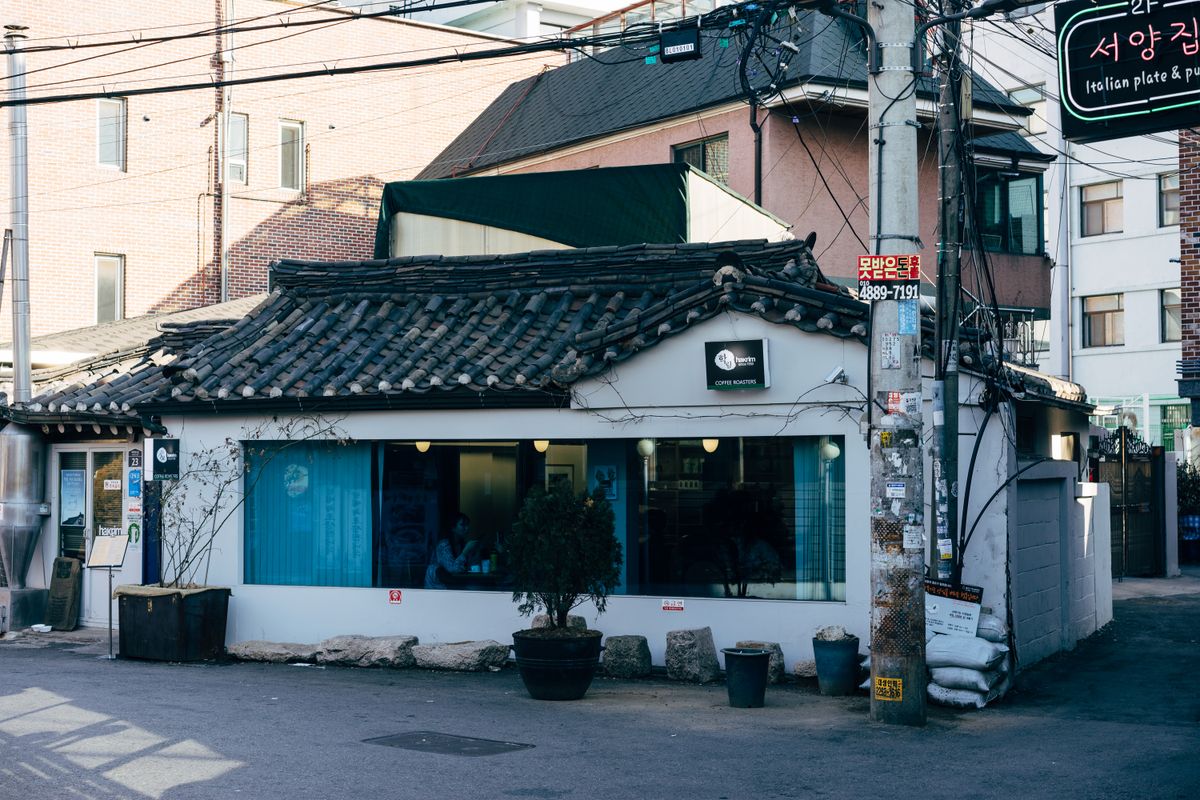
Flaky sea salt — the finishing salt on top of every Seoul salt bread (소금빵)Affiliate link. As an Amazon Associate, EpicKor earns from qualifying purchases at no extra cost to you.
Quick Answer: What Is The Best Seoul Bakery Route?
For a first Seoul bakery route, choose one anchor bakery, one nearby backup, and one neighborhood walk. Do not try to hit every viral place in one day. A good route is easier than a famous route.
The simplest starter plan is:
- Start early at a high-demand bakery such as London Bagel Museum or Jayeondo Salt Bread.
- Add a slower cafe stop nearby, such as a hanok-style cafe or a less-hyped neighborhood bakery.
- Walk instead of transferring too much.
- Eat one item fresh and pack only what will travel well.
- End near a subway line that connects cleanly to dinner.
If you are already planning food-heavy days, pair this with the Seoul night picnic guide, Korean convenience-store food guide, Seoul rainy day itinerary, and Korean department-store food hall guide. A bakery route can be breakfast, snack, souvenir run, and neighborhood tour at once.
What Salt Bread Actually Costs In Seoul
Before the routes, the number, because it decides how many stops your morning can hold.
Salt bread (소금빵) spans roughly ₩1,190 to ₩3,500 a piece in Seoul, and the spread does not run the way visitors assume. The cheapest example is not in a sleepy suburb — it is in Seongsu-dong, one of the city's most fashionable districts, where a bakery sells them at ₩1,190 and made news for it. A Jongno bakery charges ₩1,690, or ₩2,190 for the truffle version. A neighbourhood bakery in Nowon asks ₩3,500.
| Where | Price per piece |
|---|---|
| Seongsu-dong bakery | ₩1,190 |
| Jongno, plain 소금빵 | ₩1,690 |
| Jongno, truffle 소금빵 | ₩2,190 |
| Nowon neighbourhood bakery | ₩3,500 |
Individual bakery prices reported in Korean coverage through 2026. Salt bread is priced per piece, so a three-stop bakery morning is a ₩5,000–10,000 exercise, not a ₩30,000 one.
Two things follow. Neighbourhood is a poor predictor of price — the trendy district is not automatically the expensive one, so do not skip a stop on the assumption it will cost more. And because the item is cheap, a bakery route is limited by appetite and queue time, not by budget. Plan around how long you are willing to stand, not around what you are willing to spend.
Why Salt Bread Became A Seoul Obsession
Salt bread — 소금빵 in Korean, literally "salt bread" — is often linked to Japanese shio pan (시오빵), a soft roll with butter inside and salt on top. Food & Wine and Eater have both traced the trend's broader spread through Japan, Korea, and social media. Eater specifically described how Korea helped popularize salt bread in the early 2020s, with Jayeondo becoming one of the most visible destinations for it.
The appeal is easy to understand when the bread is good. The outside is crisp where butter has met the tray. The inside is soft and slightly hollow where the butter melted into the dough. The salt is not decoration; it cuts the richness. The best one disappears too quickly, which is exactly why people buy more than one.
In Seoul, salt bread also fits the cafe economy perfectly. It is small enough for a snack, photogenic enough for social media, simple enough to compare across shops, and distinctive enough to justify a line. Unlike a complicated dessert, it gives you a clean test: Is the bottom crisp? Is the butter aroma real? Is the salt balanced? Does it still taste good after five minutes?
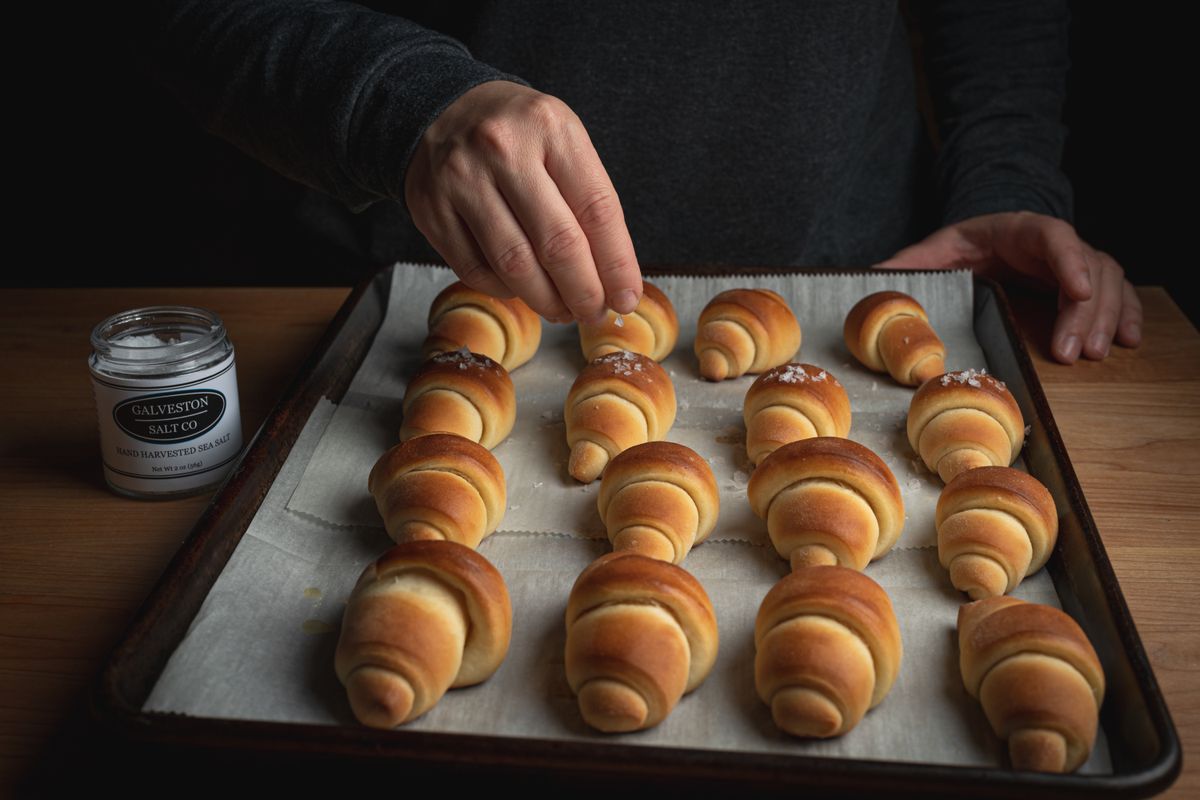
The Seoul Bakery Map: Four Styles To Know
Seoul does not have one bakery scene. It has several, and each one creates a different kind of travel day.
Viral specialty bakeries are built around one famous item: salt bread, bagels, layered pastries, cream buns, or a signature croissant. These are the places that create lines. They are exciting, but they are not forgiving if you arrive late or hungry.
Hanok and neighborhood cafes give you atmosphere. Cafe Onion's Anguk location is famous because the building experience matters as much as the baked goods. You do not go only for a pastry. You go because the roofline, courtyard, tray, and neighborhood make the stop feel like Seoul.
Classic bakeries give you history. Taegeukdang (태극당), founded in 1946 and widely described as Seoul's oldest active bakery, belongs to this category. It is a useful reminder that Seoul bread culture did not begin with Instagram. Old cream breads, castella, monaka ice cream, and retro bakery cases tell a different story from the new wave.
Department-store bakeries are convenient. They may not be the most romantic, but they are practical when it rains, when you need clean restrooms, when you want gifts, or when your group cannot agree on one shop.
| Bakery Style | Best Item To Try | Best Time | Traveler Note |
|---|---|---|---|
| Salt-bread specialist | Fresh salt bread, eaten warm if possible | Morning or before sellout windows | Buy one to eat immediately before judging whether to take extras |
| Bagel destination | Signature bagel with cream cheese or seasonal fillings | Early weekday if your schedule allows | Expect wait systems at the most famous branches |
| Hanok cafe | Pastry plus a slow drink | Late morning or quiet afternoon | Do not rush this stop; the space is part of the value |
| Classic Seoul bakery | Retro cream bread, castella, or monaka-style sweets | Midday when you want history, not hype | Great for travelers who want old Seoul texture |
| Department-store food hall | Giftable pastries and packaged bakery items | Rainy day, evening, or before hotel return | Useful for groups, restrooms, and weather backup |
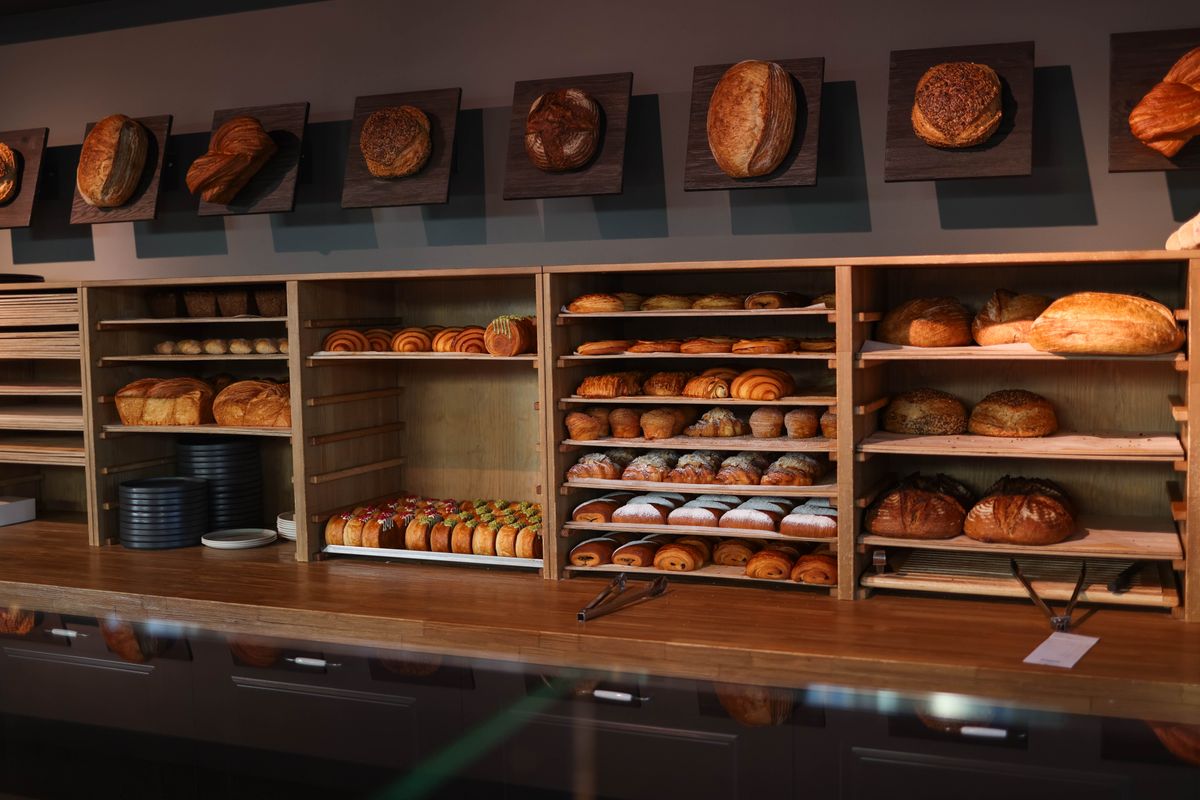
Route 1: Anguk, Bukchon, and The Hanok Bakery Mood
Anguk is the easiest neighborhood for travelers who want bakery culture and Seoul atmosphere together. You can begin with a famous stop such as London Bagel Museum or Cafe Onion, then walk toward Bukchon, Insadong, or Gyeongbokgung depending on your energy.
This route works because it gives you options. If the line is too long at one place, the neighborhood still has cafes, galleries, small shops, and traditional streets. You are not trapped by one pastry. That matters because Seoul's famous bakeries can become travel bottlenecks. A good neighborhood lets you fail gracefully.
The best approach is to start early, eat the item that must be fresh, and save slower browsing for after the first bite. Salt bread and bagels are texture foods. They are never better after a long subway ride in a warm bag. If you buy extras, choose items that travel better: packaged cookies, loaves, or sturdy pastries.
Do not turn Bukchon into a food-only zone. It is a residential area with narrow streets and etiquette expectations. Keep voices low, avoid blocking gates, and remember that not every pretty alley is a photo studio.
Route 2: Gangnam, Dosan, and The Polished Bakery Day
The Gangnam and Dosan side of bakery culture feels different. It is more polished, more fashion-adjacent, and often tied to shopping. A bakery stop can sit between beauty stores, eyewear shops, lifestyle boutiques, and dinner. This is a good route if you want the glossy side of Seoul instead of the hanok side.
London Bagel Museum's Dosan branch is a common anchor for this mood, but the principle is bigger than one brand. The area rewards people who plan by walking clusters. Pick one bakery target, then build around nearby shops rather than jumping across Seoul for every viral item.
This route also suits travelers who care about packaging. Many Seoul bakeries understand the souvenir economy: boxes, branded bags, seasonal tins, and limited sets. That makes shopping fun, but it can also make you overbuy. Ask yourself whether the item will still taste good after a hotel fridge, a flight, or a day in your backpack.
The best edible souvenir is not always the prettiest. It is the one that survives.
Route 3: Jangchung, Taegeukdang, and Old Seoul Bakery History
If the new bakery wave feels too crowded, go classic. Taegeukdang is the obvious anchor because it is historic, still operating, and associated with old Seoul bakery culture. Its story begins in the post-liberation era, long before salt bread and bagel queues became travel content.
This kind of stop changes the mood of the day. You are not chasing the newest viral bite. You are tasting continuity: old-school sweet breads, simple cakes, ice cream sandwiches, and the feeling of a bakery that has seen Seoul rebuild itself many times.
Pair a classic bakery with a nearby walk, museum, or market rather than treating it as a quick checkbox. The value is not only flavor. It is the way the shop shows another layer of Korean modern life: Western-style bakery culture adapted, localized, and loved across generations.
How To Avoid The Queue Trap
Seoul bakery routes fail when people confuse popularity with planning. A famous line can be part of the fun if you expected it. It becomes miserable if you are hungry, cold, wet, or late for your next booking.
Use these rules:
- Go early for one high-demand stop.
- Never schedule two queue-heavy bakeries back to back.
- Save a map backup within a 10-minute walk.
- Eat fragile pastries immediately.
- Keep drinks simple if the pastry is the main event.
- Avoid buying a full box before tasting one piece.
- Do not carry cream-filled items for hours in summer.
- Plan a restroom stop before a long bakery line.
It sounds practical because it is. Seoul rewards flexible travelers. The city has too many good bakeries to let one line ruin the day.
What To Order If You Are Overwhelmed
If you are at a salt-bread shop, order the plain version first. Trend flavors can be fun, but the plain one tells you whether the bakery understands butter, salt, and texture.
At a bagel destination, choose one classic and one seasonal if you are sharing. Too many cream-cheese flavors can flatten the experience. At a hanok cafe, order one baked item that fits the space and one drink you will not rush. At a classic bakery, ask what the shop is known for rather than chasing the most modern-looking item.
The best Seoul bakery day has contrast: one viral bite, one atmospheric pause, one old-school or practical stop. That gives the city room to surprise you.
Sources Checked
- Eater on the rise of Korean salt bread and shio pan
- Food & Wine on the salt bread trend
- Taegeukdang background and history
- Korean baked goods background
FAQ
Q: Is salt bread Korean or Japanese?
Salt bread is closely linked to Japanese shio pan, but Korea helped turn it into a highly visible cafe and social-media trend. In Seoul, it has become part of modern Korean bakery culture.
Q: Is London Bagel Museum worth the wait?
It can be worth it if you enjoy the full branded bakery experience and plan for a possible wait. If your time in Seoul is short, choose one famous bakery and keep a nearby backup.
Q: What is the best neighborhood for a first Seoul bakery route?
Anguk is the easiest first route because it combines famous bakeries, hanok streets, cafes, galleries, and walkable sightseeing. It gives you options if one line is too long.
Q: Can I bring Seoul bakery items home on a flight?
Packaged dry items travel better than cream-filled pastries or delicate bread. Check your airline and destination customs rules, especially for dairy, meat, fruit, or fresh ingredients.
Q: What is the biggest mistake on a bakery day?
Trying to visit too many viral bakeries in one route. Pick one anchor, one backup, and one neighborhood walk. You will eat better and enjoy Seoul more.
You Might Also Like
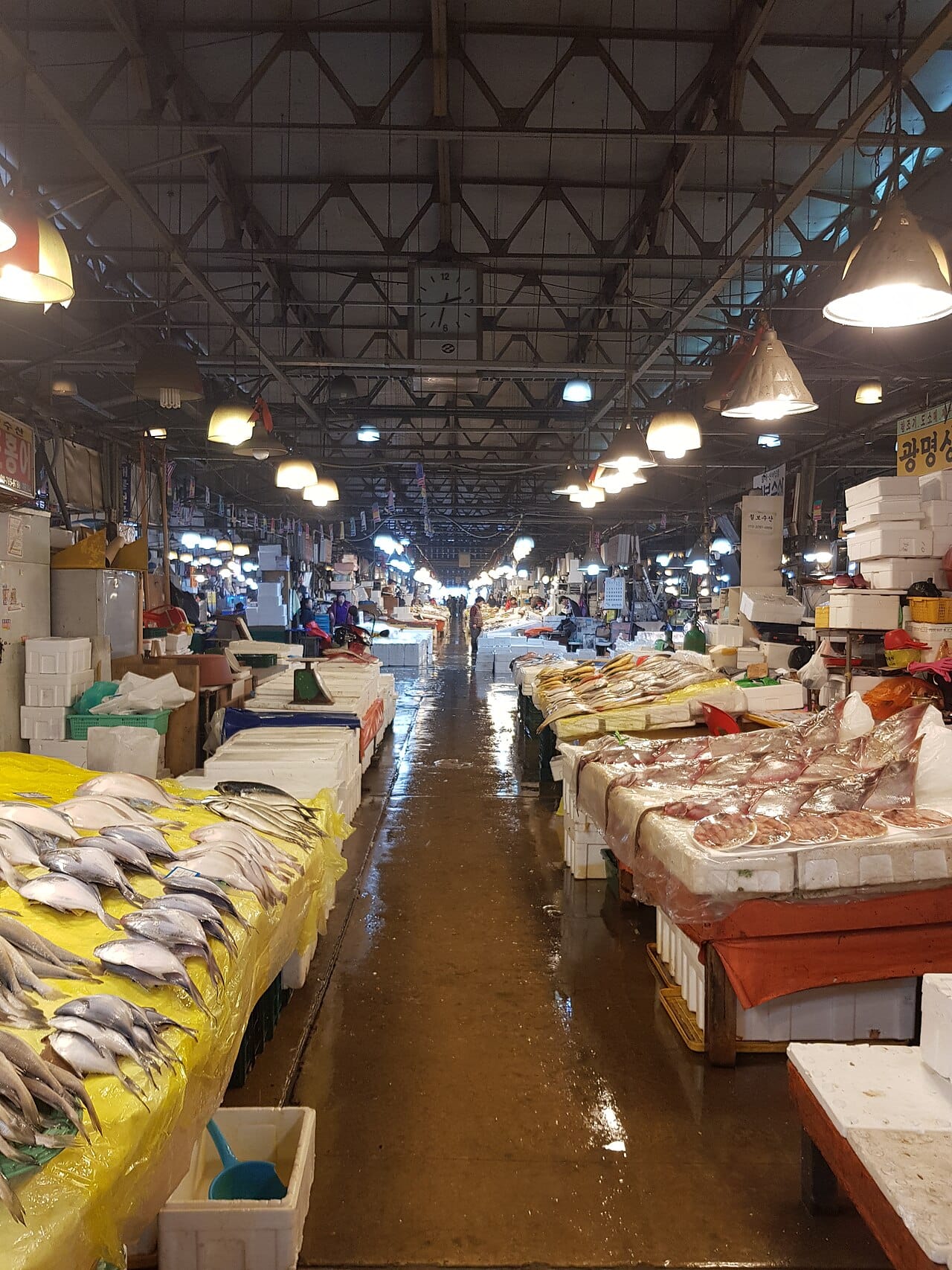
Noryangjin Fish Market Guide 2026: Buy Seafood In Seoul
Noryangjin's upstairs chojangjip charge ₩4,000 a head just to set the table, and more if you skip the stew. How the buy-then-cook flow works, what the fees actually are, when to go, and how not to be overcharged.
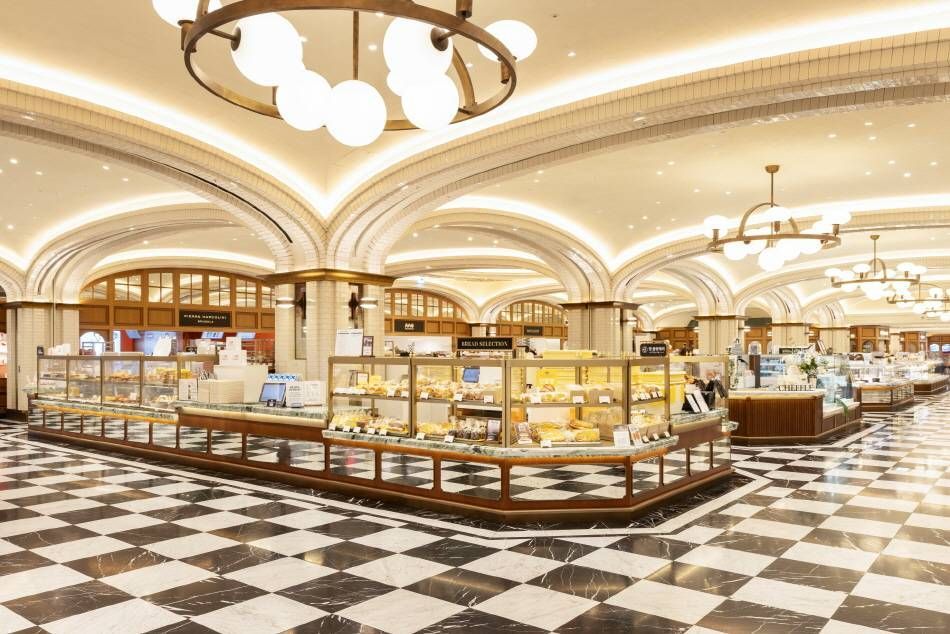
Korean Department Store Food Halls 2026: What To Eat In Seoul
Seoul's department store food halls close at 20:00 on weekdays, earlier than most visitors expect. Real hours for The Hyundai Seoul, Shinsegae Gangnam and Lotte, which basement floor to enter, and how to time a visit so you are not locked out.
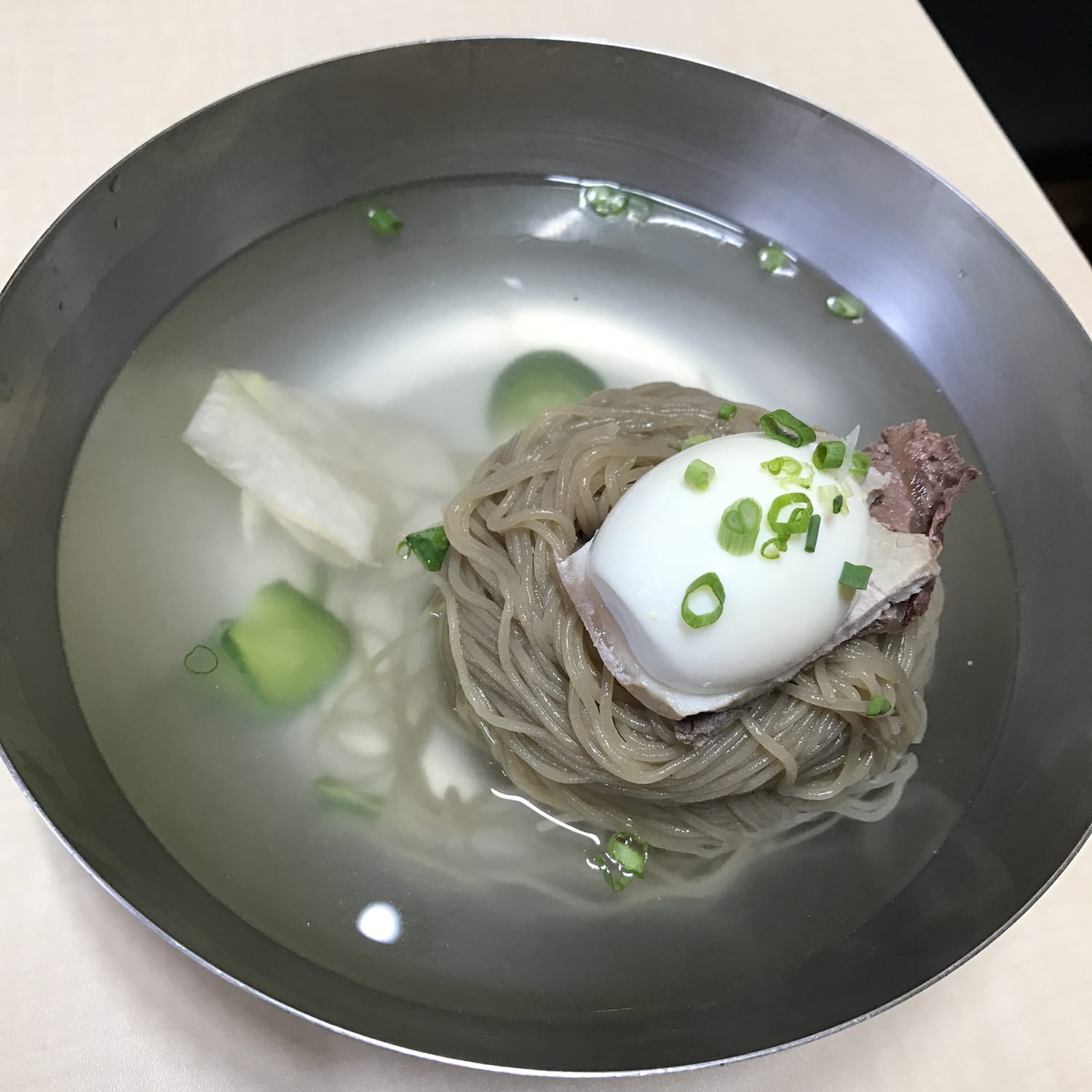
The One Korean Food Foreigners Never Learn to Love: Hamheung Naengmyeon, and Why Koreans Can't See the Problem
Foreigners who eat cheonggukjang and even hongeo still will not pay for this twice. A Korean creator who fed foreigners for years says naengmyeon was the overwhelming number one refusal, and Koreans, who rank it first every summer, cannot see why.