Samgyetang And Boknal 2026: Korea's Hot Summer Soup
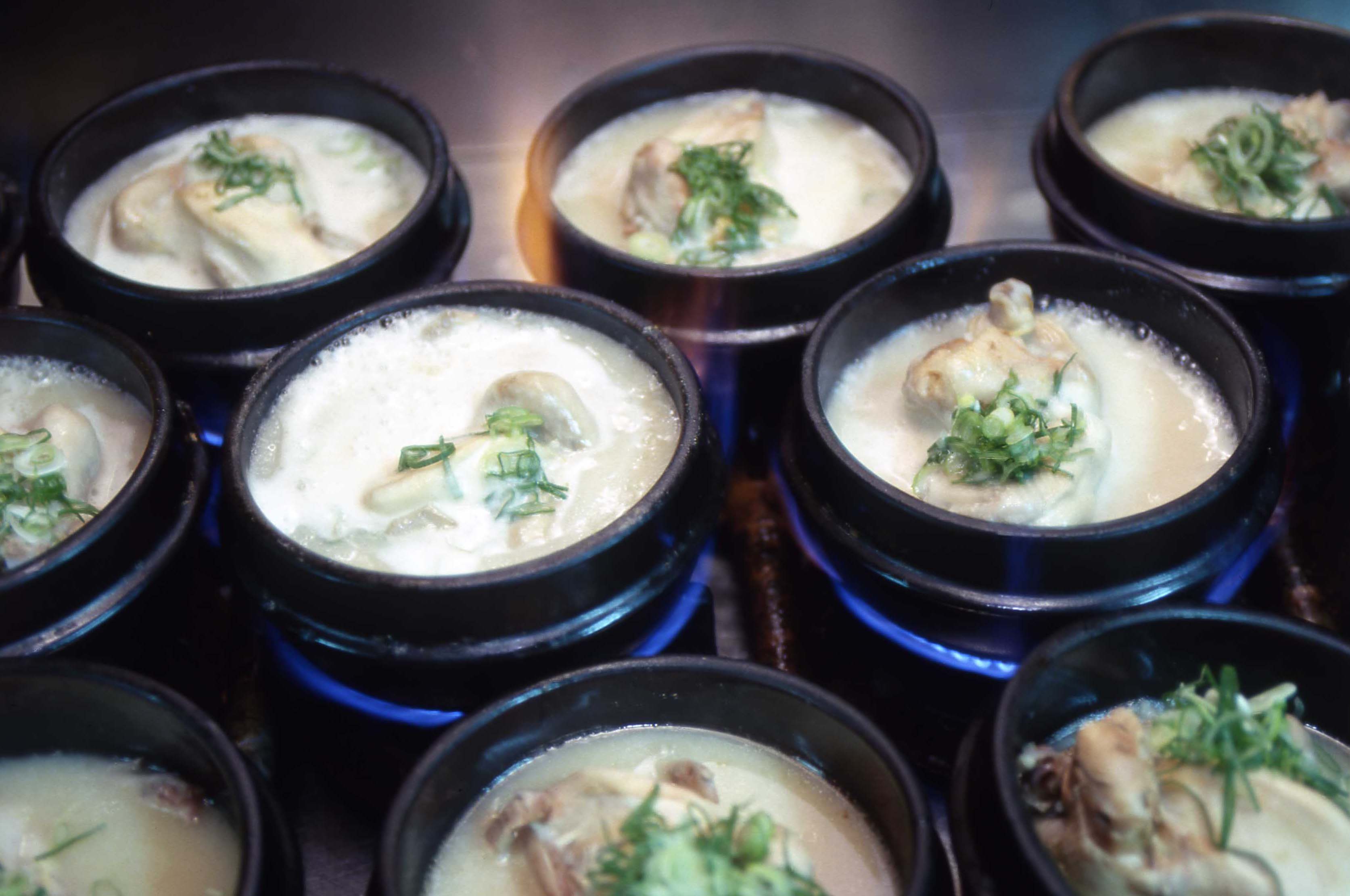
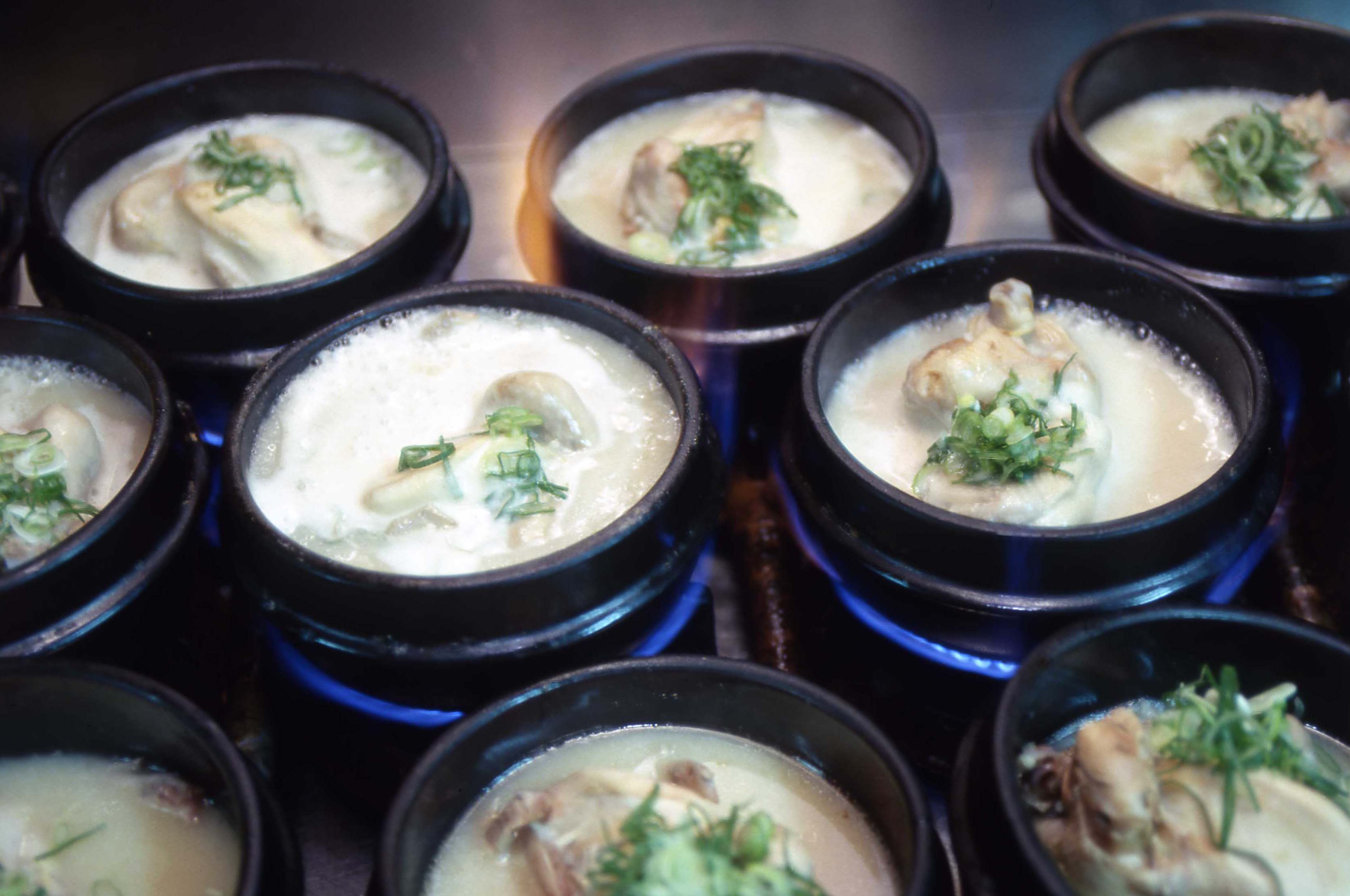
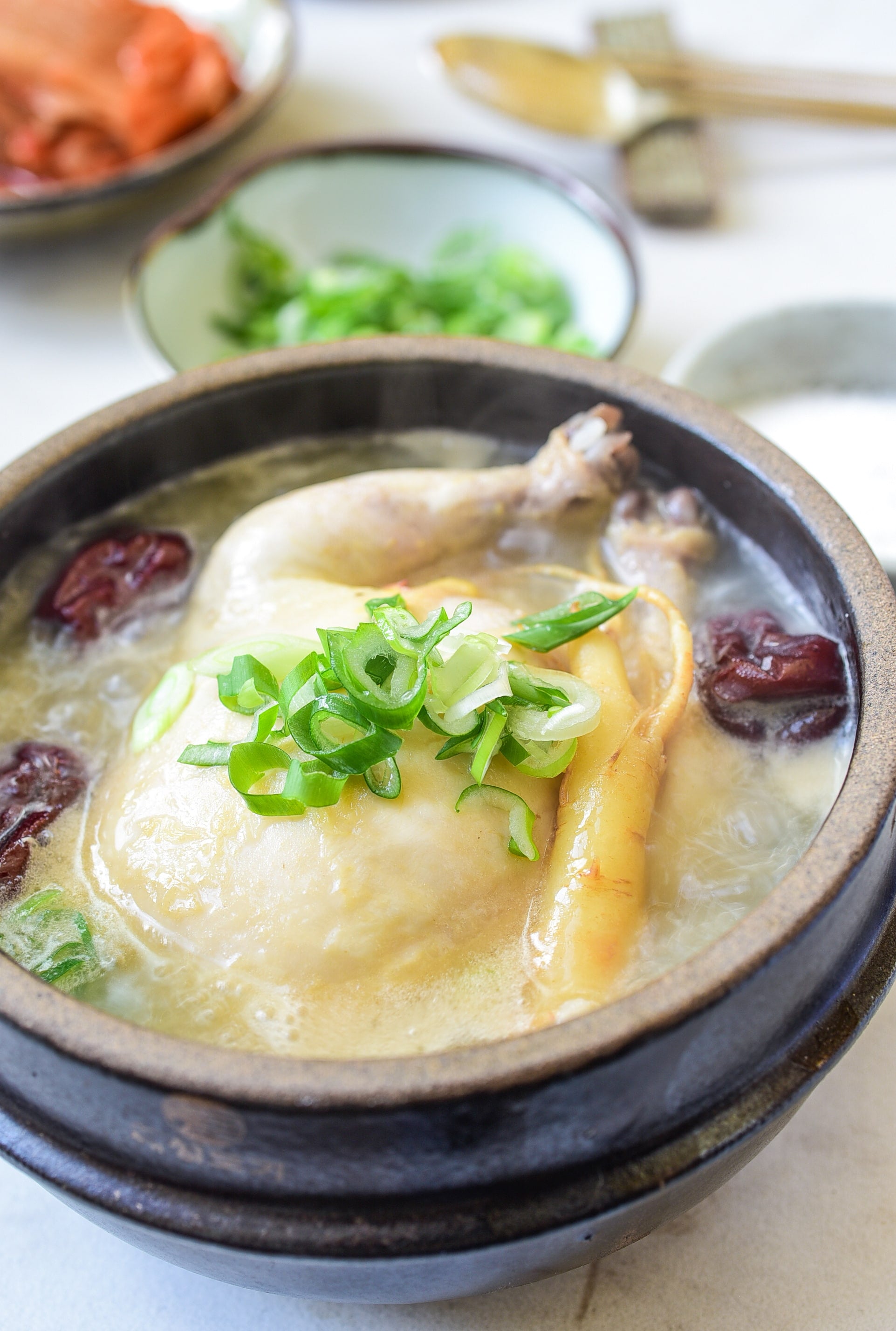
Samgyetang looks like the opposite of summer food. It arrives boiling hot, usually in a black stone bowl, with a whole young chicken in a pale broth. Inside the chicken there may be sticky rice. Around it you may see ginseng, garlic, jujube, green onion, and sometimes other herbal ingredients. The table may already be sweating before you take the first spoonful.
That is exactly why it matters in Korea. Samgyetang is one of the foods most closely tied to Boknal, the three hottest traditional days of summer known as Sambok: Chobok, Jungbok, and Malbok. Instead of fighting heat with ice only, Korean food culture often answers summer exhaustion with hot, restorative meals. The common phrase is "fight heat with heat," but the real experience is more specific: sit down, sweat, eat slowly, season the broth yourself, and leave feeling like your body has reset.
This guide explains what samgyetang is, why Koreans eat it during Boknal, what is inside the soup, how to order it, and how to understand the tradition without turning food culture into medical advice. Samgyetang is beloved as a summer health food, but this article treats that as a cultural practice, not as a promise that one bowl can cure anything.
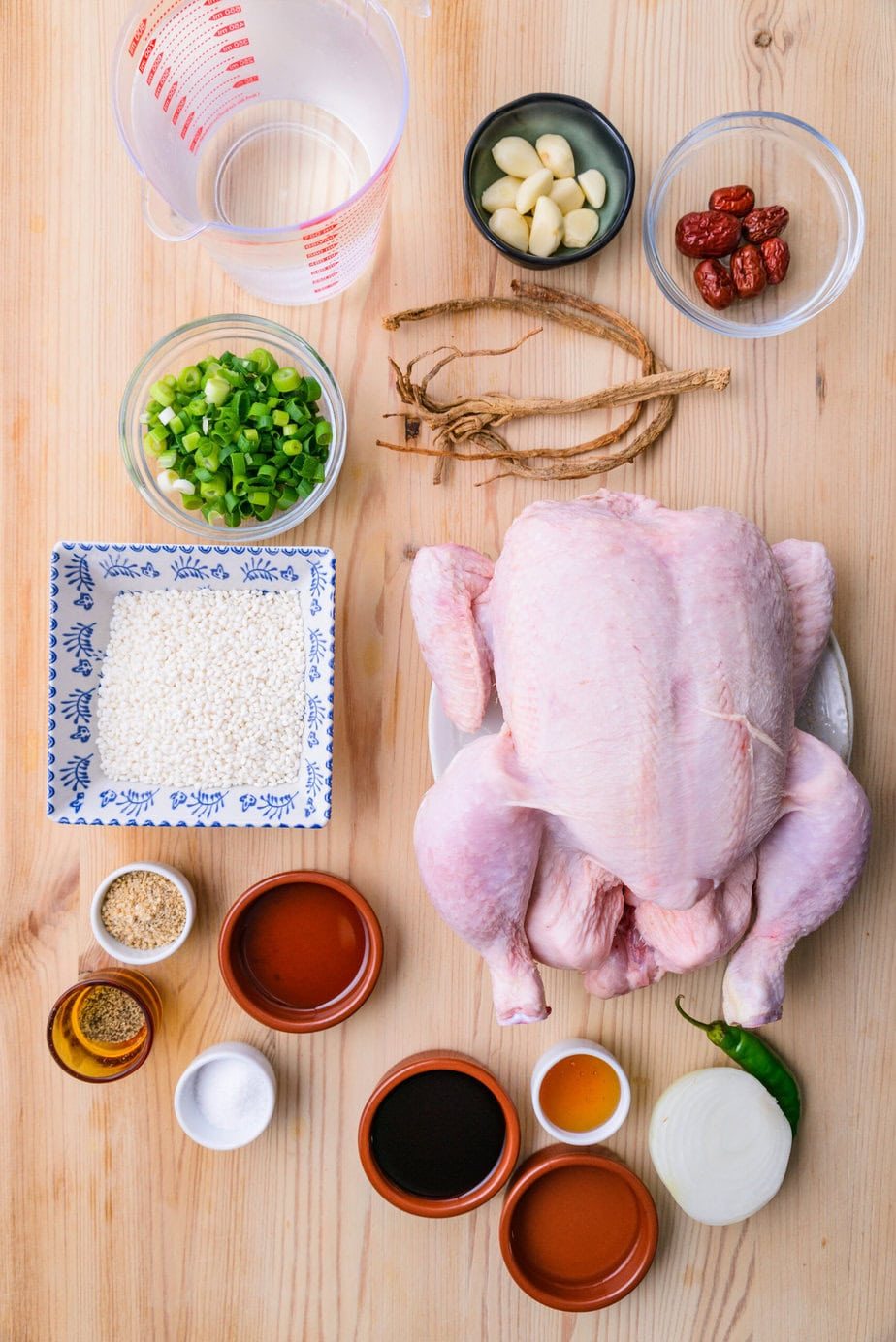
Surasang samgyetang herb kit, made in Korea — on AmazonAffiliate link. As an Amazon Associate, EpicKor earns from qualifying purchases at no extra cost to you.
Quick Answer: What Is Samgyetang?
Samgyetang is Korean ginseng chicken soup. The name breaks down simply: sam refers to ginseng, gye refers to chicken, and tang means soup. The classic version uses a small young chicken, often stuffed with glutinous rice, then simmered with ginseng, garlic, jujube, and other aromatics until the meat turns tender and the broth becomes rich.
In Korea, samgyetang is strongly associated with Boknal, especially the three Sambok days that mark the hottest part of summer. The dates shift each year because they follow the lunar-solar calendar rather than fixed days. In 2026 they fall on 15 July (Chobok, 초복), 25 July (Jungbok, 중복) and 14 August (Malbok, 말복).
There is something unusual about this year worth knowing before you plan. The gap between Jungbok and Malbok is normally ten days; in 2026 it is twenty, a pattern Koreans call 월복 (wolbok). Practically, that stretches the hot-soup season across a longer window than usual and pushes the final Boknal deep into August, so the queues and the seasonal promotions run later than a visitor comparing against last year would expect.
| 2026 Boknal | Date | Korean |
|---|---|---|
| Chobok — the first | 15 July 2026 | 초복 |
| Jungbok — the middle | 25 July 2026 | 중복 |
| Malbok — the last | 14 August 2026 | 말복 |
2026 is a wolbok (월복) year: twenty days between Jungbok and Malbok instead of the usual ten.
If you are visiting Korea, order samgyetang when you want a filling, Korea-first summer meal rather than a light snack. If you are cooking outside Korea, you can approximate it with a small chicken or Cornish hen, glutinous rice, garlic, jujube, and ginseng or a samgyetang ingredient kit from a Korean grocery store.
For a wider Korean summer food route, pair this guide with EpicKor's bingsu guide, hwachae guide, and Korean convenience store ice cream guide. Samgyetang sits on the other side of summer: not cold dessert, but hot stamina food.
Why Eat Hot Soup On The Hottest Days?
The idea sounds strange if your summer habit is iced coffee, shaved ice, cold noodles, and air conditioning. But Korean seasonal eating is not only about temperature. It is about balance, appetite, and what the body is imagined to need when the weather drains energy.
Boknal is the traditional frame. Chobok marks the beginning, Jungbok the middle, and Malbok the end of the hottest seasonal stretch. On these days, people often eat foods thought to restore strength. Samgyetang became one of the most famous choices because it combines protein, warm broth, rice, garlic, ginseng, and a ritual of slow eating.
Part of the appeal is psychological. Summer can make heavy meals feel impossible, but samgyetang gives you a single bowl that is complete: meat, soup, rice, seasoning, and side dishes. You do not have to assemble many plates. You do not have to negotiate spice level if you choose a classic clear version. The broth is gentle, the chicken is soft, and the meal feels structured.
There is also a practical restaurant culture around it. On Boknal, samgyetang restaurants can have lines. Offices may order it. Families may choose it as a seasonal meal. Grocery stores may sell ingredients or kits. Even people who do not eat it every year understand what the food signals: midsummer has arrived.
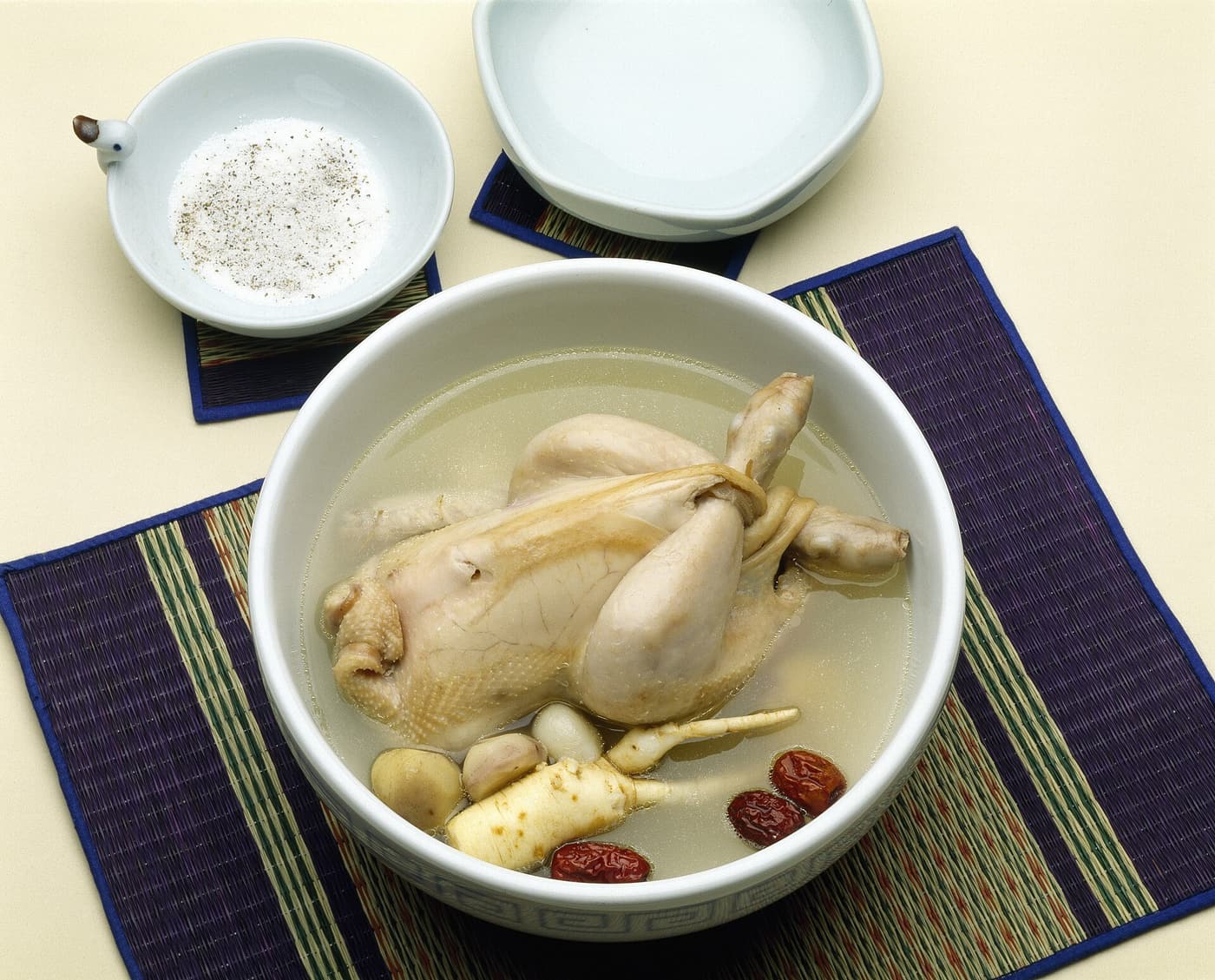
A classic bowl. The chicken is whole and stuffed, and the broth is deliberately pale — the seasoning happens at the table, not in the pot. Photo by wizdata, CC0.
What Goes Inside A Classic Bowl?
The core is a small chicken. Restaurants usually serve one small bird per person, though the size can vary. The chicken is not chopped into stew pieces. It often arrives whole, which can surprise first-time diners. You use chopsticks and a spoon to open it, pull meat from the bones, and reach the rice inside.
Glutinous rice, also called sweet rice or chapssal, is usually stuffed inside the cavity. It expands while cooking and absorbs chicken and ginseng flavor. Some restaurants make the broth thicker by cooking extra rice into the soup. Others keep the broth clearer and let the stuffed rice act like a soft center.
Ginseng gives the dish its name and its herbal identity. Fresh ginseng is prized, but dried ginseng or packaged samgyetang kits are also common. Garlic and jujube are standard. Ginger, chestnut, ginkgo, milk vetch root, or other herbs may appear depending on restaurant style. If this bowl makes you curious about Korea's supplement-and-gift culture, read EpicKor's Korean red ginseng guide, which explains product formats, label checks, and safety cautions separately from the soup tradition.
The soup is often served with salt and pepper on the side. This matters. The broth may taste under-seasoned at first because many places expect diners to season it individually. Some people add salt to the soup. Others dip pieces of chicken into salt and pepper.
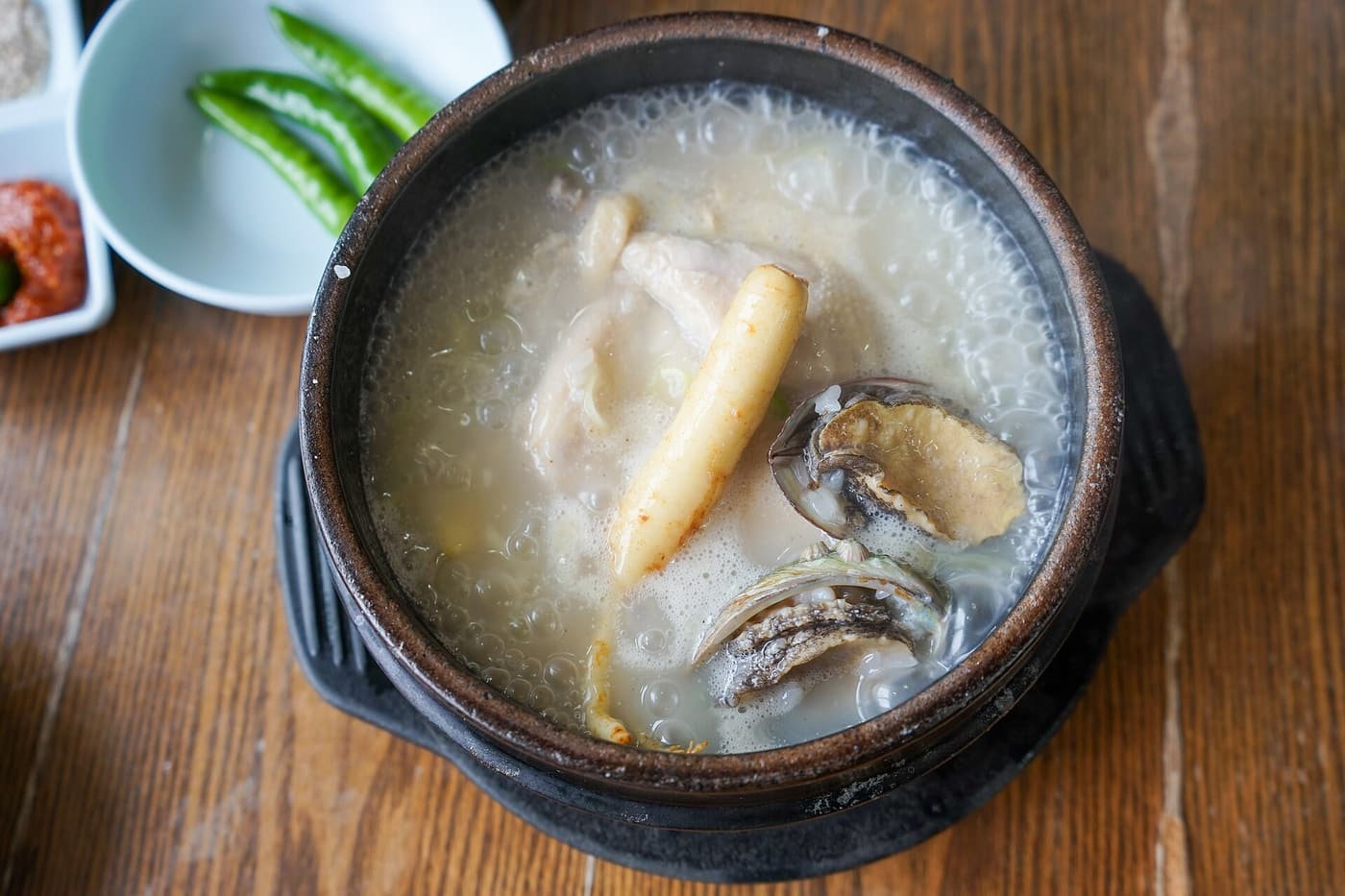
The Jeju variant adds abalone. Regional versions like this are the main reason two bowls of "samgyetang" can look nothing alike. Photo by Chae Ji-hyung, CC BY 4.0.
Samgyetang Vs Baeksuk, Dak Gomtang, And Other Chicken Soups
Samgyetang is not every Korean chicken soup. The ginseng matters. A whole chicken soup without ginseng may be closer to baeksuk, a boiled chicken dish that can be served with broth, rice, or dipping salt. Dak gomtang is another chicken soup style, usually clearer and more everyday than the Boknal-associated samgyetang ritual.
The difference is not only ingredients. Samgyetang is often served as one personal bowl with a whole small chicken. Baeksuk can feel more like a shared chicken meal. Dak gomtang can feel more like a simple soup-and-rice dish. Samgyetang has a stronger seasonal and symbolic identity.
There are also restaurant variations. Some places make black garlic samgyetang. Some use perilla seed powder, abalone, medicinal herbs, or a thicker broth. Premium restaurants may emphasize deep stock and specialty ingredients. Tourist-friendly restaurants may keep the flavor gentle and accessible.
For a first bowl, start classic. You want to understand the baseline before chasing variations. The baseline is tender chicken, rice inside, light but fragrant broth, ginseng aroma, and enough salt on the table to make the flavor your own.
How To Order Samgyetang In Korea
At a specialized restaurant, ordering is usually simple. You may see a basic samgyetang, then premium versions with abalone, extra ginseng, black chicken, medicinal herbs, or special broth. If you are new to the dish, basic samgyetang is usually the best order.
If the restaurant is crowded during Boknal, expect a focused menu and quick turnover. Some famous Seoul restaurants can have long lines. In smaller cities, neighborhood samgyetang restaurants may be easier, but the seasonal rush still matters.
When the bowl arrives, do not rush. The soup is hot. Open the chicken carefully with chopsticks or a spoon. Taste the broth before adding salt. Pull some meat, dip it lightly in salt and pepper, then eat it with broth and rice. The rice inside may be soft, sticky, and full of chicken flavor.
Side dishes are usually simple. Kimchi and kkakdugi, cubed radish kimchi, are common. Fresh green chili, garlic, or dipping sauce may appear. The side dishes matter because samgyetang itself is gentle. A bite of radish kimchi can wake up the meal.
If you are eating with Koreans, do not worry about perfect technique. The food is practical. The main thing is to avoid splashing hot broth, season gradually, and give the bowl time.
Boknal Restaurant Strategy
Boknal is a great time to eat samgyetang culturally, but it is not always the easiest time logistically. Restaurants may be crowded. Famous places may have lines before lunch. Delivery apps and grocery stores may promote samgyetang heavily.
If you are a traveler, you do not need to eat samgyetang exactly on Chobok, Jungbok, or Malbok. Eating it during the surrounding summer period still gives you the experience without the longest wait. If you do want the ritual itself, the 2026 dates are 15 July, 25 July and 14 August — arrive before 11:30 or after 14:00, and expect the famous shops to be at their worst around noon.
What it costs is worth knowing before you sit down. A bowl of samgyetang in Seoul averaged ₩18,154 as of May 2026, and that number has climbed 29% in five years — it was ₩14,077 in 2021 and ₩17,654 last year. Famous shops sit above the average: Tosokchon (토속촌) is around ₩20,000 a person, and the priciest specialists in central Seoul now ask ₩30,000. A family of four eating out on Boknal at a dedicated restaurant will spend roughly ₩80,000 on the basic menu alone.
That price ladder changes the honest advice. If you want the dish, a neighbourhood restaurant at the ₩17,000–18,000 mark serves the same thing the famous shops do, without the queue. Pay the premium for Tosokchon if you specifically want the room, the location beside Gyeongbokgung, and the photograph — not because the soup is meaningfully different.
Lunch can be crowded because office workers go together. Early dinner can also be busy. Mid-afternoon may be easier if the restaurant stays open between meal rushes, but not all places do. Check operating hours.
If you are heat-sensitive, remember that samgyetang is physically hot. Choose a restaurant with strong air conditioning. It is normal to sweat. That is part of the meal, but you do not need to suffer through a stuffy room to prove anything.
| Traveler Goal | Best Samgyetang Choice | Why |
|---|---|---|
| First-time Korean food experience | Classic basic samgyetang | Shows the baseline flavor without expensive add-ons |
| Food-focused Seoul trip | Specialized samgyetang restaurant | Better broth depth and stronger seasonal atmosphere |
| Easy home version outside Korea | Small chicken plus samgyetang kit | Reduces ingredient confusion and keeps the flavor close |
| Budget meal in summer | Neighborhood restaurant or ready-made grocery option | Still gives the Boknal feeling without a famous-shop queue |
What Does Samgyetang Taste Like?
The taste is gentler than many visitors expect. If your idea of Korean food is gochujang, kimchi stew, spicy noodles, or grilled meat, samgyetang can feel almost quiet. The broth is usually pale, warm, and chicken-forward with a light herbal edge. The ginseng can be earthy or slightly bitter. Garlic softens into the broth. Jujube adds a mild sweetness.
The chicken should be tender enough to pull apart easily. The rice inside should feel soft and sticky, almost like a small porridge hidden inside the bird. The side salt matters because the soup is not always aggressively seasoned in the kitchen.
The first spoon may seem too mild. The second and third spoon usually make more sense. Samgyetang is not a punchy dish. It is a building dish. The heat, broth, chicken, rice, and salt slowly become satisfying.
If the broth tastes flat, add a little salt. If the ginseng feels too strong, eat more rice and chicken with kimchi. If the portion feels too large, focus on the meat and broth first, then return to the rice. Many first-timers discover that the meal becomes better as the bowl cools slightly.
Can You Make Samgyetang At Home?
Yes, but do not overcomplicate the first attempt. Use a small chicken or Cornish hen. Rinse and soak glutinous rice. Stuff the bird loosely because the rice expands. Add garlic, jujube, ginseng, ginger if you like, and enough water or light stock. Simmer until the chicken is tender and the rice is cooked.
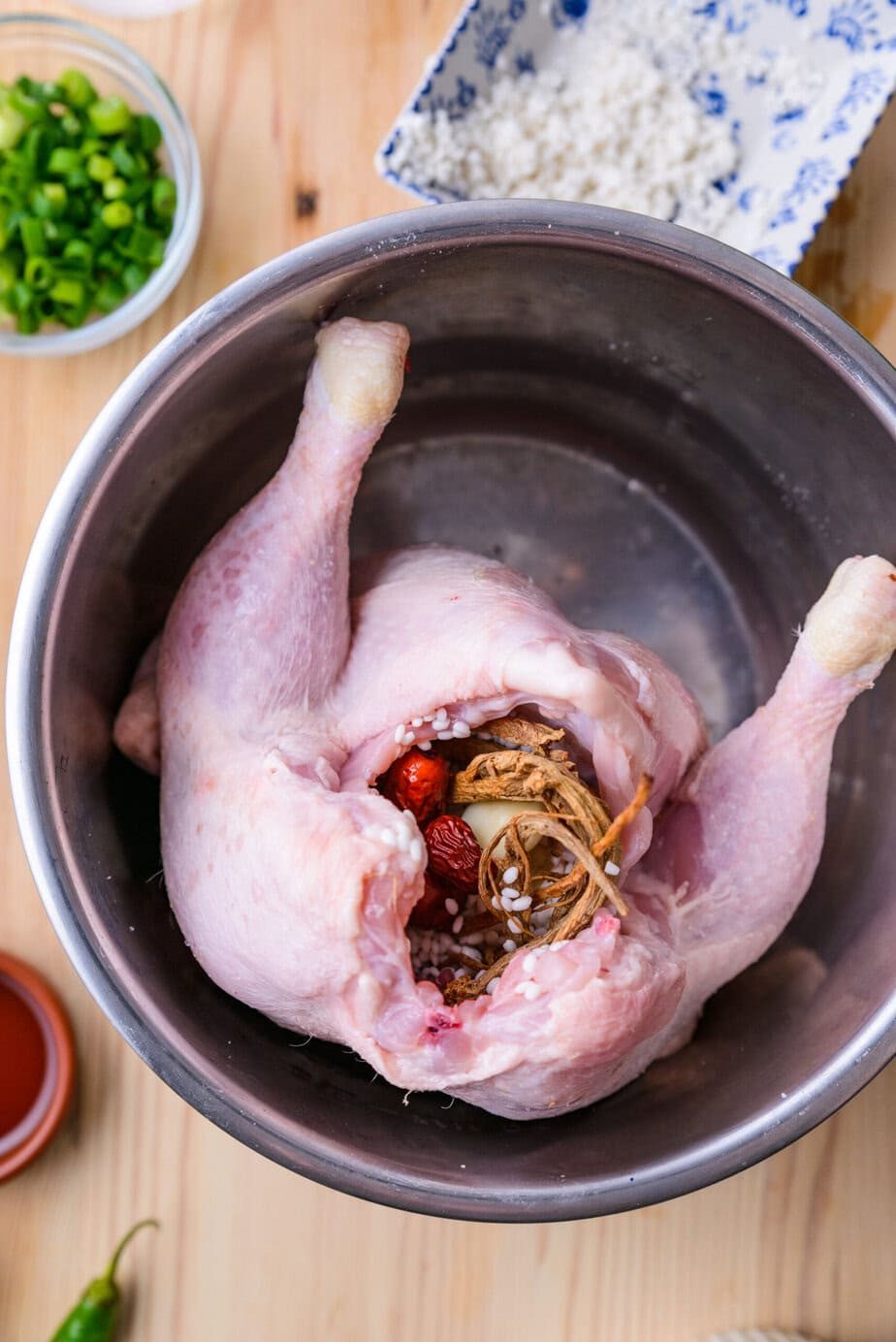
The hardest part outside Korea is sourcing ginseng and jujube. Korean grocery stores often sell fresh ginseng in summer or packaged samgyetang kits with dried ingredients. Those kits are useful because they prevent you from buying a confusing pile of herbs for one dish.
Do not expect the first home version to taste like a famous restaurant. Restaurants may use deeper stock, better chickens, special herbs, and repeated practice. Your goal is to understand the structure: whole chicken, rice, broth, ginseng, garlic, jujube, salt, and slow eating.
If you have a pressure cooker or Korean-style rice-cooker cooking habits, be careful with whole chicken recipes and follow appliance safety instructions. Samgyetang is simple in concept, but whole poultry and hot broth need proper cooking and food-safety basics.
For broader Korean home cooking, read EpicKor's Korean rice cooker guide and Korean grocery store guide. If you are tempted to buy red ginseng as a gift rather than a soup ingredient, use the Korean red ginseng buying guide first so you compare labels, serving size, and caution notes.
Common Mistakes
The first mistake is expecting spicy soup. Samgyetang is usually not spicy. If you want heat from chili, this is not the dish. Its heat is temperature and broth, not red pepper.
The second mistake is adding all the salt immediately. Taste first. Add slowly. Some broth becomes much better with a little salt, but too much can flatten the gentle ginseng and chicken flavor.
The third mistake is ignoring the rice inside. The rice is part of the dish, not a side accident. Open the chicken carefully and eat the rice with broth.
The fourth mistake is turning tradition into a medical claim. Koreans may call samgyetang a health food or stamina food, but that does not mean it should be treated as medicine. Enjoy it as food culture first.
The fifth mistake is going to the most famous restaurant on Boknal without a plan. If the line is too long, a neighborhood restaurant on a nearby day may give you a better actual meal.
FAQ
Q: When is Boknal in 2026?
Chobok (초복) is 15 July 2026, Jungbok (중복) is 25 July, and Malbok (말복) is 14 August. The Jungbok-to-Malbok gap is twenty days this year rather than the usual ten, a pattern called wolbok (월복), which stretches the season later into August than normal.
Q: How much does samgyetang cost in Seoul?
About ₩18,154 on average as of May 2026, up 29% from ₩14,077 in 2021. Famous shops charge more — Tosokchon (토속촌) is around ₩20,000 per person and the most expensive central-Seoul specialists reach ₩30,000. Neighbourhood restaurants at the average price serve the same dish with a much shorter wait.
Q: What is Boknal?
A:
Boknal refers to the hottest traditional summer days in Korea, especially the three Sambok days: Chobok, Jungbok, and Malbok. Many Koreans eat restorative foods such as samgyetang during this period.
Q: Is samgyetang spicy?
A:
No. Classic samgyetang is usually a mild chicken and ginseng soup. It may be served with kimchi, radish kimchi, salt, and pepper, but the soup itself is not a red chili stew.
Q: Do Koreans eat samgyetang only on Boknal?
A:
No. Boknal is the symbolic peak season, but samgyetang is available and eaten outside those exact dates. Restaurants and grocery stores simply promote it more strongly during the summer heat period.
Q: Is samgyetang healthy?
A:
It is traditionally treated as a restorative Korean summer food, but it should not be treated as a medical cure. It is a filling chicken soup with rice, garlic, ginseng, and broth, and individual nutrition depends on portion size, ingredients, and personal health needs.
Sources Checked
You Might Also Like
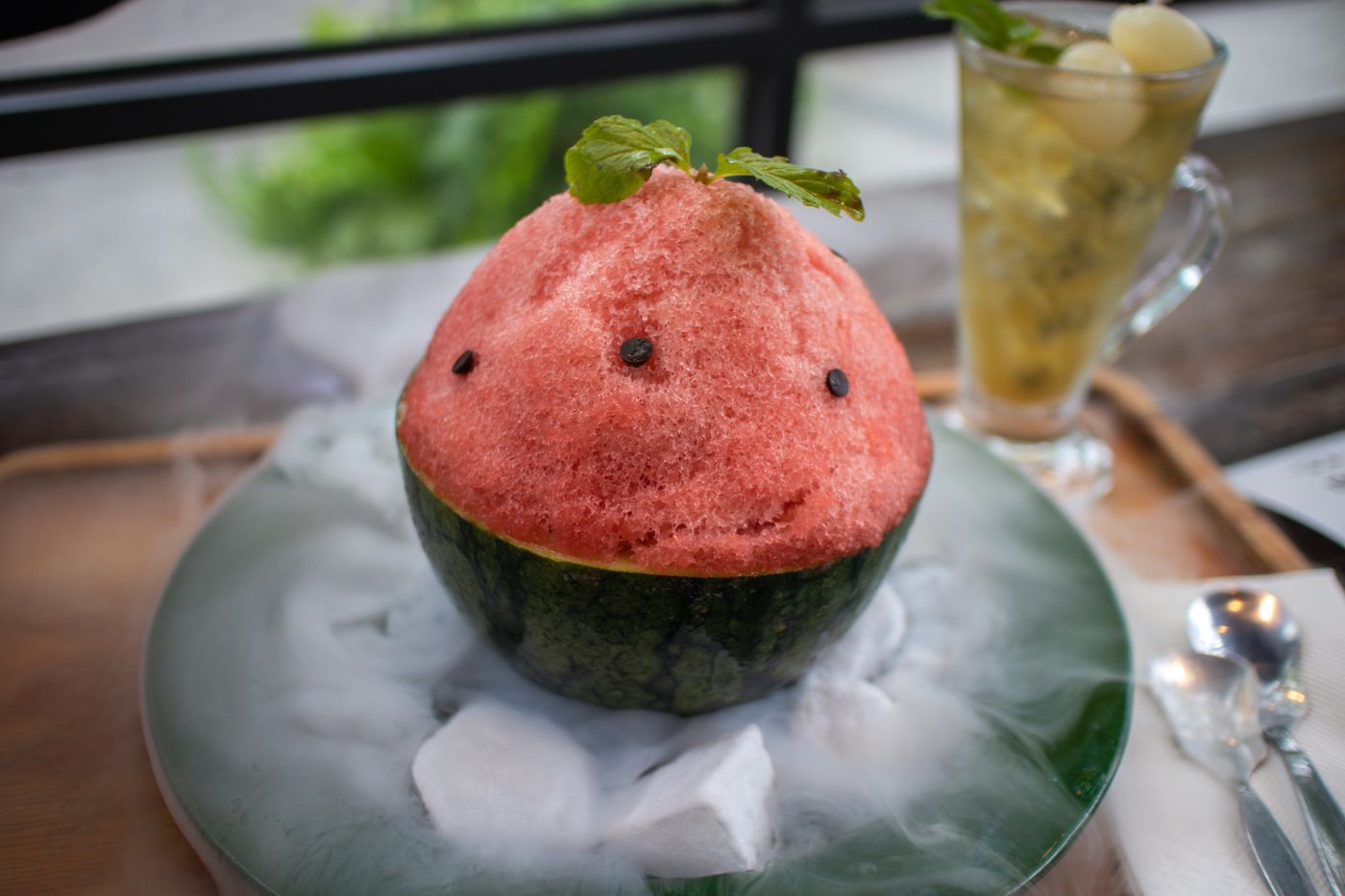
Korean Bingsu Guide: Why the Same Dessert Costs ₩9,900 and ₩149,000
Korean bingsu runs from ₩9,900 at Sulbing to ₩149,000 at a Seoul hotel — a 15x spread for the same word. Here is what you actually get at each tier, this season's hotel prices and end dates, and why one mango costs more than the bowl.
Korean Hwachae: Summer Fruit Punch and Picnic Culture
Korean hwachae is watermelon fruit punch, and 2026 flipped its economics — after a ₩30,132 spike in May, wholesale watermelon fell about 35% year on year. The milk and soda versions, picnic culture, and a home recipe.
Korean Drinks Guide: What to Buy in a Korean Convenience Store, With the Price, Sugar and Caffeine of Every Bottle
Korean drinks sorted by what you need, priced from CU's own catalogue on 2 October 2026: Bacchus ₩1,000, banana milk ₩1,800, Milkis ₩1,600 with 31 g of sugar. Which have caffeine, which only look like alcohol, and which to skip.