K-Living Guide: Korean Warm Minimalism for Small Homes
K-living is not a rulebook for making your home look like a drama set. It is a practical Korean-inspired way to make a small home feel calm, warm, flexible, and lived-in. The best version borrows from Korean apartment life, floor culture, hanok principles, cafe aesthetics, and modern lifestyle brands without turning your living room into a showroom.
This guide explains Korean warm minimalism in a way you can actually use: palette, lighting, storage, floor-level comfort, small-apartment zoning, object selection, and mistakes to avoid. If you want more cultural background, pair it with EpicKor's hanok experience guide, Korean housewarming culture guide, and Korean floor culture and shoe-off home habits.
What Is K-Living?
K-living is a broad term for Korean-influenced home and lifestyle aesthetics. Online, it often appears as warm minimalism: cream walls, light wood, soft fabric, low furniture, plants, indirect lighting, ceramics, and very controlled clutter. In real Korea, homes are more varied. Families, renters, officetel residents, students, and apartment owners do not all live inside beige mood boards.
So the useful version is not "copy a Korean influencer's room." It is this: make the room feel calm, functional, warm, and flexible. Korean homes often need to do a lot in limited space. A table may become a work surface, snack table, folding station, and guest surface. Storage needs to hide visual noise. Lighting needs to soften concrete apartment boxes. Floor comfort matters because Korea has a long floor-centric living tradition.
Indoor slippers and house shoes — compare on AmazonAffiliate link. As an Amazon Associate, EpicKor earns from qualifying purchases at no extra cost to you.
The Warm Minimalism Palette
The safest K-living palette is warm, not sterile. Use cream, oatmeal, light oak, clay, soft gray-beige, muted green, and small black or metal accents. Avoid making the space too white. Pure white plus harsh ceiling light can feel clinical instead of calm.
| Element | Good K-living choice | Why it works | Common mistake |
|---|---|---|---|
| Walls | Warm white, cream, soft beige | Reflects light without feeling cold | Stark blue-white paint |
| Wood | Light oak, birch, pale walnut | Adds warmth and visual softness | Too many clashing wood tones |
| Textiles | Linen, cotton, boucle, soft wool | Creates comfort without clutter | Only hard surfaces |
| Accent | Ceramic, paper, muted green, black line | Gives shape and rhythm | Adding random colorful objects |
| Lighting | Warm bulbs and indirect lamps | Changes the mood fastest | One harsh ceiling light |
Hanok Influence Without Imitation
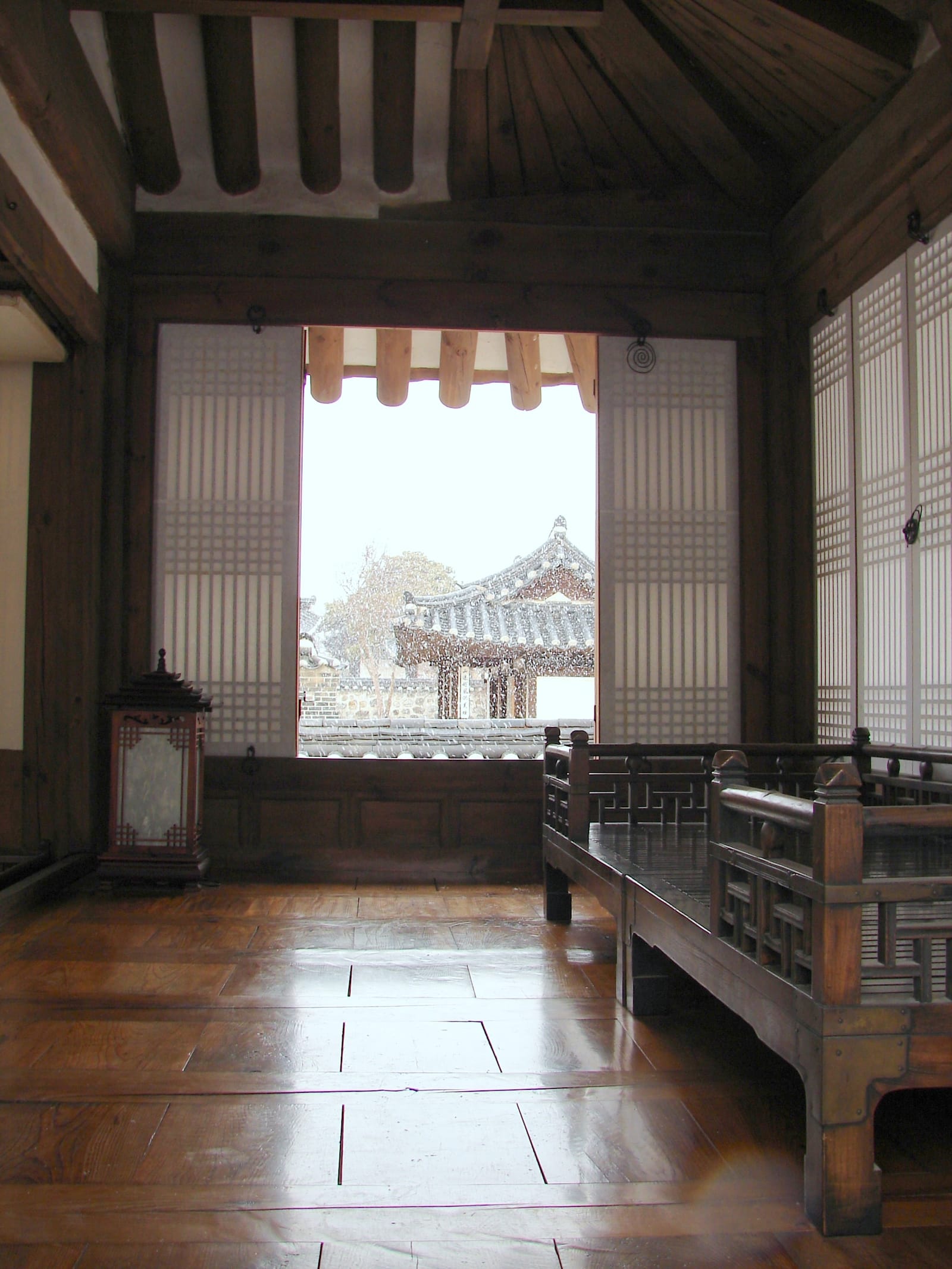
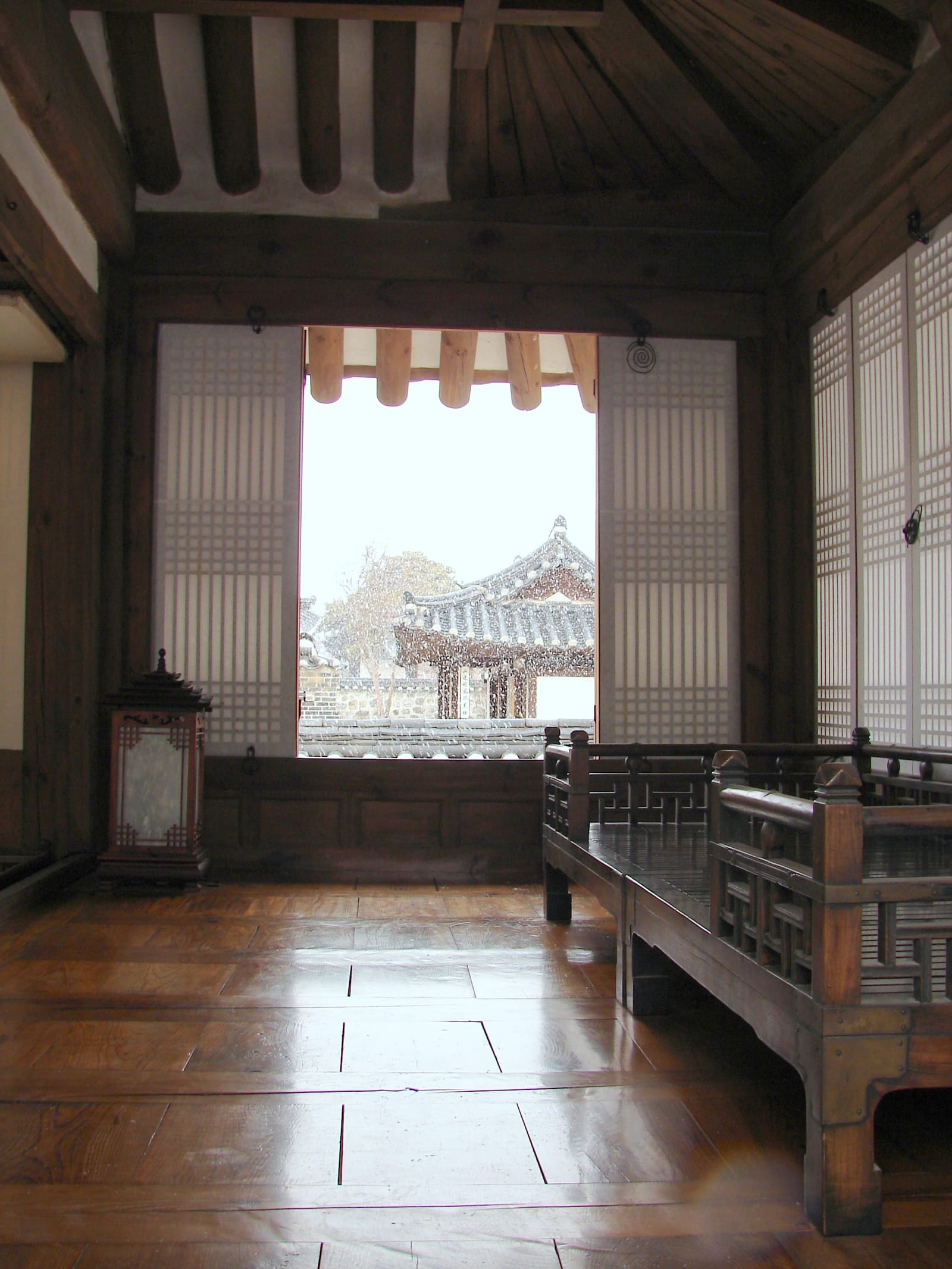
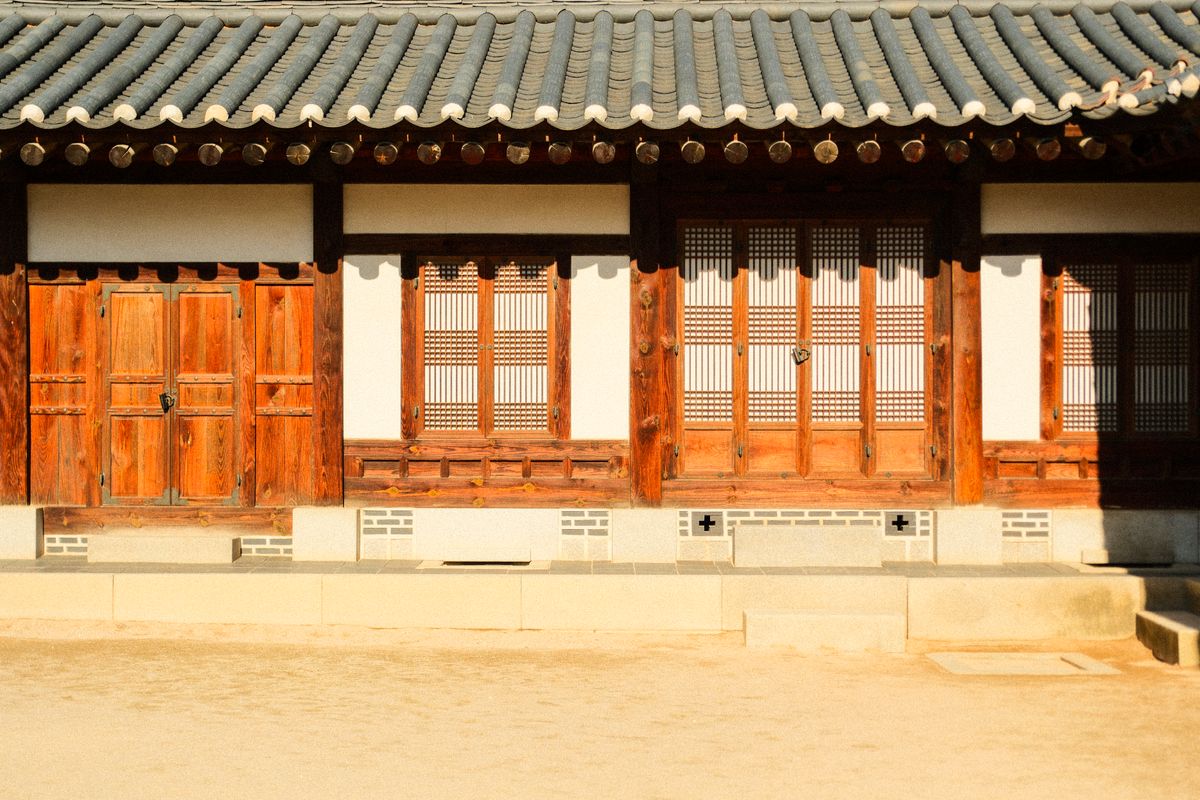
Traditional Korean architecture offers principles, not a shopping list. Korea.net and Korean cultural-history resources describe hanok through floor life, ondol heating, maru wood floors, natural materials, doors and windows that connect or divide space, and a desire to harmonize with the surrounding environment. Modern K-living borrows the feeling: floor warmth, flexible rooms, filtered light, natural texture, and a calmer relationship between inside and outside.
You do not need a hanji door or a fake hanok roof. Instead, translate the principle:
- use warm floor texture;
- keep sightlines calm;
- let daylight matter;
- choose fewer objects with better texture;
- make one flexible open area;
- use plants or natural materials to soften the apartment box.
Floor Culture Matters
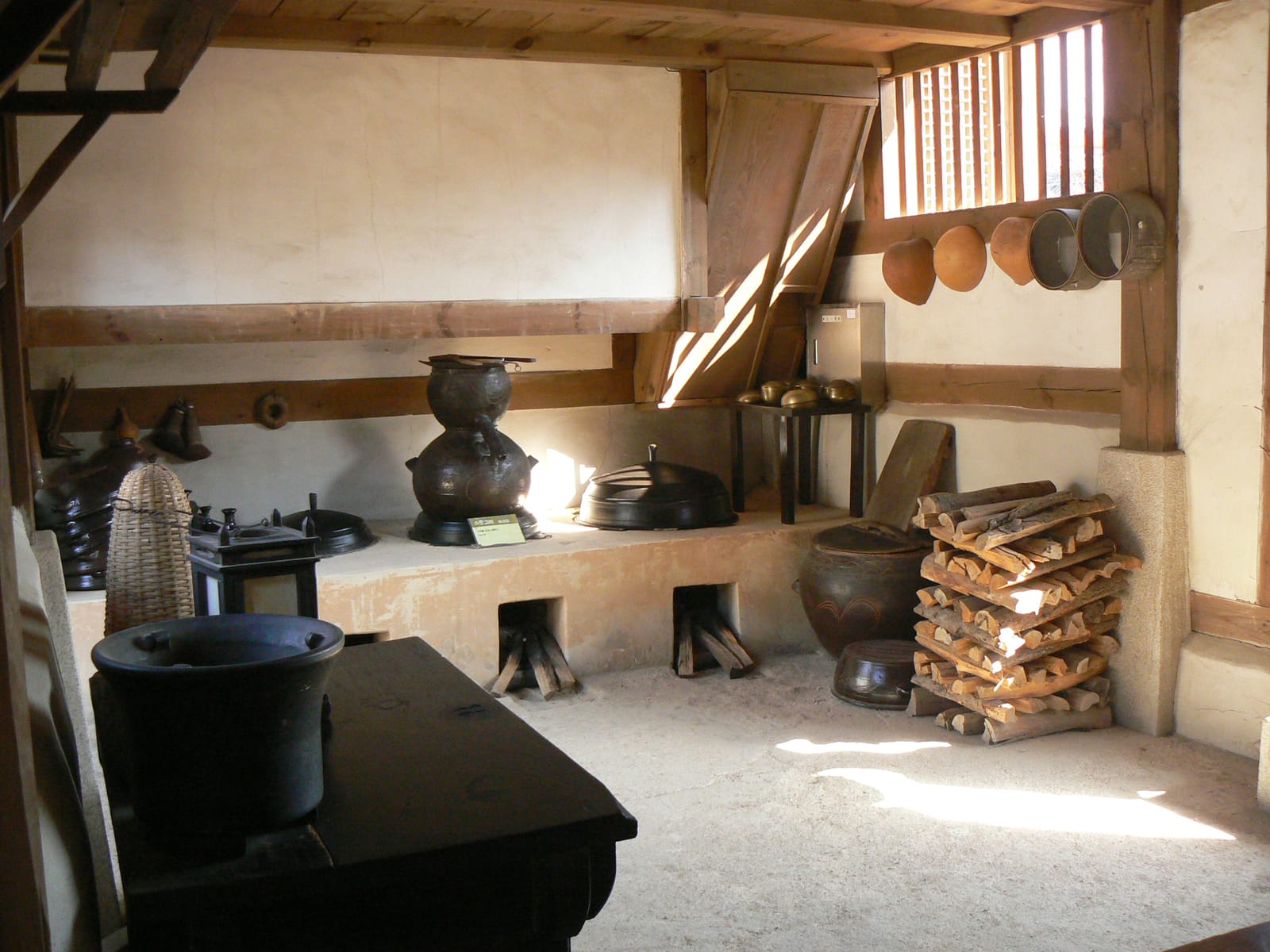
Korean homes are shaped by shoe-off living and floor warmth. Even in modern apartments, the floor is not just something you walk across. It can be where people sit, snack, fold laundry, stretch, play with children, or gather around a low table. That changes how you think about rugs, slippers, cushions, socks, and furniture height.
For a K-living-inspired home, ask whether the floor feels clean, warm, and usable. If not, the room may look Korean-inspired in photos but fail in daily life.
Start with floor comfort: As an Amazon Associate, EpicKor may earn from qualifying purchases. If Korean shoe-off home culture interests you, compare indoor slippers and house shoes before buying purely decorative pieces.
Small-Apartment Zoning
Many Korean apartments and officetels require careful zoning. One room may need to support work, meals, beauty routines, storage, sleep, and rest. The answer is not more furniture. It is clearer zones.
Create zones by function:
- a clean entry drop zone;
- a low table or compact dining surface;
- hidden storage for daily clutter;
- one soft seating corner;
- a work or vanity surface;
- a warm light source near rest areas;
- one wall that carries storage vertically.
If the room is tiny, avoid buying a large sofa first. Start with storage, lighting, and one flexible table. Then add softness.
Lighting Is the Fastest Upgrade
K-living depends heavily on lighting. A room with harsh white ceiling light will not feel warm minimal, even if every object is beige. Use warm bulbs, table lamps, floor lamps, paper shades, and indirect light. The goal is not darkness. The goal is layers.
The number that matters is colour temperature, printed on every bulb box in kelvin. Korean warm-minimal interiors sit around 2700K to 3000K. The default fitting in most rental apartments — Korean or otherwise — ships at 5000K or higher, which is daylight-white and the single reason a carefully chosen beige room can still feel like an office.
Good lighting zones:
- task light for work or reading;
- soft lamp near the sofa or bed;
- small warm light near the entry;
- indirect light facing a wall;
- low evening light for winding down.
This is also why Korean cafes influence K-living so strongly. Cafe interiors teach people how light, wood, texture, plants, and uncluttered surfaces can create a mood even in a small footprint.
Storage Without Visual Noise
Warm minimalism fails when visible clutter takes over. Korean-style small-space organization is less about owning nothing and more about hiding the everyday mess elegantly. Use closed storage for ugly necessities. Use trays for objects that must stay out. Use baskets for textiles. Use vertical shelving when floor space is limited.
| Problem | K-living fix | Why it helps | Avoid |
|---|---|---|---|
| Entry clutter | Small tray, shoe zone, hook | Stops mess at the door | Dropping everything on the table |
| Desk mess | Closed box plus one visible object | Keeps work zone calm | Open piles of cables and paper |
| Living room chaos | Low cabinet or fabric basket | Hides daily items quickly | Too many decorative shelves |
| No dining room | Foldable or low table | Supports flexible use | Oversized permanent table |
| Cold room | Rug, slippers, cushions, warm lamp | Adds physical comfort | Decor that only looks good online |
Living Objects, Not Random Decor
K-living often treats functional items as visual objects: a tissue case, cup, tray, lamp, speaker, vase, or storage box. The point is not to buy everything in a matching beige set. The point is to make visible daily objects feel intentional.
Choose one or two materials to repeat. Ceramic plus wood. Fabric plus metal. Paper plus oak. If every item is a different trend, the room becomes noisy even if the colors are soft.
What to Buy First
Do not start with the most photogenic item. Start with the thing that changes daily life:
- warmer bulbs;
- hidden storage;
- a better floor or rug situation;
- one flexible table;
- one comfortable chair, cushion, or sofa;
- a tray for daily objects;
- one plant you can actually keep alive.
The first item on that list is also the cheapest, which is why it is first. Warm-white bulbs in the 2700K range change a room more than any object in it, and swapping every bulb in a small apartment costs less than one decorative tray. EpicKor may earn from qualifying purchases. If the ceiling fitting is the problem rather than the bulb, a floor lamp with a paper or fabric shade is the standard Korean workaround — you leave the ceiling light off entirely and light the room from three corners instead.
The honest warning on this list: items three through seven are where people overspend. A rug, a table, a chair and a tray bought in one weekend will not produce the look, because the look comes from the light and from what is not on the surfaces. Buy the bulbs, live with them for a week, then decide whether you still want the rest.
Build the floor-level zone: If you want a Korean-inspired tea, snack, or laptop corner, compare floor cushions and low tables before buying decor that has nowhere to function.
What Not to Copy
Do not copy a room that works only for photos. A floor table is charming until your back hurts. A white sofa is beautiful until real life happens. Open shelving is pretty until every cable and receipt is visible. Minimalism should reduce friction, not create a museum you are afraid to use.
Also avoid pretending every Korean home looks like a design account. Real Korean homes can be practical, colorful, crowded, family-focused, or rental-limited. K-living is an inspiration lane, not a national rule.
Rental-Friendly K-Living
Many people who like K-living are renters, students, or apartment dwellers who cannot renovate. That is fine. Warm minimalism is especially useful when you cannot change the floor, windows, built-ins, or wall layout. Focus on reversible changes: bulbs, curtains, rugs, cushions, trays, baskets, lamps, bedding, and small tables.
If the room has cold flooring, soften it with a rug or floor mat. If the walls are plain, use one large textile, framed print, or shelf instead of many small decorations. If storage is ugly, hide it behind fabric, closed boxes, or a clean cabinet. If the room has only one ceiling light, add two warm lamps before buying more decor.
The rental rule is simple: improve the feeling before improving the photo. A room that is easier to clean, easier to rest in, and easier to move through will look better naturally.
Seasonal Adjustments
Korean homes change by season more than many online mood boards show. Summer needs airflow, lighter bedding, washable mats, and less visual heaviness. Winter needs floor warmth, socks, blankets, warm light, and maybe a humidifier depending on your heating. Spring and fall are the best seasons for plants, open windows, and lighter fabrics.
This seasonal thinking comes partly from the Korean peninsula's four-season climate and partly from floor-based life. If the floor is cold, the whole room feels cold. If humidity is high, heavy textiles can feel wrong. A K-living room should breathe with the season rather than stay frozen in one beige photo.
A Simple 30-Minute Reset
If your room feels wrong but you do not know why, try a 30-minute reset before buying anything. Clear every visible surface. Put back only what you use daily or genuinely like seeing. Turn off the ceiling light and turn on a lamp. Move one chair or cushion toward natural light. Put cables into one box. Remove one decorative object that is only there because it was trendy.
This small reset reveals the real problem. Sometimes you need storage. Sometimes you need warmer light. Sometimes you need fewer objects. Sometimes you need one comfortable place to sit. K-living works best when it starts from that honest diagnosis.
FAQ
Q: What is K-living? Simply put, K-living is Korean-inspired home styling focused on calm space, warm minimalism, floor comfort, flexible use, and curated daily objects.
Q: Is K-living the same as Japanese minimalism? Simply put, no. They can overlap, but K-living often feels warmer, more cafe-influenced, and more connected to Korean apartment and floor culture.
Q: How do I start on a small budget? Simply put, change lighting first, reduce visible clutter, add one warm textile, and create a clean floor or low-table zone.
Q: Do I need Korean furniture brands? Simply put, no. You can use the principles with local furniture: warm light, hidden storage, natural texture, flexible zones, and comfortable floor habits.
Q: What colors work best? Simply put, cream, oatmeal, light oak, warm gray, clay, muted green, and small black accents are safer than pure white and cold gray.
Q: How does hanok influence modern K-living? Simply put, the influence is in floor warmth, natural materials, flexible space, filtered light, and harmony with surroundings rather than literal imitation.
Sources and Further Reading
- Korean History: Hanok, ondol, maru, and seasonal design
- Korea.net: Traditional Korean architecture and natural materials
- Seoul Metropolitan Government: Seoul Hanok brand and modern hanok policy
- Hanssem company profile: Korean home interior market context
The best K-living room is not the one that looks most Korean to strangers. It is the one that makes your real daily life calmer, warmer, and easier to use.
You Might Also Like
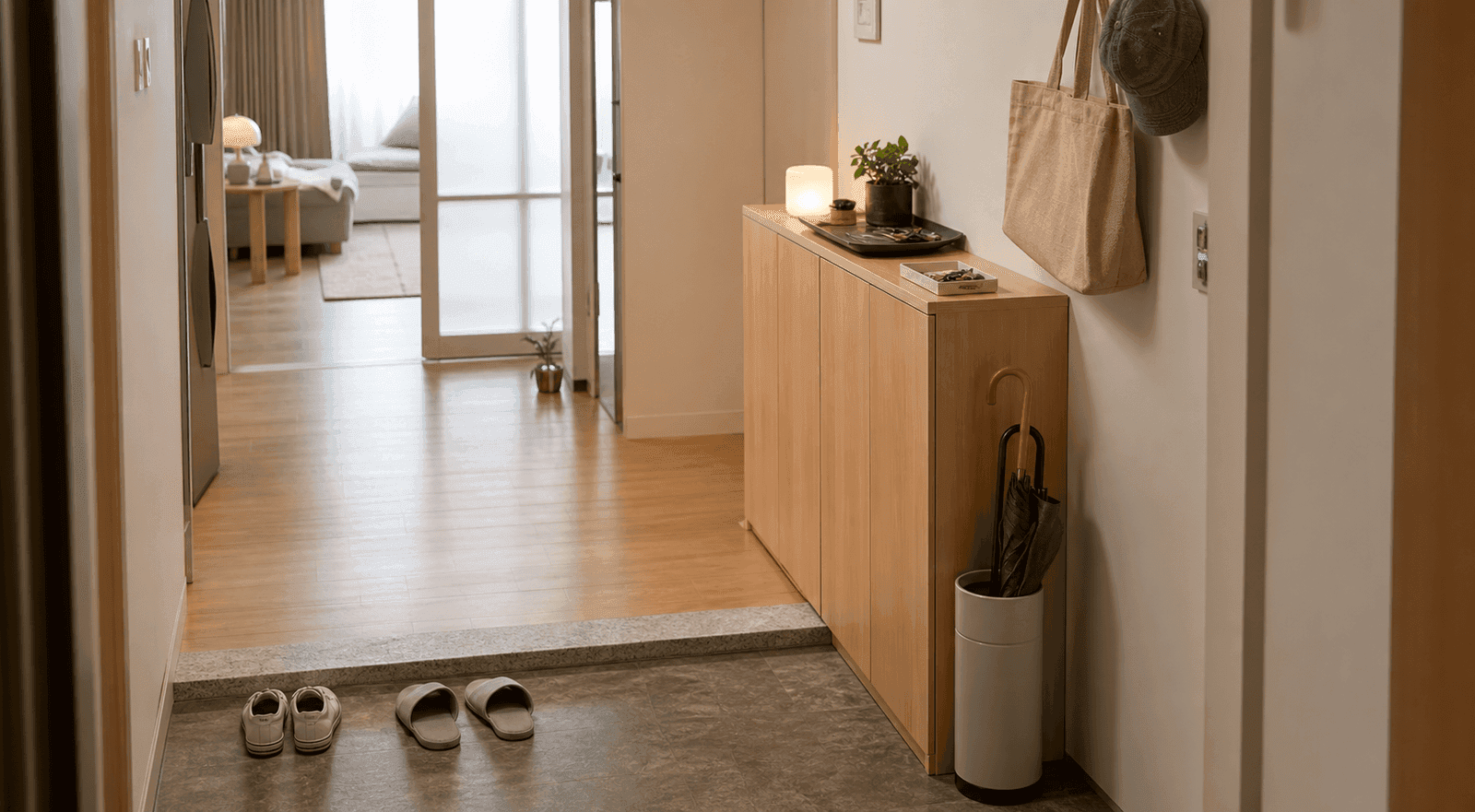
Korean Home Reset Culture: Why Seoul Apartments Feel Organized
A Korean home reset culture guide explaining shoe-off entryways, laundry drying, floor living, storage, dehumidifiers, and small apartment routines.
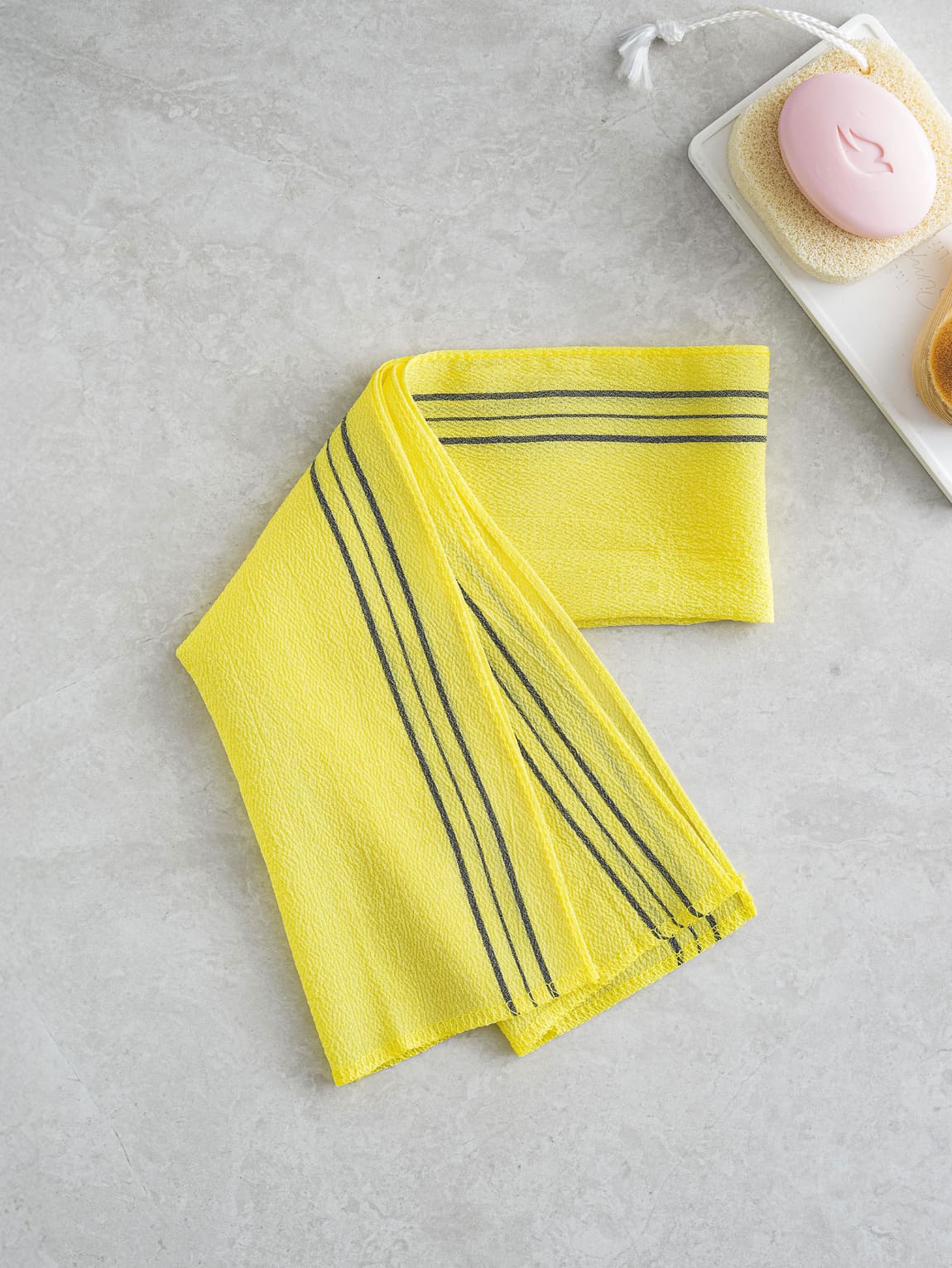
Korean Exfoliating Towels: What the Colours Mean, and How Often to Use One
English listings sell Korean exfoliating towels by a colour code — pink soft, blue coarse, green standard. Korean sources have no such code; green was simply the first one made. The real variable is the soak, and Korean dermatologists cap use at once a week.
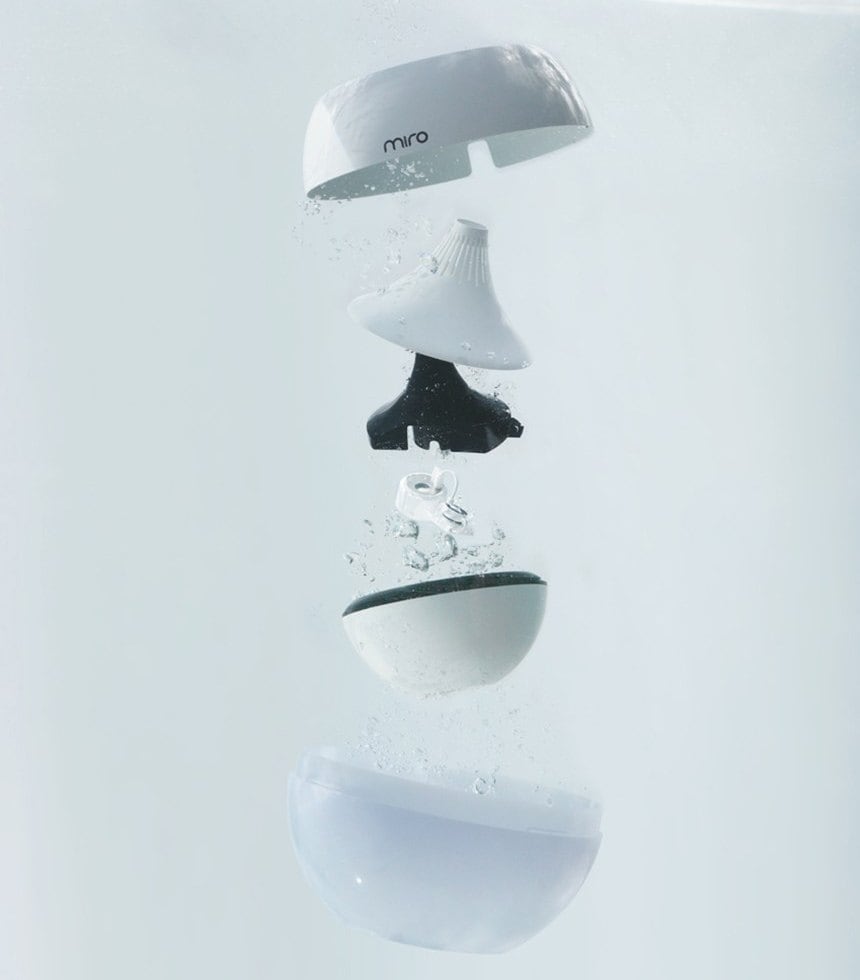
Korean Humidifiers: Buy the One That Comes Apart
Korean humidifiers pull apart into six washable pieces, the humidifying engine included. Korea's consumer agency measured why: daily water changes cut bacteria 87.3%, washing every second day 98.8%. What Amazon lists is a generation behind Korea's shelves.