Korean Seollal Guide: Age, Customs and Travel
Seollal is Korea's Lunar New Year holiday, centered on family time, food, greetings and travel—but Koreans do not legally become one year older by eating tteokguk. Since June 28, 2023, full age (man nai) is the standard for legal and social use: a person begins at zero and adds a year on their birthday. Tteokguk still symbolizes welcoming a new year; the bowl does not change a passport, contract or official age.
Families celebrate differently. Some perform ancestor rites, some attend religious services, some exchange formal bows and money, and some simply eat together or rest. Travelers should expect heavy intercity demand and business closures, while also finding palace programs and cultural events that open specifically for the holiday.
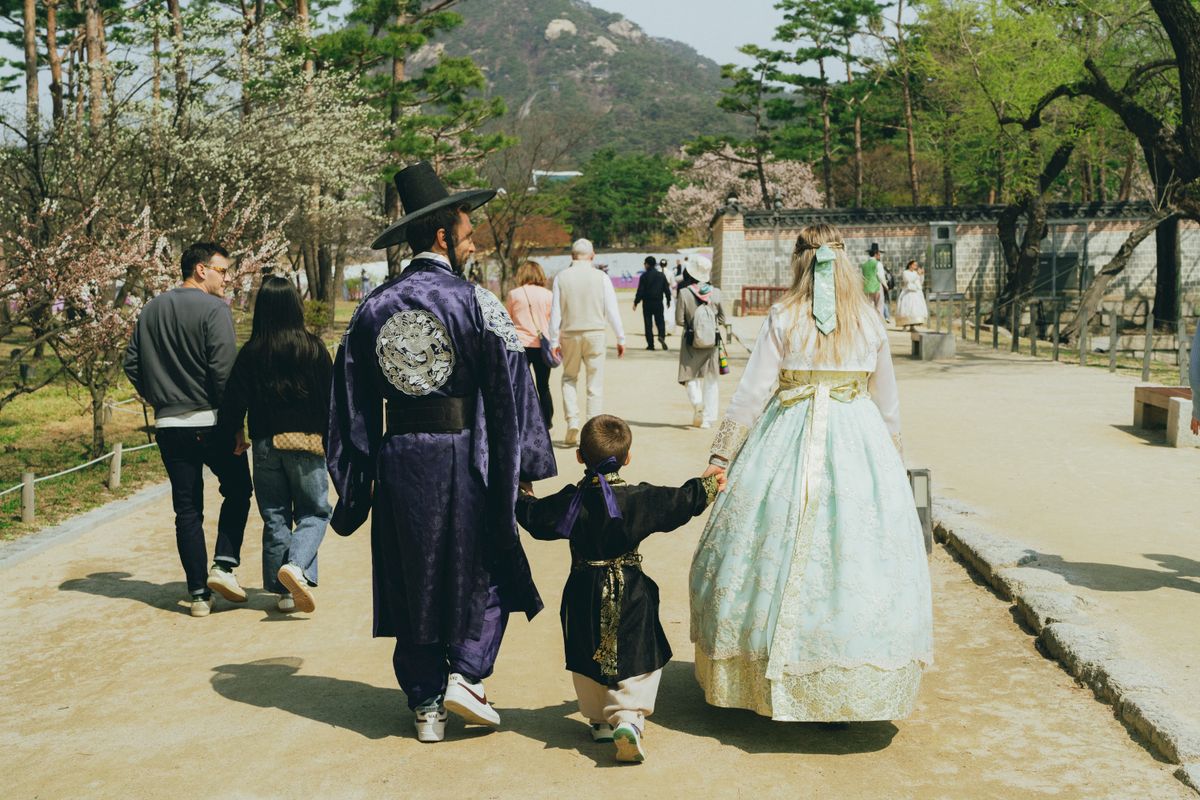
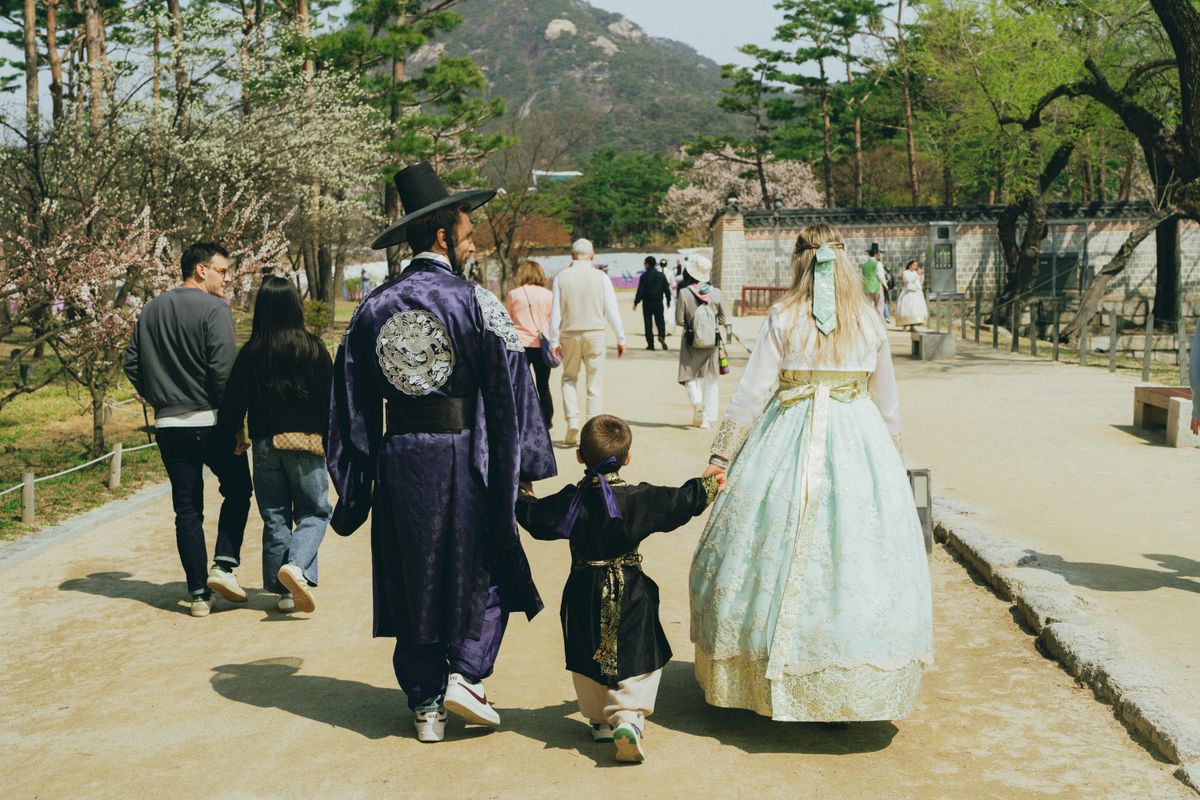
Hanbok can be part of a holiday celebration or portrait, but many families spend Seollal in ordinary comfortable clothes. Photo by Theodore Nguyen on Pexels.
What Seollal is—and when it happens
Seollal marks the first day of the lunar calendar. The date moves on the Gregorian calendar, generally falling in January or February. Korea's statutory holiday normally covers the day before, Seollal Day and the day after, with substitute-holiday rules affecting some years.
The Korea Tourism Organization's current public-holiday guide lists the official dates year by year. In 2026 the holiday ran February 16-18, with Seollal Day on February 17. That date is now past; anyone planning a future trip should check the newly published official calendar rather than copying a 2026 itinerary.
Seollal is often described as a “national migration” because many people travel to their hometowns or relatives. The phrase captures transport demand, not every life. Some families live close together, work during the holiday, travel abroad, meet online or choose not to gather.
Gonggi Korean traditional game set — compare on AmazonAffiliate link. As an Amazon Associate, EpicKor earns from qualifying purchases at no extra cost to you.
Korea's age system after the 2023 reform
The 2023 reform standardized full age in laws, contracts and public documents unless a specific law provides otherwise. The official Korea.net policy explanation defines full age as years actually lived, starting from zero and increasing on each birthday.
Two older calculations still appear in conversation or specific rules:
- Traditional counting age: one at birth, plus one every January 1.
- Year age: current calendar year minus birth year.
Year age remains relevant in limited systems such as school entry and rules concerning alcohol, tobacco, military service or certain public examinations. That does not reverse the general standard. When age determines eligibility, read the current rule for that exact service instead of guessing from a Korean variety show.
| Age method | How it works | Where it matters in 2026 |
|---|---|---|
| Full age (만 나이) | Starts at 0; increases on birthday | General legal, administrative and social standard |
| Traditional counting age | Starts at 1; increases every Jan. 1 | Informal cultural reference, not the general legal standard |
| Year age (연 나이) | Current year minus birth year | Specified exceptions such as some school, alcohol, tobacco and military rules |
| “Tteokguk age” | Holiday expression | Symbolic joke, never an official calculation |
Why people say tteokguk makes you a year older
Tteokguk is soup with sliced rice cakes, often in beef, anchovy or other broth with egg, seaweed, scallion and meat garnishes. Regional and household variations include dumplings or differently shaped rice cakes. The white color and new-year setting are associated with a fresh beginning, while the long cylinder of garaetteok is often linked with wishes for longevity.
Historically, eating a bowl became a playful way to mark entry into the new year under traditional age counting. Adults still ask children, “How many bowls did you eat?” as a joke. In 2026 the accurate answer is cultural: the meal marks the holiday, while official age changes on the birthday under full-age rules.
The Korea Tourism Organization's 2026 Seollal travel guide lists tteokguk, jeon, japchae, sikhye and yakgwa among holiday foods. None is compulsory, and vegetarian, allergy-aware and regional tables can look different.
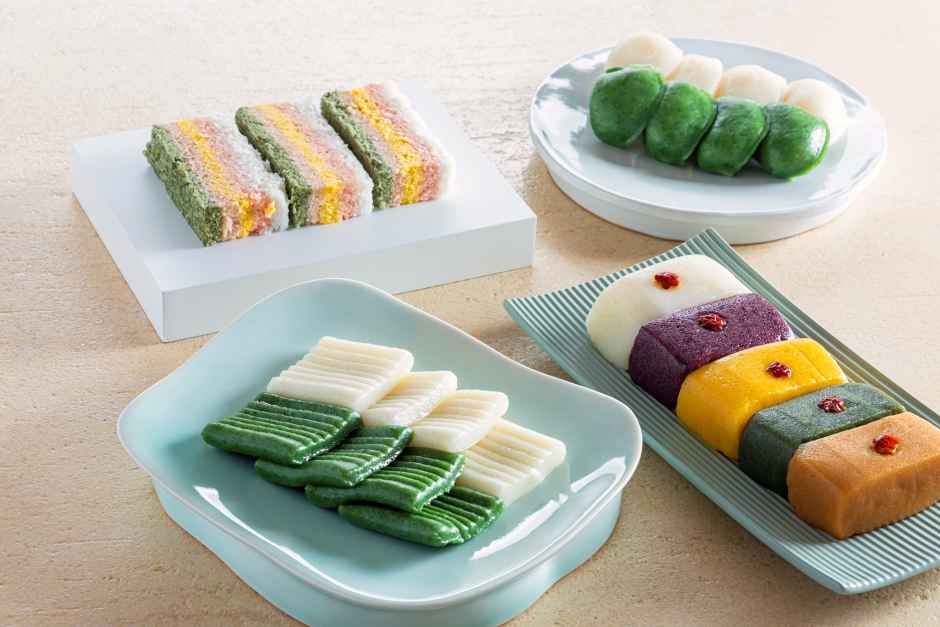
Tteokguk uses sliced rice cake, while Korea's wider tteok tradition includes many shapes, fillings and occasions. Photo courtesy of the Korea Tourism Organization.
Sebae is a New Year greeting, not a cash transaction
Sebae is a formal bow offered as a New Year greeting, commonly by younger relatives to older ones. The older person responds with deokdam—words of blessing or encouragement—and may give sebaetdon, New Year's money, often to children.
The exchange should not be reduced to “bow and get paid.” Adults may bow to their own elders, families may exchange gifts instead of cash, and a child should not be forced into a public performance for a video. Hanbok can make the moment festive but is not required.
If you are invited, watch the family first. Ask whether they would like you to join, and let someone demonstrate. Physical limits, clothing, floor space and religious preference can change the form. A respectful spoken greeting is better than an unsafe or unwanted deep bow.
Bring a game, not a performance demand: As an Amazon Associate, EpicKor may earn from qualifying purchases. Compare a gonggi Korean traditional game set for a low-pressure family activity; learn the rules first and let children or guests choose whether to play.
Charye and ancestor rites vary by family
Some households prepare a ritual table and perform charye to honor ancestors. Others visit graves, hold a simpler remembrance, follow a religious service, or do not perform an ancestor rite. There is no honest reason to describe one arrangement as what “all Koreans” do.
Even among families that observe charye, food placement, timing and procedure can vary by lineage and region. Do not rearrange the table for a photograph or call it a buffet. Ask before eating ritual food or taking close pictures.
Holiday labor matters too. Large food preparations have often fallen disproportionately on women and daughters-in-law. Many families now buy prepared dishes, divide tasks, shorten the ritual or eat at a restaurant. A tradition deserves respect, but unequal work does not become harmless because it is traditional.
A modern Seollal family day
A common day may include greetings, tteokguk, a short rite or remembrance, television, naps, conversation and games. Yunnori uses four marked sticks and a board; gonggi is played with small pieces; cards and video games can sit beside them. The official Korea.net feature on traditional games during Seollal 2026 shows children and family members using play as the main holiday experience.
Families may meet on a day adjacent to Seollal because of work schedules, divorced or blended households, overseas relatives or travel. Video calls can connect people who do not make the trip. People living alone may use the break for friends, volunteering, travel or rest.
This diversity is not evidence that Seollal has disappeared. It shows how a living holiday adapts to real households.
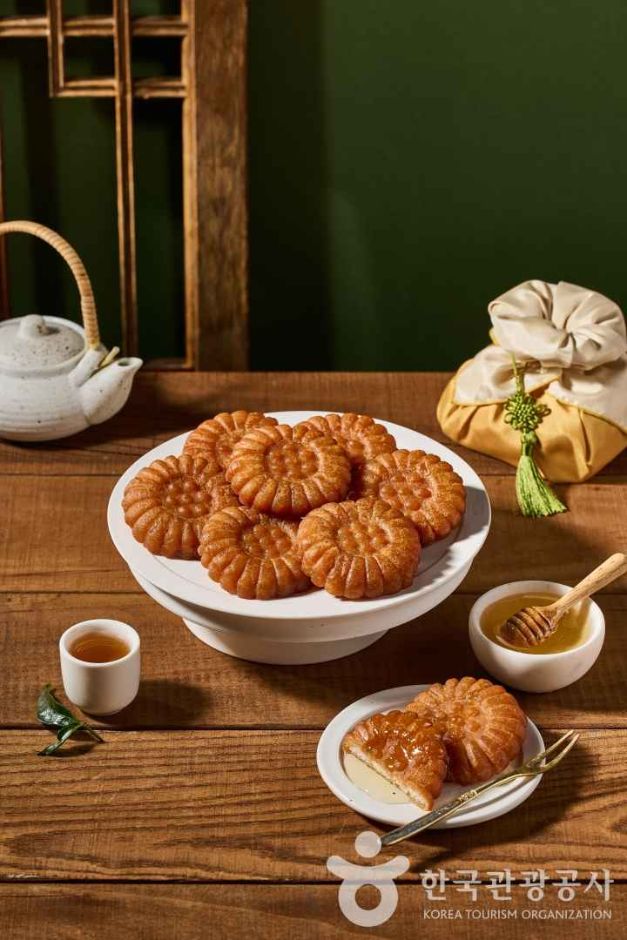
Yakgwa is one possible holiday sweet, not proof that every family serves the same menu. Photo courtesy of the Korea Tourism Organization.
Train, bus and road planning during Seollal
Intercity demand surges. KTX, SRT and express-bus tickets can sell quickly when official holiday sales open. Booking windows and procedures change, so use Korail, SRT or the relevant bus platform directly and distrust resellers promising guaranteed holiday inventory.
Road congestion can be severe on departure and return peaks. Renting a car is not automatically a backup if the main problem is traffic. If your trip is only within Seoul, staying in the city may be easier than attempting a day trip across regions.
| Trip need | Best preparation | Common mistake |
|---|---|---|
| KTX or SRT | Check official sale notice and account access early | Assuming regular advance timing applies |
| Express bus | Compare terminal, route and return inventory | Booking outbound travel without a return |
| Rental car | Model congestion, parking and pickup hours | Treating a car as immunity from traffic |
| Seoul-only stay | Group open attractions by district | Assuming every museum or restaurant opens |
| Airport transfer | Leave a large buffer and confirm service | Connecting a tight flight to holiday roads |
EpicKor's KTX, SRT and express-bus guide explains the normal transport systems. During Seollal, replace its ordinary timing assumptions with the special notices for that year's holiday.
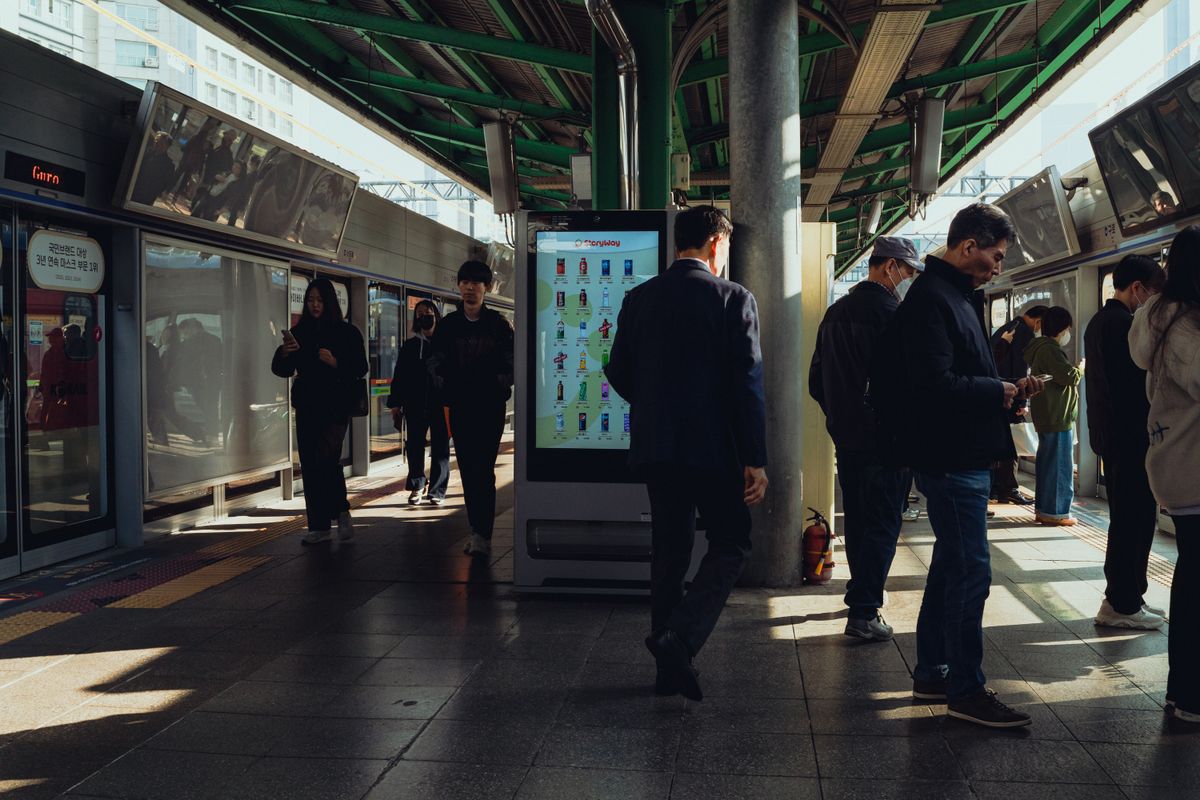
Luggage makes crowded Seoul transfers harder; during Seollal, leave extra time and follow that year's Korail, SRT and terminal notices. Photo by Theodore Nguyen on Pexels.
Closures and things visitors can still do
Government offices, banks and many independent businesses close during the public holiday. Department stores, restaurants and attractions may close on Seollal Day, shorten hours or choose a different day within the break. Convenience stores often open, but a franchise sign does not guarantee one branch's hours.
At the same time, palaces, museums, hanok villages and local governments may schedule free admission, folk games or performances. KTO's 2026 guide listed holiday programs at Unhyeongung, Namsangol Hanok Village and other sites, but those dates should not be reused for another year.
Build a flexible plan: one verified main attraction, one outdoor backup, food purchased in advance and a fresh same-day check. The Seoul palace guide helps with ordinary booking logic; holiday notices still take priority.
Gift, greeting and hosting etiquette
A simple saehae bok mani badeuseyo (새해 복 많이 받으세요) means “Receive lots of New Year blessings.” It works in messages and in person. Use a polite tone with older relatives or hosts, but do not worry about performing perfect ceremonial Korean.
Bring a modest host gift if appropriate: fruit, tea, sweets or something agreed in advance. Dietary needs and storage matter more than prestige. Cash in an envelope is mainly a family decision, not something a foreign guest must distribute.
Offer help, then follow the host's answer. Useful tasks include setting spoons, clearing dishes or entertaining children, but ritual food and family memorial objects should be handled only with permission. Share cleanup rather than assuming one gender will manage it.
Learn context before copying a ritual: As an Amazon Associate, EpicKor may earn from qualifying purchases. Compare Korean culture and history books with clear authorship and citations so a family holiday becomes more than a list of gestures.
A realistic Seollal checklist
Confirm the official dates for the year you will travel. Book long-distance transport when the operator announces sales, not when an old blog says it opened last year. Recheck accommodation, airport transfer, attraction and restaurant hours.
If joining a family, ask about clothing, food, gifts, photography and whether any rite will take place. Mention allergies early. Bring medication and essentials because pharmacies may have limited holiday hours.
Most importantly, arrive without demanding a textbook performance. A bowl of soup, a video call and a board game may be that family's complete celebration. The holiday belongs to the people observing it.
The practical answer
Seollal combines a lunar new year, public holidays, family choices, food and intense travel demand. Tteokguk symbolizes entering the year, but legal age now follows full age and changes on a birthday. Sebae and charye remain meaningful for many people, not universal duties for all Koreans.
Plan with current official dates and opening notices, share labor, ask before photographing and make room for households that celebrate differently. Accuracy and flexibility are more respectful than performing every tradition from a checklist.
FAQ
Q: Do Koreans become one year older on Seollal?
Not legally. Since June 28, 2023, full age is the general standard and increases on the birthday. Tteokguk and New Year aging remain cultural expressions.
Q: Is traditional Korean age completely gone?
It is no longer the general legal and social standard, but people may mention it informally. Year age remains in specific systems, so check the exact current rule when eligibility matters.
Q: Must every Korean family perform charye?
No. Some perform ancestor rites, some simplify them, some follow other religious practices, and some do not hold a rite. Family custom varies.
Q: Do I need hanbok for sebae?
No. Hanbok is festive but optional. Ask the host what clothing is appropriate and use a spoken greeting if a full bow is uncomfortable or not expected.
Q: Are restaurants and attractions open during Seollal?
Some open, some close and some shorten hours. Verify the exact branch or attraction for the exact date; never rely on a general claim that all palaces or all shops open.
Q: When should I book Seollal trains?
Watch official Korail and SRT holiday-sale notices because the window and process can differ from normal booking. Secure the return trip and avoid unofficial resellers.
Sources checked
You Might Also Like
Why Koreans Eat So Much Garlic: Culture Explained
Why Koreans eat so much garlic: Dangun myth, Korean BBQ, kimchi, banchan, pickled garlic, and how garlic became everyday flavor.
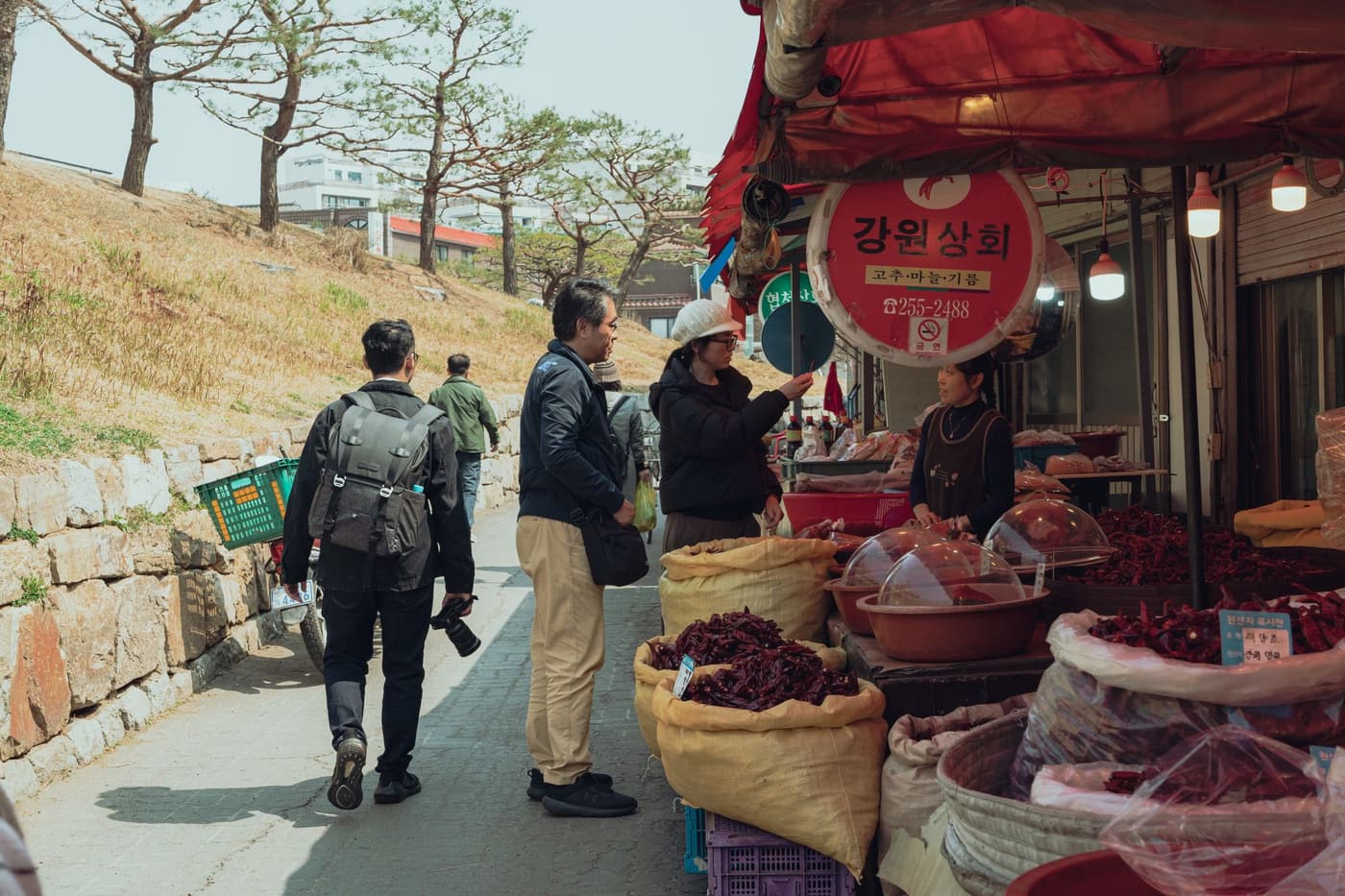
Namdaemun vs Dongdaemun: Which Seoul Market to Visit
Namdaemun closes around 17:00 and many stalls shut on Sundays. Dongdaemun's wholesale floors open at midnight. Which Seoul market fits your trip, with real hours, August 2026 prices, and the station exits that put you in the right alley.
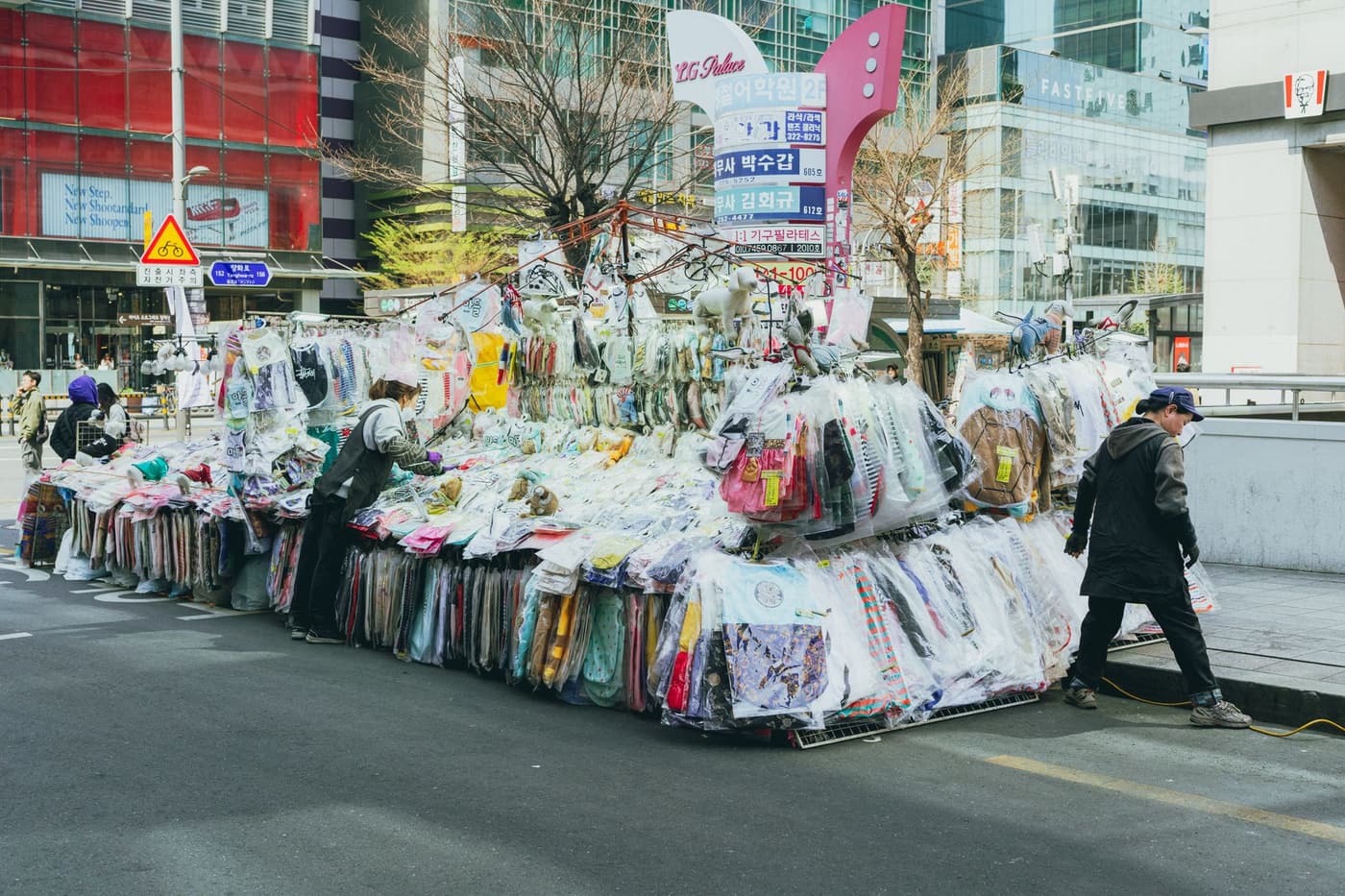
Hongdae vs Itaewon vs Gangnam: Seoul Nightlife Guide
Hongdae vs Itaewon vs Gangnam guide for Seoul travelers: compare nightlife, shopping, food, transit, and where to stay or spend your night.