Korean Footballers Abroad: Son, Kim Min-jae, Youth System
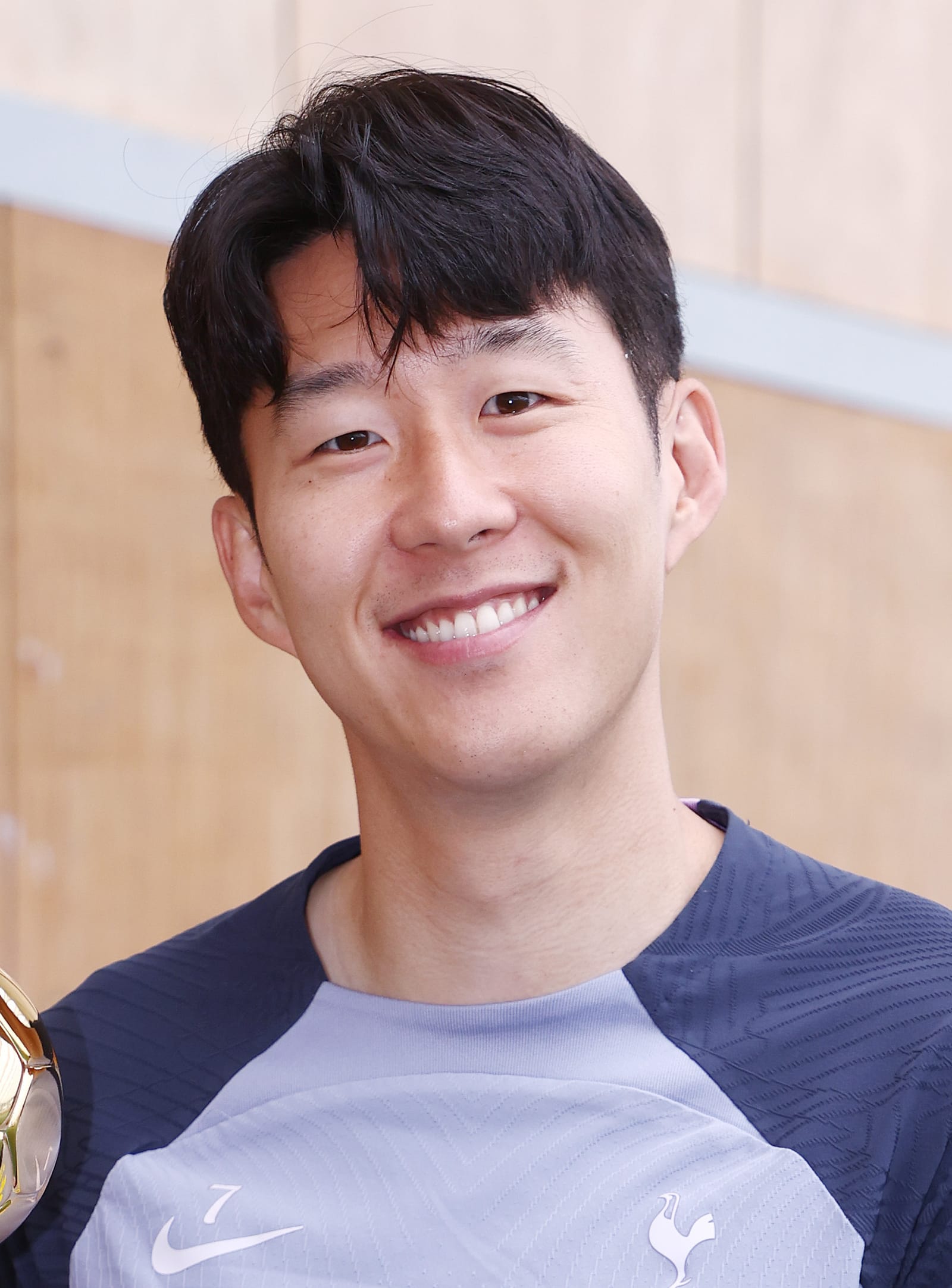
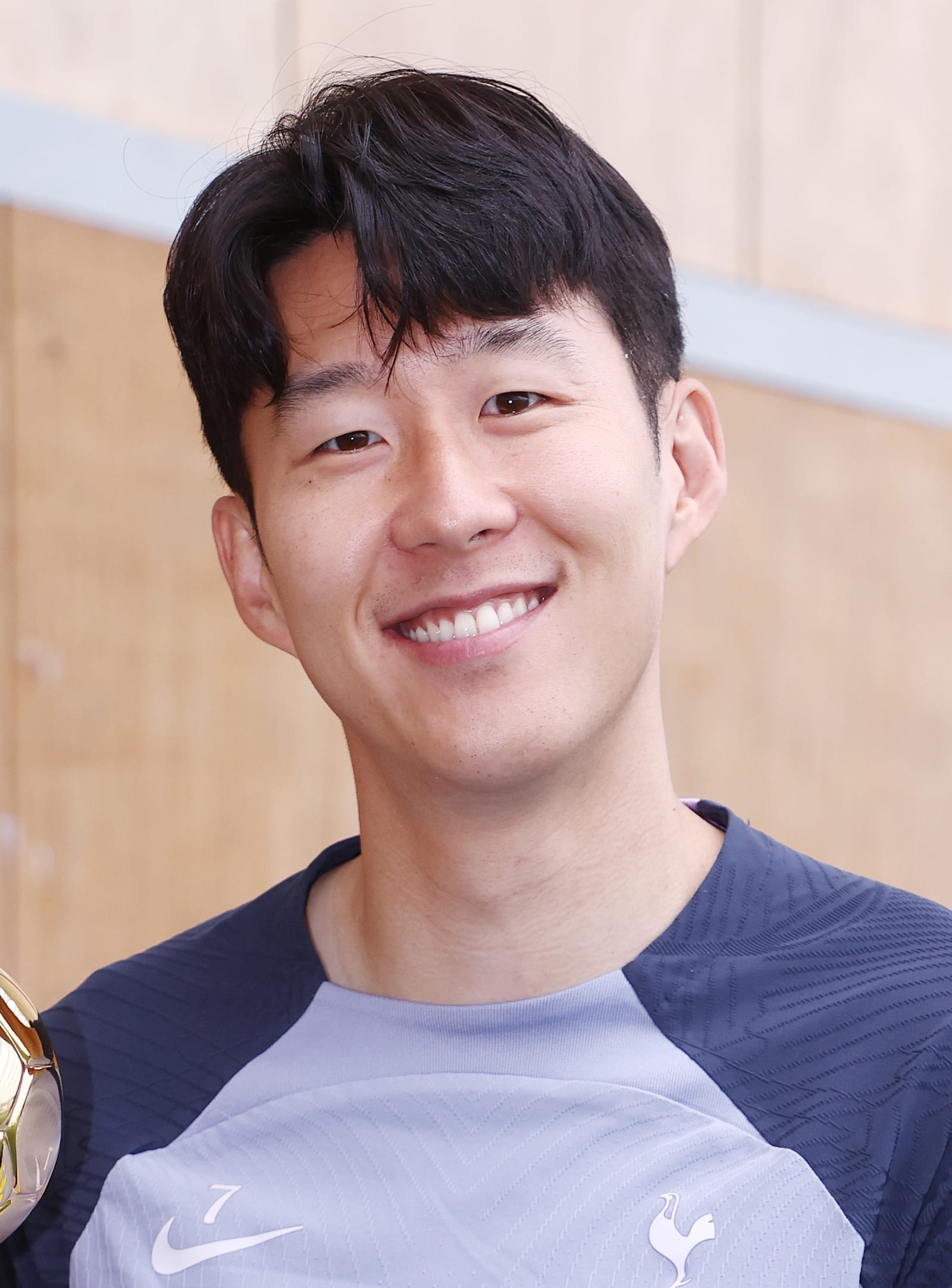
Korean footballers abroad are no longer treated as unusual exports. Son Heung-min is a global star and South Korea captain, Kim Min-jae has become a reference point for elite Korean defending, and Lee Kang-in represents a technically adventurous generation that grew up imagining Europe as a realistic destination. Their careers are different, but together they explain why Korean players now arrive with stronger preparation, bigger expectations, and a fan base that follows every move.
This guide updates the story for 2026. Son is now with Los Angeles FC rather than Tottenham Hotspur, while Kim and Lee remain prominent members of the national-team core. More importantly, it looks beyond three famous names. Korea's football rise comes from school teams, professional academies, the K League, overseas development, family sacrifice, and a culture that turns national-team matches into shared events.
The Short Answer: Why Korean Players Travel Well
The simplest explanation is that Korea combines a large organized player base with a powerful incentive to succeed overseas. Young players learn in school teams, private academies, professional club systems, and university programs. The strongest prospects compete in an environment where fitness, repetition, tactical responsibility, and respect for the group are emphasized early.
That does not automatically produce international stars. The decisive change is that the pathway is now visible. Park Ji-sung showed that a Korean midfielder could become essential at Manchester United. Son proved that an Asian forward could win the Premier League Golden Boot and captain a major club. Kim demonstrated that a Korean center-back could lead a title-winning defense in Italy and play for Bayern Munich. Lee developed in Spain and moved to Paris Saint-Germain as a creative midfielder.
Each success lowers the perceived risk for the next player. Scouts have more Korean reference points, agents understand European pathways better, and families can study previous careers instead of improvising every step.
| Player | 2026 Club Context | What His Career Represents | Best Trait to Watch |
|---|---|---|---|
| Son Heung-min | Los Angeles FC; South Korea captain | A global attacking star who turned Korean fandom into club-level attention | Two-footed finishing and timing behind a defense |
| Kim Min-jae | FC Bayern Munich defender | A direct, physical route from Asia through Europe to an elite club | Front-foot defending and recovery speed |
| Lee Kang-in | Paris Saint-Germain midfielder | A technically trained Korean player developed in Spain | Close control, passing angles, and set pieces |
| K League prospects | Domestic professional clubs | The next export pool and the foundation of the national team | How quickly they read space and handle physical pressure |
Korean flag dad hat — compare on AmazonAffiliate link. As an Amazon Associate, EpicKor earns from qualifying purchases at no extra cost to you.
Son Heung-min Changed the Ceiling
Son's importance is not just a list of goals. He changed the ceiling of what a Korean attacking player could become. His 2021-22 Premier League Golden Boot, won without penalty goals, remains a landmark because it removed the qualifier from the conversation. He was not merely a successful Asian player; he was the league's joint top scorer.
His move to Los Angeles FC added a new chapter. The official KFA squad page lists him with LAFC, and the club's 2026 roster includes him among its forwards. For Korean fans, that means adapting from years of late-night England viewing to a new league and time zone. The underlying attachment has not changed. When Son changes clubs, a large part of the Korean football audience changes its weekly routine with him.
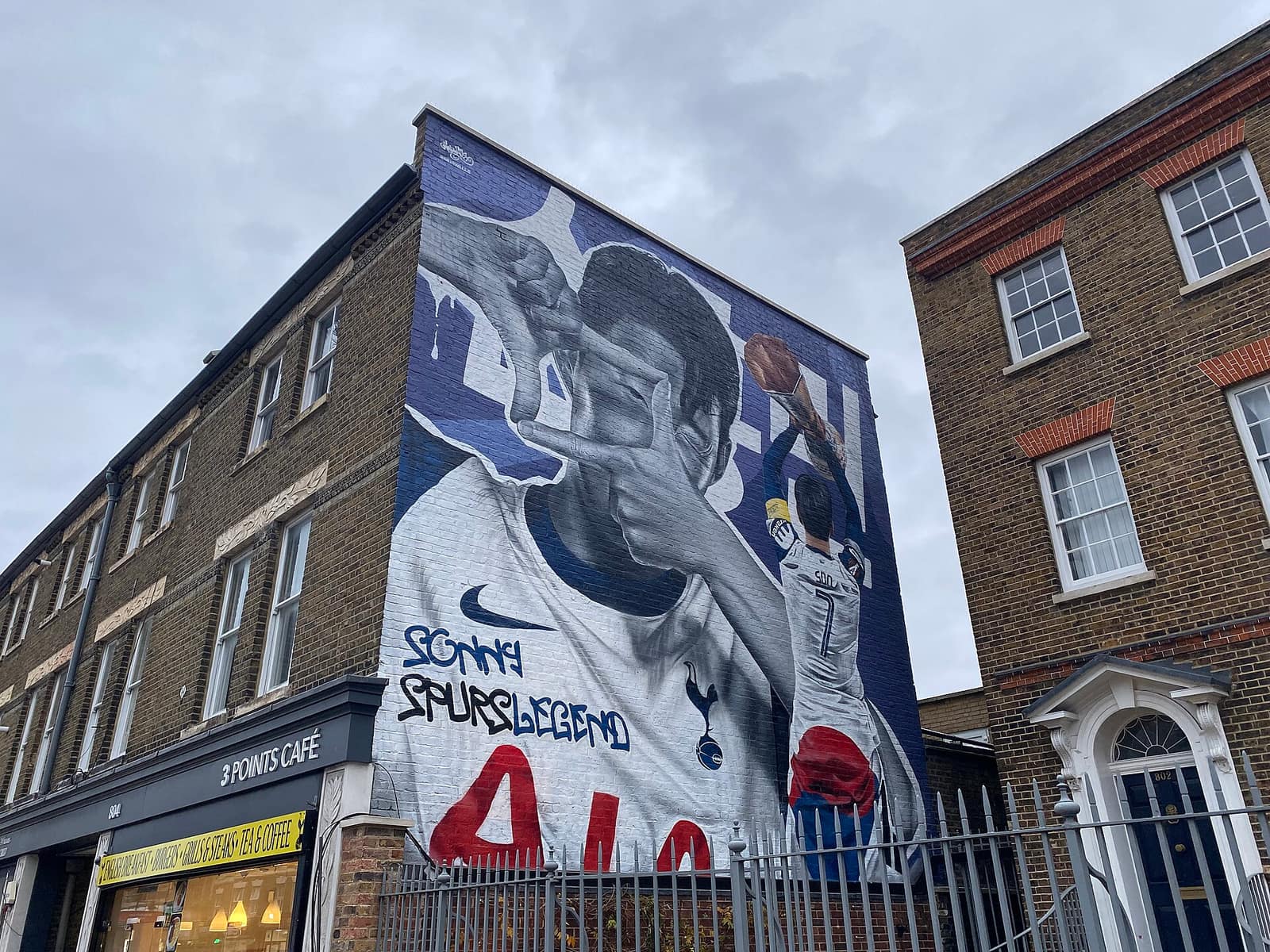
Son's game also counters a lazy stereotype about Korean players succeeding only through effort. His work rate matters, but elite finishing depends on technique, scanning, balance, and decision-making. He can strike with either foot, attack the space behind a fullback, and finish before a goalkeeper settles. Discipline supports those skills; it does not replace them.
There is a cultural effect too. Korean children can now copy a current global star who shares their language and national-team shirt. Parents who once viewed an overseas football dream as reckless have a concrete example of long-term development, including Son's early move to Germany and the sacrifices made by his family.
For a Korea match-day look: As an Amazon Associate, EpicKor may earn from qualifying purchases. If you want a simple supporter item rather than a club-specific jersey, compare this Korean flag dad hat for sizing and delivery before the next national-team match.
See Korean flag dad hat on AmazonKim Min-jae and the Value of a Different Route
Kim Min-jae's path matters because it was not a copy of Son's. He built his senior career through the K League, China, and Turkey before becoming a Serie A champion with Napoli and moving to Bayern Munich. That route showed Korean defenders that a career does not need to begin in a famous European academy to reach the top level.
His style is built for visible moments: stepping in front of a striker, covering a large space behind the defensive line, or carrying the ball forward after winning it. But his deeper value is tactical. A center-back at an elite club must decide when to attack the ball and when to protect space. The margin is small, and one mistimed step becomes a replay seen worldwide.
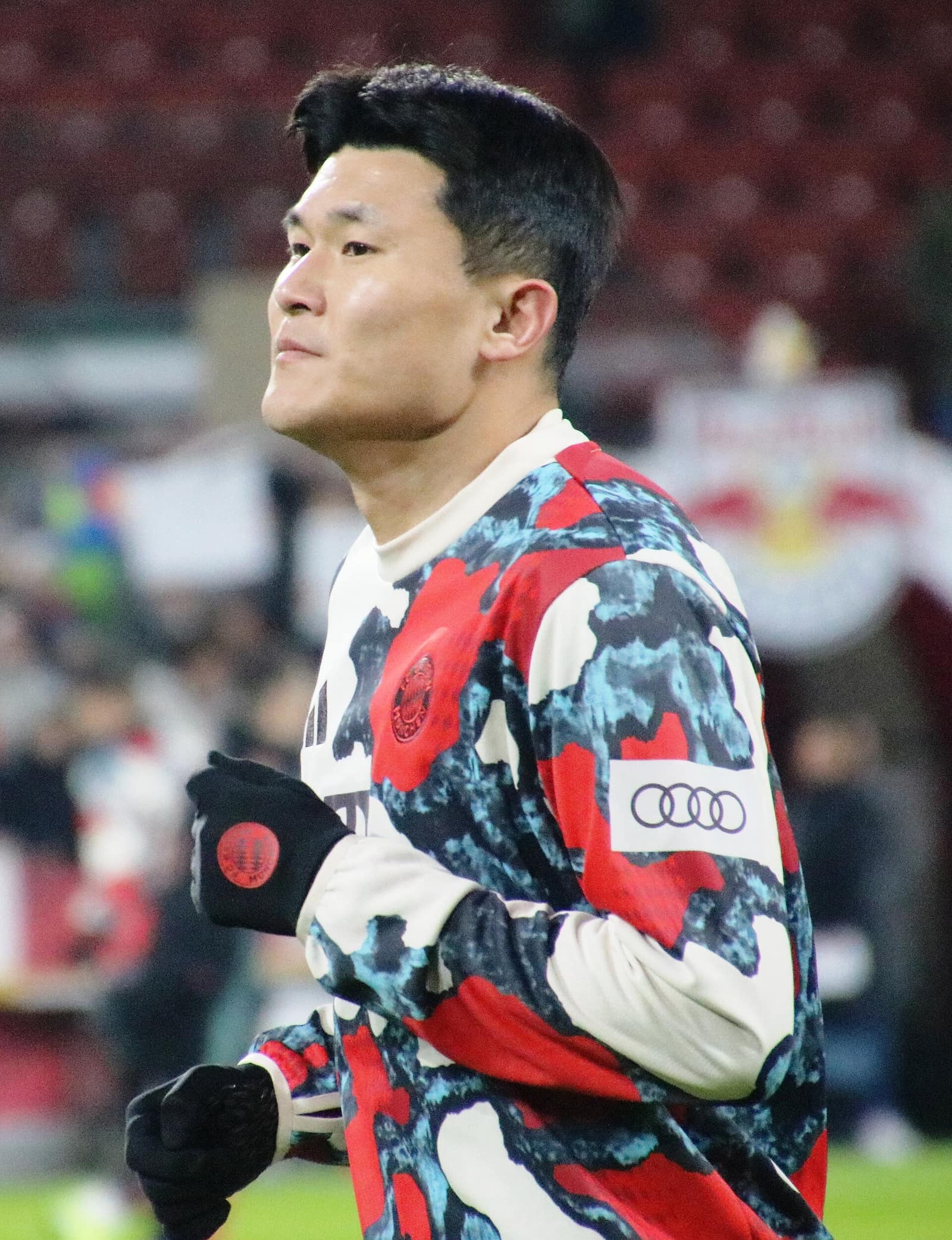
Korea has long produced hard-working defenders, but Kim expanded the profile. Overseas clubs can now point to a Korean center-back with experience in multiple tactical cultures. That helps scouts evaluate younger defenders on their own merits instead of treating nationality as a warning label.
Lee Kang-in and Korea's Technical Generation
Lee Kang-in represents another path entirely. He left Korea as a child, entered Valencia's academy, and learned in Spain before playing for Mallorca and joining Paris Saint-Germain. His game is less about straight-line power and more about receiving under pressure, changing the angle of an attack, and delivering with his left foot.
The contrast with Son and Kim is useful. There is no single "Korean player type." One became an explosive two-footed scorer, one a proactive central defender, and one a creative midfielder shaped by Spanish football. The common thread is adaptability: each had to communicate, compete, and recover from setbacks in environments where reputation offered little protection.
For the national team, Lee can connect midfield possession with the final pass. He also attracts attention from younger fans who value technique and personality as much as endurance. His career makes early overseas development look possible, but it also highlights its costs: language, separation from family, and competition against academy players who already understand the local system.
The Korean Development System, Without the Myth
It is tempting to explain everything with "fighting spirit," often translated from tu-hon. Korean supporters do celebrate persistence, but the phrase can hide the actual infrastructure. Players become professionals through thousands of coached hours, organized competition, fitness work, video analysis, and selection pressure.
The Korean pathway is fragmented rather than magical. School football remains important. K League clubs operate youth teams. Private academies fill gaps and offer extra training. Universities still provide a bridge for players who develop later. Increasingly, ambitious families investigate Japan and Europe before a player reaches senior level.
| Pathway | Main Advantage | Main Risk | What Overseas Scouts Learn |
|---|---|---|---|
| School team | Regular competition and strong team identity | Results can outweigh individual development | Discipline, match habits, and coachability |
| K League academy | Direct connection to a professional club | Limited places and early selection pressure | Tactical education and professional readiness |
| University football | More time for late development | Later entry into full professional football | Physical maturity and competitive resilience |
| Early overseas move | Language and tactical immersion | Isolation, expense, and uncertain playing time | Adaptability and comfort in a foreign system |
The weaknesses are real. Training culture can become hierarchical. Young players may play too many result-driven matches. Families can spend heavily without a professional outcome. A small number of stars should not be used to romanticize the pressure on every child in the system.
Why Korean Fans Follow Players More Than Clubs
European club loyalty in Korea often begins with a player. A viewer followed Manchester United because of Park Ji-sung, Tottenham because of Son, Napoli and Bayern because of Kim, or PSG because of Lee. Some remain loyal after the player leaves; others move with the next Korean signing.
That behavior makes sense. Most Korean supporters did not inherit a European club from a parent or hometown. The emotional entry point is a familiar player carrying Korean identity into a foreign league. Broadcasters schedule around that interest, portals lead with Korean-player highlights, and online communities analyze selection decisions in detail.
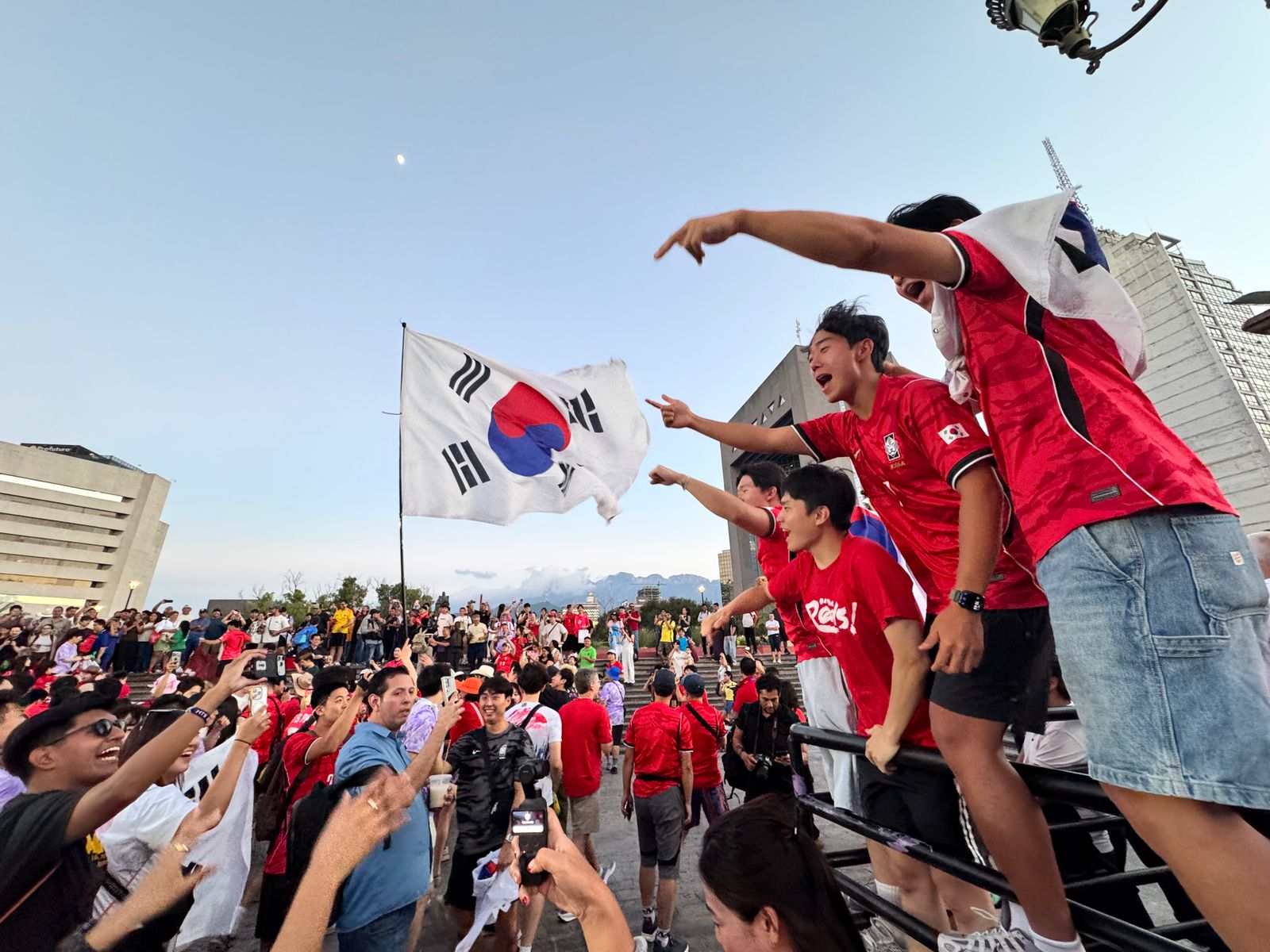
The national team concentrates that attention. Club rivalries temporarily disappear, red shirts fill public viewing areas, and players who compete in different countries become one lineup. For a broader look at how Korean identity appears in everyday symbols and media, see our guide to Hangeul as a design language.
Long match-day practical: Streaming, translation, tickets, and transit can drain a phone quickly. Compare portable travel power banks before a stadium day, and check airline battery rules if you are flying with one.
See portable travel power banks on AmazonHow to Watch Korean Football More Closely
Start with the KFA roster and match announcements rather than social-media rumors. Club pages are the best source for current squad status, while league availability depends on your country and broadcaster. For domestic football, the K League is the place to see which players may become the next exports.
When watching, look beyond goals. Notice how Son times a run before the pass, how Kim positions himself when his team loses the ball, and how Lee turns his body before receiving. Those details explain more than a highlight compilation about why the players survived at elite level.
If you are planning a Korea trip around sport, leave room for the culture surrounding the match: subway crowds in red, convenience-store food before kickoff, and the collective tension of a national-team broadcast. Our Seoul survival and etiquette guide covers the transit and street basics that make a first match day easier.
FAQ
Q: Which club does Son Heung-min play for in 2026?
Son is listed by both Los Angeles FC and the Korea Football Association as an LAFC forward. Older articles that still describe him as a Tottenham player are out of date.
Q: Did Son Heung-min win the Premier League Golden Boot?
Yes. He shared the 2021-22 Golden Boot with Mohamed Salah after scoring 23 league goals, all from open play rather than penalties.
Q: Is Kim Min-jae still important to South Korea?
Yes. Kim remains one of Korea's leading central defenders and a core national-team player when available. Always check the latest KFA squad because injuries and selection can change.
Q: Where did Lee Kang-in learn football?
He moved to Spain as a child and developed in Valencia's academy. He later played for Valencia and Mallorca before joining Paris Saint-Germain in 2023.
Q: Is the K League worth watching?
Yes, especially if you want to understand the player pipeline rather than only its famous exports. The league offers strong supporter culture, accessible stadiums, and many current or future national-team players.
Q: Are Korean players successful only because they work hard?
No. Work habits matter, but elite careers require technique, tactical judgment, health, opportunity, and adaptation. "Hard-working Korean" is too narrow to explain three very different players.
Sources
You Might Also Like
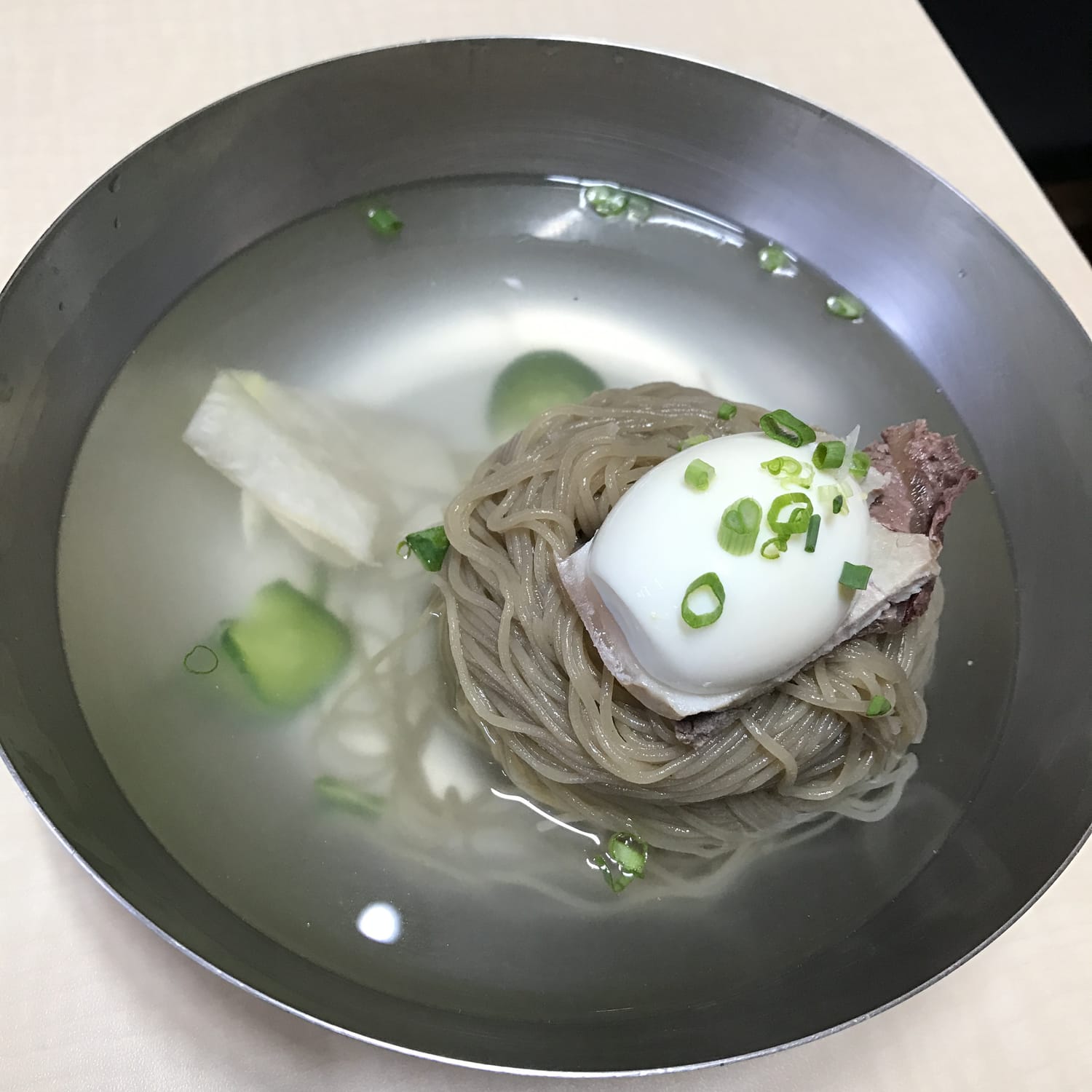
The One Korean Food Foreigners Never Learn to Love: Hamheung Naengmyeon, and Why Koreans Can't See the Problem
Foreigners who eat cheonggukjang and even hongeo still will not pay for this twice. A Korean creator who fed foreigners for years says naengmyeon was the overwhelming number one refusal, and Koreans, who rank it first every summer, cannot see why.

Why Do Koreans Stare at Foreigners? The 5% Country, and Where the Looking Actually Happens
In central Seoul nobody looks at you. In a provincial market, a small town or a subway car of grandmothers, they do. Korea only became a 5%-foreign country in 2025. Where the staring happens, what it means and does not mean, and what to do with it.
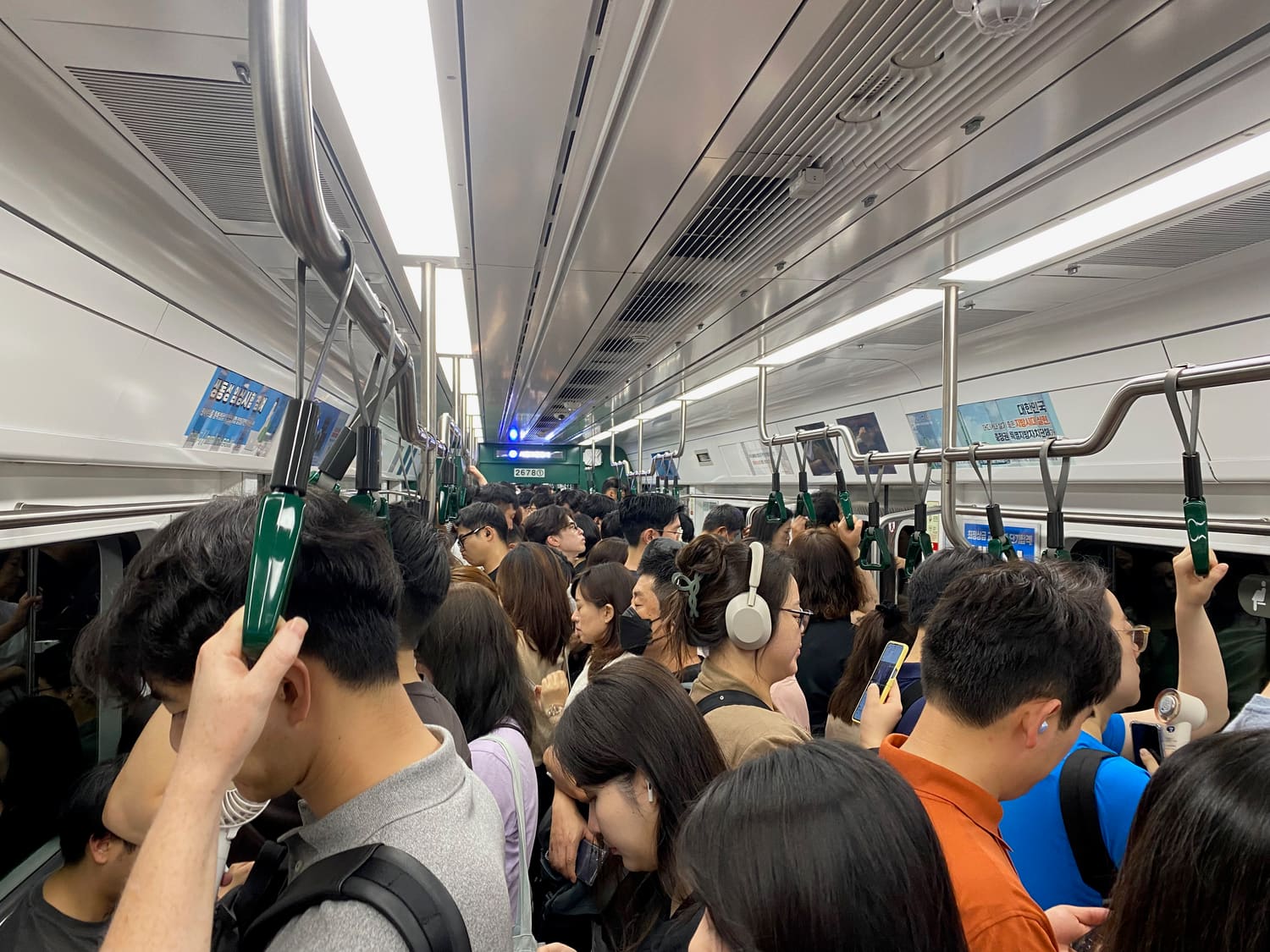
Why Koreans Seem Cold to Foreigners: The Gap Between How Korea Sees Itself and How You See It
Foreigners abroad rate Korea 82.3% favourable. Foreigners living in Korea rank Koreans 39th of 46 countries for friendliness, and 84% of Koreans say they would not trust a stranger. Where the gap comes from, and how to get to the other side of it.