Korean Modern Art: The Painters Whose Work Now Sells for Millions
In November 2019, a two-panel painting by a Korean artist most Western museum-goers had never heard of sold at Christie's Hong Kong for HK$101,955,000 — about US$13 million. The buyer stayed anonymous for three years. When his identity finally came out in 2022, he wasn't a Western collector or an investment fund. He was a Korean conglomerate chairman who said, plainly, that he bought the painting partly to make sure it didn't leave the country.
That painting was Kim Whanki's "Universe 05-IV-71 #200," and its sale is still the single largest number in Korean modern art history. If you've spent time in Seoul without knowing this story, you've probably walked past his work without realizing what you were looking at. This guide introduces the handful of Korean painters whose work now commands genuinely enormous prices, explains why the market is still climbing, and tells you exactly which real, visitable museums actually hold their work — no guessing required.
Kim Whanki, the $13 Million Man
Kim Whanki (김환기, 1913-1974) is, by a wide margin, Korean art's biggest name at auction. Born in Sinan County, he studied in Tokyo, co-founded Seoul's New Realism Group in 1948, and eventually became president of Hongik University's College of Fine Arts before moving to New York in 1963 on an Asia Society grant. It was in New York, in the final decade of his life, that he developed the dense, glowing "dot painting" style he's now famous for — thousands of small blue and white daubs building up into abstract fields that read, from a distance, almost like a night sky or an ocean.
"Universe 05-IV-71 #200" (1971) is his largest known work and his only diptych — two 127×254cm canvases, painted in those final New York years and shown at the 1975 São Paulo Bienal after his death. When it sold at Christie's Hong Kong on November 23, 2019, it set the record for any Korean artwork ever auctioned, a record that still stands. The buyer, revealed in 2022, was Kim Woong-ki, chairman of the Global Sae-A Group. And the market hasn't cooled since: in September 2024, another Whanki canvas from the same period, "9-XII-71 #216," sold at the same auction house for roughly KRW 7.8-9.5 billion — the third-highest price ever paid for a Korean artwork.
His dot paintings weren't a late-career gimmick that happened to sell well, either — Whanki had already been recognized at the top of Korea's official art establishment years earlier. His 1970 painting "16-Ⅳ-70 #166, Where, in What Form, Shall We Meet Again?" — its title borrowed from a line by the poet Kim Kwang-seob — won the Grand Prize at the first Korean Art Grand Award Exhibition, held at what's now the MMCA, shortly before he left for what became his final, most productive New York years.
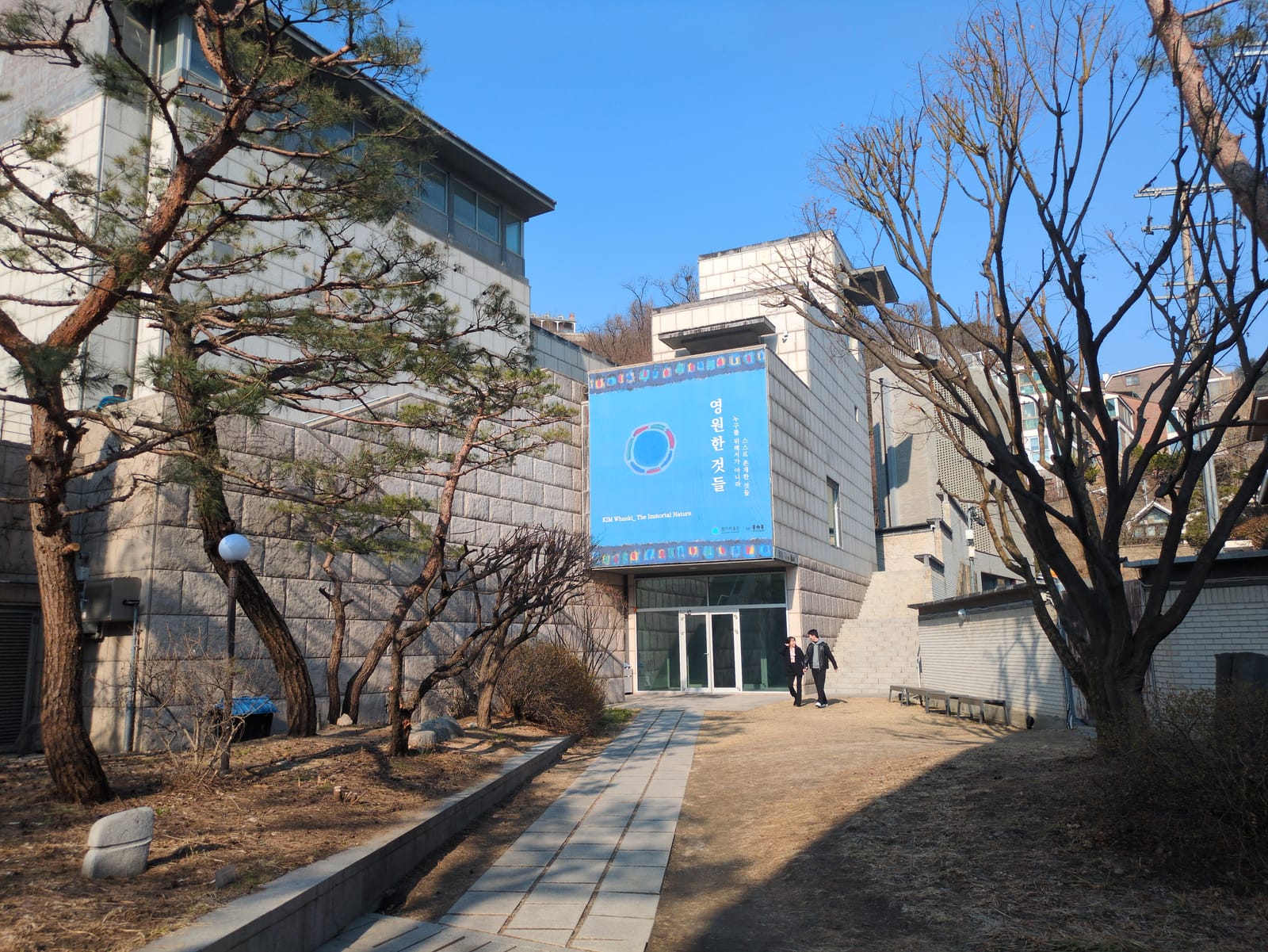
You can see his work in person at the Whanki Museum, a dedicated single-artist museum in Buam-dong, a quiet hillside neighborhood behind Seoul's Inwangsan mountain. Designed by architect Kyu Sung Woo and opened in 1992 by the artist's widow, it closed for a full renovation in 2024 and reopened with a new exhibition, fittingly titled "Kim Whanki: The Immortal Nature."
Korean art and design books — compare on AmazonAffiliate link. As an Amazon Associate, EpicKor earns from qualifying purchases at no extra cost to you.
Lee Ufan, the Philosopher Who Paints With Almost Nothing
If Kim Whanki's work is dense and layered, Lee Ufan (이우환, b. 1936) built a career on the opposite instinct: doing as little as possible, deliberately. Born in Haman County during the Japanese occupation, Lee studied art at Seoul National University before moving to Japan to study philosophy, and became the leading theorist of Mono-ha ("School of Things") — a late-1960s Tokyo avant-garde movement built around raw, barely-altered materials like stone, steel, and glass, arranged to make you notice the relationship between an object and the empty space around it rather than the object itself.
Lee is still working today — he turned 90 in 2026, with major new exhibitions that year at Dia Beacon in New York and the San Marco Art Centre in Venice, including freshly made paintings and sculptures. He splits his time mainly between Kamakura, Japan and Paris, France, not Korea, which surprises some visitors expecting a Korea-based studio. His recent auction record is US$2.66 million for "East Winds," sold at Seoul Auction in 2021.
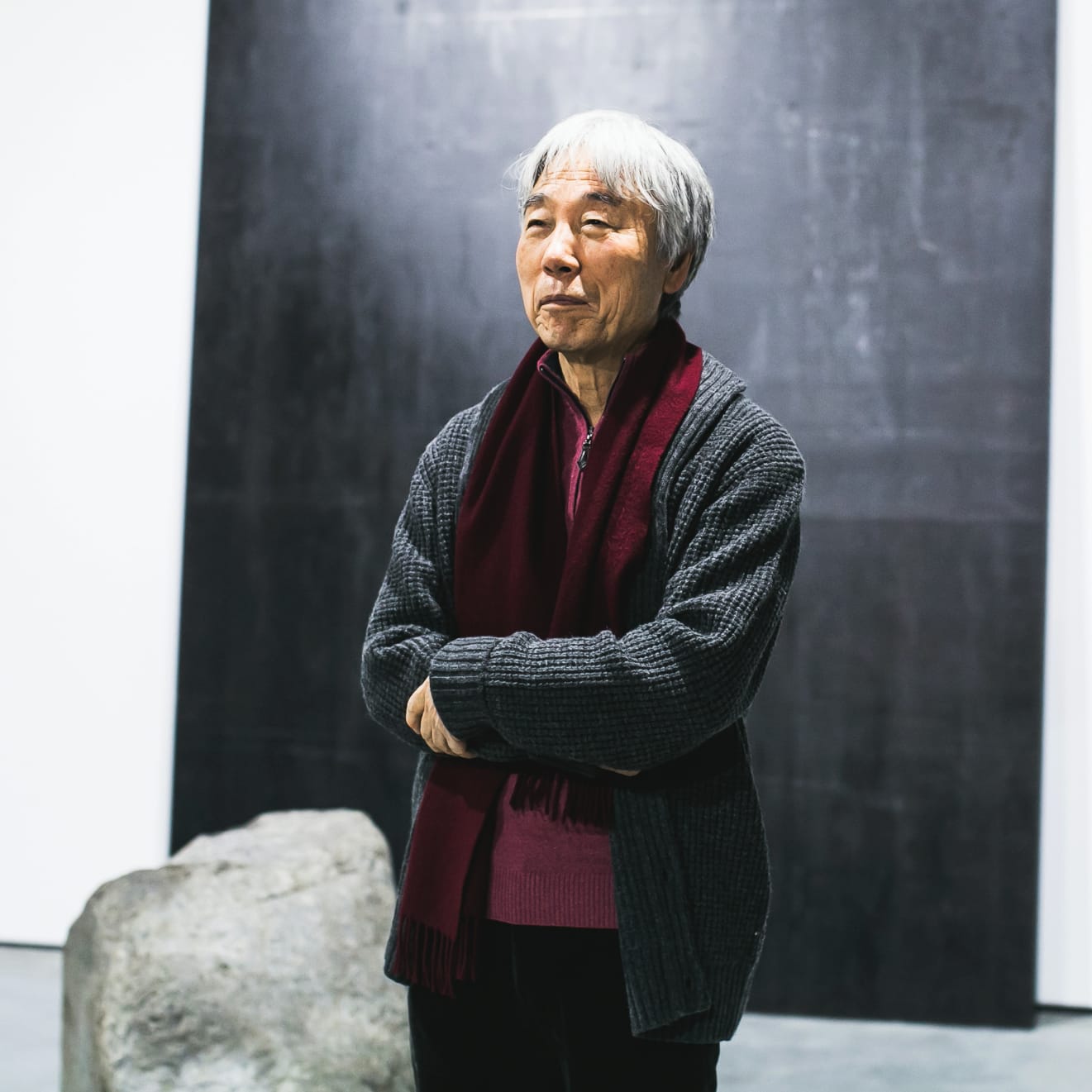
The place to actually see his work in Korea is Space Lee Ufan at the Busan Museum of Art, which opened in April 2015 as the first Lee Ufan-dedicated exhibition space in Korea — worth flagging, because the two other namesake Lee Ufan museums, on Naoshima Island and in Arles, France, are both outside Korea and easy to confuse if you're searching casually. The Busan space spans two levels, was designed by the artist himself, and holds 15 paintings, 7 indoor installations, and an outdoor sculpture park, all from a 2013 donation agreement. In Seoul, Kukje Gallery in Samcheong-dong represents him alongside fellow Dansaekhwa masters like Park Seo-Bo and Ha Chong-Hyun.
Dansaekhwa (단색화), literally "monochrome painting," is worth knowing as a term on its own — it's the umbrella name for the loose group of Korean painters, Lee Ufan among them, who worked through the 1970s pushing paint, ink, or pencil into canvas through repetitive physical processes rather than depicting a scene. The results often look deceptively simple from across a room — a single field of grey, a grid of dots, a rippled surface — but the whole point is the process embedded in the material, closer to a meditative discipline than a picture. If you only remember one term from this section, Dansaekhwa is the one to drop when a Korean gallery wall text otherwise looks like an unbroken field of grey and you want to sound like you know why.
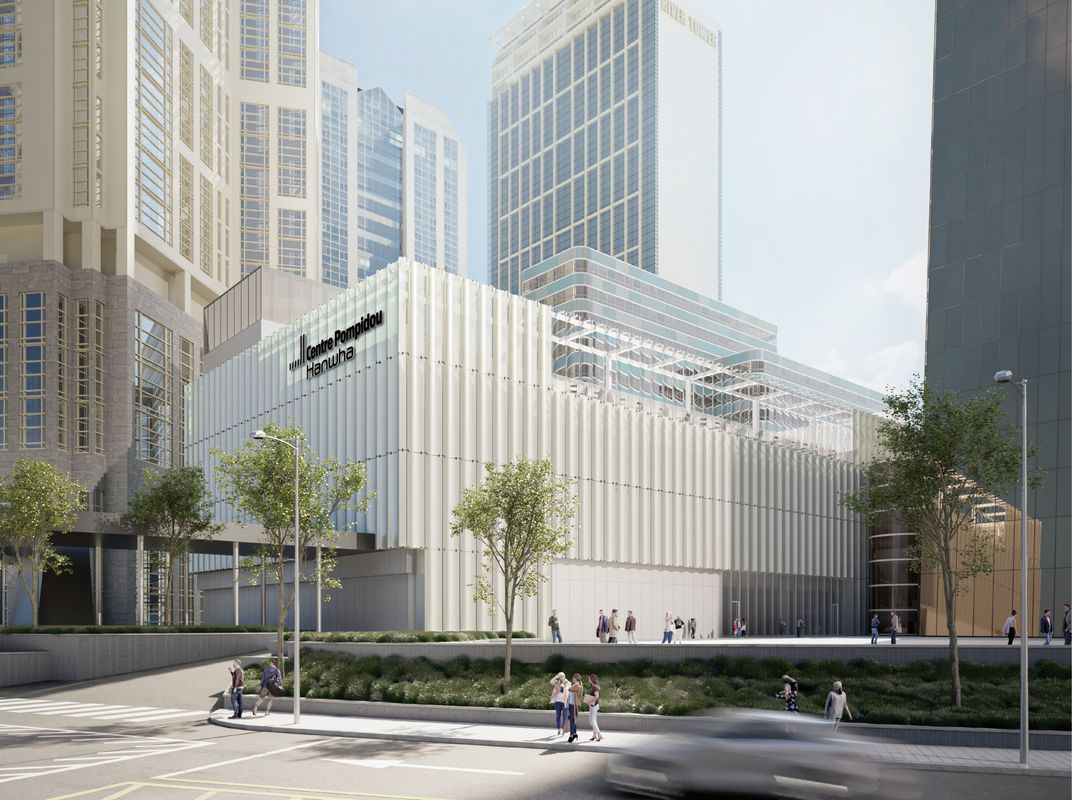
If contemporary architecture and museum-hopping is already your kind of Seoul day, this pairs naturally with our guide to Centre Pompidou's new Hanwha Seoul outpost as a second stop.
Park Soo-keun, the Self-Taught Painter of Ordinary Life
Park Soo-keun (박수근, 1914-1965) is the odd one out in this list in the best way — almost entirely self-taught, at a time when a formal Tokyo art education was practically a prerequisite for a serious Korean painter. Born in Yanggu County, Gangwon Province, he began teaching himself to paint as a teenager out of financial necessity, debuted in a national painting contest in 1932, and spent his career depicting the humble, everyday texture of postwar Korean life — market women, laborers, children — in a distinctive style with a rough, granite-like painted surface and muted, earthen colors. He died in 1965 at 51, having lost sight in one eye a few years earlier.
His market story comes with a genuinely dramatic twist. In 2007, his painting "The Washing Place" sold at Seoul Auction for roughly 4.52 billion KRW (about US$4.86 million), a Korean auction record at the time — and then immediately became the center of a real forgery investigation. An art magazine publicly challenged its authenticity later that year; the Korean Art Appraisal Association convened a review panel that included the artist's own son, which voted 19-1 in favor of authenticity; and the Seoul Central District Court formally ruled the painting genuine in 2009. A separate later work, "A Seated Girl," sold for about US$1.68 million at Seoul Auction in 2015 — a strong, more recent benchmark that doesn't cancel out the 2007 sale, just reflects a different point in the market. His work today sits in the MMCA collection, partly through the major Samsung/Lee Kun-hee family donation of more than 23,000 artworks to Korea's national museums.
Want to go deeper before your trip? As an Amazon Associate, EpicKor may earn from qualifying purchases. Browse Korean art and design books for exhibition catalogs and design histories that go well beyond a museum gift shop postcard.
You might like: Famous Koreans Beyond BTS: Nine Artists the World Has Followed for 30 to 70 Years
The Market Is Still Heating Up
This isn't a story about three dead or aging painters and a market that peaked years ago. Korea's contemporary art market has been on a genuine, measurable run: total Korean art market sales went from roughly 380 billion KRW in 2019 to over 1 trillion KRW by 2022, and auction sales alone rose another 22% in 2024 to 140.5 billion KRW. The first half of 2026 was even sharper — combined sales across Korea's seven domestic auction houses hit 110.8 billion KRW, up 99% year-on-year. By 2022-2023 figures, South Korea ranked 7th globally in contemporary art auction turnover, behind only the US, China, UK, France, Japan, and Germany.
A lot of that momentum traces to one specific event: the September 2022 launch of Frieze Seoul, held at COEX in Gangnam in direct partnership with Korea's own long-running Kiaf Art Seoul fair (running since 2002). The two fairs now share the same venue and dates rather than compete, and the effect on Kiaf itself was immediate — international galleries roughly doubled to around 60 that first year, drawing 164 galleries from 17 countries. By 2025, Kiaf had grown to 175 galleries from over 20 countries, and Frieze and Kiaf have already agreed to extend their partnership through at least 2027.
The market isn't just about historical names, either. Anna Park, born in South Korea in 1996 and now based in Brooklyn, has built a real auction track record with large-scale, frenetic charcoal drawings of social scenes — a 2022 work, "Is it Worth It?," sold for US$484,307 at Christie's Hong Kong, and KAWS publicly championed her work after discovering it at an open studio in 2019. She's a useful reminder that Korea's art story isn't only about painters who are already gone.
| Venue | Location | What you'll actually see |
|---|---|---|
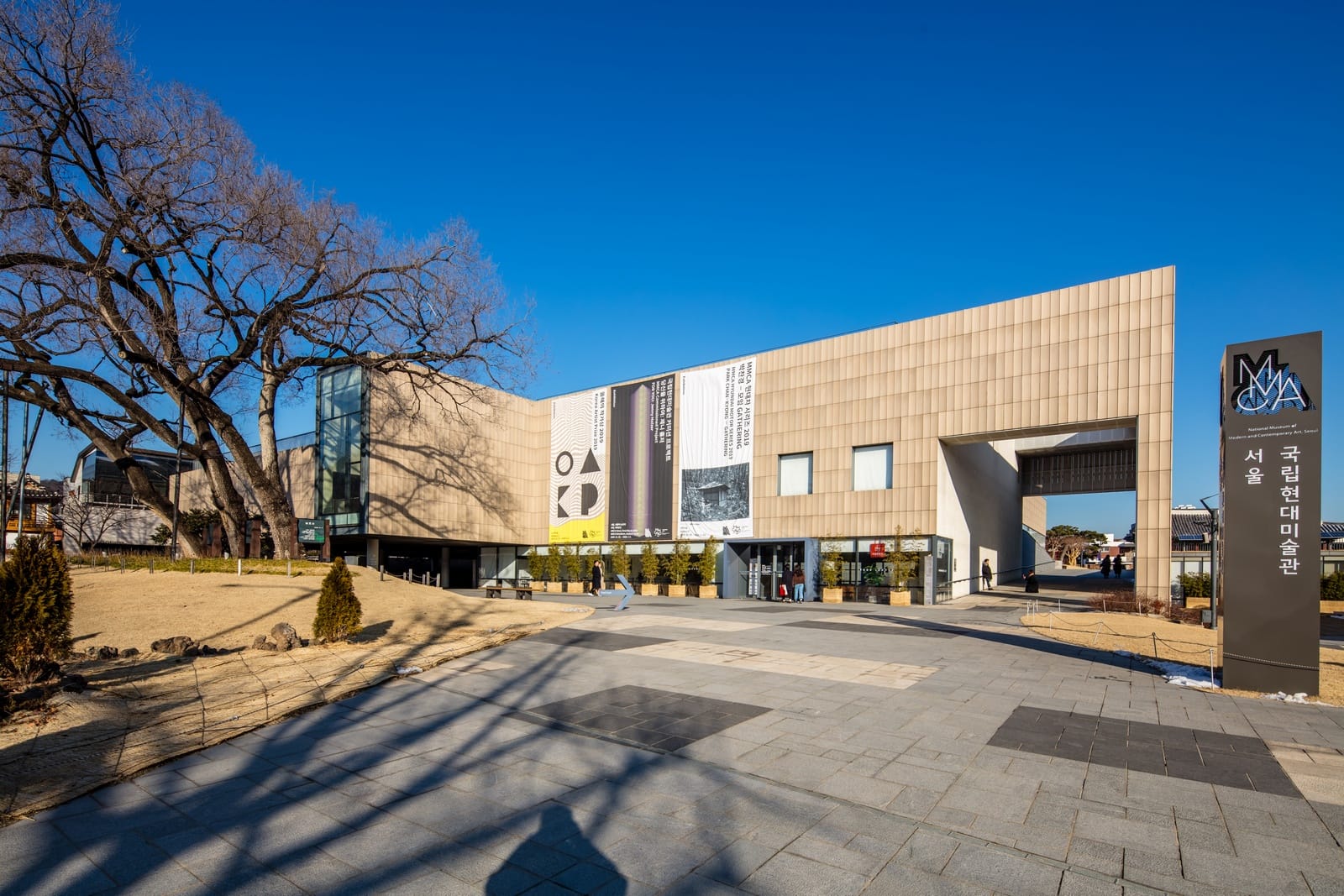
| MMCA Deoksugung | Seoul (Deoksugung Palace grounds) | Korean modern art focus, roughly 1900-1960 — the best single branch for this era |
| MMCA Seoul / Gwacheon | Seoul + Gyeonggi-do | Broader collection spanning modern to contemporary, including Kim Whanki and Park Soo-keun works |
| Whanki Museum | Buam-dong, Seoul | Dedicated single-artist museum for Kim Whanki |
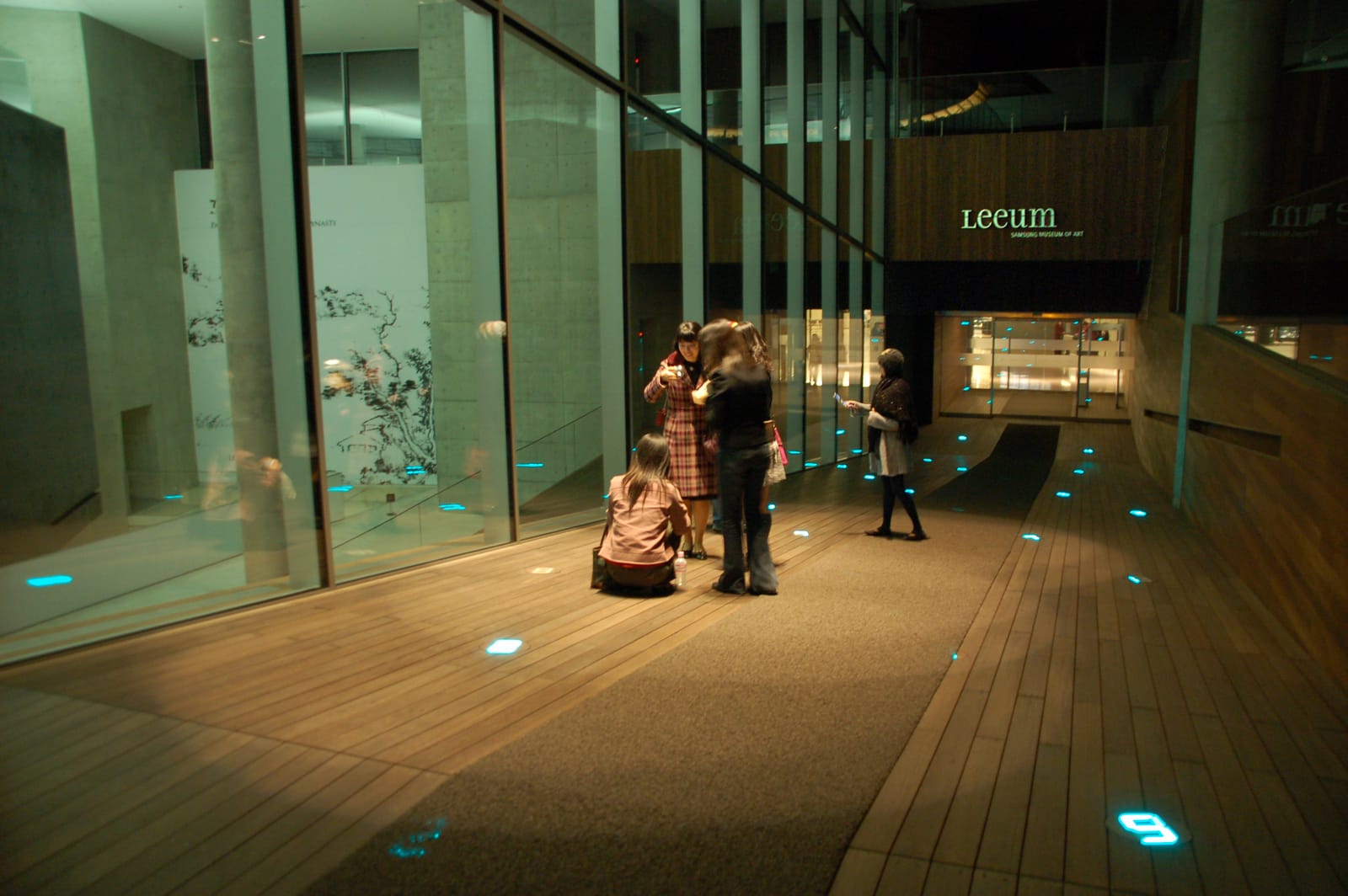
| Leeum Museum of Art | Hannam-dong, Seoul | Samsung-family collection, including Kim Whanki's "Work 19-VIII-72" and "Echo 19-11-73 #307" |
| Space Lee Ufan | Busan Museum of Art | The only dedicated Lee Ufan space in Korea (not Naoshima, Japan) |
| Kukje Gallery | Seoul (Samcheong-dong) + Busan | Commercial gallery representing Lee Ufan and the Dansaekhwa generation |
Planning a museum day around this? As an Amazon Associate, EpicKor may earn from qualifying purchases. Browse Korean culture and history books for broader context on the era these painters worked in, beyond just the auction headlines.
Frequently Asked Questions
Q: Who is the most expensive Korean artist at auction? Kim Whanki holds the record by a wide margin. His 1971 diptych "Universe 05-IV-71 #200" sold at Christie's Hong Kong in November 2019 for roughly US$13 million, still the highest price ever paid for a Korean artwork.
Q: Is Lee Ufan Korean or Japanese? Lee Ufan was born in Korea in 1936 but has spent most of his working life in Japan and France, splitting his time today mainly between Kamakura, Japan and Paris. He's considered a leading Korean-born artist internationally, though his primary artistic movement, Mono-ha, developed in Tokyo.
Q: Where can I see Lee Ufan's work in Korea, not Japan? Space Lee Ufan at the Busan Museum of Art, opened in 2015, is the only dedicated Lee Ufan exhibition space located in Korea. The similarly named Lee Ufan Museum on Naoshima Island is in Japan, and a third space is in Arles, France — easy to mix up if you're searching casually.
Q: Why did Korean contemporary art suddenly get more attention internationally? The September 2022 launch of Frieze Seoul, run in partnership with Korea's existing Kiaf Art Seoul fair, brought a wave of international galleries and press attention that measurably grew the local fair and coincided with a sharp rise in Korean auction sales.
Q: Was a famous Park Soo-keun painting really accused of being fake? Yes. His 2007 record sale, "The Washing Place," was publicly challenged as a possible forgery later that year. A Korean Art Appraisal Association review panel voted 19-1 that it was authentic, and a Seoul court formally confirmed that ruling in 2009.
The Bottom Line
Korean modern art isn't a niche you need an art-history degree to appreciate — it's a genuinely fast-moving market with real record-breaking numbers, a real forgery scandal, a philosopher-painter still making new work at 90, and museums you can actually walk into on an ordinary trip to Seoul or Busan. The next time you're near Deoksugung Palace or Buam-dong, it's worth twenty minutes to go look at the real thing instead of just reading the auction headline.
Sources and further reading:
You Might Also Like
Mullae Seoul Guide: The Steel District That Grew an Art Village
Mullae is named after a spinning wheel, became Seoul's steel district in the 1960s, then filled with artists when Chinese imports emptied the workshops. The metal shops are still working. Here is how to visit without getting it wrong.
Seoul Museum Gift Shop Guide 2026: MU:DS and MMCA
Find meaningful Korean design souvenirs at Seoul museum gift shops, including MU:DS and MMCA, with routes, gift ideas, and practical buying tips.
Centre Pompidou Hanwha Seoul: Yeouido Art Stop Guide
A timely guide to Centre Pompidou Hanwha Seoul in Yeouido: opening facts, why it matters, how to plan a visit, and what to pair nearby.