Korean Diet Secrets 2026: Kimchi, Fermentation, and Why Koreans Live Longer
Most foreigners get this completely wrong: they think the "Korean diet secret" is some rare superfood you need to hunt down. It isn't. South Korea just posted a record life expectancy of 83.7 years in the OECD's Health Statistics 2026 release, and the honest answer behind it has been sitting on every Korean dinner table for centuries. It's kimchi, yes, but it's really the whole system around it, fermentation, small varied side dishes, and a few daily habits that never made it into a diet book.
This isn't a miracle-food article. It's a practical look at what Koreans actually eat, why fermentation is doing more work than people assume, and which parts of it you can realistically bring into your own kitchen.
What The Record Life Expectancy Number Actually Means
The OECD Health Statistics 2026 release, published July 23, 2026, put South Korea's life expectancy at a record 83.7 years, among the highest in the OECD. Korean and international outlets covering the release framed it as part of a genuine health paradox: Korea gets this outcome with one of the lowest numbers of doctors per capita in the OECD, not the most.
That gap matters here because it pushes the explanation away from "better hospitals" and toward daily life: what people eat, how they eat it, and habits repeated so often nobody thinks to mention them. Diet is not the only factor behind a national life-expectancy number, genetics, healthcare access, and lifestyle all play a role, and no single dish explains an entire population's health outcomes. But the traditional Korean table is a genuinely distinctive pattern, and it's worth understanding on its own terms rather than as a vague "Asian diet" cliche.
Korean kimchi stew with tofu — compare on AmazonAffiliate link. As an Amazon Associate, EpicKor earns from qualifying purchases at no extra cost to you.
The Korean Table Isn't One Big Plate, It's Many Small Ones
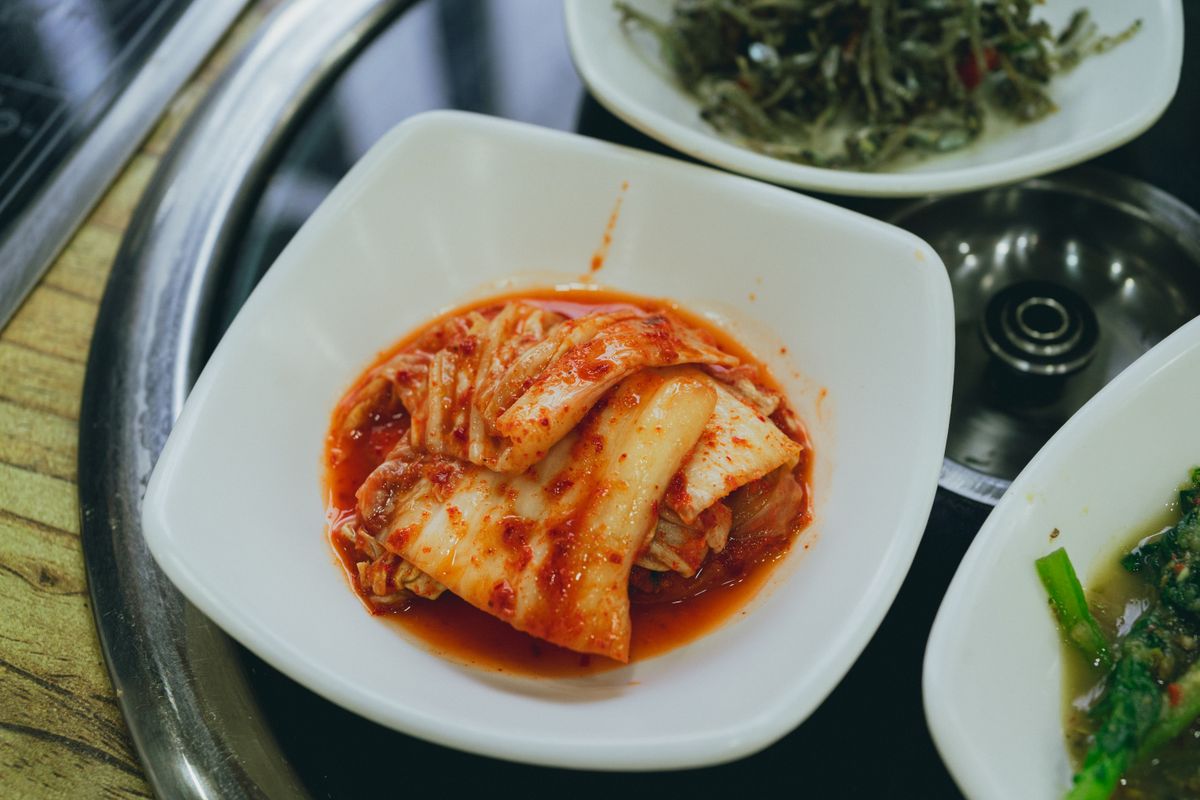
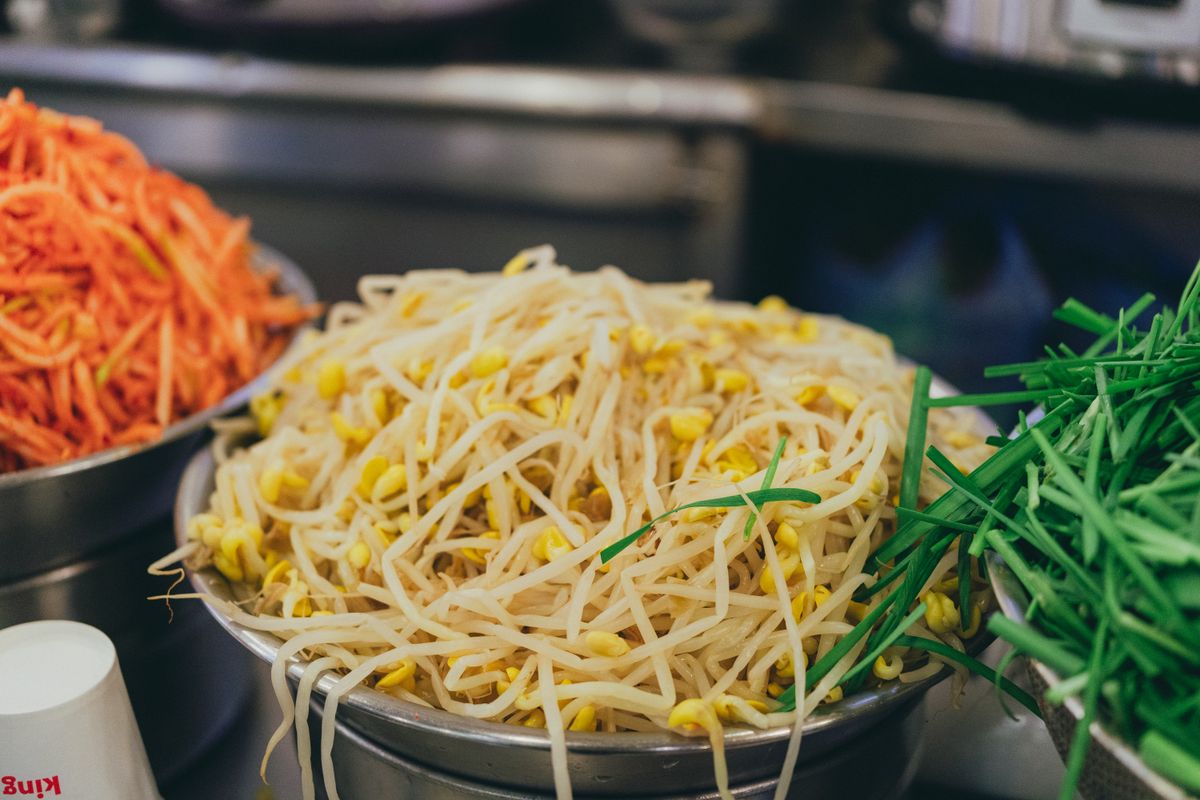
What makes a Korean meal unique is the structure before you even get to the ingredients. A traditional setting is rice, soup, a main protein, and then banchan, a spread of shared side dishes that can range from two or three at a simple home meal to a dozen or more at a bigger table. Kimchi is always one of them, but it shares the table with seasoned vegetables, braised tofu, pickles, and other small dishes rather than standing alone.
That structure changes how a meal actually works. Instead of one large portion of one dish, you're eating smaller amounts of many different things, which naturally builds in more vegetables and more variety per sitting than a single-entree meal does. EpicKor's Korean banchan culture guide goes deeper into how this side-dish system developed and how to navigate it at a real Korean restaurant table.
Kimchi: The Non-Negotiable Side Dish
Kimchi refers to a family of fermented vegetable dishes, most commonly napa cabbage salted, then seasoned with gochugaru (Korean chili flakes), garlic, ginger, scallion, and jeotgal (fermented seafood), and left to ferment. That fermentation is the key step: naturally occurring bacteria convert sugars in the cabbage into lactic acid, which is what gives kimchi its tang and turns it into a fermented, probiotic-containing food rather than a simple pickle.
Consumer nutrition sources like Healthline and EatingWell describe kimchi as a source of probiotics, fiber, and vitamins A, B, and C, while also noting it's higher in sodium than many other vegetables, worth knowing if you're managing blood pressure. What makes kimchi unique isn't a single miracle nutrient, it's that it turns an everyday vegetable into a fermented food eaten at nearly every meal, which is a very different pattern from treating fermented food as an occasional specialty item.
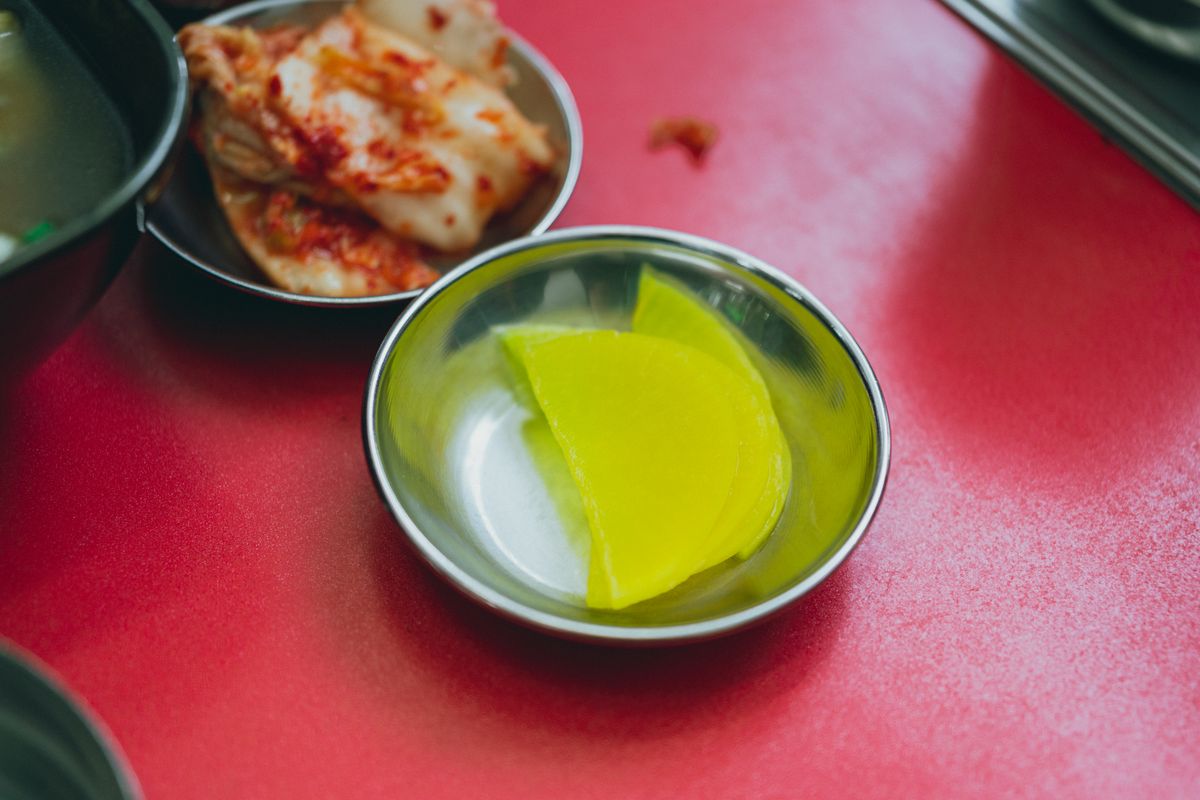
There isn't just one kimchi, either. Baechu-kimchi (napa cabbage) is the most familiar version abroad, but kkakdugi (cubed radish), oi-sobagi (stuffed cucumber), and dozens of regional and seasonal variations exist, each with its own texture and spice level. Making a full batch for winter, known as kimjang, is traditionally a household and community event, not a solo kitchen task.
Want to taste the real thing before you try making it? As an Amazon Associate, EpicKor may earn from qualifying purchases. A ready Korean kimchi stew with tofu is a low-effort way to taste fermented kimchi in its most common cooked form, kimchi jjigae, before you commit to a full pantry of fermented staples.
See Korean kimchi stew with tofu on AmazonKimjang: Why Kimchi-Making Became a UNESCO-Listed Tradition
Kimjang is the seasonal, communal practice of making large batches of kimchi together, traditionally done in late autumn or early winter to stock a household through the cold months. It's recognized by UNESCO as part of the Representative List of the Intangible Cultural Heritage of Humanity, listed specifically for the Republic of Korea's Kimjang tradition of "making and sharing kimchi." UNESCO's own listing frames it less as a recipe and more as a social structure: families and neighbors gather, split the labor, and share the finished kimchi across households, which reinforces community ties as much as it fills a pantry.
That distinction matters for understanding why kimchi carries the cultural weight it does. It's not just a condiment recipe passed down individually, it's a once-a-year group project that ties food security, family cooperation, and identity together in one event. Modern apartment living and store-bought kimchi have changed how often full-scale kimjang happens, but the tradition, and the idea that kimchi is something you make and share rather than just buy, still shapes how kimchi is talked about in Korea today.
Beyond Kimchi: The Other Fermented Staples Doing the Work
Kimchi gets the international attention, but it's not the only fermented staple carrying a Korean kitchen. Doenjang (fermented soybean paste), gochujang (fermented chili paste), and ganjang (fermented soy sauce) are used daily as the base of soups, stews, marinades, and dipping sauces. All three rely on the same basic idea as kimchi: naturally occurring fermentation turning a plain ingredient into something with deeper flavor and, in the case of soybean-based pastes, added probiotic content.
| Staple | Made From | Common Use |
|---|---|---|
| Kimchi | Fermented napa cabbage or radish, chili, garlic | Side dish, stew base (kimchi jjigae) |
| Doenjang | Fermented soybean paste | Soup base (doenjang-jjigae), dips |
| Gochujang | Fermented chili and soybean paste | Marinades, bibimbap, BBQ sauces |
| Ganjang | Fermented soy sauce (brewed from soybeans) | Seasoning, dipping sauce, braises |
What makes this system different from keeping one bottle of soy sauce in the cupboard is frequency and volume. These pastes and sauces aren't garnishes, they're the base flavor of entire meals, which means a much larger share of daily calories runs through some form of fermentation than in most Western diets.
The Habits Around The Food Matter Too
Diet is only half the picture. A few everyday habits show up again and again in how Koreans actually eat:
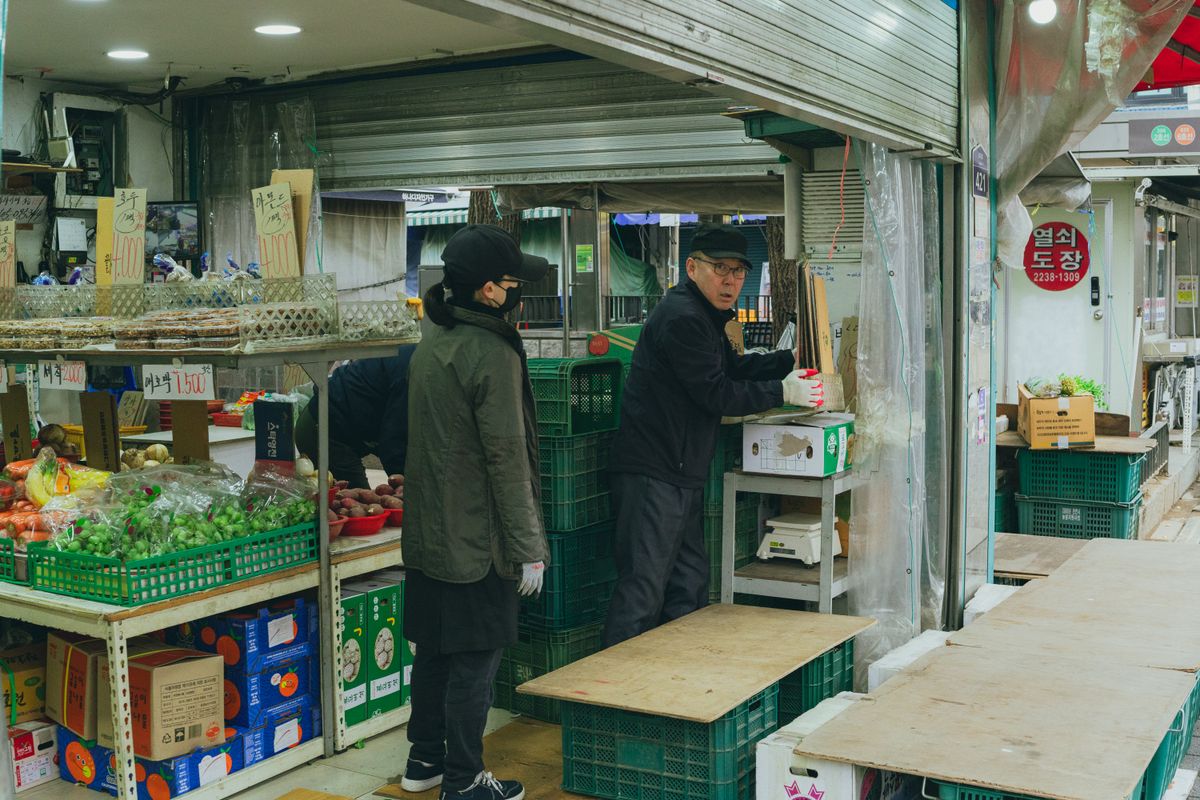
- Small, frequent grocery trips. Produce is often bought a few days at a time rather than in one large haul, which keeps vegetables fresher and side dishes rotating.
- Rice and soup as the anchor, not the centerpiece. Rice is a base, not the star, which naturally shifts more of the plate toward vegetables and protein.
- Communal side dishes. Banchan is shared, which slows a meal down slightly and encourages a wider range of small tastes rather than one large plate eaten quickly.
- Hot soup or stew at most meals. Guk (soup) or jjigae (stew) is a near-constant presence, which adds a hydrating, vegetable-forward component to the table by default.
None of these habits is a secret supplement or a strict rule. They're closer to defaults, the version of eating that happens when nobody's actively dieting, which is a big part of why researchers looking at longevity patterns tend to focus on default daily habits rather than occasional superfoods.
It also helps that none of this requires willpower in the way a strict diet does. Nobody sits down to a Korean meal thinking about macros, they're just eating rice, soup, a protein, and whatever banchan is in the fridge that week. That's arguably the real takeaway: a pattern you don't have to actively maintain is a lot more sustainable over a lifetime than one you have to talk yourself into every single day.
Bringing It Home: What's Actually Realistic
You don't need a kimchi crock and a year of patience to borrow something useful from this system. A realistic starting point looks like this:
| Step | What To Do | Why It Helps |
|---|---|---|
| 1 | Add one fermented side dish to a meal you already cook | Introduces fermentation without changing your whole diet |
| 2 | Swap one bottled sauce for gochujang or doenjang | Builds flavor without needing extra added sugar |
| 3 | Add a simple soup or stew to dinner | Adds volume and vegetables without a bigger portion of the main dish |
| 4 | Buy vegetables in smaller, more frequent batches | Keeps side dishes fresh and easier to rotate |
None of this requires becoming a fermentation expert overnight. Starting with a store-bought jar of kimchi and a bottle of gochujang gets you most of the flavor benefit while you decide if you want to go further.
Ready to actually cook with it? A bottle of Korean gochujang covers marinades, stews, and bibimbap in one jar, and a Korean cookbook is worth comparing if you want real recipes rather than guesswork, since most of this system is easier to copy once you see it written out step by step.
See Korean gochujang on AmazonFrequently Asked Questions
Q: Is kimchi actually healthy, or is that overstated? Kimchi is a fermented vegetable dish that provides fiber, vitamins, and probiotics from the fermentation process, according to registered-dietitian-reviewed sources like Healthline and EatingWell. It's also relatively high in sodium, so it's a genuinely useful food, not a miracle cure, and portion awareness still matters if you're watching salt intake.
Q: Did kimchi alone cause Korea's record life expectancy? No single food explains a national life-expectancy statistic. The OECD Health Statistics 2026 release credits Korea with a record 83.7-year life expectancy, and diet is one contributing factor alongside genetics, healthcare access, and other lifestyle habits. Kimchi and fermentation are a genuine and distinctive part of the pattern, not the whole explanation.
Q: What's the difference between doenjang, gochujang, and ganjang? Doenjang is a fermented soybean paste used mainly as a soup base. Gochujang is a fermented chili and soybean paste used in marinades and sauces. Ganjang is fermented soy sauce used for seasoning and dipping. All three are fermented, but they serve different roles in a Korean kitchen.
Q: Can I recreate a Korean-style meal without making kimchi from scratch? Yes. Store-bought kimchi, a jar of gochujang or doenjang, and a simple soup or stew alongside your usual main dish gets you most of the structure of a Korean table without requiring a full kimjang-style fermentation project.
Q: Is the Korean diet the same everywhere in Korea? No. Regional kimchi styles, spice levels, and side dishes vary across Korea, and modern eating habits, especially in cities, include far more convenience food and dining out than the traditional home-table pattern described here.
Q: Why do Koreans eat so many small side dishes instead of one big plate? The banchan system developed as a way to share a variety of vegetables, proteins, and fermented foods across a table rather than serving one large portion of a single dish. It naturally encourages more variety and smaller portions per item at a given meal.
The Bottom Line
The real "Korean diet secret" isn't a single ingredient, it's a system: fermentation running through daily meals, a table built around variety instead of one big plate, and a few habits that never needed a name because they were just how people ate. South Korea's record life expectancy in the OECD's 2026 data doesn't prove kimchi is magic, but it does make the traditional Korean table worth a second look, especially since most of it is easy to borrow one jar and one side dish at a time.
Next time you're deciding what to add to dinner, skip the supplement aisle and start with a spoonful of kimchi instead.
Sources and further reading:
- Korea Life Expectancy Hits Record 83.7 Years (Sedaily, July 23, 2026)
- Health Care Paradox: Korea's Longevity With Fewest Doctors (Korea Times)
- Kimchi Nutrition, Health Benefits, and Risks (Healthline)
- Is Kimchi Good for You? (EatingWell)
- Kimjang, Making and Sharing Kimchi in the Republic of Korea (UNESCO ICH)
You Might Also Like
Korean Kimchi Containers: The Press Plate Matters More Than the Lid
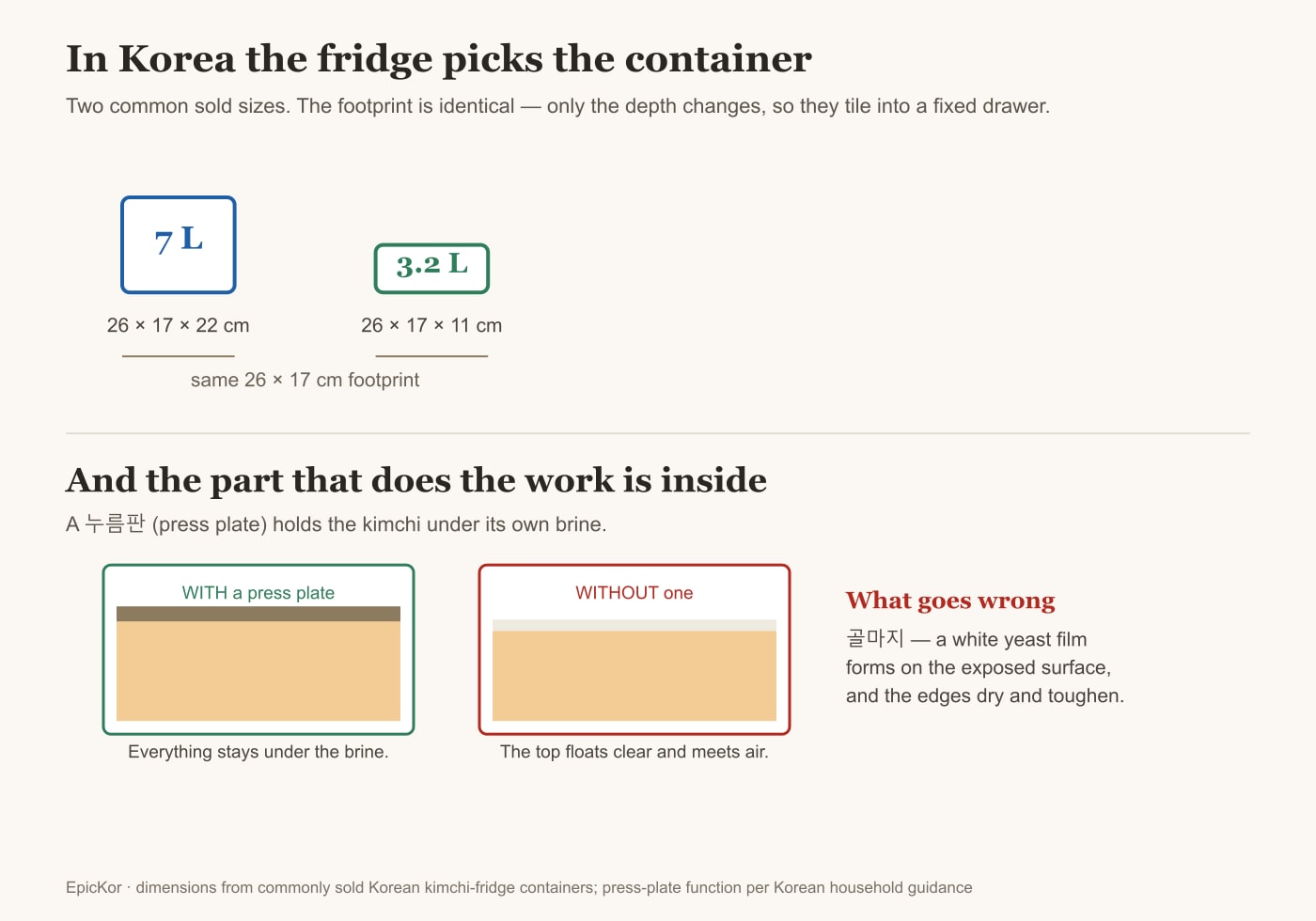
English buying guides rank kimchi containers by lid. In Korea the fridge picks the size — 7L and 3.2L share a 26 × 17cm footprint so they tile — and the part that decides whether the kimchi survives is the 누름판, the plate that holds it under its own brine.

Kimchi Refrigerator: How Korea's Kimchi Fridge Works, Types, Brands and Prices
A kimchi refrigerator (김치냉장고) holds kimchi at a steady sub-zero temperature a normal fridge cannot. 85% of Koreans have one at home (Gallup Korea, 2025). Types, Samsung, LG and Dimchae, Korean prices from ₩699,000 (October 2026), and buying one abroad.

Museum Kimchikan Guide: Korean Kimchi, Kimjang, and Insadong Tips
Museum Kimchikan costs ₩5,000 for adults, opens Tuesday to Sunday 10:00-18:00 and closes every Monday. Kimchi culture, kimjang, the Insadong location, hands-on programs, allergy notes, and what to pair it with.