Korean Temple Food Guide 2026: Vegan Limits and Temples
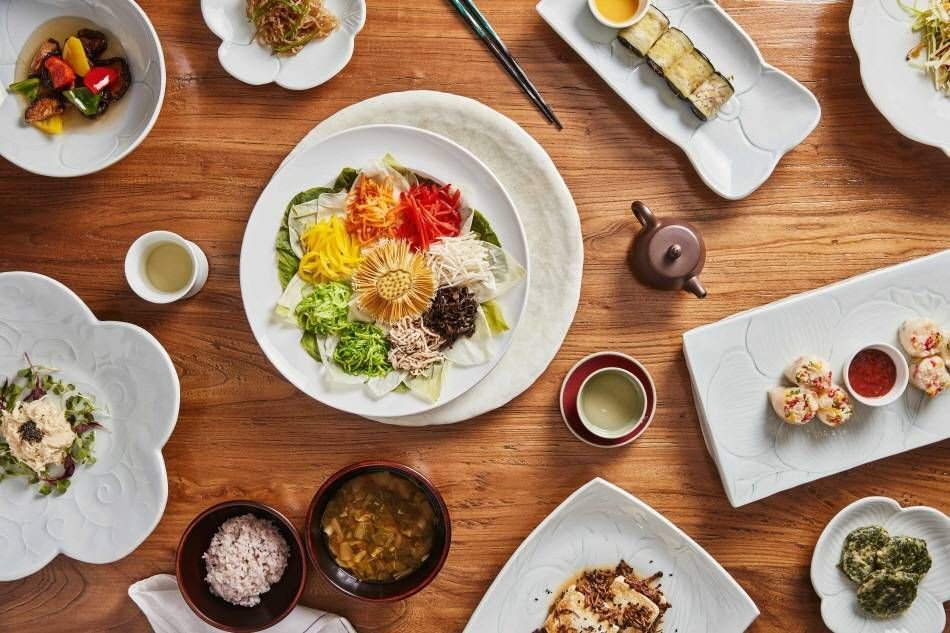
Korean temple food is often introduced as vegan cuisine, but that label needs a careful footnote. The official Korea Temple Food platform says the tradition excludes animal products except dairy and also avoids five pungent vegetables. A temple meal can therefore be entirely plant-based, yet the tradition as officially described is not an automatic vegan certification for every dish, restaurant, class, or packaged sauce.
Temple food is better understood as a Buddhist approach to eating. Ingredients are seasonal, waste is discouraged, and cooking is connected to gratitude, restraint, and respect for living things. Garlic and scallions may be absent even when meat is absent. Fermented pastes, mountain greens, mushrooms, roots, tofu, grains, and carefully made vegetable broths do much of the flavor work.
This 2026 guide explains what monks traditionally avoid, how a temple meal differs from ordinary vegetarian Korean food, and how to choose among a Seoul restaurant, cooking class, cultural center, or temple stay without assuming that every experience follows identical rules.
Quick Answer: Is Korean Temple Food Vegan?
It is often vegan in practice, but you should ask rather than assume. Official Korean temple-food guidance states that animal products are not used, with dairy described as an exception. It also excludes the five pungent vegetables known as o-shin-chae. A strict vegan should confirm dairy, honey, broth, garnish, and fermentation ingredients at the specific venue.
The word “temple-style” is especially important. A city restaurant inspired by temple food may use the philosophy and visual language while adapting flavor for general diners. The official VISITKOREA listing for Sanchon, for example, identifies it as vegan-friendly but notes that five pungent vegetables may be included unless requested otherwise. That does not make the restaurant deceptive; it means restaurant cuisine and monastic discipline are related but not identical.
| Question | Traditional Temple-Food Principle | What a Traveler Should Confirm |
|---|---|---|
| Meat and seafood? | Excluded | Ask about broth, anchovy extract, fish sauce, and garnish |
| Dairy? | Official description allows an exception | Ask if the meal must be strictly vegan |
| Garlic and scallions? | Traditionally avoided as pungent vegetables | Ask whether the venue is strict temple food or temple-inspired |
| Alcohol? | Not part of monastic meal discipline | Restaurant beverage service may differ |
| Allergens? | Not automatically allergen-free | Confirm soy, sesame, nuts, wheat, and cross-contact |
Korean Temple Cooking — recipes and the life of temple-food nun Jeong KwanAffiliate link. As an Amazon Associate, EpicKor earns from qualifying purchases at no extra cost to you.
The Five Pungent Vegetables: O-Shin-Chae
The five pungent vegetables are commonly translated in Korean temple-food materials as garlic, green onion, chives, wild chives, and heunggeo, an aromatic plant less familiar to many international diners. Lists can vary by Buddhist tradition and translation, so the Korean category matters more than forcing every item into a familiar supermarket label.
Why avoid them? Korean Buddhist teaching associates strong pungent ingredients with stimulation that can interfere with calm practice and communal discipline. The point is spiritual moderation, not a medical claim that the vegetables are unhealthy.
For visitors, their absence explains why temple food can taste surprisingly layered rather than aggressively aromatic. Cooks build depth through fermented soybean paste, soy sauce, perilla, sesame, mushrooms, kelp, dried vegetables, roots, fruit, and time. A clear broth may look simple but depend on several stages of preparation.
This also creates a useful distinction for travelers with allium intolerance. Traditional temple food can be promising because garlic and green onion are avoided, but restaurant adaptation, commercial condiments, and cross-contact still require direct confirmation.
What Korean Temple Food Tastes Like
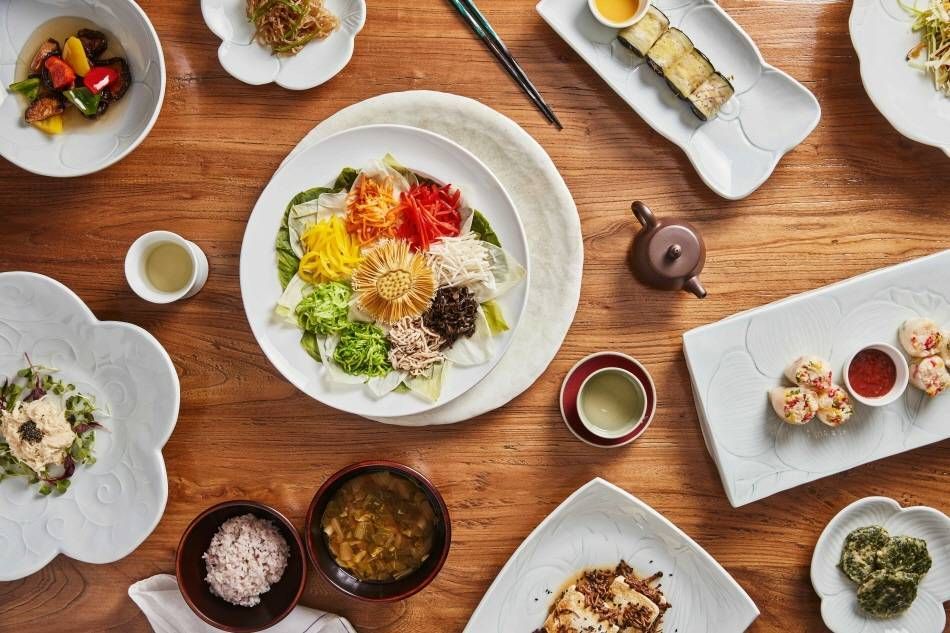
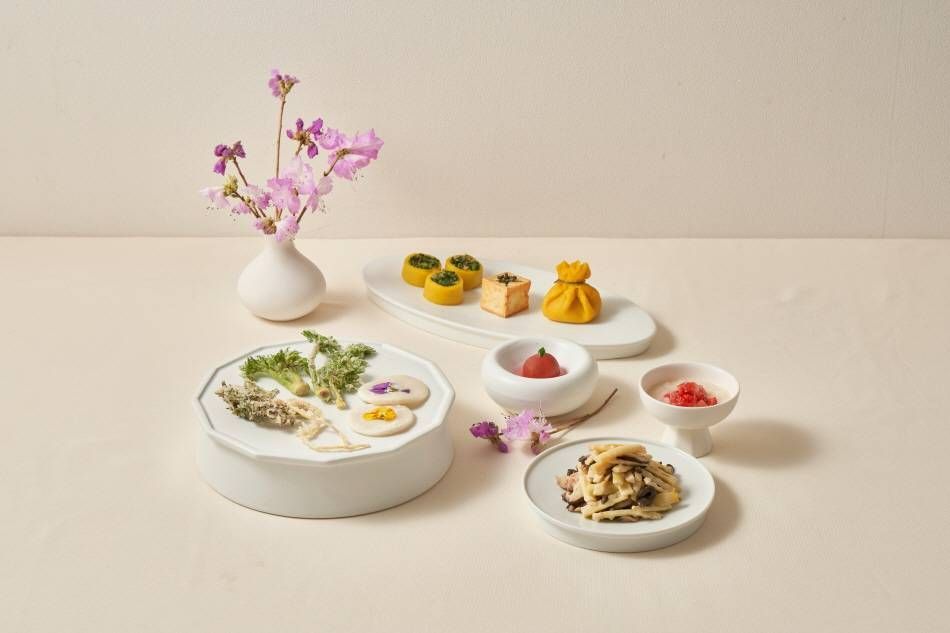
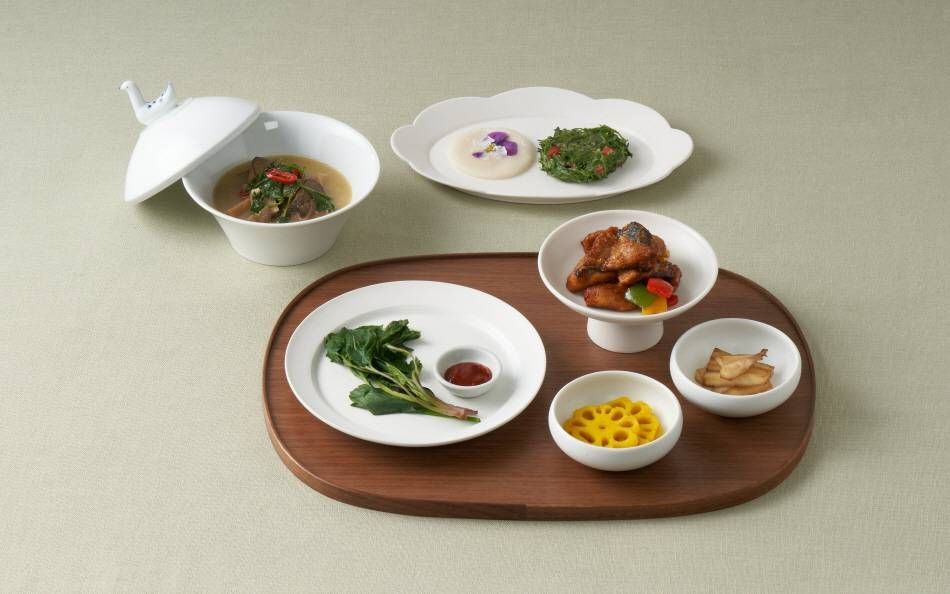
There is no single temple-food flavor. A meal may include seasoned wild greens, tofu, lotus root, mushrooms, acorn jelly, pickled vegetables, fermented soybean dishes, rice cooked with grains, soup, kimchi made without fish sauce or pungent vegetables, and a lightly sweet tea or fruit finish.
Seasonality matters. Spring brings young greens and shoots. Summer favors fresh vegetables and lighter preparations. Autumn may emphasize mushrooms, roots, chestnuts, and new grains. Winter relies more heavily on stored, dried, pickled, and fermented foods.
The food is not necessarily bland. It may be subtle, earthy, nutty, sour, smoky, bitter, or deeply savory. What it usually avoids is the shortcut of adding meat stock, fish sauce, garlic, or a large amount of chili to make every dish immediately loud.
Balwoo Gongyang: A Meal as Practice
Balwoo gongyang is the formal monastic meal practice using nested bowls. The Korea Temple Food platform describes a meal culture based on taking an appropriate amount, expressing gratitude, avoiding waste, and recognizing the work and life involved in food.
A visitor program may demonstrate the bowl arrangement, serving order, silence, cleaning ritual, and final use of water. Do not treat the process as a novelty speed challenge. Watch the instructor, take only what you can finish, and ask before photographing participants.
Not every temple-food restaurant serves formal balwoo gongyang. A multi-course restaurant meal may communicate the ingredients and philosophy without reproducing monastic procedure. Likewise, a temple stay may offer ordinary communal dining rather than a full formal demonstration.
Learn the pantry before copying the plate: As an Amazon Associate, EpicKor may earn from qualifying purchases. Compare Korean plant-based cookbooks for clear broth, fermentation, and allergen guidance; “vegan Korean” and “strict temple food” are overlapping but not identical subjects.
Where to Try Korean Temple Food in Seoul
Seoul offers four useful formats: the Korean Temple Food Center, a formal restaurant, a temple-inspired restaurant, or a temple stay with food programming. Choose by the experience you want rather than by prestige alone.
Temple cuisine and chef-led fine dining can both be meticulous, but their purposes are different. For a contemporary restaurant comparison, read the current Chef Anh Sung-jae and Mosu Seoul guide without treating Michelin stars as a measure of religious or cultural authenticity.
Korean Temple Food Center in Anguk
VISITKOREA describes the Korean Temple Food Center near Anguk as a public cultural space with exhibitions, hands-on programs, and cooking education. It is the best starting point if you want context and technique, not only a finished meal. Programs and languages change, so consult the center's current reservation page before building an itinerary.
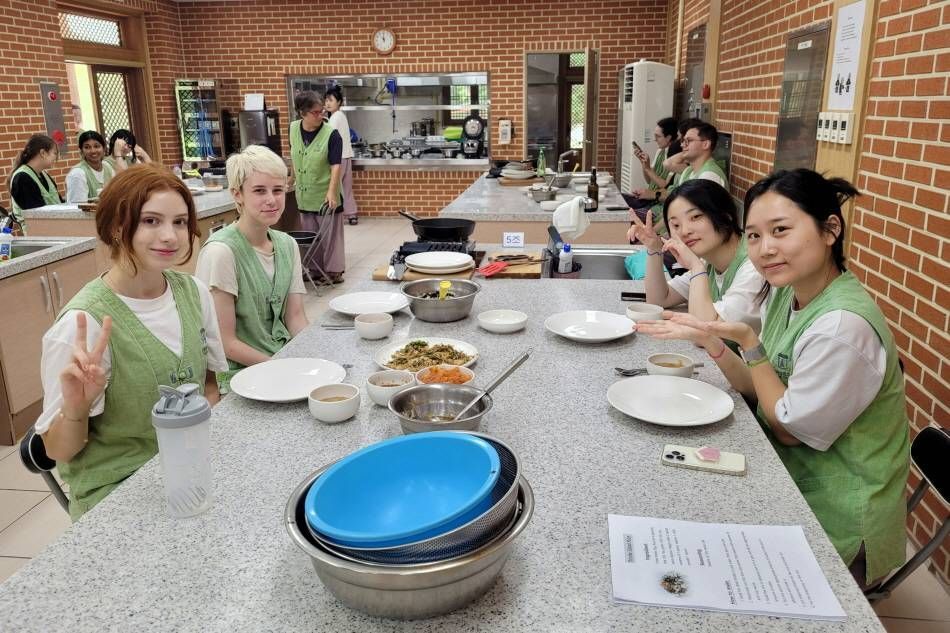
The location also works well with Jogyesa, Insadong, and Bukchon. Keep travel time between them flexible; a cooking class has a fixed start, while neighborhood browsing does not.
Balwoo Gongyang near Jogyesa
The official tourism listing identifies Balwoo Gongyang as a restaurant operated by the Cultural Corps of Korean Buddhism, serving seasonal temple cuisine near Jogyesa. It suits travelers who want a structured multi-course experience and staff accustomed to explaining the tradition.
Confirm the current menu, reservation policy, dress expectations, allergy communication, and whether the service on your date matches a strict vegan requirement. A recognized institution is still a working restaurant whose hours and courses can change.
Sanchon in Insadong
Sanchon is a long-running temple-food-inspired option in the Insadong area. The current VISITKOREA description calls it vegan-friendly while warning that five pungent vegetables can appear unless diners request otherwise. This makes it a useful example of why a reservation note matters.
State your requirement precisely: “No meat, seafood, fish sauce, anchovy broth, dairy, egg, or honey” for strict vegan needs, and separately mention garlic, onion, scallion, and chives if those ingredients matter.
Temple Stay
A temple stay provides the closest connection between food and daily Buddhist practice. Meals may be simple, early, quiet, and communal. The purpose is not restaurant luxury. Read the program details, physical requirements, language support, sleeping arrangement, and cancellation policy before booking.
Our Korean temple stay guide explains the broader rhythm of lodging, meditation, etiquette, and what to pack. If you prefer a shorter heritage visit, see our Seoul temple guide.
Which Experience Is Right for You?
| Experience | Best For | Time Commitment | Main Check |
|---|---|---|---|
| Temple Food Center | Learning, exhibitions, cooking | One to several hours | Program date, language, reservation |
| Formal restaurant | Multi-course meal with explanation | About one meal period | Menu, allergens, vegan definition |
| Temple-inspired restaurant | Accessible flavors and central sightseeing | About one meal period | Pungent vegetables and adaptations |
| Temple stay | Practice, routine, and community context | Half day to overnight or longer | Schedule, lodging, language, physical needs |
For a first visit, the center plus one restaurant is the easiest combination. For someone already interested in Buddhism or contemplative practice, a temple stay has more meaning. For a strict vegan or medically sensitive diner, the best option is the venue that answers ingredient questions clearly, not necessarily the one with the most beautiful marketing.
How to Ask About Vegan and Allergy Needs
Use simple, specific language. “Vegetarian” can be interpreted differently, and a server may focus on visible meat while overlooking broth or fish sauce. A translation card should list every excluded ingredient.
Useful Korean phrases include:
- Jeoneun bigan-ieyo: I am vegan.
- Gogi-wa saengseon-eul mot meogeoyo: I cannot eat meat or fish.
- Myeolchi yuksu-na aekjeot-i deureogayo?: Does it contain anchovy broth or fish sauce?
- Uyu, gyeran, kkul-do an meogeoyo: I also do not eat milk, eggs, or honey.
For a severe allergy, do not rely on a phrase list alone. Contact the venue in advance, describe cross-contact risk, and carry a professional allergy card. Temple food commonly uses soy, sesame, nuts, wheat-based soy sauce, and fermented products.
Dining Etiquette and Responsible Visiting
Arrive on time, especially for a reserved course or class. Wear clothing appropriate for sitting and temple grounds. Ask before photographing monks, other guests, kitchens, altars, or a formal meal ritual. Keep phone use minimal when the program emphasizes silence.
Take small portions first when self-serving. Finishing food is part of the no-waste principle, and you can return for more if the program permits. Do not compare every dish to meat or demand aggressive seasoning; the experience is designed around different values.
Start with a flexible home tasting: Browse Korean food starter packs, then check every label for seafood extract, dairy, wheat, and pungent vegetables. A broad pantry bundle is convenient, but it should not be assumed to follow temple-food rules.
FAQ
Q: Is all Korean temple food vegan?
No automatic guarantee exists. Traditional practice excludes animal products, but official guidance describes dairy as an exception. Restaurants and classes may adapt recipes, so confirm every relevant ingredient.
Q: Why does temple food avoid garlic and onions?
Korean Buddhist food avoids five pungent vegetables because they are traditionally considered stimulating and disruptive to calm practice. This is a religious discipline, not a claim that the vegetables are unhealthy.
Q: Is kimchi in temple food vegan?
Temple kimchi can be made without fish sauce or salted seafood, but ordinary Korean kimchi often includes them. Ask whether the specific kimchi is vegan.
Q: Can people with allergies safely eat temple food?
Temple food is not automatically allergy-safe. Soy, sesame, nuts, wheat, mushrooms, and fermented ingredients are common, and cross-contact policies vary.
Q: Do I need a temple stay to experience the cuisine?
No. Seoul has cultural programs, cooking classes, formal restaurants, and temple-inspired dining. A temple stay adds the daily-practice context but requires more time.
Q: Where should a first-time visitor start?
Check the Korean Temple Food Center's current programs, then reserve a nearby meal that can answer your dietary questions. This provides both explanation and tasting without an overnight commitment.
Official Sources
You Might Also Like
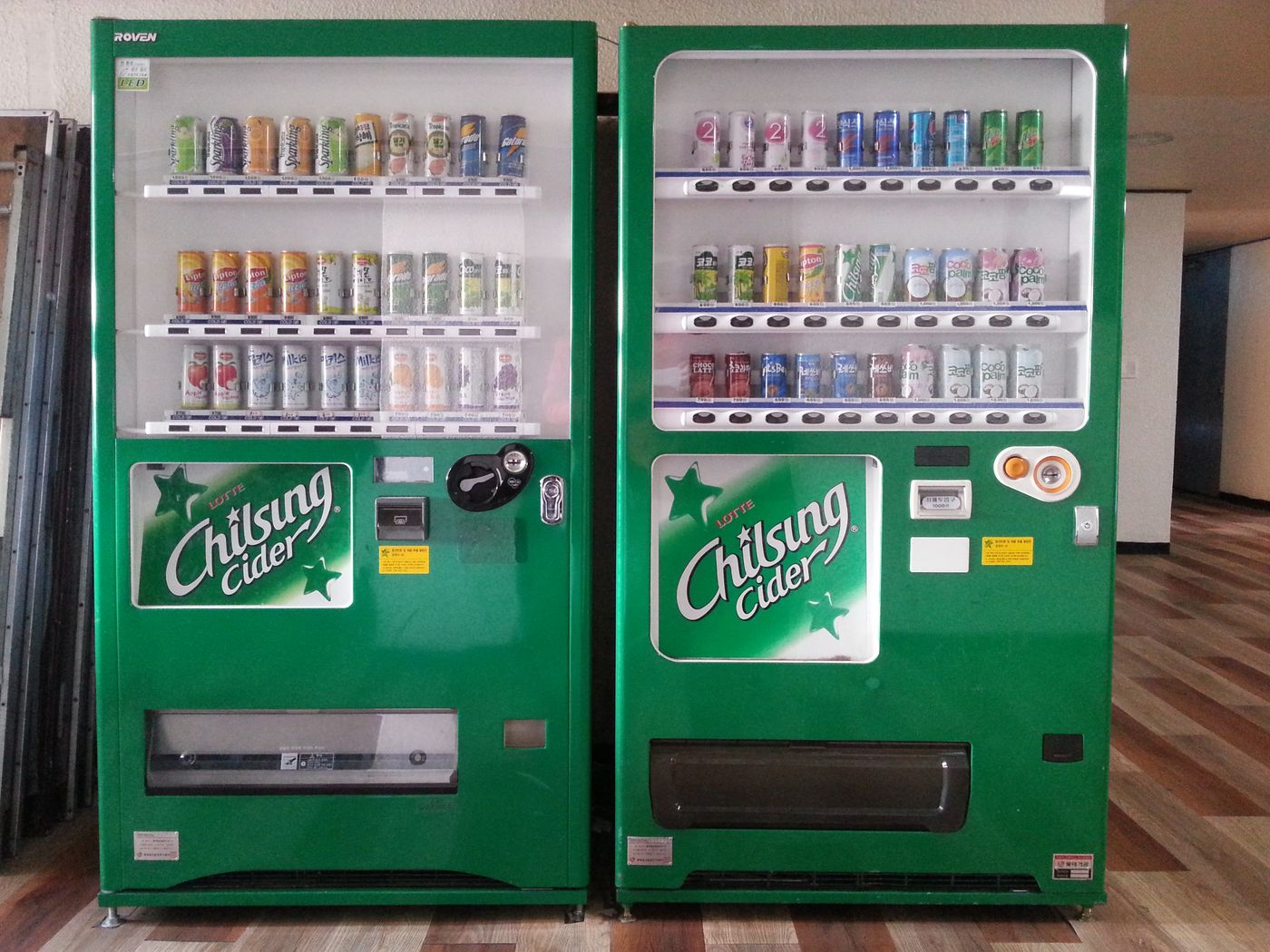
Korean Drinks Guide: What to Buy in a Korean Convenience Store, With the Price, Sugar and Caffeine of Every Bottle
Korean drinks sorted by what you need, priced from CU's own catalogue on 2 October 2026: Bacchus ₩1,000, banana milk ₩1,800, Milkis ₩1,600 with 31 g of sugar. Which have caffeine, which only look like alcohol, and which to skip.
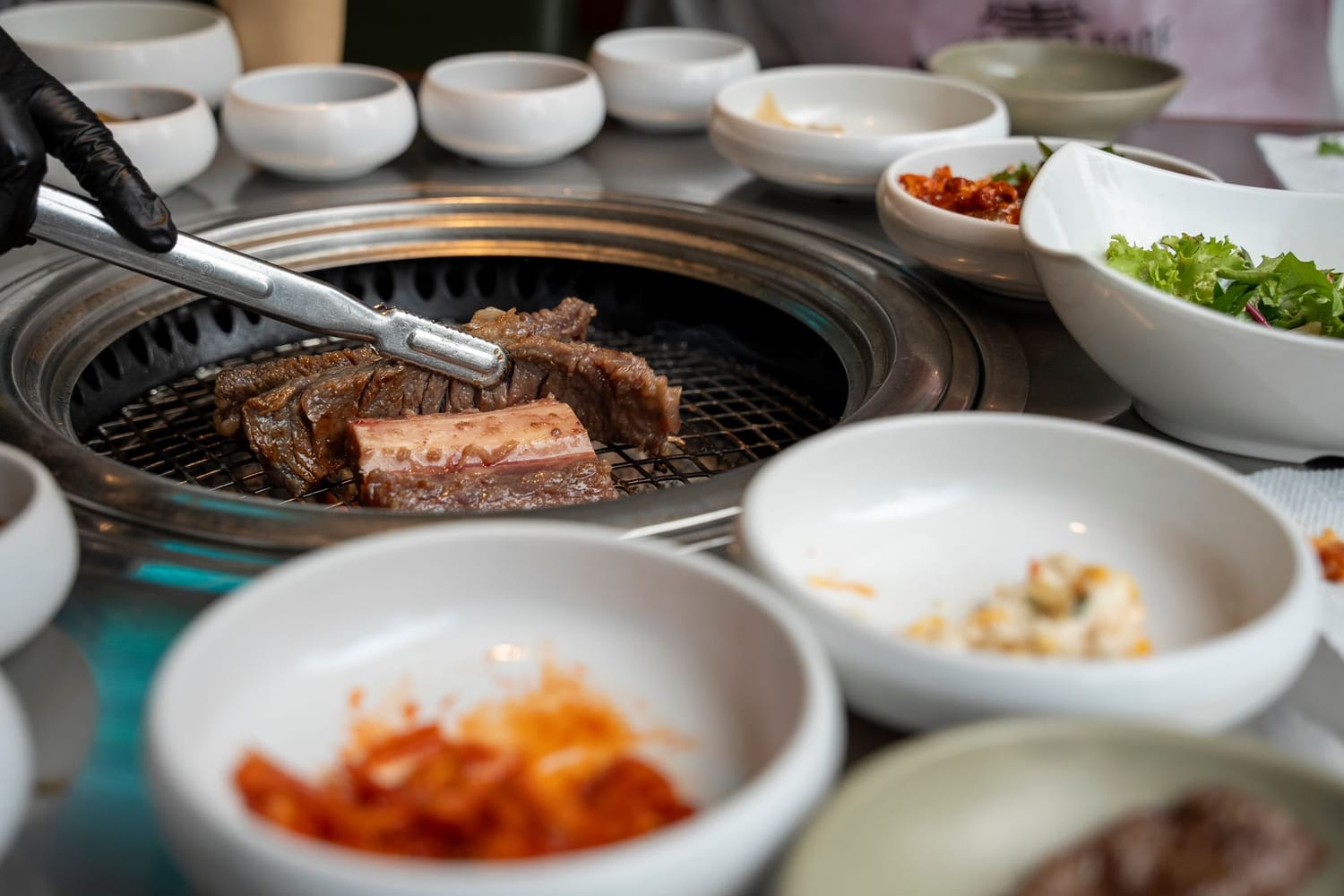
Korean Kitchen Scissors: Why Koreans Cut Meat and Noodles at the Table, and Why It Is Not an Office Scissor
Scissors on a restaurant table look wrong to most of the world and normal to every Korean. The tool is not a desk scissor: thick blades, one serrated edge, big rings, often detachable, built for galbi and cold noodles. Where it came from, and which one to buy.
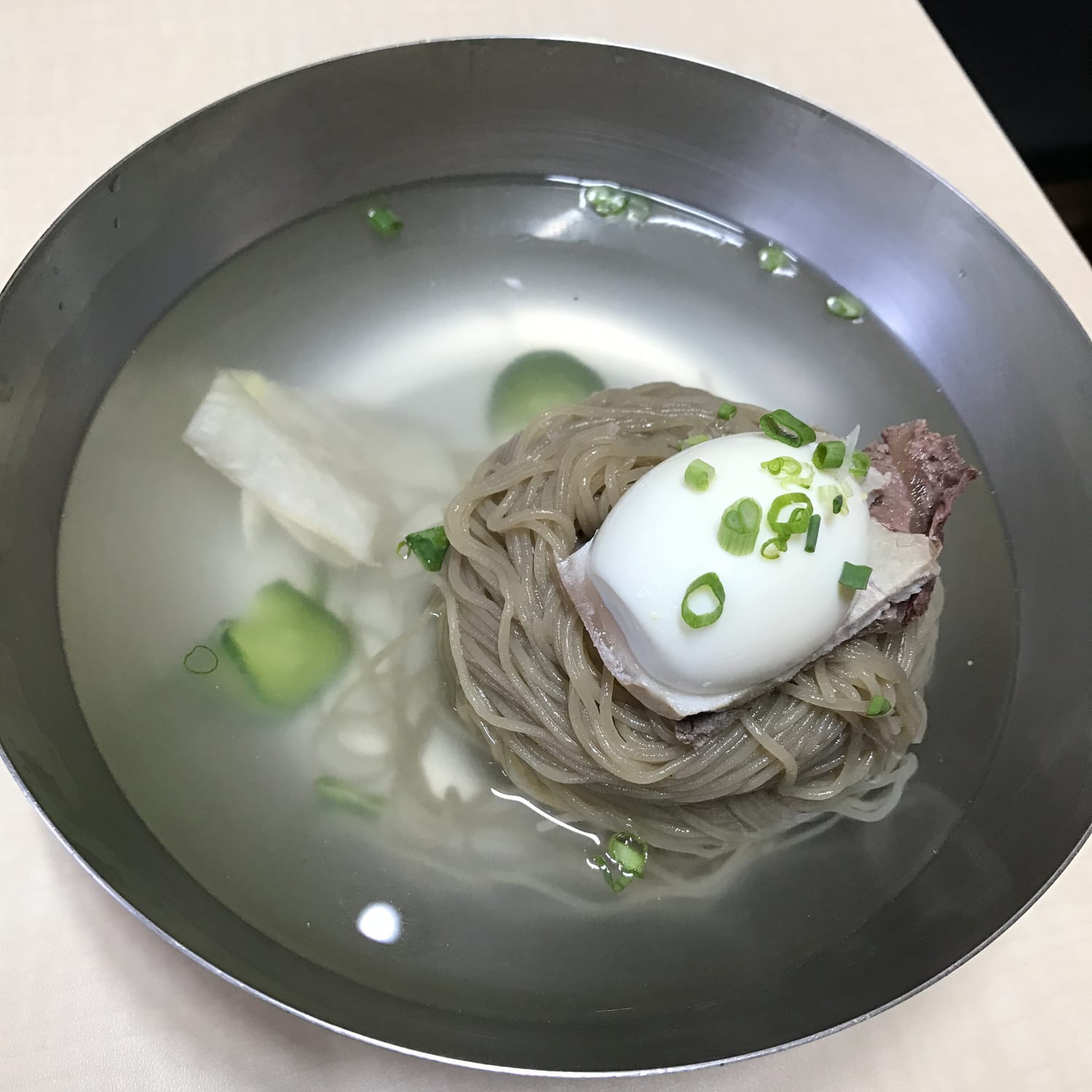
The One Korean Food Foreigners Never Learn to Love: Hamheung Naengmyeon, and Why Koreans Can't See the Problem
Foreigners who eat cheonggukjang and even hongeo still will not pay for this twice. A Korean creator who fed foreigners for years says naengmyeon was the overwhelming number one refusal, and Koreans, who rank it first every summer, cannot see why.