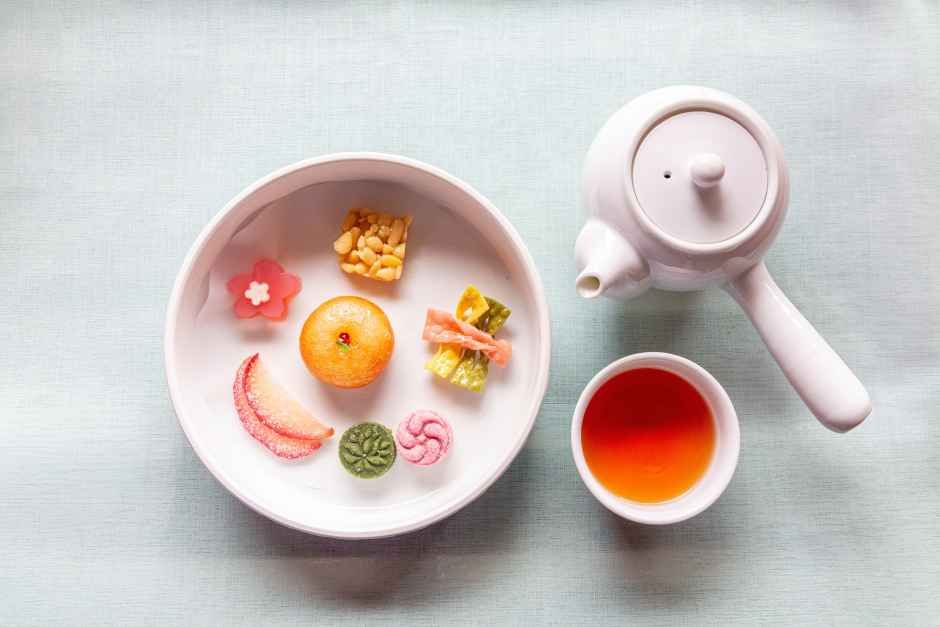
Korean Traditional Desserts Guide 2026: Tteok and Yakgwa
Korean traditional desserts do not fit neatly into the Western idea of a sweet course served after dinner. Rice cakes appear at birthdays and holidays. Fried honey cookies sit beside tea. A cold rice punch may arrive after barbecue. Cinnamon-ginger punch refreshes the palate. Boxes of elegant hangwa function as gifts, while old recipes reappear in Seoul cafes as cream-filled, glazed, or carefully plated modern desserts.
For a first tasting, learn five names: tteok, yakgwa, hangwa, sikhye, and sujeonggwa. They cover chewy rice cakes, fried sweets, a larger family of traditional confections, sweet rice punch, and spiced fruit punch. Texture matters as much as sweetness, and freshness can transform the experience.
This 2026 guide explains what each category is, how to order without confusing similar names, what travels well, and how to build a tea pairing that tastes coherent rather than simply buying the most viral box.
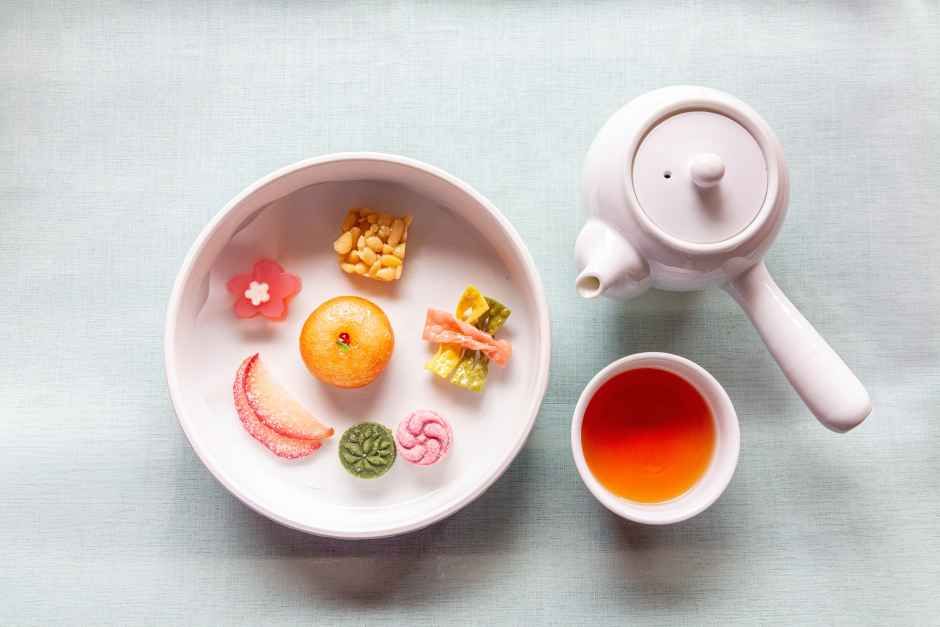
Quick Answer: Which Korean Dessert Should You Try First?
Try injeolmi if you like soft, chewy textures and roasted soybean powder. Try yakgwa if you want a dense fried cookie flavored with syrup, sesame oil, ginger, or other aromatics. Try yugwa or gangjeong if you prefer crisp and airy sweets. Drink sikhye for a cold, mild, malty rice beverage. Choose sujeonggwa for a colder, stronger cinnamon-and-ginger finish.
For gifts, individually wrapped yakgwa, gangjeong, or a reputable hangwa assortment usually travels better than fresh tteok. For the best immediate tasting, buy a small amount of fresh tteok and eat it the same day.
| Name | What It Is | Texture | Best First Choice If You Like |
|---|---|---|---|
| Tteok | Large family of rice cakes | Chewy, soft, dense, or steamed | Mochi-like chew, grain, bean, sesame |
| Yakgwa | Fried wheat-based cookie soaked in syrup | Dense, tender, sometimes sticky | Honeyed spice and rich pastry |
| Yugwa / gangjeong | Puffed or crisp grain confections | Airy, crisp, light | Cereal crunch and seed coatings |
| Sikhye | Sweet rice punch made with malt | Liquid with rice grains | Mild, chilled, lightly malty drinks |
| Sujeonggwa | Cinnamon-ginger punch | Clear chilled drink | Warm spice served cold |
Korean honey yakgwa dessert — compare on AmazonAffiliate link. As an Amazon Associate, EpicKor earns from qualifying purchases at no extra cost to you.
Tteok: Korean Rice Cake Is a Whole Category
Calling tteok “Korean mochi” is a rough texture shortcut, not a complete definition. Tteok can be pounded, steamed, layered, shaped, filled, sliced, or coated. It may use glutinous rice, non-glutinous rice, beans, mugwort, nuts, seeds, fruit, or flowers. Some varieties are sweet; others belong in savory dishes.
One savory use carries a major cultural story: EpicKor's accurate Seollal guide explains sliced rice cakes in tteokguk, the 2023 full-age reform, and why eating the soup symbolizes the new year without changing anyone's legal age.
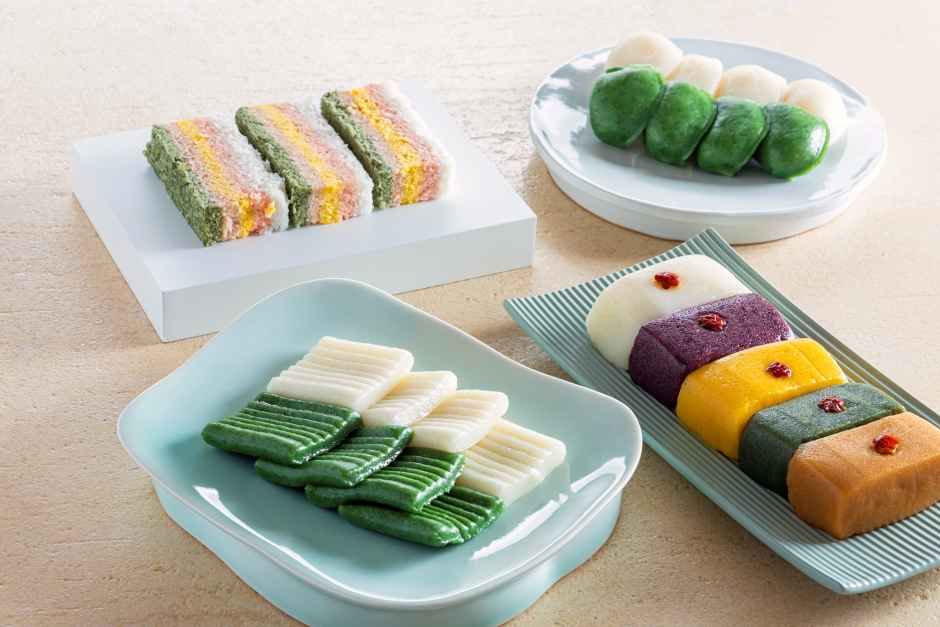
Popular sweet examples include:
- Injeolmi: soft rice cake coated in roasted soybean powder.
- Songpyeon: half-moon rice cakes with fillings such as sesame, beans, or chestnut, strongly associated with Chuseok.
- Baekseolgi: white steamed rice cake with a soft, crumbly texture, common at celebrations.
- Gyeongdan: small round rice cakes coated in powders or crumbs.
- Sirutteok: steamed layered rice cake, often with red bean.
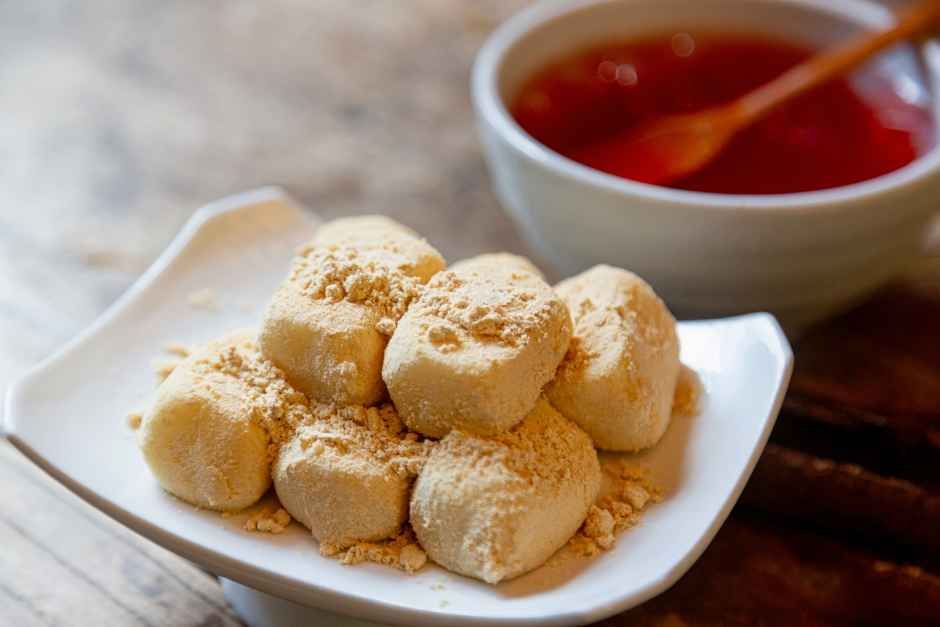
Freshness is crucial. Tteok can firm quickly as starch retrogrades, especially when refrigerated. If a shop says to eat it today, believe the shop. Freezing may preserve some varieties better than refrigeration, but follow the producer's instructions.
The cultural role is equally important. Rice cakes mark first birthdays, weddings, holidays, exams, moving, business openings, and neighborhood sharing. A decorative piece in a cafe may be delicious, but it is only one part of a much broader food tradition.
Yakgwa: The Honey Cookie Behind the Modern Revival
Yakgwa is generally made from wheat flour dough enriched with ingredients such as sesame oil, shaped, fried, and soaked in a sweet syrup that can include honey, grain syrup, ginger, or other flavoring. Recipes and commercial products vary, so “honey cookie” is useful shorthand but not an ingredient guarantee.
The result should be moist and dense rather than dry like a biscuit. Frying creates layers and pores that absorb syrup. Small mini yakgwa can be easy to snack on; larger handmade pieces may be richer and more aromatic.
Modern cafes have turned yakgwa into a platform: ice cream sandwiches, cookies topped with mini yakgwa, cream-filled versions, and plated pairings. The Korea Tourism Organization's 2026 dessert feature treats that reinvention as part of the current K-dessert landscape. Try a classic piece first so you can recognize what the modern version changes.
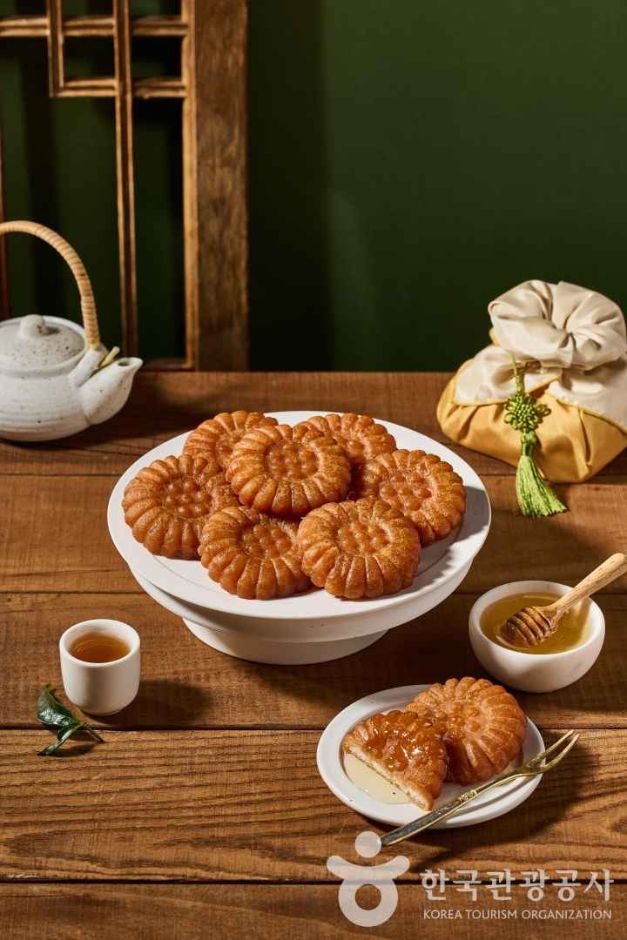
Try the reference flavor first: As an Amazon Associate, EpicKor may earn from qualifying purchases. Compare this Korean honey yakgwa dessert with other packs for ingredient list, piece size, freshness date, and individual wrapping before judging the category by the cheapest bulk box.
See Korean honey yakgwa dessert on AmazonHangwa: One Word, Many Traditional Sweets
Hangwa is an umbrella term for traditional Korean confections, not a single recipe. Depending on the classification, it can include yakgwa, yugwa, gangjeong, dasik, jeonggwa, yeot, and other sweets.
Important subcategories include:
- Yugwa: light, puffed rice confections, often coated with syrup and grain crumbs.
- Gangjeong: crisp pieces made with puffed grains, seeds, or nuts bound with syrup; the word can also appear in savory dish names, so context matters.
- Dasik: small pressed tea cookies made from finely ground ingredients such as sesame, beans, pine pollen, or starch mixed with honey or syrup.
- Jeonggwa: fruits, roots, or peels preserved through simmering or coating in honey or syrup.
- Yeot: traditional grain syrup or candy, ranging from sticky to hard.
A premium hangwa box may emphasize natural color, regional ingredients, hand shaping, and ceremonial presentation. That does not automatically mean every item suits every palate. Some are subtly sweet or powdery; others are sticky, intensely fried, or dominated by sesame.
Buy a mixed small box before committing to a large gift set. If allergies matter, sesame, peanuts, pine nuts, soy, wheat, and other grains need attention.
Sikhye: Sweet Rice Punch
Sikhye is a sweet drink made by using barley malt to convert cooked rice starches into sugars. It is strained, sweetened as needed, chilled, and commonly served with some rice grains in the cup. Korea.net's recipe coverage describes the core pairing of malt and rice.
The flavor is gentle, cereal-like, and refreshing rather than creamy. It often appears at restaurants, bathhouses, markets, and holiday tables. Canned versions are widely available, but fresh versions can taste less uniformly sweet and show more grain character.
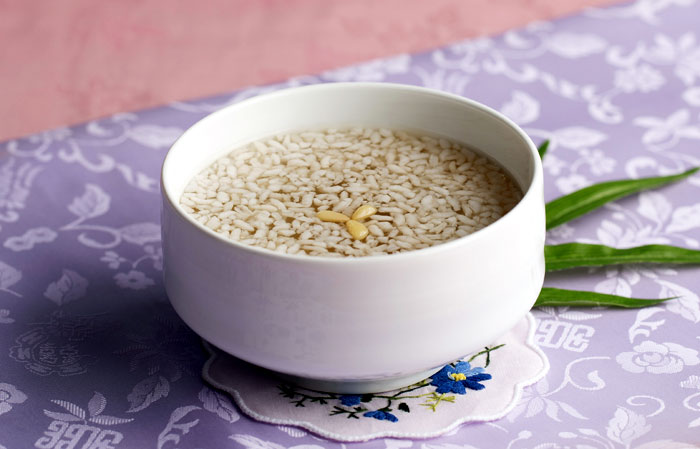
Do not confuse sikhye with shikhye in every regional context; romanization and local foods can create similar spellings. In a Korean restaurant, 식혜 is the rice punch.
At a jjimjilbang, sikhye is commonly paired with baked eggs. At a restaurant, it may arrive as a small complimentary finish. In both cases, it functions more like a refreshing digestif-style sweet drink than a large dessert shake.
Sujeonggwa: Cinnamon and Ginger Served Cold
Sujeonggwa is a traditional punch made with cinnamon and ginger, sweetened, chilled, and often garnished with dried persimmon or pine nuts. VISITKOREA emphasizes the cinnamon, ginger, and honey profile, though home and commercial recipes vary in sweetener.
The surprising feature is temperature: aromas that many people associate with hot winter tea are commonly served cold. The drink can feel warming and cooling at once. It works especially well after oily or rich food because the spice remains clear rather than creamy.
People sometimes group sikhye and sujeonggwa together because both appear as traditional restaurant finishes, but they taste nothing alike. Choose sikhye for malt and rice; choose sujeonggwa for cinnamon and ginger.
How to Order a Balanced Korean Dessert Tasting
Use contrast. Pick one chewy item, one crisp or fried item, and one drink. A strong first trio is injeolmi, yakgwa, and unsweetened or lightly sweet tea. Another is songpyeon, yugwa, and sujeonggwa. If you add sikhye, reduce the number of syrup-heavy sweets.
| Tasting Goal | Choose | Drink | Why It Works |
|---|---|---|---|
| Classic beginner set | Injeolmi + yakgwa | Roasted barley tea | Chewy and dense textures, clean grain finish |
| Holiday textures | Songpyeon + yugwa | Sujeonggwa | Soft filling, crisp grain, aromatic spice |
| Light cafe break | Dasik + small jeonggwa | Green tea | Small portions and controlled sweetness |
| Market sampling | Fresh tteok + mini yakgwa | Sikhye | Easy to share, broad flavor reference |
Ask whether a tea is sweetened before pairing it with syrup-heavy hangwa. A sweet jujube tea plus yakgwa plus sweetened sikhye can flatten the differences.
Where to Find Traditional Desserts in Seoul
Start at a dedicated tteok shop or traditional market for freshness. Department-store food halls are useful for comparing polished gift brands, ingredient labels, and packaging in one place. Insadong and Ikseon-dong have tea houses and modern dessert cafes, though atmosphere can command a premium.
Markets such as Gwangjang may offer approachable individual portions, but not every stall specializes in the same item. Look for turnover, covered food, clear pricing, and staff handling products cleanly. A long line can indicate popularity, not necessarily that the dessert is historically authoritative.
For modern interpretations, search for the specific name rather than “traditional dessert cafe.” Terms such as yakgwa cafe, gaeseong juak, tteok dessert, or hangwa produce more focused results. Check same-day social updates because small cafes sell out.
What to Buy as a Gift and How to Store It
Fresh tteok is the hardest traveler gift because its ideal eating window can be short. Ask about same-day consumption, refrigeration, freezing, and customs restrictions at your destination. Do not carry an unlabeled fresh food box across a border based on guesswork.
Yakgwa and crisp hangwa are easier when individually sealed and commercially labeled. Check the best-before date, oil smell, crushed pieces, nut allergens, and whether the package will survive luggage pressure. A beautiful rigid box may protect better but consumes more space.
Sikhye and sujeonggwa are liquids and add weight. Cans or sealed bottles may be practical in checked luggage only if airline and customs rules allow them. In many cases, tasting the drink in Korea and buying dry tea or sweets is simpler.
Compare before building a snack box: Browse Korean food starter packs for individually labeled portions and recognizable brands. A mixed box is convenient for sharing, but it may combine modern snacks with only one traditional sweet.
For more drink context, see our Korean tea and grain drinks guide. If summer texture is the priority, our Korean bingsu guide explains Korea's better-known shaved-ice dessert.
FAQ
Q: Is tteok always sweet?
No. Tteok is a broad rice-cake category with sweet, neutral, and savory uses. Tteokbokki rice cakes, for example, are usually served in a savory-spicy dish.
Q: Is yakgwa made with honey?
Many recipes use honey, grain syrup, or a combination, but commercial formulas vary. Read the ingredient label if honey, allergens, or sweetener type matters.
Q: What is the difference between hangwa and yakgwa?
Hangwa is the larger family of traditional Korean confections. Yakgwa is one specific fried, syrup-soaked sweet within that family.
Q: Does sikhye contain alcohol?
Ordinary sikhye is a sweet malt-and-rice drink and is not intended as an alcoholic beverage. Fermented or mislabeled specialty products should still be checked individually.
Q: Is sujeonggwa served hot or cold?
It is commonly chilled, even though cinnamon and ginger may suggest a hot drink. Individual cafes can offer variations.
Q: Which Korean dessert travels best?
Commercially packaged, individually wrapped yakgwa or crisp hangwa generally travels better than fresh tteok. Always check destination customs rules and the product's storage instructions.
Official Sources
You Might Also Like
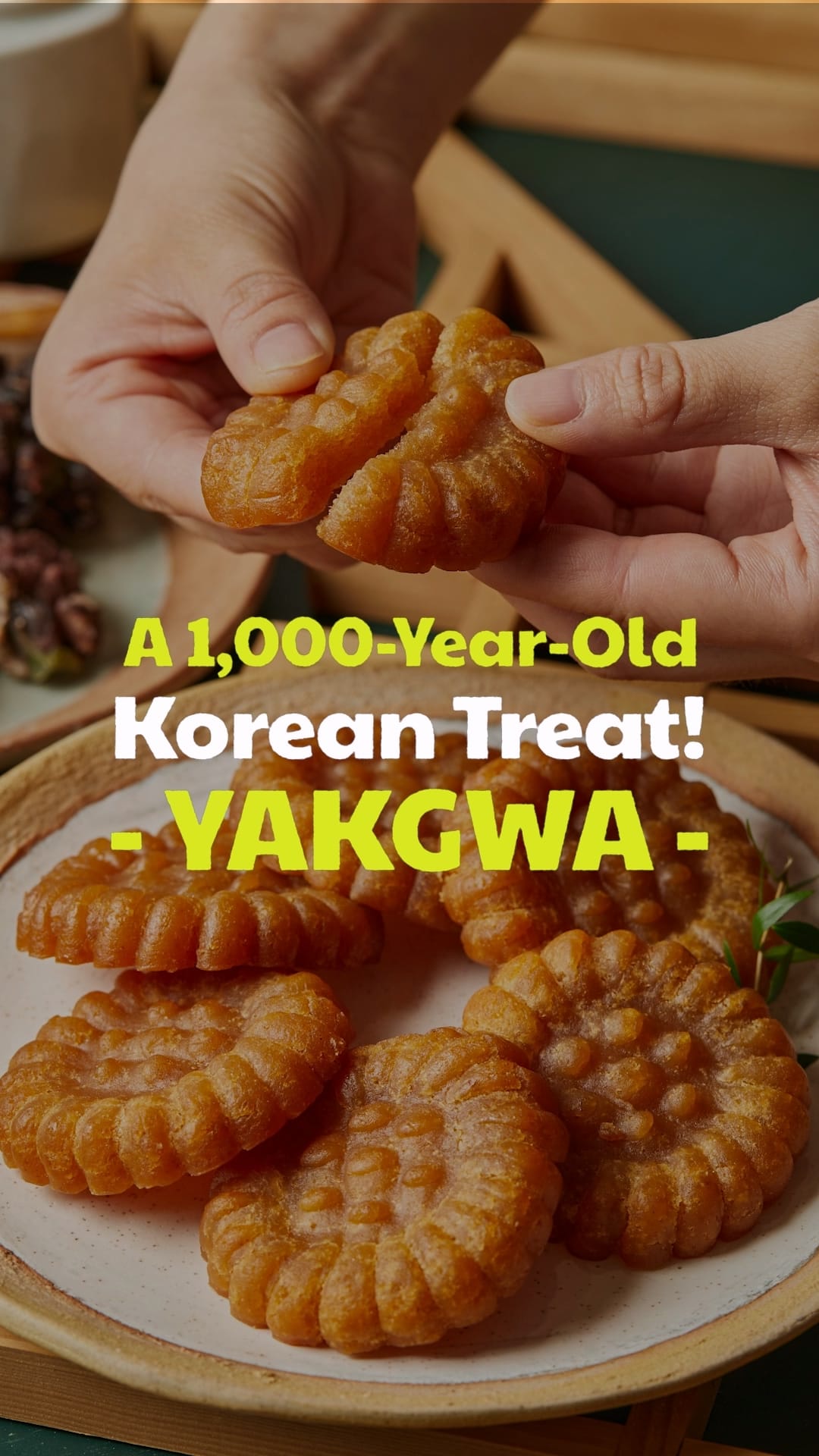
Yakgwa: Korea's Honey Cookie Was Banned Twice, and Now It Sells Out in Minutes
Yakgwa (약과) was banned by royal order in 1192 and 1353 because it ate too much grain, honey and oil. Eating it on the wrong occasion in Joseon Korea cost you 60 strokes. Today the famous maker sells one box per person, three days a week.
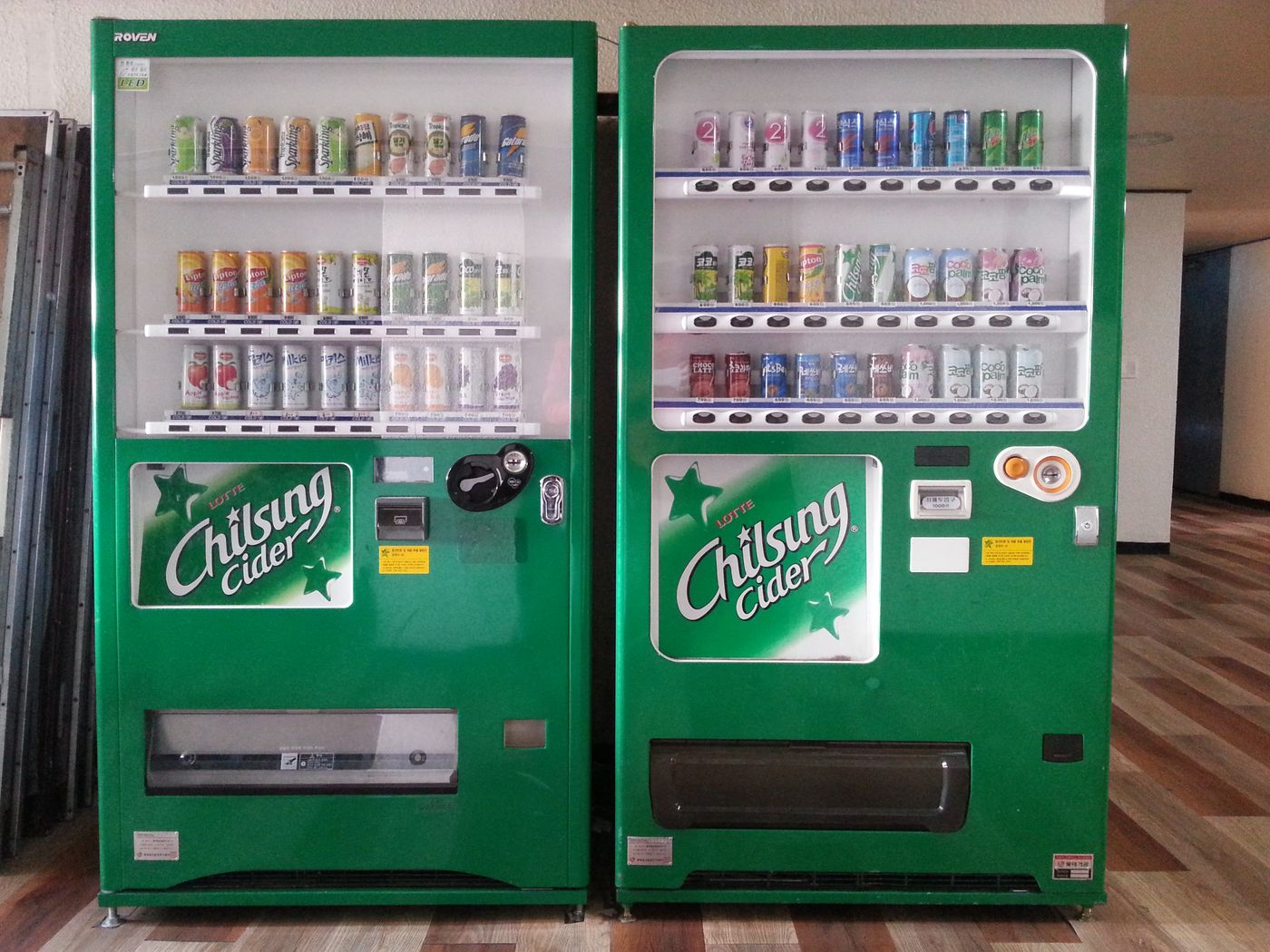
Korean Drinks Guide: What to Buy in a Korean Convenience Store, With the Price, Sugar and Caffeine of Every Bottle
Korean drinks sorted by what you need, priced from CU's own catalogue on 2 October 2026: Bacchus ₩1,000, banana milk ₩1,800, Milkis ₩1,600 with 31 g of sugar. Which have caffeine, which only look like alcohol, and which to skip.
Korean Kitchen Scissors: Why Koreans Cut Meat and Noodles at the Table, and Why It Is Not an Office Scissor
Scissors on a restaurant table look wrong to most of the world and normal to every Korean. The tool is not a desk scissor: thick blades, one serrated edge, big rings, often detachable, built for galbi and cold noodles. Where it came from, and which one to buy.