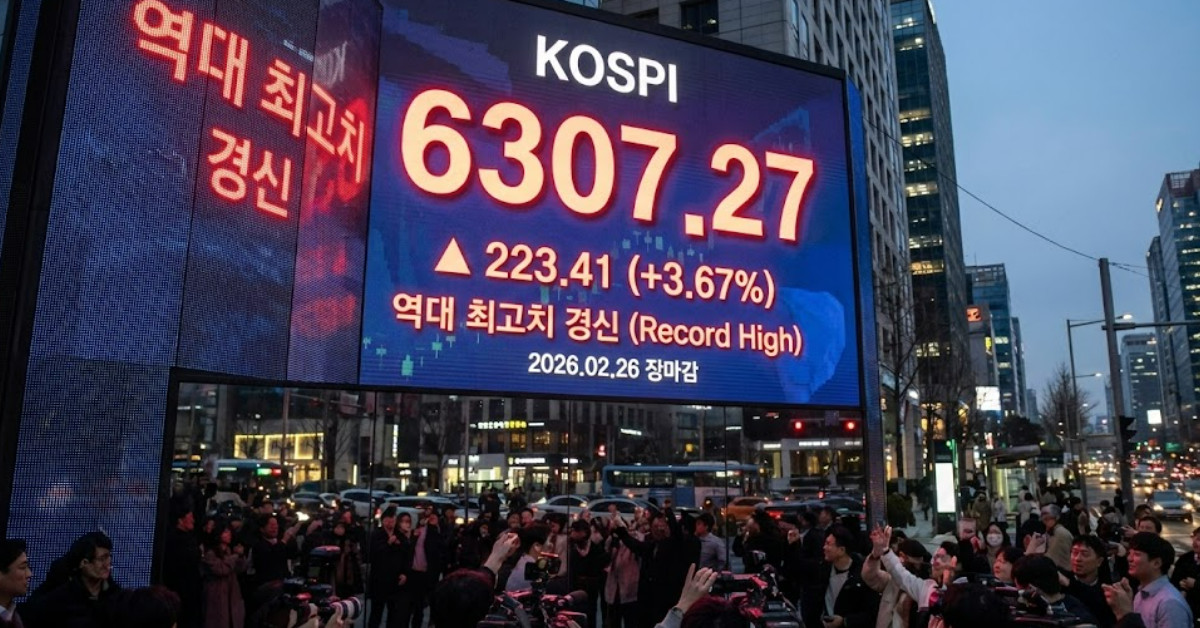
Korea AI Chip Wealth Divide: Bonuses And Ant Investors
Korea's AI chip wealth divide is the social side of the same story that made the KOSPI one of the world's most watched markets in 2026. Samsung Electronics and SK Hynix are not just pulling up a stock index. They are changing conversations about bonuses, housing, luxury spending, retail investing, regional cities, union demands, and who actually gets to feel rich when a country becomes essential to artificial intelligence.
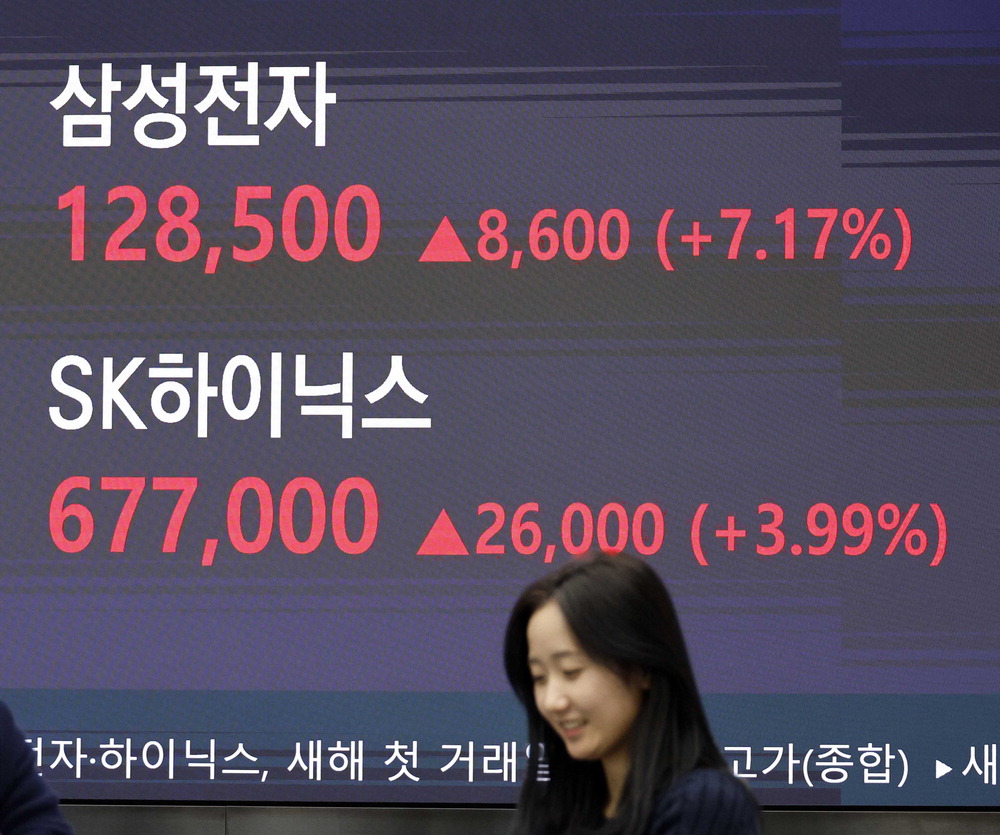
The market story is easy to see. SK Hynix and Samsung Electronics rise because investors want exposure to high-bandwidth memory, AI servers, and semiconductor scarcity. The harder story is what happens after the chart goes up. A chip engineer with stock-linked compensation may see a life-changing year. A retiree who bought SK Hynix early may suddenly feel wealthy. A department store near a chip city may sell more watches. But a small business owner, a contract worker, or a young renter may hear about the boom every day and feel almost none of it.
This guide explains the divide. It is not investment advice, and it is not a prediction that Korea's boom must continue. It is a fact-checked cultural and economic explainer about why the same semiconductor rally can look like national triumph from one angle and social stress from another.
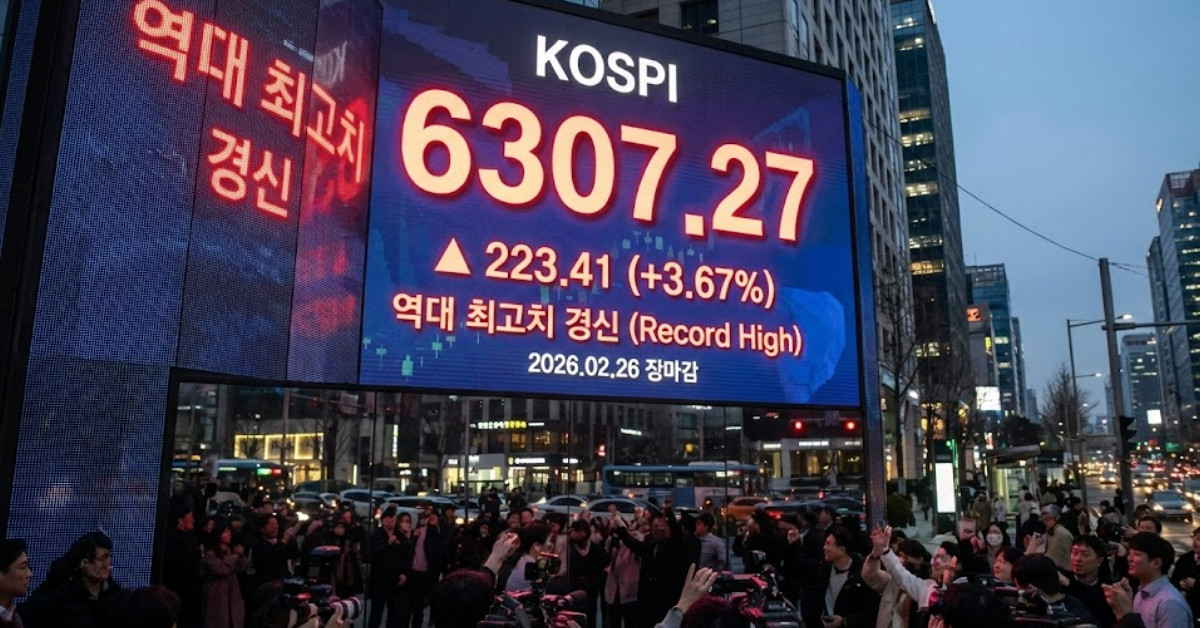
Quick Answer: What Is Korea's AI Chip Wealth Divide?
Korea's AI chip wealth divide is the gap between the people and regions directly benefiting from the Samsung and SK Hynix boom and the people who are still facing high living costs, job insecurity, housing pressure, or weak small-business conditions.
On the winning side are memory-chip workers, executives, early shareholders, some retail investors, suppliers, nearby landlords, luxury retailers, and cities tied to semiconductor campuses. On the excluded side are households without meaningful stock exposure, workers outside the chip profit pool, struggling small-business owners, and people whose wages have not kept pace with the cost of living.
The Guardian reported on July 3, 2026 that Samsung and SK Hynix dominate global high-bandwidth memory supply and that analysts projected their combined operating profits could rise almost sevenfold this year. The same report described enormous worker bonuses, luxury sales jumps, rising apartment prices near semiconductor bus routes, and continued stress for households outside the chip economy.
For the market mechanics behind the rally, read EpicKor's Korea stock market 2026 guide. For the broader education and science ecosystem that helps explain Korea's tech pipeline, read the KAIST and Korean elite university guide.
Samsung Rising — the inside story of the company behind the bonus boomAffiliate link. As an Amazon Associate, EpicKor earns from qualifying purchases at no extra cost to you.
Why Samsung And SK Hynix Became Wealth Engines
Artificial intelligence needs hardware. Hardware needs chips. Advanced AI accelerators need high-bandwidth memory close to the processor. That is where Samsung Electronics and SK Hynix enter the story.
SK Hynix has been treated by investors as one of the crucial HBM winners. Samsung remains one of Korea's largest companies and an essential memory player, with additional relevance through foundry ambitions and custom AI-chip discussions. Together, these companies do not simply sit inside Korea's economy. They help define how global investors price Korea.
In 2026, that pricing became extreme. The Guardian reported in late June that global chipmaker shares had surged in the first half of the year, with Korean and Asian hardware names becoming central to the AI trade. Other market reports described Samsung and SK Hynix as dominant forces inside the KOSPI, capable of driving a large share of index gains.
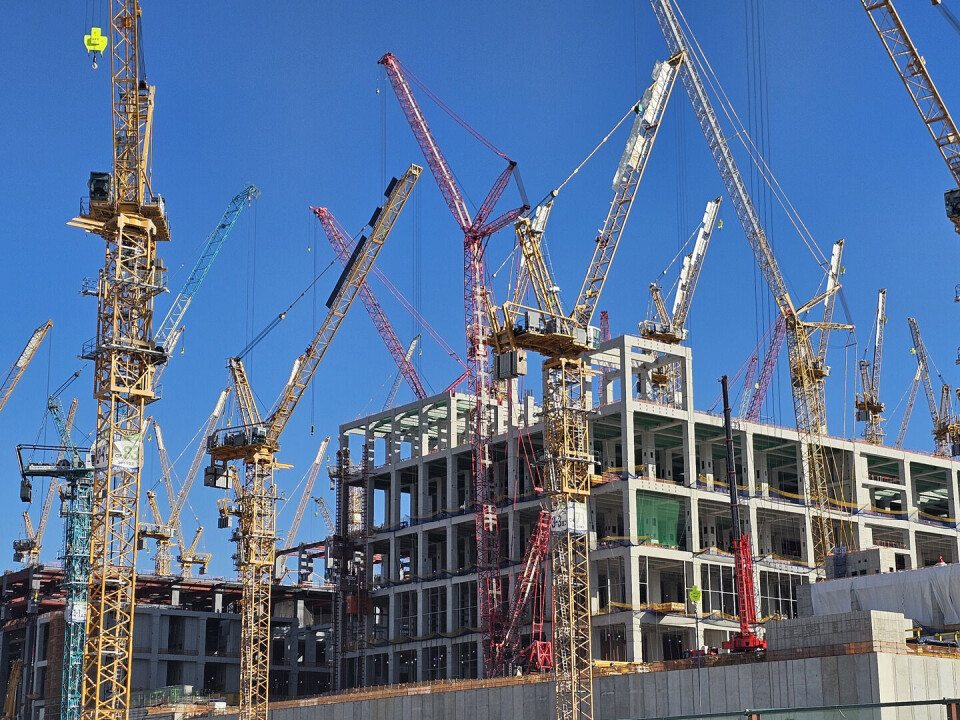
That matters because market wealth is not abstract in Korea. Many workers receive performance compensation. Many ordinary investors own direct shares or ETFs. Many households track stock apps. When the chip story accelerates, the wealth effect can move from financial news into consumption, housing, and family conversations.
The Bonus Story: Why People Are Talking About 3,000%
The most eye-catching number is the bonus. Guardian reporting said SK Hynix paid workers a bonus of nearly 3,000% of monthly salary earlier in 2026. It also reported that a Samsung memory-chip worker on a base salary of 80 million won could receive bonuses close to 600 million won this year, mostly in stock, depending on the profit-sharing structure and forecast profits.
Those numbers sound unreal because they are far outside ordinary wage experience. A person earning regular office pay or running a small cafe cannot easily relate to a stock-linked semiconductor bonus. Even within a large conglomerate, the chip division may feel different from phone, appliance, retail, or service divisions.
This creates a workplace divide as well as a national divide. If one division generates huge profit and another does not, who deserves the upside? If chip workers get large stock-based awards, should other employees inside the same group share more? If the semiconductor industry benefited from decades of state support, should the public receive more than tax revenue and national pride?
These questions are not only moral. They affect labor relations. They affect union demands. They affect how young Korean workers choose careers. A student deciding between medicine, software, finance, public service, or semiconductors is watching the bonus headlines too.
Ant Investors: The Ordinary People Who Caught The Rally
Korea's retail investors, known as ants, are another visible winner group. Some bought Samsung or SK Hynix years ago and forgot. Some actively traded the rally. Some used ETFs to get semiconductor exposure. Some bought leveraged products and took far more risk than a casual stockholder.
The emotional appeal is obvious. Korea's housing market is expensive. Wages do not always feel like enough. The old promise of saving patiently can feel weak if apartment prices or asset markets move faster than salaries. A stock rally gives ordinary investors a story of escape: maybe the right stock, held long enough, can do what labor income cannot.
But the ant story cuts both ways. Retail participation can democratize gains, but it can also spread risk. Financial Times reporting cited Korea Exchange data showing retail investors had bought a net 6.3 trillion won of local stocks and put 13 trillion won into Korean-listed ETFs since the start of 2026. It also described leveraged ETFs as a meaningful part of trading activity.
When prices go up, the ants look visionary. When the market reverses, leverage and crowding can punish them quickly. The July 2026 KOSPI swing showed this clearly: a nearly 8% drop, then a nearly 6% rebound. That is not a calm savings account. It is a national volatility machine.
Luxury Spending And Local Wealth Signals
One way to see a wealth effect is to watch what people buy. The Guardian reported that in the first weeks of May 2026, jewelry sales at one department store jumped 146%, while watch sales rose 85%. In Icheon, where SK Hynix has a major campus, imported car registrations reportedly surged 108% in February.
Those figures do not mean all Koreans are rich. They mean a concentrated group of people had enough new confidence, liquidity, or expected compensation to spend differently. Luxury spending is often a signal of uneven wealth, not broad prosperity.
The local geography matters too. Semiconductor campuses create nearby winners: employees, landlords, restaurants, car dealers, tutoring centers, private clinics, and premium retail. If a city becomes associated with chip wealth, the local economy can feel hotter even when national household sentiment is mixed.
But this can also create resentment. If apartment prices rise near company bus routes, people outside the profit pool still face higher housing costs. If restaurants near chip campuses do well while small businesses elsewhere close, the country hears two stories at once: boom and squeeze.
The People Who Do Not Feel The Boom
The hardest part of the story is that many Koreans can understand the headlines without feeling the benefit. Guardian reporting noted that nearly a million small businesses closed in 2025, while many owners were left carrying debt. It also described household pressure from living costs, jobs, and inequality.
This is why "the KOSPI is up" can sound hollow to some people. If your income comes from a restaurant, delivery work, contract labor, elder care, teaching, or a small shop, Samsung's stock-linked compensation may not change your monthly reality. If you do not own stocks, a rally can make you feel poorer by comparison.
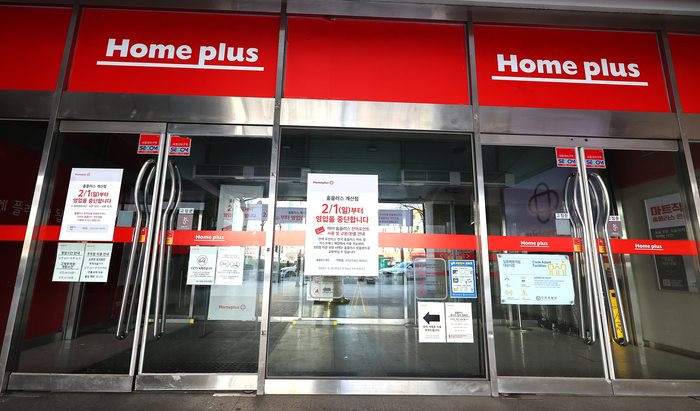
There is also a generational layer. Younger Koreans may feel that the old ladders are narrowing: stable jobs are harder, housing is expensive, marriage and children feel financially heavy, and asset gaps open early. If a classmate enters the semiconductor industry and receives a huge bonus, the difference can feel less like normal career variation and more like a structural fork in life.
That emotional divide matters for politics. A boom concentrated in two companies can strengthen national pride while also intensifying demands for redistribution, labor fairness, regional investment, or tax policy changes.
Citizen Dividend, Taxes, And The Public Support Question
One debate reported in the Guardian was the idea that some chip-industry gains should be shared more broadly because the industry benefited from decades of public support, research investment, infrastructure, education, and industrial policy. This kind of argument does not always mean direct cash from companies. It can mean taxes, public investment, worker training, regional development, or structured national funds.
Critics worry that too much redistribution could punish successful companies or politicize profit. Supporters argue that strategic industries do not emerge from private effort alone. They rely on public roads, power grids, universities, subsidies, permits, research ecosystems, and generations of trained workers.
Korea's semiconductor investment plan makes the debate more urgent. Reports in late June described an 800 trillion won, roughly $520 billion, public-private push involving Samsung and SK Hynix to expand memory-chip dominance with new fabs and HBM facilities. The state wants the boom to continue. That means the public will keep asking what it receives in return.
The practical answer may be less dramatic than a slogan. Korea could focus on tax receipts, affordable technical education, regional infrastructure, supplier development, and training pathways that let more people enter the chip economy. But building a fair framework is harder than celebrating an index record.
Why The KOSPI Can Hide Weakness
An index is a weighted average, not a moral report card. If Samsung and SK Hynix rise enough, the KOSPI can look strong even when many other companies are flat or struggling. Guardian reporting described the issue bluntly: strip out the two chipmakers, and much of the rest of the economy looks far less impressive.
This is not unique to Korea. The U.S. market has had its own concentration problem with mega-cap technology stocks. But Korea's issue feels sharper because the national market is smaller and the two chipmakers are so tied to one global theme: AI memory.
Concentration can create a dangerous public misunderstanding. A person may hear "Korea's stock market is booming" and assume Korean households, Korean wages, Korean small businesses, and Korean startups are all booming together. That is not necessarily true.
The right question is not only "How high is the KOSPI?" It is "How broad is the rally?" Are suppliers, consumers, small caps, service businesses, and non-chip workers gaining too? Are wages outside the chip sector rising? Are household debt and rent pressures easing? Are young people seeing more opportunity, or only more inequality?
| Group | How They May Benefit | Why The Benefit May Be Uneven |
|---|---|---|
| Chip workers | Bonuses, stock-linked compensation, career demand | Benefits vary by company, division, contract status, and role |
| Retail investors | Stock gains, ETF exposure, wealth effect | Late buyers and leveraged traders can face sharp losses |
| Local landlords and retailers | Higher spending near semiconductor campuses | Rising rents can hurt non-beneficiaries in the same area |
| Small businesses outside chip zones | Possible indirect demand if the economy broadens | Many may still face debt, weak foot traffic, and high costs |
| Government | Tax revenue, strategic industrial power, export strength | Must manage inequality, infrastructure, and concentration risk |
What This Means For Travelers And Korea Watchers
If you are visiting Korea in 2026, you may hear the chip boom in unexpected places. Taxi drivers may mention SK Hynix. Cafe conversations may include Samsung stock. Department store luxury floors may feel busy. Young professionals may talk about bonuses with a mix of envy and disbelief. Parents may rethink what careers are safe.
This is why EpicKor covers the topic even though it is not a normal travel guide. Korea's culture is not only palaces, beaches, food, and dramas. It is also the economic mood that shapes how people talk about the future. In 2026, AI chips are part of that mood.
The boom may also affect where people travel domestically. Daejeon, Icheon, Chungcheong, and other technology-linked regions can become more interesting when you understand the industrial map. Korea's economy is not only Seoul's skyline. It is research campuses, rail corridors, factories, suppliers, and regional cities connected to global demand.
For a practical city example, read EpicKor's Daejeon day trip guide, where science-city identity and local food culture meet. The same country that produces K-pop fan routes and cafe trends also produces memory chips that move global markets.
How To Read The Boom Without Getting Cynical
It is easy to pick one lazy conclusion. One side says the chip boom proves Korea has won. The other side says the boom only benefits the rich. Both are incomplete.
Korea's semiconductor success is real. Building companies that matter to global AI infrastructure is not luck alone. It reflects education, capital discipline, engineering, supplier networks, state support, and decades of industrial learning.
The inequality is also real. A national champion can create national pride while still distributing gains unevenly. A stock rally can help ordinary investors while still punishing latecomers. A worker bonus can be deserved and still raise questions about everyone outside the bonus pool.
The mature reading is to hold both truths. Samsung and SK Hynix are extraordinary economic assets. Korea still needs a broader answer for how semiconductor wealth supports workers, households, small businesses, and regions that did not happen to stand next to the AI memory bottleneck.
FAQ
Q: Why are Samsung and SK Hynix so important to Korea's 2026 boom?
They are central because global AI infrastructure needs advanced memory, especially HBM, and both companies are major Korean semiconductor players. Their size also means their stock moves can heavily influence the KOSPI.
Q: Did SK Hynix really pay a 3,000% bonus?
Guardian reporting said SK Hynix paid workers a bonus of nearly 3,000% of monthly salary earlier in 2026. Bonus structures can be complex, and future payouts depend on profits, company policy, and stock-linked arrangements.
Q: Why does a chip boom create inequality?
The gains are concentrated among chip workers, shareholders, suppliers, and nearby regions. People without stock ownership, chip-sector jobs, or local exposure may face the same high costs as before, or even higher housing and service prices.
Q: Is Korea's AI chip boom good or bad?
It is both an economic strength and a social challenge. Korea benefits from having globally important semiconductor companies, but the country still has to decide how the gains support broader workers, regions, and households.
Sources Checked
- The Guardian: Korea's AI chip boom and wealth divide
- The Guardian: global chipmaker share surge in first half of 2026
- Tom's Hardware: Korea's Samsung and SK Hynix investment plan
- MarketWatch: Korean stock volatility and Samsung-Anthropic reports
- Financial Times: Korean retail investors and ETF flows
- Wikitree: KOSPI record-high image reference
You Might Also Like
Korea Stock Market 2026: Samsung, SK Hynix, AI Chips
A fact-checked guide to Korea's 2026 stock-market surge, SK Hynix, Samsung Electronics, retail ants, U.S. holdings, ETFs, and AI-chip risks.

Korea Bonus Shock 2026: Hyundai, Kia, and GM Labor
A July 2026 guide to Hyundai, Kia, and GM Korea labor disputes, bonus demands, Atlas automation, tariffs, and what may change next.
Korean Drinks Guide: What to Buy in a Korean Convenience Store, With the Price, Sugar and Caffeine of Every Bottle
Korean drinks sorted by what you need, priced from CU's own catalogue on 2 October 2026: Bacchus ₩1,000, banana milk ₩1,800, Milkis ₩1,600 with 31 g of sugar. Which have caffeine, which only look like alcohol, and which to skip.