Korea Stock Market 2026: Samsung, SK Hynix, AI Chips
Korea stock market 2026 is no longer a quiet local story. It has become one of the most dramatic global market narratives of the year: Samsung Electronics, SK Hynix, high-bandwidth memory, AI servers, retail investors known as "ants," leveraged ETFs, U.S. stock accounts, and a benchmark index that can jump, crash, and rebound in the same week.
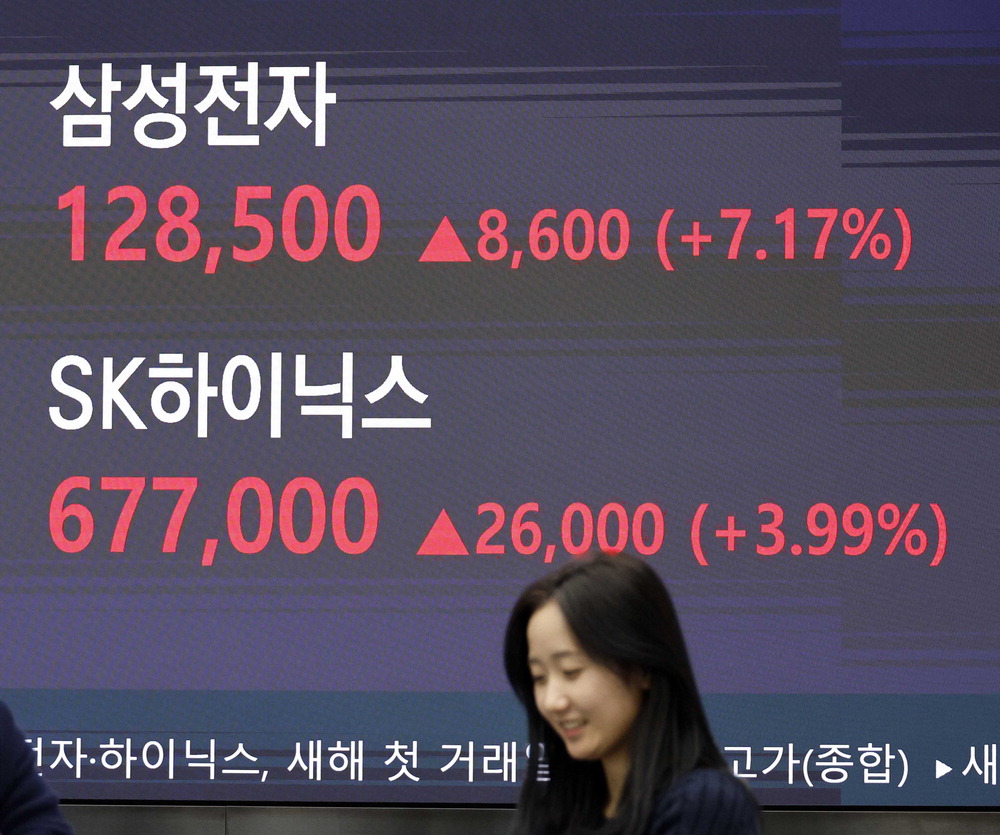
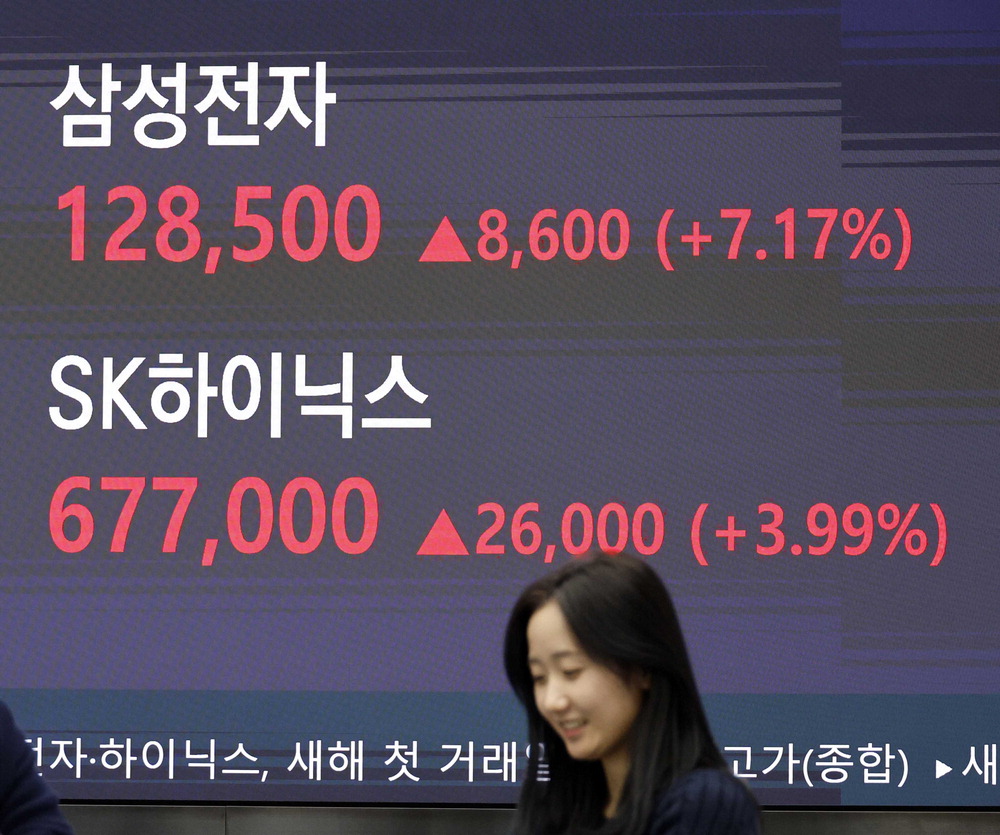
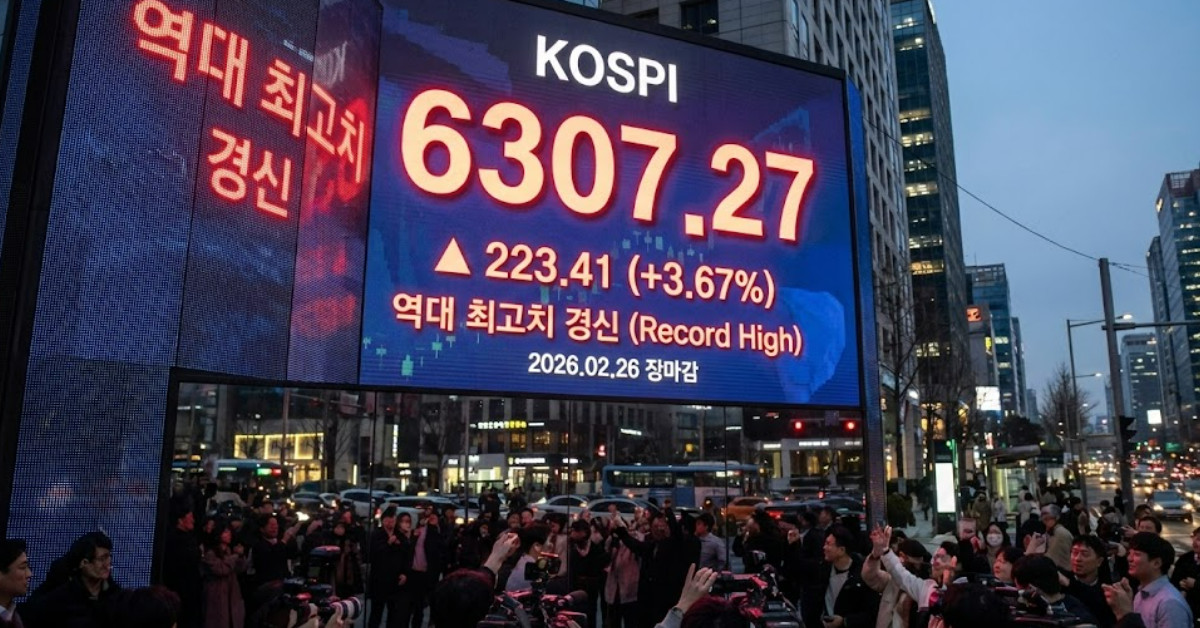
As of Saturday, July 4, 2026 in Korea, the latest fully reported trading day in the sources checked for this guide was Friday, July 3, 2026. That matters because this market is moving fast. On July 2, the KOSPI fell almost 8% and triggered a circuit breaker. On July 3, it rebounded by nearly 6%. The same two companies that made ordinary Koreans talk about life-changing gains also reminded everyone how concentrated the rally has become.
This is a cultural and economic explainer, not investment advice. The point is not to tell you whether to buy Samsung Electronics, SK Hynix, Korean ETFs, U.S. tech stocks, or anything else. The point is to explain why Korea's market suddenly feels like a national event, why the money figures are easy to misunderstand, and why the story is bigger than a stock chart.
Quick Answer: Why Is Korea's Stock Market Exploding?
Korea's stock market is exploding in 2026 because global investors are treating Korean memory-chip makers as essential infrastructure for artificial intelligence. SK Hynix is central to high-bandwidth memory, or HBM, the specialized memory used in advanced AI accelerators. Samsung Electronics is both a memory giant and a foundry player, so any sign of new AI-chip demand can move the entire Korean market.
The second reason is concentration. Samsung Electronics and SK Hynix are so large that when they rise together, the KOSPI can look unstoppable. When they fall together, the whole market can look fragile. Several market reports in early July described the two chipmakers as accounting for more than half of the benchmark's weight or influence, which is why a semiconductor mood swing can become a national market swing.
The third reason is retail participation. Korean retail investors are famous for being active, fast, and comfortable with risk. They are called gaemi, or ants, because individually they look small, but collectively they can move markets. In 2026 they have not only bought local stocks. They have also poured money into Korean-listed ETFs, including leveraged products, while still holding large amounts of U.S. equities through Korean brokerage accounts.
The final reason is fear of missing out. Korea spent years being described as cheap, under-owned, and stuck in a "Korea discount." Suddenly, the story changed. The same market that once felt sleepy to global investors now looks like a hardware gateway to the AI boom. That emotional shift is powerful, but it also creates the kind of volatility Korea just saw in early July 2026.
For a companion social and inequality angle, read EpicKor's AI chip wealth divide guide. For the travel side of Korea's high-speed economy, pair this with the KTX vs SRT vs express bus guide.
Chris Miller's Chip War — the backstory to Samsung and SK HynixAffiliate link. As an Amazon Associate, EpicKor earns from qualifying purchases at no extra cost to you.
What Happened In Early July 2026?
The simplest way to understand the week is to look at two consecutive trading sessions.
On Thursday, July 2, 2026, the KOSPI dropped almost 8%. Business Insider reported the benchmark ended 7.9% lower. SK Hynix fell 14.6%, while Samsung Electronics fell 9.1%. The selling followed weakness in global semiconductor stocks and looked like profit-taking after an enormous AI-driven rally.
On Friday, July 3, 2026, the mood flipped. Barron's reported that the KOSPI closed up 5.76% at 8,088.34 after dipping toward 7,300 earlier in the day. SK Hynix gained 10.9%, and Samsung Electronics rose 8.2%. MarketWatch also linked the rebound to reports that Samsung was in talks with Anthropic over custom AI chips, which gave investors a fresh reason to buy the Korean chip story again.
That is the market in miniature: a massive selloff, a massive rebound, and a narrative that can change before lunch. The volatility is not random. It comes from an index dominated by a small number of AI-sensitive companies, investors using leveraged products, and a global market that is trying to price the future of AI hardware before the future is actually visible.
| Market Moment | Reported Move | Why It Matters |
|---|---|---|
| July 2, 2026 selloff | KOSPI down about 7.9%; SK Hynix down 14.6%; Samsung down 9.1% | Showed how quickly profit-taking can hit a concentrated AI-chip rally |
| July 3, 2026 rebound | KOSPI up 5.76% to 8,088.34; SK Hynix up 10.9%; Samsung up 8.2% | Showed investors still want Korea's memory-chip exposure when the AI story gets stronger |
| 2026 year-to-date context | Barron's described the KOSPI as up about 92% for the year after the Friday rebound | Explains why a correction can feel scary even when the larger chart is still extraordinary |
| U.S. market comparison | Barron's cited the S&P 500 up about 9.3% over the same year-to-date frame | Highlights why global investors suddenly noticed Korea's outperformance |
Samsung And SK Hynix Are Not Just "Tech Stocks"
International readers sometimes hear Samsung and think of phones, TVs, appliances, or foldable screens. That is only part of the picture. Samsung Electronics is also one of the world's most important memory-chip companies. It makes DRAM, NAND flash, and advanced memory products, and it has foundry ambitions that connect it to the custom AI-chip conversation.
SK Hynix is less famous among casual consumers, but in the AI hardware cycle it may be even more emotionally important to investors. HBM is not ordinary memory. It is stacked, high-performance memory used near AI processors, and it has become a bottleneck product in the AI data-center race. When Nvidia, hyperscalers, cloud companies, and AI labs need more compute, investors ask who supplies the memory.
That is why Korea's market story is not only "Korean investors are excited." It is that two Korean firms sit close to a global bottleneck. The market is pricing scarcity, profit margins, future capacity, export strength, and national industrial policy at the same time.
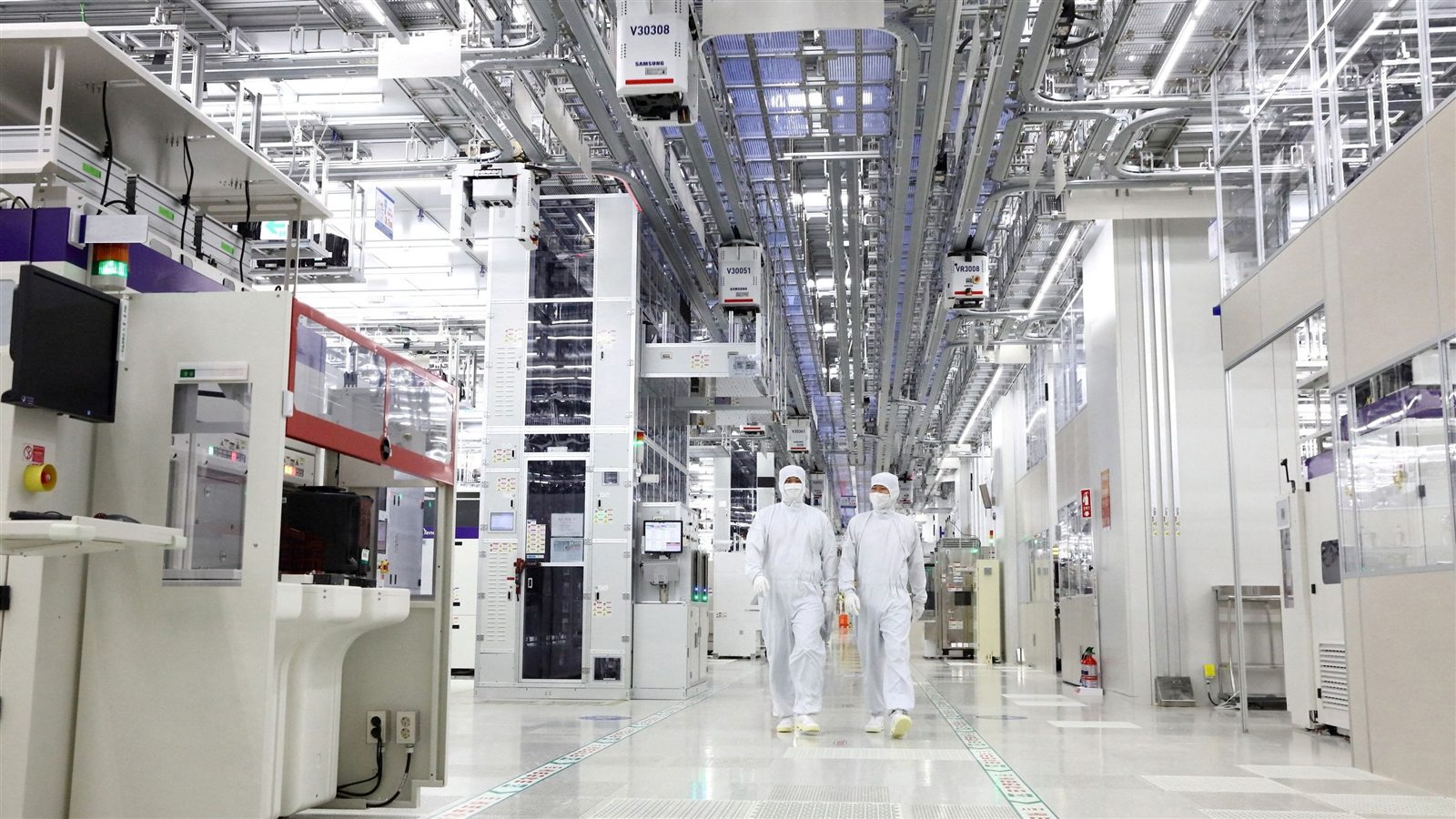
The risk is that bottleneck stories can become too neat. Chip cycles have always been brutal. Memory prices rise when supply is tight and fall when too much capacity appears. AI demand may be real, but valuation, supply expansion, customer concentration, and political risk still matter. A stock can be attached to a true long-term trend and still become dangerous if the price runs ahead of earnings.
That tension is exactly why July's drop and rebound were so violent. Investors did not suddenly forget that AI needs memory. They were asking whether the market had already priced too much of the good news.
The Korean "Ants" Are Back, But The Numbers Need Care
Korean retail investors are often called ants, and in 2026 they are one of the most important parts of the story. But the money figures are easy to mix up, so it helps to separate them.
Financial Times reporting cited Korea Exchange data showing Korean retail investors had bought a net 6.3 trillion won of locally listed stocks since the start of 2026. It also reported that they had put 13 trillion won into Korean-listed ETFs. Those are flow numbers. They show new buying pressure over a period, not total wealth.
Another figure often discussed is U.S. equity exposure. Financial Times reporting based on Korea Securities Depository data said South Korean retail investors' holdings of U.S. equities had nearly doubled to a record $170 billion at the end of October 2025. That is a holdings figure, not the same kind of number as a 2026 net-buying flow. It tells us Korean investors had built a large overseas-stock position before the 2026 domestic-market explosion.
Then there are brokerage deposits and margin loans. FT reported active stock accounts above 100 million, brokerage deposits at 103 trillion won, and margin loans at 31.5 trillion won. Again, these are not the same as "people." A single person can have multiple accounts. A deposit is not the same as invested capital. A margin loan is not the same as cash. But together, they show that Korea's retail market has large dry powder and meaningful leverage.
Korea Market Vs U.S. Market: Where Are Koreans Putting Money?
The answer is both. Korean investors did not simply abandon the United States and run home. The better reading is that they built a habit of global trading, especially in U.S. growth stocks, and then domestic stocks finally gave them a reason to pay attention again.
For years, many Korean retail investors preferred U.S. stocks because the U.S. market looked deeper, more shareholder-friendly, and more reliable for long-term compound gains. Korean brokerages made overseas trading easier. Mobile apps reduced friction. Night trading became normal for some retail investors. Meme-stock culture, U.S. tech names, and leveraged ETFs gave Korean traders plenty of volatility even before the KOSPI took off.
The 2026 difference is that the domestic market is no longer only a value trap in the public imagination. If SK Hynix and Samsung are at the center of AI hardware, then the Korean market can feel like a local way to participate in a global technology cycle. The government has also been encouraging domestic capital formation and talking about reforms, incentives, and industrial support.
The boom is also changing workplace expectations. EpicKor's July 2026 auto labor explainer traces how SK hynix and Samsung profit-sharing agreements became comparison points in Hyundai, Kia, and GM Korea wage talks—without pretending the chip companies directly caused each dispute.
So the question is not "Korea or America?" It is "what kind of exposure are Korean investors choosing?" A Korean retail investor might hold Nvidia in a U.S. account, a Samsung-linked ETF in Korea, an SK Hynix position, a leveraged KOSPI product, and cash waiting in a brokerage account. That investor is not choosing a country. They are choosing a theme: AI infrastructure.
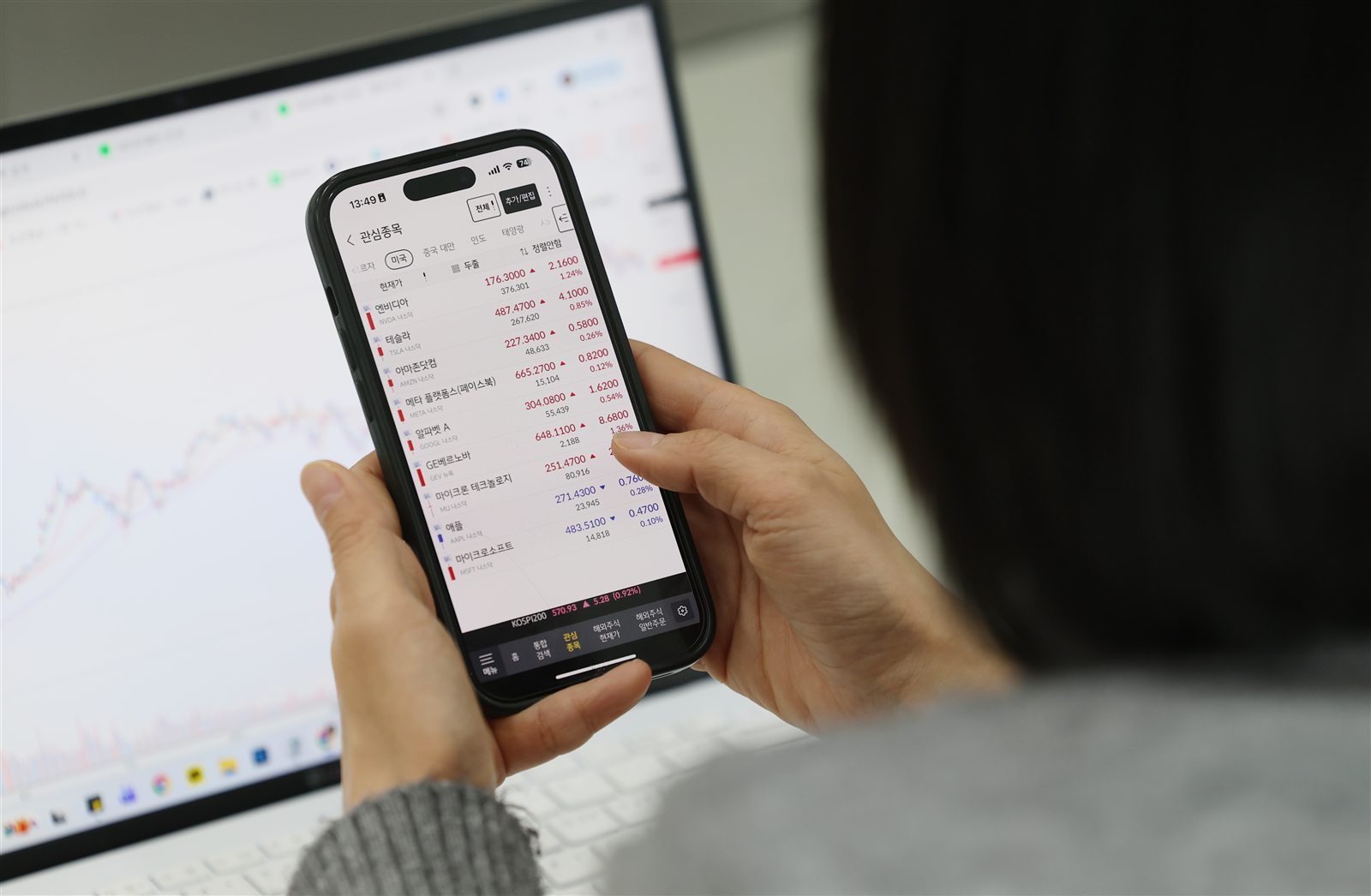
That makes the market more global than it looks. A U.S. chip-stock selloff can hit Seoul. A Samsung-Anthropic rumor can lift the KOSPI. Nvidia demand can affect Korean HBM expectations. A weak won can change overseas returns. Korea's market is local in language and trading hours, but its core 2026 story is deeply connected to Wall Street, Silicon Valley, Taiwan, Japan, and global data-center spending.
Why The Rally Feels Like A National Mood
The KOSPI surge has entered everyday conversation because it touches several Korean anxieties at once.
First, there is the frustration of past underperformance. Many Koreans remember long periods when local stocks looked cheap but did not reward ordinary investors. The phrase "Korea discount" carried a lot of emotional weight. It suggested that corporate governance, geopolitics, conglomerate structures, low dividends, and foreign-investor skepticism kept Korean companies undervalued.
Second, there is housing pressure. In Korea, property has often been treated as the serious path to wealth. Younger people priced out of apartments may look to stocks because the housing ladder feels too high. When a chip rally produces sudden wealth for some investors, it can feel like both hope and pressure.
Third, there is national pride. Korea is used to exporting culture: K-pop, K-dramas, food, beauty, and travel images. But semiconductors are a different kind of export story. They are strategic, industrial, and hard to replace. When SK Hynix and Samsung are discussed alongside Nvidia, TSMC, and the AI race, the stock market becomes part of Korea's identity as a technology power.
Fourth, there is inequality. The boom is not evenly felt. People holding the right stocks, working inside chip divisions, or living near chip-industry wealth may experience the rally very differently from small-business owners, service workers, retirees without equity exposure, or young people paying high rent. That is why the market story naturally connects to the social story in EpicKor's chip wealth divide guide.
What Could Go Wrong?
The first risk is concentration. If Samsung and SK Hynix drive a huge share of the KOSPI's gains, the benchmark may look healthier than the average stock. A rising index does not automatically mean broad prosperity. It may mean investors are crowded into a few companies.
The second risk is leverage. Leveraged ETFs and margin loans can accelerate both sides of the move. They can make a rally feel unstoppable, but they can also force selling when prices fall. When retail investors become performance-sensitive, a small reversal can become a larger liquidation event.
The third risk is chip-cycle supply. South Korea has announced massive semiconductor investment plans involving Samsung and SK Hynix, including new fabs and HBM-related capacity. That can strengthen long-term competitiveness. It can also raise the classic memory question: what happens if new supply arrives just as demand growth slows?
The fourth risk is currency. MarketWatch noted that Korea had a large current-account surplus in the first four months of the year, yet the won had weakened by more than 6% against the dollar. Currency moves can affect foreign investor returns, overseas holdings, import costs, and domestic sentiment.
The fifth risk is story risk. AI is real, but markets can overpay for real things. A company can be excellent and still be a bad trade at the wrong price. A country can become strategically important and still suffer painful drawdowns. Korea's 2026 market has earned attention, but attention is not the same as stability.
How To Read Korea's 2026 Market Without Getting Lost
Start with the date. A July 2 article and a July 3 article can tell opposite emotional stories because the market moved that fast. Always ask when the figure was reported.
Then ask what the number measures. Net buying is not the same as holdings. ETF flow is not the same as stock ownership. Brokerage deposits are not the same as invested capital. Margin loans are not the same as wealth. Active accounts are not the same as active people.
Next, separate company fundamentals from market structure. Samsung and SK Hynix may benefit from real AI demand. At the same time, the KOSPI can be distorted by concentration, leveraged products, and speculative flows.
Finally, remember that Korea's stock market is now a global AI story with Korean characteristics. It combines industrial policy, export strength, retail energy, national pride, housing anxiety, and global chip demand. That is why the market feels explosive. It is not only price. It is identity, opportunity, and fear compressed into one chart.
FAQ
Q: Is Korea's 2026 stock-market rally only about Samsung and SK Hynix?
No, but Samsung Electronics and SK Hynix are the emotional and mechanical center of the rally. Other sectors and suppliers matter, but Korea's outperformance in 2026 is heavily tied to AI memory, HBM, and semiconductor earnings expectations.
Q: Are Korean retail investors putting more money into Korea or U.S. stocks?
They are doing both, but the numbers measure different things. FT reported 2026 net retail buying of 6.3 trillion won in local stocks and 13 trillion won into Korean ETFs, while separate KSD-based reporting showed Korean retail investors held about $170 billion of U.S. equities at the end of October 2025. Flows and holdings should not be compared as if they are the same.
Q: Is the KOSPI rally safe because AI demand is real?
Not automatically. Real demand can support earnings, but stock prices can still become volatile if investors overpay, use leverage, crowd into the same names, or react to global chip news. July 2026 showed both the upside and the risk.
Q: Why do people call Korean retail investors ants?
"Ants" is a common nickname for individual retail investors in Korea. The idea is that each investor may be small alone, but together they can create a powerful market force.
Sources Checked
- Barron's: SK Hynix, Samsung, and the July 3 KOSPI rebound
- MarketWatch: Korean stock volatility and Samsung-Anthropic reports
- Business Insider: July 2 KOSPI selloff and chip-stock losses
- Financial Times: Korean retail investors, ETFs, deposits, and margin loans
- Financial Times: Korean retail investors' U.S. equity holdings
- The Guardian: Korea's AI-chip market surge and KOSPI concentration
- Tom's Hardware: Korea's Samsung and SK Hynix semiconductor investment plan
You Might Also Like
Korea AI Chip Wealth Divide: Bonuses And Ant Investors
A Korea AI chip wealth divide guide covering Samsung, SK Hynix, worker bonuses, ant investors, luxury spending, small businesses, and inequality.

Korea Bonus Shock 2026: Hyundai, Kia, and GM Labor
A July 2026 guide to Hyundai, Kia, and GM Korea labor disputes, bonus demands, Atlas automation, tariffs, and what may change next.
Korean Drinks Guide: What to Buy in a Korean Convenience Store, With the Price, Sugar and Caffeine of Every Bottle
Korean drinks sorted by what you need, priced from CU's own catalogue on 2 October 2026: Bacchus ₩1,000, banana milk ₩1,800, Milkis ₩1,600 with 31 g of sugar. Which have caffeine, which only look like alcohol, and which to skip.