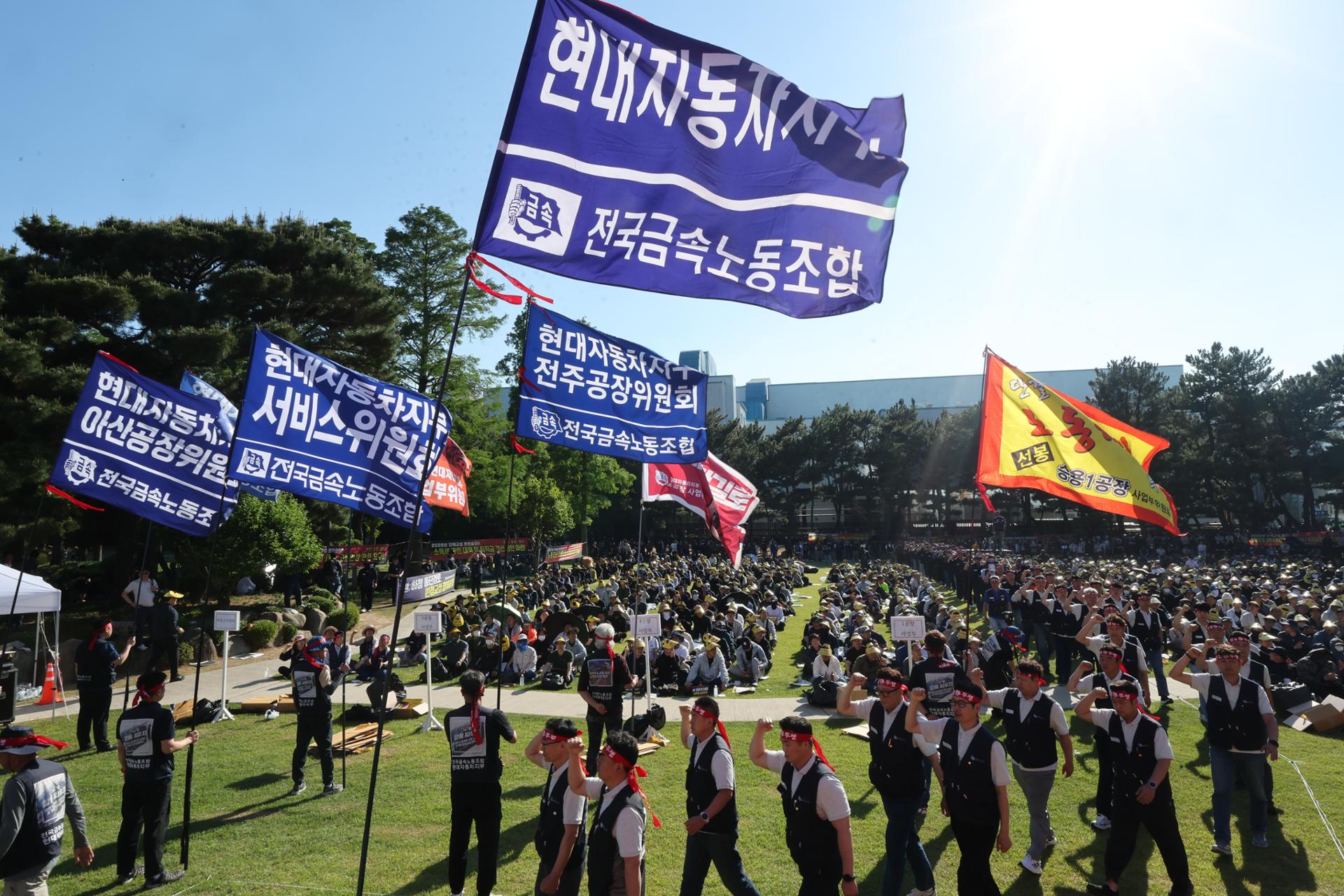
Korea Bonus Shock 2026: Hyundai, Kia, and GM Labor
This article is written from a July 10, 2026 perspective. The next round of bargaining could delay, narrow, or cancel some of the labor action described below.
South Korea's loudest corporate argument this summer is not simply about getting a raise. It is about who owns the upside when AI profits explode, who absorbs tariff losses, and who gets a vote when robots enter the factory.
Hyundai Motor workers have scheduled partial strikes. GM Korea workers plan to refuse early starts, overtime, and weekend work. Kia's negotiations are at an earlier stage, but its union is making an even larger profit-share demand than the one that transformed Samsung Electronics' wage talks.
The common number is 30 percent. The more important word is control.
Quick Answer: Why Are Korea's Automakers Facing Labor Action?
Hyundai Motor, Kia, and GM Korea are negotiating under three pressures at once.
Workers have watched the AI-memory boom produce extraordinary profit-sharing agreements at SK hynix and Samsung Electronics. Automakers counter that their earnings are under tariff pressure: Hyundai Motor's 2025 operating profit fell 19.5 percent, Kia's fell 28.3 percent, and GM Korea's fell 64 percent. Meanwhile, unions are bargaining over the next factory as well as the next paycheck—AI consultation at Hyundai and Kia, and future model allocation at GM Korea.
Here is the July 10 snapshot.
| Company | Immediate Status | Main Money Demand | Long-Term Issue |
|---|---|---|---|
| Hyundai Motor | Two-hour partial strikes planned for July 13-15 if no deal is reached | 149,600 won monthly base-pay increase and 30% of 2025 net profit as performance pay | Employment and working-condition guarantees as AI and Atlas robots enter production |
| Kia | Wage bargaining underway; no equivalent July strike schedule confirmed | 30% of 2025 operating profit as performance pay | Union consultation before new technology or machinery is introduced |
| GM Korea | Early-start, overtime, and weekend-work refusal planned from July 13 | 149,600 won monthly base-pay increase and roughly 30 million won performance pay per worker | New-model allocation, hiring, and the future of Korean production |
This is not one coordinated three-company strike. Their schedules and finances differ. What connects them is an expectation that employees should share more directly in gains and receive clearer protection from automation and overseas production shifts.
The SK Hynix Effect: How AI Profits Changed The Reference Point
The chain begins in semiconductors, not automobiles.
SK hynix reported a record 47.2 trillion won in operating profit for 2025, powered by demand for high-bandwidth memory used in AI systems. Its labor-management agreement removed the old cap on performance-sharing payments and set aside 10 percent of annual operating profit for the bonus pool.
Samsung Electronics workers then asked why their compensation structure lagged behind a smaller rival during the same AI boom. A planned 18-day strike was called off after a government-mediated settlement. On May 27, more than 70 percent of voting union members approved an agreement that included an average 6.2 percent wage increase and a special semiconductor performance-bonus system tied to 10.5 percent of business performance under specified profit thresholds.
Semiconductor margins and talent competition are unusual, so chip-sized bonuses cannot simply be copied everywhere. But Samsung converted a dispute about a salary cap into a formal argument about sharing operating profit. Other unions gained a powerful question: if a national champion can connect bonuses to profit, why can't we?
Reuters described the Samsung settlement as a potentially seismic change in Korean labor bargaining. The Korea Enterprises Federation warned companies not to generalize one exceptional semiconductor agreement across industries. Both reactions reveal the same thing: the reference point moved.
Read Korea's business argument in context: As an Amazon Associate, EpicKor may earn from qualifying purchases. Compare South Korea economy books and Korean business-culture guides if you want the longer story behind chaebol, unions, exports, and profit sharing.
For the wider AI-market background, EpicKor's Korea stock-market and AI-chip guide explains why Samsung and SK hynix have become so economically and emotionally important in 2026.
Hyundai: A Bonus Fight Meets A Robot Fight
Hyundai Motor's dispute is the most immediate.
The union plans two-hour partial strikes on July 13, 14, and 15 after the 15th bargaining round ended without agreement. Talks are continuing, so the action can still be delayed if a tentative deal is reached.
The union's opening demands included a 149,600 won increase in monthly base pay, performance pay equal to 30 percent of 2025 net profit, an increase in the regular bonus rate from 750 to 800 percent, a higher retirement age, shorter working hours, and employment guarantees related to AI.
Hyundai's third offer, reported after the July 8 bargaining session, included an 89,000 won base-pay increase, a performance package of 350 percent of monthly pay plus 10 million won, and 15 company shares. The union rejected it as insufficient.
The 30 percent demand sounds abstract until it is converted into money. Hyundai officially reported 2025 net profit of 10.36 trillion won, down 21.7 percent year on year. Thirty percent would be roughly 3.1 trillion won before any question about eligibility, allocation, accounting, or payment method.
Management points to lower profit, tariff costs, heavy investment, and Chinese competition. The union answers that workers protected production and deserve real-wage gains while the company continues to invest and reward shareholders.
Then Atlas walks into the room.
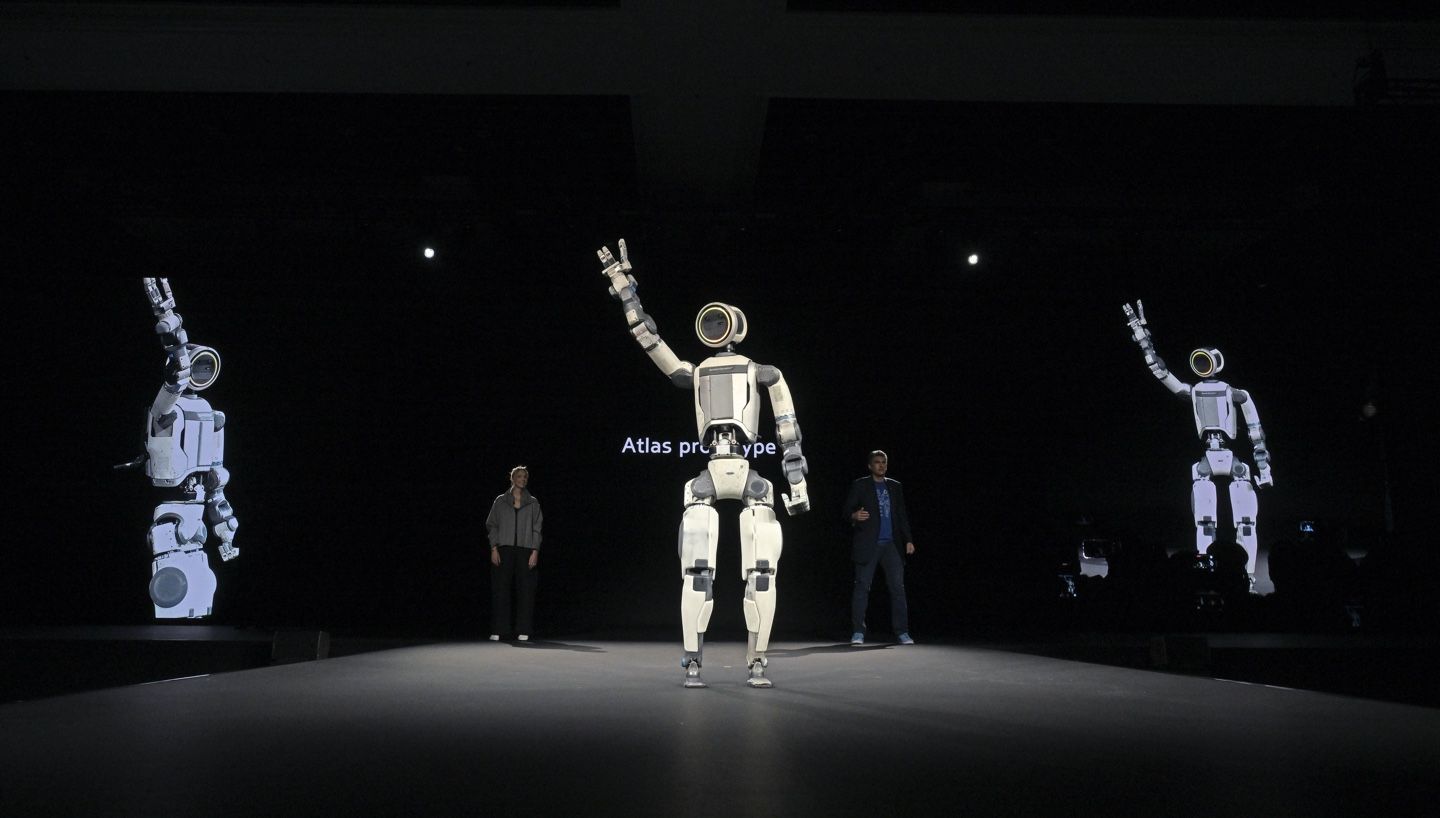
Hyundai Motor Group says Boston Dynamics' Atlas will begin sequencing work at its Georgia Metaplant in 2028, with wider manufacturing uses to follow. Executives frame humanoid robots as tools for safety, productivity, and physically demanding work. Hyundai Motor CEO Jose Muñoz has said Atlas is not intended to eliminate jobs.
The union wants more than reassurance: an enforceable role in deployment and guarantees that AI will not reduce employment or worsen conditions. The sides have agreed to work on employment stability, but the hardest details remain—what counts as consultation and what happens when a machine replaces a task.
Kia: The Biggest Percentage, But Not The Same Strike Clock
Kia belongs in the story, but accuracy requires a distinction: as of July 10, Kia is not on Hyundai's exact partial-strike schedule.
Kia's union is demanding performance pay equal to 30 percent of 2025 operating profit. Kia officially reported operating profit of 9.08 trillion won, down 28.3 percent from 2024 because of tariff costs and higher incentives. A simple 30 percent calculation produces roughly 2.72 trillion won.
That percentage is much larger than the 10 to 10.5 percent structures at SK hynix and Samsung. Kia union messaging has cited Samsung directly as a model of willingness to share performance.
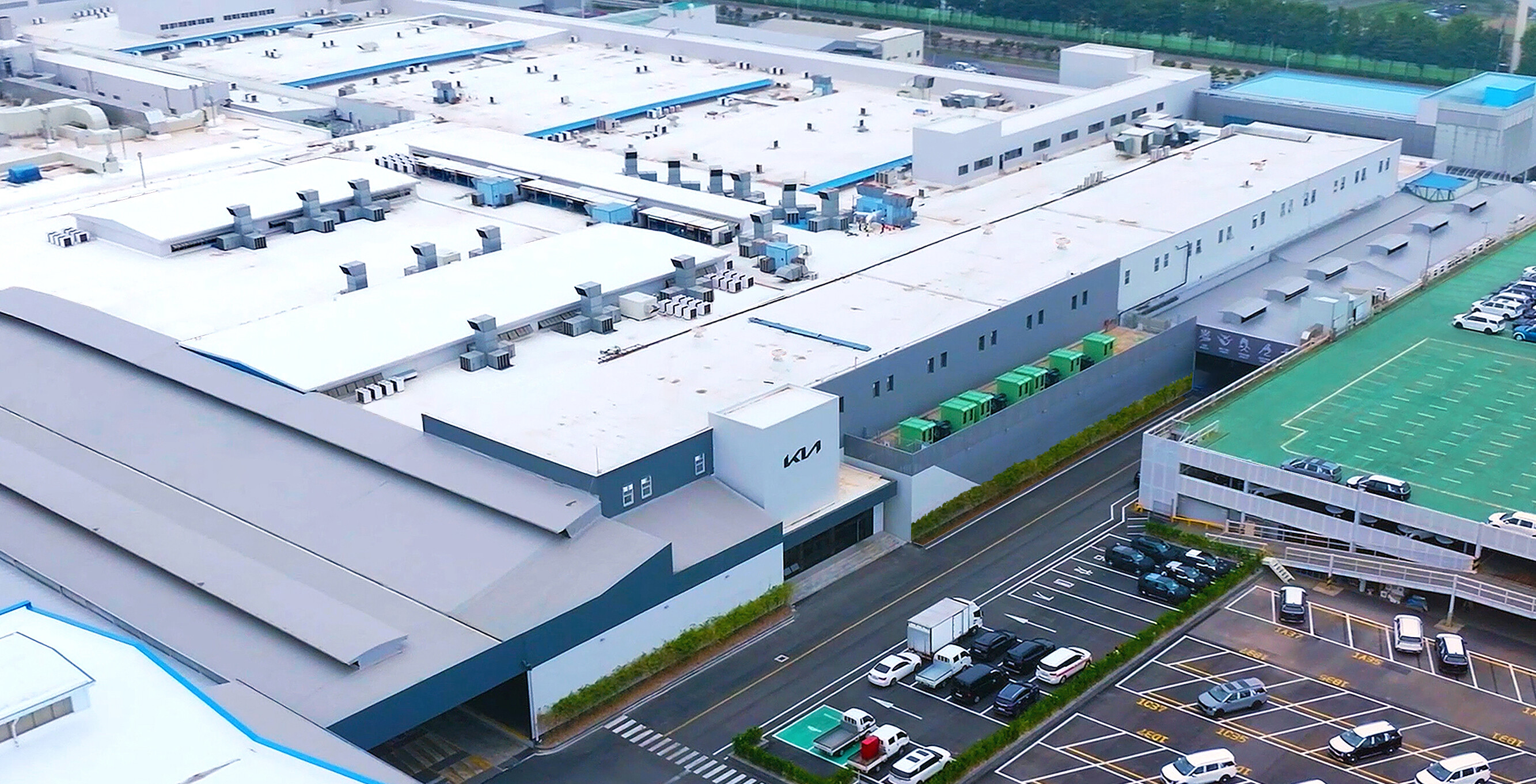
The technology clause may matter longer than the headline number. Kia's union wants the company to consult labor at the planning stage before introducing new projects, technology, or machinery, strengthening older language based more on notice and explanation.
Management sees technology deployment as a core business decision. Labor sees a decision that can erase overtime, change skills, or reduce line staffing. The real disagreement is when workers enter the process: before investment, during deployment, or after jobs have changed.
GM Korea: Pay Matters, But A Future Model Matters More
GM Korea's conflict has a different emotional center. Workers are not only asking, “How large is this year's bonus?” They are also asking, “Will General Motors give Korea another vehicle to build?”
The union obtained the legal right to strike after mediation ended on July 6. Following the 13th bargaining round, it said members would refuse early-morning work, overtime, and weekend shifts from July 13. Its demands include a 149,600 won monthly base-pay increase and about 30 million won in performance pay per employee.
Earlier reporting also listed retirement-age extension, additional hiring, and new-vehicle allocations for Korean factories. That last item is central. A wage increase helps this year's household budget. A model allocation can support a factory for years.
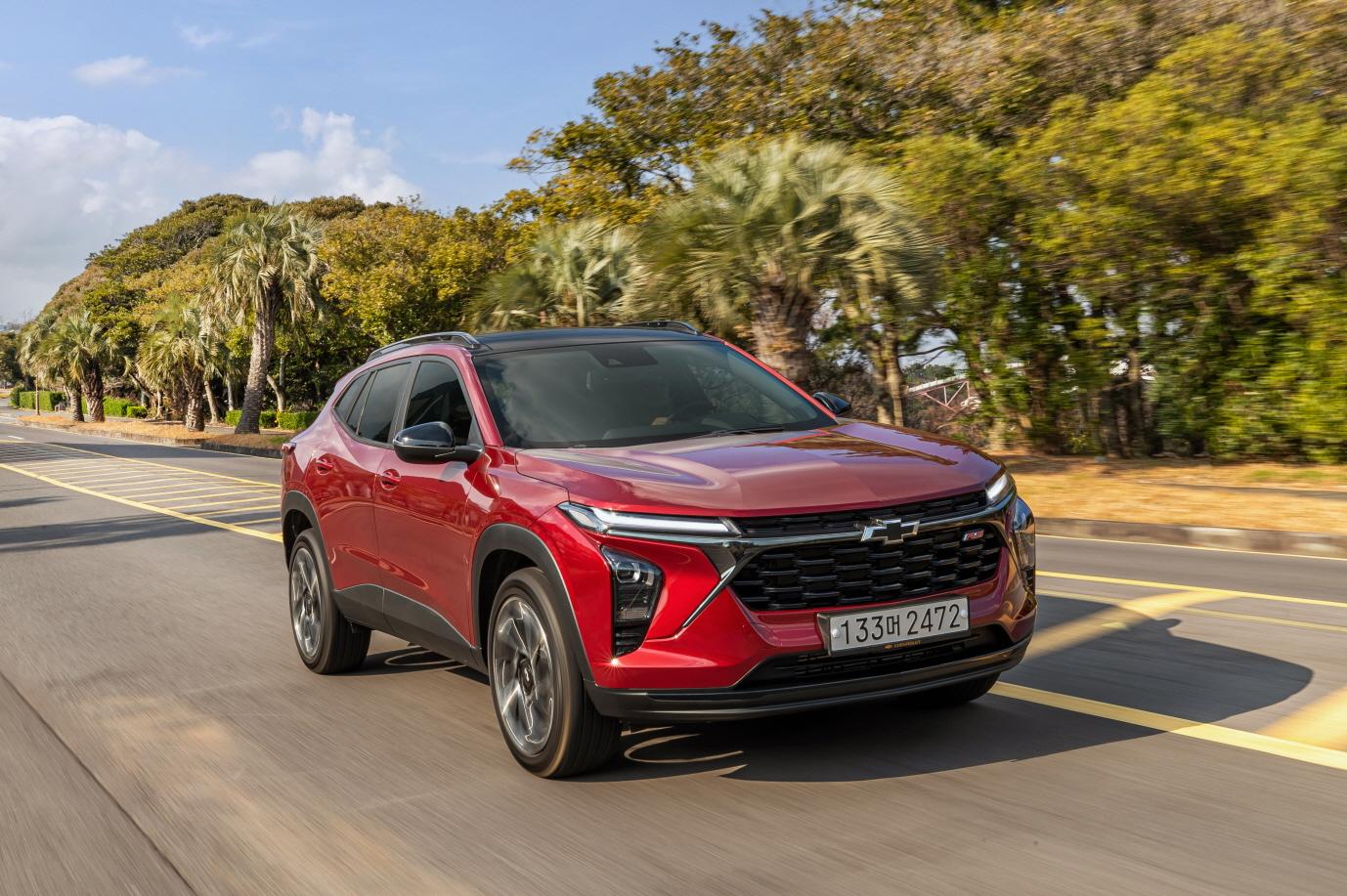
GM Korea is unusually exposed to U.S. trade conditions because the Trax Crossover and Trailblazer produced in Korea are heavily export-oriented. The company reported 2025 operating profit of 489.8 billion won, down 64 percent from a year earlier. The Korea Times attributed a substantial share of that decline to the U.S. tariff burden.
Management argues that tariffs and lower profit reduce room for wage and investment commitments. Labor says workers should not be the only shock absorber—and that withholding a future vehicle would make the Korean operation even more fragile. Here, “job security” means product allocation inside a global corporation.
Why The Korean Debate Is So Divided
There is no reliable poll proving that Korean opinion divides into neat percentages on these specific disputes. It is safer to say that the public argument has two recognizable sides.
Workers argue that they created the profits, inflation cuts real wages, and automation weakens future bargaining power. Skeptics answer that fixed profit shares can crowd out investment, downturn reserves, suppliers, and shareholders—especially when tariff-hit profits are already falling. A deal affordable at a global automaker may also be impossible for a smaller parts supplier, widening Korea's labor gap.
That is why the argument is bigger than whether 30 percent is too much. Korea is testing a new bargain for the AI-manufacturing era:
| Question | Worker Concern | Management Concern |
|---|---|---|
| Who shares extraordinary profit? | Bonuses should reflect the value workers helped create | Profit must also fund investment and protect against downturns |
| Who decides how robots enter? | Workers need consultation before tasks and jobs disappear | Slow approval can weaken speed and global competitiveness |
| Who carries tariff risk? | Workers should not absorb costs created by trade policy or headquarters | Lower margins limit room for permanent labor-cost increases |
| What guarantees a factory's future? | Employment pledges, training, and new-model allocation | Flexible production and capital allocation across global plants |
EpicKor's Korean work-hours guide provides useful background on why working time, overtime, hierarchy, and after-work expectations are not minor details in Korea's labor culture.
What To Watch After July 10
The next headline may make this snapshot obsolete quickly. Watch five things.
- A last-minute Hyundai agreement. Negotiations continue even with partial strikes scheduled. A stronger offer could postpone action.
- Whether Kia escalates. Kia's 30 percent demand is important, but its action schedule should not be assumed from Hyundai's.
- GM Korea's model-allocation language. Money may settle the annual wage portion, but a credible Korean production commitment could determine whether workers view the deal as secure.
- The wording on AI consultation. “Notice,” “consultation,” “agreement,” and “employment guarantee” create very different levels of union power.
- Whether profit-percentage demands spread. Shipbuilding, technology, and service-sector unions are watching the same Samsung precedent.
Build a future-of-work reading list: Compare automation and future-of-work books with labor-economics guides. The useful question is not whether robots are “good” or “bad,” but how productivity, risk, training, and bargaining power are divided.
FAQ
Q: Are Hyundai workers already on an indefinite strike?
No. Two-hour partial strikes are scheduled for July 13-15, and a tentative agreement could still change that plan.
Q: Is Kia also striking on the same dates?
No equivalent Kia schedule was confirmed. Kia is included because of its 30 percent profit-share and technology-consultation demands.
Q: Did SK Hynix cause the auto labor disputes?
No. The chip agreements changed the comparison standard; each automaker has its own finances and bargaining history.
Q: Why is Atlas part of a wage negotiation?
A humanoid robot can change tasks, overtime, training, staffing, and long-term headcount. The union wants a role before those changes occur.
Q: Why does GM Korea's union care about new-vehicle allocation?
A new model can support years of production, supplier work, and employment, making it more durable than a one-time payment.
Date Check
As of July 10, 2026, Hyundai Motor's partial strikes are scheduled but not yet completed, Kia's negotiations have not been placed on the same strike clock, and GM Korea's refusal of early starts, overtime, and weekend work is due to begin July 13. Samsung's May wage agreement has already been approved; it should be treated as background to the bonus debate, not as an unresolved July strike.
If any company reaches a tentative agreement, changes its action plan, announces a new model, or revises its AI-employment language after this date, those newer facts should take priority over this snapshot.
Sources
- Yonhap: Hyundai Motor union votes in favor of strike plan
- Financial News: Hyundai union schedules July 13-15 partial strikes
- Hyundai Motor: 2025 annual business results
- The Korea Times: Hyundai labor, Atlas, and employment guarantees
- Hyundai Motor Group: CES 2026 AI robotics strategy
- Kia: 2025 annual business results
- Seoul Economic Daily: Kia union's profit-share and technology demands
- Yonhap: GM Korea union action plan after July 9 bargaining
- The Korea Times: GM Korea tariff burden, profit, and union demands
- SK hynix: 2025 annual financial results
- The Asia Business Daily: SK hynix removes its performance-bonus cap
- The Korea Times: Samsung bonus agreement approved
- Reuters: Samsung pay deal and its wider labor impact
You Might Also Like
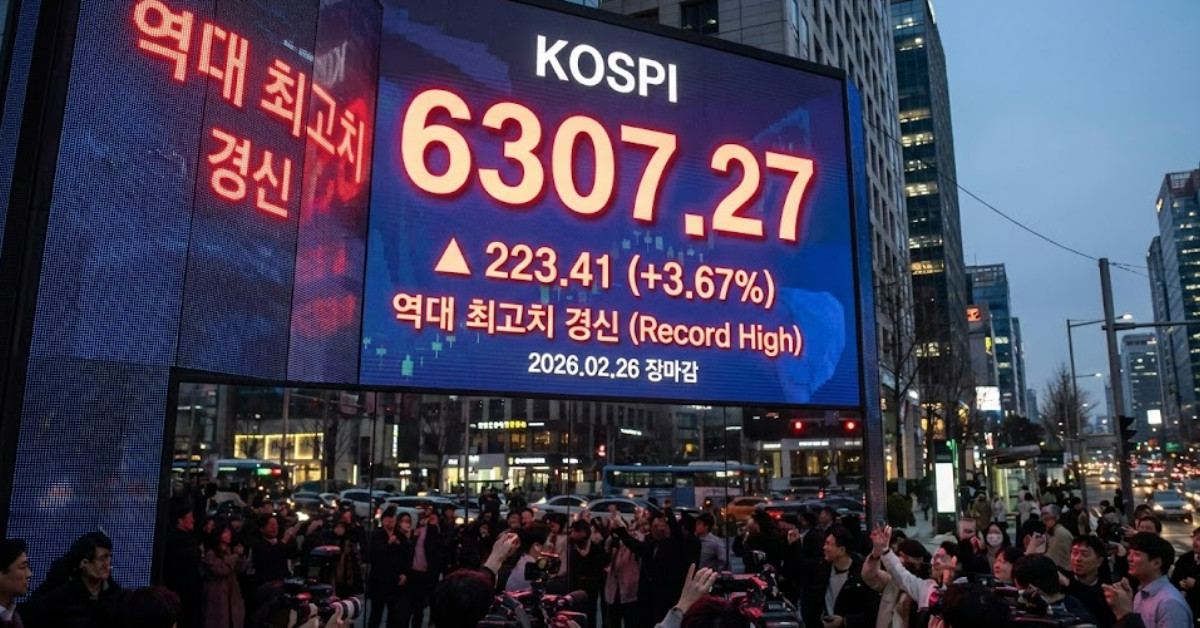
Korea AI Chip Wealth Divide: Bonuses And Ant Investors
A Korea AI chip wealth divide guide covering Samsung, SK Hynix, worker bonuses, ant investors, luxury spending, small businesses, and inequality.
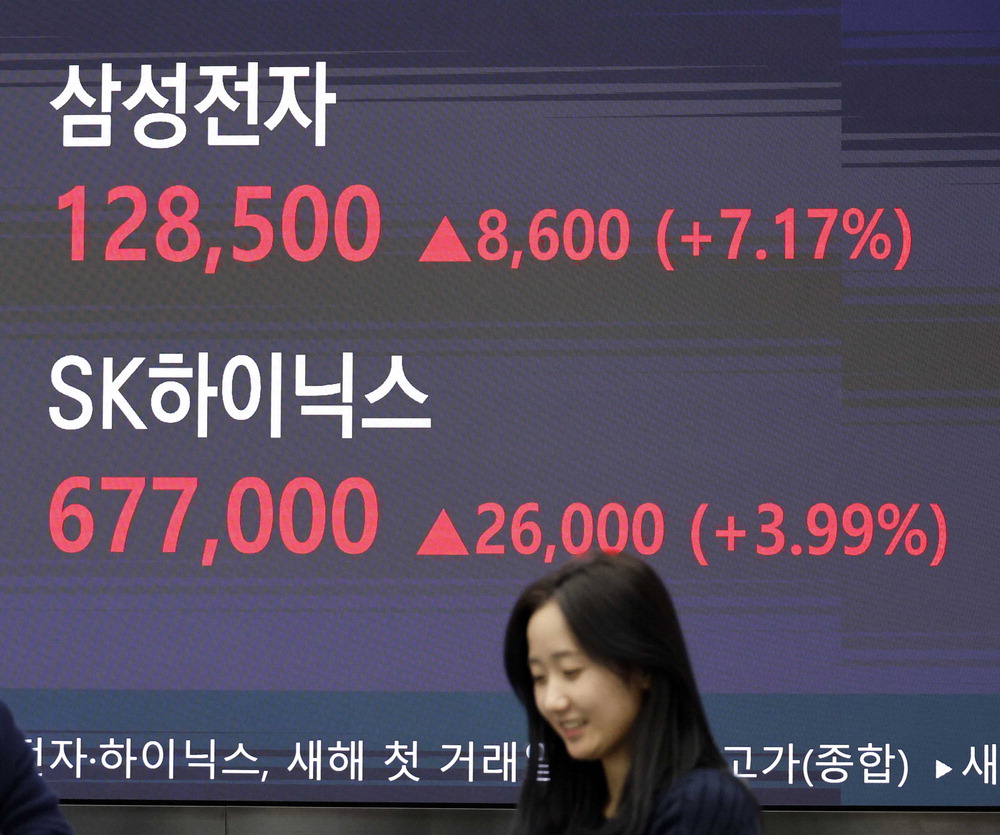
Korea Stock Market 2026: Samsung, SK Hynix, AI Chips
A fact-checked guide to Korea's 2026 stock-market surge, SK Hynix, Samsung Electronics, retail ants, U.S. holdings, ETFs, and AI-chip risks.
Chung Yong-jin and Shinsegae: Korean Influencer Leadership Risks
A current guide to Chung Yong-jin, Shinsegae Group, E-Mart, Starbucks Korea, and the risks of public-facing chaebol leadership.