Korean Body Care Guide 2026: The New K-Beauty Routine
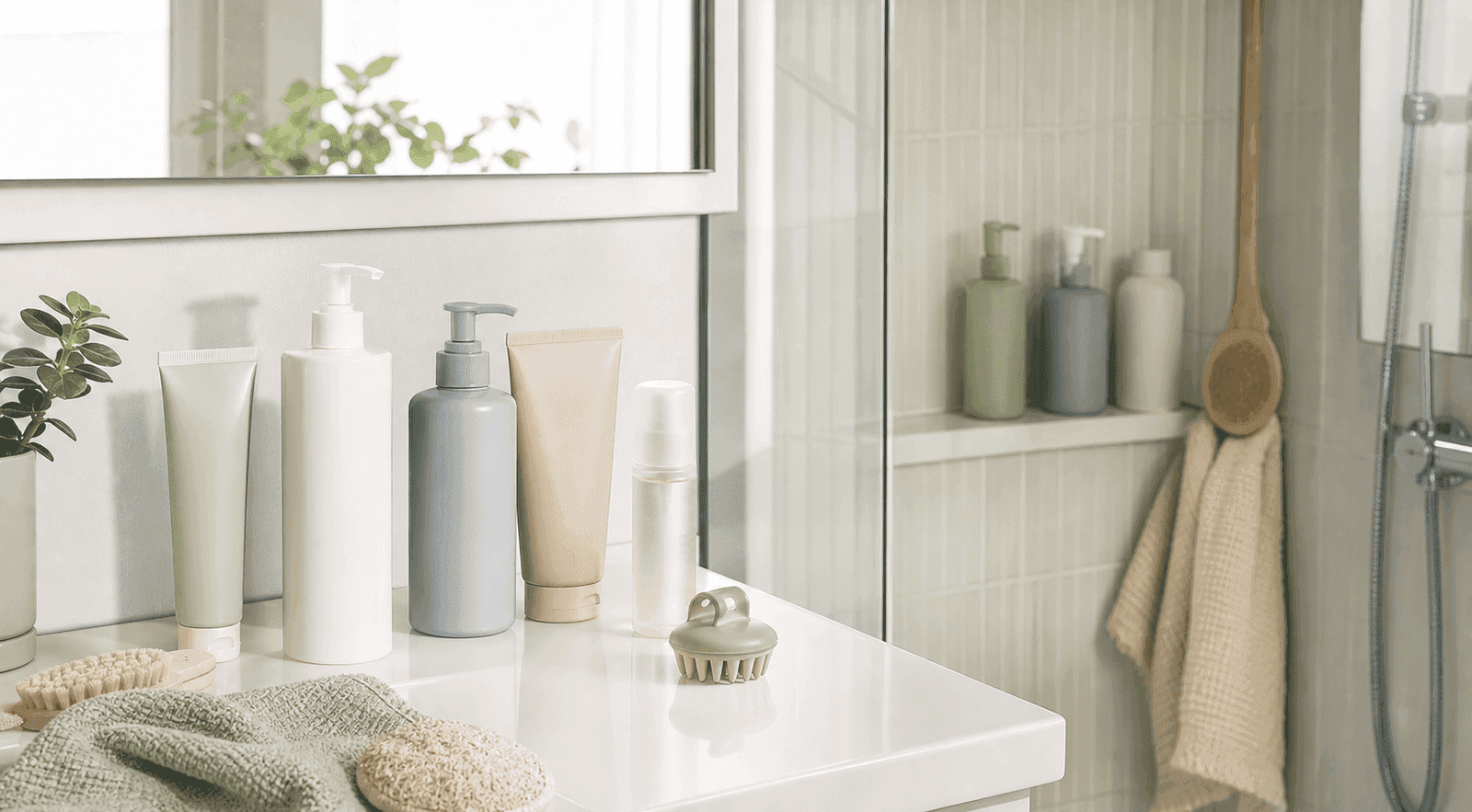
Korean body care 2026 is the next K-beauty lane tourists are going to notice after glass skin, sunscreen, PDRN, and scalp care. The old tourist routine was simple: buy sheet masks, buy a sunscreen, maybe grab a toner pad, then go home. The new routine is wider. It treats the body like a face-care project: texture, sun exposure, keratosis pilaris, back acne, fragrance, shower tools, body lotion, body sunscreen, and recovery after long walking days.
That is why Korean body care can feel both familiar and surprisingly new. Lotion is not new. Exfoliation is not new. Sunscreen is not new. What feels Korean is the way everything becomes a system. A shower is not only a shower. It can be a reset, a smoothing routine, a summer sweat strategy, a jjimjilbang habit, a fragrance layer, and a way to make your skin feel less tired after 20,000 Seoul steps.
Beauty media is already pointing in this direction. Vogue's 2026 K-beauty trend reporting puts Korean beauty in a wider skin-longevity conversation, while Vogue's body-care trend coverage tracks how body products are becoming more skincare-like. EpicKor's angle is practical: what should a tourist actually buy in Korea, and what should stay on the shelf?
Korean SPF 50 sunscreens — compare on AmazonAffiliate link. As an Amazon Associate, EpicKor earns from qualifying purchases at no extra cost to you.
Quick Answer: What Korean Body Care Should Tourists Buy?
Tourists should start with four categories: body sunscreen, a gentle exfoliating tool, a light body lotion or gel, and one targeted product for a real concern such as back acne, rough arms, dry legs, or post-shower itching. Do not build a giant body routine on day one. Buy the piece you will actually use after the trip.
The safest Seoul shopping plan is:
- Buy body sunscreen if your trip includes outdoor walking, beaches, festivals, baseball games, hiking, or palace days.
- Buy a gentle body lotion if hotel air-conditioning and flights make your skin dry.
- Try a Korean exfoliating towel carefully, not aggressively.
- Treat back acne or body bumps like a skin-barrier issue, not a punishment mission.
- Choose fragrance only if you can tolerate it all day.
- Keep liquids small enough for your luggage.
This guide pairs naturally with EpicKor's Korean PDRN skincare guide, Korean hair care shopping guide, Olive Young Korea shopping guide, and Korea summer packing list. Face care, hair care, and body care are no longer separate tourist baskets. They overlap.
Why Body Care Became K-Beauty
K-beauty is good at turning a boring routine into a set of small decisions. Face skincare did this first. Cleansing became double cleansing. Moisturizer became cream, gel cream, sleeping pack, barrier cream, and cica cream. Sunscreen became daily SPF, tone-up SPF, sun stick, cushion-friendly reapplication, and outdoor festival defense.
Body care is going through the same process.
The body has visible problems that tourists recognize immediately: dry elbows, rough arms, darkened knees, ingrown hairs, back breakouts, chest sweat, post-shave irritation, sunburn, sandal marks, and dull legs after a long flight. Korea also has rituals that make body care feel normal. Jjimjilbang culture, shower-after-work habits, summer humidity, public bath scrubbing, sunscreen awareness, and beauty retail all push the body into the same conversation as the face.
The important point is not that Korea invented body lotion. It did not. The point is that Korean retail makes body care feel like a browsable beauty category instead of an afterthought at the bottom of the drugstore aisle.
Body Sunscreen Is The First Serious Buy
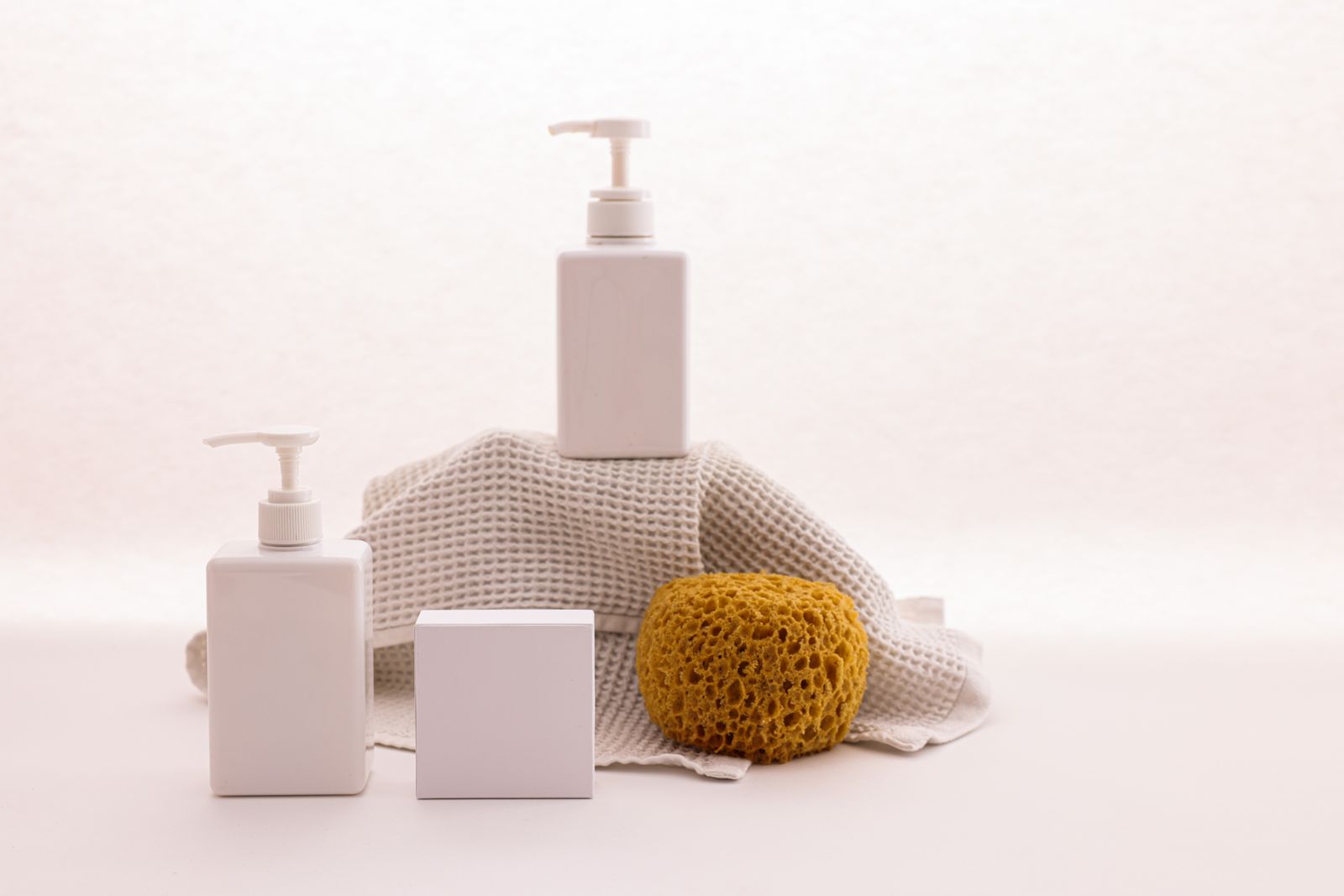
If you buy one Korean body-care product for a summer or outdoor trip, make it sunscreen. Tourists often protect their face and forget their arms, neck, hands, chest, calves, and feet. Seoul does not feel like a beach city, but a normal travel day can still include hours of sun: palace grounds, station transfers, outdoor markets, baseball stadiums, festivals, Han River walks, and long queues.
Body sunscreen should answer a different question from face sunscreen. For the face, you may care about tone, makeup compatibility, eye sting, and finish. For the body, you care about volume, spread, residue, sweat, fabric transfer, and whether you will reapply without hating the texture.
Look for:
- a larger tube or bottle if you will use it on arms and legs;
- water-resistant claims if your day includes sweat, rain, water parks, or festivals;
- a texture that does not feel sticky under clothes;
- a smell you can tolerate in heat;
- a product you can pack without leaking.
Exfoliating Towels: Useful, But Easy To Overdo
Many visitors become curious about Korean exfoliating towels because they connect with jjimjilbang and bathhouse culture. The idea is simple: remove dead skin so the body feels smoother. The mistake is treating the towel like sandpaper.
The classic scrub experience is not meant to be repeated violently every night in a hotel shower. If your skin is sensitive, sunburned, freshly shaved, peeling, or irritated, skip strong scrubbing. If you are new to exfoliating towels, start gently on tougher areas such as elbows, knees, heels, and backs of arms. Do not scrub your chest, neck, or underarms aggressively just because the towel feels effective.
The best tourist use is occasional smoothing, not daily punishment. Think of it as a tool, not a personality.
If you want the specifics — what the colours on the packet actually mean, why it is called an Italy towel, and the frequency Korean dermatologists will actually endorse — EpicKor's guide to Korean exfoliating towels covers the object on its own.
You do not need to carry them home, either. Korean exfoliating mitts — 이태리타올 — ship in multipacks, and EpicKor may earn from a qualifying purchase. Buy the coarse green ones if you want the bathhouse experience and the softer mitts if you are starting out; the difference between them is larger than the price gap suggests.
Body Lotion, Gels, And Mists
Korean body lotions often feel lighter than the heavy creams some travelers expect. That makes sense in Korea's humid summer and indoor heating seasons. A body product has to work with sweat, clothes, subway rides, office heating, and small apartment bathrooms. It cannot always be a thick butter.
If your skin is dry, choose a richer lotion or cream. If your skin gets sticky easily, look for a gel, milk, or quick-absorbing lotion. If you only want fragrance, a body mist may be enough, but do not confuse perfume with skincare. A scented mist can make a routine feel polished, but it will not fix itchy winter legs.
Fragrance is the hidden issue. A floral or powdery body product can smell beautiful in the store and overwhelming on a humid subway platform. Test it if possible. If you have allergies, migraines, or reactive skin, choose lower-fragrance products first.
The default Korean answer to all of this is 일리윤 (ILLIYOON) Ceramide Ato Lotion — a low-fragrance, ceramide-based lotion sold in a 528 ml pump that sits in an enormous number of Korean bathrooms, and is mild enough that it is marketed for babies. It is the least glamorous recommendation in this guide and the one most Koreans would actually make. It ships internationally, and EpicKor may earn from qualifying purchases.
Back Acne, Rough Arms, And Body Bumps
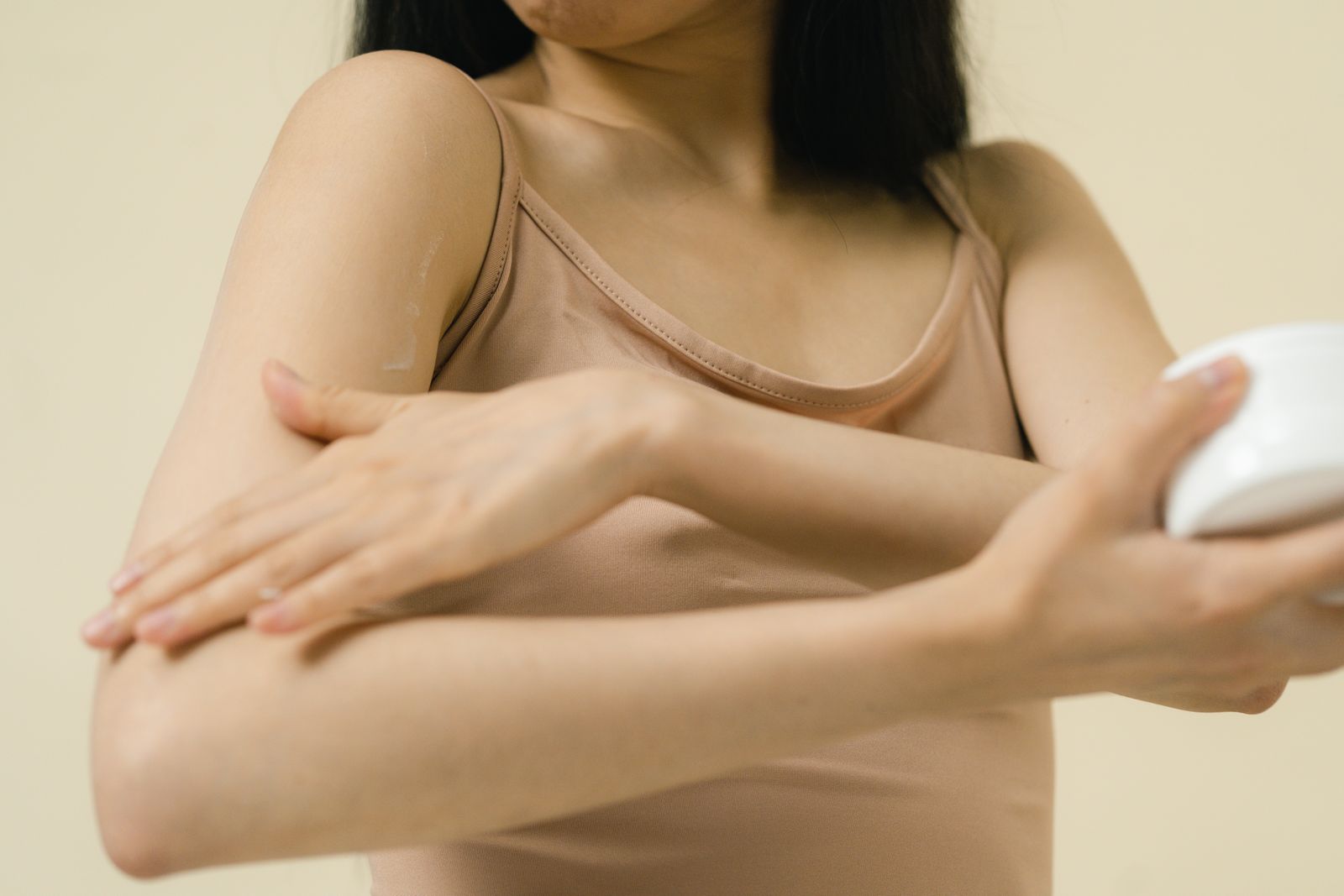
Back acne and rough arms are where body care becomes more serious. Tourists see words such as exfoliating, salicylic acid, AHA, BHA, body wash, peeling, smoothing, and trouble care. Some products may be useful. Some may irritate you if you stack too many active ingredients during a trip.
Use a simple rule: one active at a time. If you buy an exfoliating body wash, do not also scrub hard with a towel, use a strong peeling pad, and apply a fragranced lotion over irritated skin. If you have acne, rash, pain, sudden spreading bumps, or broken skin, treat that as a health issue, not a shopping challenge.
For rough arms or keratosis-pilaris-style bumps, consistency matters more than one dramatic scrub. A gentle chemical exfoliant plus moisturizer can be more useful than a harsh physical scrub once a month. For back acne, clean clothing, shower timing, hair-product residue, and sweat matter too.
Scalp, Feet, And Hands Belong In The Body System
Korean body care does not stop at arms and legs. Scalp brushes, foot masks, heel creams, hand creams, cooling gels, and deodorizing foot sprays all fit the bigger routine. This is where tourists can make smart small purchases.
A scalp brush may support a hair-care routine if you already use gentle pressure. A foot cream or heel product may be useful if your trip involves heavy walking. A hand cream can become a small gift. A cooling patch or gel can help after a hot day, though it is not a substitute for rest, hydration, or medical care.
The danger is buying five tiny "nice to have" items and forgetting why you bought them. Choose by body problem:
| Concern | Better Korean Body-Care Buy | Be Careful With |
|---|---|---|
| Long outdoor days | Body sunscreen or sun stick | Tiny face-only SPF tubes |
| Rough elbows or knees | Gentle exfoliating towel plus lotion | Hard daily scrubbing |
| Dry hotel-room skin | Light body lotion or cream | Strong fragrance if sensitive |
| Back breakouts | Targeted body wash or one active product | Layering many actives at once |
| Tired feet | Heel cream, foot mask, or blister care | Buying bulky spa kits |
Where To Shop In Korea
Olive Young is the easiest body-care starting point because tourists can compare categories quickly. Beauty districts such as Myeongdong may have more branch variety. Daiso can be useful for shower tools, pouches, foot files, storage, and travel bottles, but check material quality and your own skin tolerance. Pharmacies may help with irritation, blisters, or basic skin issues, but do not treat pharmacy items like random cosmetics.
If you visit a jjimjilbang, notice the body rhythm: shower, soak, scrub, rinse, rest, hydrate. You do not have to copy the strongest version of the routine. The lesson is sequencing. Clean first. Exfoliate gently if appropriate. Moisturize after. Protect from sun during the day. Let the body recover.
What To Pack Home
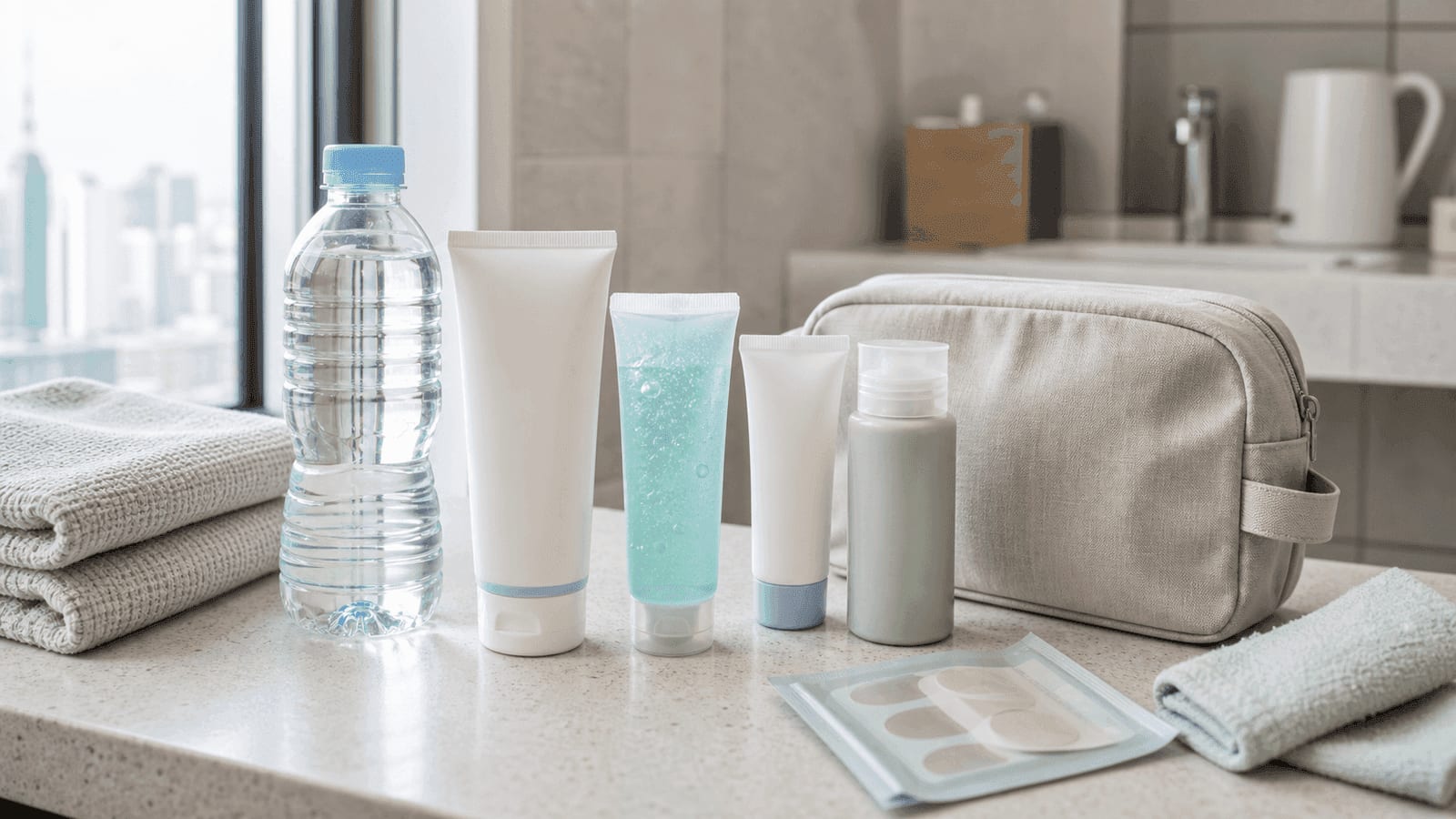
Body care can become heavy fast. A 300 ml body lotion, body wash, scrub, sunscreen, and mist can take more luggage space than expected. Prioritize products that are hard to find at home or easy to use: sunscreen texture you love, a gentle exfoliating towel, a small body lotion, a foot-care product, or a body mist you tested and actually liked.
FAQ
Q: Is Korean body care different from regular body care?
The products are not magical, but the shopping logic is more routine-driven. Korean body care often treats the body like skincare: cleanse, smooth, hydrate, protect, and recover.
Q: What body-care product should I buy first in Korea?
Start with body sunscreen if your trip has outdoor days. If sun is not your main issue, choose a gentle lotion, exfoliating towel, or one targeted product for dryness, roughness, or back acne.
Q: Are Korean exfoliating towels safe?
They can be useful, but they are easy to overuse. Start gently, avoid irritated or sunburned skin, and do not scrub every day just because the result feels dramatic.
Q: Can I use face skincare on my body?
Sometimes yes, but it may be expensive and unnecessary. Body skin often needs larger amounts, different textures, and practical products that work under clothes.
Q: Is body sunscreen necessary in Seoul?
Yes, if you walk outside for long periods. Seoul travel often includes outdoor markets, palace grounds, parks, festivals, and station transfers, so arms, neck, hands, and legs need protection too.
Final Take
Korean body care is not a random side aisle anymore. It is where K-beauty becomes practical, physical, and travel-relevant. The best purchase is not the trendiest bottle. It is the body product that solves a real problem: sun, dryness, roughness, sweat, tired feet, or irritation.
Buy less, use better, and treat your body like part of the Korea trip, not something you remember only after the sunburn appears.
You Might Also Like
Korean PDRN Skincare Guide: Salmon DNA and Spicules
A practical Korean PDRN skincare guide for 2026: salmon DNA, exosomes, spicules, what is hype, and what tourists should buy.
Korean Skincare Routine Order 2026: Simple AM and PM Steps
Build a practical Korean skincare routine in the right order, with simple morning, night, sensitive-skin, and travel versions.
Korean Cushion Shades: 17, 21, 23, and the 45-Shade Change
TIRTIR now sells 45 cushion shades in Korea, from 10C to 55N — the old 17/21/23 ladder is no longer the whole story. What the numbers mean, what cushions cost in won, why the refill is half price, and how to test before you buy.