
Korean Hair Care Shopping 2026: Scalp, Oils, Treatments
Korean hair care shopping 2026 is the next K-beauty lane tourists notice after sunscreen, toner pads, lip tints, and clinic appointments. The shelf logic feels familiar if you already understand Korean skincare: cleanse gently, treat the root area, layer lightweight products, and avoid buying one dramatic fix when your routine needs a simple system.
For travelers, the category can be confusing. A scalp tonic can look like skincare. A hair ampoule can look like serum. A treatment mask can promise shine, damage repair, scalp balance, protein, perfume, or volume. A salon head spa may feel relaxing, while an Olive Young shelf gives you twenty products that all seem to say "repair." The smart move is not to buy the most viral bottle. It is to decide whether your actual problem is scalp, strand, styling, damage, humidity, or travel stress.
Recent beauty coverage supports the shift. Vogue's Korean hair-care guide describes K-hair as a skin-care-first category built around gentle hydration, scalp care, and protein-focused repair. Allure's Korean scalp treatment coverage also highlights scalp tonics and root-focused products as a serious part of the routine, not just a side shelf.
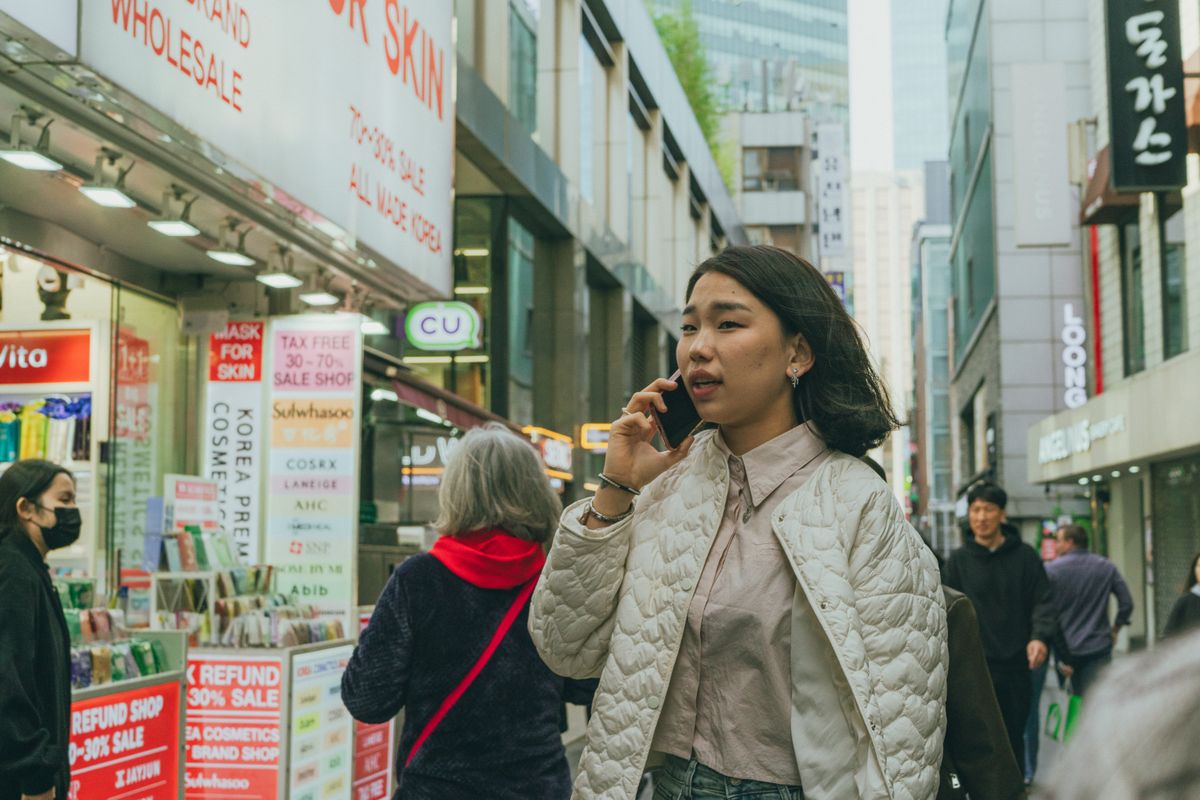
Korean scalp tonic and hair care options — compare on AmazonAffiliate link. As an Amazon Associate, EpicKor earns from qualifying purchases at no extra cost to you.
Quick Answer: What Korean Hair Care Should Tourists Buy?
Tourists should start with one practical category: a scalp tonic if the scalp feels oily, itchy, or heavy; a hair treatment mask if the hair is dry or damaged; a lightweight hair oil or serum if ends look rough; or travel-size shampoo and conditioner if the trip itself is the problem. Do not buy a full routine before you know which issue you are solving.
The safest tourist plan is:
- Decide whether your concern is scalp, strands, styling, or travel dryness.
- Buy one leave-in product and one wash-off product at most.
- Avoid strong active scalp products if your scalp is irritated or medically sensitive.
- Check fragrance, texture, and whether the product is silicone-rich, oil-rich, protein-rich, or scalp-focused.
- Pack liquids carefully if flying.
- Use the product slowly after returning home instead of stacking five new items in one week.
If you are building a beauty route, pair this guide with EpicKor's Olive Young Korea shopping guide, Seoul head spa and scalp care guide, Korea beauty clinic vs Olive Young guide, and Seoul personal color analysis guide. If the goal is not only product shopping but an actual men's salon appointment, use EpicKor's Korean men's haircut guide before deciding on two-block, down perm, or styling products. Hair care sits naturally between beauty retail, salon experience, and personal styling.
Why Korean Hair Care Feels Like Skincare
Korean hair care often borrows the language of skincare: scalp balance, barrier comfort, hydration, peptides, cica, niacinamide, rosemary, ginseng, protein, ampoule, essence, and serum. That can sound like marketing, but it reflects a real category shift. Many shoppers no longer treat hair as only something to shampoo and style. They treat the scalp as skin and hair damage as something that needs steady maintenance.
This does not mean every product is necessary. It means the shelf is organized around smaller problems. A shampoo may target oil or sensitivity. A tonic may target scalp refreshment. A treatment may target damage or softness. A serum may target shine and friction. A mist may target fragrance and light hydration.
The tourist mistake is buying all of them because the packaging looks clean. The better approach is to choose a lane.
| Concern | Best Korean Hair Care Lane | What To Avoid |
|---|---|---|
| Oily or heavy scalp | Scalp tonic, clarifying shampoo, cooling wash | Heavy oils near the root |
| Dry or rough ends | Hair oil, serum, leave-in treatment | Applying too much product near the scalp |
| Bleached or heat-damaged hair | Protein mask, bond-style treatment, weekly ampoule | Expecting one wash to reverse damage |
| Frizz in humid Korea | Light serum, cream, anti-friction finishing product | Overloading fine hair with oil |
| Travel hair stress | Mini shampoo, conditioner, mask, brush, hair tie kit | Buying full-size liquids you cannot pack |
Scalp Tonics: Useful Or Hype?
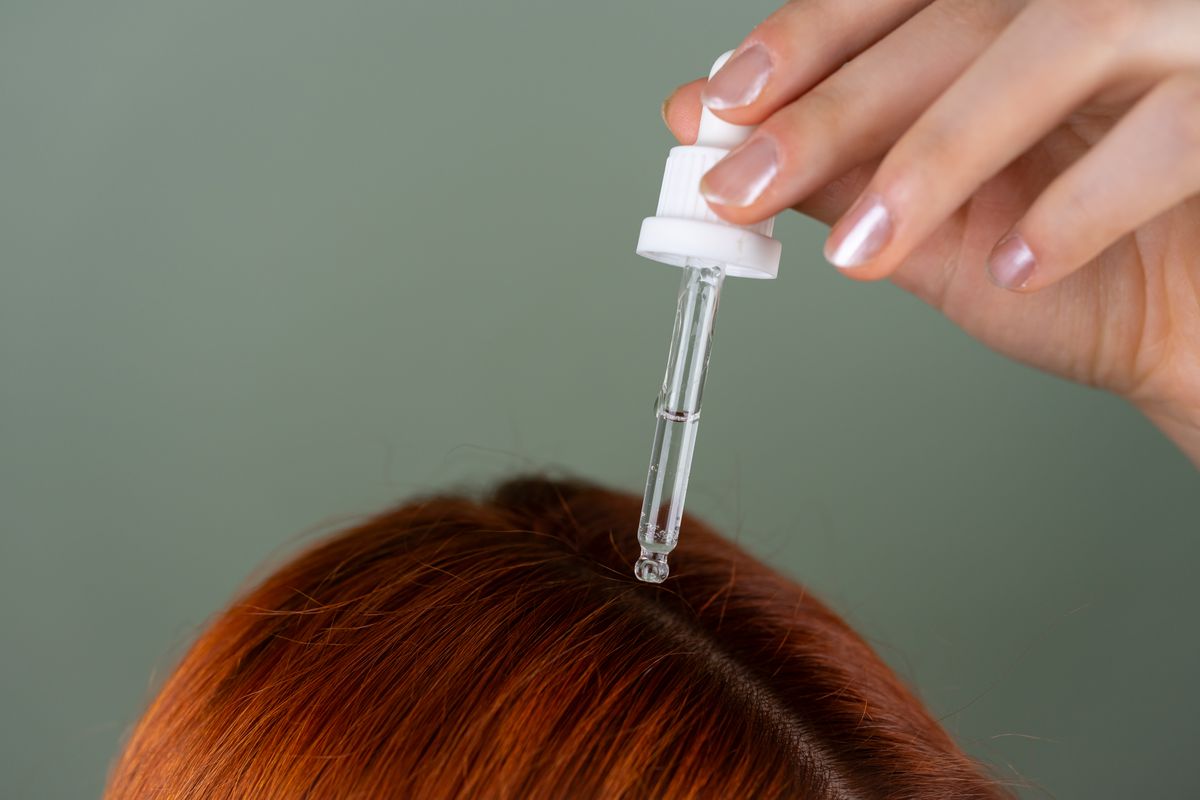
Scalp tonics are useful when they solve a specific problem. If your scalp feels greasy by afternoon, a refreshing tonic may help the routine feel lighter. If your scalp feels dry, tight, or itchy, a soothing product may be more relevant than another shine serum. If you are curious because Korean shelves make scalp care look new, start with a mild product and use it consistently before judging.
But scalp tonics are not magic. They should not be treated as a medical solution for hair loss, infection, severe dandruff, sudden shedding, or painful irritation. Those problems belong with a dermatologist, pharmacist, or medical professional. A tourist shopping guide can help you avoid buying badly, but it cannot diagnose your scalp.
Look at texture. A watery tonic is easier for daily use. A rich oil may be better as a pre-wash treatment but worse for fine hair. A menthol cooling product can feel fresh but may irritate some scalps. A peptide or cica product may sound calming, but your skin still has to tolerate it.
The best first scalp product is usually boring: light, easy to apply, not too strongly scented, and realistic for your routine.
Hair Treatments, Masks, And Ampoules
Korean treatment masks are often the easiest category for tourists. They are understandable, giftable, and useful after a trip that includes humidity, hotel shampoo, styling, bleaching, or long flights. The key is matching the product to your hair type.
Fine hair usually needs lightweight repair. Heavy masks can make it flat. Thick, dry, or bleached hair can tolerate richer treatments. Curly or textured hair may need more slip and moisture than a typical Korean smoothing mask provides. If your hair is colored, check whether the product is color-safe.
Do not assume protein is always better. Protein can help damaged hair feel stronger, but too much can make some hair feel stiff. Hydrating products can make hair softer, but they may not repair structural damage. A good routine often alternates: one gentle wash routine, one weekly treatment, and one leave-in product for ends.
Hair Oils And Serums
Hair oils and serums are the most tempting purchases because the result is visible. You apply a small amount, the ends look smoother, and the product smells nice. That makes it a strong tourist buy. It is also easy to overdo.
Use only a small amount at the ends first. If your hair is fine, one pump may be too much. If your hair is thick or dry, you may need more, but apply slowly. Avoid putting oil directly on the scalp unless the product is specifically meant for scalp use. A styling serum is not the same as a scalp treatment.
Fragrance matters. Korean hair oils and serums can smell floral, musky, fruity, powdery, or salon-clean. If you are sensitive to fragrance, test before buying. The smell that feels luxurious in a store can become too strong in a suitcase or on a pillow.
If you want the one Koreans actually buy, it is 미장센 퍼펙트 세럼 (Mise en Scène Perfect Serum) — an argan-oil serum that has been the default drugstore hair oil in Korea for years, sold in every olive-young-sized shop and most supermarkets. It is inexpensive, it is not a salon exclusive, and it is the product most Korean women reach for after washing. It ships to the US, and EpicKor may earn from qualifying purchases. Start with one pump at the ends; the fruity-floral scent is strong enough that two is a decision, not a default.
Where To Shop In Seoul
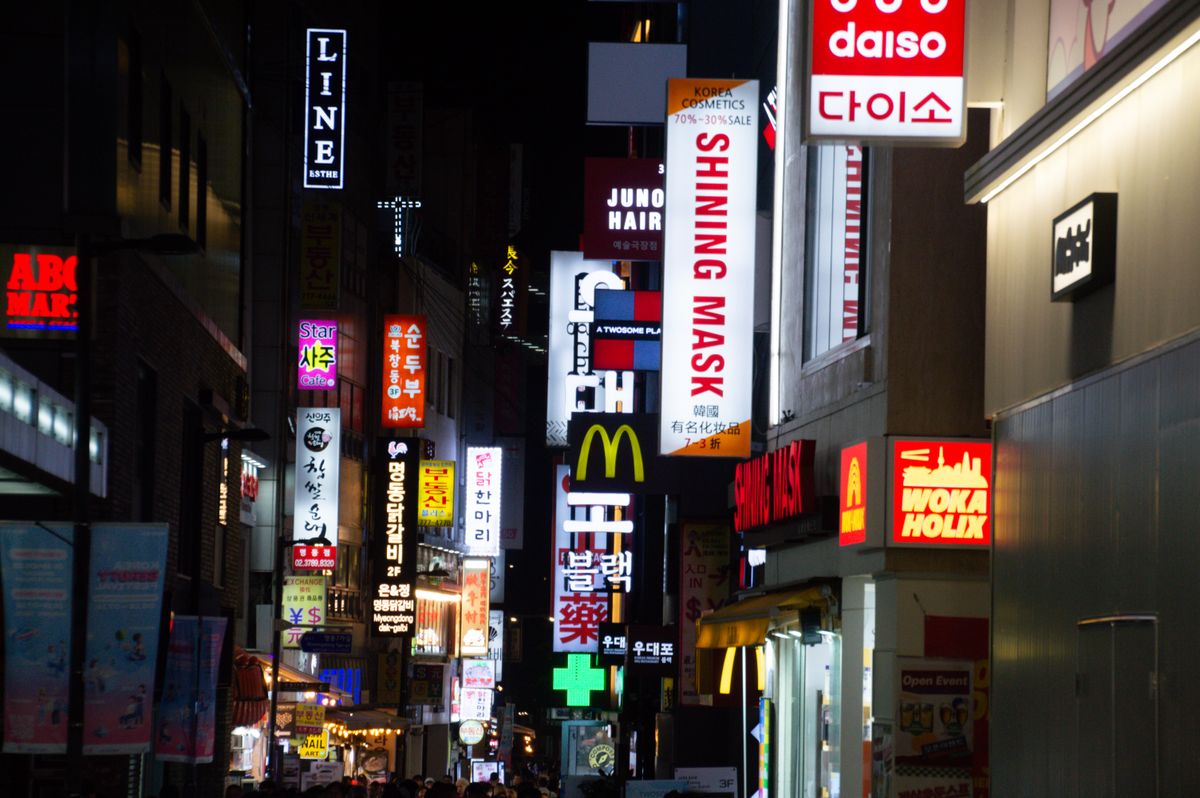
For most tourists, Olive Young is the easiest starting point because products are organized by category and best-seller logic. It is not always the cheapest or most specialized place, but it is efficient. Department stores may carry more premium brands. Hair salons may sell professional products after a service. Drugstores and beauty districts can have lower-pressure browsing, but language support varies.
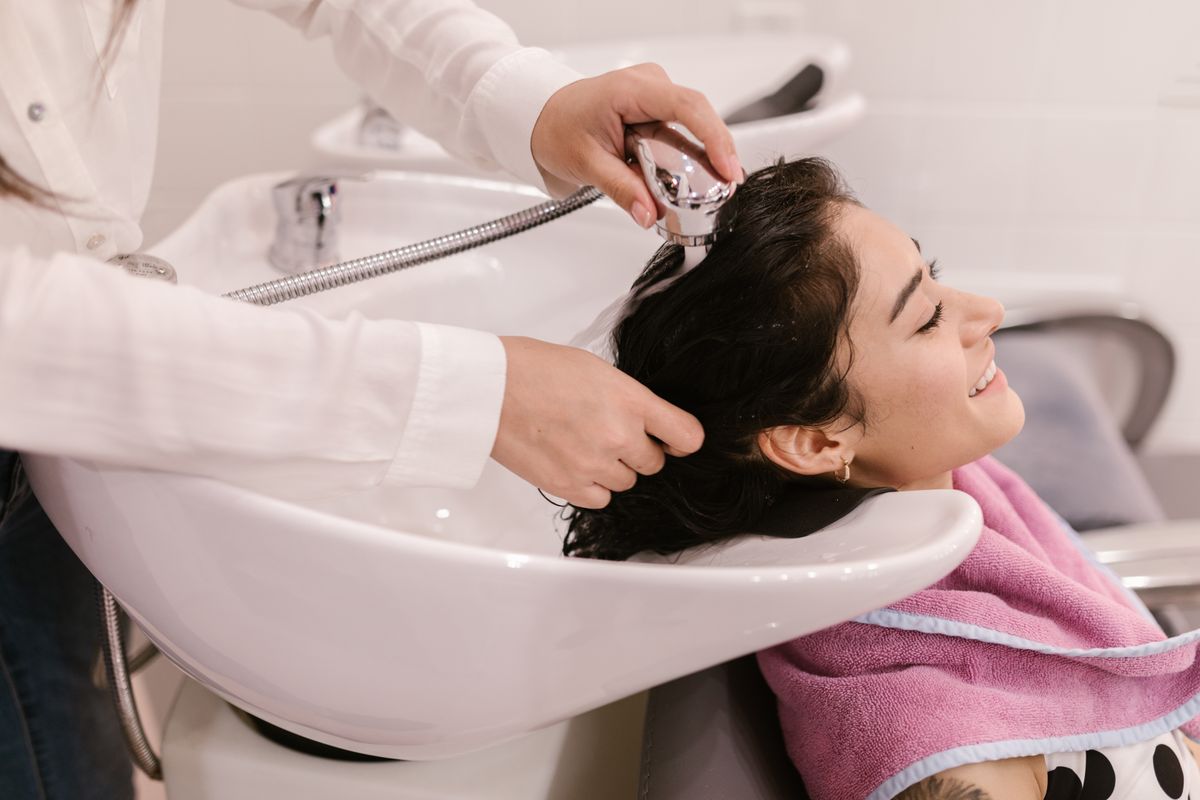
If you are booking a head spa or salon service, do not automatically buy everything they recommend. Ask what the product does, how often to use it, whether it is safe for colored hair, and whether it is meant for scalp or strands. A salon product can be excellent, but the same rule applies: buy the product that solves your real problem.
For tourists, size matters. Full-size shampoo and conditioner can be heavy. Treatment tubes, scalp ampoules, hair oils, and travel minis are more luggage-friendly. If you are flying with carry-on only, check liquid limits before falling in love with a 300 ml bottle.
What To Buy By Hair Type
| Hair Type | Best First Buy | Second Buy | Skip At First |
|---|---|---|---|
| Fine, flat hair | Lightweight scalp tonic or volumizing shampoo | Very light serum for ends | Heavy oil masks |
| Bleached or damaged hair | Protein or repair treatment mask | Leave-in serum | Daily clarifying products |
| Dry thick hair | Rich treatment mask | Hair oil or cream | Alcohol-heavy styling sprays |
| Oily scalp | Scalp shampoo or tonic | Light conditioner only on ends | Root oils |
| Fragrance-sensitive scalp | Gentle shampoo or simple treatment | Unscented or low-fragrance leave-in | Strongly perfumed hair mists |
Tourist Mistakes To Avoid
The first mistake is buying a full routine because the shelf looks convincing. Start with one or two products.
The second mistake is confusing scalp and hair. A scalp tonic goes near roots. A smoothing oil usually belongs on ends. A treatment mask may be wash-off. Read the directions.
The third mistake is ignoring fragrance. Hair products sit close to your face all day.
The fourth mistake is buying heavy liquids before a flight. Check luggage and liquid rules.
The fifth mistake is expecting a product to fix medical issues. If your scalp hurts, flakes heavily, bleeds, burns, or sheds suddenly, seek professional care.
FAQ
Q: Is Korean hair care different from regular hair care?
The biggest difference is the skincare-like approach. Korean hair care often emphasizes scalp comfort, gentle hydration, lightweight layering, and targeted treatments rather than only shampoo and conditioner.
Q: What should I buy first at Olive Young?
Start with a treatment mask, light hair serum, scalp tonic, or travel-size wash product depending on your concern. Avoid buying a full routine until you know what your hair actually needs.
Q: Are Korean scalp tonics safe?
Many are normal cosmetic products, but sensitivity is possible. Patch test when you can, avoid broken or painful skin, and do not use cosmetics as medical treatment for serious scalp symptoms.
Q: Can I use Korean hair care on colored or bleached hair?
Often yes, but check whether the product is color-safe and whether it is protein-heavy, oil-heavy, or clarifying. Bleached hair may need repair, but harsh cleansing can make it feel worse.
Q: Are hair oils worth buying in Korea?
Yes, if you choose a texture that fits your hair type. They are small, visible in effect, and easy to compare. Use less than you think at first.
Final Take
Korean hair care shopping is useful when you treat it like a problem-solving category. Decide whether you need scalp care, strand repair, shine, humidity control, or travel convenience. Then buy one product that fits that need.
The best K-hair souvenir is not a giant routine. It is the bottle you keep using after the Seoul trip because it makes your hair easier, healthier-looking, and less stressful in real life.
You Might Also Like
Olive Young Korea Guide: What to Buy Without Overbuying
A practical Olive Young Korea guide for travelers comparing skincare, sunscreen, toner pads, masks, tax refund, store strategy, and overbuying traps.
Myeongdong, Seoul: Street Food Prices and K-Beauty Shopping
Myeongdong street food runs ₩4,000-8,000 a portion, about double the Seoul average, and the carts appear around 16:00. What is worth eating there, how to shop K-beauty without overpaying, tax refunds, and timing a night visit.
Korean Skincare Routine Order 2026: Simple AM and PM Steps
Build a practical Korean skincare routine in the right order, with simple morning, night, sensitive-skin, and travel versions.