DMZ Tour from Seoul: What You Need to Know Before Visiting
A DMZ tour from Seoul is not a normal day trip.
It looks easy on a booking page: morning pickup, bus ride, Imjingak, Dora Observatory, the Third Tunnel, maybe Dorasan Station, then back to Seoul. But the experience sits on top of something much heavier: a still-divided peninsula, military checkpoints, schedule changes, passport checks, and places where visitors are allowed to look but not wander.
That is why the DMZ can feel confusing before you go.
Is it the same as the JSA? Can you go alone? Is Imjingak already inside the DMZ? Will you actually see North Korea? What should you wear? What happens if the military cancels access that morning?
The short answer is this: treat a Seoul DMZ tour as a controlled historical visit, not a flexible sightseeing route.
You can learn a lot in one day, but you need the right expectations.
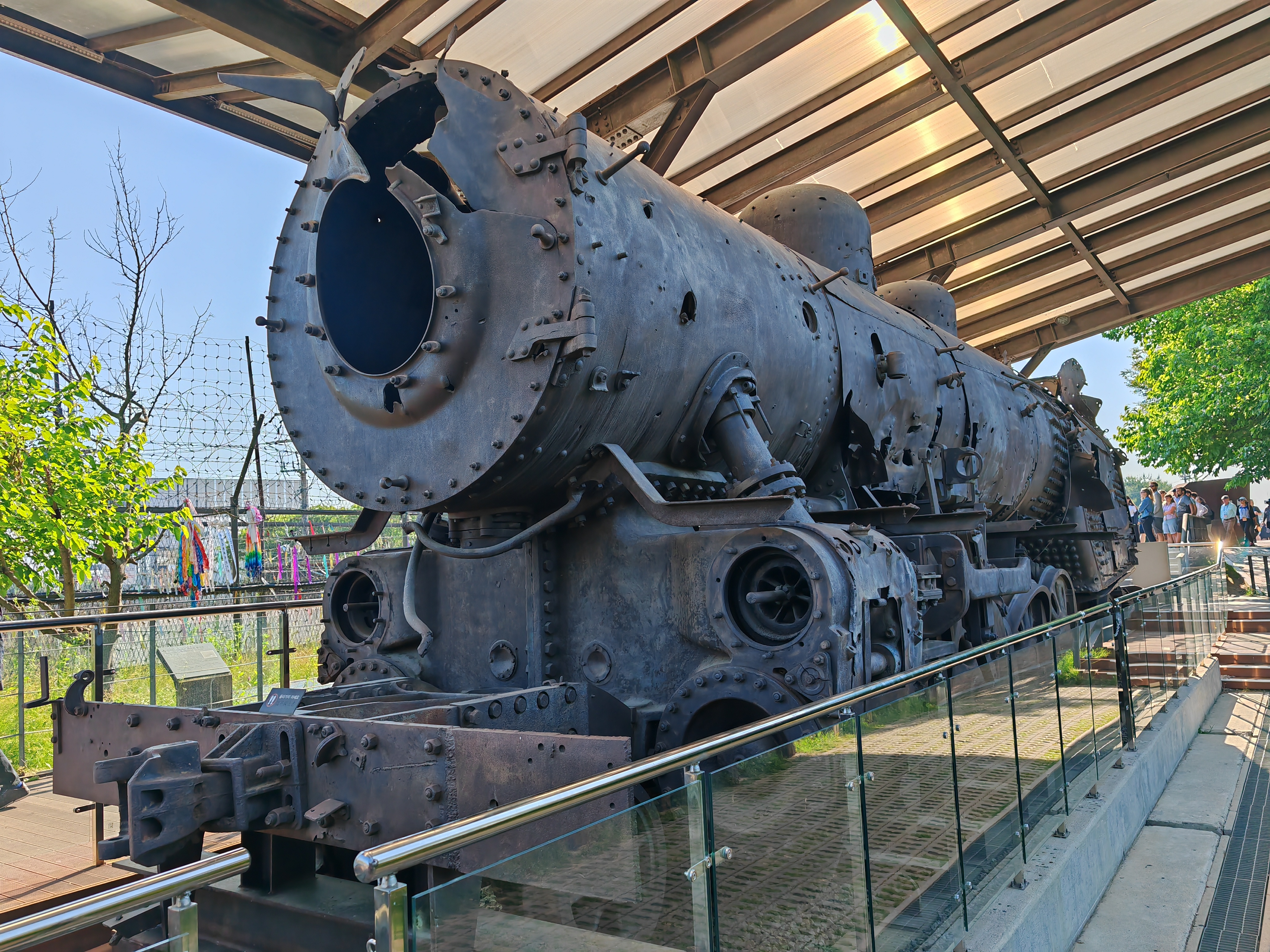
Quick Answer: Is A DMZ Tour From Seoul Worth It?
Yes, a DMZ tour from Seoul is worth it if you want Korea to feel like a real country with unresolved history, not only cafes, skincare, K-pop, and food videos.
It is especially worth it for first-time visitors who have already done a few Seoul basics and want one day that explains why modern Korea feels so alert, fast, and historically complicated. The DMZ is not only a border. It is a daily reminder that the Korean War ended in an armistice, not a peace treaty.
The easiest version for most travelers is a guided half-day or day tour that includes Imjingak, Dora Observatory, and the Third Tunnel. Some itineraries include Dorasan Station, Unification Village, suspension bridges, or other nearby stops depending on access and operator.
The Korea Tourism Organization's DMZ tour information explains the common route logic around Imjingak, Dorasan, Dora Observatory, and the Third Tunnel, while Gyeonggi Province notes that Imjingak is about 7 kilometers from the Military Demarcation Line and is one of the best-known public DMZ-related sites. Check current official and operator notices before booking because military access can change quickly. Useful starting points include VisitKorea's DMZ tour page and Gyeonggi Global's DMZ / Imjingak guide.
Bruce Cumings' The Korean War: A History — read it before the DMZ busAffiliate link. As an Amazon Associate, EpicKor earns from qualifying purchases at no extra cost to you.
DMZ, JSA, Imjingak: Do Not Mix These Up
The first mistake is using "DMZ tour" as if every border experience is the same.
They are not.
Imjingak is a public park and memorial area in Paju. It is DMZ-related, but it is not the same as entering the restricted zone. Many visitors can go to Imjingak more easily than they can go to controlled stops deeper in the tour route.
Dora Observatory is a controlled viewpoint where visitors can look toward North Korea. Access usually depends on official tour routing and security conditions.
The Third Tunnel is one of the infiltration tunnels discovered under the border area. Visitors usually enter through a controlled tourist facility and walk a sloped route. It is physically more demanding than many people expect.
Dorasan Station is symbolic rather than practical for most travelers. It was built with the idea of future rail connection beyond the division line, so the platform and signs can feel more emotional than the building itself.
JSA, or Joint Security Area, is a separate and more sensitive Panmunjom experience. Do not assume a regular DMZ tour includes it. JSA access has often been restricted or suspended depending on security conditions, so any article, booking page, or social post that treats it as guaranteed should be checked carefully.
The practical rule is simple:
If a tour says DMZ, read the exact stops. If it says JSA, verify whether JSA access is actually operating for your date.
Can You Visit The DMZ Without A Tour?
For the controlled DMZ stops most visitors mean, no, you should not plan on wandering in independently.
You can visit some public DMZ-related places such as Imjingak without the same kind of controlled tour structure, but that is not the same as visiting the restricted areas around Dora Observatory, the Third Tunnel, or other military-controlled stops. Those places depend on official routing, identification checks, and access permission.
This is why a guided tour is not only a convenience. It is usually the mechanism that makes the visit possible.
The frustrating part is that travel blogs sometimes blur this distinction. Someone may say they "visited the DMZ by train" or "went to Imjingak alone," and another reader assumes that means the whole route is open like a palace or museum. It is not. The border area is layered: public park, civilian control line, military access zone, tour route, and sometimes temporary closures.
So when you plan, ask two questions:
- Which exact sites does this itinerary include?
- Are those sites operating for foreign visitors on my travel date?
That second question matters because the DMZ is not a theme park. Access can change because of security, weather, diplomatic tension, construction, or military decisions.
Border-day packing note: As an Amazon Associate, EpicKor may earn from qualifying purchases. Before a controlled day trip like the DMZ, compare Korea travel essentials such as passport pouches, compact tissues, refill bottles, and small day bags so your documents and basics stay organized.
What You Usually See On A Seoul DMZ Tour
Most mainstream Seoul DMZ tours use Paju as the practical base because it is close enough for a half-day or day trip from the capital.
The most common stops are:
- Imjingak Park: memorials, bridges, monuments, fences, ribbons, and visitor facilities
- Dora Observatory: a controlled viewpoint toward North Korea
- The Third Tunnel: a tunnel site with a steep walking route
- Dorasan Station: symbolic railway station tied to hopes of connection
- Unification Village or local stops: sometimes used for lunch, shopping, or route timing
Not every tour includes every stop.
Some operators add a suspension bridge or other regional attraction to make the itinerary feel fuller. That can be fine, but do not let the add-ons distract from the core reason you are going. A DMZ tour is strongest when the guide explains the Korean War, division, propaganda, family separation, tunnels, border geography, and how South Koreans live with this history without thinking about it every hour.
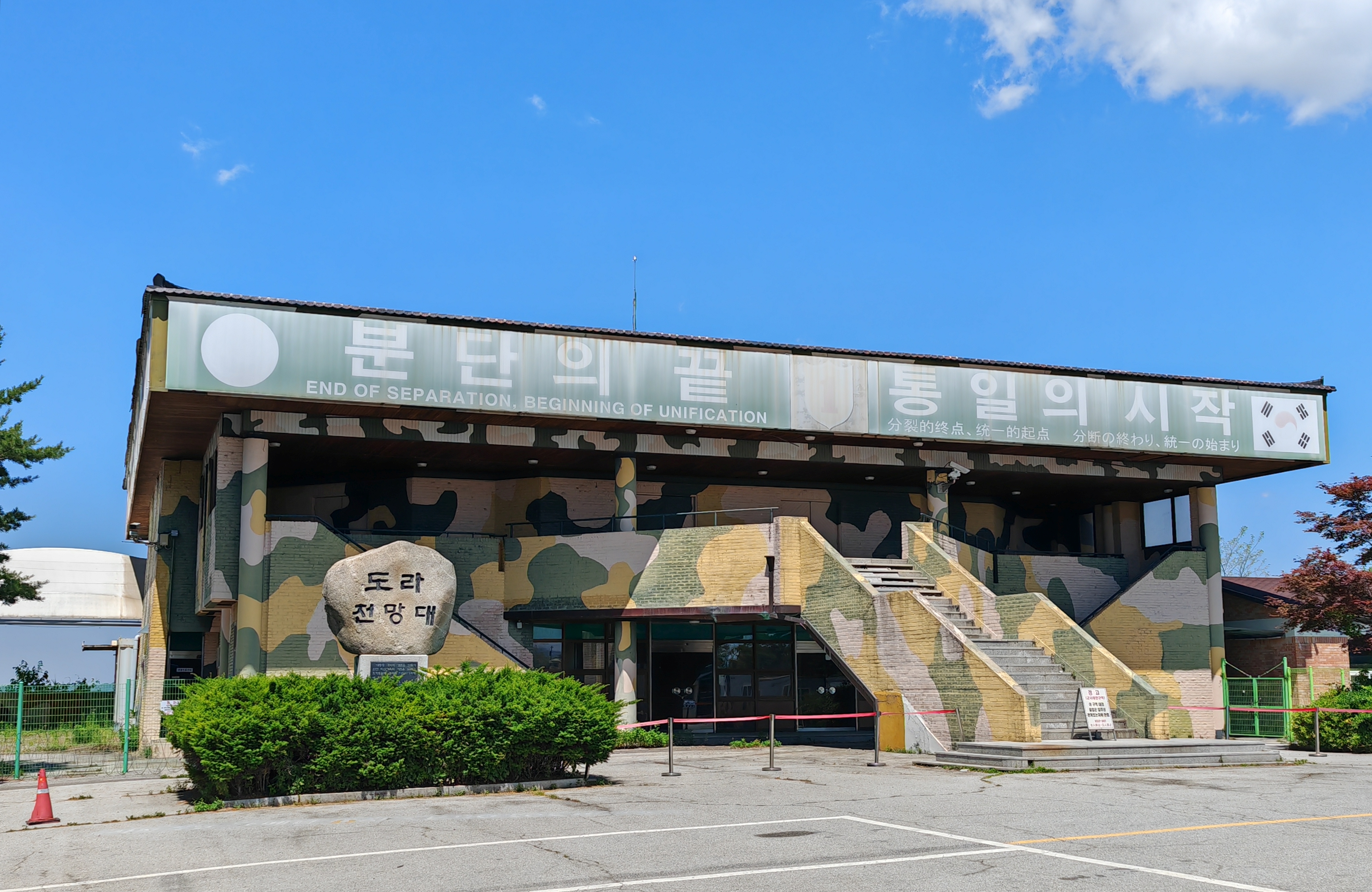
If a tour is just a bus ride with photo stops, it may feel thin. If the guide is good, the same route can become one of the most memorable days of the trip.
The Third Tunnel Is More Physical Than It Looks
The Third Tunnel is often described quickly in tour listings, but visitors should take it seriously.
The route can involve a steep incline, low ceilings, hard hats, damp air, and slow walking in a confined space. If you are tall, claustrophobic, recovering from an injury, or not comfortable walking uphill, check the latest access details before you commit. Some people enjoy it because it makes the history physical. Others find it tiring or uncomfortable.
That does not mean you should skip it automatically.
It means you should not treat it like a normal museum hallway.
Wear comfortable shoes. Avoid carrying a bulky bag. Listen to the guide. Do not rush people behind you. If you have mobility, heart, breathing, or claustrophobia concerns, ask the operator whether you can wait at the surface facility while the rest of the group goes in.
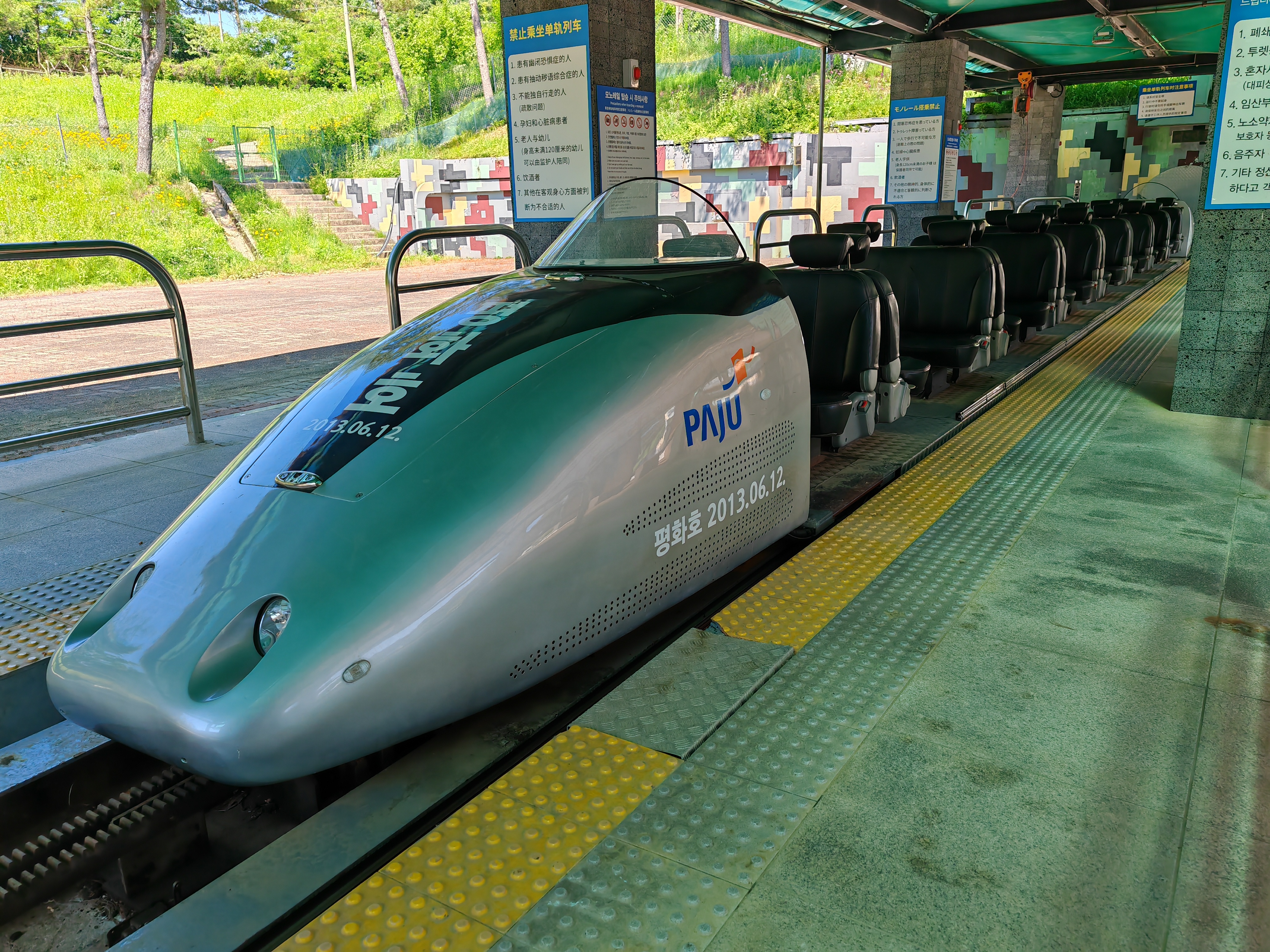
Passport And Dress Code Rules
Bring your passport.
Do not bring only a photo on your phone unless your tour operator explicitly says that is acceptable for your route. The safest assumption is that identification may be checked and the original passport is the cleanest document for foreign visitors.
Dress normally but neatly. You do not need formal clothing for most mainstream DMZ tours, but avoid anything that creates problems in a controlled military area: offensive slogans, political provocation, revealing outfits that may violate operator rules, or clothes that make the tunnel walk harder than it needs to be.
The practical clothing formula is:
- comfortable walking shoes
- layers for bus air conditioning and outdoor wind
- sun protection in warm months
- warm outerwear in winter
- small bag, not a huge suitcase
- passport carried securely
If your tour includes JSA, dress rules may be stricter. Read the operator instructions carefully, because JSA and non-JSA DMZ tours are not the same product.
How Long Does It Take From Seoul?
Many tours advertise half-day timing, but you should protect the day as if it can stretch.
The drive from central Seoul to Paju is not extreme, but tour logistics add time: hotel pickups, meeting points, ticketing, identity checks, military routing, bus transfers, waiting, traffic, lunch stops, and possible schedule changes. A morning tour can still affect your afternoon. A day tour can return later than you expect.
Do not book a tight airport transfer, expensive dinner, concert, or clinic appointment immediately after a DMZ tour. Give yourself buffer.
This is especially important because the DMZ is one of the few Seoul day trips where the operator may not control every variable. If the military changes access, the route changes. If traffic is bad, the return changes. If a group member delays passport checks, everyone waits.
The best mindset is:
This is my serious history day. I will not stack it like a normal shopping morning.
For the broader Seoul planning side, EpicKor's Seoul subway etiquette guide helps with the rest of your city logistics, but the DMZ is usually easier by organized tour than by trying to improvise public transit around controlled access.
What Kind Of Tour Should You Choose?
Choose by depth, not only price.
A cheap bus tour can be fine if it includes the core stops and a guide who explains the context clearly. A more expensive tour may be worth it if it has smaller group size, better pickup logistics, stronger historical explanation, or a route that avoids feeling rushed.
Use this decision table:
| You Want | Best Fit | Check Before Booking |
|---|---|---|
| Classic first DMZ experience | Imjingak, Dora Observatory, Third Tunnel | Passport rules and exact return time |
| More historical explanation | Smaller guided tour | Guide language and reviews mentioning context |
| Symbolic rail story | Route including Dorasan Station | Whether the station is actually included that day |
| Low physical difficulty | Tour where tunnel participation is optional | Walking, stairs, slope, and waiting options |
| JSA specifically | JSA-listed tour only | Current operating status and stricter rules |
Do not book a tour just because it has the longest list of stops. In Korea travel, more stops often means less time to understand anything.
What The DMZ Feels Like Emotionally
Many visitors expect the DMZ to feel dramatic every second.
It usually does not.
Part of the experience is strangely ordinary. There are buses, parking lots, ticket counters, bathrooms, souvenir areas, lunch stops, and tourists taking photos. Then, suddenly, something becomes quiet: a fence covered in ribbons, a train station waiting for a future that never arrived, binoculars pointed at villages across the border, or a guide explaining families separated by a line most travelers only know from maps.
That contrast is the point.
South Korea lives with division as both emergency and routine. The border is not fake. The military reality is real. But Seoul still goes to work, students still study, people still date, cafes still open, and travelers still order tteokbokki at night.
The DMZ helps you understand that double vision.
Korea is not defined only by division, but you cannot fully understand modern Korea while ignoring it.
Photography, Behavior, And Basic Respect
Follow photo rules exactly.
Some areas allow photos. Some limit where you can point a camera. Some rules may change depending on security conditions. If a guide or soldier says no photos, do not negotiate. If signs say not to cross a line, do not cross it for a better angle.
Also remember that the DMZ is not a war-themed amusement park.
You can be curious. You can take photos where allowed. You can buy a souvenir. But avoid jokes that treat the division of Korea like a prop. For many Koreans, the border is tied to family loss, war trauma, military service, propaganda, fear, and political tension. You do not need to act solemn all day, but you should act aware.
This is also why a DMZ tour pairs well with EpicKor's guide to Korean work culture. The country that looks hyper-modern on the surface still carries older systems of hierarchy, urgency, sacrifice, and national alertness underneath.
What To Pack For A DMZ Day
Pack light and practical.
Bring:
- passport
- phone and portable battery
- water
- small snacks if your operator allows them
- comfortable shoes
- seasonal layers
- motion-sickness help if buses bother you
- compact tissues or wipes
- a small amount of cash or card for snacks and souvenirs
Do not bring luggage unless the operator confirms storage. Do not bring anything that makes checkpoint handling awkward. Keep your passport easy to reach but secure.
After-tour context: If the DMZ makes you want deeper background, browse Korean culture and history books. A good history read helps connect the tour stops to the bigger story of modern Korea.
Who Should Skip Or Delay It?
A DMZ tour is not mandatory for every Korea trip.
Skip or delay it if you only have three days in Seoul and your priority is food, neighborhoods, shopping, and first-time orientation. In that case, the DMZ may eat too much of your limited time. EpicKor's Busan vs Seoul guide is a better first-trip planning tool if you are still deciding how to use your days.
Also think carefully if you are traveling with small children, someone with mobility issues, someone who dislikes tunnels, or someone who would be stressed by military checkpoints and schedule uncertainty.
The DMZ is meaningful, but meaningful does not always mean right for this trip.
If you have five or more days in Seoul, though, it becomes much easier to justify. One controlled history day can make the rest of the trip feel more grounded.
FAQ
Q: Can I visit the DMZ by myself from Seoul?
You can visit some public DMZ-related areas such as Imjingak more independently, but controlled stops like Dora Observatory and the Third Tunnel generally require official tour routing or approved access. Do not assume the whole DMZ is open to independent sightseeing.
Q: Is the JSA included in a normal DMZ tour?
Usually no. JSA is a separate, more sensitive Panmunjom experience and may be restricted. Read the exact itinerary and current access status before booking.
Q: Do I need my passport for a DMZ tour?
Yes, bring your original passport unless your operator gives different written instructions. A passport photo is not the safest assumption.
Q: Is the Third Tunnel difficult?
It can be. The route may include a steep slope, low ceiling, confined space, and walking effort. Ask your tour operator about physical requirements if you have concerns.
Q: Is a DMZ tour safe?
Mainstream tours operate under controlled access rules, but the area is sensitive and access can change. Follow guide instructions, respect military rules, and keep your schedule flexible.
The Bottom Line
A DMZ tour from Seoul is worth doing when you want one day that explains Korea's unresolved history in a way a museum label cannot.
Go with a guide. Bring your passport. Read the exact itinerary. Expect schedule changes. Do not confuse Imjingak, DMZ, and JSA. Wear comfortable shoes. Treat the place with respect.
Most of all, do not go only to say you went.
Go because the border helps explain the country on both sides of the rest of your trip.
You Might Also Like
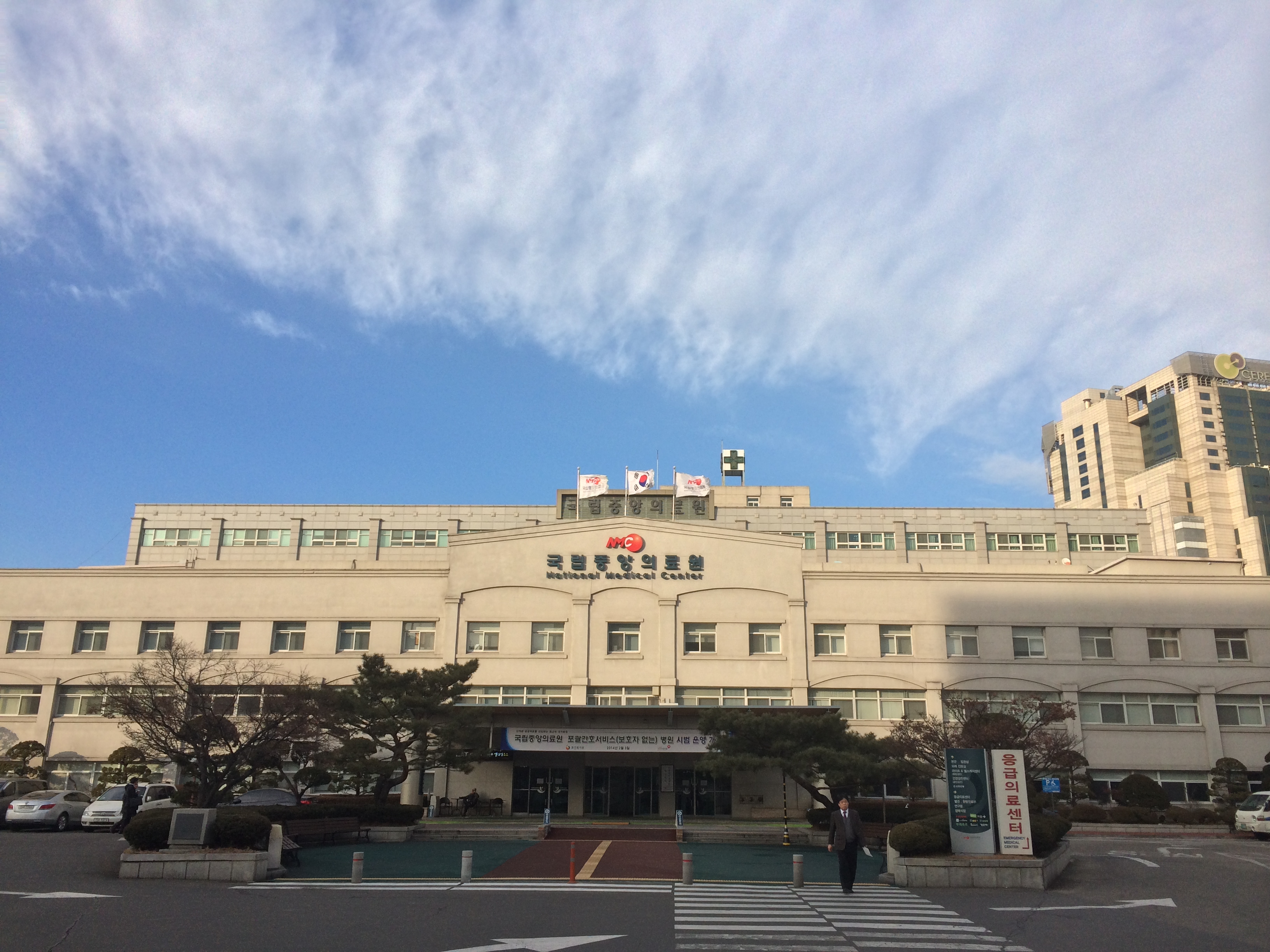
Korean Healthcare Guide for Tourists: Emergencies and Pharmacies
How to handle healthcare in Korea as a tourist: emergency numbers, hospitals, pharmacies, insurance, language help, and travel prep.
Do Koreans Speak English? Ask Someone Under 35 — What Actually Happens on a Seoul Street
Yes, if you ask the right person. Stop a Korean in their twenties or thirties on a Seoul street and you will almost always get an answer in English. The forum answer that says otherwise is twenty years old. Who to ask, how to ask, where English is built in.

Korean Pain Patches: Only Two Are Sold Outside a Pharmacy
Korea lets convenience stores sell 13 designated medicines and exactly two are pain patches, both mild. The one everyone recommends — Ketotop, 30mg ketoprofen — is pharmacy-only and warns you to keep the treated skin out of sunlight for two weeks.