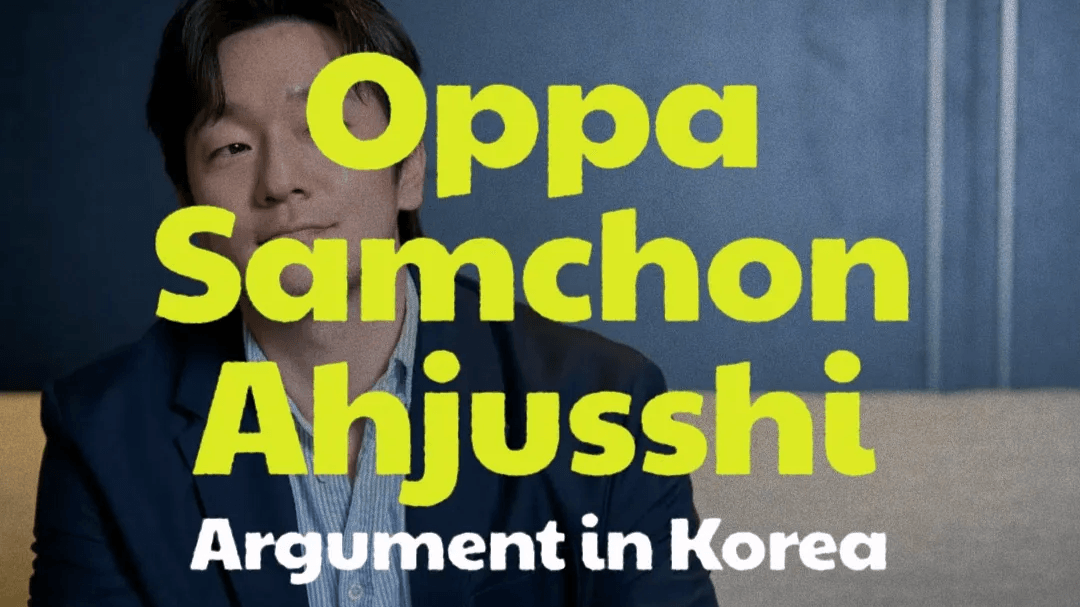
Ahjussi Meaning: The Korean Word, and What an Ahjussi Actually Looks Like
If you searched ahjussi meaning, here is the simple answer: ahjussi means an older adult man, middle-aged man, or "mister" in Korean. You may also see it spelled ajeossi, ajusshi, or ahjusshi. The word is not automatically rude, but it can sound blunt or unflattering when the man is not much older, when you know him personally, or when he expects a warmer title.
That is why Korean people also use words like oppa, samchon, sajangnim, and jeogiyo instead. These words are not only about age. They also signal closeness, social distance, romantic possibility, family-like warmth, and how politely you are placing the other person.
For a stranger in Korea, the safest practical word is usually jeogiyo, which means "excuse me." Use ahjussi only when the person is clearly an older adult man and the situation is casual enough. Use oppa only with real closeness, and use samchon when the feeling is uncle-like or family-adjacent.
Quick answer: Ahjussi means an older adult man or "mister" in Korean, but it is safest to treat it as a social-distance word. It can be neutral in public, but it may feel rude if it makes someone sound older, distant, or outside the "oppa" zone.
Curious enough to taste the country the word comes from? A 50-piece Korean snack box on Amazon is the low-commitment version of a trip.Affiliate link. As an Amazon Associate, EpicKor earns from qualifying purchases at no extra cost to you.
Ahjussi Meaning: More Than Just "Mister"
In Korean, ahjussi is written 아저씨. The closest English word is "mister," but the emotional weight is different. In English, "mister" can be formal or old-fashioned. In Korean, ahjussi is everyday language. You might hear it at a restaurant, in a market, on the street, or in a drama when someone is calling an unfamiliar adult man.
The tricky part is that ahjussi does not have one fixed mood. A child calling a shop owner ahjussi can sound normal. A young woman calling a man in his thirties ahjussi can sound teasing or even brutal, depending on context. A stranger saying "Ahjussi!" to get a taxi driver's attention can be practical. A friend saying it to a man who still thinks he is an oppa can become comedy.
This is why Korean learners get confused. The dictionary gives you a definition, but Korean society gives the word its real temperature.
In most cases, ahjussi suggests:
- an adult man who is older than you
- a man who is not in your close peer group
- a man who feels more middle-aged than youthful
- a stranger or semi-stranger, not someone intimate
- a social distance that is polite but not affectionate
What makes ahjussi meaning in Korean hard to translate is that the word carries a small judgment about social placement. It is not always rude. But it is rarely flattering if the man wanted to be seen as young, stylish, or romantically available.
That is why the internet loves the joke: no man wants to become an ahjussi overnight.
What an Ahjussi Actually Looks Like
A dictionary can tell you that ahjussi means a middle-aged man. It cannot tell you what one looks like, and in Korea that picture is specific enough to be a running joke.
The uniform is 아재 패션 — ajae fashion, from 아재, the slangier cousin of 아저씨. Korean media does not treat this as vague. The JoongAng Ilbo named its two icons outright:
- 낚시 조끼 — a fishing vest, pockets across the shoulders, chest and waist
- 등산복 바람막이 점퍼 — a hiking windbreaker, worn nowhere near a mountain
Add dark slacks, sensible leather shoes and a shoulder bag and you have the silhouette Koreans picture instantly. The tell is not that the clothes are ugly. The tell is that they are technical clothes worn for errands — gear built for a mountain, deployed to buy groceries.
Then the joke stopped being a joke
Here is the part nobody outside Korea knows.
Those exact garments became 유틸리티 웨어 — utility wear — one of global menswear's dominant trends. JoongAng Ilbo reported that Dior's menswear designer Kim Jones built BTS's world tour outfits from it: bombers, cargo pants and pocketed vests, the first clothes Dior had ever made for a pop act. Louis Vuitton showed pocketed windbreakers, Fendi put hiking-raincoat shapes into a spring collection. The fishing vest that Columbia's chairwoman designed for her angler husband in the 1960s came back fifty years later as high fashion.
And in Korea the wheel turned again. Yonhap ran a piece in December 2022 headlined "아저씨 옷 아니에요" — these aren't ahjussi clothes — about MZ-generation Koreans adopting hiking wear as 고프코어 (gorpcore, from gorp, the trail-mix snack, crossed with normcore).
So the ahjussi look is now worn by twenty-year-olds who would be insulted to be called one. That is the most Korean fact in this entire article, and it is why the word is more complicated than "mister."
Oppa, Samchon, and Ahjussi: The Real Difference
To understand ahjussi, you need to compare it with two nearby words: oppa and samchon.
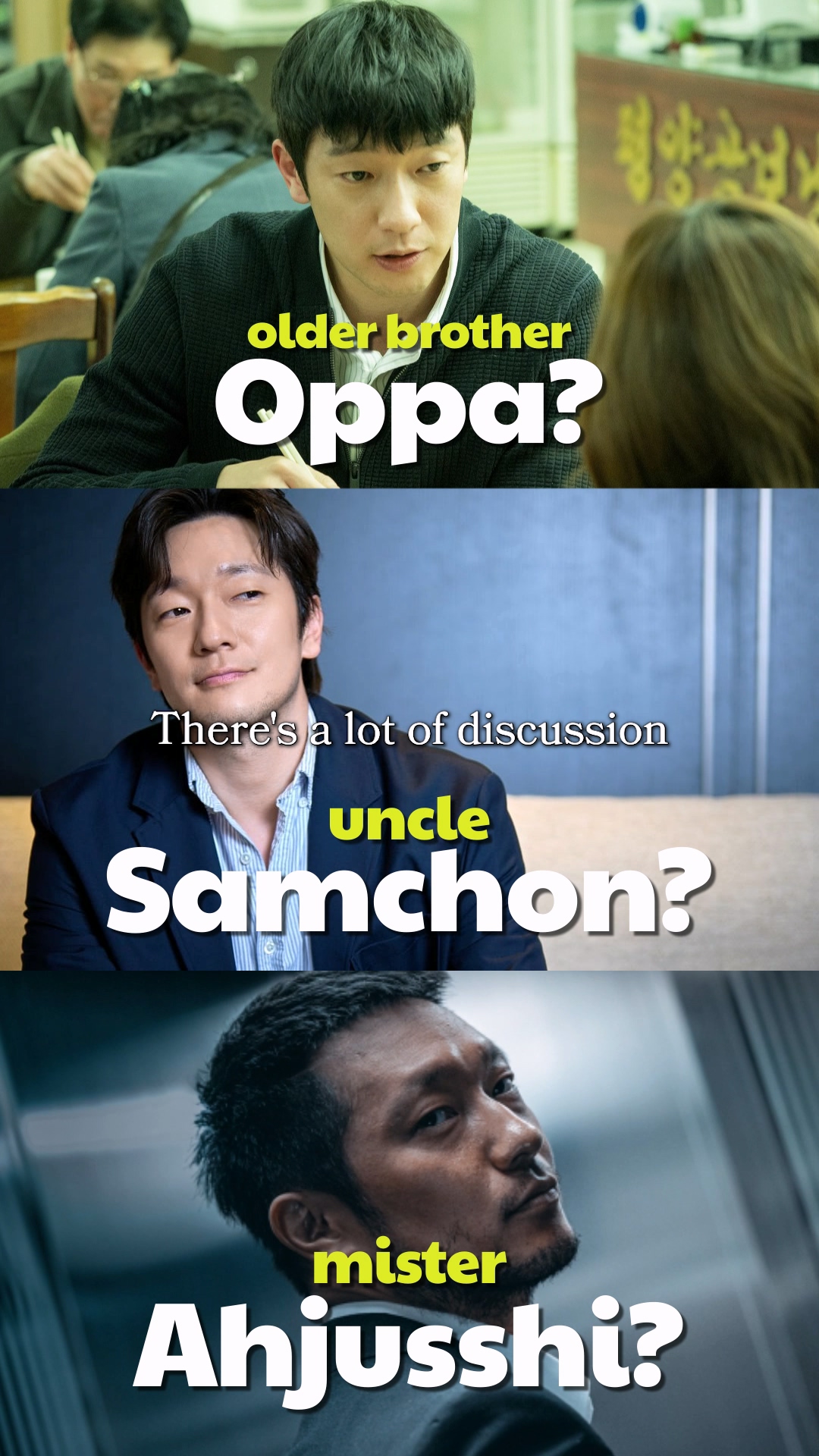
Oppa literally means "older brother" when a woman speaks to an older male. But outside family, it can also suggest closeness, affection, admiration, or romantic possibility. In K-dramas and K-pop fandom, oppa became famous because it sounds intimate. Still, Korean women do not call every older man oppa. The word requires some emotional permission.
Samchon means "uncle." It can be used for your real uncle, but socially it can also describe an older man who feels warm, safe, and family-like. Samchon is less romantic than oppa and usually softer than ahjussi. It can imply, "You are older, but not distant or unpleasant."
Ahjussi is the more neutral or distant category. It places the man outside the "oppa" zone. It can be respectful in a public setting, but it can also signal that the speaker sees him as fully adult, older, or no longer youthful.
Here is the quick comparison:
| Korean word | Basic meaning | Social feeling | When it might be used |
|---|---|---|---|
| Oppa | Older brother, older close male | Close, youthful, affectionate, sometimes romantic | A woman speaking to an older male she knows well |
| Samchon | Uncle | Warm, safe, family-like, not romantic | A child or younger person speaking to a friendly older man |
| Ahjussi | Mister, middle-aged man | Distant, adult, practical, sometimes unflattering | A stranger or younger person speaking to an older man |
The important point is this: these words do not only describe the man. They describe the relationship between speaker and listener.
If you are trying to decide which word fits, start with the relationship instead of the age:
| Situation | Safer word | Why |
|---|---|---|
| You need to call a male stranger in public | Jeogiyo | It avoids labeling his age or relationship to you |
| A woman is speaking to a close older male | Oppa | It implies closeness, not just age |
| A child or younger person is speaking to a warm older man | Samchon | It feels uncle-like and friendly |
| A clearly older male stranger is being addressed casually | Ahjussi | It is practical, but can sound blunt |
| You are unsure | No title, or jeogiyo | Korean address terms can create the wrong relationship fast |
Korean-learning note: As an Amazon Associate, EpicKor may earn from qualifying purchases. If this address-term problem made you realize Korean is more than vocabulary lists, compare Korean Alphabet with Writing Workbook as a low-pressure study starting point.
See it on AmazonThis is also why age matters so much in Korean conversation. If you want a wider guide to how age shapes speech and social behavior, read our Korean age system explained after this. For the institutional side of Korean social labels, EpicKor's neutral guide to South Korean political parties shows why names, factions, and formal titles also need date-specific context.
Why Ahjussi Can Feel Sensitive
The word ahjussi can be sensitive because it marks a man as socially older. That may sound harmless, but in Korea, age is not just a number. Age affects speech level, relationship hierarchy, dating assumptions, workplace behavior, and how people imagine your role in society.
In a casual American setting, being called "sir" might make a young man joke, "Do I look that old?" Ahjussi can create a similar feeling, but with a stronger Korean social charge. It can imply that the man has crossed from youthful possibility into adult distance.
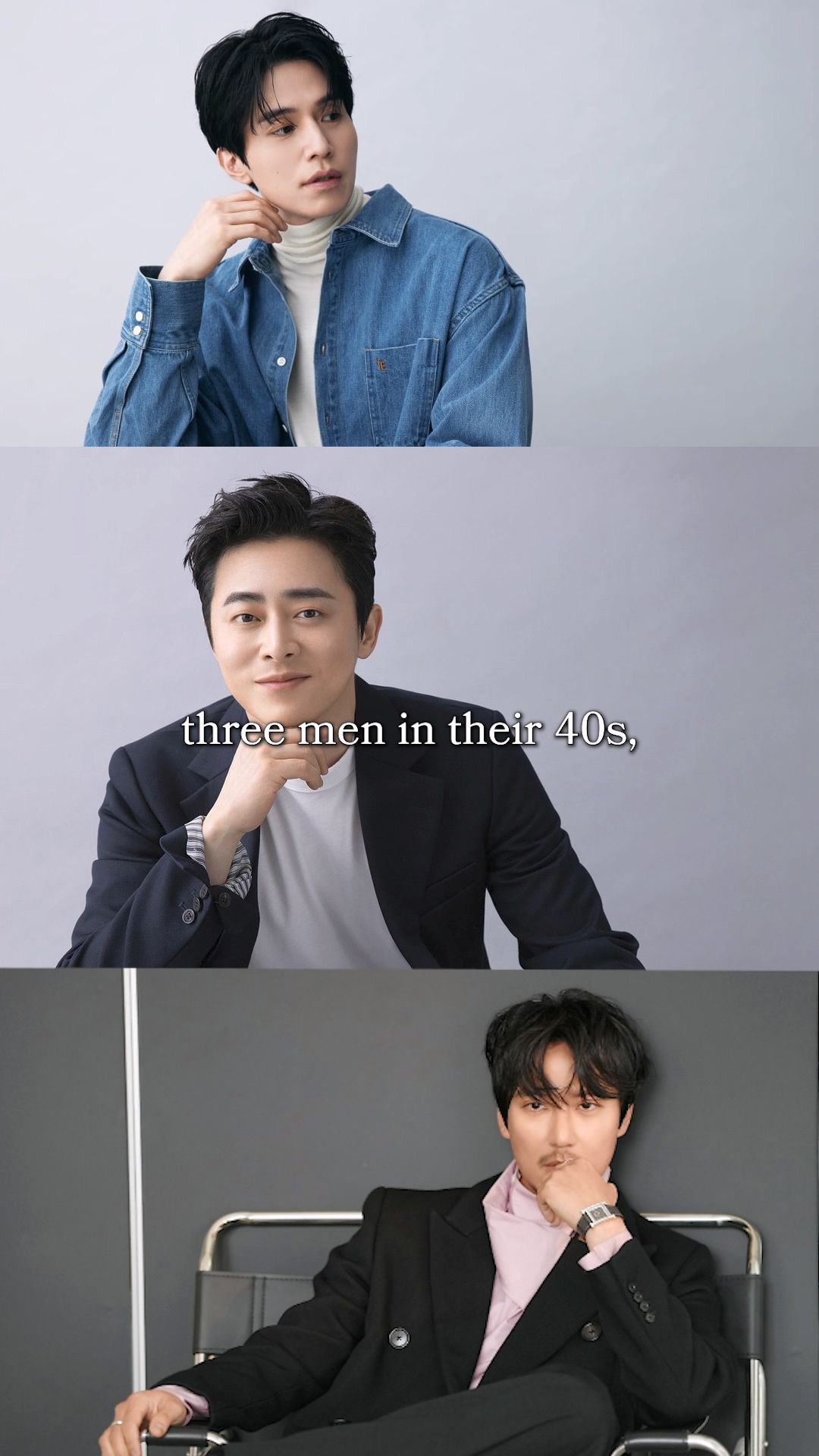
That is why Korean variety shows, online comments, and short-form videos often joke about the line between oppa and ahjussi. The debate is funny because everyone understands the emotional stakes. A stylish actor in his forties may still be called oppa by fans. A careless man in his early thirties might get called ahjussi if his manners, clothes, or vibe feel older.

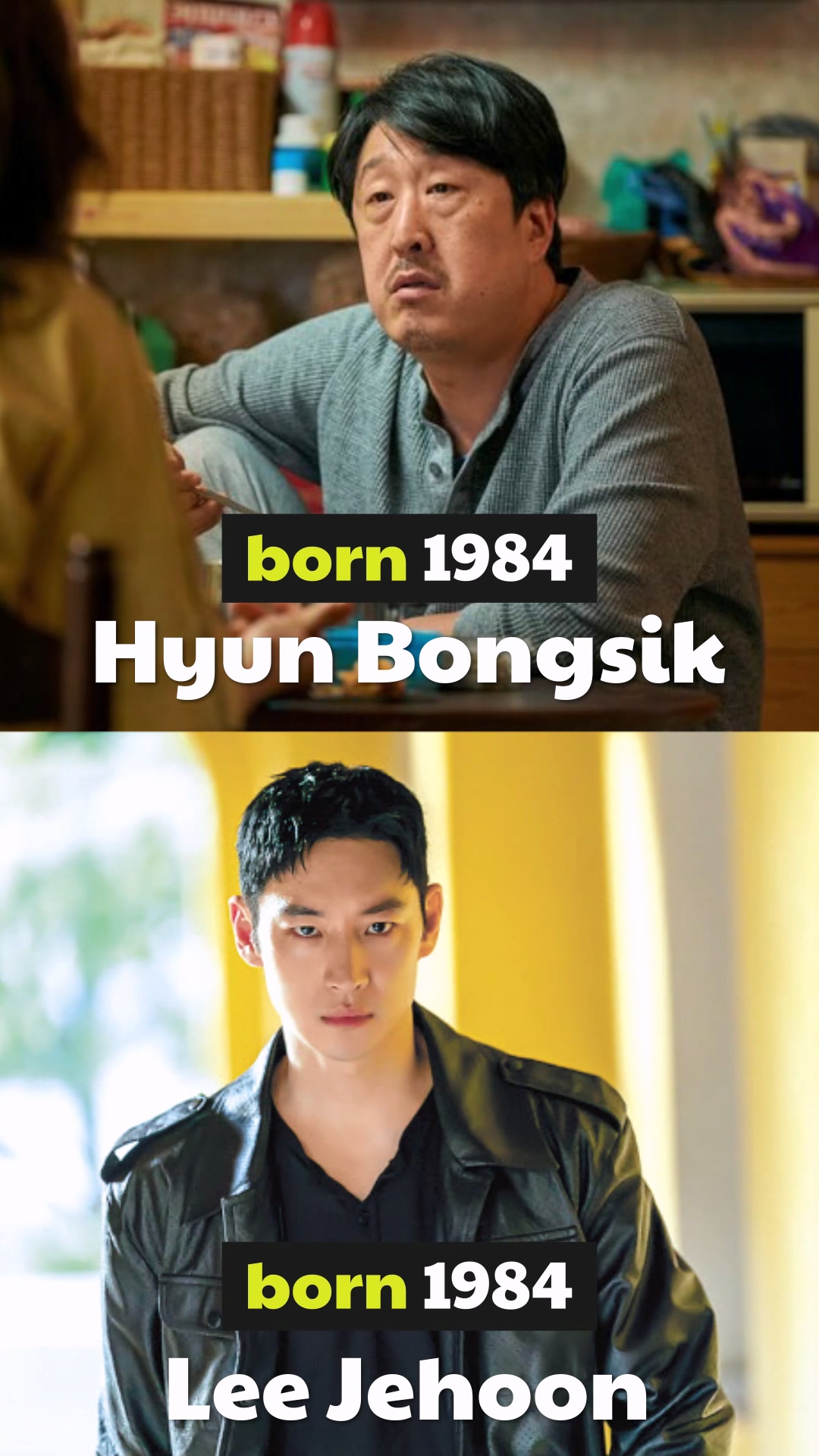
This is where the so-called "aura" classification comes in. Younger Koreans may not be consciously applying a serious rulebook, but they often read small signals:
- fashion and grooming
- speech style
- confidence without arrogance
- whether the man feels approachable or pushy
- whether he gives older-brother energy, uncle energy, or stranger energy
So when people ask "What is the difference between samchon and ahjussi?", the answer is not simply age. Samchon feels familiar and safe. Ahjussi feels more distant and socially older.
When Should You Use Ahjussi in Korea?
If you are learning Korean, the safest advice is simple: avoid using ahjussi for men you personally know unless you are sure it fits the relationship. Korean address terms are sensitive because they define the relationship out loud.
For strangers, ahjussi can be acceptable in certain everyday situations. For example, someone might use it to call an older male shopkeeper, taxi driver, or man on the street. But even then, Korean speakers often avoid direct labels when possible. Instead of shouting "Ahjussi," they might say jeogiyo (저기요), which means something like "excuse me."
Use this instead. Every row is a word you can say out loud today.
| You are talking to | Say this | Why it works |
|---|---|---|
| Any stranger, anywhere | 저기요 jeogiyo | Means "excuse me." Guesses nothing about age, job or status. If you learn one word from this page, learn this one. |
| A shop or restaurant owner | 사장님 sajangnim | Means "boss." Slightly flattering, completely standard, and safe even if you are wrong about who owns the place. |
| A taxi or bus driver | 기사님 gisanim | The polite word for a driver. Using it marks you as someone who knows how Korea works. |
| A doctor, teacher, or any professional | 선생님 seonsaengnim | Literally "teacher," used far more widely than that. Respectful without being familiar. |
| An older man you actually know well | 삼촌 samchon | Means "uncle." Warm, and only works when the closeness is real. |
| A clearly older male stranger, no other option | 아저씨 ahjussi | Works, but it is blunt. Prefer 저기요 unless you specifically need to identify which man you mean. |
The pattern to notice: four of those six end in -님 (-nim), the honorific suffix. 아저씨 does not. That single missing syllable is most of why the word can sting — it names a man by his age bracket instead of by anything he earned.
For Korean learners, the biggest mistake is using K-drama words too freely. Oppa is not just a cute word. Ahjussi is not just a dictionary word. Samchon is not always your real uncle. These terms live inside social distance.
Before copying drama phrases: Drama and idol content is full of address terms that textbooks skip entirely, which is exactly how the awkward mistakes happen. The Kpop Dictionary collects 500 of the words fans actually hear — oppa, ahjussi, and the rest — with the nuance that tells you which ones are safe to say out loud.
See it on AmazonIf you are unsure, do not label the person. Use a neutral phrase. For more visitor-facing social rules, read EpicKor's guide to Korean etiquette questions tourists actually run into.
Ahjussi, Ajeossi, Ajusshi, and Ahjusshi: Are They Different?
You may see several spellings online: ahjussi, ajeossi, ajusshi, and ahjusshi. They usually point to the same Korean word, 아저씨.
The difference comes from romanization. Ajeossi is closer to the official Revised Romanization of 아저씨. Ahjussi is a common informal spelling because English speakers often hear the first syllable as "ah" and the double consonant sound as "ss." Searchers also type ajusshi or ahjusshi after hearing the word in K-dramas.
For everyday English readers, ahjussi is the most recognizable spelling. For Korean study, remember the Hangul: 아저씨. That will matter more than the English spelling.
The spelling problem has a famous casualty. Korea's 2010 action film is titled simply 아저씨 — the word this article is about — and its English release was renamed The Man from Nowhere, which throws away the entire point of the original title. EpicKor's guide to the Ajeossi movie explains what the Korean title was doing and why the English one changes the film.
Some searches also ask "ahjussi artinya apa," "ahjussi itu apa," or "ahjussi adalah." Those are Indonesian-language ways of asking the same thing: what does ahjussi mean? The answer is still "older man" or "mister," with the same Korean social-distance warning.
The MZ "Aura" Debate Is Really About Social Distance
Recently, Korean social media has turned these labels into a kind of playful classification game. People debate whether a celebrity, coworker, or fictional character has oppa energy, samchon energy, or ahjussi energy.

The joke works because the labels are instantly understandable. Oppa suggests charm and closeness. Samchon suggests warmth and safety. Ahjussi suggests adulthood, distance, or sometimes a slightly tired everyday masculinity.
But underneath the humor is a real Korean cultural habit: people place each other socially before they choose how to speak. Korean has different speech levels, honorific forms, kinship terms, and title-based address. The language keeps asking, "Who are we to each other?"
That is the deeper reason these words matter. They are not only vocabulary. They are relationship settings.
You can also see this in Korean entertainment. A male celebrity can stay in the "oppa" category for years if fans perceive him as stylish, careful, and emotionally available. Another actor may become beloved as an ahjussi figure because he feels dependable, rugged, or fatherly. Neither label is purely bad. The problem is when the label does not match how the person wants to be seen.
For visitors, this is the part worth remembering: Korean address terms often say less about the dictionary and more about the room. Who is older? Who is close? Who is joking? Who is being careful? The same word can feel different when it is said by a child, a friend, a stranger, or a romantic interest.
FAQ About Ahjussi, Samchon, and Oppa
Q: What does ahjussi mean in Korean?
Simply put, ahjussi means an older adult man, middle-aged man, or "mister" in Korean. It is written 아저씨. It can be neutral, but it can also feel unflattering if the man thinks he is too young to be called that.
Q: Is ahjussi rude?
Simply put, ahjussi is not automatically rude. It can be normal when speaking to an older male stranger. But it can sound blunt or teasing if used toward someone who is not much older, someone you know personally, or someone who expects a warmer title.
Q: What is the difference between samchon and ahjussi?
Simply put, samchon means uncle and feels warmer or more family-like. Ahjussi means mister or middle-aged man and feels more distant. Samchon has affection; ahjussi has social distance.
Q: What is the difference between oppa and ahjussi?
Simply put, oppa suggests closeness, youth, and sometimes romantic possibility when a woman speaks to an older male. Ahjussi suggests an older man outside that close or romantic zone.
Q: Can foreigners say ahjussi?
Simply put, yes, but be careful. If you are calling a stranger, jeogiyo is often safer. If you use ahjussi, make sure the person is clearly an older adult man and the situation is casual enough.
Q: Is ahjussi the same as ajeossi or ajusshi? Simply put, yes. Ajeossi, ahjussi, ajusshi, and ahjusshi are different English spellings for the Korean word 아저씨. Ahjussi is the spelling English readers see most often online.
Q: What does ahjussi mean in Indonesian searches like "ahjussi artinya apa"? It means an older adult man, middle-aged man, or "mister" in Korean. The important nuance is that it can feel distant or unflattering depending on the relationship and situation.
Conclusion: The Word Is a Relationship Signal
The real meaning of ahjussi is not just "mister." It is a small Korean relationship signal. It tells the listener where you place him: older, adult, outside your close circle, and not quite in the warm oppa or samchon category.
That is why a simple word can create so much comedy, discomfort, and debate. In Korea, names and titles do social work. They organize distance before the conversation even begins.
So next time you hear ahjussi in a K-drama, do not just read the subtitle. Watch the face of the man being called that. The reaction will tell you everything.
For the female counterpart, EpicKor's ajumma meaning guide explains why ajumma, ajumeoni, and imo carry different levels of familiarity and why jeogiyo is usually safer for travelers.
Video Insight: Oppa or Ahjusshi?
Sources for the Fashion Section
- JoongAng Ilbo for 낚시 조끼 (the pocketed fishing vest) and 등산복 바람막이 점퍼 as the two icons of 아재 패션; for the global utility-wear trend; for Kim Jones building BTS's world-tour outfits for Dior from bombers, cargo pants and pocketed vests as the first clothes Dior made for a pop act; for the Louis Vuitton and Fendi collections in the same idiom; and for the fishing vest's origin with Columbia's chairwoman in the 1960s.
- Yonhap News (December 2022), headlined 「"아저씨 옷 아니에요"」, for MZ-generation Koreans adopting hiking wear as 고프코어 (gorpcore), a compound of gorp — the trail-mix snack — and normcore.
You Might Also Like
Korean Couple Anniversaries: 100 Days, White Day, and Pepero Day
A practical guide to Korean couple anniversaries, including 100-day milestones, Valentine’s Day, White Day, Pepero Day, gifts, and dating etiquette.

What Are SKY Universities in Korea? SNU, Korea, Yonsei
SKY universities in Korea explained: what SNU, Korea University, and Yonsei mean, why the label matters, and how rankings differ.
Korean Modern Art: The Painters Whose Work Now Sells for Millions
Meet the Korean modern painters whose work now sells for millions at auction, why the market is booming, and exactly where to see the real thing in Korea.