Seoul Heatwave Travel: How to Stay Cool in Korea's Summer
Seoul heatwave travel is becoming its own travel skill.
The old advice was simple: visit palaces, eat bingsu, carry water, and hide in a cafe when the sun gets mean. That still helps, but Seoul in summer now asks for a smarter rhythm. The city is hotter, the walking days are longer, and the best trip is no longer the one with the most stops. It is the one that uses shade, transit, air-conditioning, and timing like part of the itinerary.
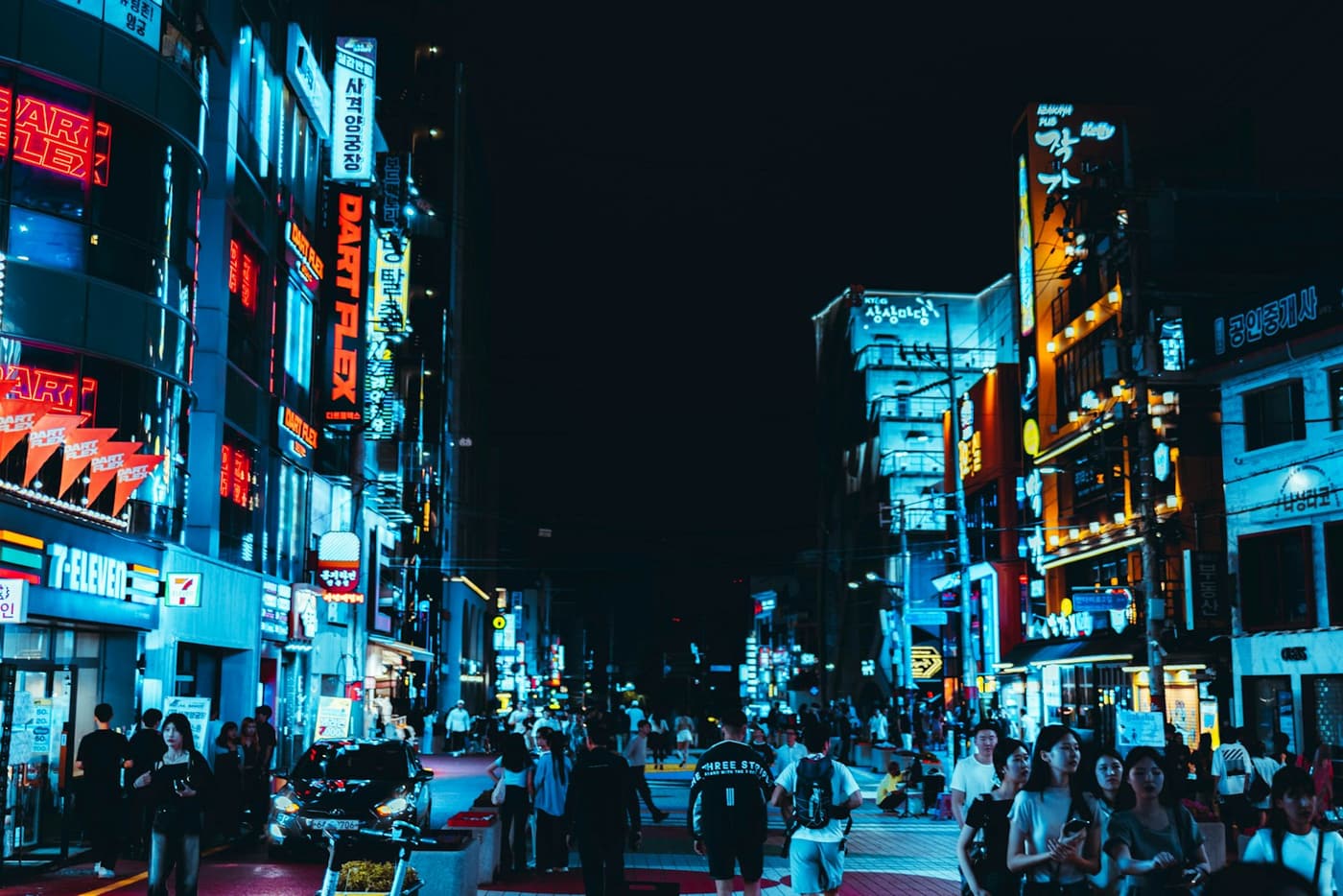
This matters because Seoul is still worth visiting in summer. The streets are bright, the Han River is alive at night, markets stay busy, and convenience stores become tiny survival stations. But if you treat July and August like spring, Korea will correct you quickly.
In late May 2026, Seoul announced expanded heat-reduction measures for the coming summer, including more shade, cooling air domes, stronger road water-spraying operations, and roughly 4,000 heat shelters. The city's notice also says district inspection teams will check whether shelters are open and operating as expected. That tells travelers something useful: heat is not just a comfort issue in Seoul now. It is part of city planning.
Korea travel essentials — compare on AmazonAffiliate link. As an Amazon Associate, EpicKor earns from qualifying purchases at no extra cost to you.
Seoul Summer Is About Route Design, Not Toughness
Many first-time visitors make the same mistake. They build a Seoul itinerary by map distance. Gyeongbokgung to Bukchon looks close. Myeongdong to Namsan looks doable. Hongdae to Mangwon feels like an easy neighborhood day. On a mild day, that logic works.
On a heatwave day, the map lies.
The real question is not "How far is it?" The real question is "How exposed is the walk, where is the next cool stop, and can I move underground for part of it?" In Seoul, two routes with the same distance can feel completely different. A tree-lined palace wall walk, an underground shopping arcade, and a subway transfer corridor can save your day. A wide road with no shade can drain you before lunch.
Start by splitting your day into heat zones.
Morning is for outdoor stops: palaces, hanok streets, markets, riverside walks, and photo-heavy neighborhoods. Midday is for indoor culture: museums, malls, department stores, cafes, bookstores, cinemas, and long meals. Late afternoon is the reset window. Evening is when Seoul becomes social again.
That rhythm sounds obvious, but it changes how you travel. Instead of forcing Bukchon, Insadong, Myeongdong, Namsan, and the Han River into one heroic day, pick one outdoor cluster and one indoor anchor. For example, do Gyeongbokgung and Seochon early, rest indoors around Gwanghwamun or Jongno, then save the Han River for sunset. Or do Seongsu cafes and Seoul Forest in the morning, hide in a mall or museum at midday, then return outside after the temperature drops.
The reward is not only comfort. You notice more when you are not fighting the weather.
Heat Shelters Are Part Of The City Now
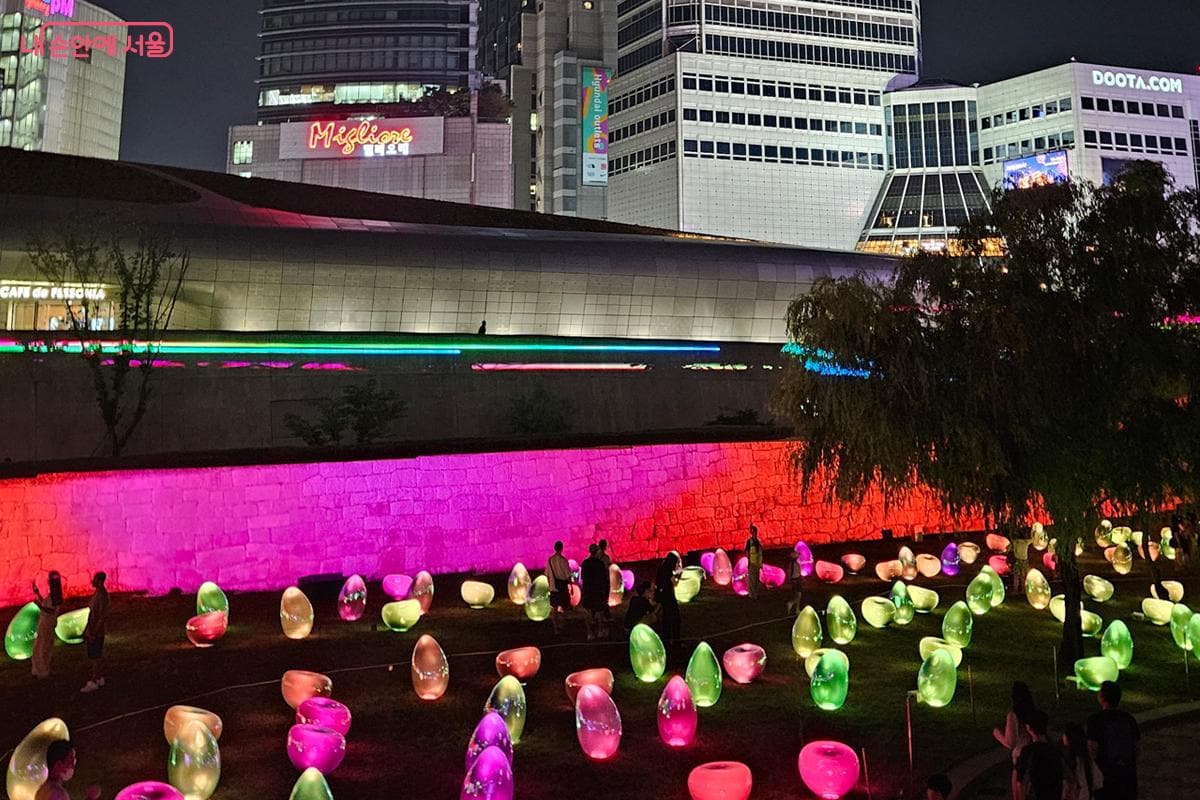
Seoul's official 2026 summer plan is useful because it confirms what residents already know: public cooling infrastructure is becoming normal. The city said it would expand and strengthen heatwave reduction facilities, including newly introduced cooling air domes and shade structures, and operate about 4,000 heat shelters. You can read the city notice on the Seoul Metropolitan Government website.
For travelers, the important point is not memorizing every facility name. It is understanding the category.
A heat shelter can be a community center, public facility, welfare center, district office space, or other designated cooling location. A tourist may not always use them the way a local senior citizen would, and operating rules can vary by district. Still, the existence of the system tells you where to look when the city is under a heat alert: official district notices, visitor information centers, public buildings, subway-connected spaces, and city-run facilities.
Do not wait until you feel sick to cool down. Korean summer can sneak up through small decisions: one more alley, one more photo, one more uphill street, one more spicy meal before water. If your face is hot, your patience is short, and the group has stopped talking, treat that as itinerary data. Go inside.
This is especially important for travelers with children, older family members, medication schedules, or packed shopping days. Seoul is easy to navigate, but summer makes every small friction bigger.
Summer packing note: As an Amazon Associate, EpicKor may earn from qualifying purchases. Before a Korea summer trip, compare Korea travel essentials like compact fans, cooling towels, refill bottles, and small pouches so your day bag stays light instead of becoming another source of heat.
The Subway Is Your Cooling Network
Seoul's subway is not just transportation in summer. It is climate control.
If you are choosing between two routes, the better one may be the route with more subway access, even if it has one extra transfer. Stations often connect to malls, department stores, underground arcades, food courts, and long shaded exits. This is why areas like Gangnam, Jamsil, Yeouido, Express Bus Terminal, COEX, City Hall, and Hongdae can work well in hot weather. They give you escape routes.
Use the subway as a series of cooling checkpoints. Walk outside for a focused purpose, then return underground before the walk becomes a test. If you are traveling with a group, agree on a rule before the day starts: nobody has to "push through" to prove they are fine. The moment someone needs air-conditioning, the group adapts.
This is also where convenience stores become quietly brilliant. In Korea, CU, GS25, 7-Eleven, and Emart24 are everywhere, and in summer they are more than snack shops. They are drink stations, ice cup stations, quick shade stops, and places to reset your mood. For more on why they matter culturally, read EpicKor's guide to Korean convenience store culture.
The most practical summer drink is not always the most exciting one. Water, electrolyte drinks, barley tea, ion drinks, and unsweetened teas often help more than another giant coffee. Iced Americanos are part of Korean daily life, but too much caffeine on a heat day can make a tired body feel worse.
Build A Heatwave-Friendly Day
Here is a simple Seoul summer template that works better than a packed checklist.
| Time | Best Use | Example Seoul Choices |
|---|---|---|
| 8:00-11:00 | Outdoor sightseeing | Palaces, Bukchon, markets, Seoul Forest, Han River walks |
| 11:00-15:30 | Indoor recovery | Museums, malls, department stores, long lunch, cafes |
| 15:30-17:30 | Short transfer window | Subway move, hotel reset, pharmacy stop, snack break |
| 17:30-22:00 | Social Seoul | Night markets, riverside picnics, BBQ, shopping streets |
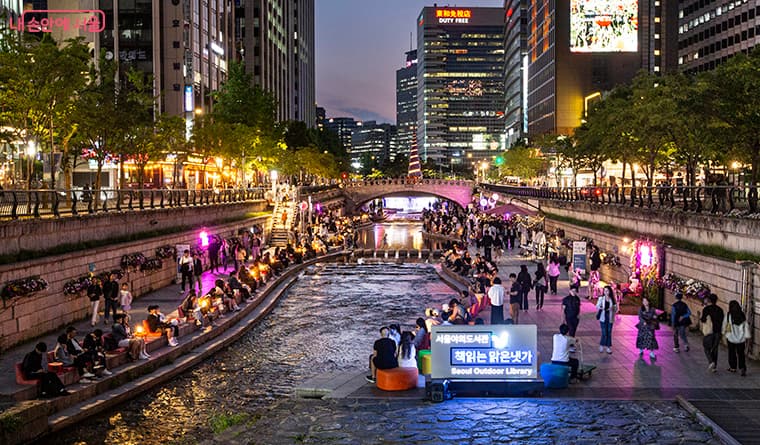
This template is flexible. The point is not the exact hour. The point is the shape of the day. You use morning light for Korea's visual places, hide during the punishing middle, and return outside when the city feels generous again.
For food days, make the same adjustment. Heavy Korean BBQ at noon can be wonderful indoors, but a long walk afterward may not be. Spicy stews, fried chicken, and street food are easier to enjoy when you are not already overheated. Save the wandering food crawl for evening if possible.
If you want the cooling break to be the main event, check the current Hangang swimming pools and water playgrounds guide before you go. Pool seasons, sites, swim-cap rules, and weather suspensions change more often than casual Seoul summer articles suggest.
What To Pack For A Korea Summer Day
Pack like you are building a small cooling system.
You do not need a huge backpack. In fact, a huge backpack is usually a mistake. You want a light crossbody or day pouch, a refillable bottle, a compact umbrella or UV parasol, sunglasses, a small towel, portable charger, sunscreen, and a breathable layer for cold indoor air-conditioning. Seoul can swing from humid street heat to chilly mall interiors in five minutes.
Korean sunscreen and sun sticks are worth considering if your day includes repeated outdoor stops. Many travelers apply sunscreen once in the morning and then forget it. Summer Seoul punishes that. A sun stick is not magic, but it makes reapplication less annoying when you are outside.
SPF and shade kit: If your Seoul day includes palaces, markets, or Han River time, compare Korean SPF 50 sunscreens and Korean sun sticks before you travel. The useful product is the one you will actually reapply.
See Korean SPF 50 sunscreens on Amazon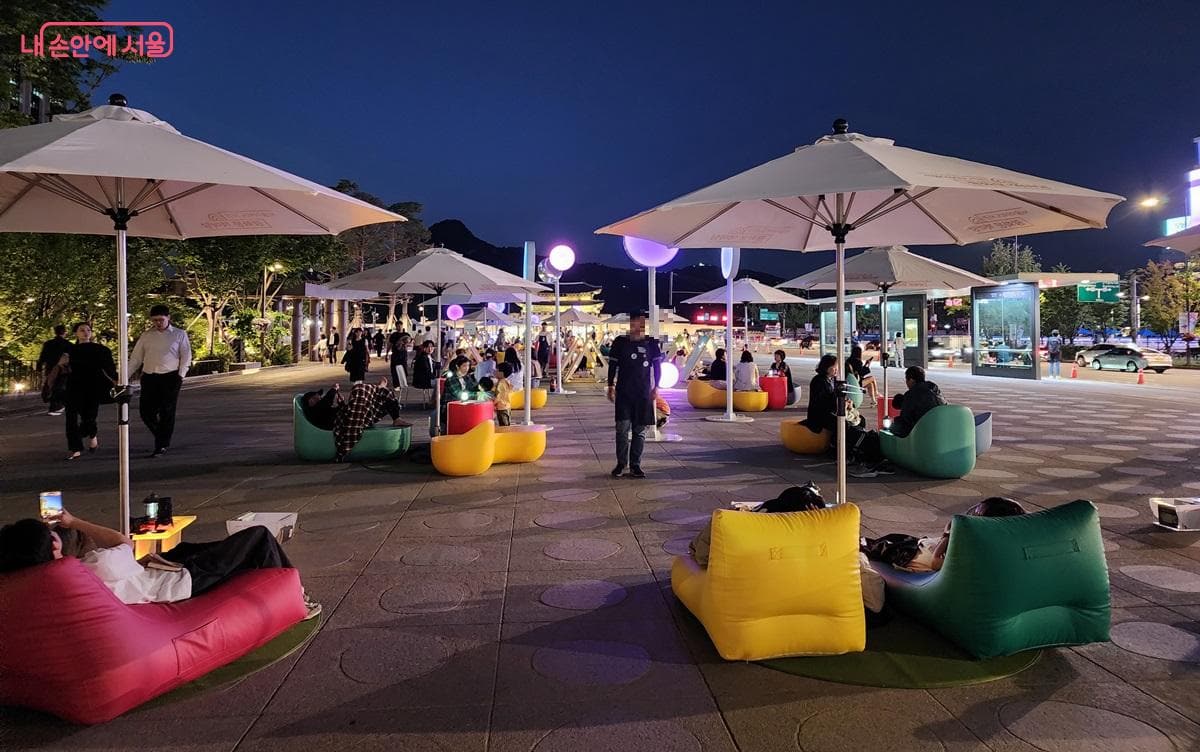
A Better Summer Mindset For Seoul
The best Seoul summer travelers are not the ones who never get tired. They are the ones who notice early.
That means checking the weather before leaving the hotel, but also checking the people you are with. Is someone getting quiet? Is someone walking slower? Is someone suddenly irritated by tiny decisions? In summer, those are not personality problems. They are often heat signals.
It also means being honest about clothes. Seoul is stylish, but summer sightseeing is not a runway test. Breathable fabrics, comfortable shoes, and a small towel will help more than an outfit that only works in air-conditioned photos. If you have a clinic, nice dinner, or photo plan later, separate that from your outdoor walking block. Change at the hotel instead of carrying the whole day on your body.
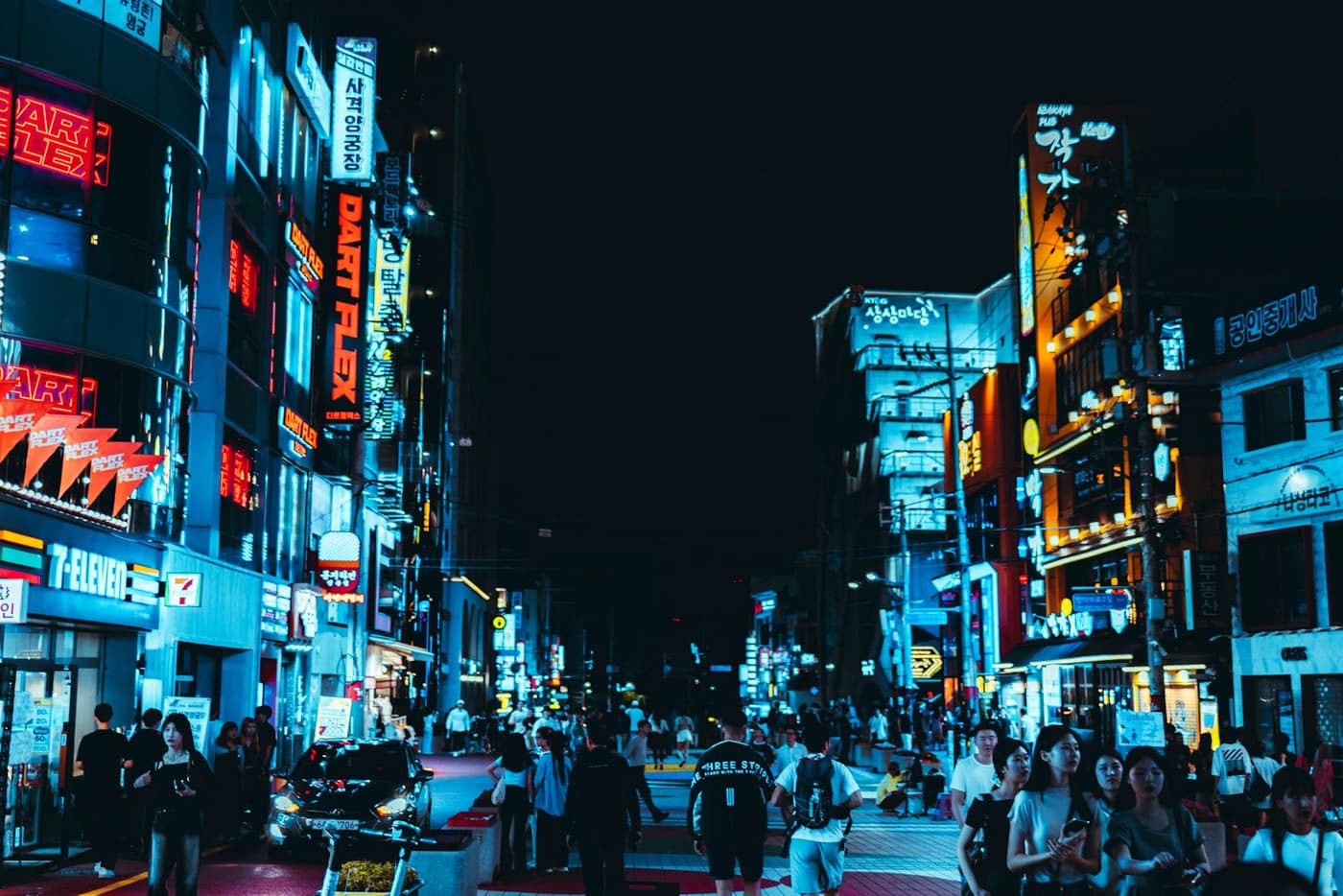
Finally, let summer Seoul become a night city. A lot of visitors try to force every "must-see" into daylight because that is how travel guides are photographed. But Seoul after sunset has its own logic: riverside picnics, late shopping, glowing convenience stores, night buses, chicken restaurants, and slower walks. A heatwave-friendly itinerary is not a weaker itinerary. It is often the more local one.
FAQ
Q: Is Seoul too hot to visit in summer?
No, but it requires a different itinerary. Outdoor sightseeing works best early and late. Midday should include indoor anchors, subway transfers, and planned cooling breaks.
Q: Can tourists use Seoul heat shelters?
Rules can vary by facility and district, but Seoul's heat shelter system is part of the city's public heatwave response. Travelers should check official district information, visitor centers, and nearby public facilities during heat alerts.
Q: What is the best neighborhood for a hot day in Seoul?
Choose areas with indoor backup. Jamsil, COEX/Samseong, Yeouido, Gangnam, City Hall, Myeongdong, and Express Bus Terminal are easier on hot days because subway, shopping, food, and rest options sit close together.
Q: What should I avoid during a Seoul heatwave?
Avoid long exposed walks, steep routes at midday, overpacked backpacks, alcohol-heavy lunches, and itineraries that leave no room for rest. Heat makes small travel mistakes expensive.
Q: What is the simplest rule for Seoul summer travel?
Plan the cool-down before you need it. If every outdoor stop has a nearby indoor escape, Seoul summer becomes much easier to enjoy.
You Might Also Like
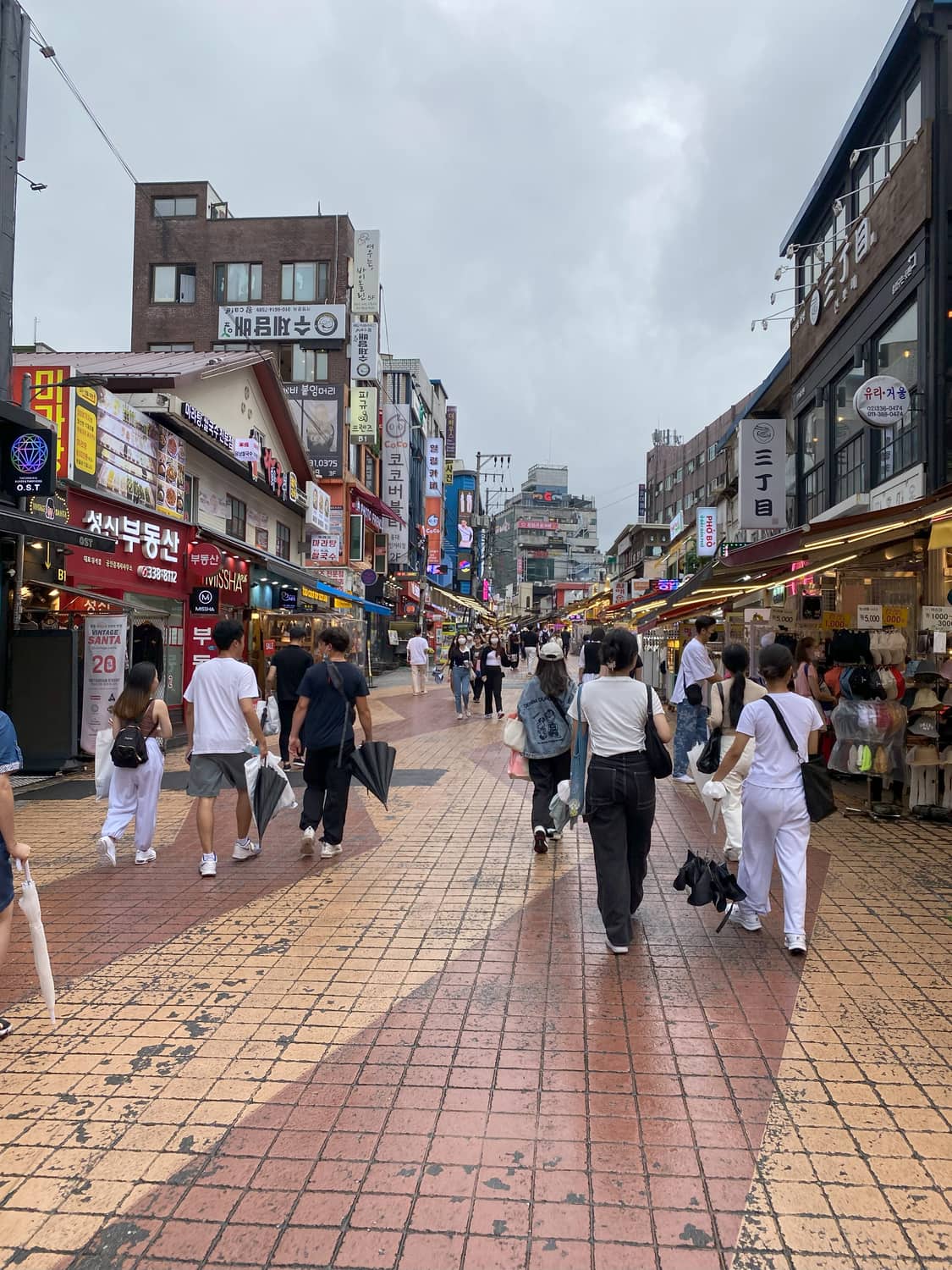
Do Koreans Speak English? Ask Someone Under 35 — What Actually Happens on a Seoul Street
Yes, if you ask the right person. Stop a Korean in their twenties or thirties on a Seoul street and you will almost always get an answer in English. The forum answer that says otherwise is twenty years old. Who to ask, how to ask, where English is built in.
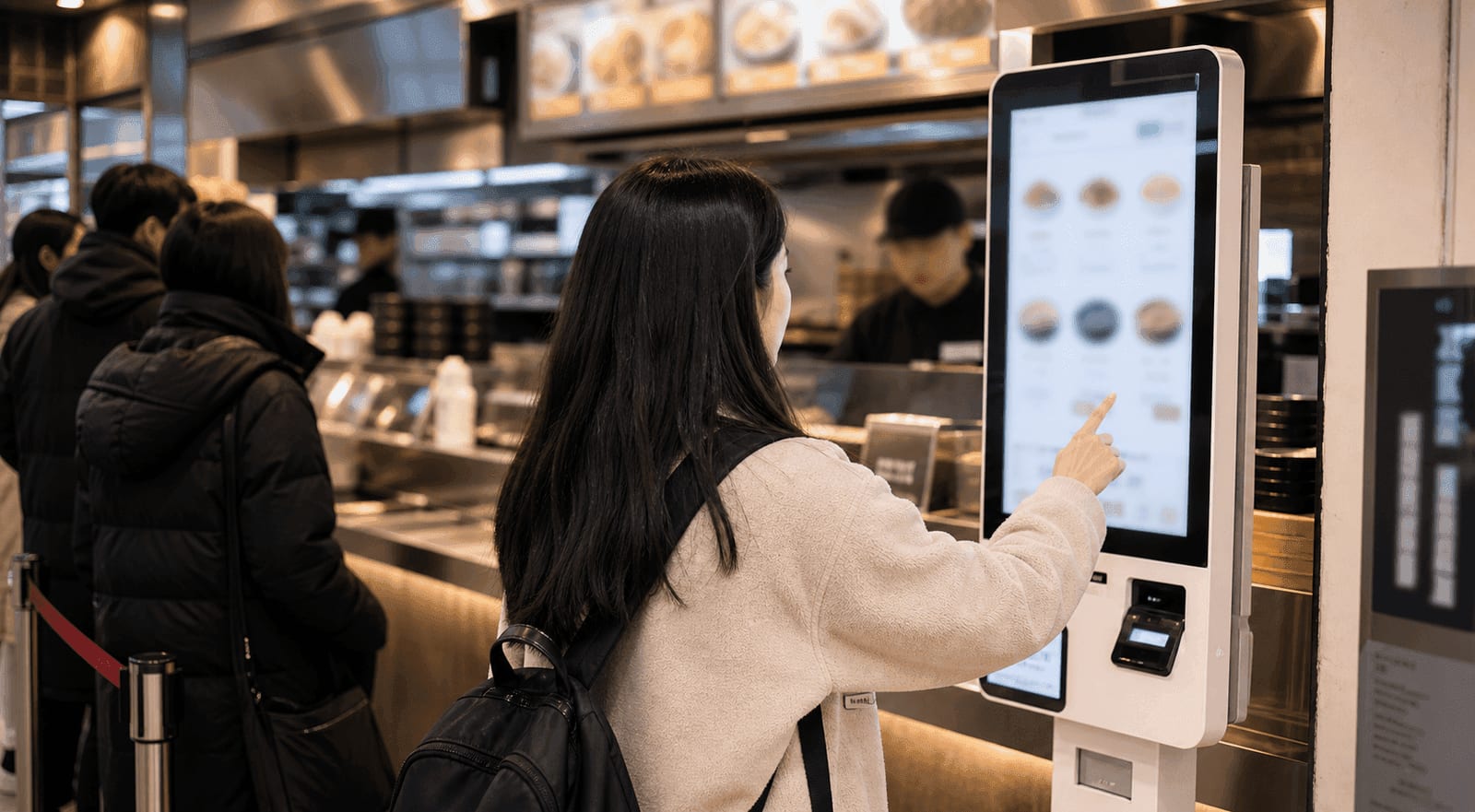
Korean Kiosk Panic Guide: How To Order Food In Seoul
A Korean kiosk panic guide for Seoul travelers: how to order food, choose menus, pay, handle pickup numbers, avoid mistakes, and stay calm.
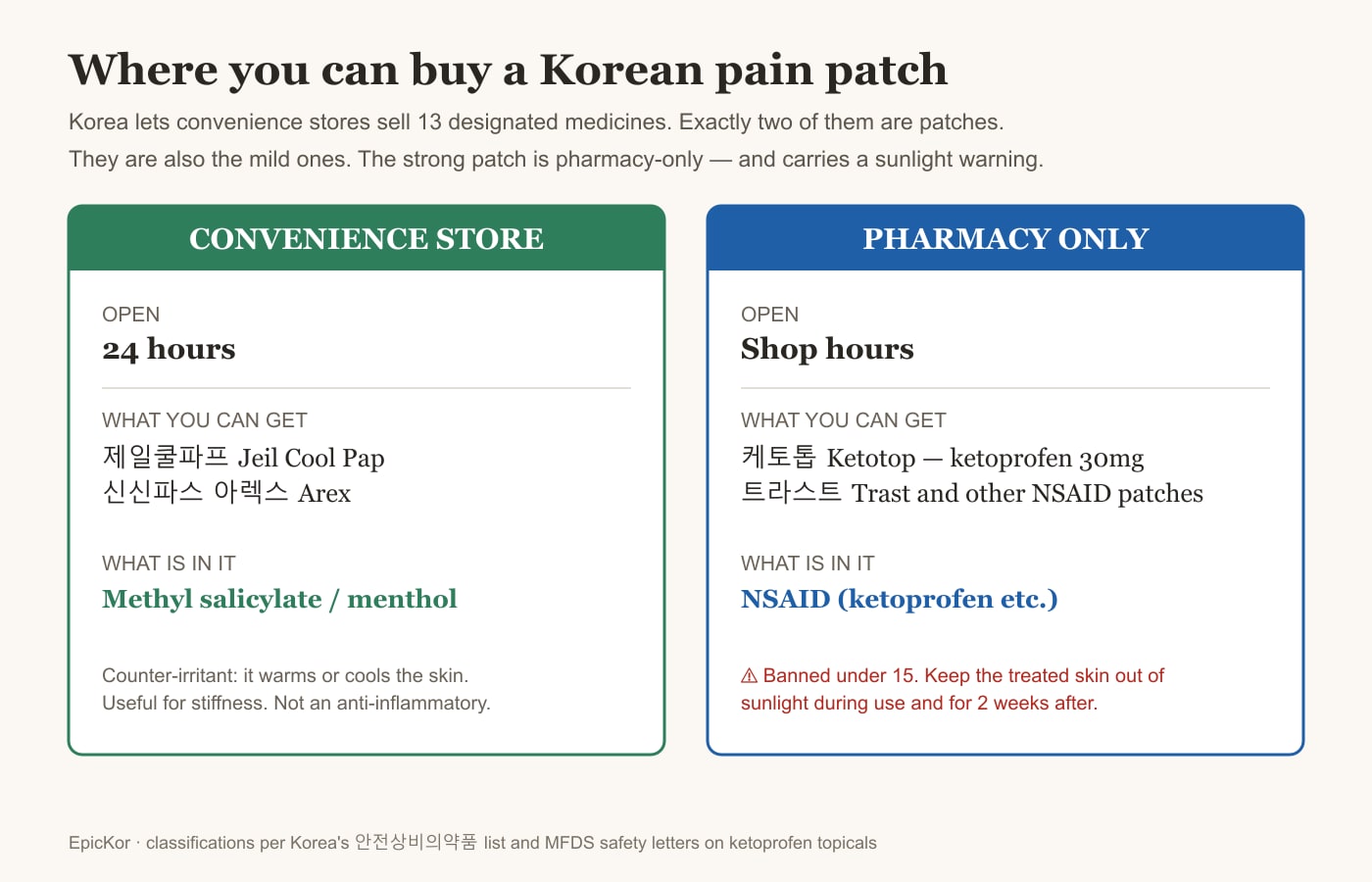
Korean Pain Patches: Only Two Are Sold Outside a Pharmacy
Korea lets convenience stores sell 13 designated medicines and exactly two are pain patches, both mild. The one everyone recommends — Ketotop, 30mg ketoprofen — is pharmacy-only and warns you to keep the treated skin out of sunlight for two weeks.