Why Korea Is Watching the 2026 World Cup Over Brunch
Korea's 2026 World Cup feels different because the biggest fan ritual has moved into the morning.
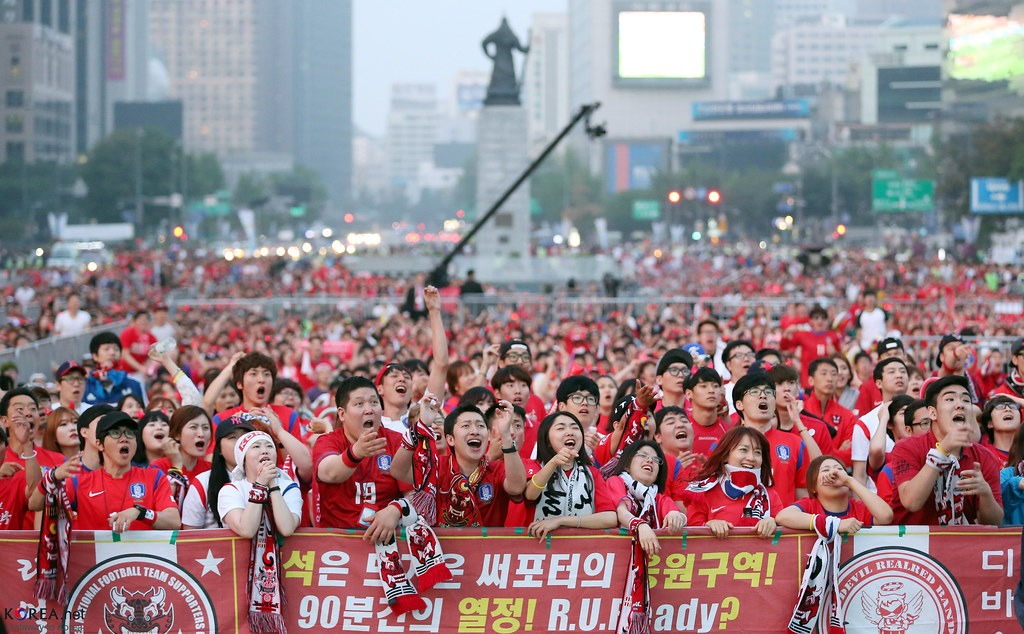
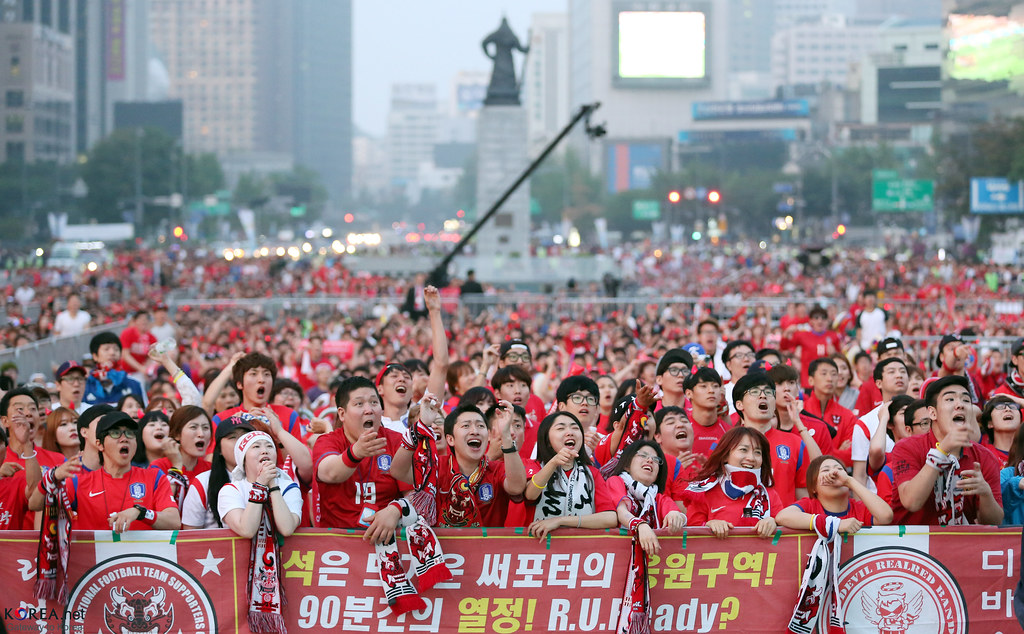
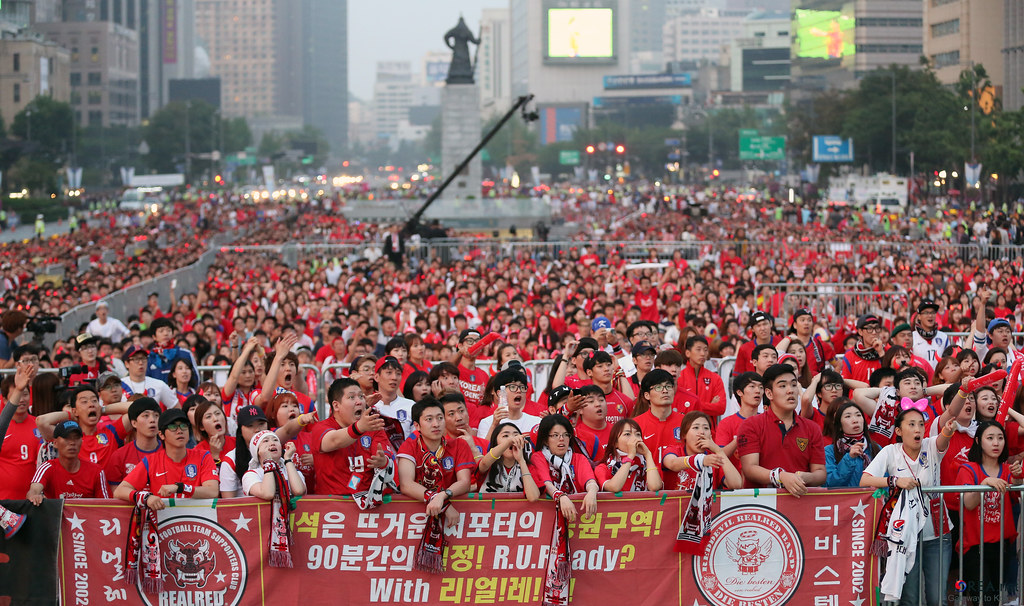
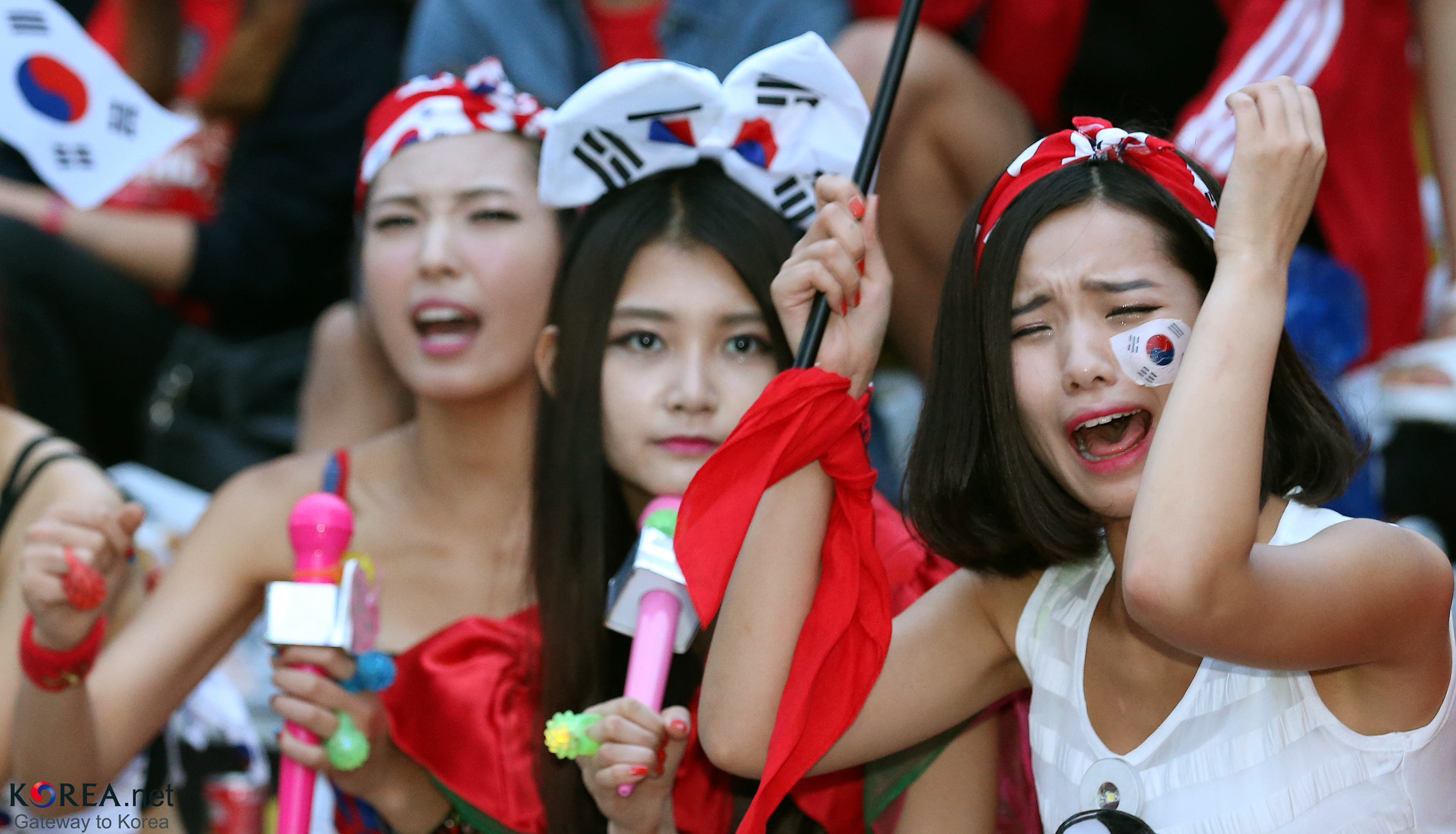
The old image of Korean football watching is easy to picture: red shirts, late-night streets, beer, fried chicken, huge screens, and chants echoing through Seoul. But the 2026 tournament is hosted in North America, which changes the clock for Korean fans. Some matches land around breakfast or lunch instead of midnight.
That is why Korean media and international coverage are talking about a "World Cup brunch" mood.
The phrase sounds cute, but it points to a real cultural shift. Street cheering is still emotional, public, and collective. The food, alcohol, work schedule, family mix, and atmosphere are different.
Quick Answer: What Is Korea's World Cup Brunch?
Korea's 2026 World Cup brunch refers to the way Korean fans are watching morning or late-morning World Cup matches because of the time difference with North America. Instead of gathering late at night with beer and fried chicken, many fans are showing up with coffee, gimbap, pastries, snacks, picnic mats, and family-friendly energy.
The Guardian reported on June 13, 2026 that South Korea's opening match against Czechia kicked off at 11 a.m. in Korea, drawing red-shirted crowds in central Seoul and changing the normal street-cheering rhythm.
For visitors, this matters because a World Cup watch event in Korea may not look like a bar night. It may look more like a public festival, morning commute disruption, office viewing party, school excuse, and food picnic all at once.
Korean snacks — compare on AmazonAffiliate link. As an Amazon Associate, EpicKor earns from qualifying purchases at no extra cost to you.
Why Time Zones Changed The Ritual
Korean football culture is built around shared emotion. During major tournaments, people do not only watch the match. They watch together. That collective viewing is part of the point.
In past World Cups, late-night matches often turned into long social nights. Restaurants, bars, chicken shops, and public squares all had a role. The 2026 schedule changes that because North American match times can fall during Korean work or school hours.
That creates a different kind of decision:
Do you take annual leave? Do you watch at work? Do you bring your child? Do you meet friends at 8 or 9 a.m.? Do you drink beer before lunch, or do you bring coffee?
This is why the brunch frame works. It is not literally about avocado toast. It is about a national sports ritual being forced into the morning.
What Visitors Might See In Seoul
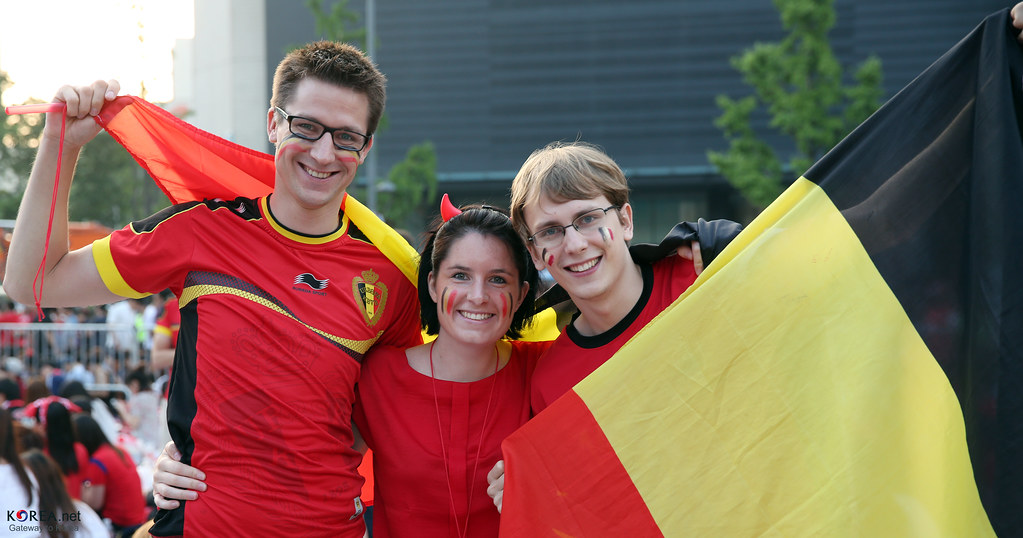
If Korea continues to advance or plays decisive group matches, visitors may see watch gatherings in public squares, sports bars opening earlier than usual, restaurants running special menus, red shirts on the subway, convenience stores selling more snacks near watch zones, and offices quietly making room for the match.
The crowd can feel different from a night game. Morning events are more family-friendly and less alcohol-heavy. People still chant, clap, and react loudly, but the whole scene may feel brighter, cleaner, and more mixed by age.
That makes it unusually accessible for tourists. You do not need to join a late-night drinking crowd to feel the atmosphere. You can show up, watch respectfully, buy nearby snacks, and understand why football has such a strong emotional place in Korea.
For a broader sports-culture background, EpicKor's guide to why Koreans love baseball explains another side of Korea's public cheering culture.
| Old street-cheering image | 2026 brunch version | What it means for visitors |
|---|---|---|
| Late-night bars | Morning public screens | Events may feel easier to join without drinking |
| Chicken and beer | Gimbap, coffee, snacks, lunch sets | Convenience-store food becomes part of the experience |
| Young adult nightlife | Families, office workers, students | The crowd may be more mixed and calmer |
| After-work energy | Workday interruption | Transit and central areas can feel unusual before noon |
The Red Devils And The Five-Clap Chant
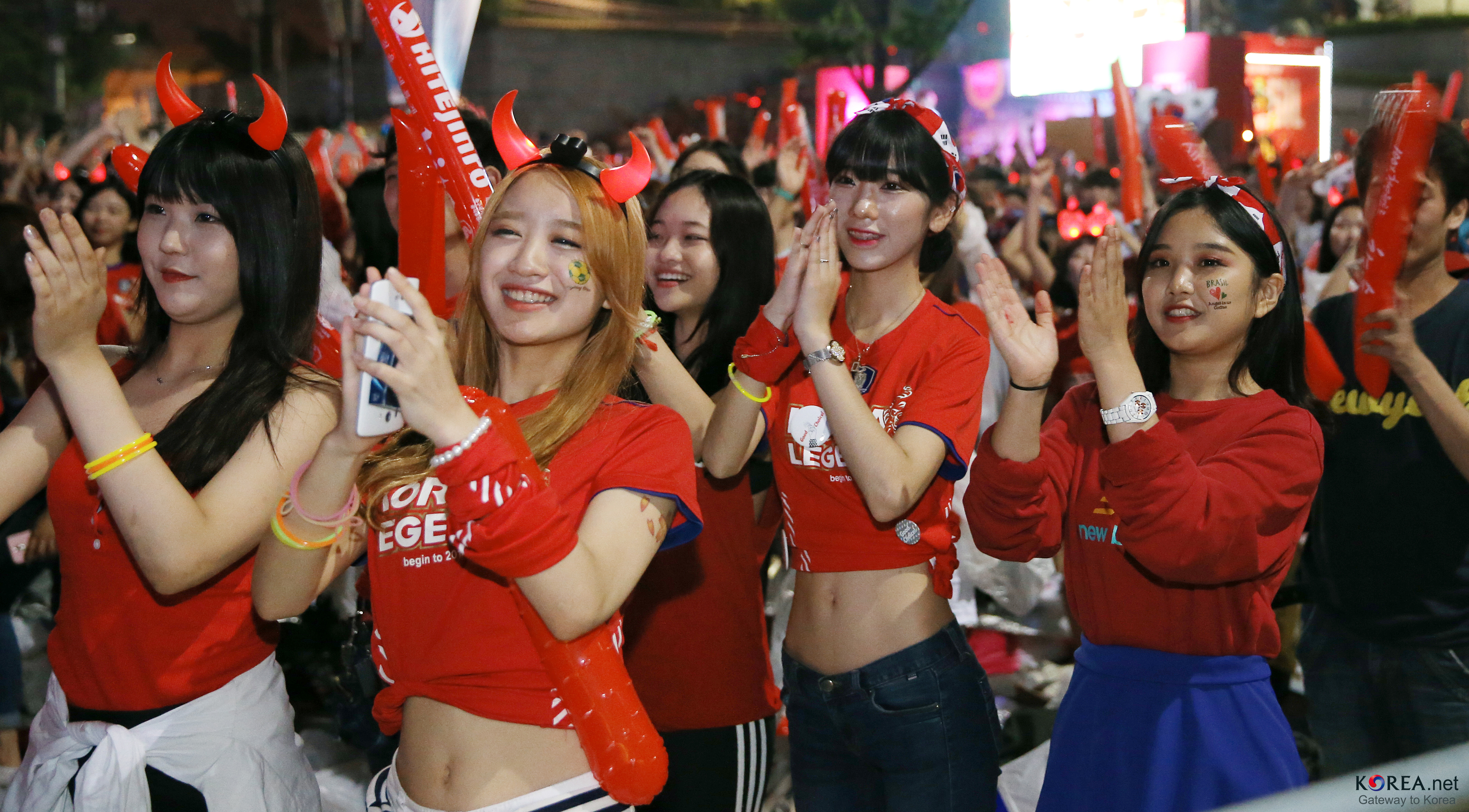
Korean football fans are often associated with red shirts and the supporter group known as the Red Devils. The most recognizable chant is "Dae-han-min-guk" followed by five claps.
You do not need to know much Korean to recognize it. In a big crowd, the rhythm spreads quickly. It is simple, repetitive, and built for public space.
That matters because Korean cheering is not passive. People clap together, chant together, stand together, and react together. A visitor who is used to watching sports quietly in a bar may be surprised by how coordinated the crowd feels.
The ritual also carries memory. The 2002 World Cup, co-hosted by Korea and Japan, remains a major national sports memory. Every later tournament borrows some emotional weight from that era, even when the team, schedule, and mood are different.
What To Eat During A Morning Match
The 2026 brunch watch mood makes Korean convenience-store food more useful than ever.
If you are joining a public watch event, think simple and portable. Gimbap, triangle kimbap, bottled tea, iced coffee, water, bread, fruit cups, and packaged snacks all work better than messy food. Fried chicken may still appear because Korean football and chicken are deeply linked, but morning crowds may lean lighter.
If you want a very Korean watch kit, buy gimbap, a cold drink, wet tissues, and one shareable snack. Do not bring anything that smells too strong or creates a lot of trash.
EpicKor's Korean convenience store breakfast guide can help you choose practical morning food before a match.
Amazon Associate disclosure: EpicKor may earn from qualifying purchases. If you are recreating a Korea match morning at home, compare Korean snack boxes, seaweed snacks, and easy pantry foods before game day.
Browse Korean snacks on AmazonHow To Join Respectfully As A Tourist
First, remember that this is not a theme show for tourists. It is a real sports moment for Korean fans.
Wear red if you want to blend in. Arrive early if a public screening is announced. Stand where you are not blocking families, cameras, or staff. Buy your food nearby but take your trash with you. If people are chanting, you can clap along. If the mood becomes tense during the match, follow the crowd's energy rather than trying to perform excitement.
Also watch the weather. June in Korea can already feel hot, and public squares can be exposed. Bring water and sun protection if the event is outdoors.
If you are with children, morning matches may be easier than late-night ones. Still, check crowd size before standing deep in the center.
Why This Is More Than A Sports Story
The brunch World Cup is a useful window into Korean daily life because it shows how quickly public habits adapt.
Koreans did not stop caring because the match moved to the morning. Instead, the ritual changed shape. Offices adapted. Restaurants opened early. Fans brought different food. Families joined. The public square still mattered.
That flexibility is a recurring pattern in Korean culture. Trends move fast, but people also preserve rituals by changing the format. You see the same logic in pop-up stores, photo booths, seasonal festivals, and even cafe culture: the core habit survives because the presentation keeps updating.
In football terms, the 2026 World Cup is not only about the score. It is about how Korea watches together when the global schedule no longer fits Korean nightlife.
Best Places To Watch The Atmosphere
Specific official watch zones can change by match, city policy, sponsor, and safety planning. Do not assume the same square will host every game.
In Seoul, keep an eye on central public spaces, fan-zone announcements, sports bars, major commercial districts, and local news. Gwanghwamun and Seoul Plaza have strong historical associations with public football cheering, but current access depends on event approval.
If you prefer a lower-risk experience, choose a sports bar, hotel lounge, or restaurant screening. If you want the public ritual, follow official announcements and arrive early.
For travelers outside Seoul, local plazas, university areas, and restaurant districts may also show matches when Korea plays.
The safest planning habit is to decide your viewing style the night before. If you want a public crowd, check local announcements and transit routes before sleeping. If you want a restaurant or bar, call or message ahead because some places may require reservations for Korea matches. If you only want the atmosphere without committing to a full event, walk through a commercial district before kickoff, then choose a quieter screen if the crowd feels too dense.
Tourists should also remember that a big Korea match can briefly change the rhythm of the city. Subway cars may carry more red shirts than usual. Cafes near public screens may fill earlier. Convenience stores near fan areas may sell through popular snacks. None of this requires panic, but it rewards simple preparation.
What To Pack For A Korea Match Morning
You do not need much, but the right small items help.
Bring water, a light towel, sunscreen, a hat, a portable battery, wet wipes, and a small trash bag. If you are sitting outside, a compact mat can help, but avoid spreading out too much space in a crowd.
If the match is indoors, keep it simpler: phone battery, small snack, and a red shirt or scarf.
For public viewing, think like you are joining a short summer festival rather than a normal cafe stop. You need enough comfort to stand or sit for the match, but not so much gear that you become difficult to move around. A small crossbody bag is better than a backpack in dense areas. A bottle of water is better than a complicated drink. A single red accessory is enough if you do not want to buy a full shirt.
If you plan to film or photograph the crowd, keep the phone low and respectful. The atmosphere is part of the experience, but people around you are there to watch the match, not to become background extras in a tourist video.
For outdoor viewing in Korea's early-summer sun, a light SPF and portable fan can be more useful than extra merch.
Compare Korean sunscreens on Amazon Compare Korean sunscreens on AmazonFinal Take
Korea's 2026 World Cup brunch is not a small novelty. It is a good example of how Korean public culture adapts without losing its emotional core.
The match time changed. The food changed. The crowd mix changed. But the red shirts, shared chants, and collective feeling remained.
For travelers in Korea during the tournament, that makes a morning match one of the most timely cultural experiences you can catch.
FAQ
Q: Why are Koreans watching World Cup matches in the morning?
The 2026 World Cup is hosted in North America, so some match times fall in the Korean morning or late morning. That changes the normal late-night street-cheering pattern.
Q: Can tourists join Korean World Cup street cheering?
Yes, if the event is public and you behave respectfully. Wear red, arrive early, follow staff instructions, avoid blocking others, and take your trash with you.
Q: What food should I bring to a morning match?
Simple portable foods work best: gimbap, triangle kimbap, bottled tea, coffee, water, pastries, fruit cups, or packaged snacks. Avoid messy food in crowded public areas.
Q: Is World Cup cheering in Korea family-friendly?
Morning matches can be more family-friendly than late-night events, but crowd size still matters. Families should stay near edges or less dense areas if a public square is packed.
You Might Also Like
Why Koreans Live in Apartments: Korea's One-Generation Shift
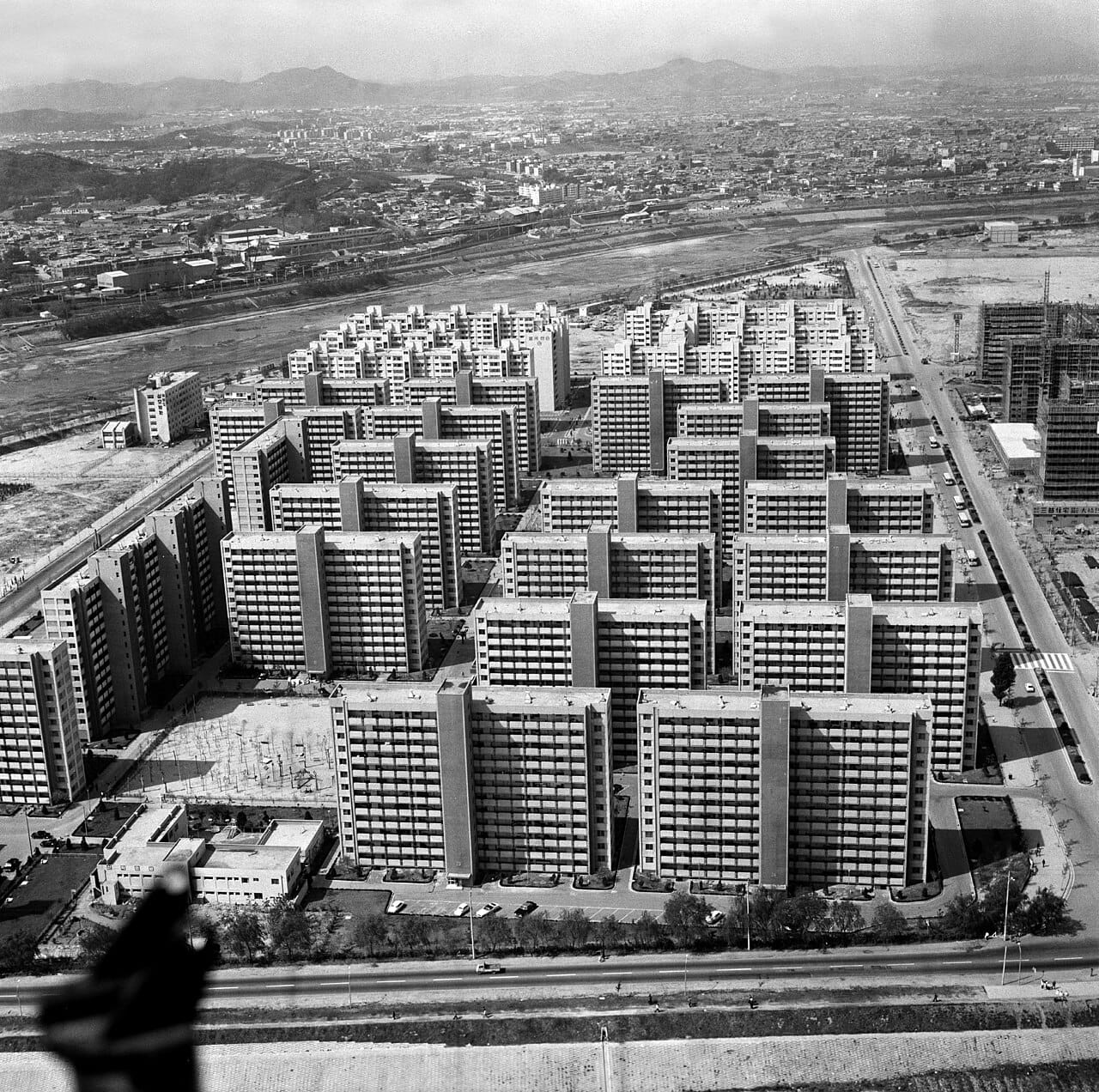
In 1978 only 5.2% of Korean homes were apartments. By 2015 it was 59.9%. That change was not caused by crowding — it was built by a financing system where buyers pay for a building before it exists. Here is how Korea became an apartment country.
Korean Cafe Culture: Why Coffee Shops Became Seoul's Third Place
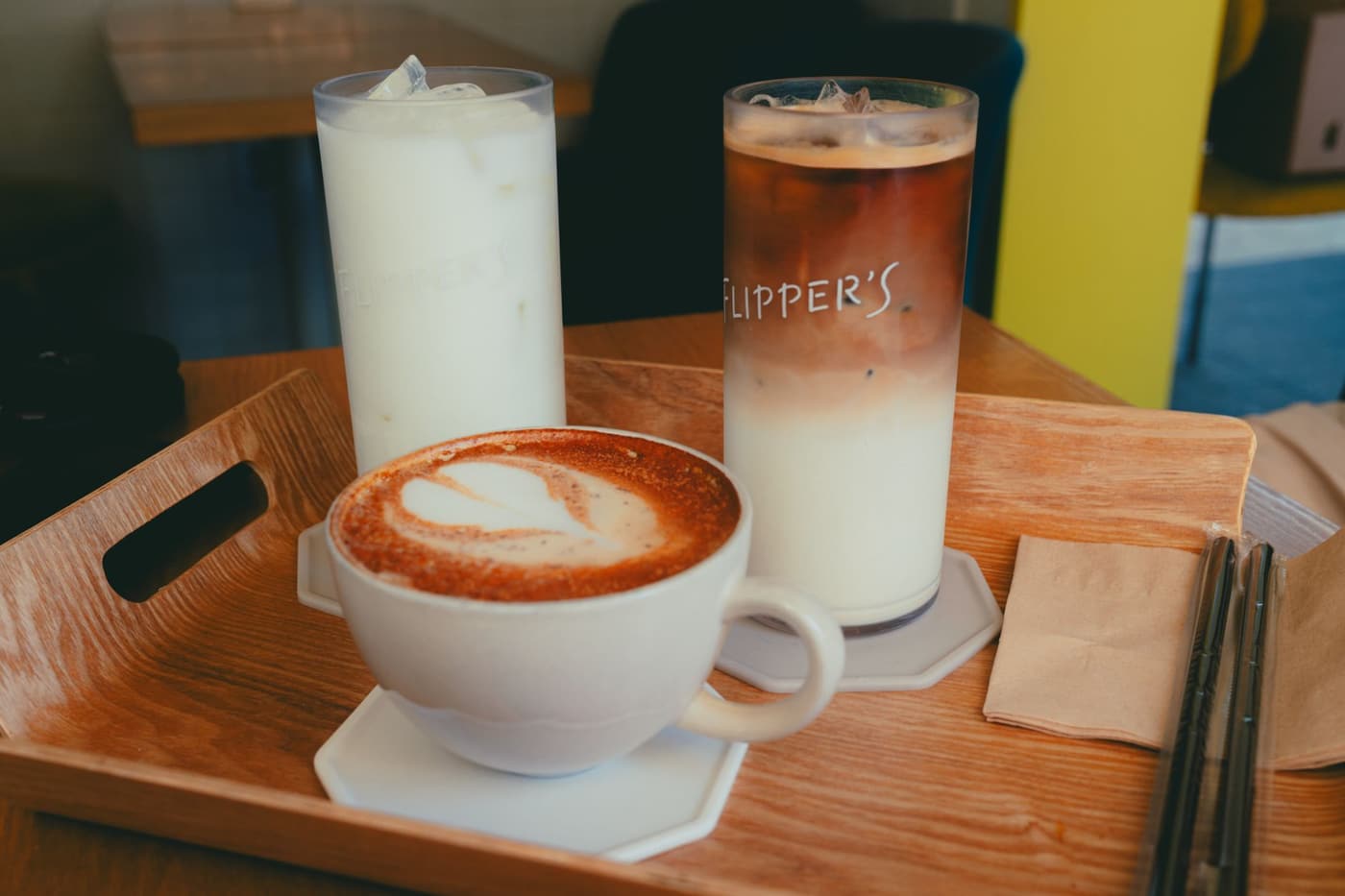
Korean cafe culture explained for Seoul travelers: why coffee shops became work, study, date, dessert, and rest spaces in daily life.
The One Korean Food Foreigners Never Learn to Love: Hamheung Naengmyeon, and Why Koreans Can't See the Problem
Foreigners who eat cheonggukjang and even hongeo still will not pay for this twice. A Korean creator who fed foreigners for years says naengmyeon was the overwhelming number one refusal, and Koreans, who rank it first every summer, cannot see why.