Beatpella House: How a Korean Beatbox Crew Reached 7.7 Million Subscribers
BOSS RC-5 Loop Station — on AmazonAffiliate link. As an Amazon Associate, EpicKor earns from qualifying purchases at no extra cost to you.
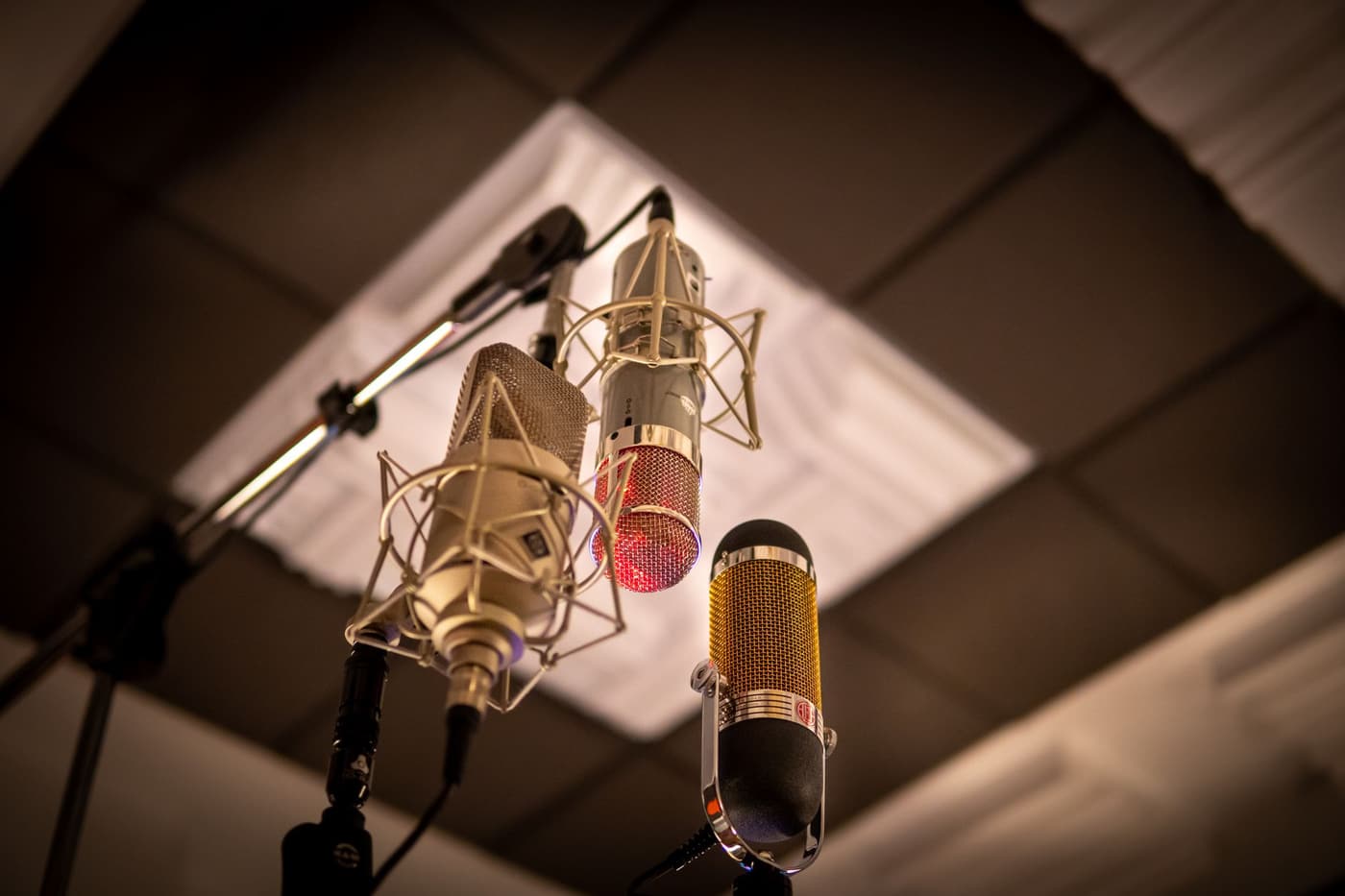
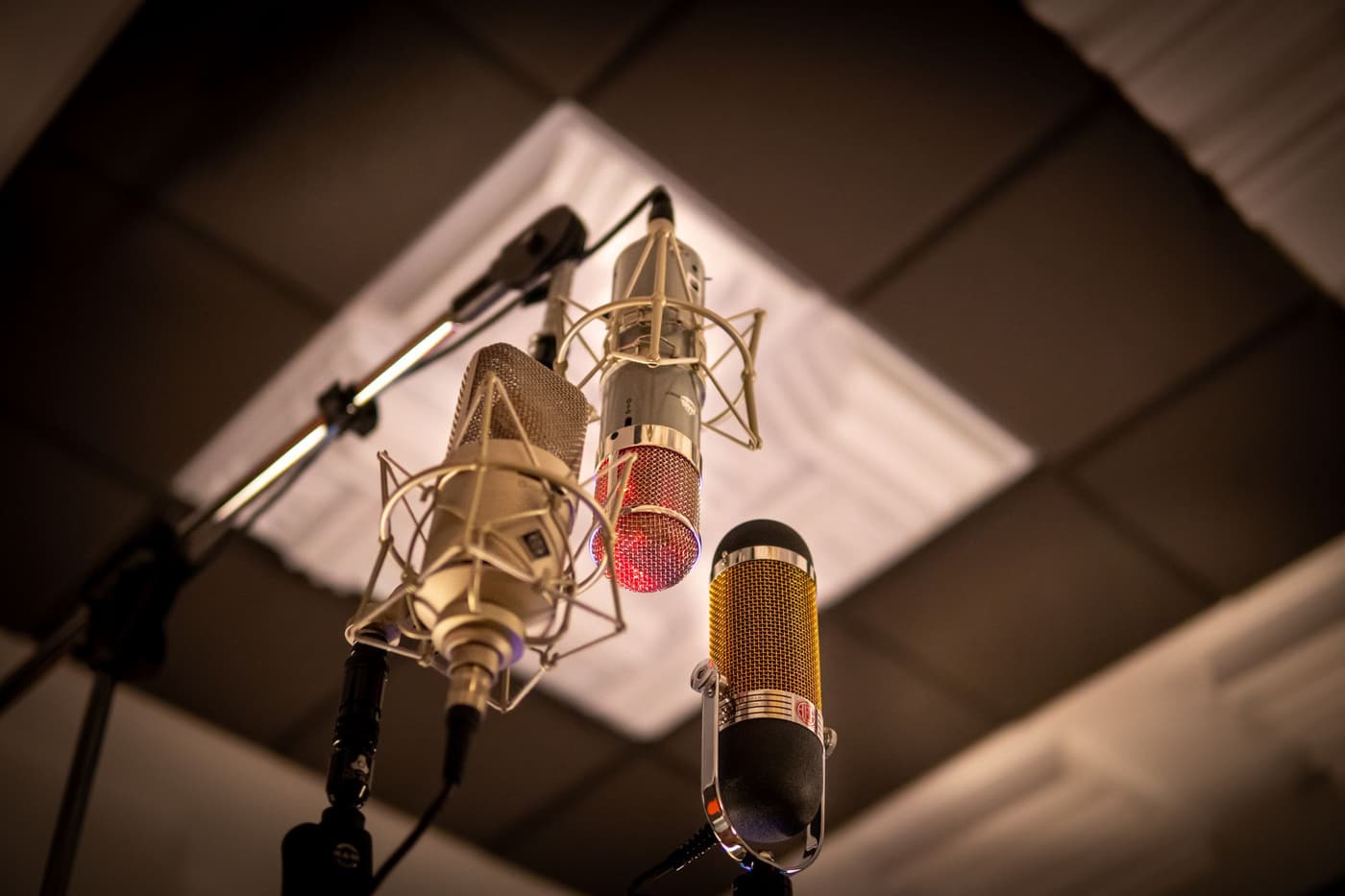
Everything in a beatpella recording comes out of a mouth and into a microphone. There is no drum machine anywhere in the chain. Photo by Andreu Marquès, Pexels.
A five-person Korean crew that formed in October 2022 now has around 7.7 million YouTube subscribers and roughly 5.9 billion total views.
That is not a typo, and it is not a K-pop group. Beatpella House (비트펠라 하우스) makes music with no instruments at all — every drum, every bassline, every texture is produced by the human vocal tract, layered live through a loop station.
The name is the format: beatbox + a cappella. And the reason the channel grew this fast is a specific, learnable production decision that most write-ups skip entirely.
The Short Answer
| Question | Answer |
|---|---|
| Who are they? | A five-member Korean beatbox and vocal crew, formed October 2022 |
| Korean name | 비트펠라 하우스 (Biteupella Hauseu) |
| Members | Hiss, Wing, Hellcat, Huckle (beatboxers) and Yella.E (vocalist) |
| YouTube | around 7.7 million subscribers, roughly 5.9 billion views |
| Videos posted | about 2,668 — that number is the whole story |
| Also on | Instagram (about 1M), TikTok (about 2.4M) |
| What to watch first | A loop-station build, then a full-length session |
| Instruments used | None. Voices, microphones, and a looper |
Trying the loop-station method yourself: As an Amazon Associate, EpicKor may earn from qualifying purchases. This is one of the few musical formats you can genuinely start with almost nothing. The BOSS RC-5 Loop Station is the pedal most vocal loopers actually start on, and it is the whole rig: mic in, layers out.
See it on AmazonThe Five, and Why Their Credentials Matter
This is not a group assembled by an agency for a format. Four of the five arrived from competitive beatbox, which is a real international circuit with national and continental titles.
| Member | Korean | Role and background |
|---|---|---|
| Wing | 윙 | Beatboxer. The first Korean to become Asia Beatbox Champion |
| Hiss | 히스 | Beatboxer, with multiple placings at world-level competitions |
| Huckle | 허클 | Beatboxer. Korean Beatbox Champion (2022), known for lip bass |
| Hellcat | 헬캣 | Beatboxer. Rough, groove-forward hip-hop rhythms |
| Yella.E | 옐라.E | Vocalist who also works across loop station, beatbox and DJing |
Why that table is the most important thing on this page: competitive beatbox judges technique in isolation, on a stage, with no edit. Assembling a group where four members have already been judged that way is a completely different starting point from assembling one around a look.
It also explains the division of labour. Huckle's lip bass — a bass tone produced by vibrating the lips rather than the throat — is why their low end sounds like an actual synth rather than a person imitating one. Hellcat brings the swing that keeps a loop from feeling mechanical. Yella.E is the melodic and topline layer that turns a rhythm exercise into a song.
The Loop Station Is the Instrument
If you watch one thing to understand the format, watch a loop-station build from the beginning rather than a finished performance.
A loop station records a short phrase and plays it back on a fixed cycle while you record the next layer on top. Everything about the format follows from that one constraint:
- The first layer sets the tempo permanently. There is no click track to correct to. If the kick pattern is laid down two percent fast, everything after it lives at that tempo.
- Every layer is a live take. You cannot punch in a fix. A flubbed hi-hat is in the song now, or you clear the loop and start the whole thing again.
- Layers accumulate, they do not mix. There is no fader for the part you recorded three minutes ago. Balance has to be performed correctly the first time.
- The build itself is the drama. A track assembling in front of you, piece by piece, is watchable in a way a finished recording is not.
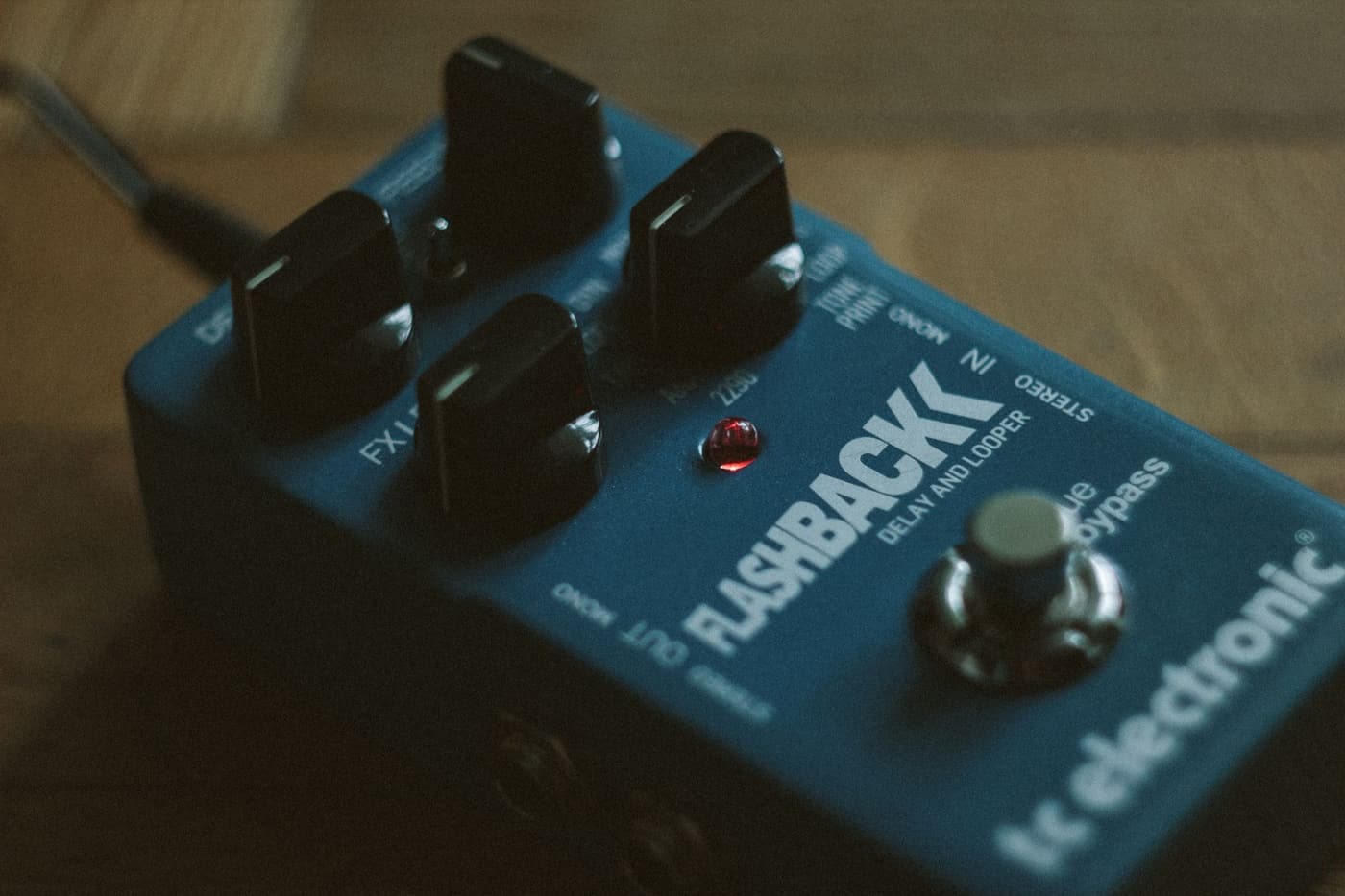
A looper is a simple device with a brutal rule: the first layer decides the tempo, and nothing after it can be fixed. Photo by Vladyslav Dukhin, Pexels.
That last point is the bridge to why the channel exploded. The loop-station build is a format that pays off inside sixty seconds — it has a beginning, an escalation, and a resolution, and it needs no language to follow.
The Actual Growth Mechanism: 2,668 Videos
Here is the number most coverage prints and then walks past.
Beatpella House has posted roughly 2,668 videos since October 2022. Over that period, that is an average of well over one upload per day, every day, for nearly four years.
That volume tells you what the channel really is. It is not a group that occasionally releases a big performance video — it is a high-frequency short-form operation with long-form sessions attached. The maths of 5.9 billion views across 2,668 uploads works out to a couple of million views per video on average, which is exactly the profile of a channel living primarily on Shorts.
Three things make the format unusually well suited to that:
- No language barrier. There is nothing to translate. A beatbox loop is equally legible in Seoul, São Paulo and Stockholm, which is why the audience is genuinely global rather than Korean-diaspora.
- The hook is the first half-second. A sound coming out of a person that should not be possible is a complete hook with no setup required. Most music content needs eight seconds to establish anything.
- The output is nearly infinite. Five performers, any combination, any genre, any tempo. There is no album cycle and no creative dry season.
They have also crossed into mainstream Korean television — including a full-lineup Han River busking segment broadcast in June 2025 — which is the usual sign that a Korean online act has stopped being an online act.
You might like: Korean Hip-Hop Guide: SMTM, Artists, and Seoul Scenes
Why Korea Produces So Many Competitive Beatboxers
It is a fair question, because the count is disproportionate. A country of 51 million holds an Asia championship, a stack of world-competition placings, and a national circuit deep enough that a domestic title means something.
Three structural reasons, none of them mystical.
Busking is normal and legal in defined places. Hongdae's pedestrian streets, the Han River parks, and Sinchon have long-running informal busking cultures where an unsigned performer can play to a real crowd on a Saturday night without booking anything. Beatbox needs no equipment beyond a portable amp, which makes it one of the cheapest possible acts to test in public. A performer can get a hundred reps in front of strangers in a month.
Competition culture is taken seriously. Korea runs national beatbox championships with the same structure as the international circuit — brackets, judges, elimination rounds. A scene organised around competition produces technicians, because the format rewards precision under pressure rather than charisma.
And the online distribution was already built. Korea's short-form video habits, and the production literacy that came out of a decade of K-pop content, meant that a crew forming in 2022 did not have to learn how to shoot, cut and publish. That was ambient knowledge.
Put those together and you get the profile Beatpella House has: performers who were already good in a room, dropped into a distribution system that was already fast.
The honest limit on that argument: none of this is unique to Korea, and the beatbox world circuit is dominated by European and American performers on most measures. What Korea has is an unusually efficient path from street practice to competition to online audience, compressed into a small geography. That is a logistics advantage, not a musical one.
Where to Start Watching
Do not start with the algorithm. Start with these three, in this order:
1. A loop-station build. Pick any video where one member starts from an empty loop and layers it up. This is where you learn what you are actually listening to, and after it, every other video makes sense.
2. A full-lineup session. Once you can hear the layers separately, watch all five at once. The interesting part is the handoffs — who is holding the pocket while someone else takes a run, and how the low end passes between members.
3. A solo or battle clip. Then go find Wing or Huckle competing. Competition beatbox is a different discipline from ensemble work: harder, drier, and with nowhere to hide. It will recalibrate what you think the group work involves.
The one thing to avoid: starting with a Shorts binge. Shorts are the best possible advertisement for this crew and the worst possible introduction, because the format strips out exactly the thing that makes them impressive — the construction.
Hearing what is actually in the mix: Phone speakers throw away the lip bass entirely, which is the single most impressive element in a beatpella track. The Audio-Technica ATH-M50x is the studio standard for exactly this reason: it reproduces the 40–80Hz band where lip bass lives, and a phone speaker simply does not go there. Listen once before you decide the low end is a synth.
See them on AmazonThe Honest Counter-Recommendation
Two caveats, because a subscriber count is not a quality argument.
The short-form optimisation cuts both ways. A format engineered to resolve in sixty seconds does not reward development, key changes, or anything that needs three minutes to pay off. If you come to this expecting the compositional depth of a good record, the volume of output is going to read as repetition. The long sessions are where the musicianship lives; the Shorts are where the reach lives, and they are not the same body of work.
And it is not a substitute for the live thing. A microphone and a loop station flatten the physical spectacle. Beatbox is genuinely startling in a room, at volume, with no processing between the performer and your ears — the Korean busking and competition circuit is small and accessible, and one live set will do more than fifty clips.
Who should skip this entirely: if what you like about Korean music is songwriting, lyrics, or vocal arrangement, this is not the door in. This is a rhythm and technique channel that happens to have a vocalist. Nothing here is going to be your favourite song.
FAQ About Beatpella House
Q: What does "beatpella" mean?
A: It is a contraction of beatbox and a cappella — music made entirely with the voice, with the percussion beatboxed rather than sung.
Q: How many members does Beatpella House have?
A: Five. Four beatboxers — Hiss, Wing, Hellcat and Huckle — plus vocalist Yella.E.
Q: When did Beatpella House form?
A: October 2022. The channel's growth to roughly 7.7 million subscribers has happened in under four years.
Q: Do they use any instruments or backing tracks?
A: No. Everything is produced vocally and layered live through a loop station, which records a phrase and plays it back on a cycle while the next layer is recorded over it.
Q: Are the members actually competitive beatboxers?
A: Yes. Wing was the first Korean to take the Asia Beatbox Championship, Huckle was Korean Beatbox Champion in 2022, and Hiss has placed at world-level competitions.
Q: Where should a new viewer start?
A: A loop-station build first, so you learn to hear the layers, then a full five-member session, then a solo competition clip. Avoid starting with Shorts — they are the best advertisement and the worst introduction.
The One Thing to Remember
Four championship beatboxers and a vocalist, a looper, and nearly 2,700 uploads in under four years. That is the whole formula, and none of the three parts works without the other two.
Watch a build from an empty loop before you watch anything else. Once you can hear the layers going down one at a time, the rest of the catalogue stops being a novelty and starts being a technique.
Sources
- Hankyung, "사람 입에서 어떻게 저런 소리가…화제의 팀 '비트펠라하우스'" (April 2025) — formation date, member roles, and competitive beatbox credentials
- Nate / Korean television coverage (June 2025) — full-lineup Han River busking broadcast
- Public YouTube, Instagram and TikTok channel statistics for BEATPELLA HOUSE — subscriber, view and upload counts, and channel creation date
You Might Also Like

Korean Work Culture: Overtime, Hierarchy, and Hof Fridays
A practical guide to Korean work culture, office hierarchy, overtime rules, hoesik dinners, and how Korean workplaces are changing.
Korean Age System Explained: Why Koreans Seem Older
Korean age system explained in plain English: traditional age, international age, the 2023 law, and what to say when someone asks.

Korean Concert Sing-Alongs: Ttechang, Fan Chants, and Noraebang
A Korean concert culture guide explaining ttechang sing-alongs, fan chants, light sticks, noraebang habits, and visitor etiquette.