Samulnori Explained: Korea's Four-Piece Percussion
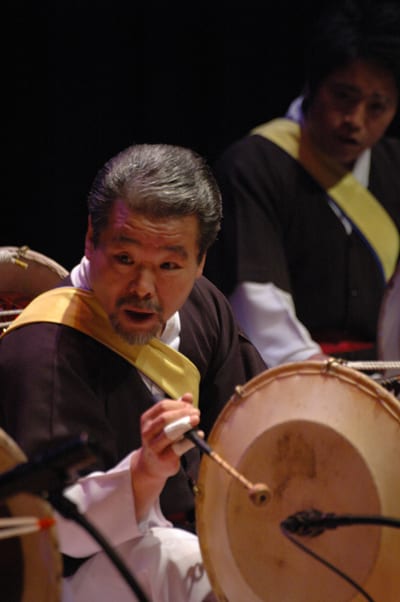
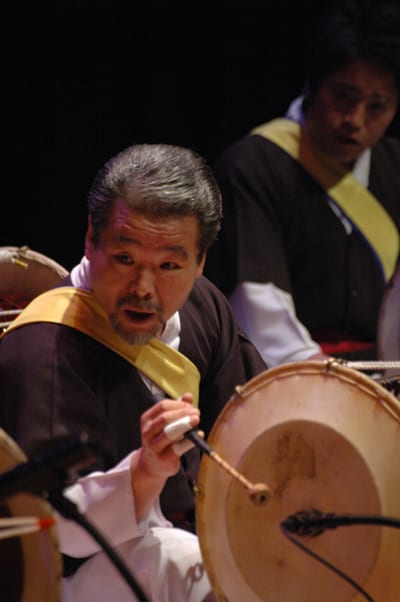
Samulnori is a Korean percussion format built around four instruments: the small gong kkwaenggwari, large gong jing, hourglass drum janggu, and barrel drum buk. Its musical material comes largely from nongak and pungmul, community traditions combining percussion, procession, dance, theater, acrobatics, and village participation. Samulnori reshaped those materials for a compact concert setting in Seoul in 1978.
That history makes samulnori both traditional and modern. The rhythms are inherited and adapted from older regional practices, while the familiar seated quartet is a late-20th-century stage form. It is more accurate to hear four musicians managing pulse, texture, accents, tension, and release than to reduce every instrument to a fixed cosmic character.
Reading before buying an instrument: As an Amazon Associate, EpicKor may earn from qualifying purchases. Samulnori instruments vary in size, construction, and playing setup, so start with instruction rather than an unsupervised kit. Compare samulnori and Korean percussion books, then ask a teacher which equipment fits the class.
The Short Answer: What Samulnori Means
The name is straightforward: sa means four, mul means things or objects, and nori means play. In common use, samulnori can refer to the four-instrument music, a performance format, or the genre that grew from the pioneering ensemble SamulNori.
The quartet gives each musician distinct space. Metal instruments cut and sustain; drums articulate pulse and subdivisions. The kkwaenggwari often signals changes, the jing opens resonance, the janggu makes contrasting strokes, and the buk grounds the ensemble.
Descriptions sometimes assign weather images to the instruments—thunder or lightning, wind, rain, and clouds. Such teaching imagery appears in cultural explanations, but it is not a universal rule that every performance narrates a fixed cosmology. Likewise, some source traditions include ritual functions, yet a modern theater concert or school lesson should not automatically be called an exorcism.
The Four Instruments and Their Jobs
The kkwaenggwari is a small handheld brass gong struck with a thin mallet. Its bright, complex sound travels easily over a full group. A lead player may cue entrances, tempo shifts, accents, and transitions, but leadership depends on the piece and ensemble.
The jing is a larger gong struck with a padded mallet. Its long decay fills the space between sharper attacks. Good playing involves listening to resonance and choosing when not to add another stroke.
The janggu is an hourglass-shaped double-headed drum. The two sides and two sticks produce contrasting timbres, allowing detailed rhythmic phrases. Stick names, stroke syllables, and technique can vary by curriculum and tradition.
The buk is a barrel drum with a direct, rounded attack. It can stabilize the main pulse and reinforce important accents. “Bass drum” is a helpful shorthand, but its construction and technique differ from an orchestral bass drum.
| Instrument | Construction and sound | Typical ensemble function | Beginner focus |
|---|---|---|---|
| Kkwaenggwari 꽹과리 | Small handheld gong; bright and penetrating | Cues, accents, rhythmic direction | Control volume and rebound |
| Jing 징 | Large gong; deep, expanding sustain | Resonance and broad punctuation | Let each stroke bloom |
| Janggu 장구 | Hourglass drum with two heads | Detailed patterns and contrasting tones | Posture, stick paths, even subdivisions |
| Buk 북 | Barrel drum; firm rounded attack | Pulse, weight, and shared accents | Consistent tone without excess force |
Nongak, Pungmul, and Samulnori Are Not Identical
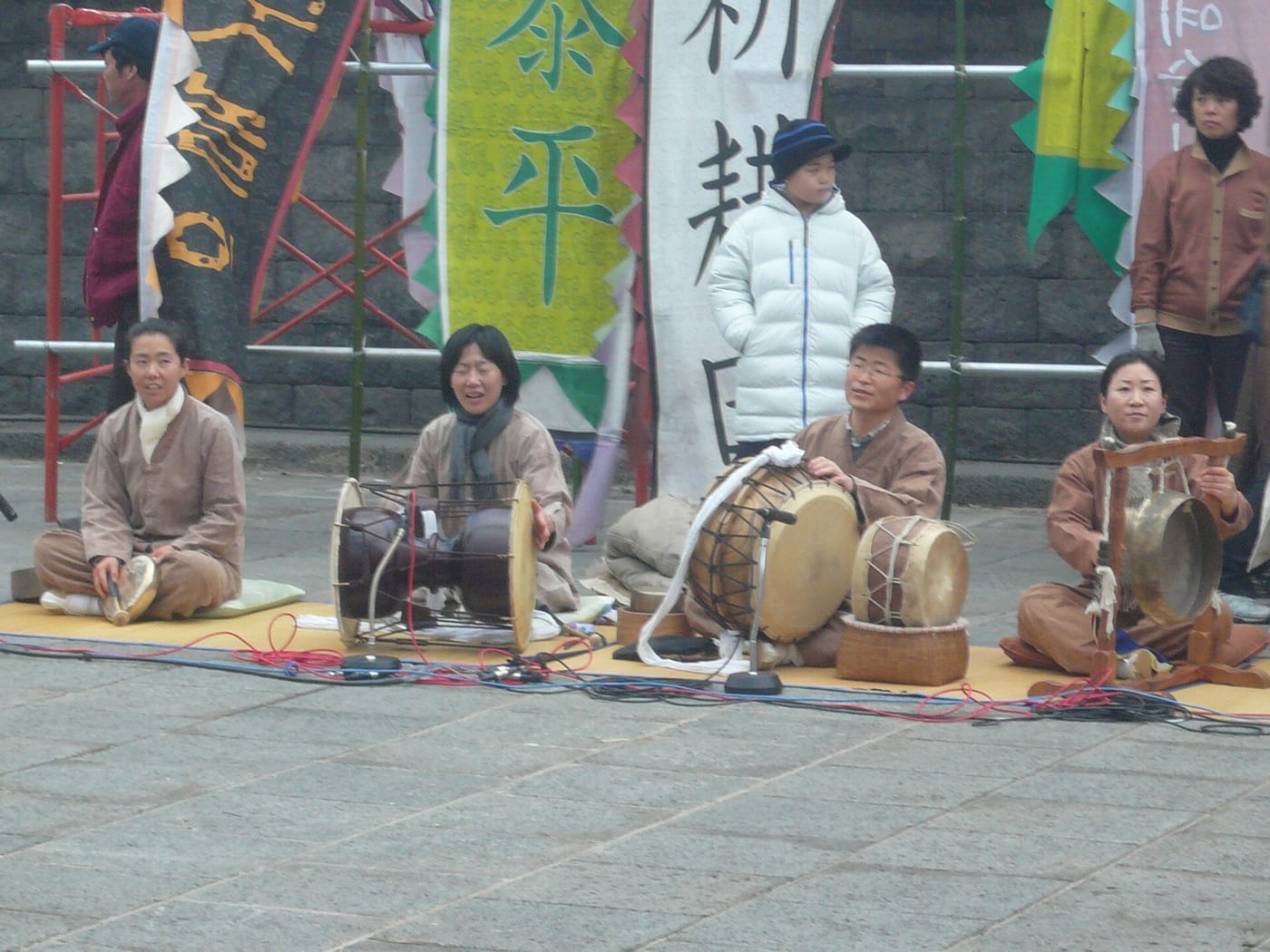
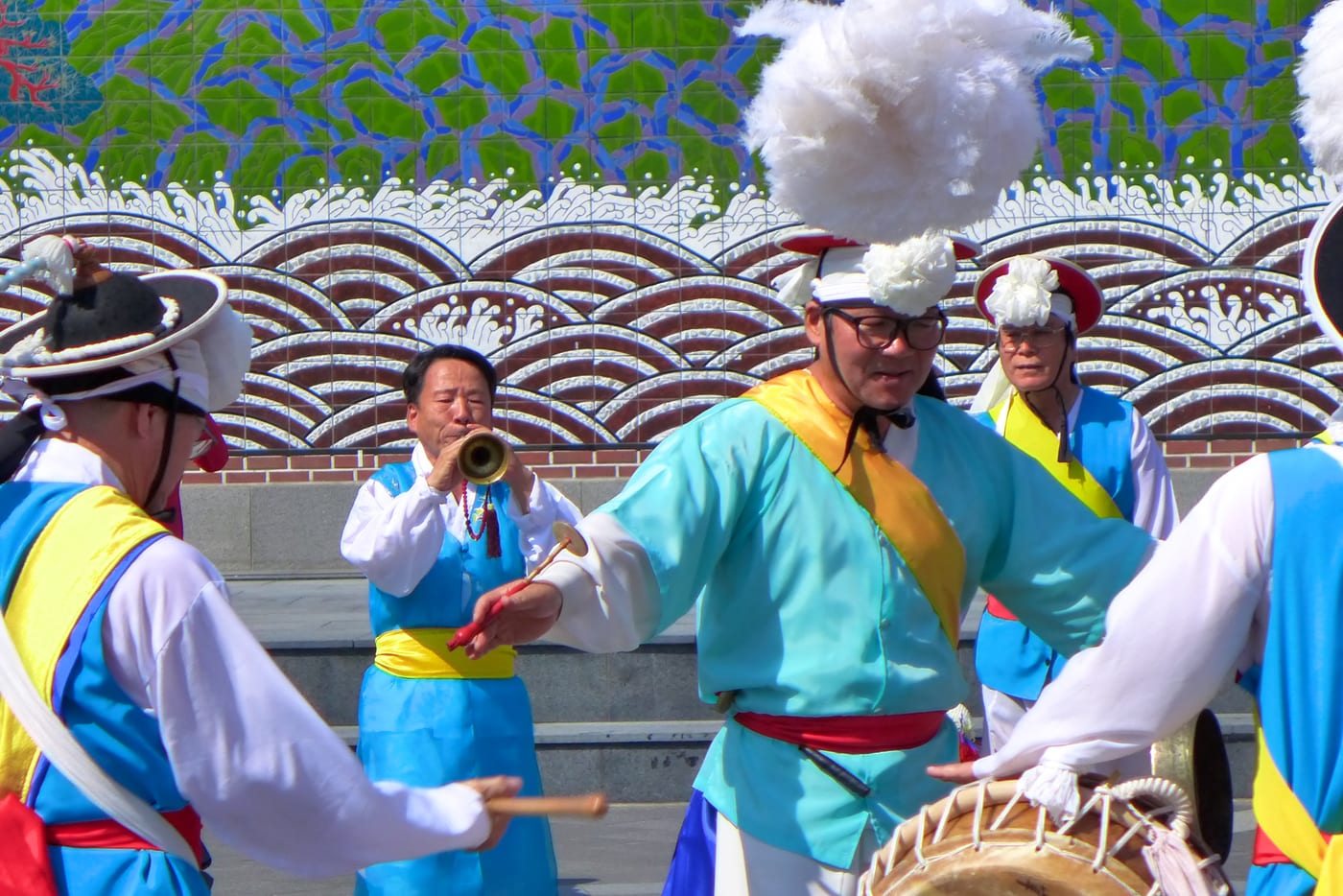
UNESCO describes nongak as community band music, dance, and ritual in the Republic of Korea. It can involve percussion and wind instruments, processions, choreographic formations, streamer-hat dances, skits, and acrobatics. It developed through communal rites and rural entertainment and remains diverse: regional and village styles differ in rhythm, band makeup, costume, and performance.
Pungmul is another widely used term for the broader community percussion-and-dance tradition. Usage depends on region, institution, and context; translating everything as “farmers' music” is too narrow for its ritual, theatrical, educational, and urban lives.
Samulnori concentrates selected rhythmic materials into four core percussion parts, often seated or staged for close listening. It generally removes the large procession, characters, wind players, broad audience movement, and much of the acrobatic spectacle. A production may later add standing movement or collaborate with other genres, but that does not erase the useful distinction.
What Happened in Seoul in 1978
The stage history has a specific starting point. Research indexed by Korea's KCI records the first performance on February 22–23, 1978 at Gonggan Sarang, a small Seoul theater, during the first Traditional Music Night. Other institutional introductions summarize the same turning point as the creation of stage samulnori in 1978.
The performers took regional pungmul material, reduced the ensemble to four percussionists, and centered musical detail. Indoors, urban audiences could hear interplay harder to isolate in a large moving group.
The ensemble's name later became the genre name. Membership accounts vary by which early concert or lineup a source describes. Kim Duk-soo and fellow master performers established the influential quartet format at Gonggan Sarang in 1978, and it spread nationally and internationally.
This was preservation through transformation, not an untouched rural custom placed onstage. Some traditional musicians criticized the new format. Its eventual success shows that cultural continuity can involve argument, editing, professionalization, and new venues.
How Jangdan Organizes the Music
Korean rhythmic cycles are commonly called jangdan. A jangdan is more than a Western time signature: it includes a recurring pattern of strong and weak points, characteristic strokes, subdivisions, phrasing, and bodily feel. Performers may learn it through spoken syllables before notation.
Samulnori pieces often move through cycles associated with regional repertories and shift between spacious, moderate, fast, and very fast passages. Terms such as gutgeori, jajinmori, and hwimori may appear, but the exact arrangement and stroke vocabulary depend on the piece and teaching lineage. Do not assume that one online transcription is universal.
The most useful listening skill is to locate the shared return point. Hear how the buk supports it, how the janggu fills or divides the path, how the kkwaenggwari announces energy and change, and how the jing lets the sound breathe. Speed is exciting, but ensemble precision is the achievement.
What to Listen for in a Performance
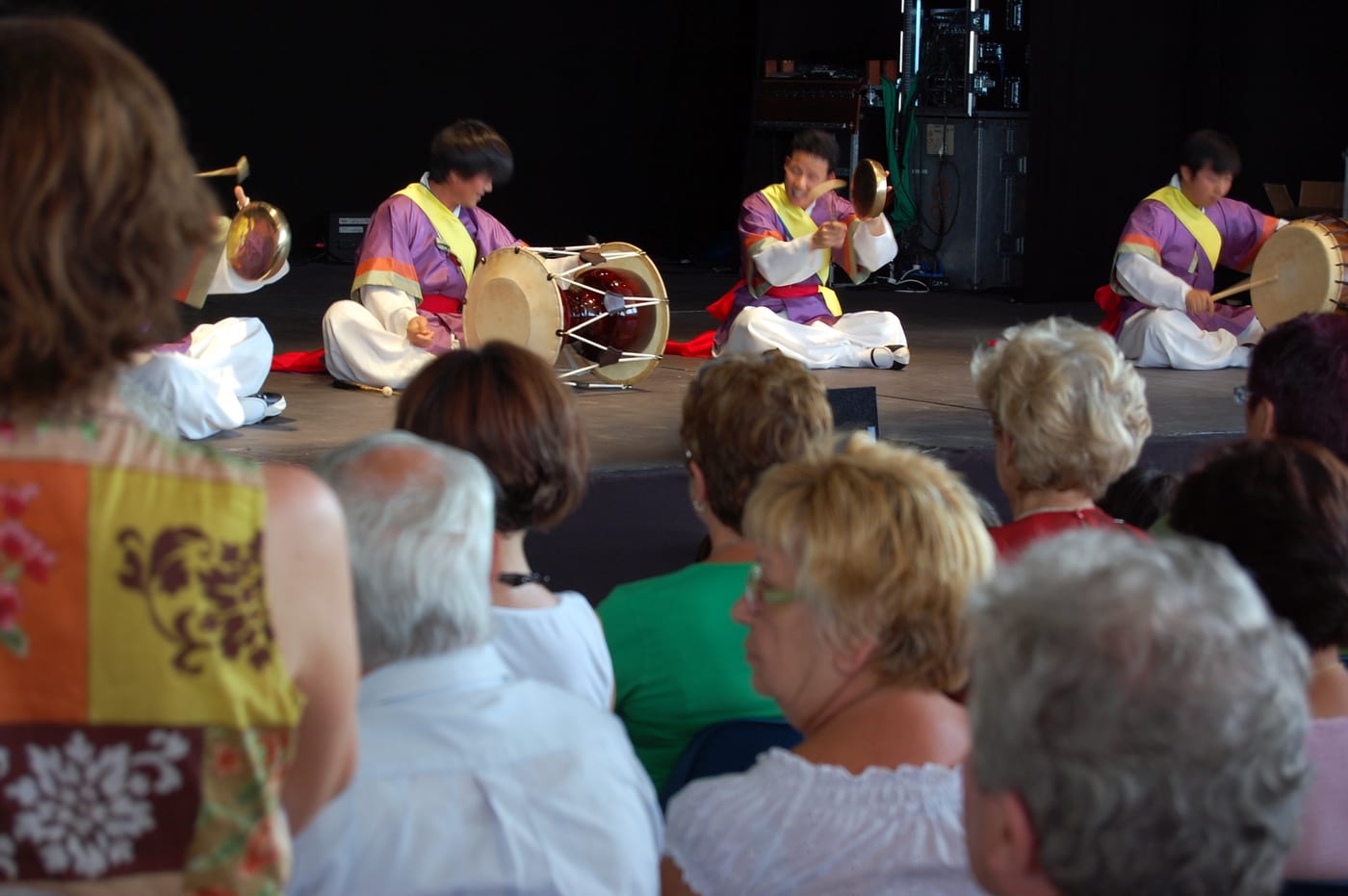
First, listen to density. A passage can begin with space and accumulate subdivisions. Momentum comes from changing relationships among parts, not only getting louder.
Second, follow cues. A small gesture or kkwaenggwari phrase may redirect the ensemble. Players watch and breathe together because a transition must land collectively.
Third, notice contrast between attack and decay. Drum strokes end quickly compared with a jing wave that continues through the next event. The quartet is constantly deciding how much sound the room needs.
Fourth, watch posture. Seated performers use torso, breath, and eye contact; standing forms add footwork and ribbon-hat technique.
This participatory energy has a modern cousin in Korean popular concerts. EpicKor's guide to Korean concert audience culture explains collective singing and response, while our Gyeongju cultural journey offers a broader way to approach heritage without treating Korea as a frozen museum.
How to Watch Samulnori in Korea
The National Gugak Center in Seoul is a reliable starting point for traditional Korean music, but not every program is samulnori. Read the program title and instrumentation instead of assuming that any drumming show uses the quartet format. The Center's current performance pages and Saturday repertory are date-specific, so verify the calendar before traveling.
Regional National Gugak Centers, municipal arts groups, university festivals, cultural centers, and folk festivals may also present samulnori or larger nongak. A folk village performance with a moving band and streamer hats is more likely to be described as nongak or pungmul; a focused indoor quartet is more likely to be samulnori.
For theater etiquette, arrive before the stated start, silence the phone, use the assigned seat, and do not photograph or record unless the venue explicitly allows it. National Gugak Center guidance says late entry can be restricted and food is not allowed in the auditorium. Outdoor community events may invite participation, but wait for a clear invitation before entering the performance space.
| Experience | Likely format | Check before going | Audience approach |
|---|---|---|---|
| Small theater concert | Seated quartet or staged collaboration | Program, cast, age limit, late-entry rule | Quiet listening; applause at clear endings |
| Outdoor folk festival | Nongak procession, dance, and percussion | Weather, standing area, photo policy | Keep routes clear; join only when invited |
| Museum or cultural center | Demonstration with commentary | Language and reservation | Questions may be welcomed after the set |
| Hands-on workshop | Janggu basics or simplified ensemble | Level, equipment, clothing, hearing needs | Follow the teacher and handle instruments carefully |
How Beginners Actually Learn
Begin with one stable pulse and oral syllables. A teacher may speak the stroke sequence, clap it, transfer it to one instrument, and only then combine parts. This approach builds a shared internal cycle before speed.
The National Gugak Center's foreigner experience specifically introduces janggu and samulnori, while the Busan National Gugak Center lists samulnori and family janggu among education programs. Availability, price, and language support change by term, so treat those pages as starting points rather than promises for every date.
Choose a supervised class because gong volume, technique, instrument care, and spacing matter. Wear clothes that allow seated movement, keep drinks away, and never test a kkwaenggwari beside someone's ear.
Hearing-care note: As an Amazon Associate, EpicKor may earn from qualifying purchases. Korean percussion can be intense at close range. If your instructor or venue recommends protection, compare high-fidelity musician earplugs; they should reduce level without replacing safe rehearsal spacing and breaks.
Respect, Symbolism, and Common Mistakes
Do not present one symbolic chart as the sole meaning of samulnori. Weather associations can be memorable teaching devices, and nongak has documented connections to community rites, harvest hopes, and practices intended to appease deities or repel harmful forces. Yet UNESCO also stresses entertainment, fundraising, participation, regional variety, and community solidarity.
Avoid calling samulnori “ancient” without qualification. Its rhythmic sources are older; the quartet genre and name emerged in 1978. Also avoid calling all Korean drumming samulnori. Court music drums, Buddhist percussion, pansori accompaniment, military music, nongak, and contemporary fusion have different contexts.
Finally, credit teachers and communities. Learning a short rhythm is an enjoyable entry, not mastery of every regional style. The respectful goal is not to imitate an imagined “Korean spirit,” but to hear how musicians organize time together.
Why Samulnori Still Matters
Samulnori made detailed percussion portable. Four performers could enter a small theater, classroom, international festival, or collaboration while carrying audible links to broader community traditions. That adaptability helped new audiences encounter Korean rhythmic thinking.
Its importance also lies in the questions it raises. What changes when moving tradition becomes seated music? What is gained when complex rhythm becomes easier to tour and teach? What gets left out when a village event becomes a concert? Good performances do not need one final answer; they make those tensions audible.
FAQ
Q: What does samulnori mean?
It literally means “four-object play.” The name refers to music centered on four instruments: kkwaenggwari, jing, janggu, and buk.
Q: Is samulnori an ancient Korean genre?
Its rhythmic materials draw from older nongak and pungmul traditions, but the compact quartet stage format emerged in Seoul in 1978.
Q: What is the difference between nongak and samulnori?
Nongak is a broader community performance involving percussion, movement, dance, procession, and sometimes theater, acrobatics, or wind instruments. Samulnori concentrates selected rhythms into four percussion parts, often for a stage.
Q: Do the four instruments always represent weather?
Weather associations are common in some explanations, but they are not a compulsory plot for every performance. Musical roles, regional repertory, and ensemble interaction are more reliable foundations.
Q: Where can visitors see samulnori in Korea?
Check current schedules at the National Gugak Center, regional Gugak Centers, cultural centers, folk festivals, and university or municipal arts programs. Confirm that the listed performance is samulnori rather than another gugak form.
Q: Can a complete beginner learn janggu or samulnori?
Yes. Beginner and foreigner programs exist, often starting with pulse, spoken syllables, and simplified janggu patterns. Use a teacher because technique, hearing safety, and instrument care matter.
Sources
- UNESCO Intangible Cultural Heritage: Nongak
- National Gugak Center: Textbook for Korean Traditional Music Education—Samulnori
- National Gugak Center: foreigner gugak experience
- National Gugak Center: ticketing and audience guidance
- Korea Citation Index: research on samulnori's 1978 formation
- Korea.net: Korean culture guide identifying samulnori's 1978 stage creation
You Might Also Like
Korean Noraebang Guide: Karaoke Rooms, Ballads, and Etiquette
A practical Korean noraebang guide covering private karaoke rooms, coin noraebang, ballads, group etiquette, song choices, and first-visit tips.
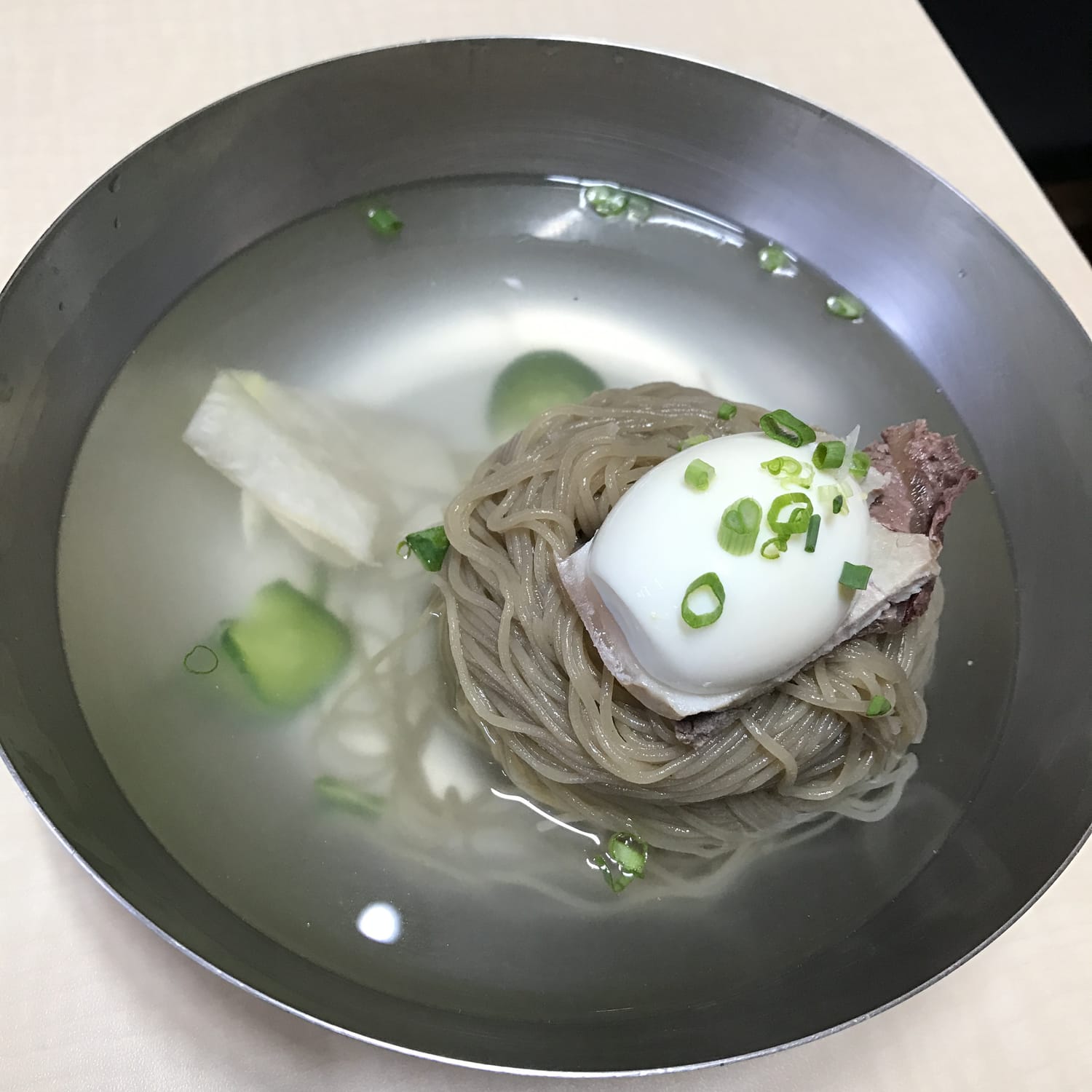
The One Korean Food Foreigners Never Learn to Love: Hamheung Naengmyeon, and Why Koreans Can't See the Problem
Foreigners who eat cheonggukjang and even hongeo still will not pay for this twice. A Korean creator who fed foreigners for years says naengmyeon was the overwhelming number one refusal, and Koreans, who rank it first every summer, cannot see why.
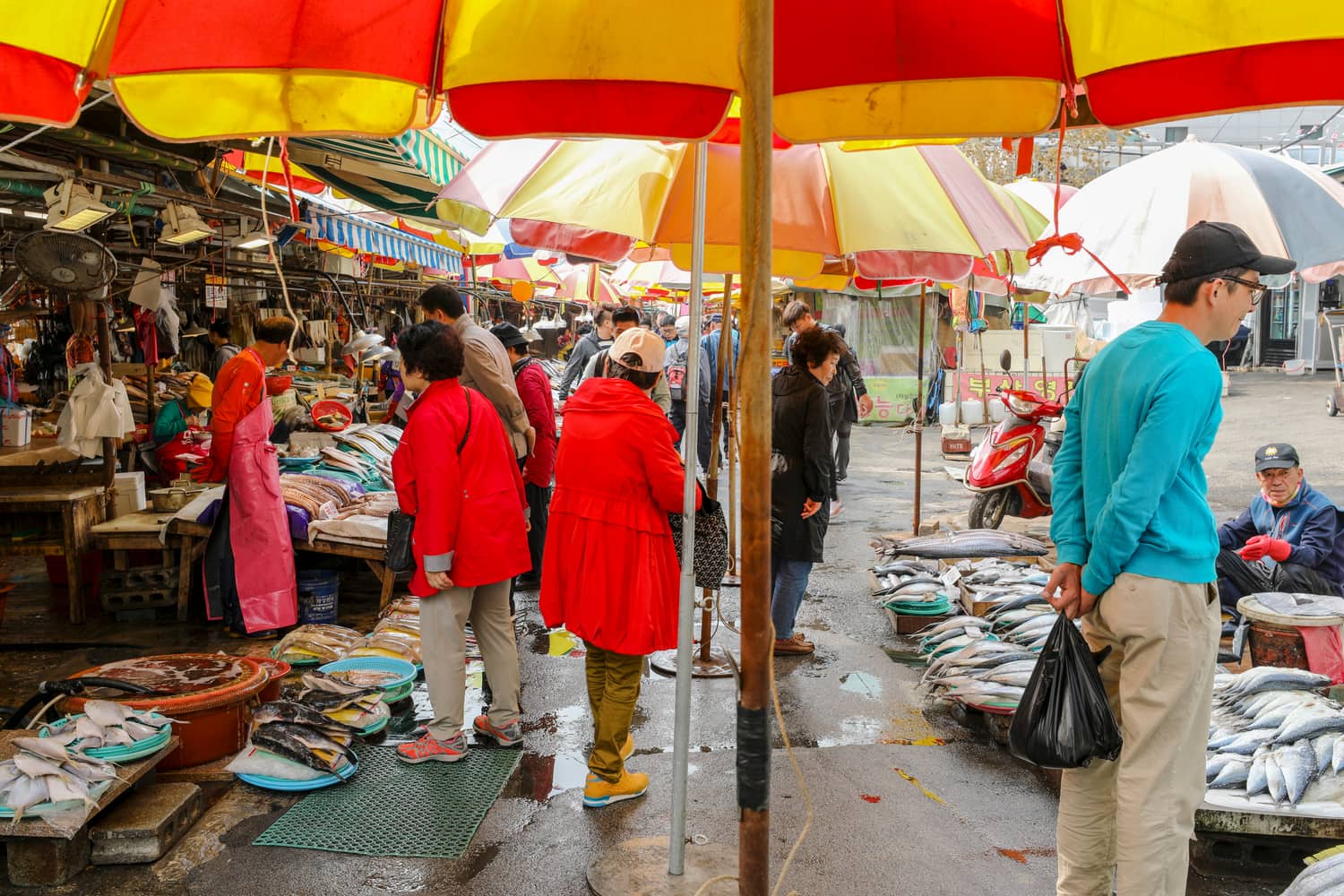
Why Do Koreans Stare at Foreigners? The 5% Country, and Where the Looking Actually Happens
In central Seoul nobody looks at you. In a provincial market, a small town or a subway car of grandmothers, they do. Korea only became a 5%-foreign country in 2025. Where the staring happens, what it means and does not mean, and what to do with it.