How to Use a Korean PC Bang: Kiosk, Food, and Etiquette
A PC bang is one of Korea's easiest modern-culture experiences to misunderstand. It is not just an internet cafe. It is a gaming lounge, snack counter, social hangout, esports gateway, late-night shelter, and pay-by-time room where digital life becomes physical.
For nearby hobby-night ideas, connect this with EpicKor's Seoul LoL Park and LCK guide and Korean board game cafe guide.
EpicKor already has a broader Korean PC bang culture guide. This article is the practical version: how a first visit works, what to order, what can block you at the kiosk, how to behave, and why the food is not a side detail.
What Is a PC Bang?
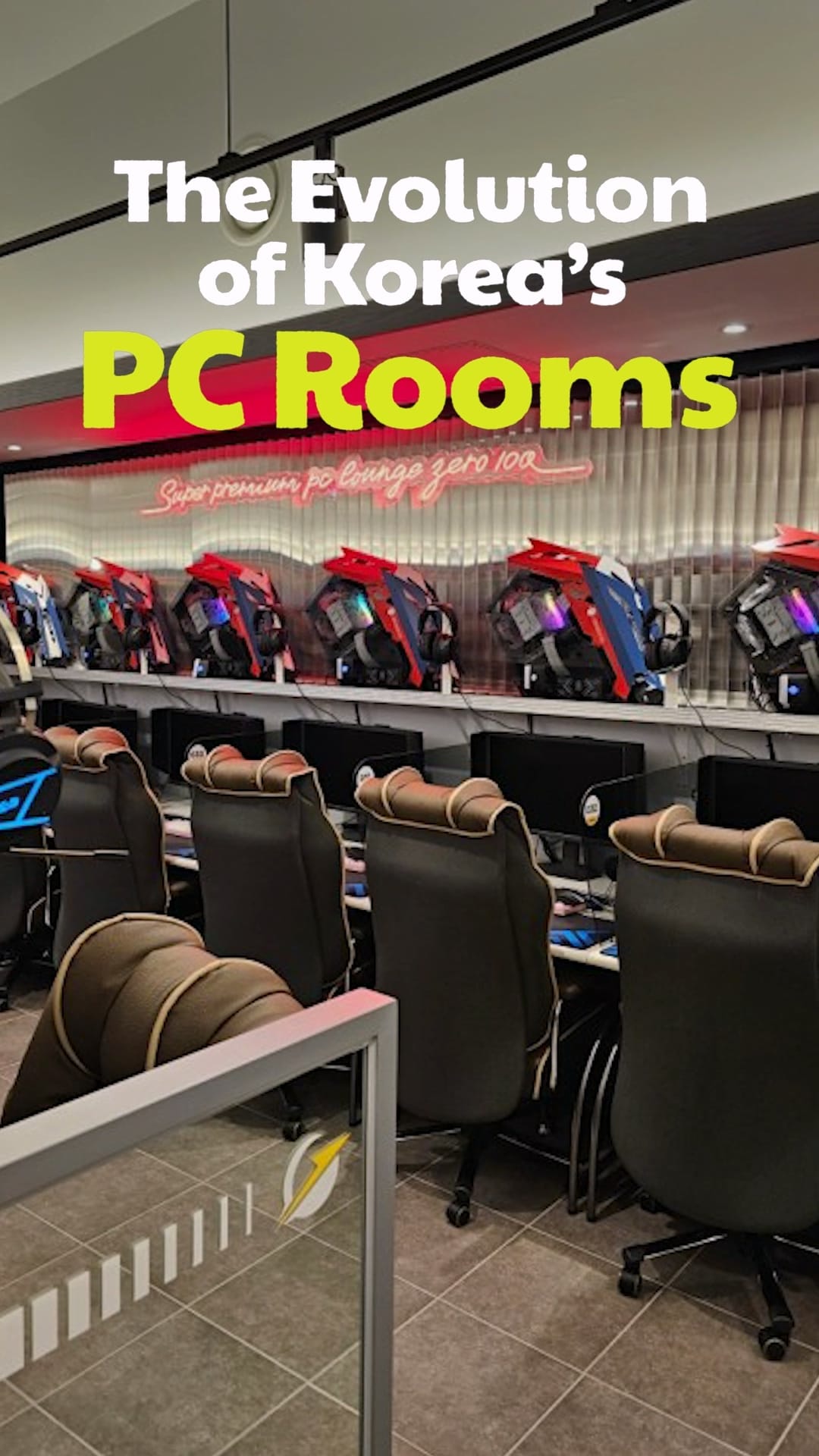
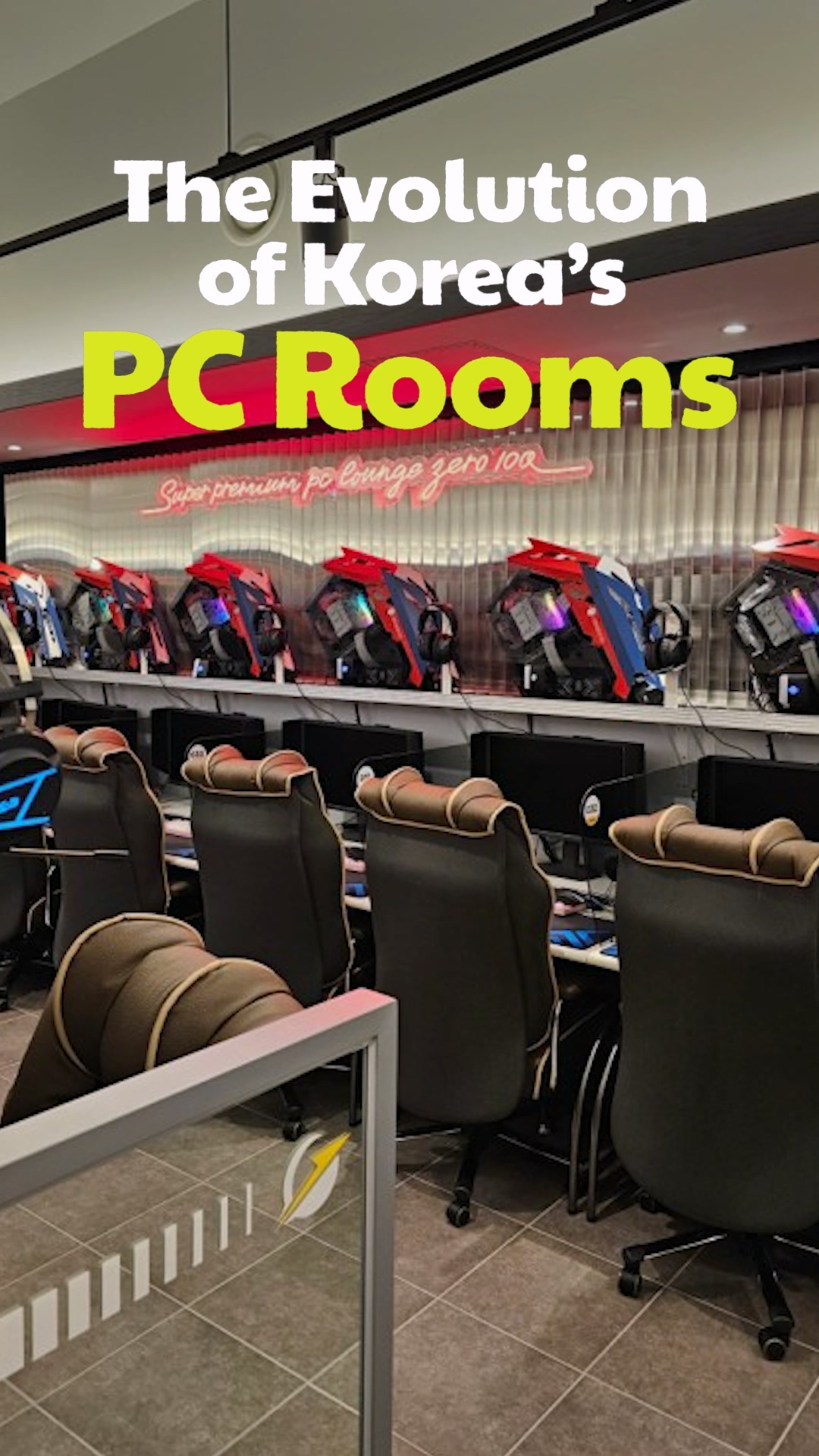
PC bang literally means PC room. In Korea, it usually means a gaming cafe where customers pay by time and use high-performance computers for online games, videos, browsing, or sometimes simple work. Many are open late or 24 hours, though hours and age rules vary.
Visit Seoul's older computer-gaming culture guide connects PC bangs with Korea's broadband infrastructure, online games, and the social nature of gaming in groups. VISITKOREA's esports travel guide points to T1 Base Camp and LoL Park as examples of how PC bang culture connects to Korea's esports scene.
For visitors, the key is this: a PC bang is normal local infrastructure. Do not treat it like a theme park. Go in, pay, sit, play, eat, and leave politely.
Korean ramen cooking pot — compare on AmazonAffiliate link. As an Amazon Associate, EpicKor earns from qualifying purchases at no extra cost to you.
Why PC Bangs Still Matter
It would be easy to assume PC bangs disappeared once home computers, smartphones, and console gaming improved. They did not, because they solve different problems:
- You can play with friends side by side.
- You do not need your own expensive gaming setup.
- You can order food from the seat.
- You can stay out late without choosing a bar.
- You can experience everyday Korean gaming culture without attending a major esports event.
That makes the PC bang a third place: not home, not school, not work, not exactly a cafe, but a room where people can spend time affordably.
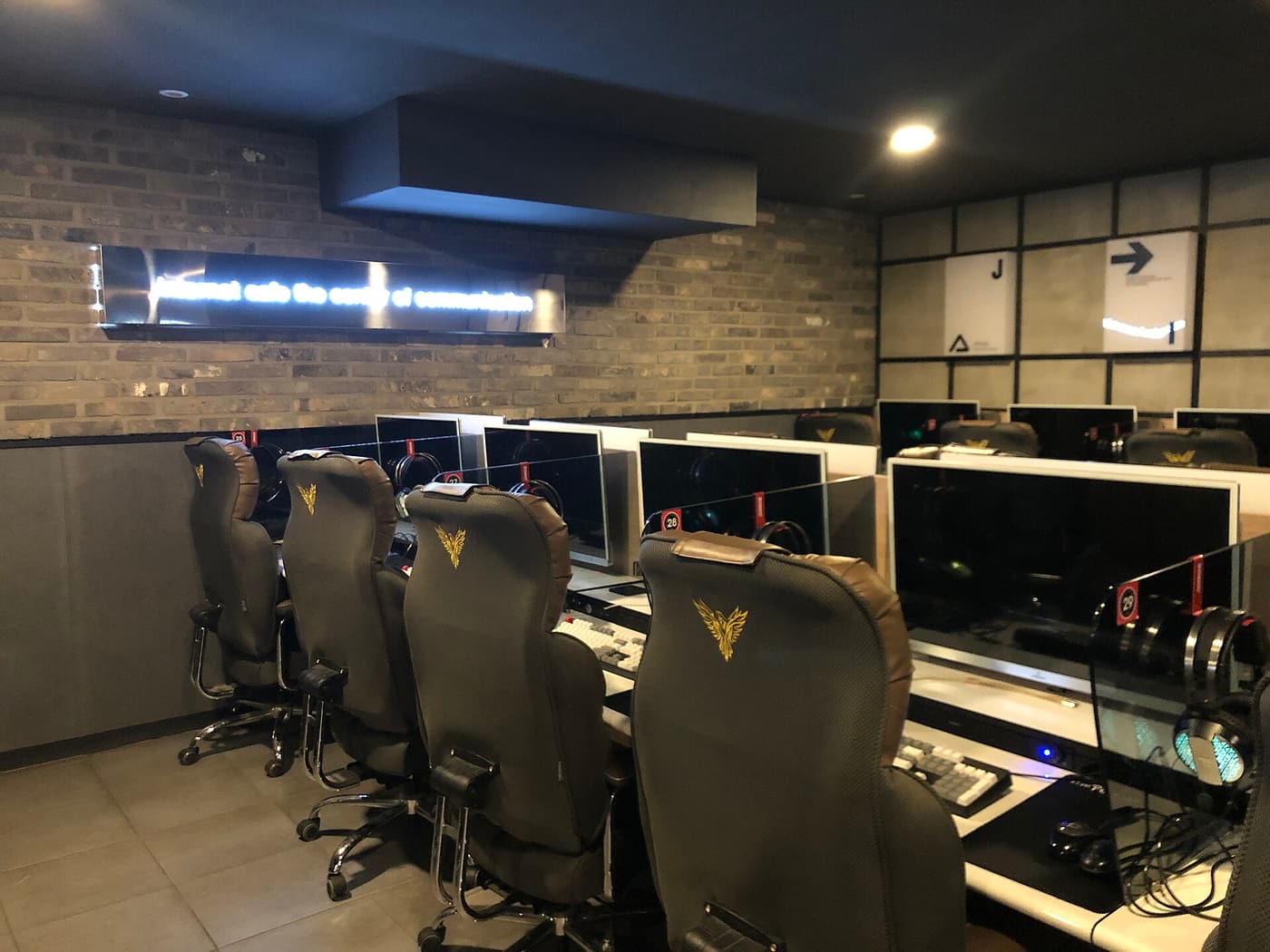
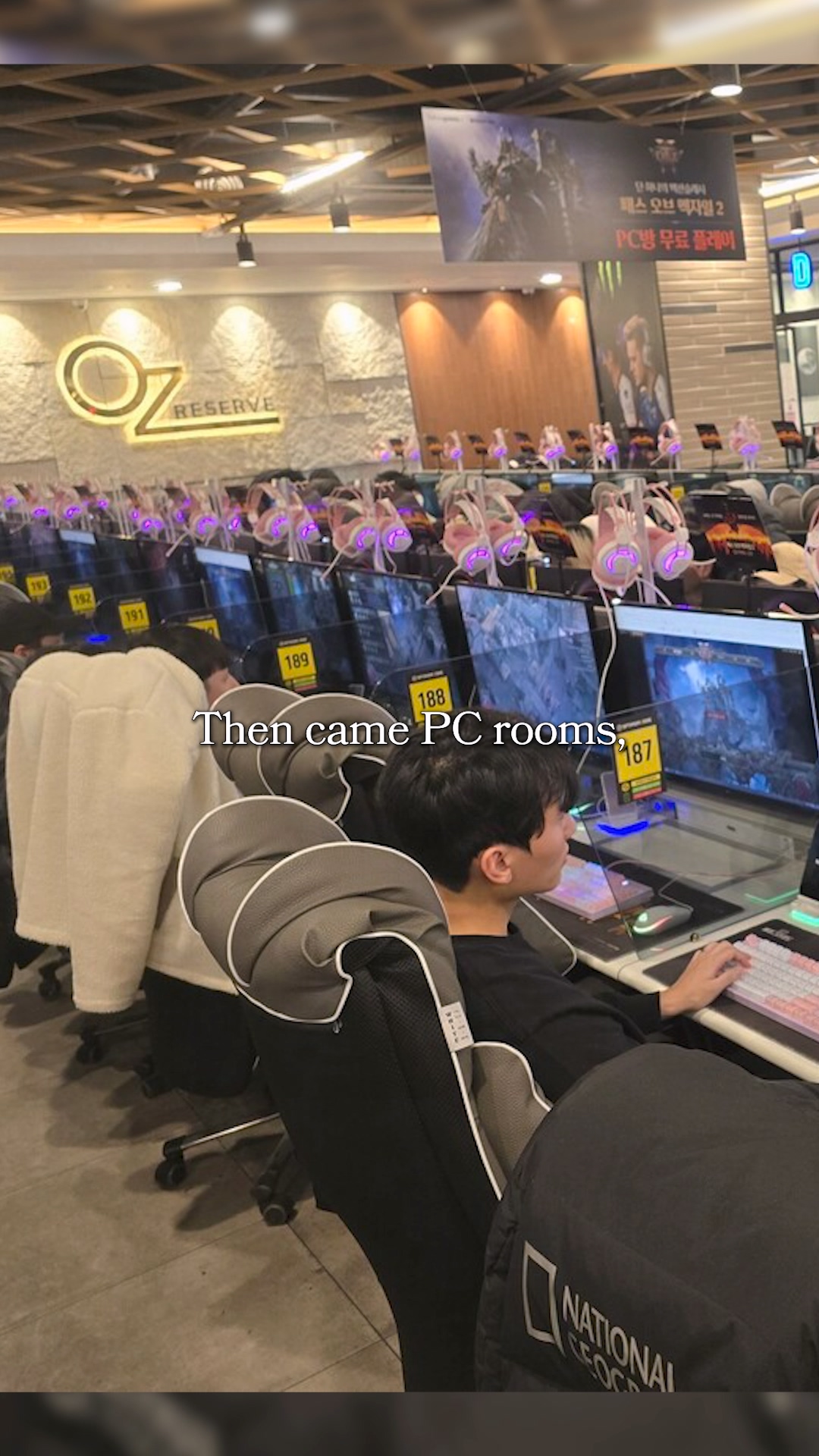
A Korean PC bang. Seats are numbered, and the number is what the kiosk and the food order both key off. Photo by MatthieuRicard, CC0.
First Visit: The Basic Flow
The exact system depends on the store, but the flow usually looks like this:
| Step | What happens | First-timer tip |
|---|---|---|
| Enter | Find the kiosk or front counter | Look for non-member options if available |
| Pay or charge time | Buy time before or after choosing a seat | Start with one hour if you are unsure |
| Choose a seat | Seat number connects to your session | Avoid reserved or premium rooms unless you paid for them |
| Log in | Use game accounts or store launcher | Bring your own account details and 2FA access |
| Order food | Use the PC menu or counter | Ramyeon and drinks are the safest first order |
| Leave | End session and clean your spot | Take wallet, phone, headset, and charging cables |
If the kiosk is Korean-only, ask staff politely. A short phrase such as “non-member, one hour” plus pointing usually works better than overexplaining.
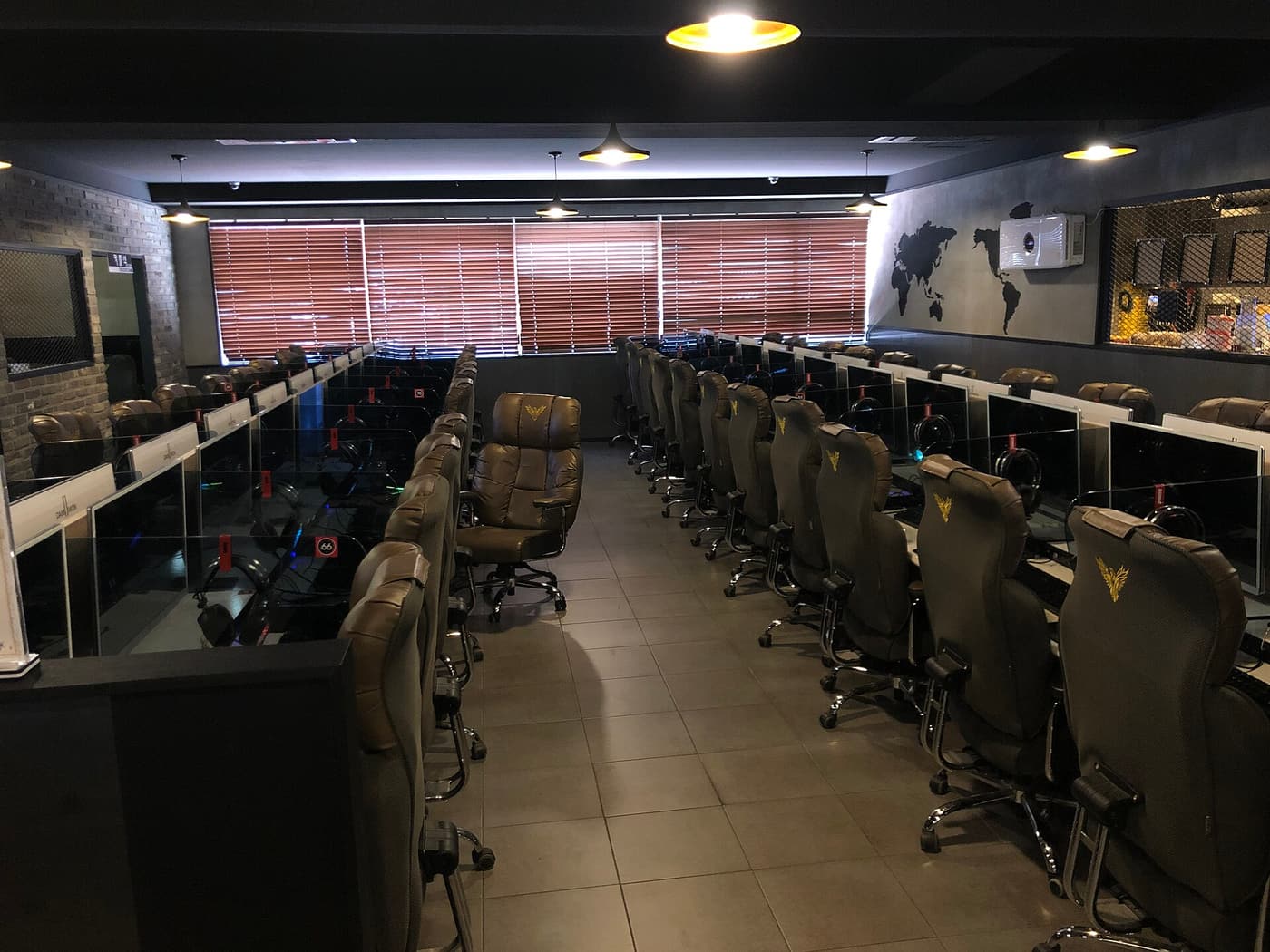
Note the space beside each keyboard. That is where the food goes — ordering to your seat is normal, not a novelty. Photo by MatthieuRicard, CC0.
What to Order
The food is not an accessory. It is part of the PC bang system. VISITKOREA's esports guide says T1 Base Camp serves classic PC bang culture foods such as T1 Ramyeon and other player-pick menu items. VISITKOREA's gaming-enthusiast column also describes PC bangs as spaces where friends gather, eat, and bond, with menus ranging from snacks and drinks to Korean fried chicken and samgyeopsal at some places.
Most visitors should start simple:
- Ramyeon or a rice bowl.
- Iced Americano or bottled drink.
- Chips or Korean snack.
- Tteokbokki-style snack if available.
- Fried chicken only if you are staying longer and the store allows it comfortably.
Do not order a huge spread if you cannot read the interface or if the room is crowded. Learn the system first.
PC-bang food at home: As an Amazon Associate, EpicKor may earn from qualifying purchases. If the desk-food ritual is what stayed with you, compare a Korean ramen cooking pot for size, handle heat, lid, and stove compatibility.
See Korean ramen cooking pot on AmazonEtiquette: How Not to Annoy Everyone
PC bangs are casual, but they are not lawless. People are focused, often wearing headsets, and may be in competitive games. Your job is to blend in.
| Situation | Do | Avoid |
|---|---|---|
| Voice chat | Keep volume controlled | Shouting across the room |
| Filming | Photograph your own seat if allowed | Filming strangers or screens |
| Food | Keep trays stable and clean spills quickly | Leaving trash for staff without care |
| Seat choice | Use the seat you paid for | Moving into premium areas casually |
| Accounts | Log out before leaving | Saving passwords on a shared PC |
The easiest rule: act as if everyone around you is trying to clutch a match.
What Can Block Foreign Visitors?
Foreign visitors can usually use many PC bangs, but a few friction points are common:
- Korean-only kiosk screens.
- Store membership systems.
- Game accounts requiring Korean phone verification.
- Age or late-night rules.
- Payment terminals that dislike some foreign cards.
- Premium-room pricing that is unclear.
That does not mean you should avoid PC bangs. It means you should start with a simple plan. Choose a visible, staffed location, go earlier in the day if nervous, bring a payment backup, and know which game or activity you actually want.
Payment and Time Strategy
Start smaller than you think. One hour is enough to learn the seat, interface, noise level, food menu, and account login situation. If everything works, add more time. If it does not, you can leave without feeling trapped.
Some places charge differently for members, non-members, premium rooms, group rooms, or event spaces. VISITKOREA's T1 Base Camp example shows how one esports-oriented PC bang can have normal member/non-member hourly fees plus separate premium and player-room pricing. A neighborhood PC bang may be simpler, but the lesson is the same: read the seat type before you sit.
If you are using a foreign card, keep a little cash or another card as backup. Payment friction is not unique to PC bangs, but it is more annoying when your friends are already seated.
PC Bangs and Esports Tourism
VISITKOREA's esports travel guide positions Korea as a major esports destination and highlights places such as T1 Base Camp and LoL Park. T1 Base Camp is described as a PC bang run by the T1 League of Legends team, with high-end PCs, premium rooms, player rooms, food, official shop features, and viewing parties.
That does not mean every neighborhood PC bang is an esports attraction. Most are ordinary local businesses. But the connection matters: Korea's esports culture did not appear only in arenas. It grew from rooms where players could practice, compete, watch, copy, and socialize.
If you are planning a gaming-focused Seoul day, pair a normal PC bang visit with LoL Park, an esports exhibition, or a match-viewing event rather than expecting one random store to explain the whole culture.
Food, Gaming, and Korean Convenience Logic
PC bangs fit a larger Korean pattern: the activity becomes a complete environment. A noraebang is not just a microphone. A jjimjilbang is not just a sauna. A study cafe is not just a desk. A PC bang is not just a computer.
It packages:
- Hardware.
- Network speed.
- Seat comfort.
- Food ordering.
- Payment by time.
- Group seating.
- Late-night access.
- Competitive atmosphere.
That system is why travelers often remember PC bang food as much as the game. Korea turns a hobby into a full room.
Is It Only for Gamers?
No. Serious gamers use PC bangs, but casual visitors can go for one hour to see the atmosphere, watch a friend play, eat ramyeon, or understand why Korean gaming culture feels so physical. Some people use PC bangs for streaming, web browsing, or waiting between plans.
Still, do not take a seat during peak hours just to perform tourism. If the room is packed and you do not plan to use the PC, choose another time.
Snack-session backup: If you want the PC-bang snack mood without the screen time, a case of Nongshim Shin Ramyun is the actual PC bang order — build the table around that, plus chips, drinks and one easy sweet snack.
See Nongshim Shin Ramyun on AmazonSafety and Common Sense
PC bangs are generally ordinary businesses, but use normal city judgment:
- Keep your bag where you can see it.
- Do not leave your phone at the seat while walking away.
- Do not share account passwords.
- Log out of games, email, and social media.
- Avoid late-night solo visits if you feel uncomfortable.
- Check age rules if traveling with teenagers.
Also remember that game availability is not guaranteed. A store may not support your preferred title, region, launcher, or account setup.
Best First-Timer Plan
Try this:
- Go with one friend.
- Pick a staffed PC bang in Hongdae, Jongno, Gangnam, or another busy area.
- Start with one hour.
- Order ramyeon or a drink.
- Play one familiar game or simply watch your friend play.
- Log out completely.
- Leave before the experience turns from fun to fatigue.
If you love it, then plan a longer session next time. The first visit is for understanding the room, not proving your gamer identity.
For a culture-heavy day, you can pair one hour at a PC bang with a coin noraebang, convenience-store snack stop, or late-night ramyeon. That combination explains modern Korean leisure better than trying to turn one PC room into the whole story.
FAQ
Q: Can foreigners use PC bangs in Korea?
Often yes, but some kiosks, membership systems, game accounts, or payment terminals may be inconvenient. Choose a staffed location and bring a payment backup.
Q: Are PC bangs only for League of Legends?
No. League of Legends is important in Korean gaming culture, but PC bangs may support many games, depending on the store and installed launchers.
Q: What should I order first?
Ramyeon, a drink, or a simple snack is the safest first order. Learn the interface before ordering a full meal.
Q: Is it okay to take photos?
Avoid photographing strangers, screens, and private information. If you take a photo, keep it to your own seat or food and check store rules.
Q: How long should a first visit be?
One hour is enough to understand the system. Add more time only if the seat, game, and payment setup are comfortable.
Q: Are PC bangs part of Korean esports culture?
Yes. They are not the whole story, but they helped make competitive gaming social, visible, and normal in everyday Korean life.
Sources
You Might Also Like
Seoul Night Picnic Guide 2026: Hangang, Ramen, Chicken, Ice Cups
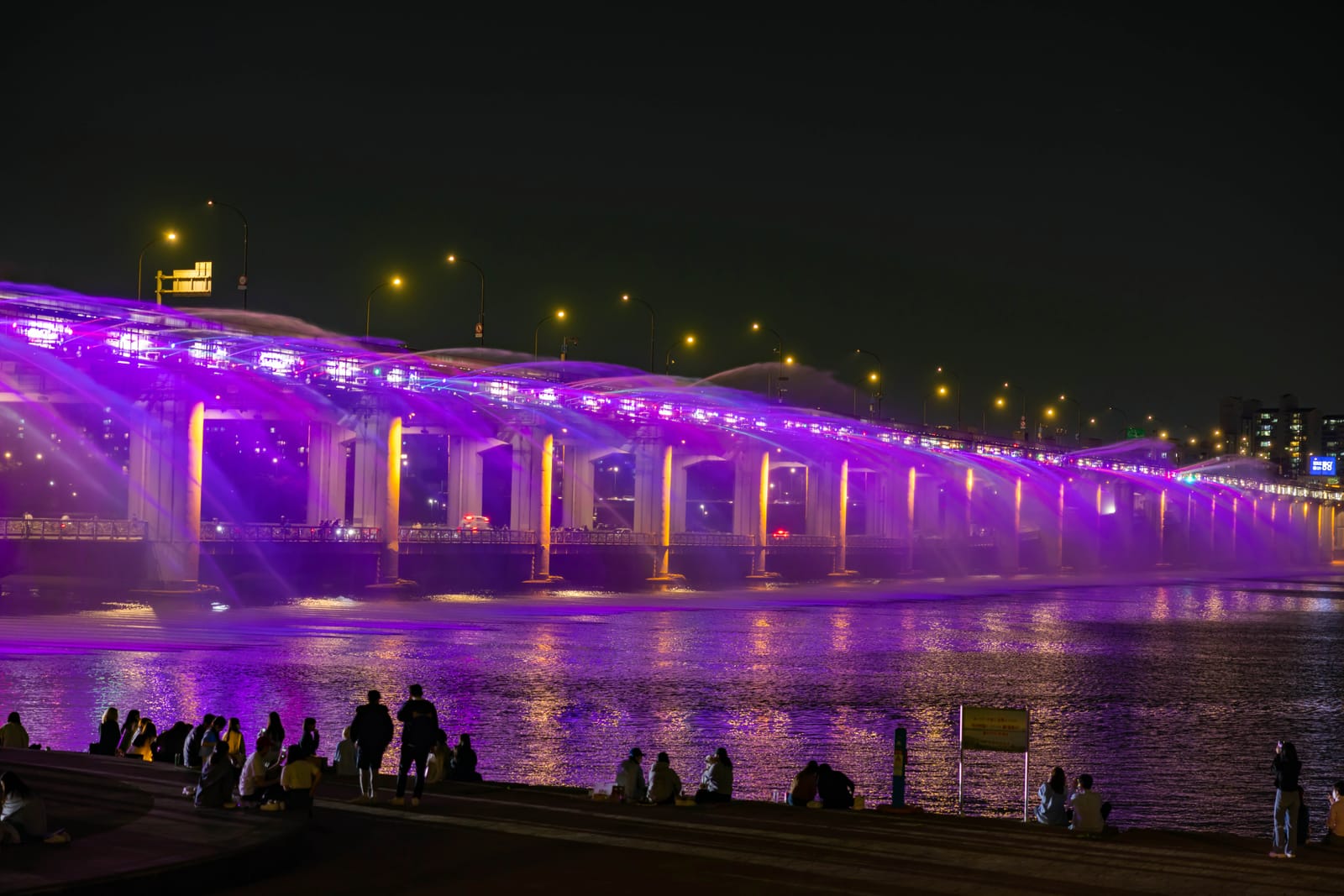
A Hangang night picnic runs on two numbers: about ₩4,800 for ramyeon from the convenience-store cooker and ₩1,000 for a Ttareungi day pass. Which park to pick, what to buy, Banpo fountain timing, and the rules that matter.
Korean Kitchen Scissors: Why Koreans Cut Meat and Noodles at the Table, and Why It Is Not an Office Scissor
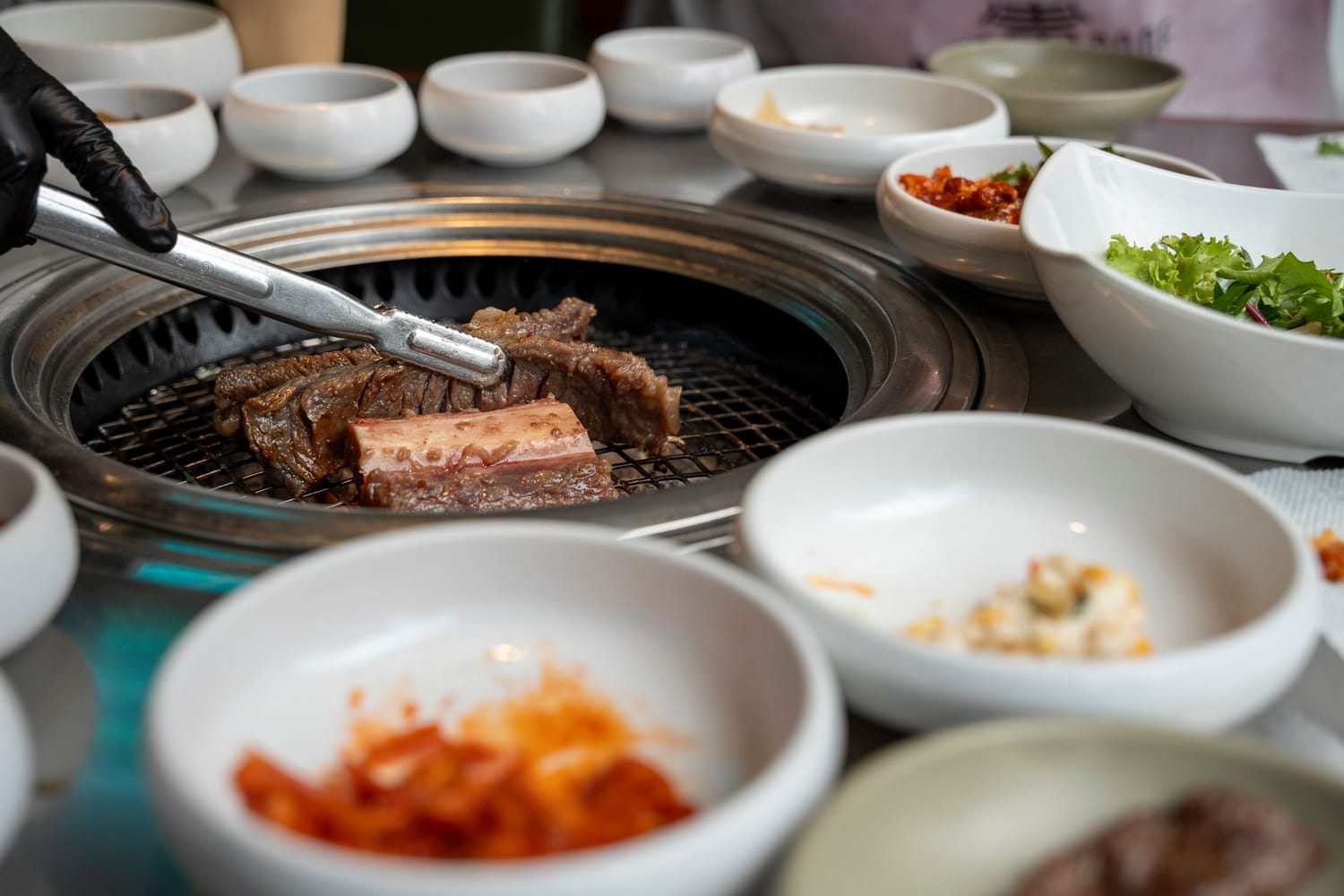
Scissors on a restaurant table look wrong to most of the world and normal to every Korean. The tool is not a desk scissor: thick blades, one serrated edge, big rings, often detachable, built for galbi and cold noodles. Where it came from, and which one to buy.
The One Korean Food Foreigners Never Learn to Love: Hamheung Naengmyeon, and Why Koreans Can't See the Problem
Foreigners who eat cheonggukjang and even hongeo still will not pay for this twice. A Korean creator who fed foreigners for years says naengmyeon was the overwhelming number one refusal, and Koreans, who rank it first every summer, cannot see why.