Why Korean Skin Can Look Younger: A Practical Guide
Korean skin does not biologically stop aging. What people call an “ageless Korean” look is better explained by daily sun protection, moisturizing, makeup and styling, beauty services, camera conditions, individual genetics and selection bias. Korea's beauty culture makes preventive care visible and products easy to access, but no nationality owns a wrinkle-proof routine.
The useful lesson is simple: protect skin from ultraviolet radiation, cleanse gently, moisturize as needed, introduce targeted products slowly and get professional care for persistent problems. Those habits are safer than a celebrity “beauty secret.”
A consistent routine can be small. Product count is not a measure of youthfulness or discipline. Photo by Cup of Couple on Pexels.
The honest answer behind the “ageless Korean” impression
Several effects overlap. Korean entertainment and advertising show people selected for appearance, professionally lit, styled and often retouched. International viewers then compare those images with ordinary people in unplanned settings. That is not a fair biological test.
Age guessing also depends on hairstyle, clothing, facial expression, makeup and cultural expectations. The Korean word dong-an describes a youthful-looking face; it is a compliment, not a medical condition.
Finally, skin aging varies enormously within every population. Sun exposure, smoking, sleep, illness, hormones, air pollution, occupation and access to care can matter alongside inherited traits. It is reasonable to notice that Korean beauty culture emphasizes prevention. It is not reasonable to conclude that kimchi, one serum or ethnicity freezes a person's biological clock.
ROUND LAB Birch Juice sun stick + sun serum duo — on AmazonAffiliate link. As an Amazon Associate, EpicKor earns from qualifying purchases at no extra cost to you.
Appearance, skin health and aging are different questions
“Looking younger” may reflect less visible dryness, smoother makeup, facial volume, styling or simply good lighting. Healthy skin is about comfort and function, not passing for a younger age.
This distinction prevents exaggerated product claims. The U.S. Food and Drug Administration's anti-aging cosmetics guidance explains that moisturizing can make lines less noticeable as a cosmetic effect. A claim to change skin structure or increase collagen can move a product into drug or device territory. Marketing words such as “clinically tested,” “repair” or “youth activating” do not automatically prove a meaningful outcome.
| Popular claim | What is reasonable | What to reject |
|---|---|---|
| “Glass skin” | A makeup and skincare aesthetic emphasizing even, hydrated-looking skin | That pores disappear or skin becomes literal glass |
| “Anti-aging cream” | Moisturizer may temporarily soften the look of fine lines | That a cosmetic performs a facelift |
| “Ten-step routine” | A menu of optional Korean product formats | That ten products are required for Korean results |
| “Natural Korean secret” | Some traditional ingredients inspire modern formulas | That nationality or one food guarantees young skin |
Daily sun protection is the strongest practical lesson
Repeated ultraviolet exposure contributes to premature visible aging. The American Academy of Dermatology says sunscreen and moisturizer are the two most effective anti-aging products people can buy. Its sunscreen application guidance recommends broad-spectrum, water-resistant SPF 30 or higher, applied before outdoor exposure and reapplied during continued exposure, especially after swimming or sweating.
Korean beauty culture has helped make daily facial sunscreen feel like skincare rather than beach equipment. Lightweight lotions, essences, sticks and cushion formats reduce friction for different preferences. That texture innovation is genuinely useful: a product only protects when someone applies enough and uses it consistently.
Still, no Korean sunscreen is magic. Follow the label sold in your market, cover exposed areas, and combine sunscreen with shade, hats and clothing. A sun stick can be convenient for touch-ups but may deliver too little if used as a few decorative swipes. Makeup with SPF should not become an excuse to apply a tiny amount.
For texture comparisons and realistic wear questions, see EpicKor's Korean sunscreen guide. The current Korean skincare routine-order guide shows where sunscreen belongs after moisturizer in the morning.
Make prevention easy enough to repeat: As an Amazon Associate, EpicKor may earn from qualifying purchases. Compare Korean SPF 50 sunscreens by finish, water resistance, expiration date, seller and the directions on the package rather than choosing only by a viral ranking.
Gentle cleansing and moisturizer support appearance
Harsh washing can make skin feel tight, flaky and irritated. That roughness may make fine lines and uneven texture look more obvious. A gentle cleanser should remove sweat, sunscreen and makeup without becoming a test of how “squeaky” skin can feel. At night, an oil cleanser or balm can help dissolve resistant makeup and sunscreen, followed by a mild water-based cleanser if needed.
Moisturizer reduces water loss and can temporarily plump the appearance of fine lines. Gel, lotion and cream textures serve different preferences; the heaviest option is not automatically best. Dry winter air, humid Seoul summers, air conditioning and active treatments can all change what feels comfortable.
The AAD's anti-aging product guide recommends choosing for skin type and setting realistic expectations. It also warns that using several anti-aging products at once can irritate the skin. That advice fits the best version of K-beauty: enjoyable textures and consistent care, not endless layering.
Cleansing should remove the day without adding unnecessary friction. Photo by ROMAN ODINTSOV on Pexels.
Hydration-first skincare does not mean seven mandatory layers
Korean routines are known for toners, essences, ampoules, serums, sheet masks and sleeping packs. These are product formats, not a fixed sequence everyone must own. Many overlap. A hydrating toner and essence may do similar jobs; a serum and ampoule may target the same concern.
Apply products from lighter to richer texture when their directions do not specify another order. More importantly, give each step a purpose. If cleanser, moisturizer and sunscreen keep your skin comfortable, the foundation is already present. Add one optional product for one priority, then watch how your skin responds.
Sheet masks can temporarily improve the feeling of hydration, but they do not create permanent “glass skin.” Seven toner layers may feel pleasant to one person and sticky or irritating to another. The routine belongs to the user, not to a number invented for content.
| Step | Practical role | Required? | Common mistake |
|---|---|---|---|
| Gentle cleanser | Removes residue without deliberate stripping | Yes, especially at night | Scrubbing until tight |
| Toner or essence | Adds an optional light hydrating layer | No | Buying both when they duplicate each other |
| Serum or treatment | Targets one concern | No | Starting several actives together |
| Moisturizer | Reduces water loss and supports comfort | Usually | Choosing by hype instead of skin feel |
| Sunscreen | Protects exposed skin from UV radiation | Daytime essential | Applying too little |
Active ingredients require patience, not a beauty race
Retinoids, vitamin C, exfoliating acids, niacinamide and other active ingredients can fit a routine, but each has different evidence, formulation issues and irritation potential. A product's concentration is not the only variable. Packaging, pH, stability, frequency and the rest of the routine matter.
Start one new active at a time and follow the directions. Patch testing cannot rule out every future reaction, but it can reveal an immediate problem before full-face use. Stop if a product causes concerning burning, swelling, hives or a worsening rash. Persistent acne, eczema, rosacea, pigment changes or painful irritation deserves a qualified medical professional, not a stranger's “purging” diagnosis.
EpicKor's Korean PDRN skincare explainer separates topical cosmetics from injectable procedures, while the Korean beauty-device guide covers warranty, instructions and contraindications.
Diet, sleep and stress matter without becoming miracle claims
A varied diet, sufficient sleep, not smoking and managing health conditions support general wellbeing. They are not Korean-exclusive beauty hacks. Kimchi and other fermented foods can be part of a nutritious diet, but eating them does not prove that wrinkles will disappear. Research on the gut and skin is interesting; it does not justify selling one food as a national anti-aging mechanism.
Sleep also changes how someone looks in the short term. Fatigue can affect expression, puffiness and the appearance of the eye area. Chronic stress may disrupt routines and worsen some conditions. Yet “sleep eight hours and look ten years younger” is still an unsupported promise.
The AAD's guidance for skin in the 40s and 50s places sun protection, moisturizer, gentle washing, not smoking, healthy food and sleep in a broad plan. The strength of that list is its ordinariness. It does not rely on a celebrity case study.
Korea's beauty infrastructure changes behavior
The most distinctive Korean factor may be access. Health-and-beauty stores, pharmacies, department stores, brand shops, clinics and online retailers make skincare part of ordinary shopping. New textures and formats appear quickly, testers reduce uncertainty, and price competition gives consumers options from inexpensive basics to luxury products.
Korea's Ministry of Food and Drug Safety regulates products that make certain functional-cosmetic claims, including ultraviolet protection. The MFDS functional cosmetics process is a useful official starting point. Regulation does not mean every product suits every person, and Korean approval does not replace the label rules where an international reader lives.
K-beauty's global visibility can make all Koreans seem unusually skincare-focused even though individual routines range from minimalist to elaborate. Celebrity images can intensify that assumption, so EpicKor's Suzy first-love image guide is a useful companion for separating natural-looking public charm from real everyday beauty behavior.
Observing skin over time is more useful than copying a creator's exact shelf. Photo by Sora Shimazaki on Pexels.
A realistic morning and night routine
In the morning, rinse or cleanse gently according to your needs, apply one optional treatment, moisturize if needed, then use sunscreen as the final skincare step before makeup. In the evening, remove sunscreen and makeup, cleanse gently, use a treatment according to its directions and finish with moisturizer.
Sensitive or irritated skin needs fewer experiments, not a larger rescue shelf. Return to familiar products and seek medical guidance if symptoms persist. For travel, pack the products your skin already knows. A hot, humid, cold or dry destination is a poor laboratory for six new actives.
Judge the routine over weeks, not one mirror check. If you photograph progress, use similar lighting so the room does not create the result.
Choose one optional layer, not a whole fantasy shelf: As an Amazon Associate, EpicKor may earn from qualifying purchases. Compare the ROUND LAB 1025 Dokdo Cleanser and ROUND LAB 1025 Dokdo Toner separately; the cleanser should remove the day comfortably, while the toner only earns a place if the extra layer improves your routine.
How to shop for K-beauty without chasing youth
Begin with one job, then check skin type, current actives, volume, expiration, seller and return policy. A bestseller badge describes sales, not your skin. EpicKor's Olive Young shopping guide covers testers and tax refunds, while the Seoul beauty shopping map separates a restock from a full beauty itinerary.
Be careful with imported sunscreen. A Korean product's packaging or claims can differ by destination, and marketplaces can mix sellers. Check tamper evidence, lot or expiration information and the exact listing. For products promising to cure disease, rebuild tissue or deliver procedure-level results, pause and compare the claim with a regulator or medical source.
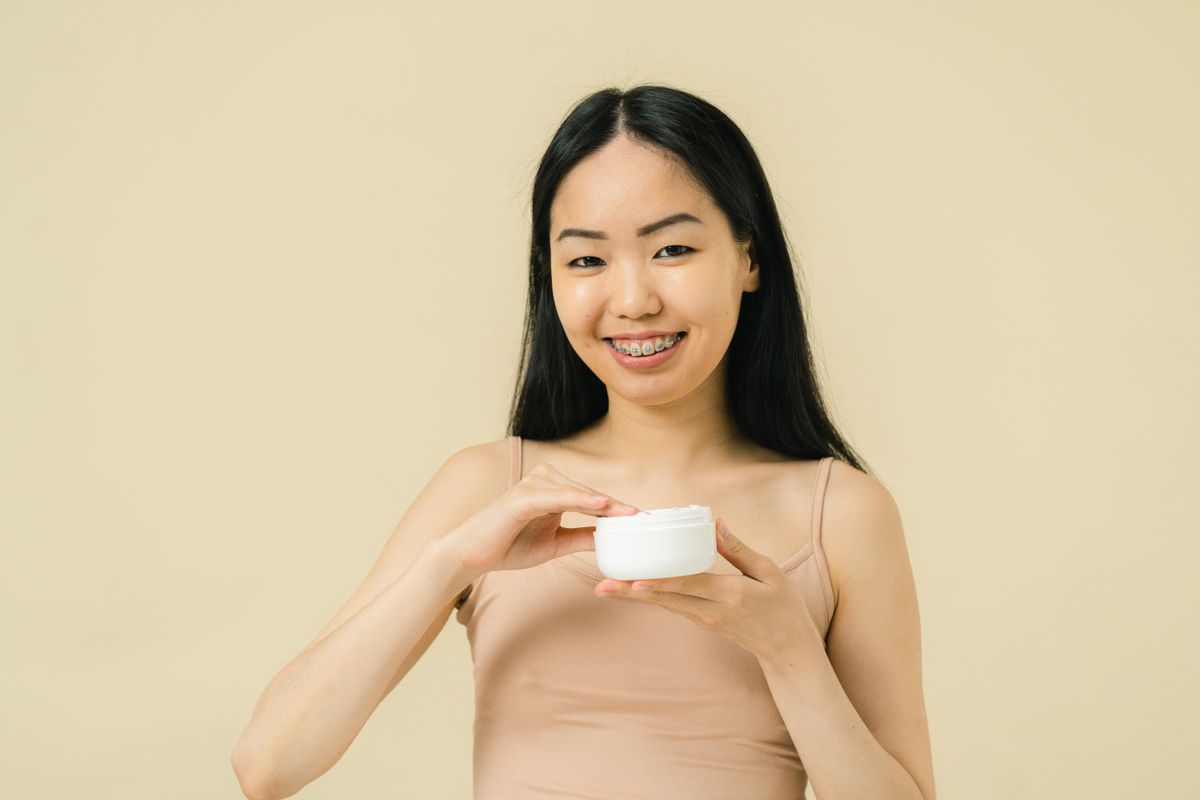
A moisturizer can support comfort and soften the look of dryness, but it cannot stop biological aging. Photo by SHVETS production on Pexels.
The practical answer
Some Koreans look younger than an international viewer expects for the same mix of reasons people anywhere can look younger: individual variation, sun habits, skincare, styling, healthcare and the context in which they are seen. Korea adds a highly visible beauty industry and strong preventive-care vocabulary, but it does not provide proof of national agelessness.
Take the useful parts: daily UV protection, gentle cleansing, moisturizer, slow product testing and realistic claims. Leave the stereotypes, celebrity comparisons and miracle-food stories behind. The goal is comfortable, protected skin at your real age, not winning an age-guessing game.
FAQ
Q: Do Koreans naturally age more slowly?
There is wide variation within every population, and a nationality does not stop biological aging. Sun exposure, health, smoking, skincare, styling, genetics and selection bias all affect perceived age.
Q: Is the Korean ten-step skincare routine necessary?
No. Cleanser, moisturizer and daytime sunscreen form a practical base. Toner, essence, serum, ampoule, masks and devices are optional additions with overlapping roles.
Q: What is the most useful Korean anti-aging habit?
Consistent sun protection is the strongest practical lesson. Use broad-spectrum protection according to the label and combine it with shade and protective clothing when exposure is high.
Q: Does kimchi make Korean skin look younger?
No reliable evidence shows that one food makes a nationality look younger. Fermented foods can fit a varied diet, but they are not a wrinkle treatment.
Q: Can moisturizer remove wrinkles?
Moisturizer can reduce dryness and temporarily make some fine lines less noticeable. It does not remove biological aging or reproduce the effect of a medical procedure.
Q: When should I see a dermatologist instead of buying K-beauty?
Seek qualified care for persistent acne, eczema, rosacea, painful irritation, swelling, a changing lesion or any condition that worries you. Cosmetics are not a substitute for diagnosis.
Official sources used
You Might Also Like
Is Korean Sunscreen Banned in the US? What Changed in 2026
Korean sunscreen was never banned, but its Korean formula still can't be sold in US stores. The FDA's bemotrizinol order took effect 9 August 2026, the first US bemotrizinol sunscreens are out — and no Korean brand has one yet. Seoul prices inside.
Korean Modern Art: The Painters Whose Work Now Sells for Millions
Meet the Korean modern painters whose work now sells for millions at auction, why the market is booming, and exactly where to see the real thing in Korea.
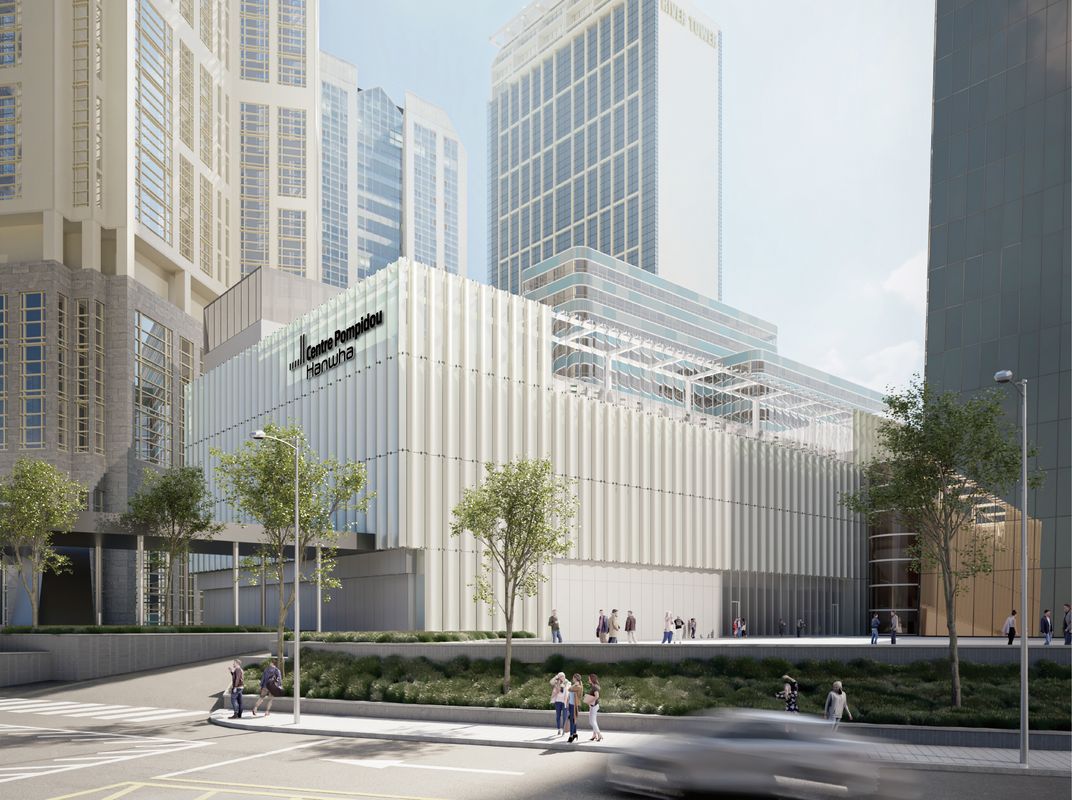
Centre Pompidou Hanwha Seoul: Yeouido Art Stop Guide
A timely guide to Centre Pompidou Hanwha Seoul in Yeouido: opening facts, why it matters, how to plan a visit, and what to pair nearby.